REVIEW · TOKYO
Mt. Fuji & Hakone: Fuji Sengen Shrine, Cruise, and Ramen-Making
Book on Viator →Operated by LIMON Tours · Bookable on Viator
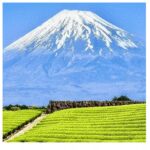
Fuji day trips can feel chaotic, but this one runs on rails. You get a full tour of Hakone and Mt. Fuji area highlights, including a Lake Ashi cruise (weather permitting) plus a hands-on ramen-making lunch and the classic spring-water stop at Oshino Hakkai. It’s a great way to see multiple “musts” without juggling trains and transfers all day.
My two favorite parts are how the day is planned around views (water + shrine lookout) and how the food moment is real work, not a photo stop. The possible drawback is simple: if the Lake Ashi cruise can’t operate due to rain, suspension, or traffic, you’ll still go to alternatives, but you might lose that signature time on the water.
In This Review
- Key things I’d pay attention to
- Leaving Shinjuku: The Easy Way to Reach Fuji and Hakone
- Lake Ashi Pirate Ship: Getting Mt. Fuji from the Water
- Fujikawaguchiko Ramen Factory: Build Your Own Bowl
- Arakura Fuji Sengen Shrine: Stair Steps, Pagoda Views, and Two Mini-Shrines
- Oshino Hakkai: Eight Ponds, Fuji Snowmelt, and Village Market Time
- Price and Logistics: Does It Add Up for $128.69?
- When Weather, Timing, and Walking Matter Most
- Who This Tour Fits Best (and Who Should Skip It)
- Final Call: Should You Book This Mt. Fuji and Hakone Tour?
- FAQ
- How long is the Mt. Fuji & Hakone tour?
- What time does the tour start, and where is the meeting point?
- Is lunch included, and is ramen-making part of the experience?
- Do I need to buy tickets for the cruise?
- What happens if the Lake Ashi cruise can’t run due to weather or other issues?
- Can I choose between Arakura Fuji Sengen Shrine and Tenku no Torii?
- Are vegetarian or halal/vegan meals available?
- Does the bus have Wi‑Fi and air-conditioning?
- Is the tour easy if I’m not comfortable with walking?
- Can I cancel for a full refund?
Key things I’d pay attention to
- Shinjuku start makes this a true one-day escape, with round-trip-style bus transfers that avoid most Tokyo rail stress
- Lake Ashi views happen from a pirate ship, but the cruise is weather-dependent
- Ramen-making isn’t passive: you choose soup base/seasonings and boil noodles to your preferred firmness
- Arakura Fuji Sengen Shrine has two routes up to reach the Churei-to Pagoda area
- Oshino Hakkai is about Fuji meltwater filtered through volcanic rock into eight ponds
- Small-group feel with a maximum of 42 people
Leaving Shinjuku: The Easy Way to Reach Fuji and Hakone
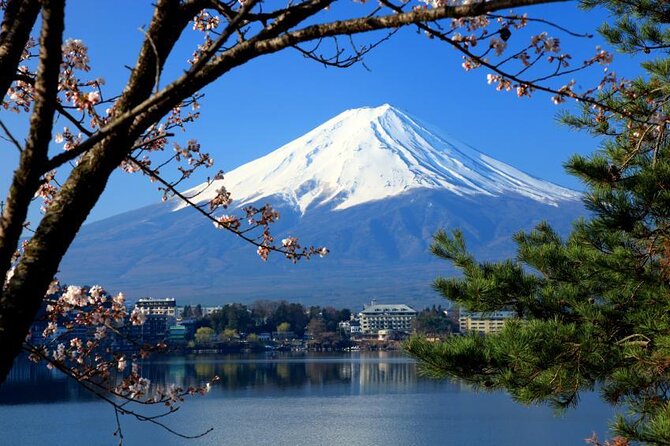
This tour starts and ends at the Shinjuku Center Building (about a 7-minute walk from JR Shinjuku Station), with a departure time of 7:40 am. That early start matters. It helps you spend more daylight at your outdoor stops and less time on “what platform is this bus on?” stress.
The ride itself is on an air-conditioned bus with free Wi‑Fi, which is a big deal when you’re traveling out of Tokyo for nearly the whole day. One practical plus I like: the tour moves you through several zones—Lake Ashi, ramen, shrines, and Oshino Hakkai—so you’re not constantly switching trains, timing transfers, or hunting for the right bus line.
The other logistics point: the bus leaves as scheduled. If you wander in and arrive late, you shouldn’t assume they’ll wait.
You can also read our reviews of more tours and experiences in Tokyo.


Lake Ashi Pirate Ship: Getting Mt. Fuji from the Water
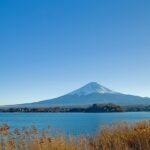
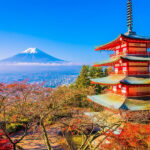
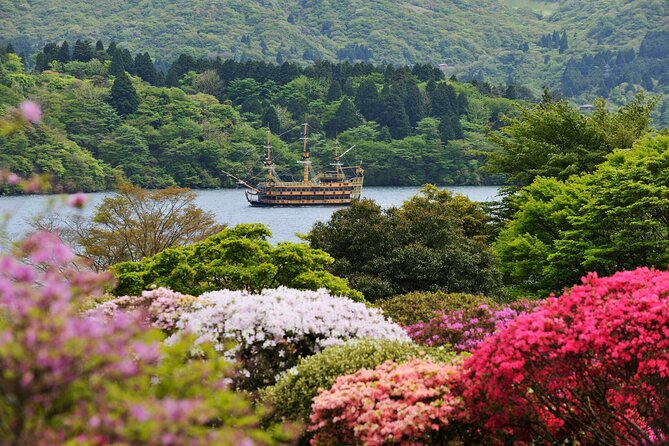
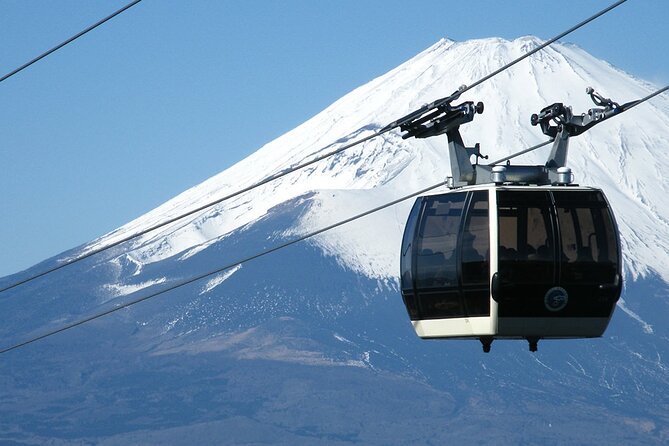
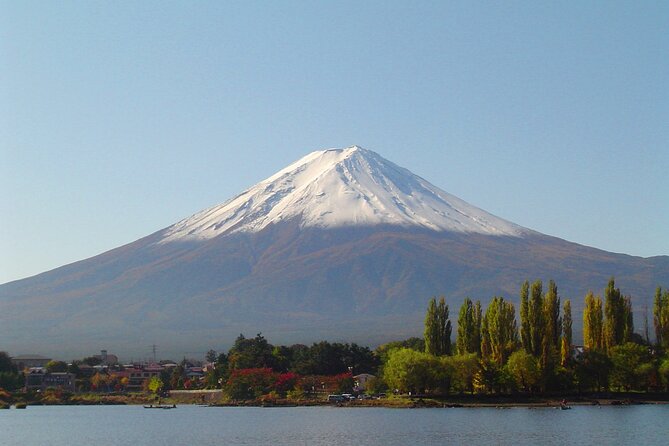
Lake Ashi is where Mt. Fuji looks most dramatic—because you’re watching the mountain reflect across the water. The tour boards the Hakone Pirate Ship on Lake Ashi for about 25 minutes, with the goal of seeing Fuji from the water when conditions allow.
Here’s what to know so you’re not disappointed: this is weather permitting. On gray, rainy, or windy days, you can still get plenty of scenery and photo angles around the lake area, but your clearest Fuji moments depend on visibility.
Also, cruise access can change for reasons like suspension of service, bad weather, or traffic. The tour notes that if the cruise becomes inaccessible, you’ll be taken to alternative facilities and refunds aren’t given for that change. Translation: the tour is still worth it, but if you’re only booking for the boat view, treat it as a bonus you’re trying to catch, not a guaranteed postcard.
Fujikawaguchiko Ramen Factory: Build Your Own Bowl
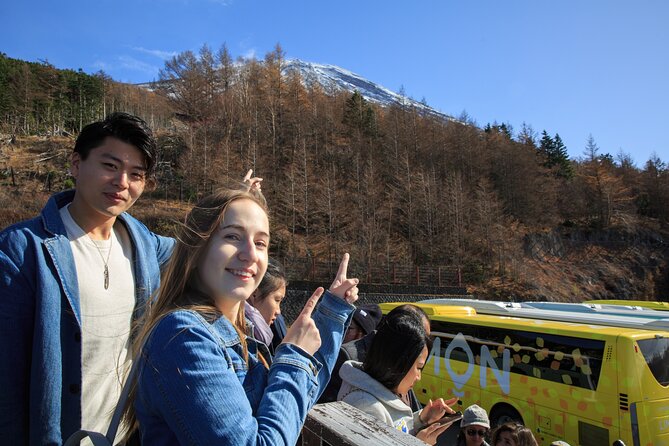
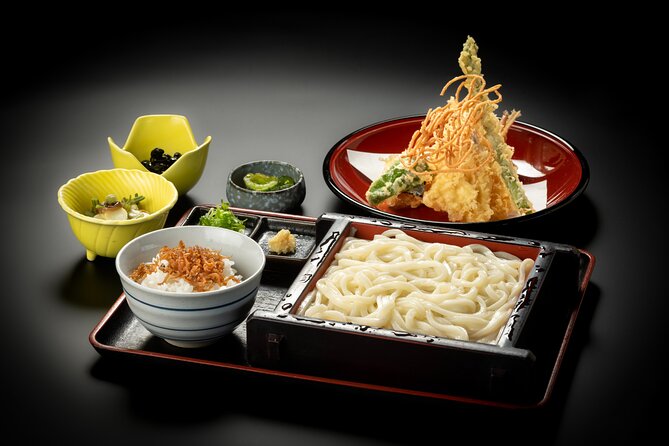
At Fujikawaguchiko-machi, the day shifts from sightseeing to doing something hands-on: a visit to a ramen workshop where you start from scratch. Your included lunch comes from a ramen-making experience that lets you customize your bowl—soup base and seasonings, toppings, and noodle firmness.
This is one of the best value parts of the whole day because you’re not just eating ramen; you’re building it. That makes the meal more memorable, and it also helps you understand why Japanese regional flavors are taken seriously. You’ll likely end up paying more attention to aroma, broth texture, and how toppings balance saltiness and richness.
There are a couple of comfort notes. The lunch is typically served in traditional low, floor-style seating, and that can be tough on stiff knees or slower-moving legs. And if the day is cool or rainy, you might find the meal is a bit cooler than you’d like—so having a light layer helps for the whole ramen-to-shrine stretch.
Arakura Fuji Sengen Shrine: Stair Steps, Pagoda Views, and Two Mini-Shrines
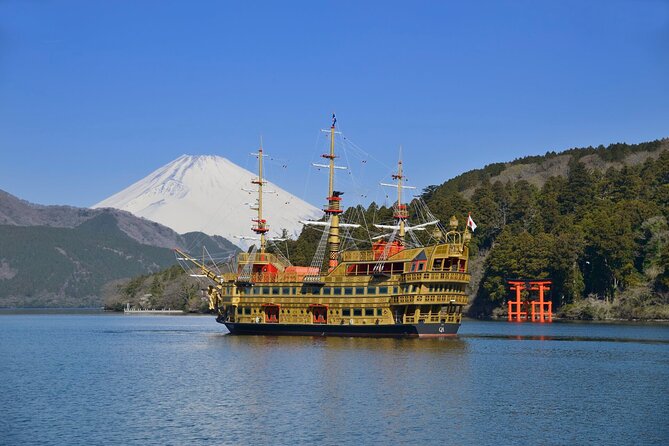
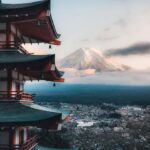
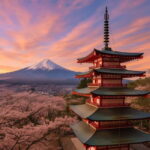
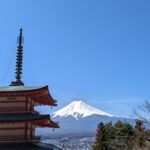
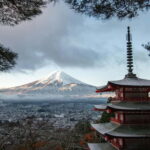
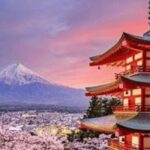
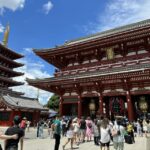
The shrine portion of the tour is built for Fuji viewing. One option is Arakura Fuji Sengen Shrine, a Shinto site founded over 1,500 years ago (705). The big draw here is the climb up toward the Churei-to Pagoda area and the observatory deck, with Mt. Fuji in the background when you catch clear skies.
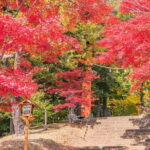
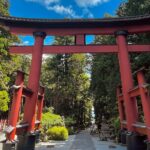
You’ll pass through a grand red torii gate and climb stone paths that include smaller shrines along the way, like Shiogama Shrine (safe childbirth) and Atago Shrine (fire protection). It’s a classic Japanese shrine experience: symbolic structures, changing sightlines, and little moments where the mountain view keeps getting bigger as you move upward.
The walking detail matters. To reach the Churei-to Pagoda, you can take:
- the Sakuya-Hime staircase (notably 398 steps), or
- a gentler sloping path
I’m glad the tour gives you a choice, because it means you can match the route to your energy level. Even so, the tour involves “significant walking,” and it’s not recommended if you struggle with about 10–15 minutes of walking.
If you choose the other shrine option, Tenku no Torii, the tour still ends with that shrine visit—just swapping out the specific place. The Arakura option is the one with the detailed climb-and-pagoda layout, so it’s especially good if you want the full stairway viewpoint experience.
Oshino Hakkai: Eight Ponds, Fuji Snowmelt, and Village Market Time

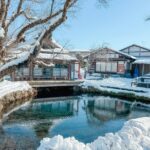
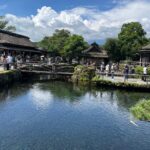
After the shrine, the tour heads to Oshino Hakkai, famous for its clear ponds fed by Mt. Fuji meltwater. The name points to eight seas (eight ponds), formed from snowmelt from Fuji’s peak. The water is filtered through volcanic rock over an 80-year process, turning the area into a calm, scenic stop that feels rooted in nature rather than built for crowds.
This is the “pause” section of the day. You get time to walk the pond area, look at the water, and take photos without the same steep climb pressure as the shrine portion. It’s also where you’ll see more local “Fuji region” life: the tour notes markets and vendors offering wine, fresh fruit, and souvenirs plus regional snacks.
One practical tip: this stop can be a good moment to reset before the return ride. If you’ve been wearing layers for rain and wind, Oshino’s open-air village time is where you’ll feel it most—so keep a plan for your comfort.
Price and Logistics: Does It Add Up for $128.69?
At $128.69 per person, you’re paying for a whole-day bundle: guide, air-conditioned bus with free Wi‑Fi, ramen-making lunch, and sightseeing stops spread across Mt. Fuji and Hakone territory. The cruise boarding ticket is included when that option is selected, and the ramen-making portion is included as part of lunch.
What makes the value feel real is that the day replaces a lot of “buy tickets + figure it out” work. You’re also not just going to one attraction. In one day, you’re hitting a water-view location, a hands-on food experience, a historic shrine with an uphill viewpoint, and a Fuji-water pond village.
Is it perfect value for everyone? Not necessarily. If you’re the type who wants a slower day and a lot of free time, an 11–12 hour day can feel full. And because the cruise is weather-dependent and alternatives are used without refunds, you should be okay with the idea that the signature water moment could shift.
Still, with a 4.8 rating from 124 reviews and a 97% recommendation rate, this is the kind of tour that tends to hit the core expectations: organized transport, multiple highlights, and a memorable included meal.
When Weather, Timing, and Walking Matter Most
This tour lives and dies by two factors: visibility for Mt. Fuji and your tolerance for walking.
On rainy or overcast days, Mt. Fuji may show up only in breaks. One of the review takeaways that matches the tour reality is that you can still have a good day even if the morning starts with rain—sometimes the weather clears enough to glimpse Fuji later. But you should plan for the possibility that Lake Ashi cruise access changes. When it does, you’ll get alternative facilities, not a money-back replacement.
Walking-wise, the most demanding part is the climb toward the pagoda area. The good news is that you can choose stairs or the gentler path. The not-so-good news is that the overall day still includes meaningful movement between stops, so pack light but pack smart.
Finally, meeting point details matter. Some people find Shinjuku confusing, and the tour’s own guidance implies the bus doesn’t wait for late arrivals. I’d treat it like a train connection: arrive early, find the meeting landmark confidently, and don’t assume you can scramble at the last second.
Who This Tour Fits Best (and Who Should Skip It)
This is ideal if you’re:
- visiting Tokyo for the first time and want a structured Fuji-and-Hakone day without transit puzzles
- excited by interactive food experiences, especially ramen you assemble yourself
- interested in shrine culture and scenic viewpoints, not only museums
- okay with a full day schedule starting at 7:40 am
It’s less ideal if you:
- have difficulty with steady walking for around 10–15 minutes
- need fully guaranteed access to a specific cruise segment regardless of weather
- want lots of independent exploration time (this is designed for an organized route)
The guide experience often seems to be a highlight. Names that come up in recent days include Yoko, Hiro, Mami, and Kauori, and the driver quality is frequently praised too, including Mr. Sasaki. Translation: you’re likely to get explanations during the ride and helpful problem-solving if something shifts.
Final Call: Should You Book This Mt. Fuji and Hakone Tour?
Book it if you want the smartest one-day way to cover Mt. Fuji scenery, Hakone-area water views, shrine culture, Fuji-water ponds, and an included ramen workshop. The combination of transport convenience plus a real hands-on lunch is the big win.
Don’t book it only if you’re chasing a guaranteed Mt. Fuji-on-the-water moment or you know you’ll struggle with the walking involved in reaching the shrine/pagoda area. If you can accept weather variability and bring the stamina for a full day, this tour is a strong choice.
FAQ
How long is the Mt. Fuji & Hakone tour?
It runs about 11 to 12 hours.
What time does the tour start, and where is the meeting point?
The tour starts at 7:40 am at Shinjuku Center Building, 1-chōme-25 Nishishinjuku, Shinjuku City. It returns to the same meeting point.
Is lunch included, and is ramen-making part of the experience?
Yes. Ramen-making/Lunch is included as part of the tour.
Do I need to buy tickets for the cruise?
A sightseeing cruise boarding ticket is included if the option is selected.
What happens if the Lake Ashi cruise can’t run due to weather or other issues?
If the cruise becomes inaccessible (for example bad weather or service suspension), the tour will take you to alternative facilities. The tour states that refunds will not be given for that reason.
Can I choose between Arakura Fuji Sengen Shrine and Tenku no Torii?
Yes. The tour notes a shrine visit of your choice between Arakura Fuji Sengen Shrine and Tenku no Torii.
Are vegetarian or halal/vegan meals available?
Vegetarian requests are possible if you contact the provider at least 7 days before. Halal and vegan lunches are not available.
Does the bus have Wi‑Fi and air-conditioning?
Yes. The tour includes an air-conditioned bus with free Wi‑Fi.
Is the tour easy if I’m not comfortable with walking?
No. The tour involves a significant amount of walking. It notes it is not recommended if you have difficulty walking distances around 10–15 minutes. The climb to the pagoda area offers a staircase or gentler sloping path.
Can I cancel for a full refund?
Yes. You can cancel up to 24 hours in advance for a full refund. If you cancel less than 24 hours before the start time, the amount paid is not refunded.