REVIEW · TBILISI
From Tbilisi: Mtskheta, Jvari, Gori & Uplistsikhe Day Trip
Book on GetYourGuide →Operated by CarpeDiemTours · Bookable on GetYourGuide
Georgia’s history fits in one day. You’ll head out from Tbilisi in a Mercedes Sprinter and connect Jvari Monastery views with the rock-cut world of Uplistsikhe. What I like most is how the route jumps eras without feeling rushed, and how the guided storytelling turns each stop into a reason to look closer.
Only catch: expect a lot of time outside, and the timing can be weather-dependent (one winter group complained about freezing feet and wished they’d worn warmer boots and socks).
In This Review
- Key Highlights You’ll Actually Remember
- Getting Oriented: 9 Hours, One Van, Two Languages
- Jvari Monastery: The 30-Minute View That Sets the Mood
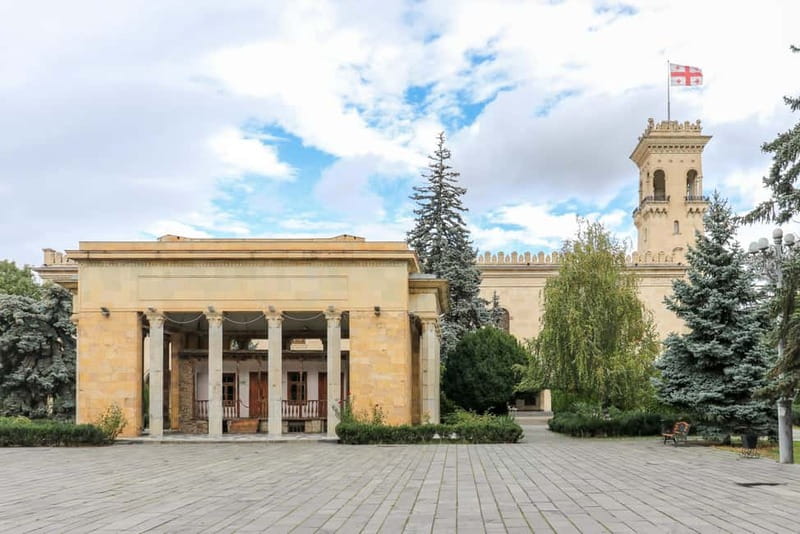
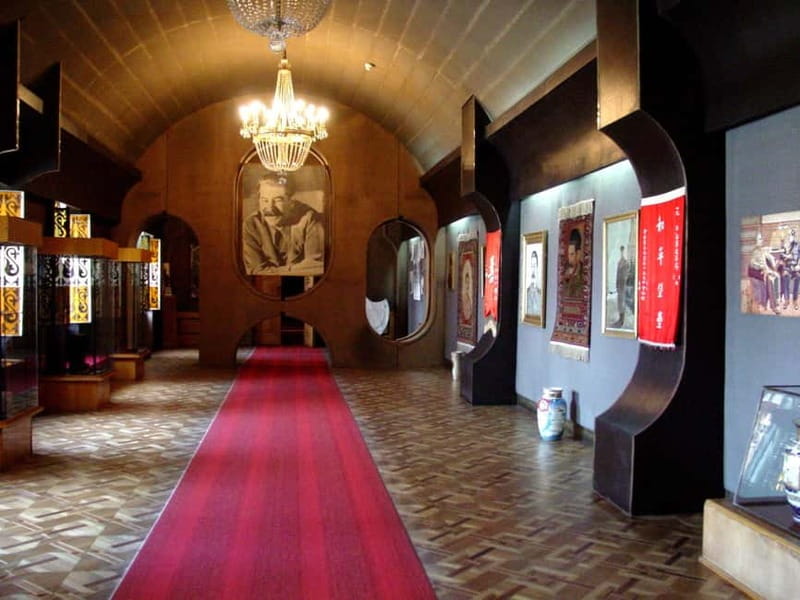
- Gori in Focus: Fortress Views and the Stalin Museum Choice
- Uplistsikhe Cave City: Rock-Cut Architecture You Can Feel
- Svetitskhoveli Cathedral in Mtskheta: The Spiritual Anchor at the End
- Price and Value: What $15 Buys (and What It Doesn’t)
- Who This Day Trip Fits Best (and Who Should Skip It)
- Should You Book This Tbilisi Day Trip?
- FAQ
- How long is the day trip?
- What’s the price per person?
- What does the tour include?
- What is not included?
- Which sites will I visit?
- What language is the guide?
- What should I bring?
- Are food or drinks allowed on the vehicle?
- What’s the cancellation policy?
Key Highlights You’ll Actually Remember
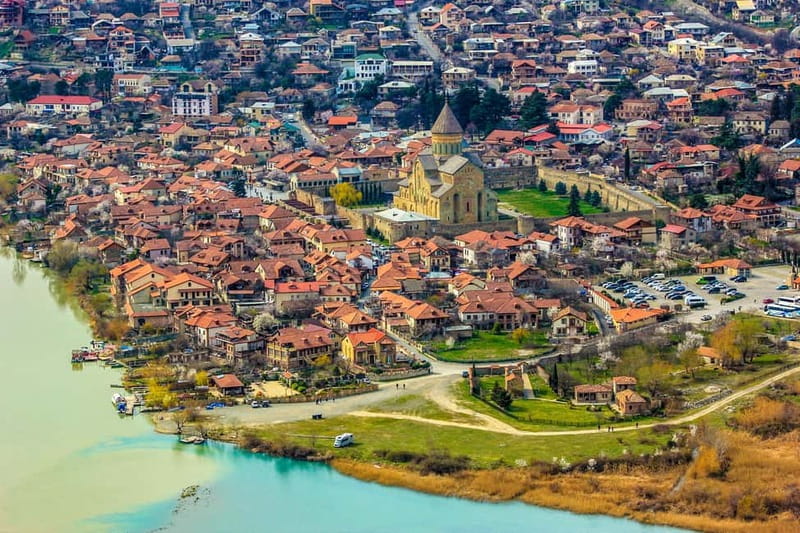
- Jvari’s quick stop, huge payoff with mountains and river-valley views.
- Gori’s Soviet chapter is optional but powerful, thanks to the Stalin museum visit (ticketed).
- Uplistsikhe is walk-and-climb time, not just a photo stop—good shoes matter.
- Cathedral time can vary if you hit an evening service window at Svetitskhoveli.
- Guides bring the story in plain language, with frequent praise for guides like Lasha, Mikho, and Toko.
Getting Oriented: 9 Hours, One Van, Two Languages
This is the kind of day trip that works well when you want depth without committing to an overnight. You’re out for about 9 hours, starting and ending at 22 Ovanes Tumaniani St in Tbilisi, with roundtrip transportation in a Mercedes Sprinter van.
You’ll have a bilingual guide (English and Russian). In real-world terms, that matters because the best moments here aren’t the buildings themselves—they’re the explanations that connect them. From what’s been shared about guides such as Lasha, Mikho, Niko, and Toko, the common thread is that they keep the day moving with clear stories, not just a list of facts.
Logistics are simple, but there are two rules that affect your comfort. First, you can’t bring drinks or food into the vehicle, so plan on buying water or snacks at stops. Second, your schedule is built around time on foot and time outdoors, so wear clothes you can move in.
You can also read our reviews of more tours and experiences in Tbilisi.
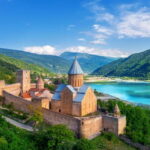

Jvari Monastery: The 30-Minute View That Sets the Mood
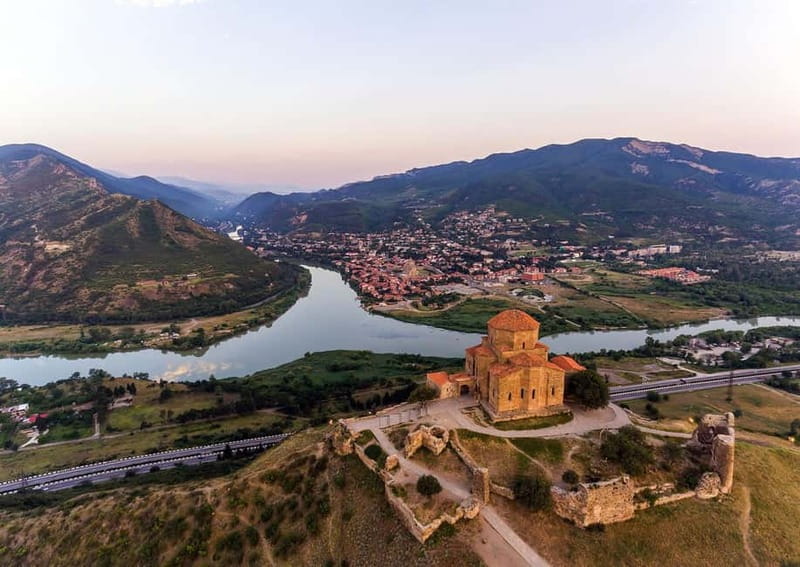
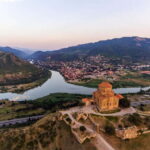
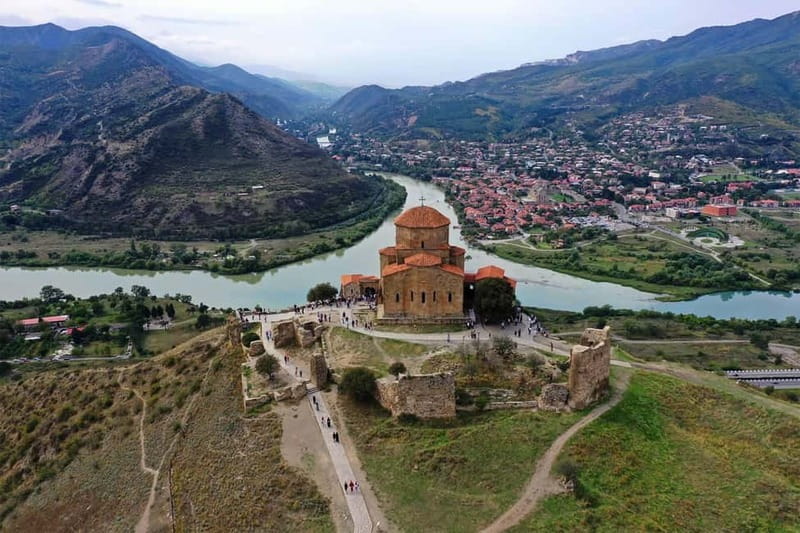
The day kicks off with a photo stop and guided visit at Jvari Monastery (about 30 minutes). This is one of those places where the timing is short on purpose. You get the quick history lesson, the key viewpoints, and then you’re back into the van—before the crowds or fatigue take over.
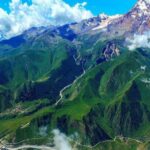
Here’s why I think Jvari works so well on this specific itinerary: the views teach you how Georgia’s geography shapes its culture. From up high, you can understand why monasteries were placed where they are—visibility, symbolism, and a sense of separation from daily noise.
What to watch for: even when the visit feels brief, you’ll likely be standing outdoors for photos and viewpoint time. If you’re doing this in cold months, don’t underestimate the chill. One winter schedule ran into snow conditions, and the feedback was blunt: bring warmer boots and socks, not just “regular” cold-weather gear.
Gori in Focus: Fortress Views and the Stalin Museum Choice
Next you move to Gori, with a photo stop and guided visit (about 1 hour). Gori is a bridge town—between ancient traditions and the heavy weight of the 20th century. It’s also where the day takes a turn from medieval sacred sites to modern political memory.
There are two big parts to how this stop can feel, depending on your interests:
1) Gori’s fortress area
You’ll get the context of an important 11th-century defensive structure, the kind of site that helps you see the region as strategically minded, not just scenic. Fortress architecture is about control: who could see, who could defend, who could survive.
2) The Stalin Museum in Gori (optional, ticketed)
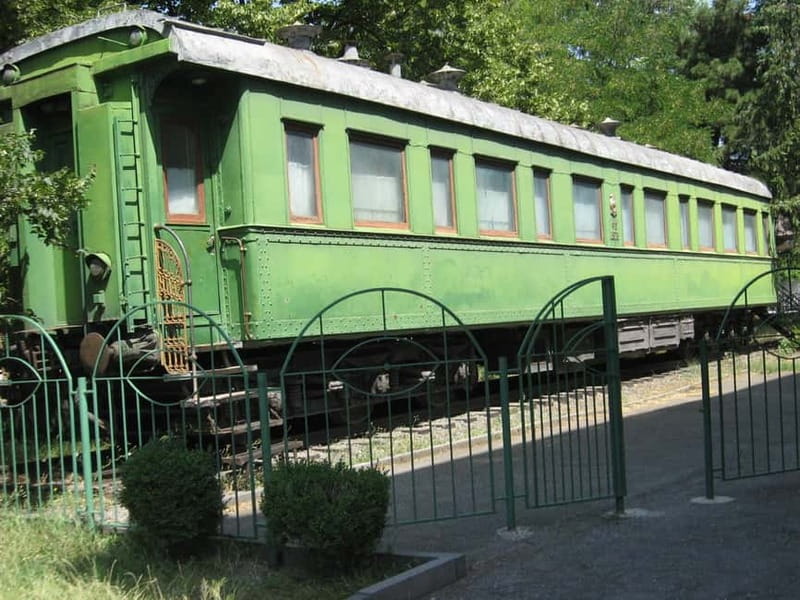
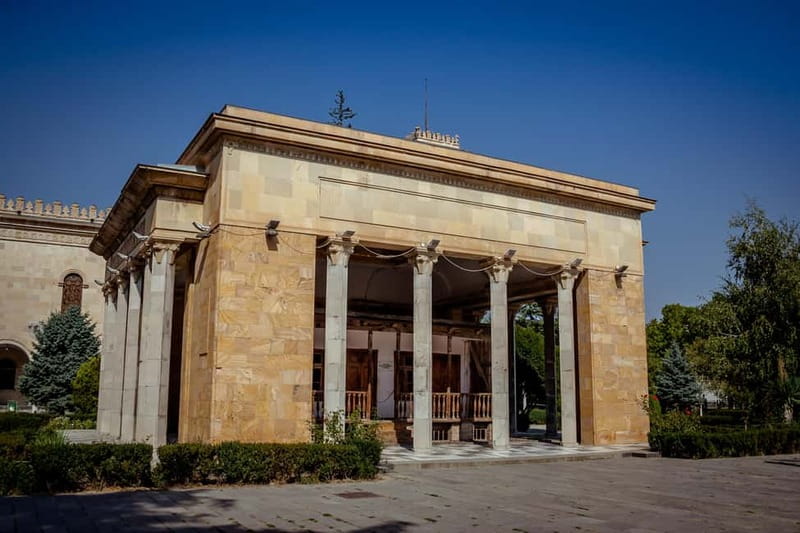
The museum is dedicated to Stalin’s life in his hometown. It isn’t included, and you pay 15 GEL entry if you choose to go in. If you’re curious about Georgia’s Soviet-era layers—and how ordinary places can carry massive historical meaning—this is often the moment that surprises people.
A helpful tip based on past groups: museum pacing can vary a lot depending on the guide working inside, and sometimes different language groups are handled on different timelines. If you’re the type who likes to read slowly, assume you might need to grab the highlights and move on with the group.
If your goal is a balanced day—ancient Georgia plus 1900s history—the Stalin museum choice is exactly that. If you’d rather avoid heavy political content, you can treat this stop more like a historical landscape: fortress, views, and guided context, then continue on.
Uplistsikhe Cave City: Rock-Cut Architecture You Can Feel
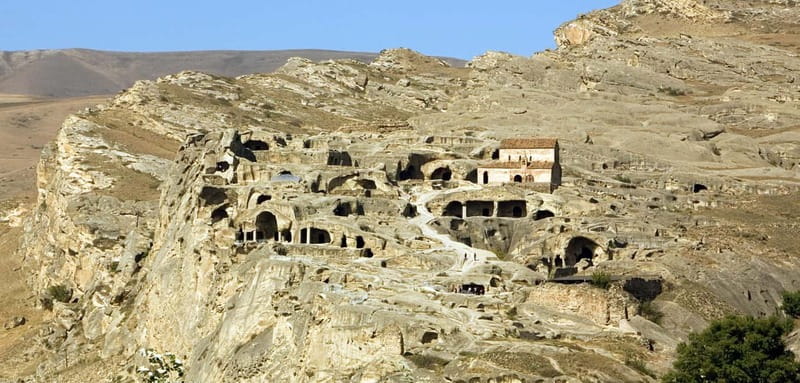
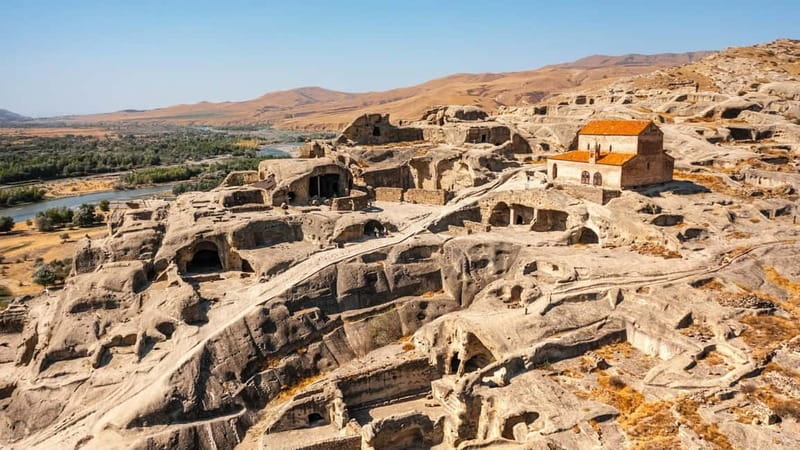
Uplistsikhe is one of the hardest-working stops on the itinerary, and that’s why it’s also one of the most memorable. You’ll have a photo stop and a guided visit (about 1 hour) at the cave city.
This isn’t a single cave or a quick walk between walls. It’s a complex of caves and tunnels in an ancient town, with rock-hewn chambers and spaces carved into the hillside. The best part is how the architecture changes your sense of scale: instead of monuments rising up, you’re moving through space carved from the earth itself.
Because you’ll be walking and moving through uneven terrain, you need to treat this stop like a short hike. One group noted that the climb and walking in Uplistsikhe can be tiring, but they also called it worth the effort. That’s consistent with how cave cities usually feel: the reward is there, but the body has to help.
Also plan for weather. In winter conditions with snow, one feedback point was clear—keep your feet warm. If you’re going during colder months, pack for grip and warmth, not just appearance.
Uplistsikhe entry is ticketed and costs 15 GEL. The guide will handle the “why,” but you still control your comfort with footwear and layers.
Svetitskhoveli Cathedral in Mtskheta: The Spiritual Anchor at the End
Later you’ll visit Svetitskhoveli Cathedral in Mtskheta, with a photo stop and guided visit (about 1 hour). This is your spiritual anchor—the kind of site where the meaning is bigger than any one building.
Svetitskhoveli is tied to Mtskheta’s long storyline as one of the oldest continuously inhabited places. That matters for how the visit lands. When you stand there, you’re not just looking at architecture. You’re seeing a place that has had a role for centuries, long before modern roads, calendars, or even most present-day borders.
Practical consideration: access can depend on services. One traveler ran into an issue where they couldn’t go inside because of an evening service from 6–8 pm (on a Saturday). You can’t predict the exact schedule of religious events, but you can plan a little: if you’re visiting during late hours, be prepared that you might still get a meaningful outside experience even if entry is limited.
If your time is limited in Georgia and you want the day to end somewhere that feels ceremonial, this cathedral stop is a smart finish.

Price and Value: What $15 Buys (and What It Doesn’t)
At $15 per person, the core value is the structure: transportation plus a bilingual guide. You’re not just paying for seats in a van. You’re paying for a day where someone organizes the stops, times the visits, and connects each location to the broader story of Georgia.
Two costs to account for separately:
- Stalin Museum: 15 GEL entry
- Uplistsikhe: 15 GEL entry
Lunch is also not included.
So how do you judge value? For me, it comes down to this: if you’re the type who would otherwise bounce between sites on your own and miss context, the guide time is the real bargain. Many comments attached to this day trip praised guides by name—Mikho, Nikho, Stephan, Michele, Jamal, Eva, Rosana—with frequent praise for story delivery and keeping people engaged.
One more practical note on meals: because you’re out most of the day and stops take time, try not to assume a perfect lunch schedule. In past experiences, the meal timing has landed late. Since you can’t eat in the van, you’ll be happier if you keep a flexible plan for snacks at sites where buying is possible.
Who This Day Trip Fits Best (and Who Should Skip It)
This is a great fit if you want a one-day sampler of Georgia’s contrasts:
- Medieval sacred sites (Jvari, Svetitskhoveli)
- A regional defensive past (Gori fortress context)
- Soviet-era memory (Stalin Museum, optional)
- Rock-cut ancient urban life (Uplistsikhe cave city)
It’s especially good for first-time visitors who don’t want to spend hours researching how to connect these far-flung places. The route is designed for a smooth day flow: see the viewpoints, get the guided context, and end with a cathedral that gives the day a sense of closure.
You might want a different plan if you hate walking on rough ground. Uplistsikhe is not “sit and look.” It’s movement through carved spaces. If you have mobility limits or you get tired fast in cold weather, consider whether you can handle uneven terrain and outdoor time.
Should You Book This Tbilisi Day Trip?
If you’re choosing between staying in Tbilisi or doing a structured history day outside the city, I’d book it—especially if you like your Georgia in layers. This route gives you spiritual sites, medieval geography, Soviet memory, and a cave city in one long day, with a guide to keep the connections clear.
Just do it with two expectations set up front: you’ll spend a lot of time outdoors, and you should budget extra cash for Stalin Museum (15 GEL) and Uplistsikhe (15 GEL). If you show up with good shoes and a winter (or rain) plan, this is the kind of tour that makes a single day feel like a real mini-journey.
FAQ
How long is the day trip?
It lasts about 9 hours.
What’s the price per person?
The price is listed as $15 per person.
What does the tour include?
Roundtrip transportation in a Mercedes Sprinter van and a bilingual guide (English and Russian).
What is not included?
Lunch is not included, and entry tickets are not included for the Stalin Museum (15 GEL) and Uplistsikhe (15 GEL).
Which sites will I visit?
You’ll go to Jvari Monastery, Gori, Uplistsikhe, and Svetitskhoveli Cathedral in Mtskheta. The Stalin Museum is an optional visit within the Gori portion.
What language is the guide?
The guide is available in English and Russian.
What should I bring?
Wear comfortable shoes and comfortable clothes, and bring cash.
Are food or drinks allowed on the vehicle?
No. Drinks in the vehicle and food and drinks in the vehicle are not allowed.
What’s the cancellation policy?
You can cancel up to 24 hours in advance for a full refund.