REVIEW · TBILISI
From Tbilisi : Mtskheta, Jvari, Gori & Uplistsikhe Day Trip
Book on GetYourGuide →Operated by Day Travel To Georgia · Bookable on GetYourGuide
Four ancient worlds, one long day. This trip stitches together Mtskheta’s sacred landmarks, the hilltop drama of Jvari Monastery, the heavyweight history of Gori, and the rock-carved wonder of Uplistsikhe—all with a guide who keeps the stories clear. I love how the viewpoints hit you fast, and I love how the day feels organized even when you’re hopping between totally different eras.
My second favorite part is the human side of the stops, especially Gori’s Stalin Museum, where the guided route makes it feel less like “facts on a wall” and more like a story you can track. The only real drawback to plan for is the pace: it’s a full schedule with brief photo windows and limited free time in each place, so you won’t have hours to wander on your own.
If you want a day that’s scenic, educational, and efficient (with enough walking to make your shoes earn their paycheck), this is a strong option. Just remember: you’ll need comfy shoes, water, and sunscreen, and the entrance fees for the big sites are extra.
In This Review
- Key highlights worth your attention
- Europe Square start: how the day trip runs in real life
- Jvari Monastery: the view that makes the UNESCO label make sense
- Mtskheta and Svetitskhoveli Cathedral: Georgia’s spiritual center
- Gori’s Stalin Museum: Soviet history, paced for real comprehension
- Uplistsikhe cave city: rock-carved life from ancient Georgia
- Guide magic: why Misha, Konstantin, David, and George shape the day
- What the day really costs: $19 ticket plus the big-site fees
- Transportation and timing: what to pack so you’re comfortable
- Who should book this tour (and who might prefer a slower plan)
- Should you book this Tbilisi day trip?
- FAQ
- Where do I meet for the tour?
- What’s included in the price?
- What entrance fees should I expect to pay separately?
- Is the tour suitable for kids or wheelchair users?
- What should I bring and wear?
- Are there any photography rules inside museums?
Key highlights worth your attention
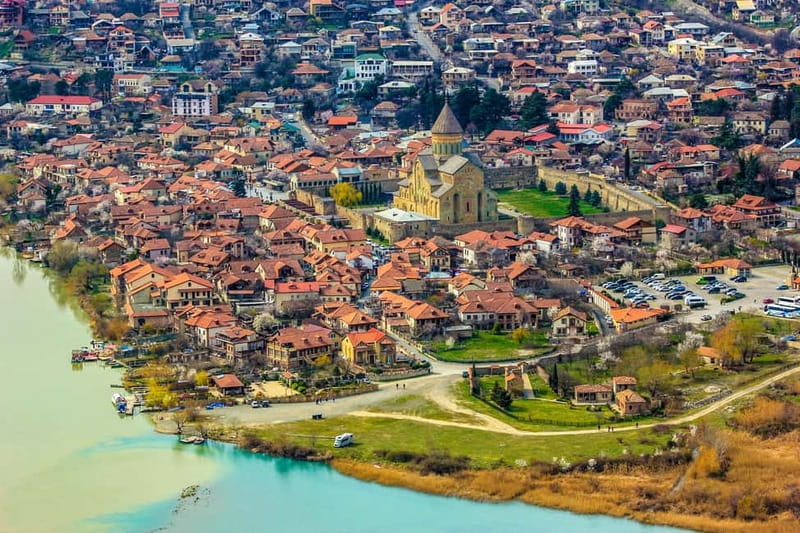
- Jvari’s UNESCO viewpoint over the Mtkvari and Aragvi river confluence, plus that classic “Georgia-from-above” feeling
- Svetitskhoveli in Mtskheta, tied to major Christian belief and a cathedral you’ll want to see up close
- Gori’s Stalin Museum, including guided time inside and extra context that helps you make sense of the era
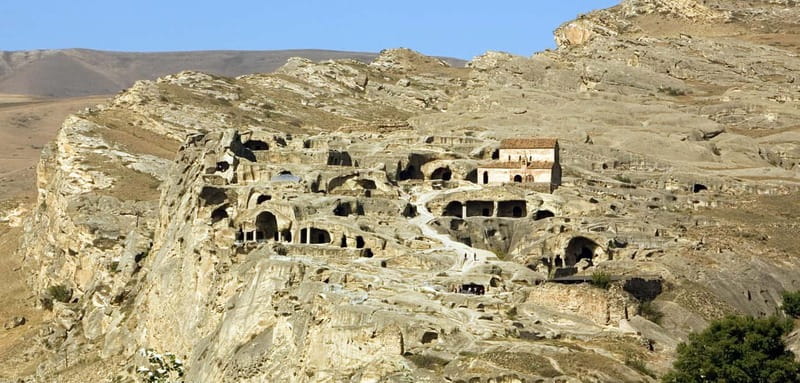
- Uplistsikhe cave city, a rock-hewn place with temples and structures carved into the cliffs
- Guides like Misha and George, often turning history into something you can actually follow in English or Russian
- Air-conditioned transport, so you can relax between stops instead of fighting the heat in transit
Europe Square start: how the day trip runs in real life
You meet at the front of the bus stop in Europe Square. From there, you’re in an air-conditioned vehicle, which matters because this isn’t a “walk everywhere” day—it’s a keep-moving, keep-seeing kind of route.
The schedule is built for maximum variety. Expect photo stops, guided visits, and short stretches of free time. That means you’ll see a lot, but you should also accept that you’re not doing a slow, sit-down museum day. One clear practical note from the experience: free time can feel tight at certain stops, sometimes around 15–20 minutes, so if you want extra browsing, you’ll need to pace yourself during the official free time.
You can also read our reviews of more tours and experiences in Tbilisi.

Jvari Monastery: the view that makes the UNESCO label make sense
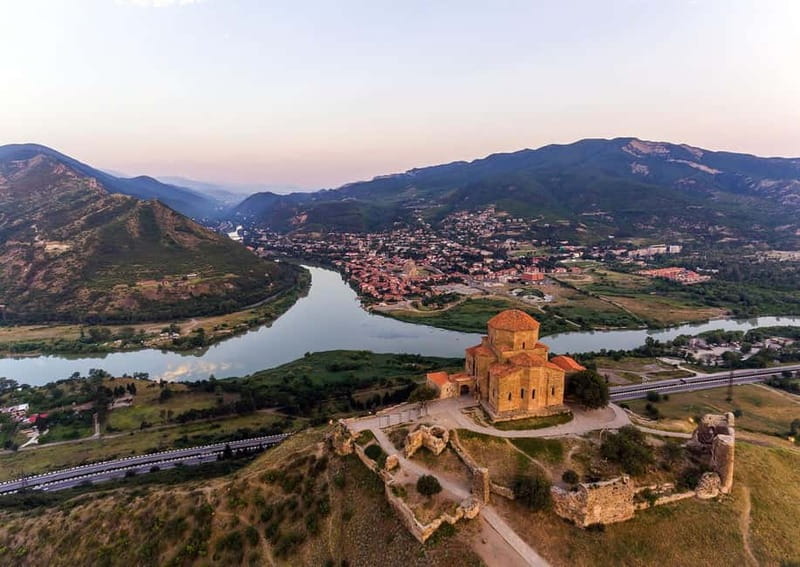
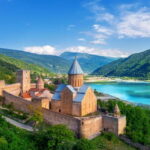
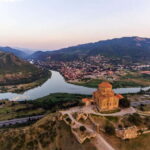
Jvari Monastery sits above the city like it was placed there on purpose. It’s a 6th-century site, and it played a key role in Georgia’s early Christian conversion story. You get a photo stop and guided time, then a chance to soak in the views from the hill.
What makes Jvari special is the way the building and the landscape work together: you’re looking down toward the confluence of the Mtkvari and Aragvi rivers. That’s the kind of setting that makes the monastery feel more than just an old church—you start understanding why this spot mattered spiritually.
You’ll want your camera ready. And since you’ll likely be doing quick photo bursts while the group keeps moving, dress for the wind and sun. A hat isn’t optional on a bright day.
Mtskheta and Svetitskhoveli Cathedral: Georgia’s spiritual center
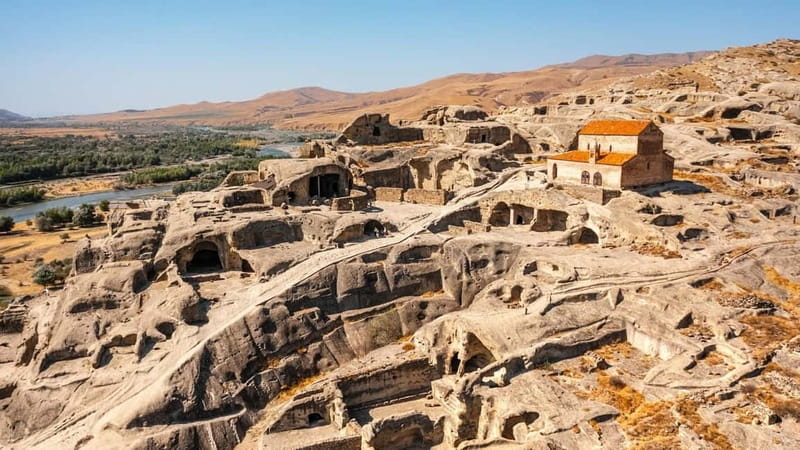
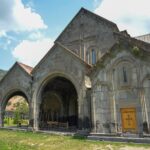
Even if the order of stops shifts slightly in how the day feels, Mtskheta and Svetitskhoveli Cathedral are the heart of the story. This is one of Georgia’s oldest cities and the former capital of the Kingdom of Iberia. It’s also a UNESCO World Heritage site.
Svetitskhoveli is famous for its deep religious significance. You’ll hear the traditional belief that the cathedral is connected to Christ’s mantle, which helps explain why locals treat this place with such gravity. When you’re standing in or near the cathedral, it’s easier to understand that this tour isn’t just about “pretty architecture.” It’s about a place where faith, identity, and history have been overlapping for centuries.
You’ll get guided time plus a short walk. That walk matters: it gives you the chance to orient yourself, see how the cathedral fits into the city layout, and get a better sense of scale.
Gori’s Stalin Museum: Soviet history, paced for real comprehension
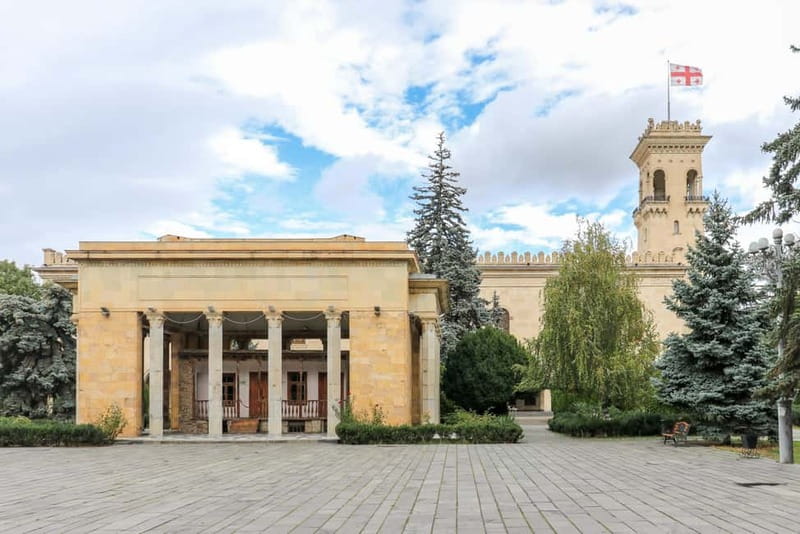
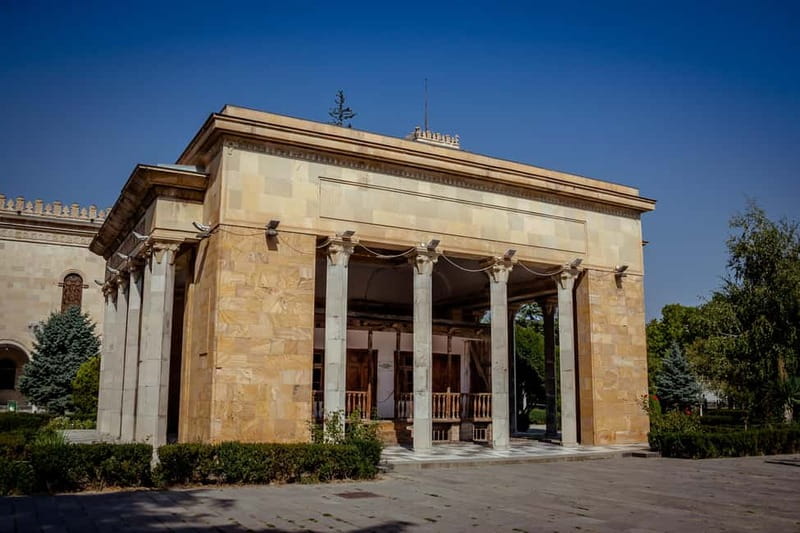
The trip to Gori is where the day stops being only about ancient stone and starts dealing with 20th-century power. You visit the Joseph Stalin Museum, focused on his life and legacy.
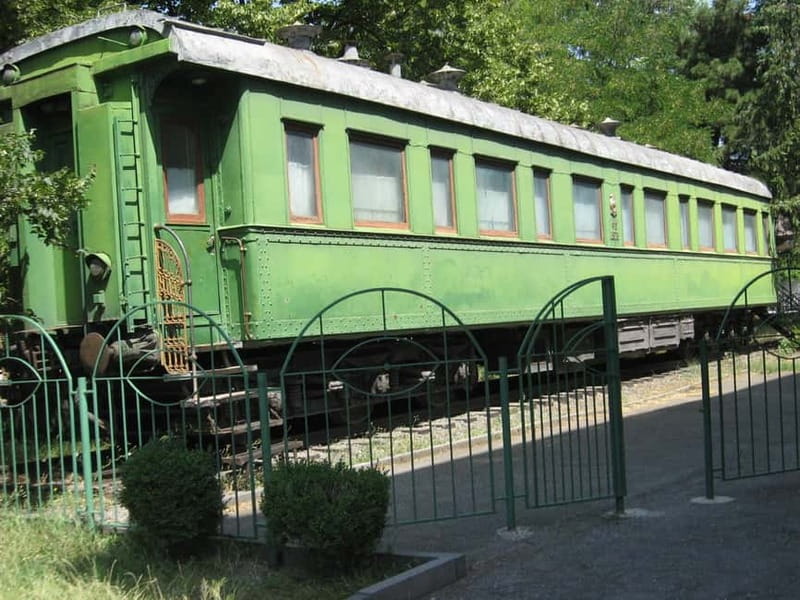
One of the reasons this museum lands well on a day trip is that the guided portion helps you follow the chronology without getting lost. You’re not left alone to guess what you’re looking at. People also mention extra experiences inside the museum context, like seeing the train carriage and a house connected to his birthplace—details like that make it feel more tangible.
Still, there’s a consideration to keep in mind: museum time can be structured tightly. If you’re the type who likes to read every label slowly and soak up the atmosphere, you may feel you’d like more freedom. The good news is that the guided route usually makes the visit smoother and less confusing.
Uplistsikhe cave city: rock-carved life from ancient Georgia
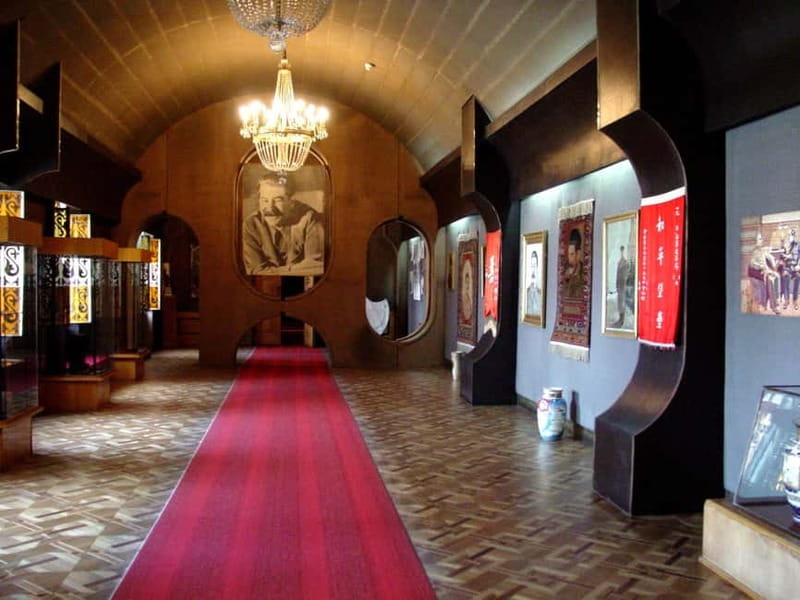
Then comes the part that feels like time travel. Uplistsikhe is a rock-hewn town with roots stretching back to the deep ancient past—described as far back as the 1st millennium BC, with key references also pointing to the 1st century. It’s one of the most remarkable examples of Georgia’s ancient civilization.
You’ll have guided time and free time here, plus photo stops. The experience is physical in a very real way: you’re walking through uneven ground and moving between carved spaces. If you’re prone to getting tired, slow down early. It’s an “earn the views” kind of stop.
What to look for: Uplistsikhe is known for structures carved into the rock, including a theater and a sun temple. Seeing those in place changes the whole picture. It’s not just ruins; it’s a designed system of rooms and spaces carved directly into a cliff face.
Bring water. Wear shoes with grip. And if you get easily lightheaded during active sightseeing, have something in your stomach before you start the more demanding parts of the walk.

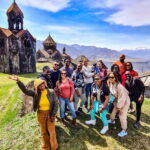
Guide magic: why Misha, Konstantin, David, and George shape the day
On a tour like this, the guide can make the difference between “I saw stuff” and “I understood the thread.” Many people highlight guides such as Misha, with praise for energy, storytelling, and the ability to answer questions on the spot. Others mention Konstantin, David, and George for similar strengths—clear explanations and a smooth, friendly vibe.
One practical benefit: the tour runs with live guidance in English and Russian. Some guides are especially good at switching between languages for mixed groups, so nobody feels left out of the main story.
There’s also a more human side to the good guiding. I love the idea that your guide isn’t just reciting facts, but actually watching the group and reacting when something unexpected happens. For example, there’s a humorous real-world moment where one guide even handled a close encounter with a horse to keep people safe. You don’t need that exact scenario to appreciate the value: attentive guidance makes a busy day trip feel calmer.
What the day really costs: $19 ticket plus the big-site fees
The headline price is $19 per person for about 10 hours with transportation and a professional guide. That’s a solid deal for a route that includes UNESCO sites and two major guided attractions.
But the math matters. Uplistsikhe entrance is roughly $6, and Stalin Museum entrance is also roughly $6. So a realistic “all-in” expectation is closer to $31 per person, plus food and drink.
Food isn’t included, but there’s a lunch stop. People mention it being enjoyable, with at least some vegetarian options. If you’re picky, bring a snack in your day bag anyway. The schedule is busy enough that it’s easy to get hungry at the wrong moment.
Transportation and timing: what to pack so you’re comfortable
This is a long day with moderate walking. Comfortable shoes aren’t just “nice to have”—they’re the difference between enjoying Uplistsikhe and feeling annoyed by every step.
Bring:
- Comfortable shoes
- Hat
- Sunscreen
- Camera
- Water
Photography is allowed, but there’s a rule: no flash inside museums. If you rely on flash, switch your expectations to natural light and phone-camera steady shots.
Also note who should skip this: it’s not suitable for children under 6 and it isn’t built for mobility impairments or wheelchair users. Uplistsikhe in particular involves walking on uneven terrain, so it’s worth planning honestly.
Who should book this tour (and who might prefer a slower plan)
Book it if you want a fast, structured day that hits multiple eras: early Christian Georgia, Soviet-era history, and a rock-cut cave city. You’ll like it most if you enjoy guided explanations and want help connecting the dots.
You might not love it if you need long free time at museums, or if you prefer slow wandering without a timetable. This tour gives you momentum, not hours of solo browsing. It’s for people who are happy to trade a little flexibility for seeing a lot.
Should you book this Tbilisi day trip?
Yes—if your goal is to get a strong overview of Georgia’s big themes in one go. The value is real: UNESCO Mtskheta/Jvari, Gori’s Stalin Museum, and Uplistsikhe in one packed but well-led day.
Just go in with the right expectations. Bring the basics (shoes, water, sunscreen), accept that free time is limited, and let the guide do the heavy lifting. If you do that, this tour is exactly the kind of day trip that leaves you with photos, context, and a better feel for how Georgia’s past keeps echoing into the present.
FAQ
Where do I meet for the tour?
You meet at the front of the bus stop in Europe Square.
What’s included in the price?
The tour includes transportation by air-conditioned vehicle and a professional guide.
What entrance fees should I expect to pay separately?
Entrance fees for Uplistsikhe and the Stalin Museum in Gori are not included, and are listed as roughly $6 each.
Is the tour suitable for kids or wheelchair users?
No. It’s not suitable for children under 6, and it’s also not suitable for people with mobility impairments or wheelchair users.
What should I bring and wear?
Wear comfortable shoes and bring a hat, sunscreen, a camera, and water.
Are there any photography rules inside museums?
Yes. Photography is allowed, but flash photography is not permitted inside the museums.