REVIEW · TBILISI
Day Trip to Mtskheta Gori and Uplistsikhe
Book on Viator →Operated by Gamarjoba Georgia Tours · Bookable on Viator
Cave walls and cathedral sunsets in one packed day. This tour threads Uplistsikhe rock-hewn streets with UNESCO-listed Mtskheta and a stop in Gori for Soviet-era history—without you having to drive. I love the simple value of round-trip transportation plus a guide who connects the dots between places that feel totally different on the map. I also like the built-in flexibility in Gori, so you can choose lunch or explore on your own.
One possible drawback: it’s a full day with a fair amount of walking and stair-like uneven ground at Uplistsikhe, plus church dress rules that can slow you down if you’re unprepared.
In This Review
- Quick hits: what makes this day trip work
- A 10-hour UNESCO day out of Tbilisi
- Uplistsikhe Cave Town: real steps, real history
- What you’ll do there
- What to watch for
- Gori at lunch time: upgrade for food, or go explorer mode
- The optional lunch upgrade
- Or skip lunch and use the free time
- Stalin Museum in Gori: what to expect and whether it fits
- Is it worth your time?
- Jvari Monastery: the cross above the river meeting
- Why this stop hits
- Svetitskhoveli Cathedral in Mtskheta: the living pillar
- What to do there
- Dress code reality check
- Price and value: what $29 really buys (and what costs extra)
- Guide style and group size: how the day stays manageable
- Who should book this tour (and who should skip it)
- Final call: should you book this day trip from Tbilisi?
- FAQ
- What’s included in the tour price?
- How long is the day trip?
- Where does the tour start?
- Is lunch included?
- Do I need to pay entrance fees for the sites?
- What sites will I see on the day trip?
- Is the tour in English?
- What should I wear for the church stops?
- Does the tour run in bad weather?
Quick hits: what makes this day trip work
- Uplistsikhe Cave Town: a rock-carved settlement with layers from the Early Iron Age to the Late Middle Ages
- Mtskheta + UNESCO monuments: Jvari Monastery and Svetitskhoveli Cathedral in one sweep
- Gori option time: lunch upgrade or downtime to explore the city around Stalin’s birthplace
- Real contrast in history: from pagan-and-Christian rock architecture to Soviet museum relics
- Simple “get on the bus” logistics: professional guide + transport, English offered, mobile ticket
A 10-hour UNESCO day out of Tbilisi
This is one of those Georgia trips that feels like two countries in one day. You start in the modern ease of Tbilisi, then shift into older worlds: a rock-carved town in the cliffs, and UNESCO-listed religious sites perched above river confluences. You also get a dose of 20th-century power politics in Gori, centered on Joseph Stalin’s life and legacy.
The schedule is built around short, meaningful stays at each place. You’re not stuck for hours in one museum room, and you get enough time at each highlight to form your own opinion. With a start at 9:00 am and return around 7:00–7:30 pm, you should plan for a long day—especially if you want to photograph everything.
You can also read our reviews of more tours and experiences in Tbilisi.

Uplistsikhe Cave Town: real steps, real history
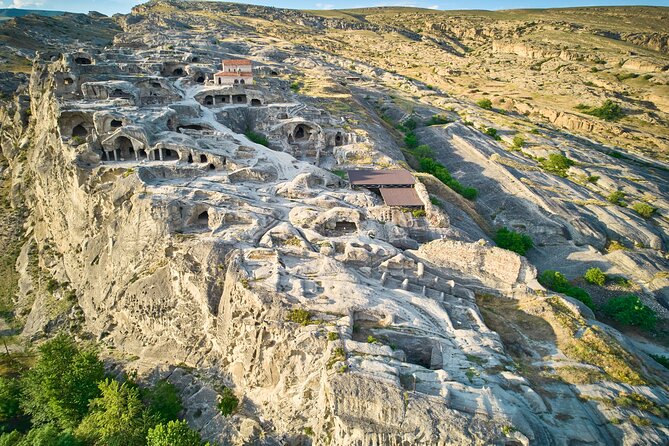
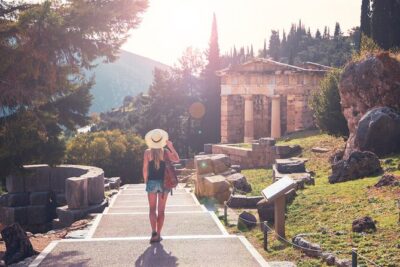
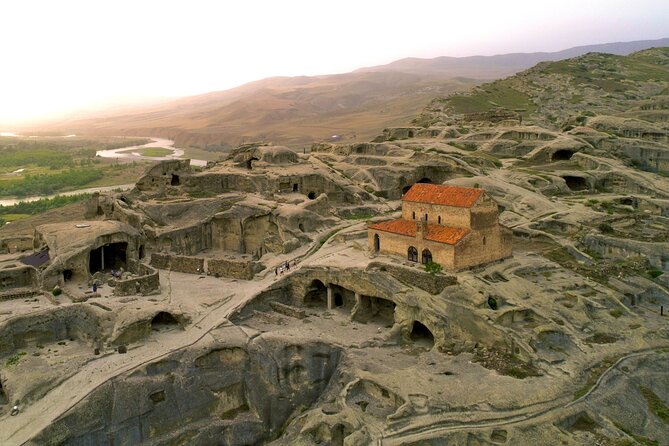
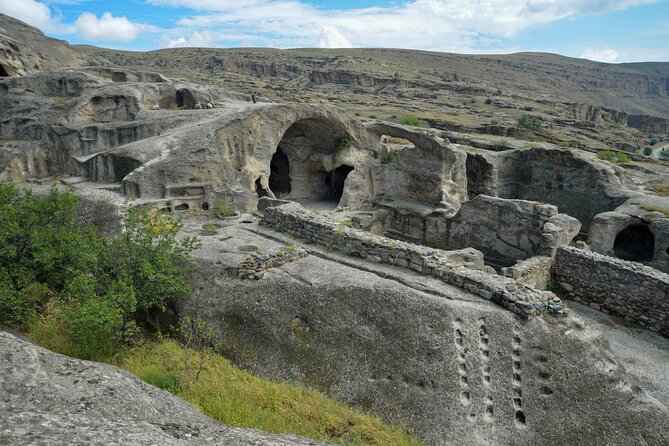
Uplistsikhe is the kind of place that makes you pause. It’s an antique rock-hewn town in eastern Georgia, built along the left bank of the Mtkvari River. What I like most is that it’s not just “old rocks.” It shows multiple eras stacked in the same space—structures spanning the Early Iron Age through the Late Middle Ages.
It’s also famous for a cultural mix: influences described as coming from Anatolia and Iran, with architecture that reflects both pagan and Christian traditions. In plain terms, the town feels like a crossroads made of stone.
What you’ll do there
You’ll arrive around late morning (around 11:00 am) and have about 1 hour 30 minutes on site. That window is enough to walk the main areas, look into rock-cut spaces, and take in the river-and-valley views from higher points.
What to watch for
This is where sensible planning matters. Expect uneven ground, rock steps, and lots of walking. One practical tip that shows up again and again: wear footwear you trust. A hat and sunscreen are also smart, since portions of the walk are exposed. Bring your own water if you’re someone who hates hunting for it mid-walk—there’s a café and restrooms near the entrance/exit, but you shouldn’t count on water being available whenever you want it.
Uplistsikhe entrance isn’t included in the base price, so factor in the on-site fee (15 GEL, about 6 USD).
Gori at lunch time: upgrade for food, or go explorer mode
Gori is a good “reset stop” between major sites. You reach the lunch area around 13:00, and you’ll have about 1 hour 30 minutes here.

The optional lunch upgrade
If you choose the lunch option, you get a meal at a local restaurant with the group. The price listed for this upgrade is 45 GEL (about 17 USD) per person, and it’s a chance to eat Georgian food without spending your time searching.
This option is best if you want comfort and minimal decision-making. It also saves your energy for the late-afternoon religious monuments, which are worth your stamina.
Or skip lunch and use the free time
If you don’t take the lunch option, you still get time in Gori. The tour gives you a chance to wander the city and decide what fits your interests. Gori has records of settlement stretching back to the early Bronze Age, and medieval Georgian annals even credit King David IV with founding the city. On top of that, there’s a fortress layer—Goris Tsikhe—associated with use as far back as the 7th century.
There’s also modern context that sits in the background here: during the 2008 Russo-Georgian war, the town came under aerial attack from the outset.
Practical takeaway: if you’re hungry, go for the lunch upgrade. If you’re not, use the time for short, close-by exploration—just be ready that this portion of the day can feel slower than the UNESCO stops.
Stalin Museum in Gori: what to expect and whether it fits
Around 14:45, you’ll reach the Stalin Museum in Gori. Entrance is optional and costs 15 GEL (about 6 USD). The museum is dedicated to Joseph Stalin, born in Gori, and it keeps a strong Soviet-era atmosphere.
You’re not just looking at photos. The museum includes the Soviet-era feel, Stalin’s original house, and even his railway carriage—so it’s a mix of biography, propaganda-era aesthetics, and physical artifacts that explain why this story is still politically charged.
Is it worth your time?
I think it’s worth considering if you like context. The best way to get value from this stop is to listen carefully to the guide’s framing—because without that, it can be just another museum. With commentary, it becomes a way to understand how power was packaged, remembered, and displayed in the Soviet period.
If you’re not in the mood for it, the tour also builds in alternative time in Gori so you’re not forced to sit through the museum.
Jvari Monastery: the cross above the river meeting
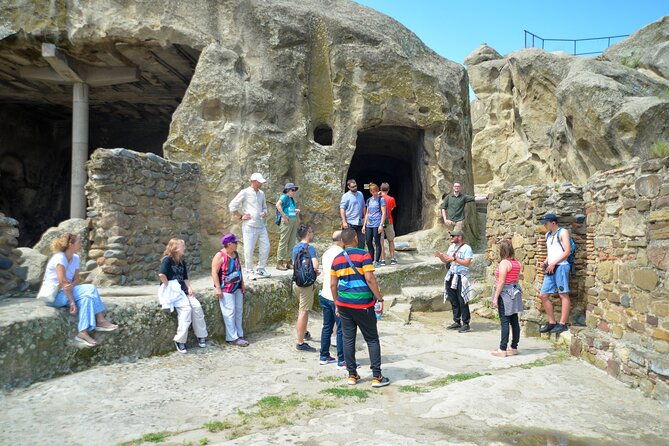
After Gori, the tour heads to Jvari Monastery around 16:35. This stop is short—about 30 minutes—but the setting does a lot of the work.
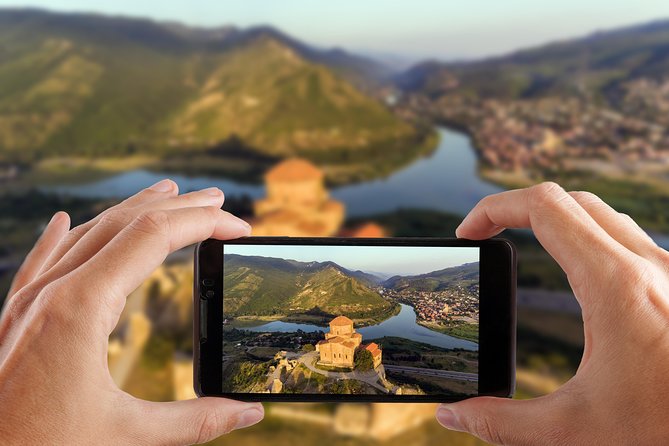
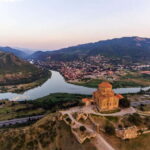
Jvari is a 6th-century Georgian Orthodox monastery near Mtskheta. Its name translates to Monastery of the Cross, and it’s listed as a UNESCO World Heritage site along with other monuments in Mtskheta. You’ll climb onto a rocky mountaintop at the confluence of the Mtkvari and Aragvi rivers, with views over Mtskheta spread out below.
Why this stop hits
Religious architecture is often about more than faith. Here, it’s about geography. The monastery’s position turns it into a viewpoint first, with the spiritual layers added on top.
Bring layers. Even if Tbilisi feels mild, the air changes near hilltops and at late afternoon.
Svetitskhoveli Cathedral in Mtskheta: the living pillar
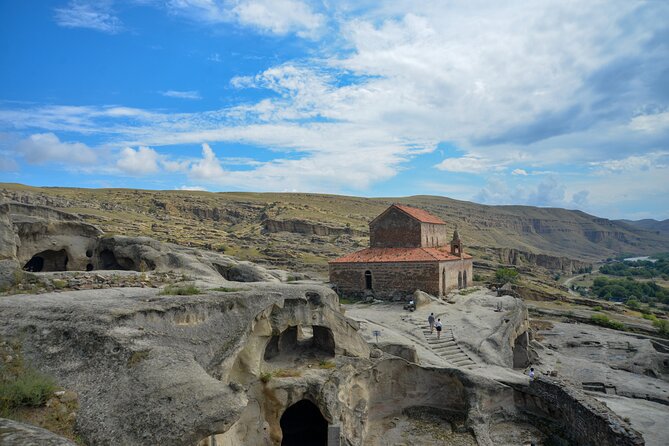
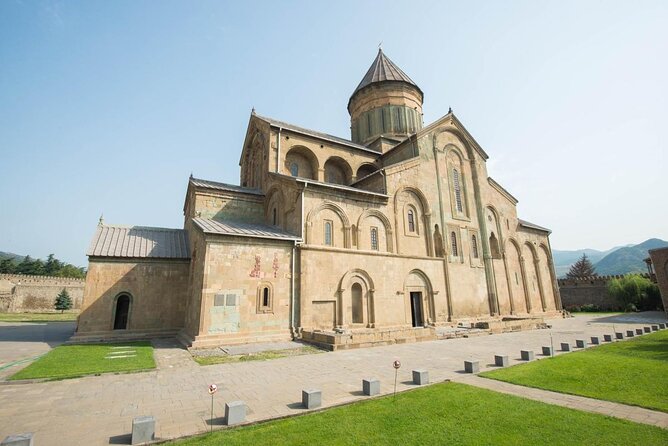
Your last major monument is Svetitskhoveli Cathedral in Mtskheta around 17:25. Mtskheta is one of Georgia’s oldest cities, associated with ancient origins and centuries as the capital of the kingdom of Iberia. UNESCO lists Mtskheta for its historical significance and cultural monuments, and the cathedral is one of the reason that reputation holds.
Svetitskhoveli is known as the Cathedral of the Living Pillar, and it’s considered the burial site of Christ’s robe. It’s also the second-largest church in Georgia, behind Holy Trinity Cathedral.
What to do there
You’ll have time to view the cathedral as part of the flow of the day, and then the tour returns toward the meeting point later in the evening (19:00–19:30).
Dress code reality check
Church sites come with rules, and this one matters: no entry in shorts, and women need to cover their heads. If you’re traveling light, bring something that can act as a head covering fast. This is the difference between a smooth visit and a rushed scramble at the entrance.
Price and value: what $29 really buys (and what costs extra)
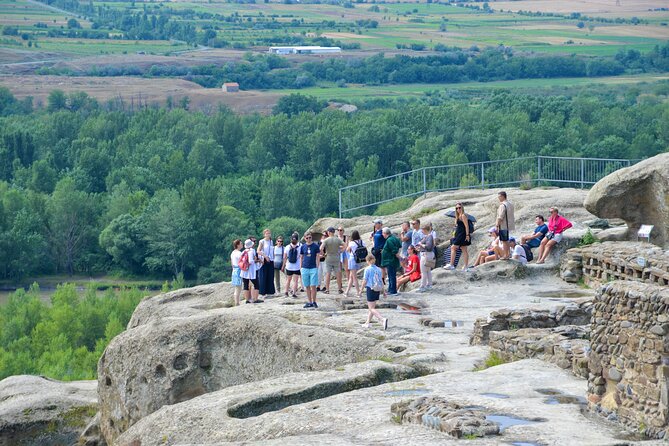
At $29 per person, the base price is mainly paying for transportation and a professional guide service. That’s meaningful. Georgia’s road distances from Tbilisi to sites like Uplistsikhe and Mtskheta add up quickly if you’d try to piece together independent transport.
But you should plan for add-ons:
- Uplistsikhe entrance: 15 GEL (about 6 USD)
- Stalin Museum entrance (optional): 15 GEL (about 6 USD)
- Lunch upgrade in Gori (optional): 45 GEL (about 17 USD)
If you take everything optional, your day might land closer to the high-$50s per person range (depending on your choices and your own spending habits). Still, it’s a lot of ground covered for one outing—especially if you want guidance for the historical connections rather than reading everything from scratch on your phone.
Guide style and group size: how the day stays manageable
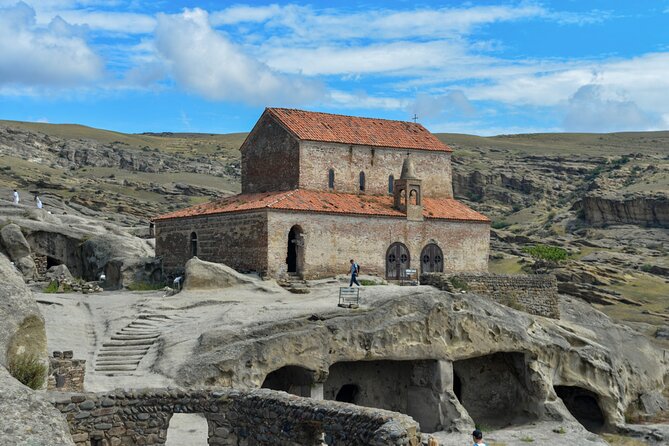
This trip is capped at a maximum of 100 travelers, but the experience often feels smaller in practice. You may ride in anything from a comfortable small coach to a van setup, and that matters because it affects how you feel during the transfers. Long days go better when the ride is comfortable and the guide is good at keeping the group together.
From the guides’ names shared across experiences—people like Nini, Metroman, Dimitri, Niko, Tota, Shoti, Tako, Paada, and Deme—you can also tell the tour leans on English-speaking interpretation. That’s what turns “I saw a cave town and some churches” into “I understand why these places matter.”
A quick note on pace: you’ll spend time walking at Uplistsikhe and moving between sites, but you won’t be trapped in a nonstop “tour bus lecture.” The schedule leaves room to breathe, especially once you hit Mtskheta.
Who should book this tour (and who should skip it)
You’ll love this if:
- You want a high-value day trip that hits UNESCO sites plus something more unexpected in Gori
- You like history that moves across time periods, not just one era
- You’re okay with a long day and some walking on uneven terrain
- You want English commentary to connect the dots quickly
You might skip it if:
- You hate walking on uneven ground and prefer flat, easy itineraries
- You’re extremely sensitive to church dress rules and don’t want to adapt your clothing
- You want a slow travel pace with lots of free time at every stop
Final call: should you book this day trip from Tbilisi?
If your goal is to see Mtskheta’s UNESCO monuments and Uplistsikhe’s rock-hewn atmosphere without dealing with scheduling, this is a strong pick. The mix of sacred sites and Stalin-era artifacts gives you a fuller picture of Georgia’s past than a “cathedrals-only” outing.
Book it if you’re willing to plan for the practical stuff: solid shoes for Uplistsikhe, water and sun protection, and a church-ready outfit. Choose the lunch upgrade if you’d rather conserve energy. Skip it if you want to wander Gori on your own between the major stops.
FAQ
What’s included in the tour price?
The price includes a professional guide service and transportation service. Optional costs like lunch and some attractions are not included.
How long is the day trip?
It’s listed at about 10 hours total, starting at 9:00 am and returning around 7:00–7:30 pm.
Where does the tour start?
The tour starts at the M/S Avlabari meeting point in Tbilisi. The pickup spot is about 50 meters from Avlabari metro station.
Is lunch included?
Lunch in a local restaurant is optional. The listed lunch upgrade is 45 GEL (about 17 USD) per person.
Do I need to pay entrance fees for the sites?
Yes for some stops. Uplistsikhe entrance is listed as 15 GEL (about 6 USD). Stalin Museum in Gori is also listed at 15 GEL (about 6 USD) as optional.
What sites will I see on the day trip?
You’ll visit Uplistsikhe Cave Town, have time in Gori (including an option for lunch and an optional stop at the Stalin Museum), then visit Jvari Monastery and Svetitskhoveli Cathedral in Mtskheta.
Is the tour in English?
Yes. English is offered.
What should I wear for the church stops?
Church dress rules apply: shorts aren’t allowed, and women need to cover their heads.
Does the tour run in bad weather?
Yes, it operates in all weather conditions, so dress according to what the day is like outside.