REVIEW · TOKYO
Hakone and Mt. Fuji Day Trip with Private Vehicle
Book on Viator →Operated by Tour Japan · Bookable on Viator
Hakone feels like a vacation break from Tokyo. A private car gets you out fast, then lets you build a full day around Lake Ashi, the Hakone Ropeway volcanic zone, and the Open-Air Museum.
Two things I really like about this kind of day: you get door-to-door convenience without train transfers, and the route is customizable so you can spend more time where the day opens up (views, museums, or slower walking).
One drawback to plan for: this is not a true walking-and-talking guided tour at every stop. It’s best thought of as private transportation with a driver, and you’ll also pay several attraction fees on top of the main price.
In This Review
- Key things I’d watch before you book
- Private car day trips are the real “upgrade”
- Hakone Shrine (Kuzuryu Shrine) for good-luck energy
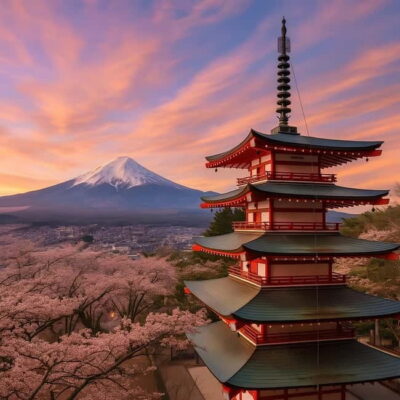
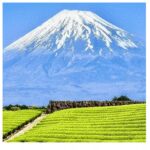
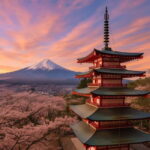
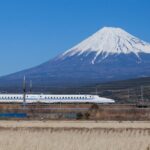
- Lake Ashi: where Fuji tries to show up
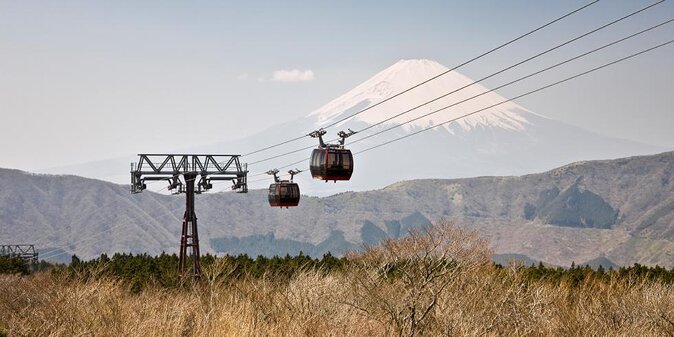
- Hakone Ropeway and Owakudani: volcanic views you can feel
- Hakone Open-Air Museum: art with elbow room
- Gora Park: French-style gardens in a short burst
- Gotemba Premium Outlets: shopping time, not a sightseeing detour
- Timing, comfort, and the driver factor
- Price and value: what $436 buys you (and what it doesn’t)
- Weather reality check: Fuji can hide, but Hakone still works
- Who this day trip suits best
- Should you book this Hakone and Mt. Fuji private day trip?
- FAQ
- How many people is this private tour for?
- How long is the Hakone and Mt. Fuji day trip?
- Is pickup included?
- What’s included in the price?
- Are attraction tickets included?
- How much are the main additional attraction fees?
- Will I be able to see Mt. Fuji?
- Is this a guided tour with a guide joining you?
- What tickets or documents will I use?
- What is the cancellation policy?
Key things I’d watch before you book
- Private vehicle, up to 5 people: Good value if you split costs with family or friends.
- A stop list that actually fits one day: shrine, lake, volcanic sights, sculpture museum, park, and outlets.
- Fuji visibility is weather-dependent: clouds can erase the big payoff, but Hakone still works.
- Major attractions cost extra: Ropeway, Open-Air Museum, Gora Park, and the Lake Ashi cruise ship.
- Driver-led, not guide-led: you may get helpful context, but don’t assume deep history.
- Time adds up: you’re in the car a lot, so pacing decisions matter.
Private car day trips are the real “upgrade”
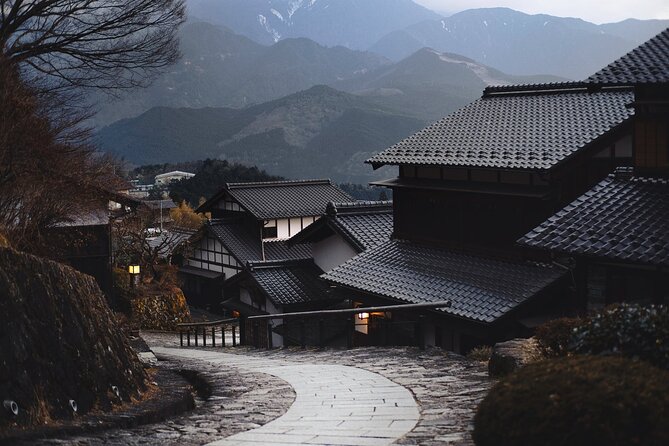
Hakone is doable from Tokyo—but the efficient part is often what you’re paying for. With a private vehicle and pickup, you avoid the stress of timing trains, figuring out transfers, and hauling luggage while you’re aiming for a single-day hit list.
I also like how the day is designed to flow. You start with a shrine visit, then move to Lake Ashi, then up toward the volcanic area via ropeway. After that, you shift gears to art and gardens, and finish with shopping at Gotemba Premium Outlets. That mix keeps the day from feeling repetitive, even if the weather hides Mt. Fuji.
Still, this day trip is priced as a premium private service. If you’re traveling solo or as a couple and you’re cost-sensitive, you’ll want to compare it against cheaper public transport options.
You can also read our reviews of more tours and experiences in Tokyo.


Hakone Shrine (Kuzuryu Shrine) for good-luck energy
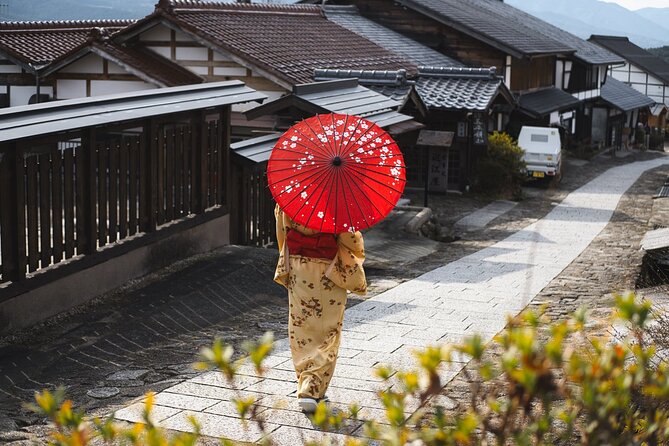
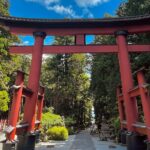
The first stop is Hakone Shrine / Kuzuryu Shrine. It’s a centuries-old site (1260 years) that people visit for lots of practical prayers—good luck, purification, and even things like traffic safety and easy delivery. The stop is short (about 45 minutes), which is perfect for a first burst of atmosphere without eating your whole morning.
What to expect:
- A calm, spiritual entrance and plenty of photo moments.
- A busy vibe at peak holiday periods, especially around lineups for up-close views.
A consideration: because this is a brief stop, you’ll get more out of it if you decide what you want from the visit. If you want a slow, detailed walk, this portion may feel rushed in the context of the full 10-hour day.
Lake Ashi: where Fuji tries to show up
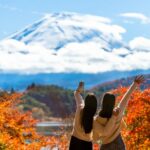
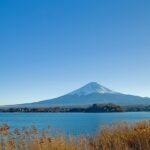
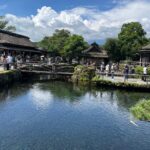
Next comes Lake Ashinoko (about 1 hour). This is your main open-sky window for Mt. Fuji views, especially when the air is clear. Even when Fuji is hiding, Lake Ashi still gives you that easy break from Tokyo: water, mountain air, and a chance to slow down.
In this itinerary flow, you’re set up for a boat experience. The idea is to connect the cruise area with the ropeway station, so you don’t spend the day bouncing around.
Practical tip: plan your expectations. Fuji visibility isn’t guaranteed. If clouds roll in, you can still enjoy the lake atmosphere and keep your energy for the volcanic sights, which tend to look dramatic even on overcast days.
Hakone Ropeway and Owakudani: volcanic views you can feel
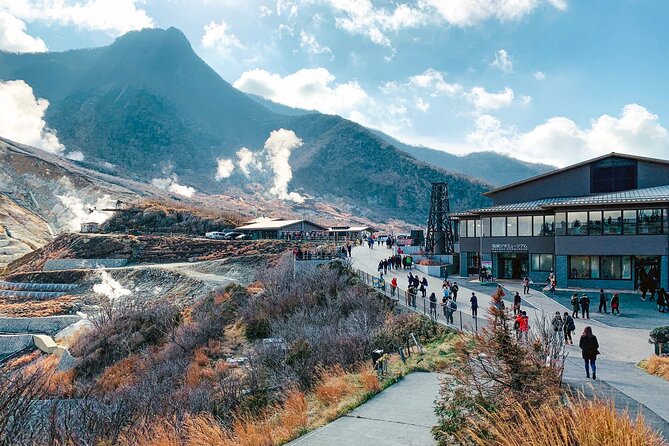
The ropeway segment (about 1 hour) takes you into the Owakudani volcanic zone. This is the part many people remember, because it feels close to the real engine of the region—vigorously active volcanic activity, rising gases, and that unmistakable geothermal mood.
What’s included in the experience flow here:
- You’ll be guided through the ferry-to-port connection (as described in the stop plan) to get you toward the ropeway area.
- You’ll spend time observing the volcanic activity up close.
This stop is also where your “Fuji hopes” can collide with reality. If the weather is cloudy, you might not get the classic postcard views. But the volcanic area still delivers, and it’s a great trade-off when the sky won’t cooperate.
One small-but-helpful note from real-world experience: many people like to add the local black eggs sold around Owakudani. It’s easy to do once you’re there, and it turns waiting time into a fun snack moment.
Hakone Open-Air Museum: art with elbow room
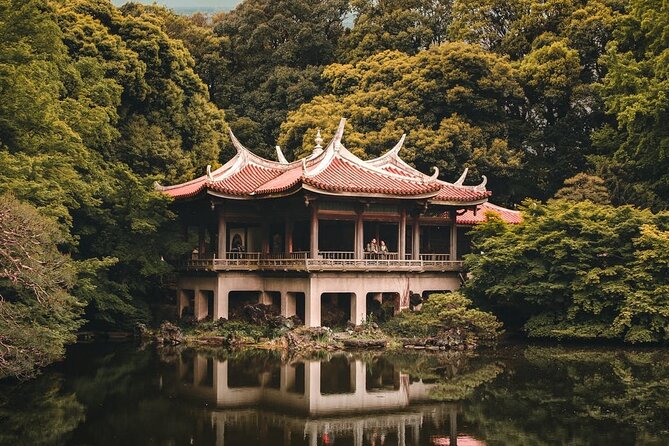
The Hakone Open-Air Museum stop is about 1 hour. If you’re an art person, this is often the highlight because the sculptures are spread across outdoor grounds, and you’re not stuck indoors listening to commentary while your legs get itchy.
What makes it worth the time:
- It’s a museum established in 1969.
- You’re looking at major modern sculptures and artworks.
- The setting is designed around the relationship between art and nature.
From the feedback I’ve seen, the Picasso-related displays are a draw, with visitors pointing out how much there is to see once you start walking the grounds. Even if you only have an hour, you’ll likely leave with at least a few “How is this outside?” moments.
Consideration: the museum admission is not included. At this price point, I’d treat the museum fee as part of your planned budget rather than an unexpected add-on.
Gora Park: French-style gardens in a short burst
After the museum, you head to Gora Park (about 45 minutes). It’s described as a French styled landscape park, open to the public since 1914, with a large fountain and a rose garden. There are also two greenhouses, one featuring a tropical botanical garden.
This stop is good for people who:
- Want a change of pace after volcanic steam and museum walking.
- Like gardens but don’t want to commit to half a day.
A drawback risk: since it’s shorter (and you’re already in a full-day schedule), you won’t see every corner slowly. If you’re a serious plant and garden person, you might wish you had longer.
Gotemba Premium Outlets: shopping time, not a sightseeing detour
The final listed stop is Gotemba Premium Outlets (about 1 hour 30 minutes). Admission is free, but the real “cost” here is your time and your budget. This is a practical endcap if you want a low-effort way to buy brands or souvenirs before heading back to Tokyo.
On busy holiday periods, traffic and parking can make the logistics feel slower than you’d expect. You might even end up with some walking between the car and the mall entrances, depending on conditions on the day.
If you hate shopping malls, you’ll still get something out of the stop: it can function as your structured rest break. But if you want another viewpoint instead, this is the part to consider swapping in your customization request.
Timing, comfort, and the driver factor
You’re booking a 10-hour day trip, and the travel itself eats into your sightseeing time. In day-trip math, that matters. One day trip can feel perfect or exhausting depending on how efficiently your time is handled once you arrive in the Hakone zone.
Here’s what you can rely on:
- An air-conditioned vehicle and bottled water are included.
- Pickup is offered, and you’ll use a mobile ticket.
Here’s what you should verify in your expectations:
- The experience is described as customizable and you’ll receive attention from the private driver.
- But you should not assume you’ll have a full professional guide walking with you at every stop.
- In practice, driver quality matters a lot. Names that came up in firsthand feedback included Ali, Abdul, Waseem, Maz, and others, often praised for pacing and adjusting when the day shifted due to weather or traffic.
If someone in your group expects deep explanations about history and culture at every stop, ask directly what level of guiding you’ll get. If you want a more talkative, knowledge-heavy experience, you may want to choose a version that’s explicitly guided (often with extra charges).
Price and value: what $436 buys you (and what it doesn’t)
The price is $436.05 per group (up to 5) for an approximately 10-hour private day. That’s not “cheap,” but it can be a smart value when you compare private comfort to paying for multiple taxis, dealing with transfers, and spending mental energy on logistics.
Where the value is strongest:
- You have 3–5 people, so the car cost spreads out.
- You want flexibility during the day.
- You’d rather pay to save time than pay in patience.
Where the “price surprise” can happen:
- Attraction fees are not included. Based on the listed amounts, you should budget for:
- Hakone Open-Air Museum: ¥2,000 per person
- Hakone Ropeway: ¥1,600 per person
- Hakone Gora Park: ¥650 per person
- Hakone cruise ship (Lake Ashi): ¥1,200 per person
Also note: Mt. Fuji isn’t a guaranteed sight. If Fuji is your top reason for booking, you’re taking a weather gamble. The good news is the itinerary includes volcanic sights and a major museum, so you’re not paying only for one photo outcome.
Weather reality check: Fuji can hide, but Hakone still works
This is an experience that depends on good weather. If poor weather cancels the trip, you should expect an offered change of date or a full refund.
Even when you go, Fuji visibility is never promised. Multiple people ended up seeing clouds instead of the mountain, then shifted their time to other parts of Hakone—extra viewing, more museum time, or relaxing in hot-spring areas when suggested.
My advice: treat Mt. Fuji as the bonus, not the foundation. Plan your “must-see” to include Lake Ashi, the volcanic zone, and the Open-Air Museum. When Fuji appears, great. When it doesn’t, you’ll still get your money’s worth.
Who this day trip suits best
This private day trip is ideal if:
- You want an easy one-day introduction to Hakone without transit stress.
- You’re traveling with elders, kids, or anyone who doesn’t enjoy long train rides.
- You prefer a fixed plan but still like flexibility to adjust if the sky changes.
- You value comfort (air-conditioning) more than squeezing in the cheapest transport.
It may not suit you if:
- You want a fully guided, script-style cultural tour with constant commentary.
- You’re determined to see Mt. Fuji no matter what. Cloud cover can ruin that plan.
- You’re strict on budget and don’t want extra fees at each stop.
Should you book this Hakone and Mt. Fuji private day trip?
I’d book it if you’re using Tokyo as a base and you want to “buy time” with a private car. The itinerary has enough variety—shrine, lake, volcanic activity, sculpture art, gardens, and a structured shopping stop—that the day rarely feels one-note.
I’d hold off or shop carefully if Fuji is your only goal, or if you need a true guided experience with deep on-the-ground explanations. In that case, make sure you’re choosing a version that clearly includes guiding, not just driving.
If you do book, go in with a simple mindset: expect to pay extra entrance fees, expect a long full day, and treat Fuji as a chance, not a promise.
FAQ
How many people is this private tour for?
It’s listed as a private tour for your group, up to 5 people.
How long is the Hakone and Mt. Fuji day trip?
The duration is approximately 10 hours.
Is pickup included?
Pickup is offered.
What’s included in the price?
Included items are an air-conditioned vehicle, private transportation, and bottled water.
Are attraction tickets included?
No. Entrance fees for the Hakone Open-Air Museum, Hakone Ropeway, Hakone Gora Park, and the Hakone cruise ship are not included in the tour price.
How much are the main additional attraction fees?
The listed amounts are ¥2,000 for the Hakone Open-Air Museum, ¥1,600 for the Hakone Ropeway, ¥650 for Hakone Gora Park, and ¥1,200 for the Hakone cruise ship.
Will I be able to see Mt. Fuji?
Mt. Fuji visibility depends on weather. The experience requires good weather, and poor visibility can happen if clouds or haze are present.
Is this a guided tour with a guide joining you?
This is described as a private tour with a private driver and customizable attention. It’s not described as a guided tour where a guide accompanies you throughout with detailed guiding at every stop.
What tickets or documents will I use?
A mobile ticket is mentioned.
What is the cancellation policy?
There’s free cancellation. You can cancel up to 24 hours in advance for a full refund. If weather is poor and the experience is canceled, you’ll be offered a different date or a full refund.
If you want, tell me your travel dates and how many people are in your group, and I’ll help you estimate the likely total per person including the paid entry fees.