REVIEW · TOKYO
From Tokyo: Nikko World Heritage Site Private Full-Day Trip
Book on GetYourGuide →Operated by Tourist Attractions · Bookable on GetYourGuide
Nikko is the kind of day trip that changes your mood fast. You leave Tokyo behind and spend the day in Nikkō National Park with UNESCO temples, a lake, and waterfall views—without fighting crowds.
I especially like the 100% private format: pickup and drop-off where you actually stay, plus an English-speaking driver who can slow down or speed up to match your group. I also like the “comfort-first” transport—Toyota luxury vehicles like an Alphard/Vellfire/Crown/Lexus/Land Cruiser—so your day starts feeling smooth instead of exhausting.
One thing to consider: it’s a full, packed day. If the weather turns (for example, the ropeway/cable-car stop), you may need to swap or adjust parts of the route.
In This Review
- Key things that make this Nikko day trip work
- Leaving Tokyo Without the Usual Headache: Pickup, Ride, Pace
- Nikkō National Park Start: Quick Photo Stops That Set the Tone
- Akechidaira Ropeway: Panoramic Views You Can’t Get by Walking
- Lake Chūzenji: Alpine Calm, Seasonal Beauty, and a Possible Boat Ride
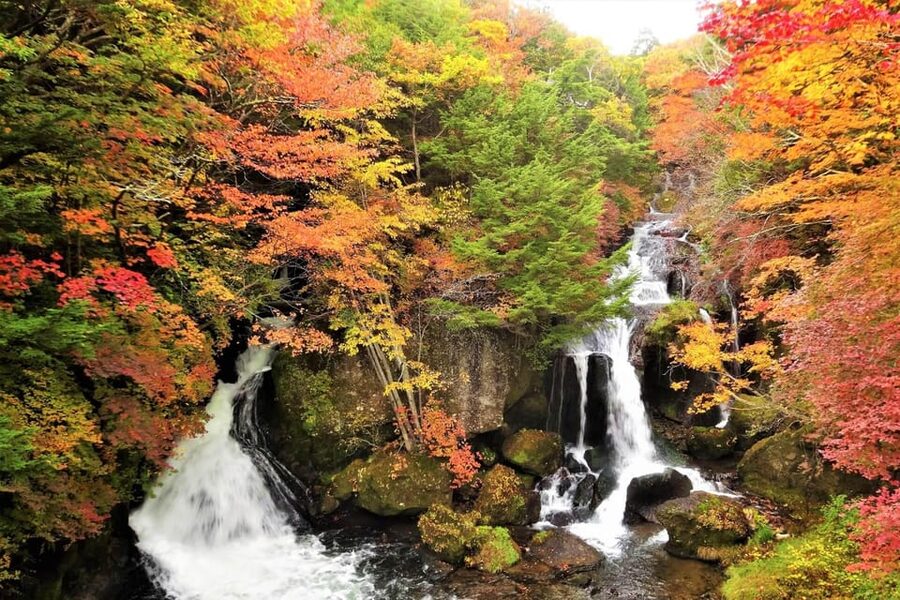
- Kegon Falls: One of Japan’s Famous Waterfalls, Done at a Comfortable Speed
- Nikko’s Imperial Detour: Tamozawa Imperial Villa Memorial Park
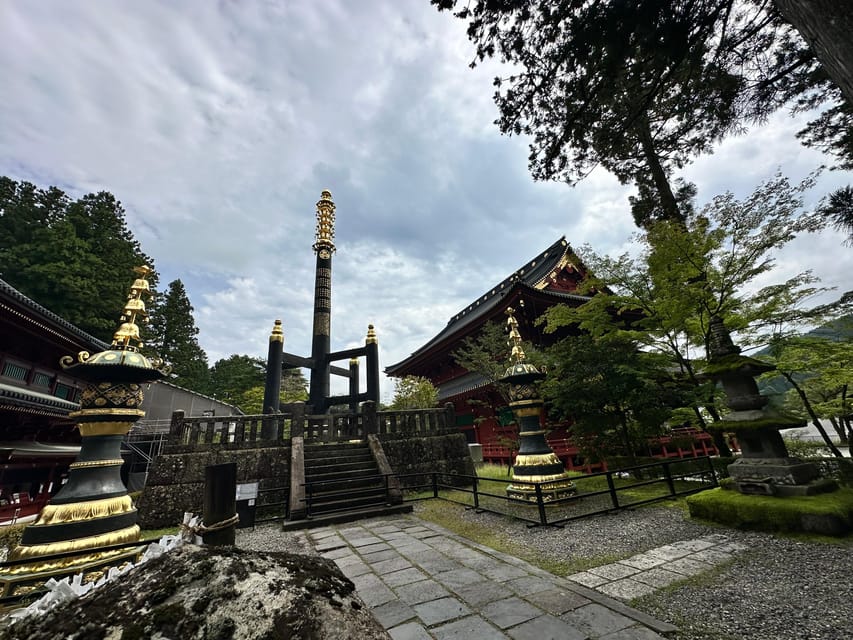
- UNESCO at the Center: Toshogu Shrine Without the Stress
- Rinno-ji Temple: A Major Buddhist Stop in the Same Shrine Zone
- Shinkyo Bridge: The Iconic Photo Stop That Feels Sacred
- Lunch and Breaks: What You Should Expect
- Optional Edo Wonderland: A Themed Shift If Your Group Wants It
- Optional Kanmangafuchi Abyss + Jiunji Hondo Temple
- The Driver Factor: Communication, Flexibility, and Real Help
- Price and Value for a Private Group (Up to 6 People)
- What to Bring, and the Small Rules That Matter
- Should You Book This Nikko World Heritage Private Day Trip?
- FAQ
- What’s the group size for this Nikko day trip?
- How long is the day trip from Tokyo?
- What’s included in the price?
- Are attraction entrance fees included?
- Are meals included?
- What languages are available besides English?
- Do you get pickup from outside central Tokyo?
- What should I bring for the day?
- Can I cancel for a full refund?
Key things that make this Nikko day trip work
- Private luxury vehicle with an English-speaking driver, so you don’t waste time figuring out trains and buses
- UNESCO Nikko Toshogu Shrine plus Rinno-ji—ornate, spiritual, and very “Japan in close-up”
- Big natural hits in one day: Kegon Falls and Lake Chūzenji
- Scenic altitude views from Akechidaira Ropeway for that postcard Nikko angle
- Helpful flexibility: the driver can reorder stops, add a detour, or extend time when it matters
- The optional add-ons can tailor the day: Edo Wonderland and Kanmangafuchi Abyss
Leaving Tokyo Without the Usual Headache: Pickup, Ride, Pace
This is a day trip built around one simple idea: you should arrive at Nikko feeling ready to enjoy it, not already drained. Pickup covers lots of areas around Tokyo (and also Yokohama/Chiba/Nikko), and drop-off brings you back to your chosen locations, including options beyond central Tokyo.
The ride itself is part of the value. You’re in a professionally maintained, air-conditioned Toyota luxury class vehicle (examples listed include Vellfire, Alphard, Lexus, Crown, Land Cruiser), which makes a big difference on winding roads. For groups of up to six, it also feels like “one organized day” rather than everyone negotiating their own logistics.
Pace is another strength. The schedule uses a relaxed rhythm with photo stops and short guided time at major sites. Many guides are described as careful about timing—parking as close as possible, walking with you, and not rushing. Still, it is a one-day loop, so if you want to linger for hours in just one area, you’ll want to plan that with your driver early.
You can also read our reviews of more tours and experiences in Tokyo.


Nikkō National Park Start: Quick Photo Stops That Set the Tone
Once you’re outside the city, you’re already in the Nikko mood: mountains, valleys, and that sense you’ve escaped into cooler air and quieter roads. Early in the day you’ll have time for a photo stop and a bit of guided orientation inside Nikkō National Park.
This matters because Nikko can look overwhelming at first—shrines, forests, waterfalls, lakes. A short “get your bearings” moment helps you understand what’s coming next and why each stop is placed where it is.
Akechidaira Ropeway: Panoramic Views You Can’t Get by Walking
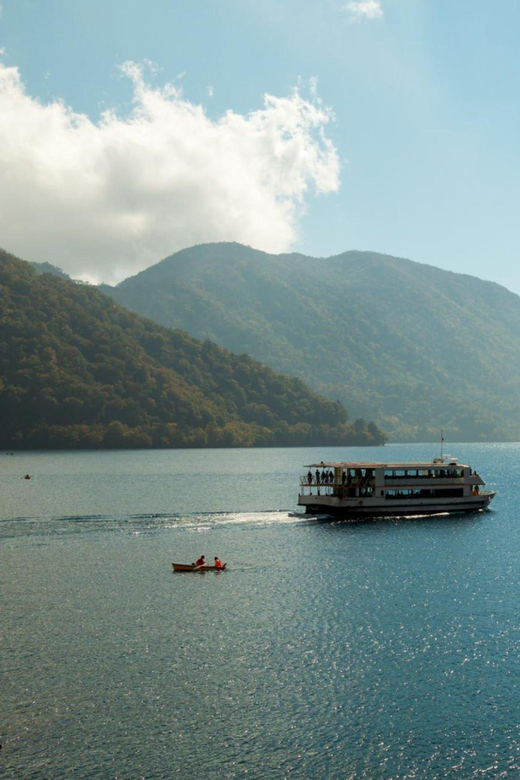
Next up is Akechidaira Ropeway, which is one of the quickest ways to see Nikko’s layout. You ride up to a panoramic observation point, and from there you can take in mountain lines, lake views around Lake Chūzenji, and waterfall scenery.
What I like about this stop is that it gives you perspective. Before you visit the shrines and then go down toward the water, you get the “big picture” view of how these places connect. That makes the later stops feel more meaningful, not just like separate checkboxes.
A practical note: it’s a cable/ropeway activity. One guest reported being unable to take it due to bad weather, so if your travel dates are rough-weather season, keep a flexible mindset. Your driver can usually help you adjust.
Lake Chūzenji: Alpine Calm, Seasonal Beauty, and a Possible Boat Ride
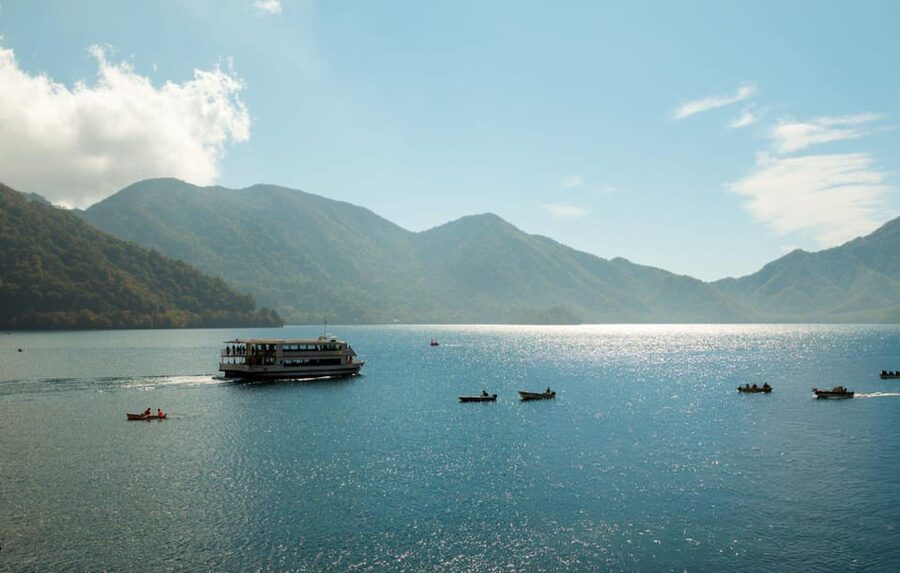
At Lake Chūzenji, you slow down. The vibe here is less about temples and more about atmosphere—an alpine lake at the base of Mount Nantai. You’ll have time for a scenic visit and walking, and the program includes a boat cruise option.
This is a smart mid-day anchor stop. After the height and the shrine intensity, the lake resets you. It also helps with timing: you can take photos, stretch your legs, and recharge before heading to Kegon Falls.
Weather again plays a role. If it’s windy or conditions aren’t great, the boat ride may not be comfortable or may not happen. Even without it, the lake stop still works because you’re already there for the view and the calm.
Kegon Falls: One of Japan’s Famous Waterfalls, Done at a Comfortable Speed
Kegon Falls is the Nikko “wow” moment for a lot of people. The falls are famous, and the setting is dramatic—big drops surrounded by steep nature. The stop includes guided time and sightseeing, with time to enjoy the walkway viewpoint areas.
I like that this trip doesn’t treat Kegon Falls like a quick drive-by. You get enough time to actually look, photograph, and feel the scale. It also helps that your transport is waiting nearby, so you’re not stuck trying to coordinate your way through the area.
Shoes matter here. Even if the paths are manageable, you’ll be walking. Bring comfortable shoes, and don’t plan to wear brand-new boots that need breaking in.
Nikko’s Imperial Detour: Tamozawa Imperial Villa Memorial Park
This is one of those stops that feels different from the shrines. At Nikko Tamozawa Imperial Villa Memorial Park, you visit a former imperial retreat with elegant architecture and peaceful gardens.
Why it’s worth including: it softens the day. You get a break from the heavy carved-detail intensity of the shrine area and instead see a more quiet side of how power and nature were blended in Japan. It’s also a nice change of pace if your group includes kids, older relatives, or anyone who needs fewer “walking marathons.”
UNESCO at the Center: Toshogu Shrine Without the Stress
Toshogu Shrine is the headline UNESCO site here, and it’s famous for a reason. Expect ornate design and historic carvings that make the shrine feel like it’s telling a story through details. Your stop includes a guided tour and sightseeing time.
The private format really helps this specific location. When you’re not navigating crowds and group schedules, you can move at a calm pace. One of the most common practical compliments from guests is that guides help with parking closely, walking you to the right spot, and keeping things easy for all ages.
Also, it’s the kind of place where having someone explain what you’re seeing makes a difference. Several guests specifically praised guides for taking time to explain the sites, point out what to focus on, and even take photos for them when asked.
Rinno-ji Temple: A Major Buddhist Stop in the Same Shrine Zone
Right after Toshogu, you head to Rinno-ji Temple, another major part of Nikko’s religious history. This is a shorter, focused stop that still gives you enough time to see the temple complex and get a feel for the area’s spiritual layout.
I like that the tour keeps the shrine/temple zone grouped. It reduces dead time and lets you compare the style and atmosphere between sites while the whole experience is still fresh in your mind.
Shinkyo Bridge: The Iconic Photo Stop That Feels Sacred
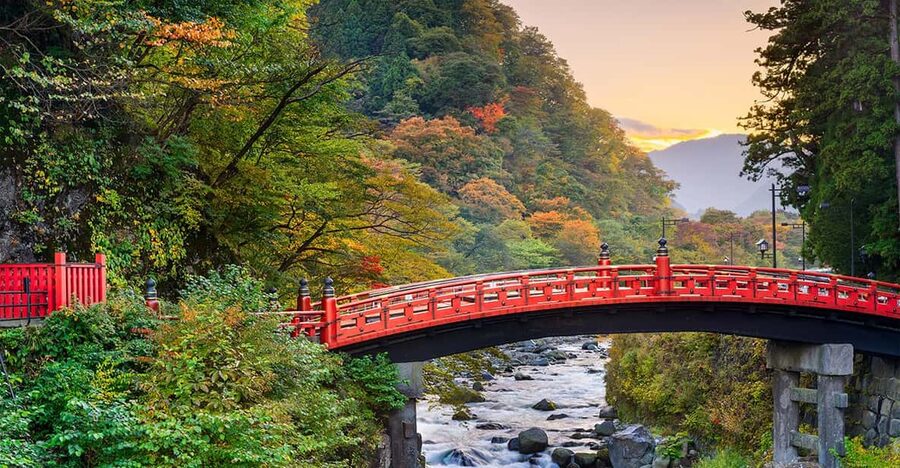
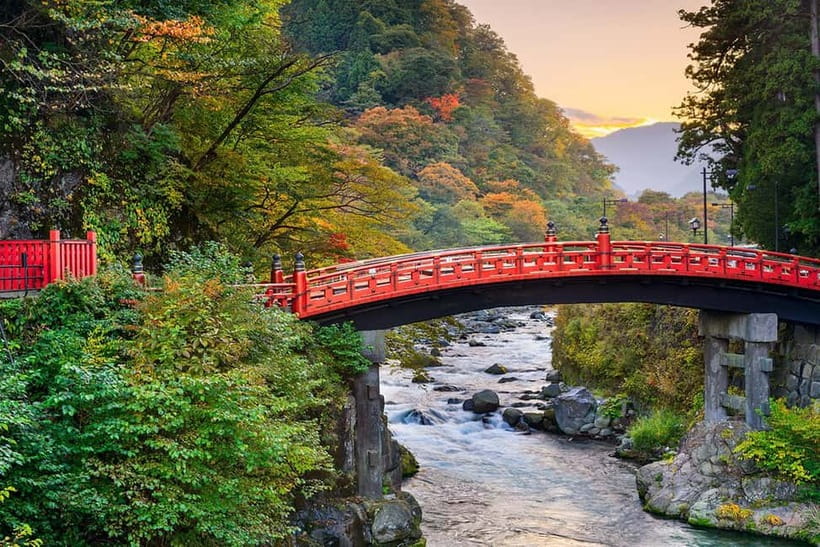
Shinkyo Bridge is one of Nikko’s most photographed landmarks. It’s a sacred bridge, and the tour includes time for a photo stop, plus guidance and sightseeing.
This is the kind of stop that’s quick on a normal day trip, but satisfying here because you’re not rushing. You can take your time framing the bridge and the water setting around it, and then move on without feeling like you missed the only moment when it looks good.
Lunch and Breaks: What You Should Expect
Lunch is provided as time for a local restaurant stop. Meals and drinks aren’t included, so you’ll be choosing your own food. The upside is that your driver can often recommend good options and help you find something that fits your group’s needs.
From guest stories, guides like Jagroop and Hamza are praised for helping decide where to eat and keeping everyone relaxed. Some even offer small “day comfort” touches like snacks or drinks during travel—always nice when you’re doing a long day outside Tokyo.
Optional Edo Wonderland: A Themed Shift If Your Group Wants It
The tour includes an optional stop for Edo Wonderland, a theme park recreating parts of the Edo period. This isn’t required for the UNESCO and nature experience, but it can be a fun add-on if your group likes shows, costumes, or a more playful side of Japanese history.
One guest specifically noted planning around timing so they could see the best shows. Translation for you: if you add Edo Wonderland, ask your driver to build the schedule so you don’t arrive during a lull.
Optional Kanmangafuchi Abyss + Jiunji Hondo Temple
Another optional nature/history pairing is Kanmangafuchi Abyss, plus Jiunji Hondo Temple. Kanmangafuchi is a riverside walking path surrounded by nature, and it’s a great contrast after the bigger waterfall scene.
This stop works especially well if you want a lighter walking stretch that still feels outdoors. And if your group likes a mix—nature plus a bit of temple time—this pairing is a good way to balance the day.
The Driver Factor: Communication, Flexibility, and Real Help
This tour lives or dies on its human element, and the reviews make that clear. Different guides are repeatedly praised for being patient, kind, and genuinely focused on making the day smooth for the whole group. Names that show up include Jagroop, Hamza, Baba, Kashif, Cheema, Haroon, Aaryan, and Chijohn/Chohaan (spelling varies by guest).
You’ll also benefit from practical “driver skills,” not just sightseeing talk. Guests described guides helping with slippery slopes, walking assistance for elderly parents, and close parking to reduce long walks. Others praised drivers for photographing them, finding good photo spots, and offering suggestions without being pushy.
A big plus: the schedule is flexible. Some guides have reordered priorities based on what mattered most—like focusing deeply on shrines and temples, or starting with Edo Wonderland if the timing worked best for shows.
Price and Value for a Private Group (Up to 6 People)
At $483 per group (up to 6) for a full day, this isn’t a budget option in absolute terms. But value depends on how you travel. If you’re splitting the cost among a few people, you’re basically paying for a private luxury vehicle, pickup/drop-off service, fuel/tolls/parking, and an English-speaking driver managing the whole route for you.
Here’s the trade-off in plain language: you’re buying convenience and time. You give up the freedom to design your own route from scratch, but you gain a plan that hits Nikko’s major highlights in one day without stress. For families, couples, or anyone who wants a high-comfort day outside Tokyo, it can feel like a “smart splurge,” not a reckless one.
What to Bring, and the Small Rules That Matter
Bring comfortable shoes. You’ll be walking at multiple stops, and the day includes waterfalls, bridges, and temple grounds. Also bring cash, since meals and attraction entrance fees aren’t included, and you’ll want flexibility for small purchases.
There are also clear car rules: no smoking in the vehicle and no alcoholic drinks in the vehicle. It’s a straightforward setup, but it helps set expectations.
Should You Book This Nikko World Heritage Private Day Trip?
I’d book it if you fit one of these profiles:
- You want a stress-free Nikko day with hotel pickup and a driver handling everything
- You care about UNESCO Toshogu Shrine and want a calmer way to see it
- Your group includes kids, older family members, or anyone who benefits from close parking and guided pacing
- You’d rather pay for comfort and time than spend your day coordinating trains and connections
I’d think twice if:
- You want total freedom to linger at just one site for hours
- You’re traveling on days where weather might block ropeway/cable activities and you would be disappointed if that happens
If you do book, here’s a simple move: tell your driver your top priority—shrines, waterfalls, or nature walks—and ask for a plan that protects your main goal first.
FAQ
What’s the group size for this Nikko day trip?
It’s a private group up to 6 people.
How long is the day trip from Tokyo?
The duration is 1 day.
What’s included in the price?
Included are the private luxury vehicle, an English-speaking driver, fuel/tolls/parking, hotel pickup and drop-off, flexible sightseeing schedule, photo assistance from the driver, and water.
Are attraction entrance fees included?
No. Entrance fees are not included.
Are meals included?
No. Meals and drinks are not included, though you’ll have time for lunch.
What languages are available besides English?
The live tour guide can be English, Japanese, Italian, Arabic, Dutch, or Hindi.
Do you get pickup from outside central Tokyo?
Pickup is offered across Tokyo City, Yokohama, Chiba, and Nikko, including many specific pickup options.
What should I bring for the day?
Bring comfortable shoes and cash.
Can I cancel for a full refund?
Yes, you can cancel up to 24 hours in advance for a full refund.