REVIEW · TOKYO
Tokyo: A Half-Day Trip Bus Tour in the Morning
Book on GetYourGuide →Operated by Hato Bus Co., Ltd. · Bookable on GetYourGuide
Three Tokyo icons, one efficient half-day.
This morning hybrid bus tour strings together the Imperial Palace outer area, Asakusa’s Sensō-ji, and Tokyo Tower in about 4 hours, guided in English by a nationally certified professional. It’s a smart way to see a lot without getting lost in the rail maze.
I especially like the Nijubashi Bridge area walk and photo stop—plus the Masashige Kusunoki statue moment right after you get off the bus. I also love the Tokyo Tower setup: you get to go up to the main observatory (150 meters up) and use the time for photos and views.
One thing to consider: you can’t enter the Imperial Palace itself, and the East Gardens aren’t included—so plan on enjoying the architecture and grounds from the outside.
In This Review
- Key takeaways
- Why This Route Works: Imperial Palace, Asakusa, Tokyo Tower in 4 Hours
- Price and Value: What You’re Really Paying For
- Getting On at Shinjuku or Tokyo Station (No Hotel Pickup)
- Imperial Palace Outer Area and Nijubashi Bridge: The Best Outside-View Stop
- Sensō-ji in Asakusa: Temple Time, Nakamise Shopping, and the Feel of Old Tokyo
- Tokyo Tower: Main Observatory Views from 150 Meters Up
- The English Guide Factor: Better Explanations and Little Cultural Touches
- Getting the Most Out of Your 4 Hours: Timing and What to Bring
- Who This Tour Suits (and Who Might Want a Different Plan)
- Should You Book This Morning Tokyo Icons Tour?
- FAQ
- How long is the tour?
- How much does it cost?
- Where do I meet the tour?
- Is hotel pickup and drop-off included?
- What’s included during the tour stops?
- Can I enter the Imperial Palace?
- Do you go up Tokyo Tower, and how high is it?
- Is there free time for shopping or exploring?
- Is the tour wheelchair accessible?
- What’s the cancellation policy?
- Can I pay later?
Key takeaways
- Hybrid-bus convenience: three major sights in one morning, with less transit stress
- Imperial Palace from the outside: photo stops plus a walk around Nijubashi Bridge (no palace entry)
- Asakusa with free time: Sensō-ji plus shopping along Nakamise street
- Tokyo Tower height advantage: main observatory views from 150 meters up, possible Mount Fuji on clear days
- English guide energy: past guides (like Aki, Kumiko, Yuko, and Azumi) are praised for pacing, clarity, and extra cultural touches
- Expect crowds: you’ll be in the thick of the action at Asakusa and Tokyo Tower
Why This Route Works: Imperial Palace, Asakusa, Tokyo Tower in 4 Hours
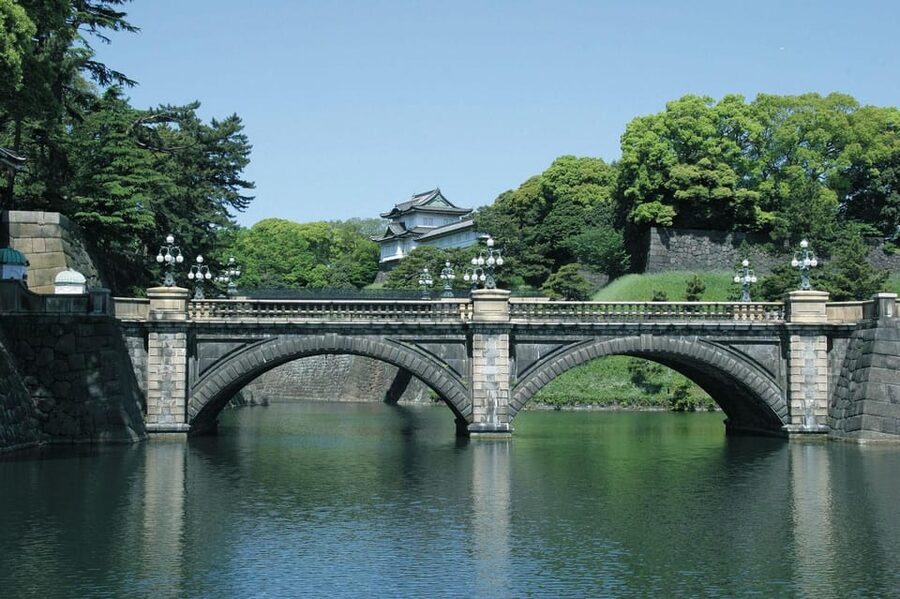
Tokyo can be overwhelming on day one. This tour keeps it simple: it’s built around three headline stops that represent very different sides of the city—imperial-era Tokyo, old-street religious Tokyo, and modern skyline Tokyo.
You’ll spend roughly 40 minutes at the Imperial Palace outer area, another 40 minutes at Tokyo Tower, and about an hour at Sensō-ji (including guided commentary plus time to wander and shop). In other words: you get structure when you need it, and small pockets of freedom where you’ll actually use them—like taking photos, grabbing a snack, or lingering a bit longer if the place grabs you.
Also, the hybrid bus part isn’t just marketing. Having a comfortable ride between neighborhoods matters when you’re doing multiple sights back-to-back. A couple of guides have been praised for keeping things smooth even in intense heat, and that’s the kind of practical comfort you feel in summer months.
You can also read our reviews of more tours and experiences in Tokyo.


Price and Value: What You’re Really Paying For
At $40 per person for about 4 hours, the value mainly comes from three things:
1) An all-in-one guided format
You’re not just buying seats on a bus. You’re buying someone to connect the dots—why these places matter, what to notice, and how to move through each stop without wasting time.
2) Entrance fees are included
The tour lists all entrance fees as included. That’s a big deal in Japan, where “small” add-ons can pile up fast once you start stacking museums, towers, and major temple areas.
3) Time efficiency in a big city
Tokyo is huge. Even if you know the stations, switching lines and walking the last stretch can eat your day. This tour compresses the essentials into one morning window.
One more note: the group setup seems intentionally manageable. One review mentioned the group was around 20 people, which is a sweet spot for a bus tour—small enough to feel together, large enough that logistics stay organized.
Getting On at Shinjuku or Tokyo Station (No Hotel Pickup)
This is not a hotel pickup tour. Instead, you start from a set meeting point, with two options depending on what you book:
- Hato bus Tokyo office
- Hato Bus SHINJUKU STATION EAST EXIT
You’ll want to show up early enough to find the meeting point greeters and get settled before the bus leaves. The tour info also mentions you’ll need to navigate a few steps when getting on and off the bus. If stairs are a concern for you, keep that in mind.
The good news: it’s straightforward. You’re meeting at a transit hub, not sprinting across town for a complicated rendezvous.
Imperial Palace Outer Area and Nijubashi Bridge: The Best Outside-View Stop
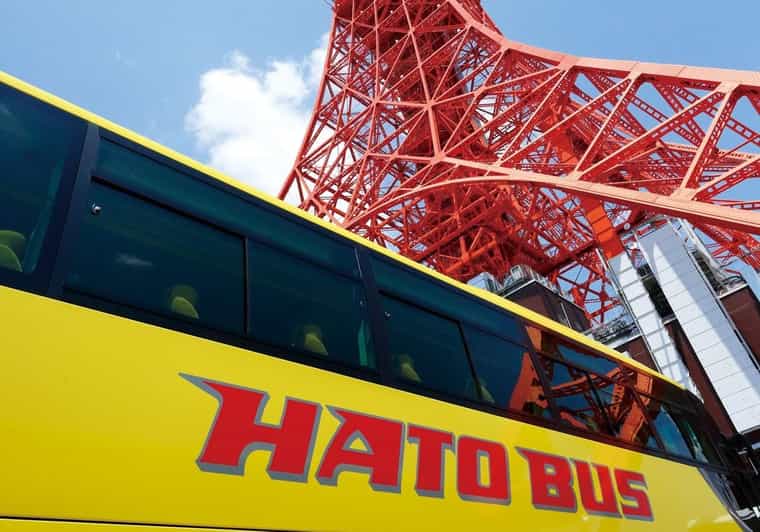
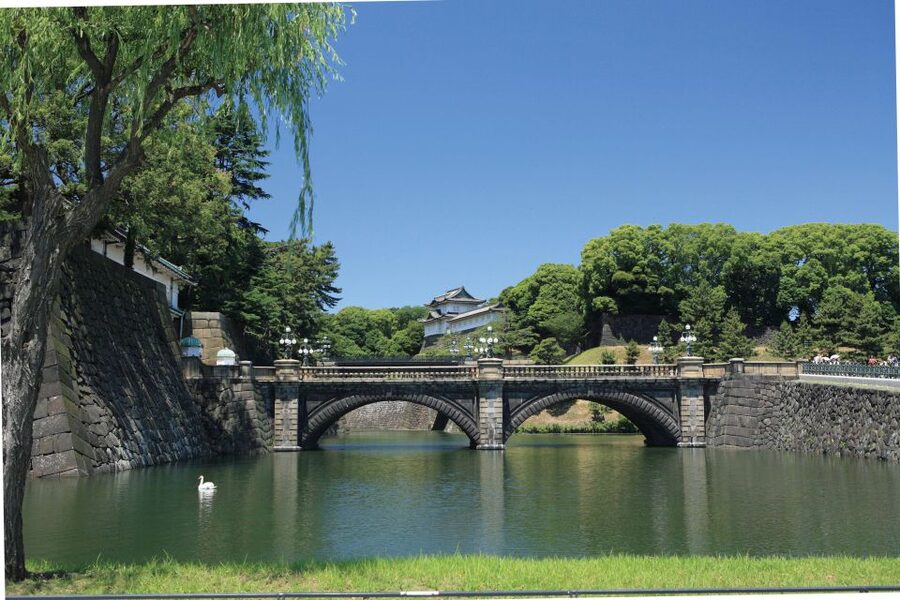
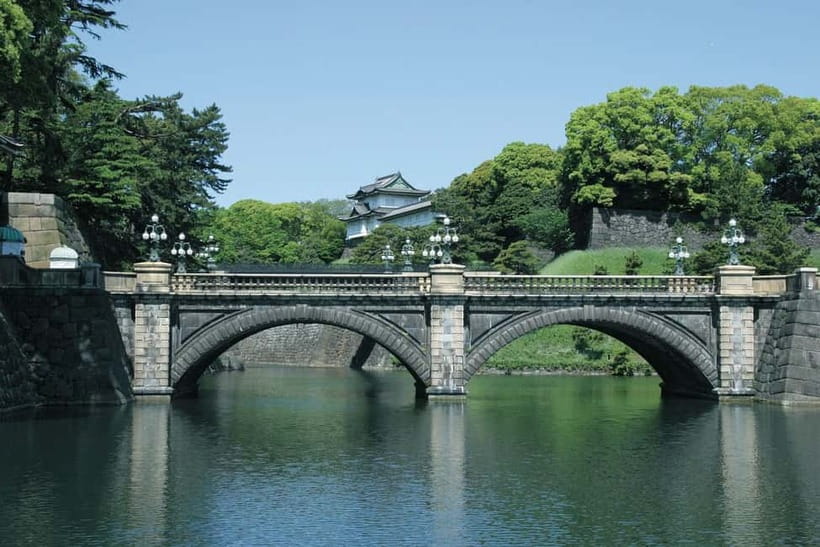
You start with a stop at the Tokyo Imperial Palace Outer Area for photos and a short walk (about 40 minutes total). The main payoff here is the historic setting without the crowds and rules that come with trying to do everything on your own.
After you get off the bus, you’ll view the statue of Masashige Kusunoki. Then you walk around the Nijubashi Bridge area, which is a classic composition for people photographing the palace grounds and the surrounding water/stonework.
Two important limitations:
- You do not get entry into the Imperial Palace itself.
- The East Gardens are not included.
Still, that doesn’t make this stop feel like a tease. If you’re new to Tokyo, it’s a strong introduction to the scale and visual style of the imperial grounds. You’ll also get guide context that helps you understand what you’re seeing, instead of just clicking photos and moving on.
Practical tip: this is a “walk and photo” stop, so comfortable shoes matter. You’ll be happiest if you treat it like a gentle orientation, not a long museum visit.
Sensō-ji in Asakusa: Temple Time, Nakamise Shopping, and the Feel of Old Tokyo
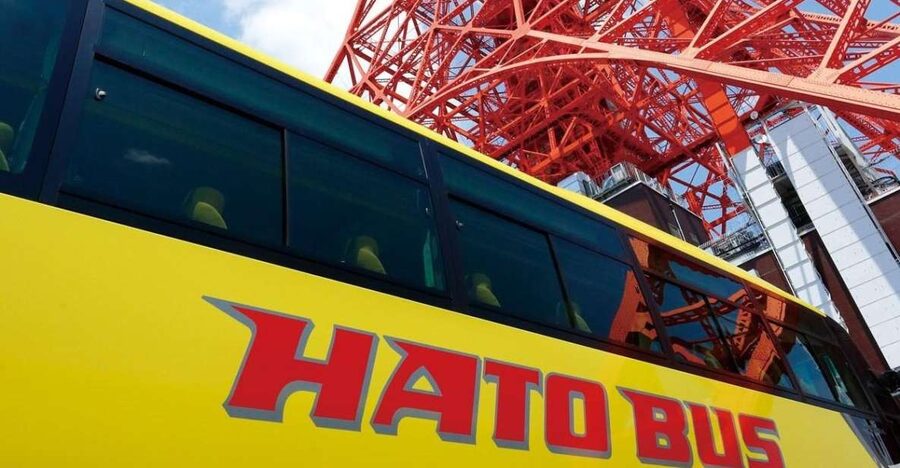
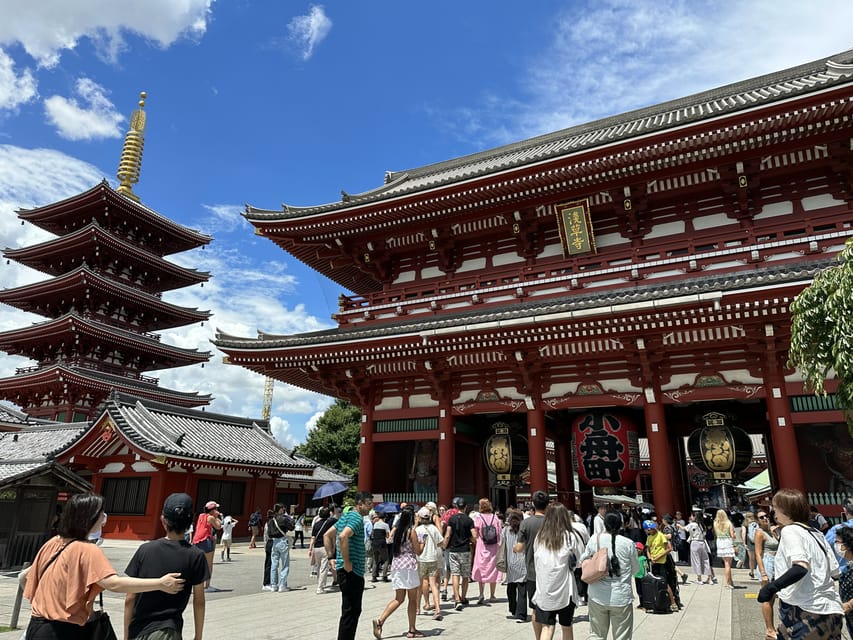
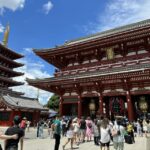
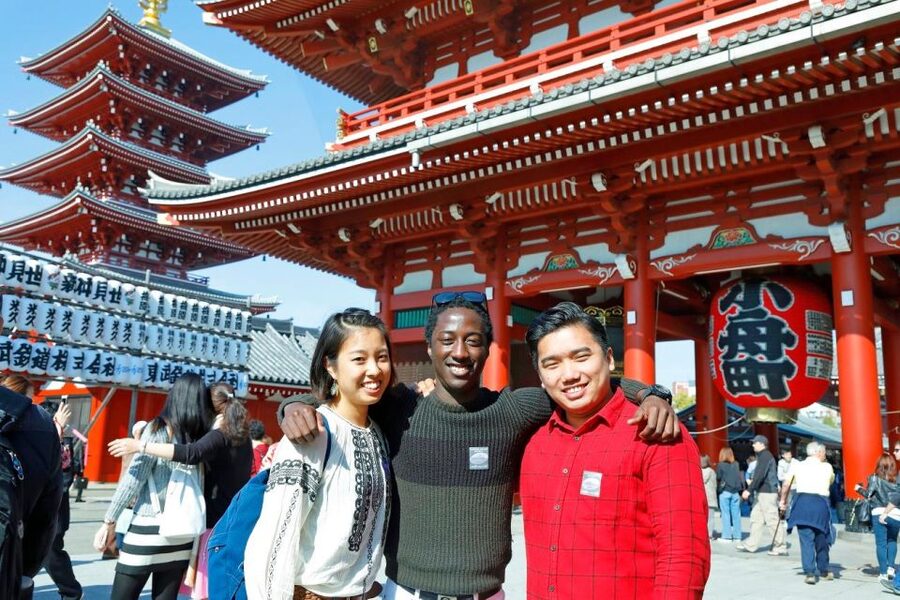
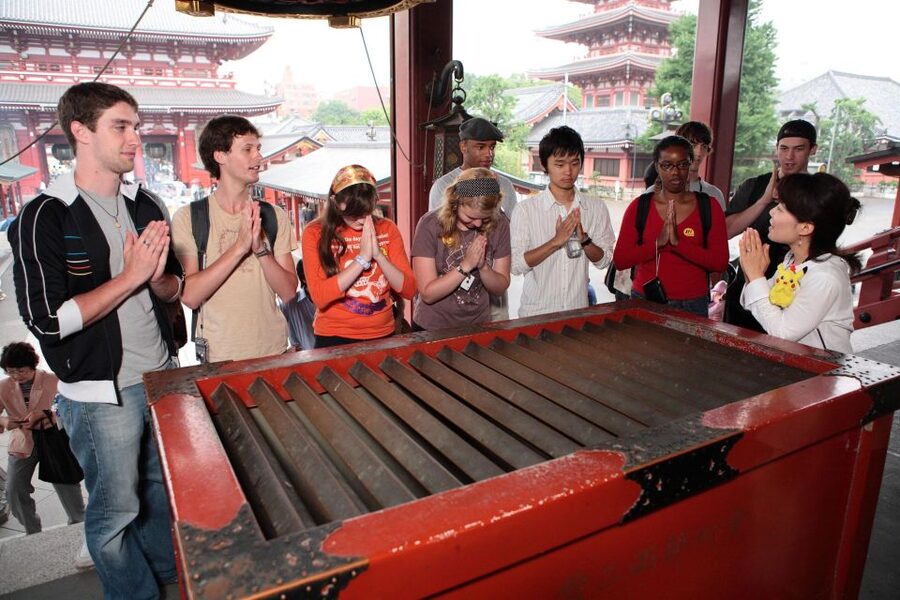
Next comes Asakusa Kannon Temple, better known as Sensō-ji. This stop is both cultural and sensory, and it’s where you’ll notice how Tokyo layers eras on top of each other.
First, there’s guided commentary about the temple’s ancient craftsmanship. Then you get free time to explore on your own, and part of the complex connects to Nakamise, a traditional shopping street about 200 meters long.
This is the moment to slow down a little. The crowd energy can be intense, but that’s part of the experience here. You’ll likely want to:
- Look for traditional snacks along the way
- Shop for souvenirs (the tour suggests you can buy at your own expense)
- Take a few detours just to see what draws people in
A practical heads-up from firsthand accounts: this shopping area can be mostly cash only for some vendors. If you want to avoid hassle, carry some yen.
Also, timing matters. The tour sets Sensō-ji at about an hour total. That’s enough to do the basics plus shop lightly, but it’s not enough if you want to do everything in Asakusa beyond the core temple area. Think of it as a highlight “starter dose.”

Tokyo Tower: Main Observatory Views from 150 Meters Up
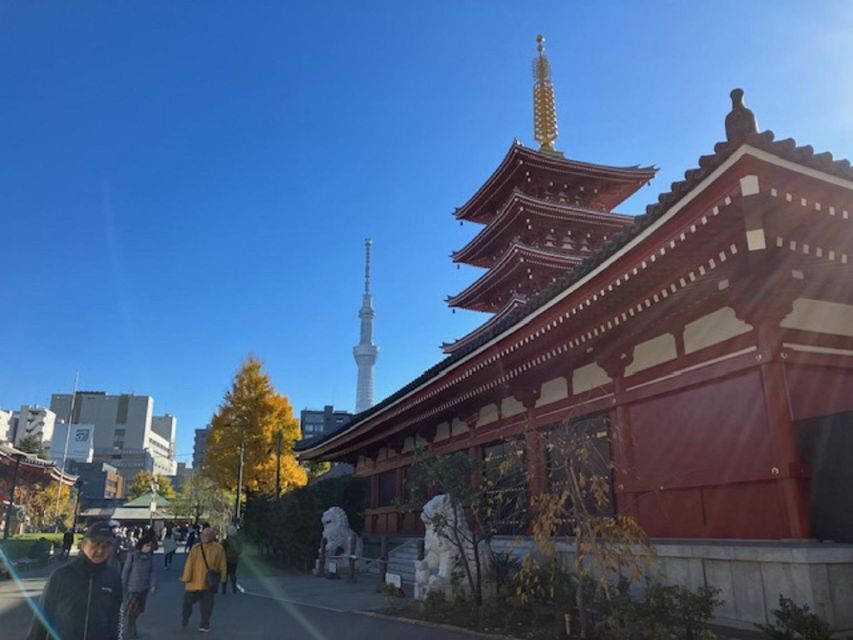
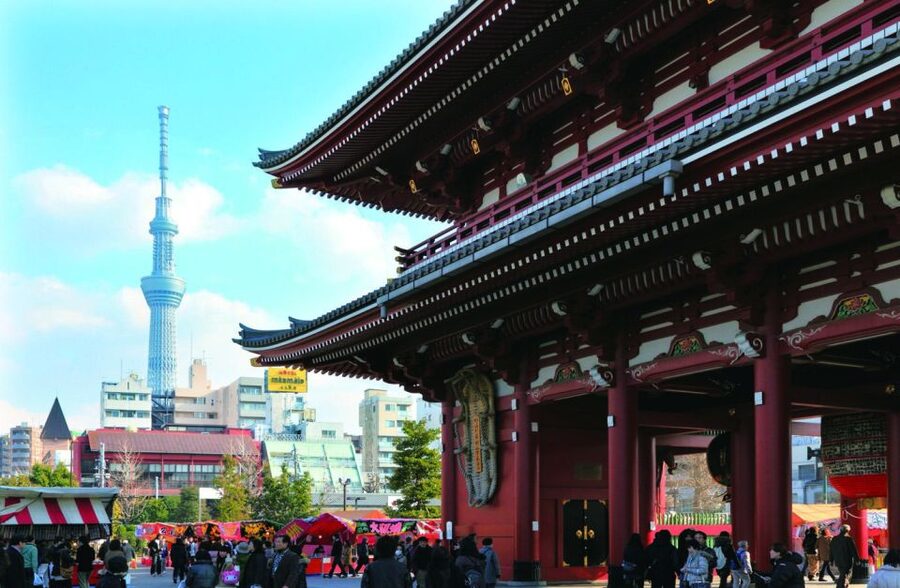
For skyline views, the tour heads to Tokyo Tower. You’ll have about 40 minutes here, including time to enjoy the sights, take photos, and enjoy the views from the main observatory at 150 meters above the ground.
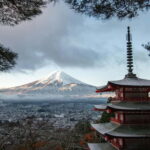
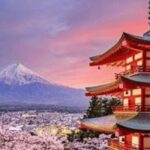
On clear days, you may even spot Mount Fuji. Don’t count on it—Tokyo weather can be a wildcard—but knowing it’s possible helps you decide whether to spend extra time lingering up top.
One thing you should expect: Tokyo Tower gets busy. You’ll move through crowds and you’ll probably wait a bit, depending on the day and time. Still, the advantage of doing Tokyo Tower this way is that you don’t have to spend your limited morning figuring out timed entry logistics and transit decisions. The guide handles the flow.
If you’re the type who loves “one great viewpoint,” this stop delivers. If you want multiple angles across several towers, you’ll still want to add another skyline activity later.
The English Guide Factor: Better Explanations and Little Cultural Touches
In a tour like this, the guide is the product. The format depends on someone keeping things clear and moving at the right pace, while also making the stops feel meaningful.
Past departures have credited guides such as:
- Atsushi for making Tokyo’s culture fun to understand
- Yuko for being informative and teaching a few Japanese phrases
- Azumi for a standout, temple-focused experience
- Koyiko and Kumiko for strong English and thoughtful explanation
- Aki for humor and hospitality, including an extra cultural moment on the bus (sharing how she puts on kimono/obi)
You’ll also hear how guides handle conditions—like heat—without turning the tour into a misery marathon. One review specifically praised patience under very hot weather, and that’s exactly what you want from a morning tour that includes outdoor viewing.
If you care about explanations—what you’re looking at, the difference between shrine/temple traditions, what to notice in the imperial grounds—this tour tends to land well.
Getting the Most Out of Your 4 Hours: Timing and What to Bring
You’re moving through three big sights, so your job is to show up ready. Here’s what I’d do to maximize the value:
- Wear comfy walking shoes. Even the “photo stops” include walking.
- Bring a small cash reserve for Nakamise snacks and souvenirs, since some vendors may be cash only.
- Pack water, especially if you’re going in hotter months. Tokyo can feel intense outdoors, and the tour pace stays steady.
- Have your camera ready before you arrive at Nijubashi Bridge and Tokyo Tower—those are quick “don’t miss it” moments.
- Keep a flexible mindset at Sensō-ji. You’ll be in a crowd. Use free time to pick the angles you like.
One more logistics note: the meeting point can be Shinjuku or Tokyo Station depending on what you booked, and the tour should conclude back at the original starting area. Still, there is at least one report of a different ending point, so I’d confirm the exact return/drop-off in your confirmation details.
Who This Tour Suits (and Who Might Want a Different Plan)
This is a great fit if:
- You want a first-day orientation to major Tokyo landmarks
- You have limited time and want a guided, time-boxed approach
- You prefer bus travel to stitching together trains and walking routes
- You like the idea of structured commentary plus short periods of free time
You might skip it if:
- You specifically want Imperial Palace interior access (not permitted on this tour)
- You’re hoping to include the East Gardens (not included)
- You want a deeper multi-neighborhood exploration with longer stays in each place
Also, if you’re traveling with mobility needs, the tour is listed as wheelchair accessible, but it does include steps when boarding and exiting the bus. That doesn’t make it impossible—it just means you should plan around that part.
Should You Book This Morning Tokyo Icons Tour?
If your goal is to see Tokyo’s big “starter highlights” in one morning, I think it’s an easy yes. For $40, you get a guided route, entrance fees handled, and access to the most iconic visuals: Nijubashi Bridge-style imperial scenery, Sensō-ji and Nakamise’s old-street atmosphere, and Tokyo Tower’s 150-meter viewpoint.
Book it if you value efficiency and explanation over free-form wandering. Consider skipping or adding something else if you’re hungry for palace interiors or want more time in one neighborhood.
If you want the simplest way to get your bearings in Tokyo, this is the kind of tour that does the job.
FAQ
How long is the tour?
The tour runs about 4 hours (270 minutes).
How much does it cost?
It costs $40 per person.
Where do I meet the tour?
You meet at one of two starting locations depending on your booking: Hato bus Tokyo office or Hato Bus SHINJUKU STATION EAST EXIT.
Is hotel pickup and drop-off included?
No. Hotel pickup and drop-off are not included.
What’s included during the tour stops?
You’ll visit the Imperial Palace Outer Area (Nijubashi Bridge area), Asakusa Kannon Temple (Sensō-ji), and Tokyo Tower. Entrance fees are included, and the guide accompanies you.
Can I enter the Imperial Palace?
No. The tour includes viewing the outer area/grounds, but entry into the Imperial Palace itself is not permitted. The East Gardens are also not included.
Do you go up Tokyo Tower, and how high is it?
Yes, you visit the main observatory. It’s 150 meters above the ground. Mount Fuji may be visible if weather is clear.
Is there free time for shopping or exploring?
Yes. You’ll have free time at Tokyo Tower and free time at Sensō-ji, including the chance to shop along Nakamise.
Is the tour wheelchair accessible?
The tour is listed as wheelchair accessible, but you should note there are a few steps when getting on and off the bus.
What’s the cancellation policy?
Free cancellation is available up to 24 hours in advance for a full refund.
Can I pay later?
Yes. The option offered is Reserve now & pay later, so you can book without paying immediately.