REVIEW · TOKYO
Mount Fuji Private Full Day Tour With Local Guide
Book on Viator →Operated by Private Full Day Tour to Mount Fuji and Hakone · Bookable on Viator
Fuji can steal the whole day in one view. This private full-day tour is interesting because you swap crowded transit for a car with pickup and a driver-guide who can steer the schedule. You’ll likely enjoy two big wins: shorter walking at key viewpoints and the chance to fine-tune stops as the day unfolds. One thing to keep in mind: this is a mountain day, so if conditions are poor or access is limited, the plan can feel tighter than you’d hoped.
The best part is that the route is built around the Fuji area at the foot of the mountain, not just one photo stop. You’ll hit iconic spots like the Fuji Subaru Line 5th Station, Oshino Hakkai springs, and Lake Kawaguchiko, then round it out with a shrine visit at Kitaguchi Hongu Fuji Sengen Jinja. The possible downside is simple: entrance and meals aren’t included, and the 5th Station has an extra paid fee, so budget for that before you go.
In This Review
- Key points I think matter most
- Private car from Tokyo: why this day feels easy
- A simple watch-out
- Your 10-hour route around the Fuji Five Lakes area
- Mt. Fuji 5th Station: the one paid entrance you should budget
- What to watch for
- Oshino Hakkai springs: water + easy strolling time
- Oishi Park and its Fuji-and-lake photo views
- A quick tip
- Chureito Pagoda: the classic Fuji frame
- The drawback to know
- Lake Kawaguchiko: viewpoints that reward time and patience
- Why this stop matters for your day
- Kitaguchi Hongu Fuji Sengen Jinja: shrine time with mountain meaning
- A practical note
- Price and logistics: where the money goes (and how to judge value)
- The main risk with value
- What the guide does for you (beyond driving)
- A balanced warning
- Who should book this Mount Fuji private day, and who should skip it
- Should you book this tour?
- FAQ
- How long is the Mount Fuji private full-day tour?
- How many people can be in the group?
- What stops are included in the day?
- Do I need to pay any entrance fees during the tour?
- What’s included in the price?
- What is not included?
- Is pickup available from my hotel in Tokyo?
- Is cancellation free if plans change?
Key points I think matter most
- Private pickup and drop-off in an air-conditioned vehicle so you’re not glued to train schedules
- A flexible day with a driver-guide who can adjust routing based on what you care about
- A classic Fuji hit list: 5th Station, Oshino Hakkai, Oishi Park, Chureito Pagoda, Lake Kawaguchiko, and Kitaguchi Hongu Fuji Sengen Jinja
- Longer viewing time at each stop (about 45–60 minutes) instead of rushing between stations
- Most sights are free to enter except the Fuji 5th Station, which has a separate admission fee
- Weather matters since this experience requires good conditions for the best results
Private car from Tokyo: why this day feels easy
A private day trip sounds fancy until you live inside it. Here, the value is practical: you start with pickup and you avoid the time drain of transferring between trains and buses. That matters a lot on a long day (about 10 hours), especially when you want to spend your energy looking at Fuji instead of timing platforms.
You also get a driver-guide doing the “busy work” for you—routing, driving, and getting you dropped nearer to viewpoints. One guide was specifically praised for dropping the group at the closest sightseeing spots so you didn’t feel like you were hiking just to get to the next stop.
Then there’s the human side. Names like David, Mr. Shah Irtaza, and Shahjee came up with similar themes: punctual pickup, solid English support (when available), and helpful guidance that makes each stop feel more intentional than a checklist.
You can also read our reviews of more tours and experiences in Tokyo.


A simple watch-out
This is a mountain day, so you should plan for the idea that visibility or access can change. If you’re booking hoping for a perfect, clear Fuji every step of the way, temper expectations. It’s not a knock on the tour—just the reality of weather-dependent travel.
Your 10-hour route around the Fuji Five Lakes area
The flow of the day is designed to keep you in the Fuji foothills loop, with stops that mix “big iconic moments” and “small but memorable details.” The stops also alternate between viewpoints, nature/water, and cultural sites, so you don’t feel stuck staring at one kind of scene all day.
A key theme: you’re not just going to one place and calling it done. You’ll see different angles and settings around Mount Fuji—at elevation (5th Station), at water sources (Oshino Hakkai), and from lakeside viewpoints (Oishi Park and Lake Kawaguchiko). That variety is why the tour often feels like more than the sum of its parts.
Below is what to expect from each stop and what’s worth your time.
Mt. Fuji 5th Station: the one paid entrance you should budget
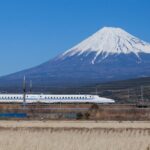
This is the “high point” stop of the day (about 1 hour). The Fuji Subaru Line 5th Station sits around the halfway mark of the Yoshida Trail area, so it’s the closest thing on this itinerary to a true elevation moment.
Two practical notes:
- The admission fee isn’t included. Plan on paying ¥2,100 per booking for the Fuji 5th Station.
- Your time here is shorter than a full hiking-style outing. Think of it as a vantage stop plus a chance to soak in the mountain atmosphere.
If you’re the type who loves dramatic viewpoints and doesn’t mind paying a separate entrance fee for it, this stop is usually worth it. If you’re trying to keep costs down and prefer garden-and-lake scenery, you can still enjoy the day, but this is the main place where you’ll feel the extra fee.
What to watch for
Because this is the 5th Station, conditions can affect what you get to see. If visibility is poor, it can feel like paying extra for “less view.” That’s not guaranteed—but it’s worth keeping in mind when you book.
Oshino Hakkai springs: water + easy strolling time
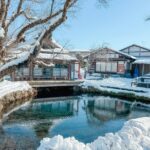
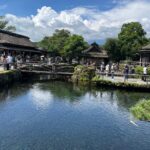
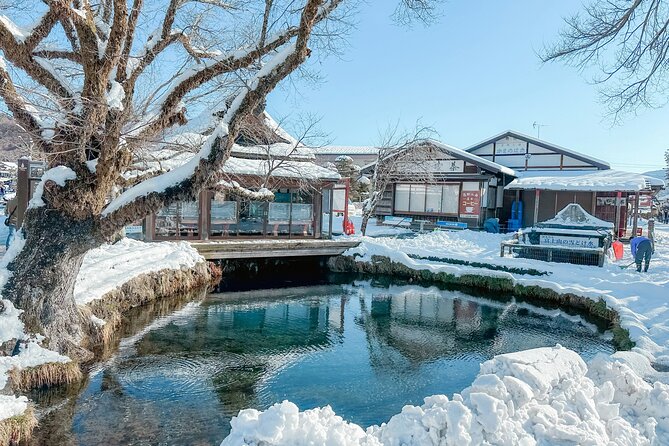
Next up is Oshino Hakkai, an area known for eight springs in Oshino where aquifer water from Mount Fuji comes to the surface. The time here is about 45 minutes, and the good news is that admission is free.
This stop works well for two reasons:
- It’s a change of pace from the bigger “Fuji backdrop” viewpoints.
- You get a calmer setting that’s still tied to the mountain’s water story.
If your travel style is “see it, then slow down,” this is one of the easiest wins on the day. No extra tickets. No ticket lines. Just water and the chance to take photos without feeling rushed into another bus ride.
Oishi Park and its Fuji-and-lake photo views
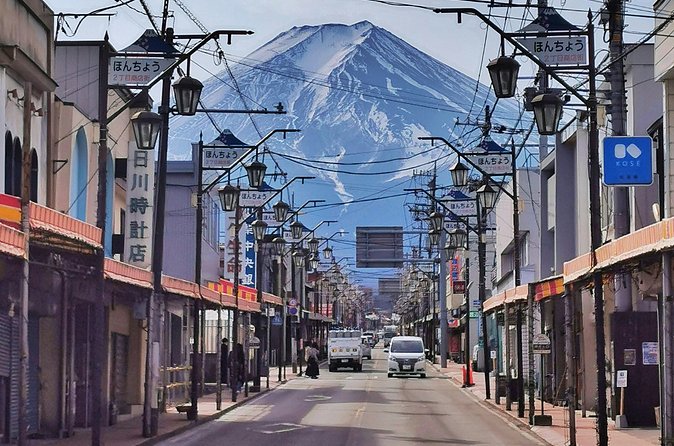
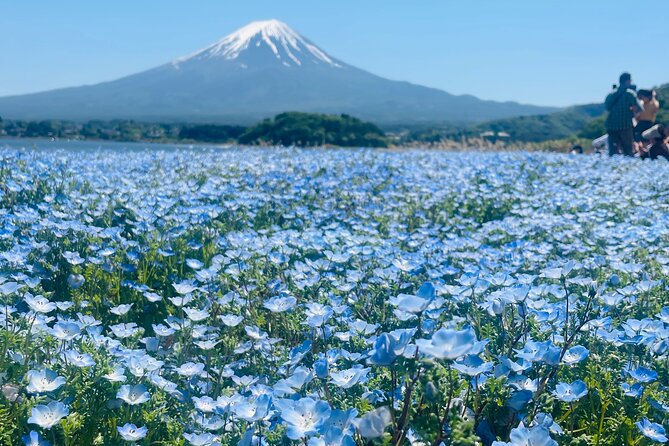
Oishi Park is a practical photo stop with a payoff: you get panoramic views of Mount Fuji and Lake Kawaguchiko. You’ll have about 45 minutes, and entry is free.
There’s also a seasonal element here. The park is noted for flowers, including lavender blooming, which can turn the surface purple. If you’re visiting during a time when flowers are active, your photos may look like they belong on a travel poster.
Even if flowers aren’t in peak bloom, the viewpoint angle matters. This is one of the places where you can look at Fuji and then immediately compare it to how it looks from other stops later in the day.
A quick tip
If you care about photos, bring a fully charged phone/camera and take a few minutes to scan the viewpoint before you start snapping. The tour’s timing helps, but you still need a moment to pick your best angle.
Chureito Pagoda: the classic Fuji frame
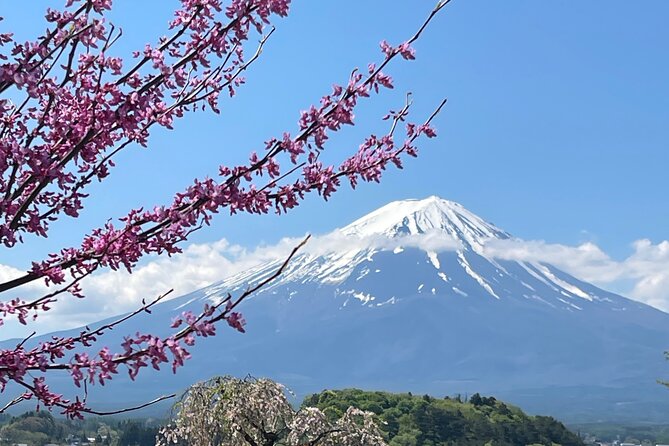
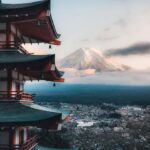
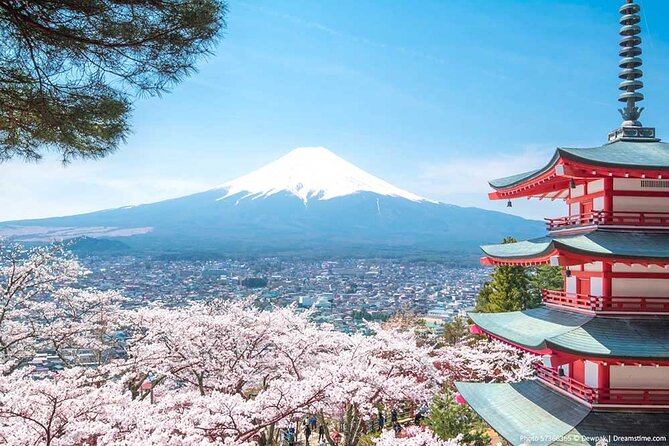
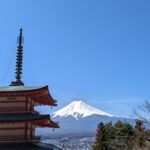
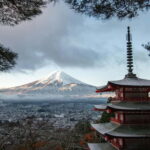
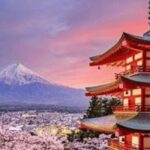
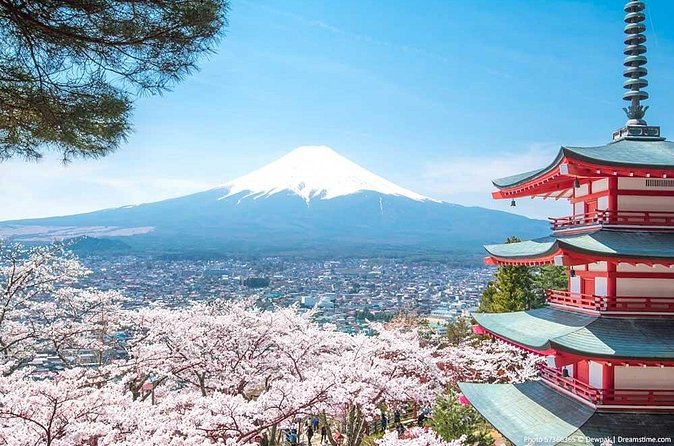
Then comes Chureito Pagoda, with time carved out for about 45 minutes. It’s described as one of the area’s most iconic looks: a traditional pagoda view that pairs Mount Fuji with surrounding cherry blossoms and trees during relevant seasonal periods.
Entry here is free, so this is a “high reward, low hassle” stop. It’s also the kind of sight where it helps to get a few minutes of unhurried looking—especially if you’re trying to line up Fuji in your shot.
The drawback to know
A photo icon can be crowded. Even on a private tour, you’re still visiting a famous spot. The upside is that you can usually adjust your pacing with your driver-guide, and you won’t have to fight your way in from far away like you would on some day trips.
Lake Kawaguchiko: viewpoints that reward time and patience
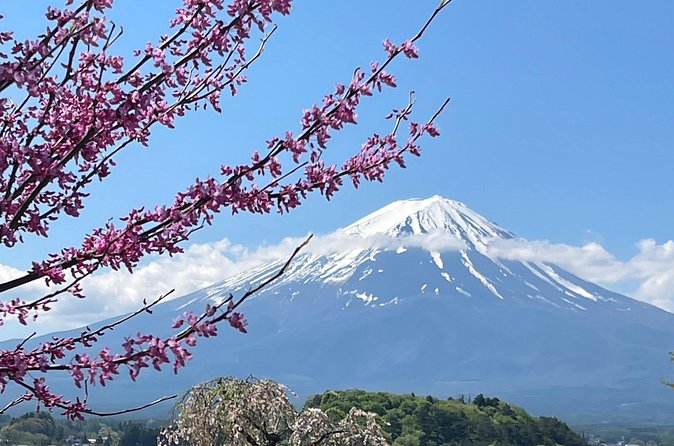
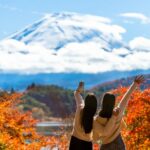
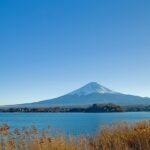
Lake Kawaguchiko is next, again with about 45 minutes and free admission. The big draw here is viewing Mount Fuji from the northern shores, which is noted as especially breathtaking during cherry blossom season (around mid April) and during autumn colors in the fall.
This stop is the “breathing room” portion of the itinerary. You’ll be able to step away from the pagoda framing and see Fuji with more water and open-air perspective.
Why this stop matters for your day
If you only went to 5th Station, your Fuji story would feel incomplete. Lake Kawaguchiko gives you the “reflection and distance” feel. It also helps the day feel balanced: you move from springs to gardens to a lakeside skyline view.
Kitaguchi Hongu Fuji Sengen Jinja: shrine time with mountain meaning
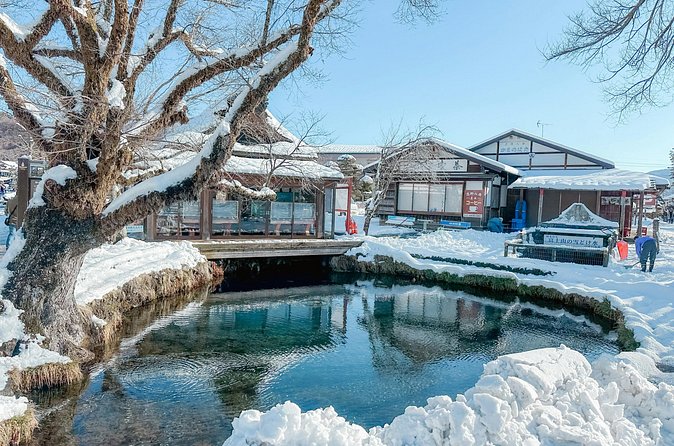
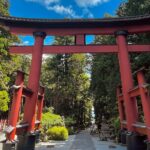
The final stop on the route is Kitaguchi Hongu Fuji Sengen Jinja, with about 45 minutes. Admission is free, and this shrine is tied directly to Mount Fuji’s religious significance.
Here’s what’s important:
- It’s part of a network of around 1,300 Asama shrines.
- It enshrines the deity associated with volcanoes in general and Mount Fuji specifically.
- It’s described as part of the Mount Fuji UNESCO context.
If you like cultural stops that aren’t just “see a gate and leave,” this one can add meaning. You’re getting a perspective on how people historically understood the mountain—through shrine practice rather than only through sightseeing photos.
A practical note
Shrines are usually easier to navigate than large museums. Bring a little patience for walking inside grounds and for respectful behavior. The tour’s timing is built so you don’t feel stuck there for hours.
Price and logistics: where the money goes (and how to judge value)
The price is $382.16 per group (up to 6), which makes this a strong option if you’re traveling as a small group of friends or a family unit. If you fill the car, you’re effectively spreading the cost across multiple people.
To judge whether it’s good value for you, look at what’s included versus what’s extra:
- Included: private transportation, air-conditioned vehicle, highway tolls, driver/guide, gasoline/patrol, and pickup & drop-off
- Not included: food/drink/lunch
- Extra: Fuji 5th Station admission fee of ¥2,100 per booking
So your main variable costs are lunch and the 5th Station ticket. If you were paying separately for private transport plus paid entry at a high-demand destination, this structure can make sense fast.
Where private tours sometimes disappoint is when the schedule is rigid. Here, the tour is designed around giving you control: after pickup, you can customize the itinerary based on your interests. That’s where your “value” can really show—because you can steer the day.
The main risk with value
Language support can vary by the driver-guide. Some guides are praised for clear English help (including David, Mr. Shah Irtaza, and Shahjee), but there are also complaints in the broader information set about guides not speaking English or not knowing the route well. The best way to protect your investment is to set expectations early and make sure you’re comfortable with how communication will work on your day.
What the guide does for you (beyond driving)
A driver-guide is doing more than steering a car. In real-world terms, they help you:
- Reduce walking by dropping you closer to sights when possible
- Optimize routing so you’re not wasting time stuck in the wrong flow
- Share photo and timing help so you don’t miss key angles
One person highlighted that their guide took photos at each location, which is a small thing but a big relief if you’re traveling as a couple or family and you don’t want to keep swapping phones.
Another highlight was the ability to handle constraints and still optimize the route, including support for a disabled family member in at least one case. That’s the kind of detail that tells me the guide style can matter more than the itinerary grid.
A balanced warning
There are also negative accounts in the material that point to a lack of contingency planning and language mismatch on some days. That doesn’t mean it will happen to you, but it does mean you should treat “this is private” as a chance to ask questions early. If you need clear communication or a specific backup plan, say so up front.
Who should book this Mount Fuji private day, and who should skip it
Book this if:
- You want a stress-reducing day from Tokyo with pickup and a private car
- You like hitting multiple Fuji-area highlights without switching transit multiple times
- You’re traveling with up to 6 people and can share the group cost
- You want both views and a cultural stop at the foot of the mountain
Skip it (or switch expectations) if:
- You only want one single “wow” view and don’t want to pay the Fuji 5th Station extra fee
- Your group needs strong English support at all times and you’re worried about communication
- You can’t handle the fact that weather affects mountain access and visibility
Should you book this tour?
If your idea of a great day is “easy logistics, classic Fuji views, and someone else handling the driving,” this tour is a solid choice. The biggest reason to book is the private format: pickup, a car that gets you to the right places, and a schedule designed to spend time at each stop instead of burning hours on transit.
Just go in with two smart expectations: budget for the Fuji 5th Station admission, and accept that the mountain is weather-dependent. If you can handle that, you’ll likely come away with a full Fuji story—from elevation to springs to lakeside views to a shrine at the mountain’s doorstep.
FAQ
How long is the Mount Fuji private full-day tour?
It runs for about 10 hours.
How many people can be in the group?
It’s priced per group up to 6 people.
What stops are included in the day?
The tour includes Mt. Fuji 5th Station, Oshino Hakkai, Oishi Park, Chureito Pagoda, Lake Kawaguchiko, and Kitaguchi Hongu Fuji Sengen Jinja Shrine.
Do I need to pay any entrance fees during the tour?
Yes. The Mt. Fuji 5th Station has an admission fee of ¥2,100 per booking. The other listed stops are noted as free.
What’s included in the price?
Private transportation, an air-conditioned vehicle, highway tolls, driver/guide, pickup and drop-off, and gasoline/patrol.
What is not included?
Food, drink, and lunch are not included.
Is pickup available from my hotel in Tokyo?
Pickup is offered. You’re asked to provide your pickup address in the special requirements option.
Is cancellation free if plans change?
Free cancellation is available up to 24 hours in advance for a full refund. The experience also requires good weather, and poor conditions may lead to a different date or a full refund.