REVIEW · TOKYO
From Tokyo/Yokohama: Mt.Fuji & Hakone Private Day Tour
Book on GetYourGuide →Operated by JAPAN MULTI TRAVELS · Bookable on GetYourGuide
Fuji first, Hakone next, all by private car. This 10-hour Mt. Fuji & Hakone private day tour is interesting because you can shape the day around your energy level and photo priorities, not the other way around. Guides (you may be paired with people like Tom or Ali) also help you time viewpoints for the best light and angles.
I like two things a lot: you get a true private charter with hotel/Airbnb pickup and drop-off, and you also get an English-speaking guide who can explain what you’re seeing beyond the obvious. I’ve also seen guides like Imran, Sam, and David help with small on-the-spot details like where to stand for photos and how to handle tickets smoothly.
One thing to plan for: the day hinges on weather, especially if you want Mt. Fuji 5th Station. Also, you should budget for paid entry tickets like the ropeway/cruise and the Mt. Fuji 5th Station fee.
In This Review
- Key things to know before you go
- Private Charter From Tokyo: The Real Benefit Is Control
- Fuji Day Option: Oshino Hakkai and the Sengen Shrine Complex
- Lake Kawaguchiko, Oishi Park, and Chureito Pagoda Steps
- Mt. Fuji 5th Station: Weather Plays the Headliner
- Hakone Day Option: Lake Ashi, Pirate Cruise, Owakudani Ropeway
- Price and Value: What $406 Actually Buys You
- Timing, Comfort, and the Small Rules That Save the Day
- Should You Book This Mt. Fuji & Hakone Private Tour?
- FAQ
- How long is the Mount Fuji and Hakone private day tour?
- Is this tour private or shared?
- Do I visit both Mount Fuji and Hakone in one day?
- Is Mt. Fuji 5th Station included?
- What’s included in the price?
- What extra costs should I expect?
- Where can the driver pick me up from?
- What should I bring for the day?
- Are there health or age limits?
Key things to know before you go
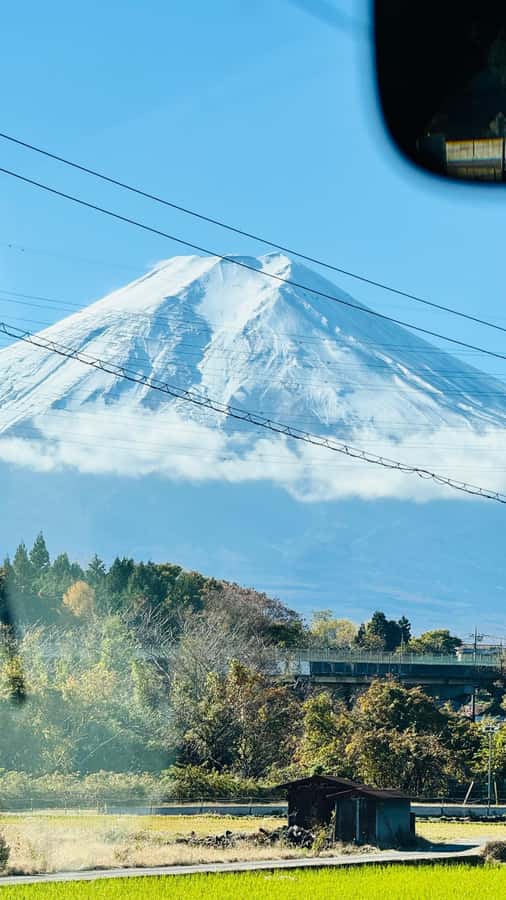
- Private charter for up to 6: less rushing, more control of pacing and stops
- Fuji vs Hakone is one-or-the-other: you’ll pick an itinerary so driving time stays realistic
- Sengen Shrine stops add culture: you’re not just chasing views
- Chureito Pagoda requires stairs: 498 steps, no elevator
- Mt. Fuji 5th Station has real constraints: sometimes weather won’t cooperate, and private cars are restricted in summer
Private Charter From Tokyo: The Real Benefit Is Control
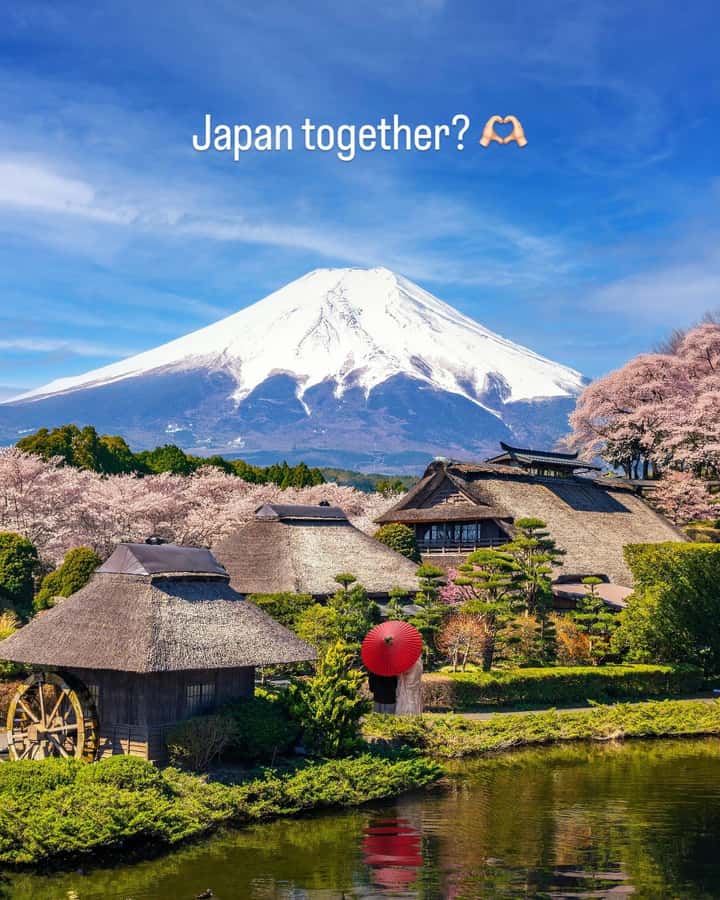
This tour works because it’s not a fixed bus route. You book a group of up to 6 people, then you get a driver/guide in an air-conditioned vehicle with hotel pickup and drop-off in Tokyo’s 23 wards (and several other pickup options are possible). That matters because Fuji days can turn into a parking-lot game if you’re on public transit or stuck on someone else’s schedule.
I like that you also have WiFi on board and bottled water. Those tiny comforts add up on a day where you’ll likely be walking, waiting for photos, and dealing with traffic timing. Plus, guides can communicate in English and several other languages (including Urdu, Punjabi, Hindi, and Japanese), which is a big help if you want to ask questions on the move.
The day is built around a simple rhythm: drive, arrive, guided walk or sightseeing, photo stop, then time to regroup. You’ll see a mix of classic “Fuji postcard” locations and more local, human-scale moments like street walks near towns and shrine complexes.
You can also read our reviews of more tours and experiences in Tokyo.


Fuji Day Option: Oshino Hakkai and the Sengen Shrine Complex
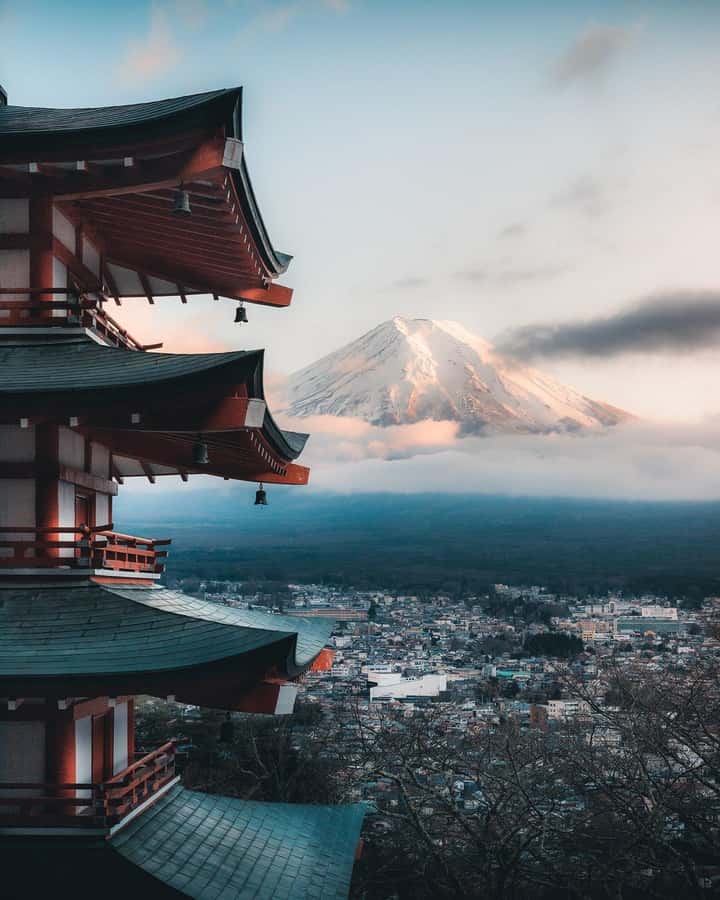
If you choose the Fuji itinerary, your day starts with a string of places that make sense together. The goal is to pair Fuji’s iconic presence with background context so you’re not just sightseeing in silence.
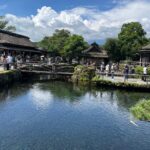
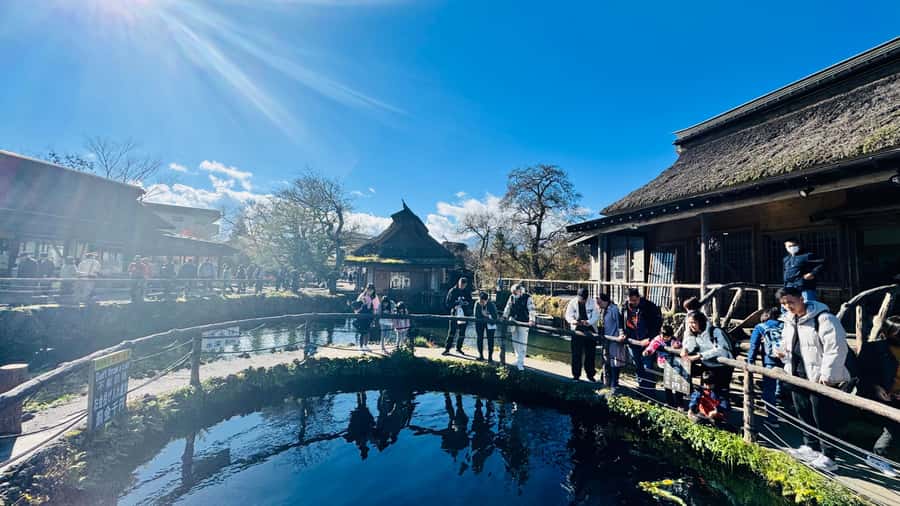
Oshino Hakkai is the first taste of the region’s story. You’ll get a guided stroll and about 40 minutes to walk around. This stop is popular for a reason: the area is known for its springs and ponds linked with Mount Fuji’s water mythos. Even if you’ve seen pictures before, the sensory part is different when you’re there—cool air near the water, easy walking paths, and lots of “stand here” photo angles.
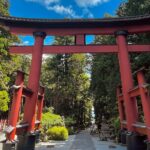
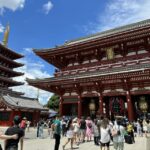
Next comes Kitaguchi-hongu Fuji Sengen Shrine (a main shrine complex tied to Fuji worship). You’ll have around 30 minutes here, and you should treat it like more than a quick photo stop. A shrine stop gives you cultural footing for everything else you’ll see today. Fuji isn’t only a mountain to admire; it’s also a spiritual symbol in Japanese tradition, and the shrine context helps you read the rest of your day.
You’ll then hit Shimoyoshida Honcho Street for a short photo stop (about 20 minutes). This is the kind of place where the real value is atmosphere: old-style streets, souvenir shops, and side views that can feel more “local” than the big viewpoint decks. If you want a quick break without fully changing gears, this is a good moment.
From there, you’ll shift into lakeside Fuji views and viewpoints built for looking out—where you can slow down and let the scenery do the talking.
Lake Kawaguchiko, Oishi Park, and Chureito Pagoda Steps
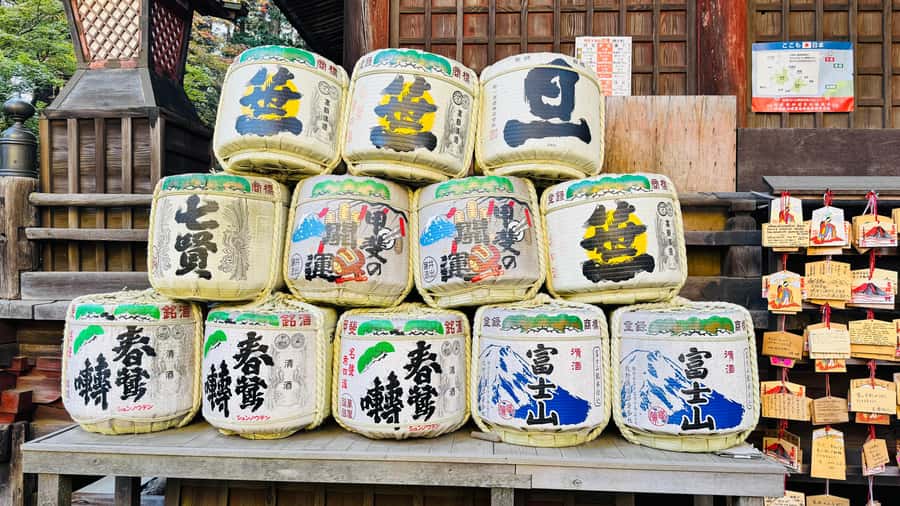
The Fuji itinerary leans into lakes and vantage points, and that’s smart. Lakes help reflect the mountain shape when the sky cooperates. Viewpoints help you position yourself for the classic layered composition: water and shoreline in the foreground, mountain in the distance.
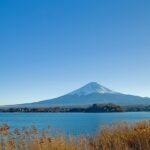
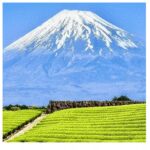
At Lake Kawaguchiko, you’ll get a longer break (around 80 minutes) with time for photos, sightseeing, lunch (not included), and shopping. The tour even references the Kachi Kachi Ropeway, but that’s paid separately if you choose to go. If the weather is clear, this is often the core payoff moment of the day—when Fuji shows up cleanly and you feel like you really earned those photos.
Then it’s Oishi Park (about 30 minutes). This stop is built for relaxed looking—walking time, viewpoint time, and an easy place to reset before your final big viewpoint.
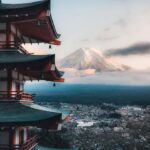
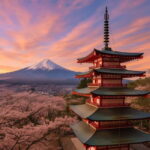
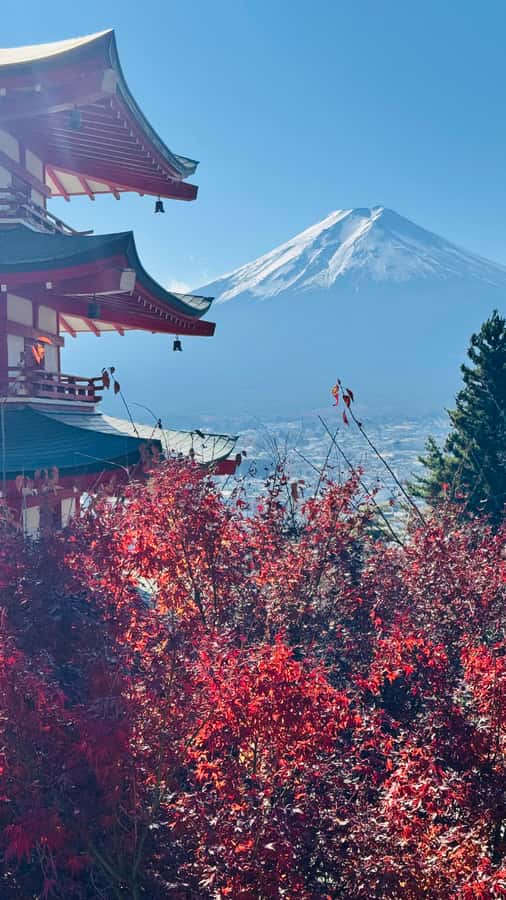
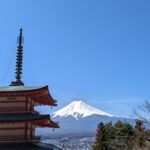
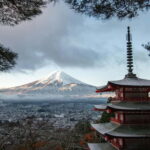
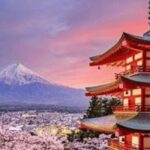
Next is Arakurayama Sengen Park, where you’ll reach the Chureito Pagoda. This is where logistics matter. You’ll have about 40 minutes, but you should plan on the 498 steps climb to the hilltop. There’s no elevator. If stairs are an issue, wear supportive shoes and consider whether the pagoda view is worth the effort that day. The good news: if you make it up, the payoff is the kind of view you’ll remember for years.
Even if Fuji is partially hidden, the park area often still gives you a strong scenic payoff—just not always the crystal-clear “postcard mountain” angle you hoped for.
Mt. Fuji 5th Station: Weather Plays the Headliner
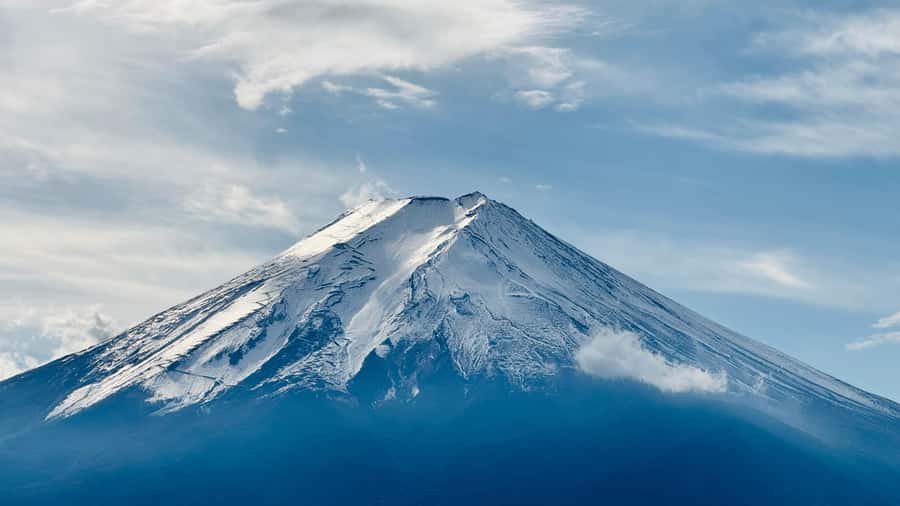
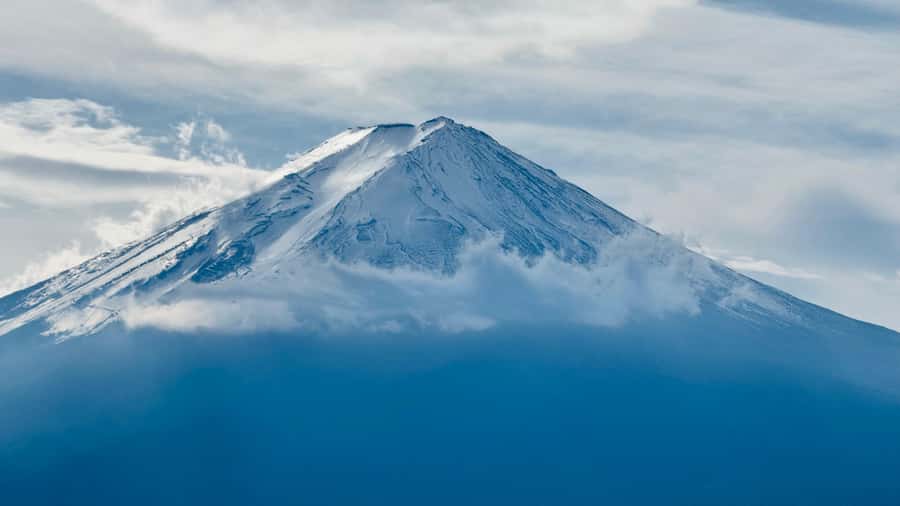
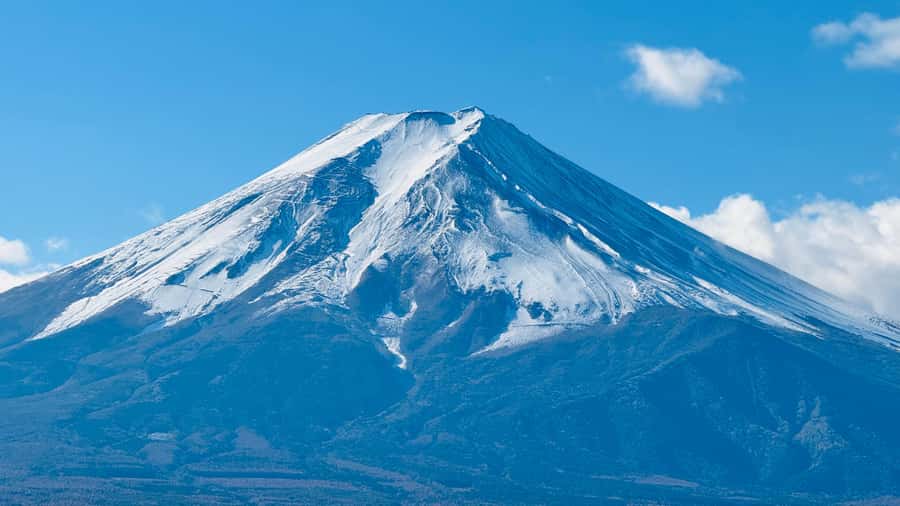
The Mt. Fuji 5th Station stop depends on weather and conditions, so it’s best treated as a bonus rather than guaranteed. Your tour includes time for it, but if visibility is poor, you may not get the experience you imagined from photos.
There’s also a seasonal driving limitation you should know. From 1 July to 10 September, private vehicles can’t go to the 5th station. If you still want to reach it during that window, you take a shuttle from the mountain’s parking lot for 1000 yen. Keep cash handy so you’re not scrambling.
Also note the 5th station has paid entry costs. The tour lists 2100 yen as the Mt. Fuji 5th Station fee that you’ll pay separately.
Here’s how to think about it from a value standpoint: if you’re the type who really wants the “I was up there” moment, the 5th station can be worth the extra cost and effort. If you just want a big Fuji view with less walking and a smoother pace, you may prefer to spend your time more heavily around Kawaguchiko and the parks.
A practical tip: if your goal is sunrise or a dramatic summit view, you’ll need the sky to cooperate. In your planning, don’t build your whole emotional day around one single weather-dependent outcome.
Hakone Day Option: Lake Ashi, Pirate Cruise, Owakudani Ropeway
You’ll choose either Fuji or Hakone for the day. You can’t combine “Fuji surroundings” with a full Hakone route in one tour, because the driving would crush your time. That choice is actually a good thing. You’ll get a more complete day in one region instead of a rushed checklist.
In the Hakone itinerary, you start with Lake Ashi. From there, you’ll do a pirate cruise to Motohakone / Hakone Machi (the cruise is paid separately). This is one of those “sit back and let the scenery change” moments. You’re moving on the water, so even on a cloudy day you can still feel like you’re experiencing the region rather than just stopping for photos.
Next is Owakudani via an Owakudani Ropeway to Togendai (ropeway is also paid separately). This stop is about views plus the famous volcanic atmosphere of the area. It’s also a place where you’ll want to be comfortable walking and standing for short stretches.
Then it’s Hakone Shrine and later Gora Open Air Museum. These round out the day by mixing “look at it” stops with calmer cultural sightseeing. The museum gives you something different from the usual shrine and viewpoint pattern. If your group has mixed interests, that museum time is a helpful balance.
If you want a smoother day with fewer stair climbs, Hakone can sometimes feel more manageable than chasing multiple hilltop points. But it’s still an active day, especially around the ropeway area and the water cruise timing.
Price and Value: What $406 Actually Buys You
At $406 per group (up to 6), this tour isn’t cheap on a per-person basis if you split it wrong. But it becomes much more logical when you compare it to the real costs of doing Fuji/Hakone by yourself: multiple train segments, transfers, taxis to viewpoints, plus the time lost trying to solve logistics while everyone is tired.
Here’s what you’re paying for that you don’t get with DIY:
- Hotel/Airbnb pickup and drop-off (so you don’t start your Fuji day with luggage and station stairs)
- Air-conditioned private vehicle suited for a small group
- An English-speaking guide who helps you get your bearings fast at each stop
- Bottled water and WiFi on board for comfort during the drive
What costs extra:
- Lunch (not included)
- Paid activity entries, including things like the ropeway, cruise, and the Mt. Fuji 5th Station fee (2100 yen)
If you’re a family or a small group, this is where the value tends to click. Reviews also point to guides who handle practical details—like helping with ticket purchases, standing in line for snacks, and coordinating lunch. That kind of service reduces the mental load of the day, which is often the real luxury.
Also, one more value angle: the tour is fully customizable within the chosen region. If you start with the Fuji itinerary and your group wants to spend a little longer at a lake viewpoint and less time on a short street stop, a private guide can usually work with you. If you want Hakone instead, you can swap to that route—but you still choose one itinerary to protect your time.
Timing, Comfort, and the Small Rules That Save the Day
A day like this depends on pacing and traffic, not just attraction names.
A few things to keep in your plan:
- You wait 10 minutes in the hotel lobby before pickup time. If you’re late leaving the lobby, your driver may move on.
- The driver may be up to 30 minutes late because of traffic. That’s why it helps to stay reachable and ready.
- The total duration is listed as 10 hours, so you’ll want to keep your lunch plan simple and not add extra stops that could derail the drive times.
Wear comfortable shoes. Even the easier stops include walking. For Chureito Pagoda, shoes matter more because of the 498 steps. Bring a camera if that’s your thing, and have cash and a credit card because you’ll likely face paid entries and snacks.
Also: alcohol and drugs aren’t allowed, and alcohol drinks in the vehicle aren’t allowed either. That’s a common rule for day-trip drivers, but it’s good to know so you’re not surprised if you planned a celebratory bottle.
Health-wise, the tour isn’t suitable for people with altitude sickness, and it’s noted as not suitable for people over 95 years. If your group has anyone who might be sensitive to altitude (especially if 5th station is the goal), you’ll want to think carefully.
Should You Book This Mt. Fuji & Hakone Private Tour?
Book it if you want a private, guide-led day with strong odds of hitting the best viewpoints without spending hours figuring out transport. The price makes most sense for groups up to 6, especially families, where pickup/drop-off and time efficiency are the real wins.
I’d also book if you care about context. A shrine stop and a structured day help you understand why Fuji is treated like more than a scenic mountain. And if you’re someone who loves photos, the route is built for that, with multiple planned photo moments.
Skip it or change your expectations if you need guaranteed summit views. Mt. Fuji 5th Station is weather-dependent and has seasonal constraints for private cars in July and August. Also, because you must choose either Fuji or Hakone for the day, don’t book expecting to do both regions fully.
FAQ
How long is the Mount Fuji and Hakone private day tour?
The tour duration is listed as 10 hours.
Is this tour private or shared?
It’s a private group tour, with private charter service.
Do I visit both Mount Fuji and Hakone in one day?
You choose one itinerary. You can’t do both the full Fuji surroundings and the Hakone itinerary in the same day.
Is Mt. Fuji 5th Station included?
It depends on weather. Also, private vehicles can’t go to the 5th station from 1 July to 10 September, so you would need to use a shuttle service from the parking lot.
What’s included in the price?
The included items are an English-speaking guide, hotel/Airbnb pickup and drop-off, an air-conditioned vehicle, bottled water, and WiFi on board.
What extra costs should I expect?
Lunch isn’t included, and paid entry tickets are not included (such as ropeway, cruise, and the Mt. Fuji 5th Station fee listed as 2100 yen).
Where can the driver pick me up from?
Pickup is possible from accommodations in Tokyo’s 23 wards (and other listed areas). Pickup isn’t available from airports, ports, or stations.
What should I bring for the day?
Bring comfortable shoes, a camera, and either a credit card or cash.
Are there health or age limits?
It’s not suitable for people with altitude sickness and it’s not suitable for people over 95 years.