REVIEW · OVIEDO
From Oviedo: Luarca, Cudillero and Avilés Day Trip
Book on GetYourGuide →Operated by buendía · Bookable on GetYourGuide
Three Asturian towns, one well-timed day. This trip turns the Luarca–Cudillero–Avilés coastline into a guided highlight reel, with expert commentary and standout viewpoints like the Ermita de la Regalina. I particularly like that you get a real walking visit in Luarca and then proper scenic time in Cudillero, instead of just passing through. One thing to plan around: food and drinks are not included, so you’ll want to budget for lunch.
You’ll travel by private bus with a live guide (English and Spanish), starting 08:30 from Oviedo and 09:00 from Gijón, and the walking is described as moderate. Expect a schedule that moves, so show up on time at the meeting point (look for the Buendía Tours logo).
In This Review
- Key things that make this day trip worth your time
- A Coastline Day Built for Seeing More Than Just the Postcard
- Getting There: Oviedo–Gijón Departures and the Time Crunch Reality
- Luarca Walk: Severo Ochoa Streets, Plaza Miares, and the Ermita de la Regalina
- Cudillero’s Steep Charm: Amphitheatre Views and Villa Pixueta Strolls
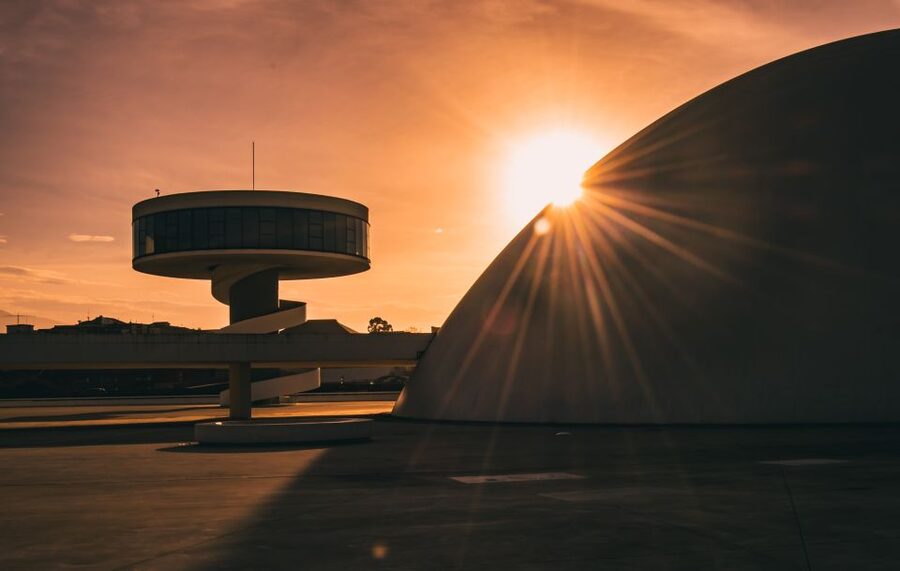
- Avilés: The Historic Centre, the Estuary, and the Niemeyer Centre Moment
- Pace, Walking, and Group Size: How This Day Really Feels
- Food Planning Since It Is Not Included
- Price and Value: Why $50 Can Actually Make Sense
- Who This Day Trip Suits Best (and Who Might Feel Crowded)
- Should You Book This Tour?
- FAQ
- What is the duration of the day trip?
- Where does the tour start?
- What’s included in the price?
- Is lunch included?
- What languages will the guide speak?
- Is the tour wheelchair accessible?
- Do I need ID?
- Can I get a refund if I cancel?
Key things that make this day trip worth your time
- Guided Luarca walking around Plaza Miares and the Ermita de la Regalina
- Cudillero’s steep-town drama, including the Amphitheatre and Villa Pixueta vibes
- Panoramas that earn their photos, especially from the high viewpoints
- Avilés mix of old and modern, with the Niemeyer Centre and the historic core
- Comfort of a private bus so you’re not juggling transit changes for three towns
A Coastline Day Built for Seeing More Than Just the Postcard
If Asturias has a talent, it’s turning short distances into big scenery. This day trip does that job well: you start inland enough to be convenient, then roll out to the coast with a guide who helps you read what you’re looking at.
The route matters. Luarca gives you the classic sea-and-mountain meeting point, Cudillero shows you what happens when a village grows on the slopes down to the water, and Avilés rounds it out with a city feel plus modern architecture. The big value is that you’re not left to figure everything out on your own while you’re half-tired from transit.
And because it’s guided, you get little anchors for context: where to look for the famous connections in Luarca, why certain viewpoints matter in Cudillero, and how Avilés became what it is today—industrial strength outside, plus a cultural push inside.
Getting There: Oviedo–Gijón Departures and the Time Crunch Reality
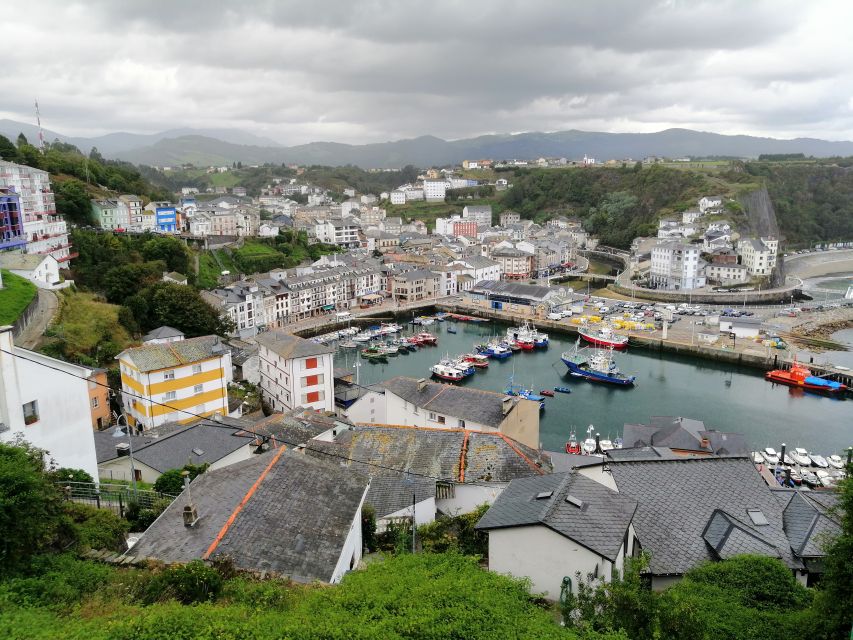
This tour is built on timing. It starts at 08:30 from Oviedo and 09:00 from Gijón, and it runs for about 10 hours. That means you’re paying for speed, not wandering. It’s a good trade if you’re short on time and you want three distinct places in one day.
You also need to treat the meeting point seriously. Arrive 15 minutes early and find the provider guides with the Buendía Tours logo. The guide can’t wait for latecomers because the whole schedule is strict.
Two practical notes from how these kinds of day trips usually work, and how this one is described:
- There’s moderate walking, so comfortable shoes matter more than a fashion choice.
- The narration is bilingual (Spanish with English explanations), which can feel a bit “switchy” if you strongly prefer one language.
Luarca Walk: Severo Ochoa Streets, Plaza Miares, and the Ermita de la Regalina
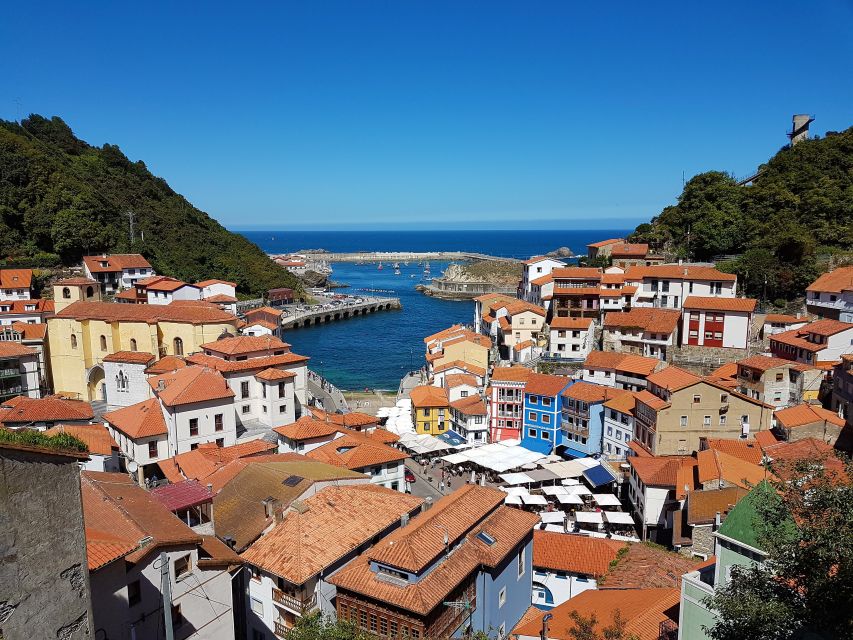
Luarca is the kind of place where you quickly understand why people slow down here. It sits in Valdés, in a setting where the sea and the mountains merge—and it shows in the way streets, viewpoints, and buildings relate to the coastline.
On the guided part, you’ll walk around areas tied to Severo Ochoa, the Nobel Prize in Medicine. Even if you’re not a science history person, it’s a nice way to see how locals remember important figures and how a village’s identity forms around more than just tourism.
Then you get the town’s “pause-and-look” spaces. Plaza Miares is part of the guided visit, and it works as a reset point: you can take in the atmosphere without constantly moving.
The star for views is the Ermita de la Regalina. This is the moment the itinerary is saving you for. The church spot gives you that classic coast perspective—water, cliffs, and a coastline rhythm you can’t fully understand from street level. If you want photos, this is where you’ll earn them.
One small tip: if you’re the type who likes to linger, plan to do it right after the viewpoints, not before. The route moves, and your best “extra time” moments tend to be where you’re already standing still.
Cudillero’s Steep Charm: Amphitheatre Views and Villa Pixueta Strolls
From Luarca to Cudillero, the feel changes fast. Cudillero is famous for its slopes and angles—inclined paths, roads, and sidewalks that seem designed to carry you downhill toward the sea.
A guide-led visit is really helpful here, because Cudillero is visually busy. The guide can point you toward the best sightlines and the story behind what you’re seeing. You’ll hear about Villa Pixueta, a nickname for the life and activity of the village, and you’ll walk through areas that connect the houses, the inclines, and the coastal setting.
You’ll also see Cudillero’s Amphitheatre, which sounds theatrical but is all about how the town’s shape creates natural stages and viewpoints. Even when you’re just standing, you’ll feel how the sea and the town are “in conversation.”
You’ll have time connected to lunch as well. The plan includes free time in Cudillero, and the guide will recommend where to eat. Since food isn’t included, these recommendations can be the difference between grabbing something rushed and having a proper meal you’ll remember.
Before lunch, you’ll get a “corners of the town” tour feel. The itinerary mentions stops and visits that may include:
- La Quinta de Selgas, a standout museum stop
- The Church of Jesus del Nazareno
- The Church of Santa Maria de Soto de Luiña
If you’re choosing what to prioritize, here’s the simple logic I’d use:
- Want views and photos first? Focus on the viewpoints and amphitheatre sightlines.
- Want culture and buildings? Put your energy into La Quinta de Selgas and the churches.
Either way, Cudillero is one of those places where even a short pause feels worthwhile because the town keeps changing as you move.
Avilés: The Historic Centre, the Estuary, and the Niemeyer Centre Moment
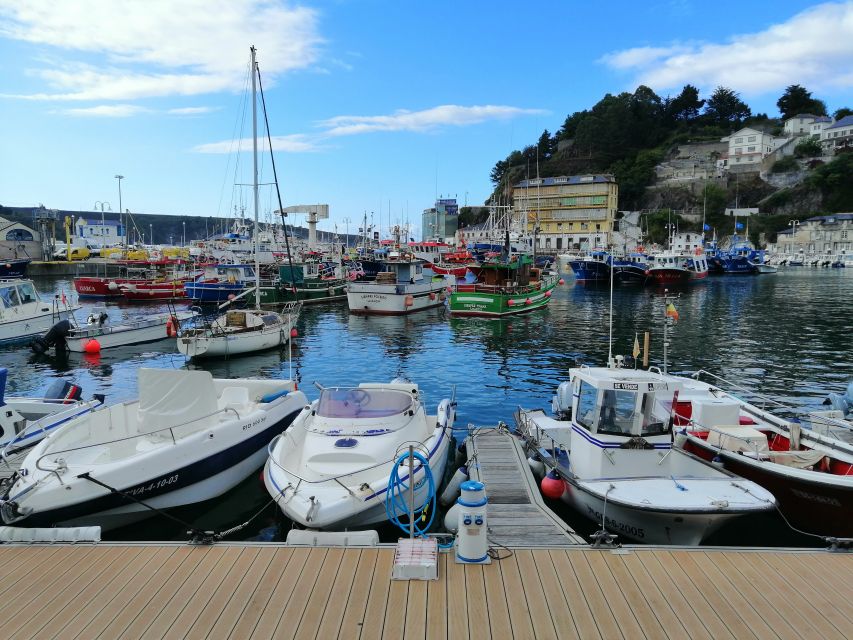
After the coastal villages, Avilés feels like the step up into city energy—still very Asturias, just more built-out.
Avilés is described as the village of the forward, tied to a figure connected to exploration and reconquest in the 16th century. You don’t need to memorize the details; the point is that the city’s identity includes ambition and history tied to the wider Spanish world.
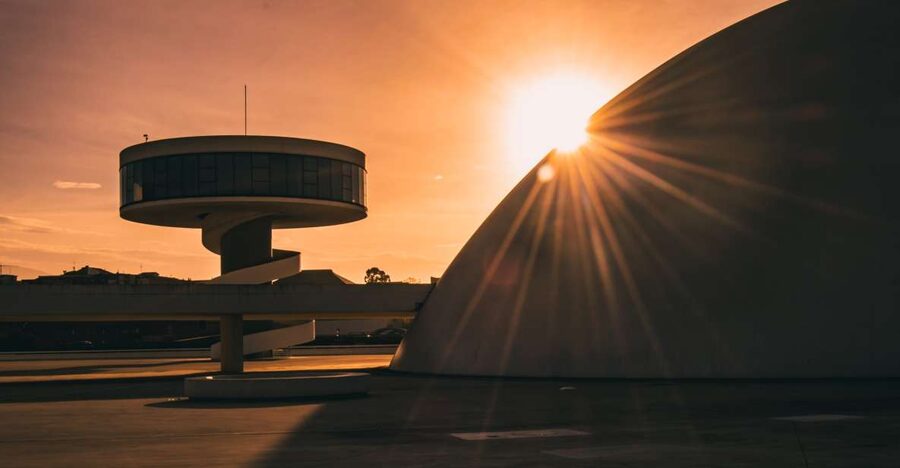
The visit then balances old and new. The Niemeyer Centre is a big modern anchor, and it gives you a strong contrast after the smaller towns. If you like architecture, this is the part where you can feel Asturias leaning into contemporary culture.
You’ll also spend time in the historic centre, described as incredible, with specific listed highlights including:
- Church of Sabugo, facing the estuary
- Plaza de la Merced, presided over by the monumental Church of Santo Tomás
- The Avilés estuary, tied to the area’s industrial sector and its past
That estuary angle is important. Asturias didn’t just grow on postcards. It grew on work—ports, industry, and livelihoods tied to the water. Seeing the estuary from the right spots helps the city make sense.
If you’re tempted to speed through Avilés because you feel like you’ve already “done the coast,” don’t. Avilés is where the day trip becomes more than scenery.
Pace, Walking, and Group Size: How This Day Really Feels
This is a single-day circuit with several guided stops and some free time in Cudillero. So yes, it’s active. The tour also notes a moderate amount of walking, and that’s consistent with what the stops demand: viewpoints, town streets, and city walking.
The good news: the descriptions of the experience emphasize that the pace and explanations are solid, and that you’re not locked into nonstop talking. There’s room to look independently—especially in Cudillero—so you can step away from the guide when you want your own photo or your own lunch moment.
Language note matters here. The tour runs with explanations in English, while the experience is offered in Spanish with bilingual guidance. If you’re the kind of traveler who gets tired when someone is switching languages midstream, plan for that. If you don’t mind, it’s a nice safety net: you’re less likely to miss key info.
Finally, group size can influence the guide language. If there are more than six participants, the tour will be offered with a guide in English. That’s useful if you want fewer bilingual switches.
Food Planning Since It Is Not Included
Food and drinks are not included, so treat lunch as your personal responsibility. The itinerary includes lunch-linked free time in Cudillero, and the guide is set up to make recommendations before you go eat.
This is exactly how you should use the free time:
- Ask the guide (early) for where to eat and what to order.
- If you have dietary needs, use that moment to clarify.
- Plan for a meal that fits the schedule, because you can’t run over and expect the group to wait.
Also, because you’ll be walking—inclines in Cudillero plus city streets in Avilés—choose lunch that’s filling but not heavy on your feet. You’ll thank yourself later when the day is still young and the views are still coming.
Price and Value: Why $50 Can Actually Make Sense
At $50 per person, this is priced like a “do three places in one day” deal. On the surface, it’s not expensive. The real question is value: does it replace other costs, or just add another activity?
Here’s what you’re getting that tends to be costly if you do it yourself:
- A private bus for the long day between three towns
- A live guide who does the work of explaining, timing, and getting you to the right viewpoints
- Guided visits in the places that benefit most from local context
If you were trying to DIY this with taxis or rentals, you’d likely spend time and money you don’t have. Parking around city centres can also become a hassle. So even though lunch isn’t included, the rest of the package is built to be efficient.
The best way to judge value: if your time is limited, this tour pays for itself in convenience. If you’re traveling slowly and like long stays in one town, you might prefer separate half-days instead.
Who This Day Trip Suits Best (and Who Might Feel Crowded)
This works especially well for you if:
- You want a guided introduction to Asturias coastal towns
- You’re time-constrained and want Luarca, Cudillero, and Avilés without multiple bookings
- You enjoy viewpoints and short walks where local knowledge matters
It’s less ideal if:
- You need wheelchair-friendly access (the tour is stated as not suitable for wheelchair users)
- You dislike bilingual narration and prefer one language cleanly without switching
- You’re looking for a slow travel vibe with long unstructured wandering
In short: it’s a practical “see the region” day, not a relaxed “live here for hours” day.
Should You Book This Tour?
If you’re deciding fast, here’s the simple rule: book it if you want maximum Asturias per day and you’re okay handling lunch on your own. The mix of guided Luarca streets, Cudillero’s steep, photo-friendly town shape, and Avilés’s modern plus historic contrast gives you variety that’s hard to replicate without planning.
I’d also say this tour is a good fit if you like learning while you move. When the guide is doing their job, you spend less time asking what you’re looking at, and more time enjoying what you came for.
If you want to control lunch and linger longer in one place, adjust your expectations. With a strict schedule, you’re here to hit highlights—then enjoy the free moments you’re given.
FAQ
What is the duration of the day trip?
The tour runs for 10 hours.
Where does the tour start?
It departs Oviedo at 08:30 and leaves Gijón at 09:00.
What’s included in the price?
The price includes a live guide and transportation by private bus.
Is lunch included?
No. Food and drinks are not included.
What languages will the guide speak?
The tour is offered in Spanish with explanations in English (bilingual). If there are more than six participants, the guide will be in English.
Is the tour wheelchair accessible?
No. It is not suitable for wheelchair users.
Do I need ID?
Yes. Bring a passport or ID card.
Can I get a refund if I cancel?
You can cancel up to 24 hours in advance for a full refund.