REVIEW · TOKYO
Mount Fuji Private Day Trip with English Speaking Guide
Book on Viator →Operated by TNS World Tours · Bookable on Viator
Mt. Fuji looks good when someone else handles the logistics. This private day trip is built for calm sightseeing: you’ll leave busy Tokyo, ride in an air-conditioned car with an English-speaking guide, and stop at the Mt. Fuji area highlights at a pace that feels human.
I especially like the private, customizable flow and the English-speaking driver approach. You’re not stuck with a loud bus schedule. One possible consideration: Mt. Fuji visibility depends on the weather, so plan for changes if clouds move in.
In This Review
- Key highlights worth planning for
- Private Fuji Day Trips: why this beats the Tokyo-to-Fuji scramble
- Meeting in Shinjuku and planning the full 10-hour rhythm
- Stop 1: Mt. Fuji Subaru Line 5th Station and the altitude hit
- Arakurayama Sengen Park: stairs, temples, and a famous top view
- Lake Kawaguchiko: the main stage for Fuji mood swings
- Oishi Park: short time, big payoff when the air is clear
- Saiko Iyashi no Sato Nemba: old-style buildings and quiet mountain views
- Oshino Hakkai: eight ponds, clear water vibes, and snack/souvenir time
- Gotemba Premium Outlets: the practical reset before Tokyo
- English-speaking drivers: what makes this tour feel different
- Price and value: $480 per group for a full private day
- Weather reality: plan for clouds, not just the mountain
- Should you book this Mt. Fuji private day trip?
- FAQ
- How long is the Mt. Fuji private day trip from Tokyo?
- What is the price and group size?
- Does the tour include pickup and dropoff?
- Are tickets and entrance fees included?
- What’s included in the tour cost?
- What happens if the weather is poor?
Key highlights worth planning for
- Mt. Fuji Subaru Line 5th Station is the highest vehicle-access point, and it’s a big photo moment
- Arakurayama Sengen Park delivers classic Fuji viewpoints, with a stair-heavy walk to the top
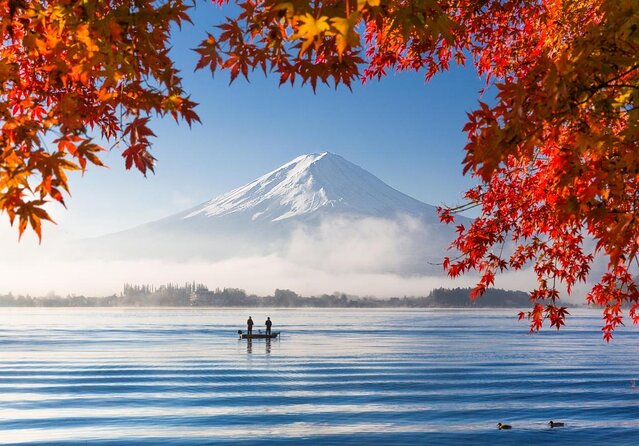
- Lake Kawaguchiko + Oishi Park give you multiple chances at reflection views, plus ropeway and hot-spring area options
- Saiko Iyashi no Sato Nemba is a compact open-air village museum for a more old-Japan feel
- Oshino Hakkai is built around eight Mt. Fuji–fed ponds and a very snack-and-souvenir-friendly stop
- Gotemba Premium Outlets adds a practical reset before you head back to Tokyo
Private Fuji Day Trips: why this beats the Tokyo-to-Fuji scramble
If your idea of a good Japan day is simple, scenic, and not stressful, this style of trip fits. You’re paying for a private car plus an English-speaking driver to handle routes, timing, and the day’s rhythm. That matters because getting out to Fuji-area stops isn’t hard in theory, but it can turn messy fast with train changes, last-minute taxi hunting, and the kind of delays that turn a day sour.
The itinerary is also flexible in practice. You’re not just dropped at a fixed list with no room to adjust. The driver can steer you toward the spots you care about most, and that’s especially valuable around Lake Kawaguchiko where visibility can change minute to minute.
You also get a comfort upgrade that you feel right away: an air-conditioned vehicle, plus hotel pickup and dropoff. After a few days in Tokyo, that door-to-door convenience is a big deal.
You can also read our reviews of more tours and experiences in Tokyo.


Meeting in Shinjuku and planning the full 10-hour rhythm
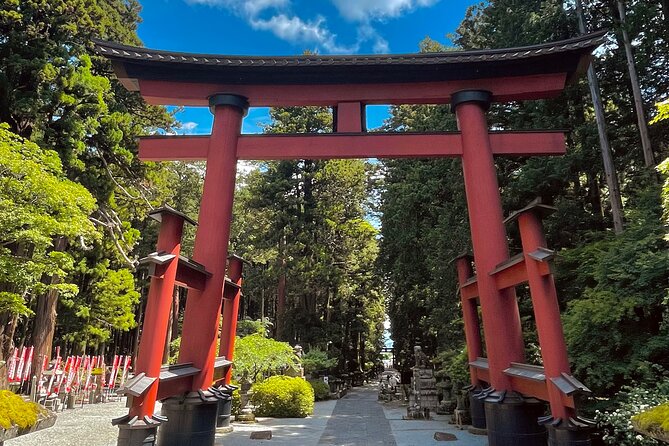
This is a true day trip: you’ll be out for around 10 hours. The start is from a Shinjuku meeting point at Hotel Listo in Kabukichō, with hotel pickup and dropoff included. That means fewer mental tabs open for you.
Here’s how I’d plan your mindset for the day:
- Expect a long windshield-and-wait chunk. Mt. Fuji-area days run on road time as much as sightseeing.
- Keep your phone charged. You’ll use a mobile ticket, and you’ll want maps, confirmations, and photos ready.
- Treat restroom breaks like part of the route, not an afterthought. At Fuji-area stops, bathrooms can be limited, and time windows are short.
Also, have a way to confirm you can be reached. Some days, traffic or timing changes happen, and you want the driver to be able to contact you quickly.
Stop 1: Mt. Fuji Subaru Line 5th Station and the altitude hit
The star stop is Mt. Fuji Subaru Line 5th Station, where the views come from the highest point you can reach by vehicle. You’ll have about 40 minutes here, and while the mountain looks dramatic up top, it’s also a spot where conditions can feel brisk and thin-air-ish compared with Tokyo.
Important cost note: the Mt. Fuji Subaru Line 5th Station admission ticket is not included, so budget extra for this. If you’re trying to keep the day lean financially, this is the one place you’ll feel the ticket add-on most.
What makes this stop worth your time is how it sets the whole mood for the day. Even if clouds sit on the peak, you’ll still get a sense of why people chase Fuji views so hard.
Arakurayama Sengen Park: stairs, temples, and a famous top view
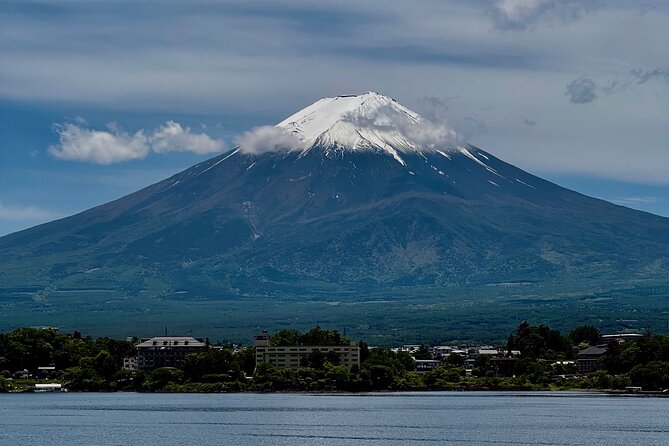
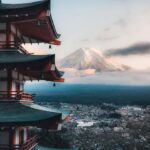
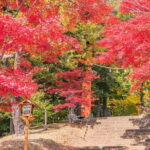
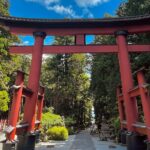
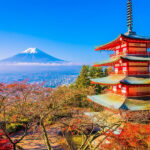
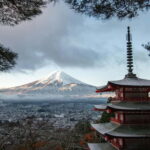
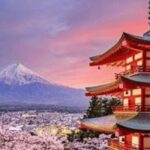
Next up is Arakurayama Sengen Park (about 45 minutes). This is a temple-and-park area with a lot of stairs. The payoff is a viewpoint where you get that classic Fuji-in-the-frame feeling.
Entry is free, which helps if you’re trying to balance paid versus non-paid stops. The main “trade-off” here is physical: plan on a stair climb. Wear shoes that you’re comfortable walking in for a while, because rushing uphill here would be a miserable plan.
If the weather is clear, this stop can be one of your best Mt. Fuji moments. If clouds reduce visibility, you’re still in a nice park setting with temple atmosphere while you wait for conditions to improve.
Lake Kawaguchiko: the main stage for Fuji mood swings
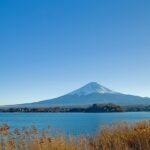
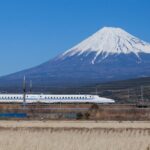
Then you move to Lake Kawaguchiko for about 1 hour. Kawaguchiko is the second-largest of the five lakes linked with Mt. Fuji, and it’s one of the most reliable places to see the mountain reflected in water when the sky cooperates.
A key feature here is the Kachi Kachi Ropeway, which goes to an observation point where you can look back over the lake and toward Mt. Fuji. Whether you use the ropeway depends on time and the sky, but it’s a smart option because it gives you a different viewing angle without walking your legs off.
Entry here is listed as free, and the area is also known for hot springs, so if you’re the type who likes to end a sightseeing day with a relaxing soak, you’ll be in the right zone.
One practical tip: keep an eye on the sky at Lake Kawaguchiko. Clouds can shift quickly, and your best viewing window might happen earlier rather than later. Your guide can help you decide where to spend the next few minutes for the best odds.
Oishi Park: short time, big payoff when the air is clear
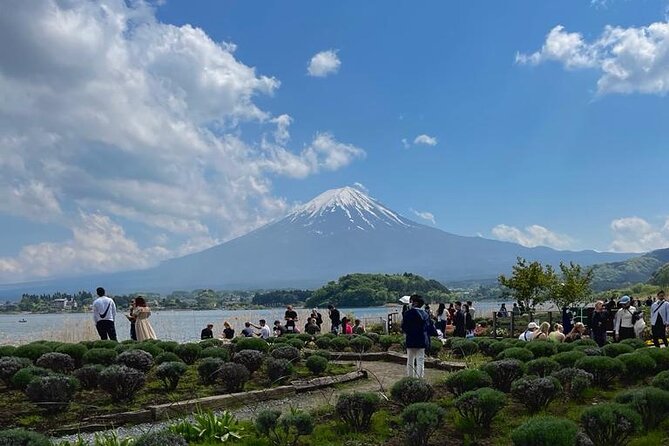
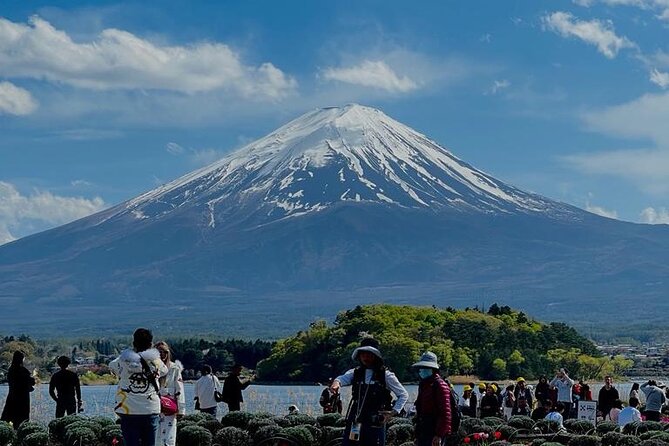
Right after, you’ll head to Oishi Park on the north shore of Lake Kawaguchiko for about 30 minutes. This is a public park designed for one thing: looking out across Fuji and the lake.
Entry is free, and that makes it a strong value stop. The time window is short, so arrive ready to point your camera in the right direction. If the peak is visible, you’ll get those postcard views. If it isn’t, you still get a pleasant lakeside break and a chance to reset before the next cultural stops.
Saiko Iyashi no Sato Nemba: old-style buildings and quiet mountain views
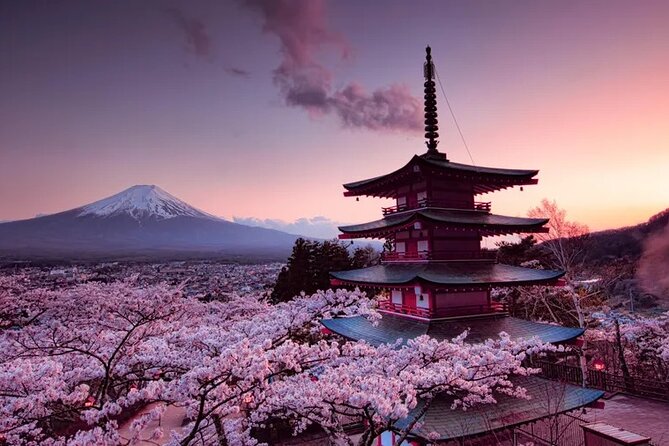
For a change of pace, you’ll visit Saiko Iyashi no Sato Nemba, a small open-air village museum on the outskirts of Mt. Fuji, surrounded by mountains. You’ll get about 30 minutes, and entry is free.
This stop works well because it adds a cultural layer to the day. Instead of only chasing photos of the mountain, you get a glimpse of how people shaped life in this region. The setting can feel calmer than the lake viewpoints, and it’s a nice break if the day has you feeling a bit photo-hyped.
Oshino Hakkai: eight ponds, clear water vibes, and snack/souvenir time
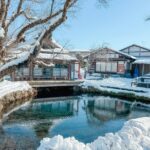
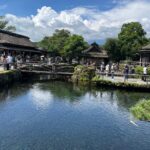
Next is Oshino Hakkai, a village-style area known for eight ponds fed by fresh water flowing down from Mt. Fuji. You’ll spend about 40 minutes here, and entry is free.
Oshino Hakkai is popular for a reason: it’s easy to wander around and see the ponds up close, and the village vibe makes it feel less like a rushed sight pull. This is also where you can browse foods and souvenirs, which is helpful because you might want quick bites that fit the Fuji-day schedule.
If you’re sensitive to crowds, go in with patience and a slower walking pace. The ponds are meant to be looked at up close, not sprinted past.
Gotemba Premium Outlets: the practical reset before Tokyo
For a change from scenery, you’ll have about 1 hour at Gotemba Premium Outlets. Entry is free, and the value here is straightforward: major-brand outlet shopping in a place designed for it.
This stop is useful if you want:
- a chance to grab snacks or drinks you’ll actually enjoy,
- a break from all the walking and uphill stair effort,
- a shopping win before returning to Tokyo.
It’s not required for every style of traveler. If you’re not into shopping, you might treat this hour as downtime—though you should check that it fits your priorities, because the day is already full.
English-speaking drivers: what makes this tour feel different
The biggest strength of this experience is the human factor. Many Mt. Fuji trips fail because the guide is either absent or stuck to scripted talking points. Here, you get an English-speaking driver who can adjust the day.
In real-world examples tied to this operator, drivers such as Bilal, Ahmed, Abbas, Sheraz, Zohan, Kahn, Ali, and Tayyab have stood out for being flexible, punctual, and able to explain what you’re looking at. Some people even mention the guide walking alongside them at stops, and that kind of support matters when you want fewer wrong turns and better photo timing.
Also, traffic happens. One driver managed delays by improvising a backup plan and still hitting the important spots. That’s exactly what you’re paying for: not magic, but problem-solving on the road.
If you’re doing Fuji with a family, first-time in Japan, or just tired of battling schedules, this setup usually lands well because the driver handles the hard parts.
Price and value: $480 per group for a full private day
Let’s talk money honestly. The price is listed as $480 per group (up to 1) for about 10 hours. For Tokyo-to-Fuji, that sounds high until you compare it to what a day of private transportation can cost once you add time, transfers, and taxis.
What you’re getting for that price:
- an air-conditioned vehicle
- an English-speaking driver
- gas/petrol and highway/tolls
- hotel pickup and dropoff
- mobile ticket support
What you don’t get:
- food and beverages
- entry fee costs at Mt. Fuji Subaru Line 5th Station (ticket not included)
So the value math depends on you. If you’re traveling solo or as a small group and you hate wasting half the day on transit stress, this price can feel fair. If you’re a big group and can split taxis or trains cheaply, it may not.
My practical advice: treat this as a convenience purchase plus a “time-buy.” The goal isn’t just seeing Fuji. It’s seeing it without burning your whole day managing logistics.
Weather reality: plan for clouds, not just the mountain
The tour requires good weather. If it’s canceled due to poor weather, you’ll be offered a different date or a full refund. That’s comforting because Mt. Fuji is the kind of place where conditions change your entire day.
Here’s how to maximize your odds once you’re on the road:
- Start with the most important view stops early in the day. Short windows at each location are real.
- Keep your camera ready but don’t lock your expectations. Sometimes you’ll see Fuji in full, and sometimes it’ll be partially hidden, still beautiful in a different way.
- Use restroom opportunities at each stop. Time limits mean you should not wait until you’re desperate.
If you end up with limited visibility, a good guide can still make the day rewarding by helping you enjoy the lake views, pond area, and village setting even when the peak is hiding.
Should you book this Mt. Fuji private day trip?
Book it if you want Fuji with less friction. This works well for solo travelers, couples, families, and anyone who wants a private day with an English-speaking guide handling the route and pacing. You’ll also like it if you prefer short, well-timed stops rather than getting stuck on a long group bus.
Skip or think twice if:
- you’re strictly trying to minimize extra costs, since the 5th station ticket is not included and you’ll also pay for your own meals,
- you’re the type who hates stair climbs, because Arakurayama Sengen Park involves many steps,
- you expect a guaranteed clear view of the summit, because weather is the boss here.
If you go in with flexible expectations, and you treat the day like a carefully planned sampler platter of the Fuji region, this is a strong choice.
FAQ
How long is the Mt. Fuji private day trip from Tokyo?
It runs about 10 hours.
What is the price and group size?
The price is $480.00 per group, and it’s listed as up to 1.
Does the tour include pickup and dropoff?
Yes. Hotel pickup and dropoff are included.
Are tickets and entrance fees included?
Entry fees to Mt. Fuji cost extra. The Mt. Fuji Subaru Line 5th Station admission ticket is not included. Other listed stops have free admission.
What’s included in the tour cost?
An air-conditioned vehicle, an English-speaking driver, gas/petrol, highway/tolls, and hotel pickup & dropoff are included.
What happens if the weather is poor?
The experience requires good weather. If it’s canceled due to poor weather, you’ll be offered a different date or a full refund.