REVIEW · YEREVAN
Group tour: Khor Virap, Noravank, Areni Winery and Cave
Book on Viator →Operated by Hyur Service · Bookable on Viator
This route strings together three major Armenia highlights plus a truly unusual cave stop, with a guide who keeps things moving and makes history make sense. I especially like that entrance fees are included and you get real extras for the price: bottled water, pastries, and wine tasting. One possible drawback: it’s a full-day group format with a max of 49 people, so seating comfort can vary and the schedule can feel rushed if you’re slow with timing.
You’ll start from Hyur Service in Yerevan at 10:00am, ride south in an air-conditioned vehicle with WiFi, and bounce between monasteries, viewpoints, and wine country. The best part is how the day connects Christianity, medieval architecture, and archaeology without turning into a lecture.
If you’re the type who needs lots of downtime or wants a quiet, personal pace, this may not feel like your ideal day. But if you want a first-timer’s shortcut to Armenia’s south—with fewer logistics to manage—this is a strong pick.
In This Review
- Quick hits before you go
- Khor Virap: the Ararat view and the Christianity origin story
- Noravank Monastery: 13th-century churches carved above the canyon
- Hin Areni Winery: a real wine stop with historic roots and modern capacity
- T’rchuneri (Bird) Cave: archaeology in 40 minutes, including a shoe you can’t forget
- Price and logistics: what $37 buys you (and what it doesn’t)
- Timing at a glance: how the day flows
- How to pack and behave for a smoother 9–10 hour tour
- What kind of traveler should book this?
- The final call: should you book it?
- FAQ
- How long is the tour?
- What time does the tour start?
- Where is the meeting point?
- What’s included in the price?
- Is lunch included?
- Are entrance fees included for all stops?
- Is Bird Cave always included?
- What should I wear or bring?
- How big is the group?
- Is there a free cancellation option?
Quick hits before you go
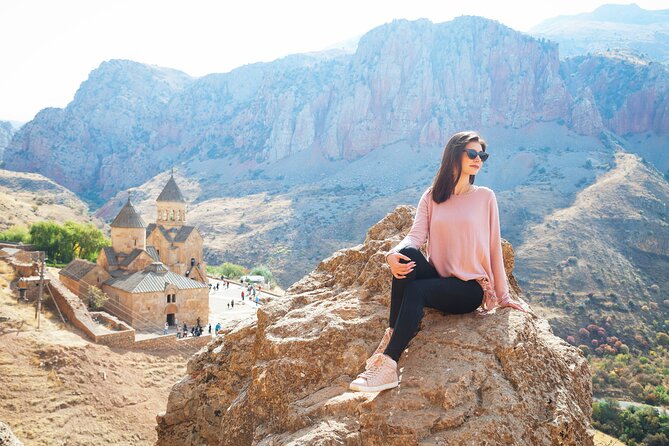
- All entrance fees included, so you’re not scrambling for ticket prices at each stop
- Snacks + bottled water + pastries keep the day from feeling brutal between viewpoints
- Wine tasting at Hin Areni adds a hands-on cultural stop, not just a photo break
- Noravank’s 13th-century stone churches are the sort of place you’ll keep thinking about
- T’rchuneri (Bird) Cave delivers big archaeology in a short 40-minute visit
- Small timing warning: it’s a 9–10 hour day, and the group pace matters
Khor Virap: the Ararat view and the Christianity origin story
Khor Virap is the stop that teaches you why Armenia matters to Christian history. The story centers on the adoption of Christianity in 301, tied to Saint Gregory the Illuminator, who was linked to the imprisonment of King Trdat III before the king’s conversion. Later, the monastery church was built over the dungeon area in the 17th century. Even if you’re not a religion-history buff, the location makes the narrative feel real.
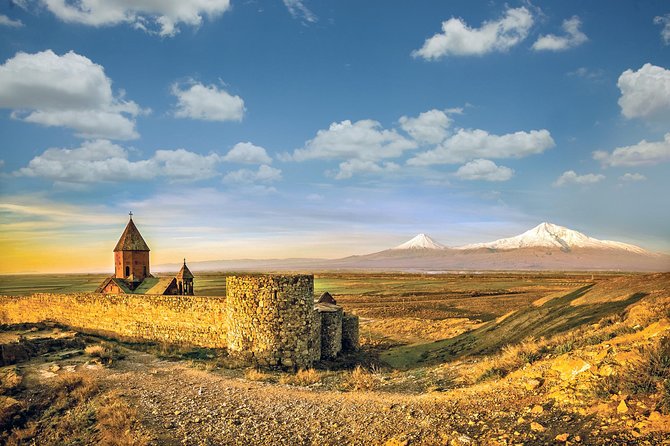
The big visual payoff is the view toward Mount Ararat. It isn’t guaranteed—weather and visibility control that—but when Ararat shows up, it instantly adds drama to a place you’d otherwise experience mostly through story. Expect a viewpoint-heavy atmosphere: look outward first, then look back at the monastery details with your guide’s context.
Practical note: Khor Virap is usually a “stand, look, learn, photo” rhythm. You’ll want good shoes and a small water habit, since the day’s long and you’re often transferring between sun, shade, and wind.
You can also read our reviews of more tours and experiences in Yerevan.
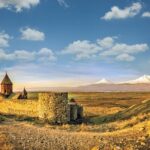
Noravank Monastery: 13th-century churches carved above the canyon
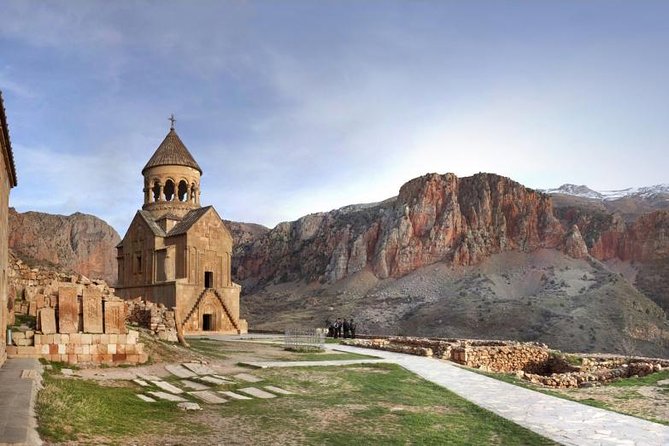
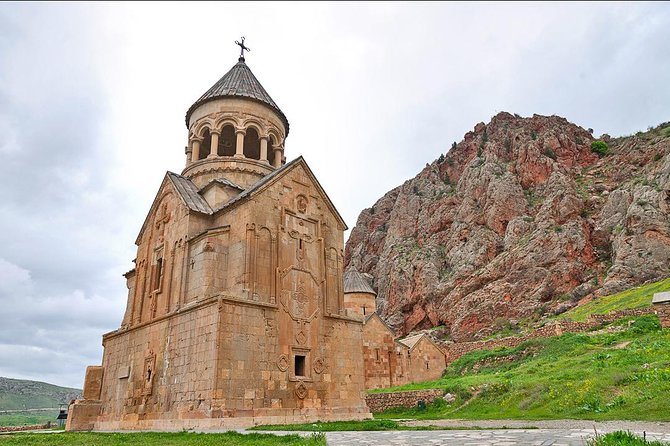
Noravank is the architectural stop that makes you slow down. You approach by a narrow road through rock formations and caves, and then the monastery rises like it grew out of the cliffs. This is 13th-century Armenian architecture, and it shows—especially in how the churches sit in relation to the surrounding rock.
Noravank is made up of several key buildings, including St. Karapet, St. Gregory the Illuminator, and St. Astvatsatsin (Holy Mother of God). The Holy Mother of God church is described as a two-storey design with a strong emphasis on constructive and sculptural work. In plain terms: the stone isn’t just decorative here. It’s part of the structure’s identity.
One thing I like about a guided visit to Noravank is that you don’t just “walk around old buildings.” Your guide helps you read the monastery as a system—churches, placement, and symbolism—so you come away with more than photos.
Potential drawback: Noravank is on a tight time slot. It’s scheduled for about an hour, so if you want extra browsing time in shops nearby or extra sketching/photography time, you’ll feel the group pace.
Hin Areni Winery: a real wine stop with historic roots and modern capacity
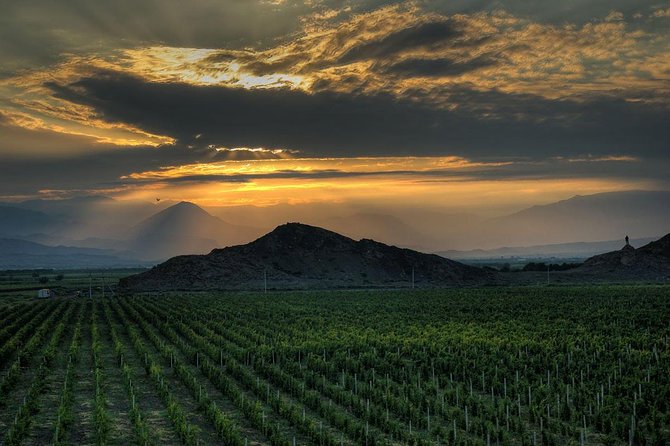
This is where the day gets less medieval and more sensory. Hin Areni focuses on Armenian winemaking in Vayots Dzor, specifically the Areni region, often described as a cradle of winemaking traditions. The winery experience is built around indigenous grape varietals and a blend of old methods with modern production equipment.
What stands out from the provided details is the scale: Hin Areni processes over 250 tonnes of grapes. That matters because it signals this isn’t a tiny, make-it-for-tourists operation. You’re seeing a working wine factory plus a tasting experience, which usually feels more grounded than a quick “look at barrels” stop.
You’ll get wine tasting included (with other basic refreshments as part of the tour package). In many ways, this is the best kind of stop for a long day trip: it gives you something to do with your hands and senses, then sends you back out into the scenery.
Timing-wise, the winery visit is about 1 hour 30 minutes, which gives enough time to taste, ask questions, and reset before the cave stop.
T’rchuneri (Bird) Cave: archaeology in 40 minutes, including a shoe you can’t forget
The Bird Cave stop is short, but it’s packed. The main reason it hits is the range of objects found there, dated to 4200–3500 BC. The details are unforgettable: metal knives, fruit seeds, grain residues, rope, dishes, clothing, and dried grapes and plums have all been reported from the cave context.
Then there are the “how is that even possible” finds:
- the oldest leather shoe reported as more than 5,500 years old
- the world’s oldest women’s skirt reported around 3900 BC
- references to the first winery in the world found in the same area
Whether you’re into archaeology or not, these are the kinds of facts that turn a cave visit into a story you can repeat later. Expect a guided, interpretive walkthrough rather than a long, free-form wander.
A heads-up from the tour info: Bird Cave is not visited from Dec 26 to Jan 7. If you’re traveling in that window, double-check what replaces it with the operator.
Price and logistics: what $37 buys you (and what it doesn’t)
At $37 per person, the value comes from what’s included, not just the sightseeing checklist. Your tour includes:
- all entrance fees
- wine tasting
- bottled water and pastries
- a professional guide in English and Russian (consecutively)
- air-conditioned transportation
- WiFi in the vehicle
That’s a pretty solid package for a day that covers multiple major sites. The entrance fees alone would add up fast if you were trying to do this on your own.
What’s not included is lunch. The lunch price range is 3900–4900 AMD (about $10–13). The tour is designed around buying lunch during the day rather than including it, so plan for that in your budgeting.
Also, you’re on a group schedule. The tour runs about 9–10 hours, starting at 10:00am and returning to the same meeting point. Seats aren’t assigned in advance, and in a larger vehicle that can matter—especially for taller travelers or anyone who really needs to stretch.
Finally, this tour operates in all weather conditions. Pack for heat and cool snaps, and dress so you can handle wind at viewpoints and cooler air near stone sites.
Timing at a glance: how the day flows
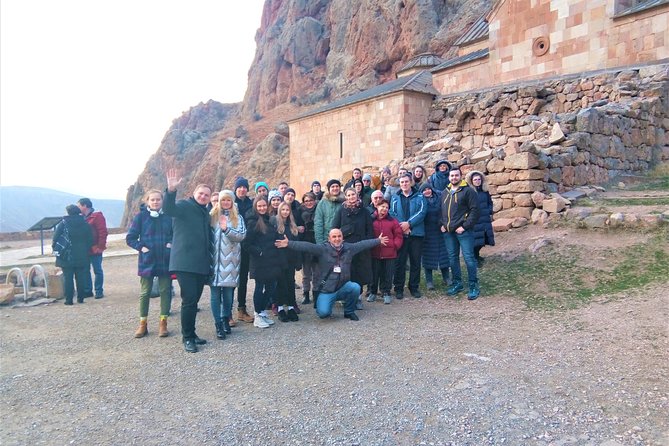
You start with a short check-in segment near Hyur Service (96 Nalbandyan poxoc, Yerevan 0010). Then the real travel begins.
From there, the rhythm is roughly:
- Khor Virap: about 1 hour
- Noravank Monastery: about 1 hour
- Hin Areni Winery: about 1 hour 30 minutes
- T’rchuneri (Bird) Cave: about 40 minutes
This structure is smart for first-time visitors because it keeps each stop “complete enough” without turning the day into a multi-day saga. You get time for photos, explanation, and the key moments—then you move on.
How to pack and behave for a smoother 9–10 hour tour
This is one of those days where comfort affects how much you enjoy the stops.
Bring:
- walking shoes (stone paths, uneven ground, and caves aren’t the place for flimsy soles)
- a light layer for temperature swings (it can change fast outside Yerevan)
- sun protection and water habits, even though bottled water is provided
- a snack backup if you’re someone who hates feeling hungry right after pastries are gone
Behavior tip: timing matters on group tours. If you’re late back to the vehicle even by a bit, the schedule compresses, and the group loses time where they can’t easily get it back. I’d rather be early and relaxed than sprinting to “make it work.”
What kind of traveler should book this?
This tour is a good match if:
- you’re in Armenia for a short time and want a clean introduction to the south
- you want guided context for Khor Virap’s Christianity story and Noravank’s medieval architecture
- you like a day that mixes sightseeing with a practical cultural activity (wine tasting)
- you don’t mind group pacing in exchange for value and ease
It may be less ideal if:
- you hate waiting and prefer private tours where you control timing
- you’re very sensitive to vehicle seating comfort
- you expect lunch to be included
The “sweet spot” is first-timers who want the big icons without doing a bunch of separate tickets and route planning.
The final call: should you book it?
If you want one efficient day that covers Khor Virap, Noravank, Areni wine, and Bird Cave with entrance fees, snacks, and wine tasting handled, I’d book this. The value is strongest when you treat it as a guided itinerary designed to give you context fast—especially if Noravank and Khor Virap are on your list.
Skip it only if you strongly prefer smaller groups, private pacing, or you’re traveling with a comfort requirement that a 49-person max group format might challenge.
FAQ
How long is the tour?
It runs about 9 to 10 hours (duration is approximate).
What time does the tour start?
It starts at 10:00am and returns to the same meeting point.
Where is the meeting point?
Meet at Hyur Service, 96 Nalbandyan poxoc, Yerevan 0010, Armenia.
What’s included in the price?
The tour includes entrance tickets, bottled water and pastries, wine tasting, and transportation with WiFi. It also includes a professional guide in English and Russian (consecutively).
Is lunch included?
No. Lunch is not included, and it’s listed as 3900–4900 AMD (about 10–13 USD).
Are entrance fees included for all stops?
Yes. The tour lists admission tickets for Khor Virap, Noravank Monastery, and the cave as included, plus the winery tasting admission.
Is Bird Cave always included?
No. The tour info says T’rchuneri (Bird) Cave is not visited from Dec 26 till Jan 7.
What should I wear or bring?
Dress appropriately for the weather since it operates in all weather conditions. Comfortable walking shoes are a smart idea for monastery grounds and cave visits.
How big is the group?
The tour has a maximum of 49 travelers.
Is there a free cancellation option?
Yes. You can cancel up to 24 hours in advance for a full refund.
—
If you tell me your travel month (and whether you care most about Ararat views, architecture, wine, or archaeology), I can help you decide if this is the best day for your priorities.