REVIEW · TOKYO
Tokyo: Mt. Fuji, Kamakura, Big Buddha, & Lake Ashi Day Trip
Book on GetYourGuide →Operated by AMIGO TOURS JAPAN GK · Bookable on GetYourGuide
Fuji day trips can surprise you. I like how this one-day route packs Kamakura’s Kōtoku-in Great Buddha and a possible Lake Ashi cruise into a tight 10–11 hour plan, so you get both culture and big scenery without spending days switching trains. The photography stops are built for Mount Fuji seekers, and the pace is brisk in a good way.
One thing to plan for: Mount Fuji visibility depends on weather—clouds can steal the view even when the stops are great. The guides, like Naomi and Jorge, keep the day moving, explain what you’re looking at, and help you make the most of the scenery you can actually see.
In This Review
- Key points at a glance
- How This 10–11 Hour Fuji and Kamakura Day Works from Tokyo
- Ginza to Kamakura: The Kōtoku-in Great Buddha Photo Stop
- Hakone Pirate Ship on Lake Ashi: A Moving Fuji Photo Angle
- Motohakone to Oshino Hakkai: Ponds, Water, and Guided Time That Pays Off
- Oishi Park and Lake Kawaguchi: Your Late-Day Fuji Play
- Mount Fuji Sightseeing: What You Can Control and What You Can’t
- Price and Value: Why $49 Often Feels Like a Deal
- What to Bring (and What to Skip) for a Fuji-Spotting Day
- Who This Tour Is Best For (and Who Should Think Twice)
- Should You Book This Mt. Fuji, Kamakura, and Lake Ashi Day Trip?
- FAQ
- How long is this tour?
- What languages are the guides?
- What’s included in the price?
- Is the Lake Ashi cruise always included?
- Do I get lunch during the day?
- What if Mount Fuji is cloudy or hidden?
- Where is the meeting point?
- Is the tour wheelchair accessible?
Key points at a glance
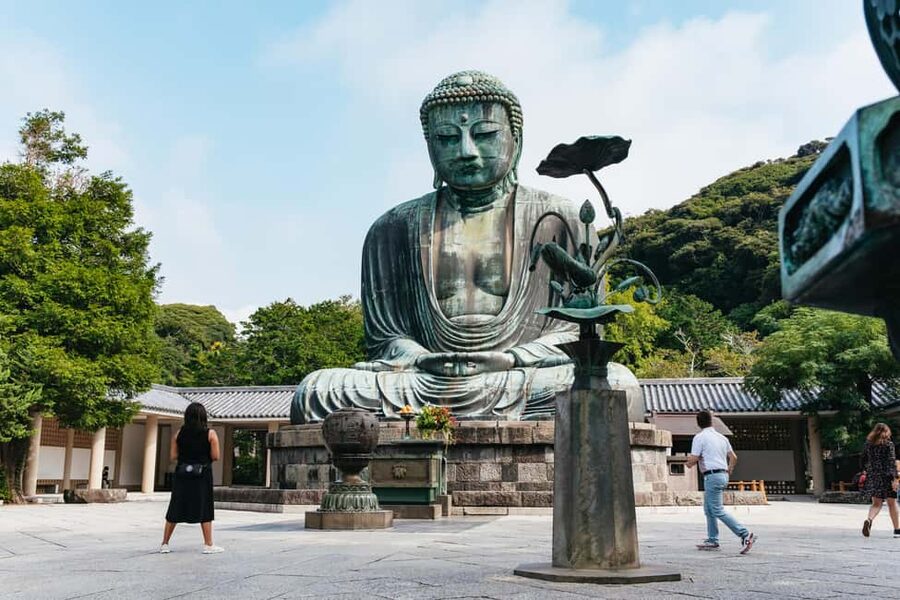
- Kōtoku-in in Kamakura: a quick, high-impact photo stop with a 13-meter bronze Great Buddha (when your option includes it).
- Hakone Pirate Ship on Lake Ashi: a short cruise that can turn Fuji spotting into a moving photo moment.
- Oshino Hakkai spring ponds: guided time plus free time at the crystal-clear water village.
- Oishi Park and Lake Kawaguchi: later-day viewpoint options aimed at catching Fuji from a new angle.
- Bilingual English/Spanish guidance: you get route context and practical site tips, not just announcements.
- Transport quality matters: the bus/coach experience is strongly rated, which helps on a long day.
How This 10–11 Hour Fuji and Kamakura Day Works from Tokyo
This is a long day on purpose: you leave Tokyo and come back the same day, usually operating around a 10–11 hour total time window. You’ll ride in a bus/coach with a live bilingual English/Spanish guide, and you’ll make several photo-and-sight stops that change what the day feels like—temple to lake to ponds to Fuji viewpoints.
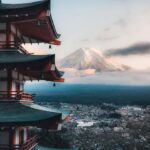
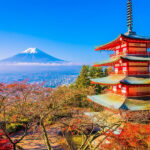
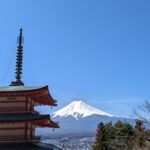
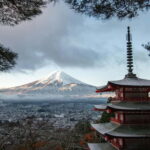
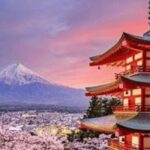
Your exact route can shift based on your option. Some versions emphasize extra Fuji viewpoints like Arakurayama Sengen Park and the Chureito Pagoda photo angle, while others add leisure time such as shopping at Gotemba Premium Outlets. Other options include a Lake Ashi cruise and/or a premium lunch in Oshino Hakkai, so check what’s tied to your specific selection.
Meeting point can vary by option, but one listed starting area is Marunouchi / Ginza (Ginza Inz 2 area), and drop-off returns to one of the same Marunouchi/Ginza locations. It’s built for people who want structure and less stress while trying to hit the region’s top “Fuji hits.”
You can also read our reviews of more tours and experiences in Tokyo.

Ginza to Kamakura: The Kōtoku-in Great Buddha Photo Stop

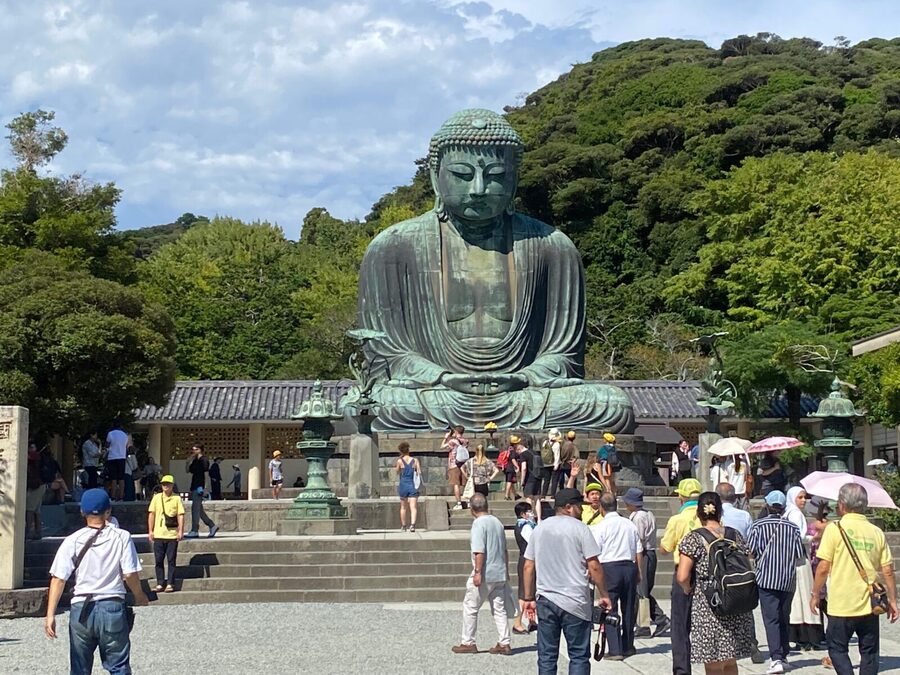
Kamakura is a fast stop here, but it’s a strong one. If your option includes it, you’ll visit Kōtoku-in, home to the famous 13-meter bronze Great Buddha, with a short photo stop + visit time (about 20 minutes in the described schedule).
What makes this worthwhile is the contrast. After sitting on a coach leaving Tokyo, you arrive at a calm, iconic landmark that feels immediately “Japan” in the best sense—stone, bronze, and a sense of age that photographs well even when the sky isn’t perfect. It also anchors the day so that even if Fuji is hidden later, you still collected something memorable.
Practical note: the stop is short. If you’re a slow walker or you want lots of shots from multiple angles, wear comfortable shoes and plan to move at a steady pace.
Hakone Pirate Ship on Lake Ashi: A Moving Fuji Photo Angle
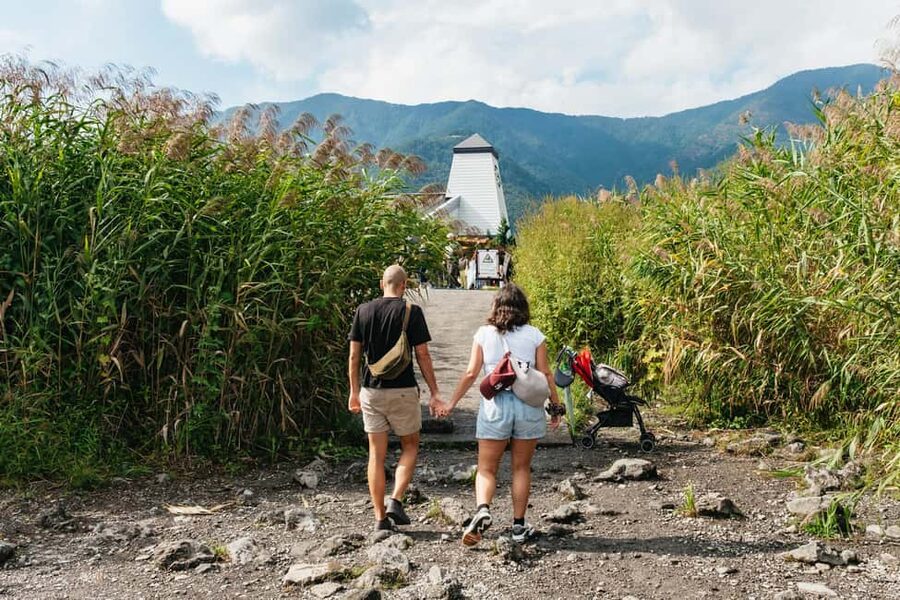
This is one of the most fun “worth it” moments of the day if you selected the cruise. You’ll head to Lake Ashi and, depending on your option, take a short boat ride—described as a Lake Ashi boat cruise (around 10 minutes)—with Hakone Pirate Ship style views of the water and the mountain region.
Even though the cruise is brief, it changes the viewing experience. Instead of only looking at Fuji from fixed viewpoints, you get motion and shifting angles across the lake surface. On clear days, that’s where Fuji spotting can feel surprisingly magical; on cloudy days, the lake itself still looks scenic and adds variety to the itinerary.
Also, keep your expectations realistic: you’re not guaranteed a perfect Mount Fuji photo every minute. The value is in giving yourself multiple chances across the day, and the cruise is one of those chances that feels different than standing still.
Motohakone to Oshino Hakkai: Ponds, Water, and Guided Time That Pays Off
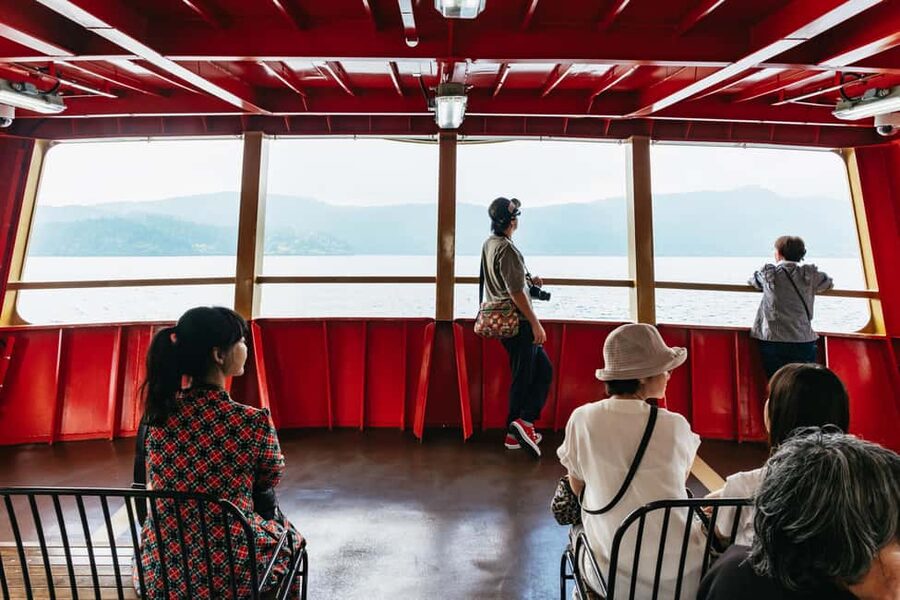
After the lake segment, you’ll move toward Motohakone for sightseeing time. This portion is less about a single must-see icon and more about context—getting a sense of where the Hakone-Fuji views come from and how this region is arranged around the mountain.
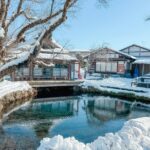
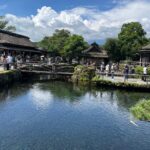
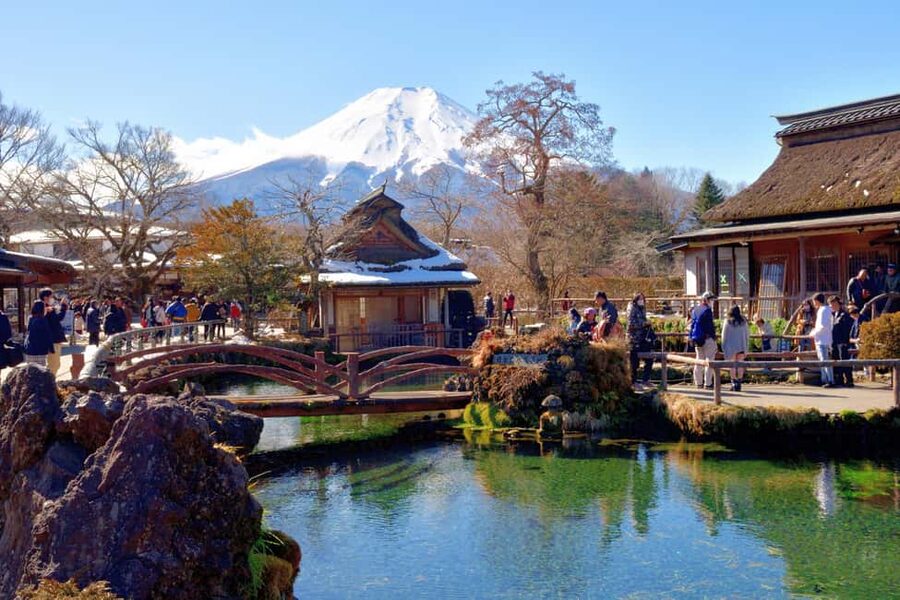
Then comes Oshino Hakkai, and this is where the day gets peaceful. Oshino is known for its spring-fed ponds, and in the schedule you get a guided tour plus free time (about 1.5 hours). The guided part is useful because you’ll understand what you’re seeing—these aren’t just pretty ponds; they’re a historic water source connected to the Fuji area’s geology and local life.
If you choose a premium option, lunch in Oshino Hakkai is included. That matters because food logistics can eat your time. Having lunch built into the route means you can spend more of your Oshino time looking around instead of hunting a meal while your day is slipping away.
One small drawback to factor in: Oshino stops are time-boxed and popular. Bring a camera and don’t count on endless wandering. You’ll get enough time to enjoy, but not enough to treat it like an all-day stroll.
Oishi Park and Lake Kawaguchi: Your Late-Day Fuji Play
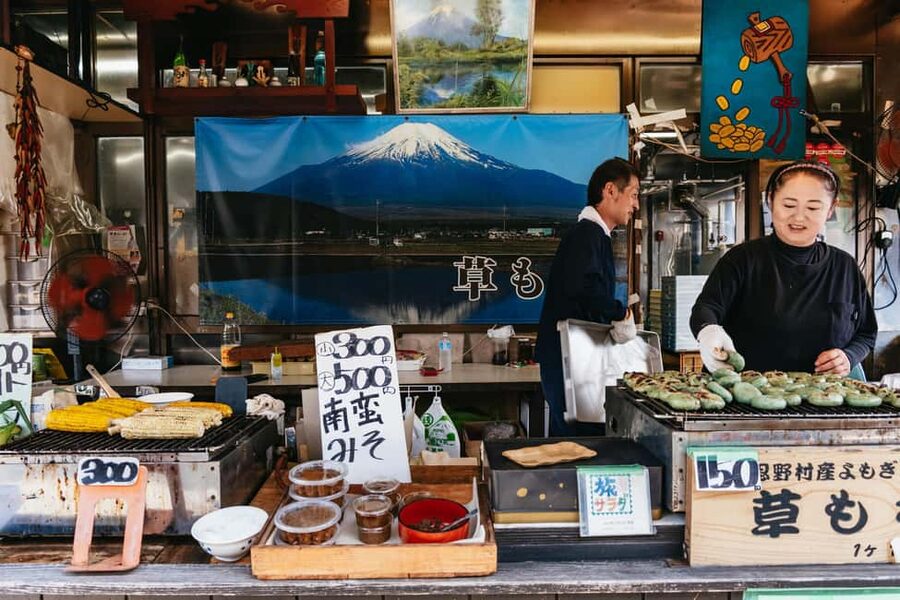
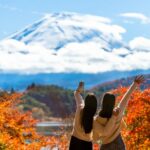
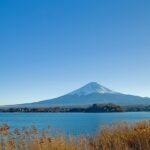
Later in the schedule you’ll visit Oishi Park with a guided component (about 45 minutes), then continue to Lake Kawaguchi for sightseeing. This is a classic Fuji region strategy: don’t just go to one viewpoint. By the time you reach Kawaguchi, your day has already included other angles, and your guide can steer your group toward the most promising view opportunities.
Why this stage works for many people is timing. As the morning and late afternoon progress, light and cloud behavior can shift. When Fuji shows itself, it often feels most rewarding after you’ve worked for the view.
But again: you’re dealing with weather. That’s why it’s smart to arrive prepared. Warm layers and a hat aren’t just comfort—they help you stay outside long enough to catch the moment when the mountain clears up even briefly.
Mount Fuji Sightseeing: What You Can Control and What You Can’t
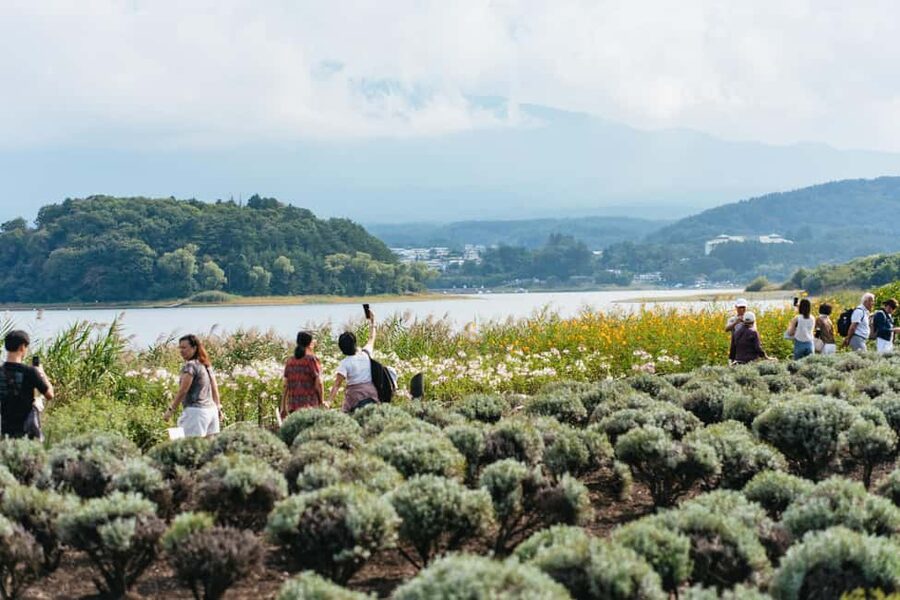
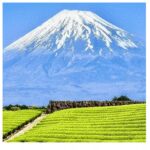
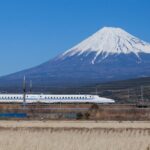
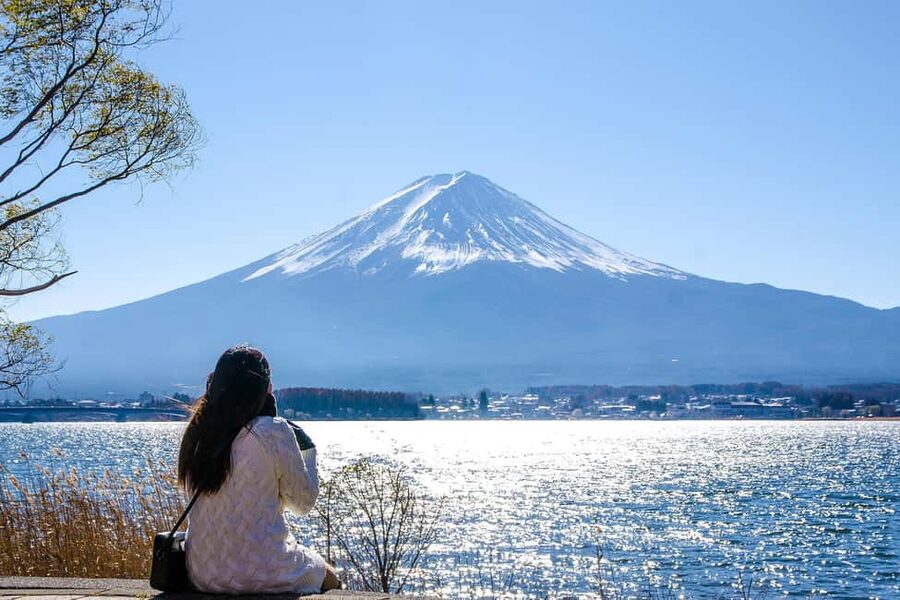
Mount Fuji is the big headline, and it’s also the part you can’t fully control. The tour explicitly notes that Fuji visibility depends on weather conditions, and that’s reflected in how the route is structured: multiple scenic stops increase your odds of seeing something good.
In real terms, here’s how I’d play it. Take the photos you can get quickly, then spend a little time just watching the sky. If you’re lucky, you’ll see Fuji more clearly from at least one of the viewpoints. If you’re not, you’ll still have collected a day of lakes, ponds, and cultural anchors like Kōtoku-in.
Guides help here. Names that come up strongly include Naomi, Jorge, Melody, and Fran, and multiple accounts emphasize that the guide’s job is not only route timing but also explaining what’s happening around you. When Fuji is hidden, the right guide helps you shift from chasing a perfect view to appreciating the full scene.
Price and Value: Why $49 Often Feels Like a Deal
At $49 per person for a 10–11 hour day, the value is mainly about what’s included. You’re paying for:
- a bilingual English/Spanish guide
- transportation from the meeting point
- a Lake Ashi cruise if your option includes it
- Kōtoku-in ticket if your option includes it
- lunch in Oshino Hakkai only if you select the premium option
That’s the key: you’re not just buying bus seats. You’re also buying time efficiency. If you tried to recreate this route on your own, the planning burden is real—local transit connections, ticketing, and timing all stack up fast. Here, the schedule keeps you moving between the top targets.
What you should budget separately: food and drinks (not included unless your premium lunch option includes it). For a long day, that means carrying some cash for places that don’t take cards, plus snacks if you know you get hungry fast.
Also, transport quality is part of value. The provided info says 85% of reviewers gave it a perfect score for transport, and a smooth driver and comfortable coach make the long ride much easier.
What to Bring (and What to Skip) for a Fuji-Spotting Day
Your checklist is simple and based on what matters outdoors and on a bus:
- Comfortable shoes (short walking bursts add up)
- Warm clothing (even in mild weather, parks and viewpoints can feel cold)
- Hat (sun and glare reduction)
- Camera (and a cleaning cloth if you’re swapping lenses)
- Sunscreen (yes, even on a cool day)
Also remember the practical “Japan cash” point: bring cash, since some shops or areas may not accept card payments. If you’re doing any souvenir stops or café purchases on free time, cash saves stress.
One more tip: keep your phone charged. You’ll take photos in quick succession, and when Fuji peeks through, there’s no time for battery panic.
Who This Tour Is Best For (and Who Should Think Twice)
This tour is a strong fit if you:
- want a structured Mt. Fuji day trip from Tokyo without complicated planning
- care about hitting multiple “must-see” regions in one go (Kamakura, Hakone/Lake Ashi, Oshino, Kawaguchi)
- like having a guide who speaks English and Spanish, with route explanations and practical hints
- appreciate that even on imperfect weather days, the itinerary still gives you worthwhile scenery
It may feel less ideal if you need a slower pace or longer free time at each stop—this is a moving day. Also, it’s not suitable for wheelchair users, since it involves coach travel and stops that weren’t designed around wheelchair access.
If you’re traveling with older family members, the experience seems especially guided-helpful. Several accounts mention older travelers and the guides checking in and keeping things organized, which is a good sign for anyone who wants an easy, cared-for feeling.
Should You Book This Mt. Fuji, Kamakura, and Lake Ashi Day Trip?
I’d book it if you want the best shot at Fuji with minimal hassle. The route hits the major hits: Kōtoku-in, Lake Ashi, Oshino Hakkai, and later Oishi Park / Lake Kawaguchi viewpoints. The bilingual guide support—people like Naomi, Jorge, Melody, Fran, and others—shows up as a repeat theme in how enjoyable the day feels.
Skip the “guaranteed Fuji photo” fantasy and go for the bigger win: a well-timed, organized day that combines culture and scenery, even when the mountain plays hide-and-seek. If you’re flexible on weather and you pack for time outdoors, this is one of those trips that can still land as a highlight of your Tokyo stay.
FAQ
How long is this tour?
The total duration is listed as 10–11 hours, depending on the option and timing.
What languages are the guides?
The live guide is English and Spanish.
What’s included in the price?
Included items can include bilingual guide service, transportation from the meeting point, a Lake Ashi cruise (only if your option includes it), and Kōtoku-in ticket (only if your option includes it). Lunch in Oshino Hakkai is included only with the premium option.
Is the Lake Ashi cruise always included?
No. The cruise on Lake Ashi is included only with the selected option.
Do I get lunch during the day?
You don’t get lunch automatically. Lunch in Oshino Hakkai is included only if you choose the premium option. Food and drinks otherwise are not included.
What if Mount Fuji is cloudy or hidden?
Mount Fuji visibility depends on weather conditions. The tour is designed with multiple scenic stops, so you’ll still have viewpoints and major landmarks even if Fuji isn’t fully visible.
Where is the meeting point?
The meeting point may vary depending on the option. One listed starting area is Marunouchi, Ginza (Ginza Inz 2 area).
Is the tour wheelchair accessible?
No. It is listed as not suitable for wheelchair users.