REVIEW · TEL AVIV
From Tel Aviv: Caesarea, Haifa and Akko Day Trip
Book on GetYourGuide →Operated by Bein Harim Israel Tours · Bookable on GetYourGuide
Northern Israel compresses a lot into one long day. I like this tour for the Roman ruins in Caesarea and the UNESCO Old City in Acre, two very different kinds of history packed into the same coastline drive. You also get a strong sense of Israel’s Mediterranean mood, from cliff views to working old-city streets.
My favorite part is how the day moves through big visual moments: Haifa’s terraced Baha’i Gardens viewpoint and the limestone caverns at Rosh Hanikra. One consideration: it’s an 11-hour schedule, and Haifa (in particular) can feel like a quick stop rather than a long, slow wander—plus the Baha’i Gardens aren’t entered.
In This Review
- Key highlights you’ll actually feel
- The coast route: why this circuit works in one day
- Caesarea’s Roman ruins: the port-city amphitheater moment
- Haifa’s Baha’i terraces: UNESCO views without the garden entry
- Rosh Hanikra grottoes: limestone caves with sea views
- Acre’s Old City (Akko): walls, port life, and layered streets
- UNESCO value: two big sites in one ticket (with one important catch)
- Price and what you’ll pay besides the $120
- Pacing, comfort, and how to get through 11 hours
- Who should book this day trip—and who should skip it
- Final call: should you book it?
- FAQ
- How long is the day trip?
- What’s the price per person?
- What’s included in the tour price?
- Are food and drinks included?
- Do I need to pay entrance fees?
- Is the Baha’i Gardens entry included?
Key highlights you’ll actually feel
- Two UNESCO World Heritage Sites: the Baha’i Gardens (from the outside) and Acre’s Old City
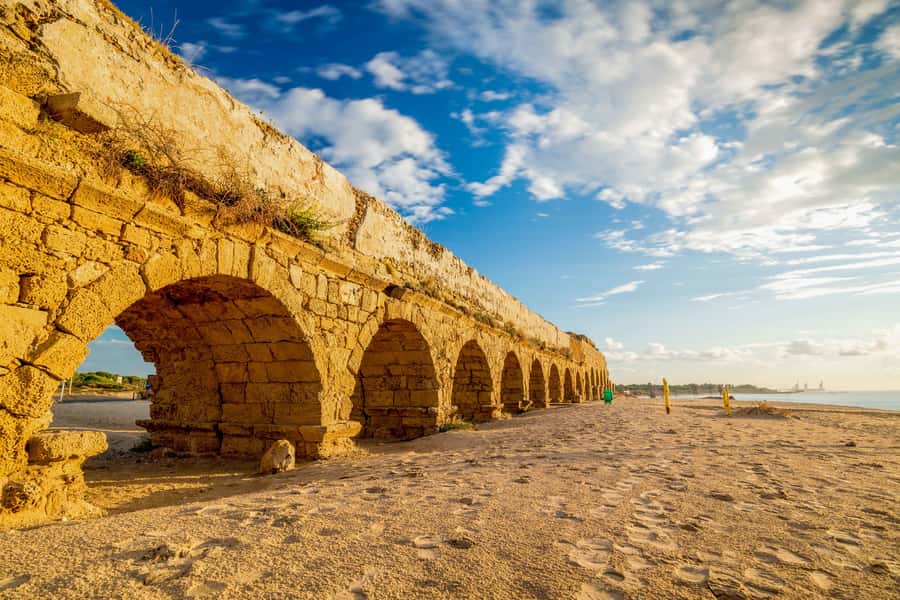
- Roman Caesarea without the effort: you get the amphitheater and port-city ruins with an expert guide
- Rosh Hanikra grottoes + sea cliffs: you can look toward the Lebanon border from the high vantage points
- Acre’s Old City on foot: city walls, port area views, and an oriental bazaar style of shopping and strolling
- Great guide energy: names like Aviva, Yoav, Udi, Omri, Erez, and Itamar show up for clear storytelling and humor
The coast route: why this circuit works in one day
This isn’t a slow “pick one place and linger” day. It’s built around a simple idea: if you’re based in Tel Aviv and want the north-coast highlights, doing it by bus with a guide saves hours of figuring out routes, parking, and what to prioritize.
The day’s pacing is a mix of driving time and short on-foot stretches. That can be a win in hot weather, because you’re not spending the whole day baking in the sun. It also helps you stack contrasts: Roman-era remains in Caesarea, stepped gardens in Haifa, sea caves at Rosh Hanikra, then a layered city in Acre where Greek, Byzantine, and Ottoman periods show up in street level history.
You’ll travel on an air-conditioned coach with hotel pickup/drop-off (optional pickup is offered, with pickup details sent by the provider). The route starts from Tel Aviv and also covers common pickup areas like Herzliya and Netanya.
If you’re the type of traveler who likes structure—get on, get off, see the big scenes, learn what matters—this format fits you well.
You can also read our reviews of more tours and experiences in Tel Aviv.
Caesarea’s Roman ruins: the port-city amphitheater moment
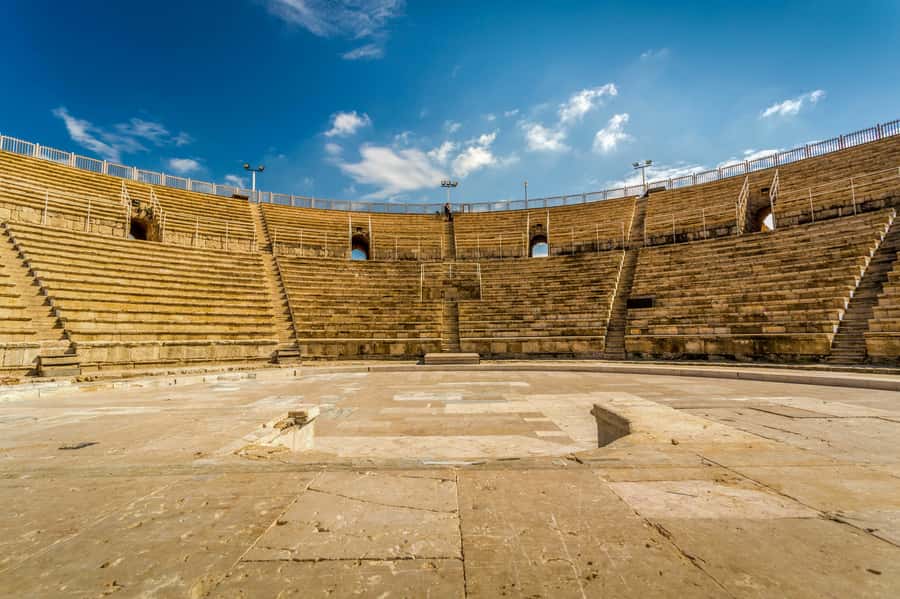
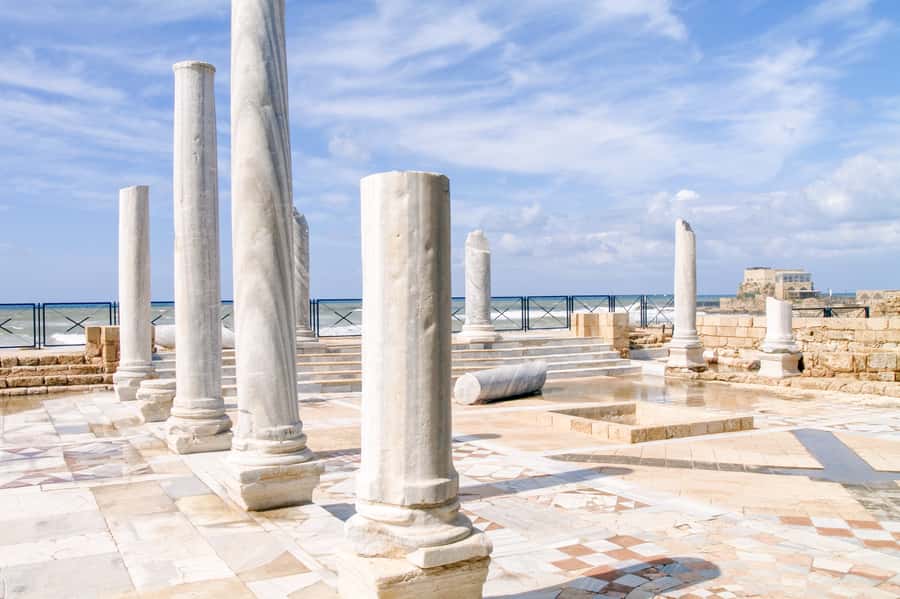
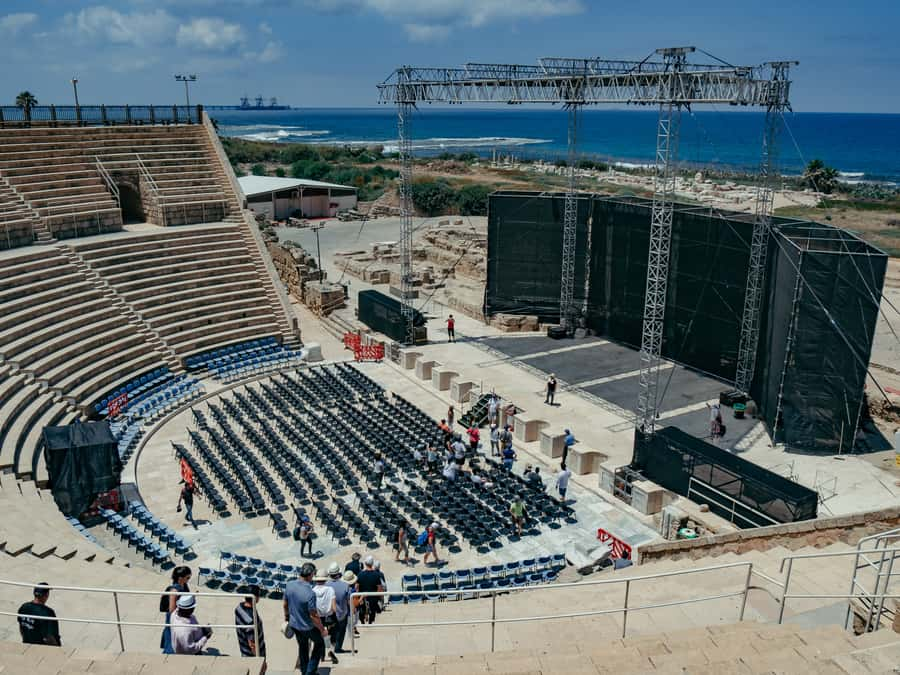
Caesarea is where the day’s “wow” begins. You’re stepping into the remains of an ancient harbor city—so even if the ruins are spread out, the vibe makes sense immediately. You’ll see Roman-era remains, including one of the largest Roman amphitheaters, the kind of landmark that signals how important this place was when the empire was at full power.
What I like about Caesarea on a day trip is that it teaches you how ruins function. You’re not just looking at stone. You’re connecting geography (a Mediterranean port), engineering (amphitheaters built for crowds), and history (a city that mattered for centuries). With a guide, the stops feel less random.
Practical note: you’ll want comfortable shoes. Even if the walking isn’t constant, these are archaeological surfaces and uneven ground. Bring sunglasses and sunscreen, because the coastal light can be intense.
If you’re tired of “tourist ruins” that don’t explain anything, this is the stop where the explanation tends to pay off.
Haifa’s Baha’i terraces: UNESCO views without the garden entry
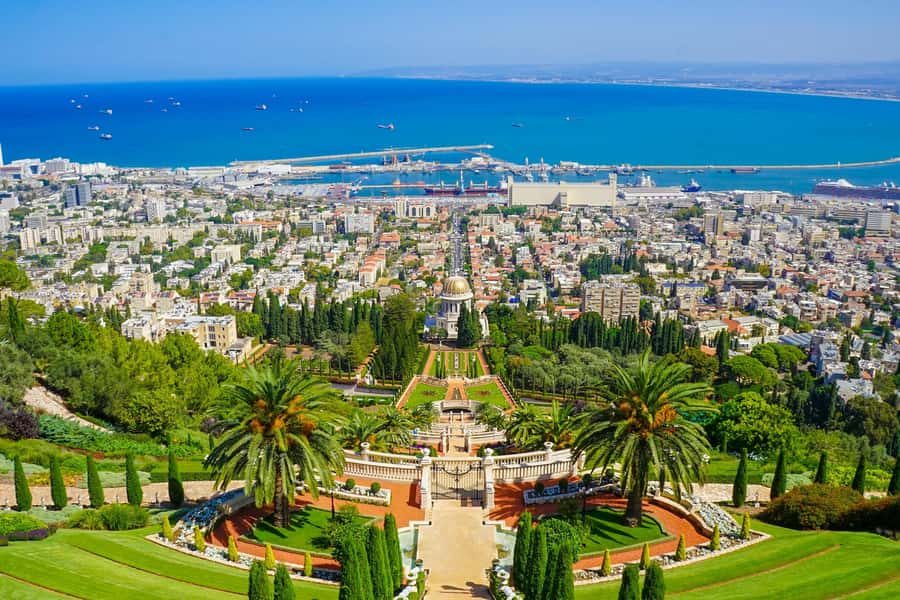
Haifa’s Baha’i Gardens are one of those places where photos don’t fully capture the layout. The terraces rise in a way that feels both architectural and symbolic—like the city is growing upward toward the horizon.
Here’s the key detail to know before you go: the tour description says you will not enter the Baha’i Gardens. Instead, you’ll see them from above (think viewpoint time, not gate-entry time). Some guests report seeing more than one angle during the day, but you should plan around a viewpoint experience rather than a full garden visit.
That matters for expectations. If your dream is to walk every path inside the complex, you’ll likely need a separate plan. But for most people, the value is clear:
- You get the UNESCO terrace effect quickly
- You can take photos without turning the entire day into waiting and timed-entry logistics
- Your guide can connect what you’re seeing to the larger story of Haifa and the Baha’i community
Timing is the trade-off. One reason people call this day “a lot” is that Haifa may feel like it comes and goes fast. If you want more time in the city itself, you’ll probably need a separate Haifa half-day or evening.
Bring a hat. Even with stops and shaded pockets, you’re outdoors on the terraces’ viewpoints.
Rosh Hanikra grottoes: limestone caves with sea views
Rosh Hanikra feels like a different category of sightseeing: nature first, then the human story of a border region.
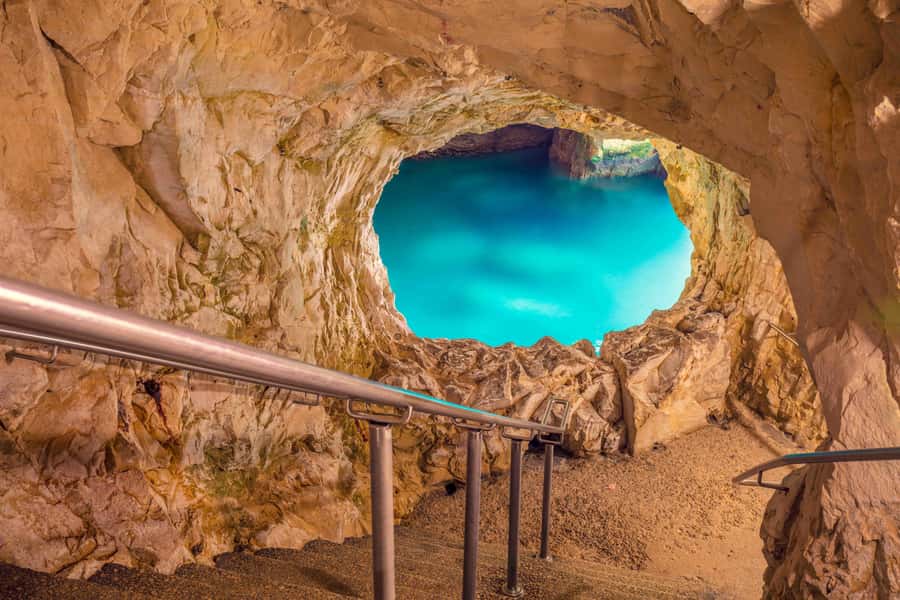
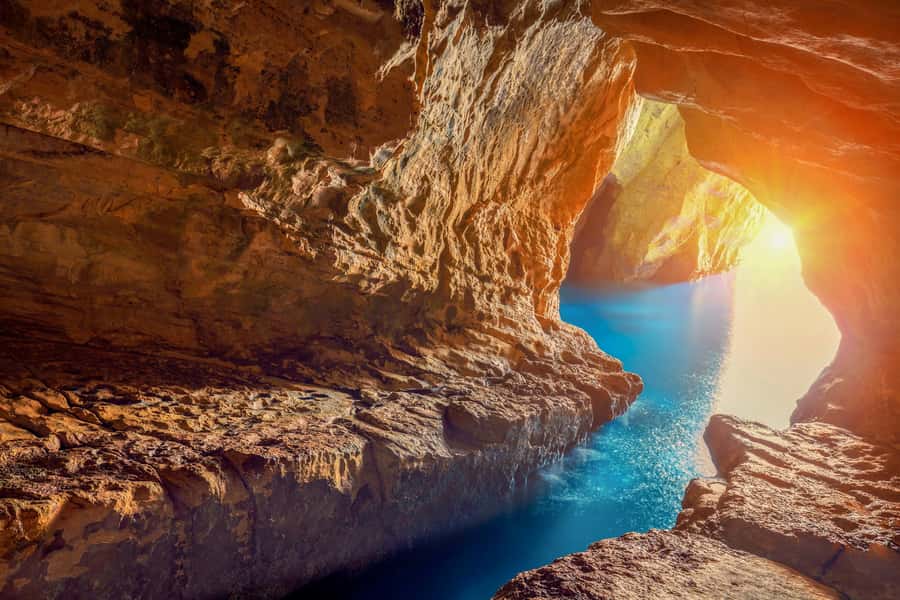
You’ll visit the limestone grottoes and see white-chalk cliffs dropping toward the Mediterranean. One of the most memorable parts is that from the cliffs you can look toward Lebanon across the border area—so the scenery comes with geopolitical context, not just postcards.
Inside the grottoes, the temperature is often more comfortable than the sun outside. At least one guest noted there are shaded areas inside, which is a big deal when you’re doing a packed coast day in warm weather.
What to do here:
- Take your time at the sea-level views when you get them
- Don’t rush the cave area just because the bus is waiting later
- Keep an eye on your footing on any wet or uneven surfaces
If you’re trying to balance ancient sites with something fresh and physical, Rosh Hanikra does that job well. It also breaks the day up nicely between Haifa’s terraces and Acre’s old-city atmosphere.
Acre’s Old City (Akko): walls, port life, and layered streets
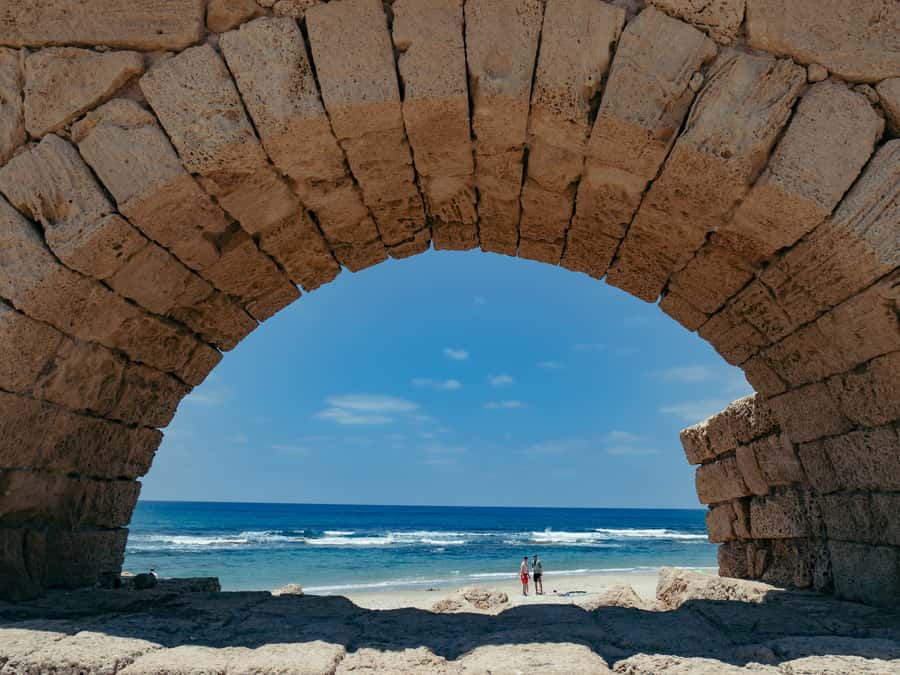
Acre is the grand finale, and it’s the kind of place where the guide’s voice really matters. The Old City is a UNESCO World Heritage Site, and you’ll move through a space shaped by multiple eras.
You’ll see the impressive city walls and the port area, and then you’ll spend time wandering streets with an “oriental bazaar” feel—shopfronts, small-scale commerce, and lots of movement. Acre is also where you start to feel how history can overlap in one place: Greeks, Byzantines, and Ottomans all left traces you can connect back to what you’re walking past.
My favorite part of Acre on a guided day is the way the stories make the layout make sense. The walls don’t just look dramatic—they become a clue about why trade and power mattered. The port isn’t just scenic—you start to see why so many empires cared about this coastline.
Budget tip: food and drinks are not included, and lunch costs are on you. One guest noted the lunch place worked with a specific price range (around 60 NIS) but that card payment wasn’t always smooth, so having some cash can save a small headache.
If you love walking old cities, Acre is the best “stroll stop” of the day.
UNESCO value: two big sites in one ticket (with one important catch)

The tour is built around two UNESCO World Heritage Sites:
- Haifa’s Baha’i Gardens (seen from above, not entered)
- Acre’s Old City (walked as part of the day)
This is good value for time. If you were doing this on your own, you’d spend extra effort coordinating what to see, where to park, and how to manage timed sites.
But the catch is the Baha’i Gardens entry. Since the tour focuses on viewpoint access, you’re saving time and complexity, but you’re not getting the full garden experience by default. For many first-timers, that trade is worth it because you still get the UNESCO effect and photo opportunities.
If UNESCO “checklist completion” is your goal, consider whether you want:
- a viewpoint to get the big picture, or
- a separate garden-entry plan that lets you wander inside
Price and what you’ll pay besides the $120
The stated price is $120 per person, and it covers:
- air-conditioned coach transportation
- a professional guide
- hotel pickup and drop-off
The tour also notes that entrance fees aren’t included and are paid on-site (about $34 pp). At least one guest reported entrance fees being covered through their ticket, so there’s clearly some variation in how these charges are handled in practice. Either way, don’t gamble with zero spending cash—plan to be able to pay on-site.
Food and drinks are not included. That’s normal for Israeli day tours, but it’s still important for budgeting. One practical move: bring a small snack so you don’t feel forced to grab whatever is closest when hunger hits.
Here’s my value take:
- If you want a structured “north coast sampler” and you’d rather not plan transport, the price can make sense.
- If you already know how you’ll travel and you’re picky about time in each site, you might find cheaper options by going independently.
- The real value hinges on guide quality and pacing. When the guide is strong, the day feels like education, not just movement.
Pacing, comfort, and how to get through 11 hours
You’re in a full-day format (11 hours), and that changes how you pack and how you expect your photos.
What helps:
- Wear comfortable shoes. You’ll be walking at multiple stops.
- Bring sunglasses, sunscreen, and a sun hat. Coastal sun can be sharp.
- If you’re sensitive to heat, don’t rely on bus air-conditioning alone—warm weather still hits when you’re on viewpoints and streets.
One guest described the day as having mostly short explorations with less walking in direct sun, which matches how the itinerary is set up. Still, don’t plan to wear brand-new shoes.
Bathrooms: one guest said restrooms were available often during the day. I’d treat that as a good sign, not a guarantee, so keep your own water and snack plan.
Language: the live guide operates in Spanish, English, French, or German. One person found it was bilingual Spanish and English and hadn’t realized that ahead of time. If you care about language, verify what your group will use after booking.
Who should book this day trip—and who should skip it
This tour is a great fit if:
- You’re based in Tel Aviv and want Caesarea, Haifa, Rosh Hanikra, and Acre in one day
- You like guided interpretation more than self-guided wandering
- You want two UNESCO hits without building a multi-day itinerary
You might want to skip (or supplement) it if:
- You want deep time inside the Baha’i Gardens rather than viewpoint photos
- You’re sensitive to long days and tight stop times
- You need wheelchair access (the tour is not suitable for wheelchair users)
- You’re traveling with a child under 4 (not suitable)
Also, keep your expectations aligned with a “big highlights” style. It’s not pretending to be slow-travel.
Final call: should you book it?
If your goal is a fast, guided, coast-hugging snapshot of northern Israel, I’d say book this. The combination is strong: Caesarea’s Roman amphitheater scale, Haifa’s terrace views, Rosh Hanikra’s sea caves and cliff drama, and Acre’s walkable UNESCO Old City.
Just be honest with yourself about time. You’ll cover a lot, and that can feel rushed if you want long pauses at every stop. If you’re okay with a structured whirlwind—plus you’ll bring sunscreen, cash for on-site fees and lunch, and comfortable shoes—you’ll likely come away feeling like you truly understood the region, not just saw it from a bus window.
FAQ
How long is the day trip?
The tour duration is 11 hours.
What’s the price per person?
The price is $120 per person.
What’s included in the tour price?
It includes air-conditioned coach transportation, a professional guide, and hotel pickup and drop-off.
Are food and drinks included?
No. Food and drinks are not included.
Do I need to pay entrance fees?
Yes. Entrance fees are not included and are paid directly on-site (listed as about $34 per person).
Is the Baha’i Gardens entry included?
No. The tour does not include entry to the Baha’i Gardens. You’ll view them from above instead.