REVIEW · TOKYO
Tokyo: Mount Fuji and Hakone Private Sightseeing Day Trip
Book on GetYourGuide →Operated by Zenjap Travel · Bookable on GetYourGuide
Fuji is dramatic. The drive is the secret. This private day trip from Tokyo is interesting because you’re not stuck on a rigid bus schedule; you get door-to-door pickup and a small private group so you can slow down, linger, and actually enjoy the views. I also like the customizable time at each stop, which lets the day feel like sightseeing with a friend, not a checklist run. Plus, having an English-speaking driver (names like Doshi and Raj pop up often) makes the whole day easier to navigate.
The big drawback to plan around is that a long, scenic day can get longer: traffic timing can stretch your schedule, and Mt. Fuji conditions can change fast (including seasonal limits on reaching the 5th Station).
In This Review
- Key highlights to know before you go
- Tokyo to Mt. Fuji or Hakone by private car: why this feels better than buses
- The $373 price: what you’re paying for (and what you still must budget)
- Route A: Mount Fuji and Fuji Five Lakes day (best for classic Fuji views)
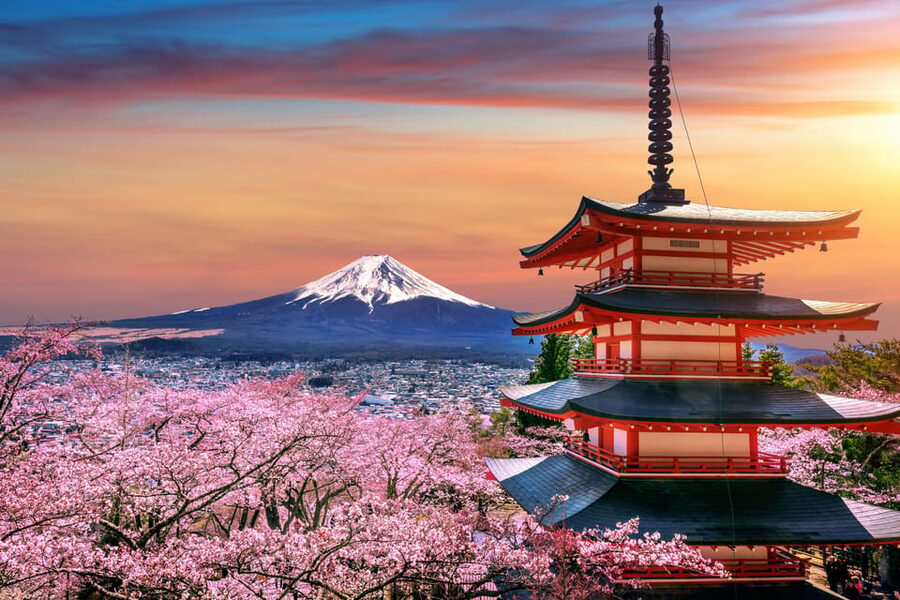
- Arakurayama Sengen Park: start with the postcard angles
- Kitaguchi Hongu Fuji Sengen Shrine: the spiritual pause before the climb
- Mount Fuji 5th Station: when you want altitude and big views
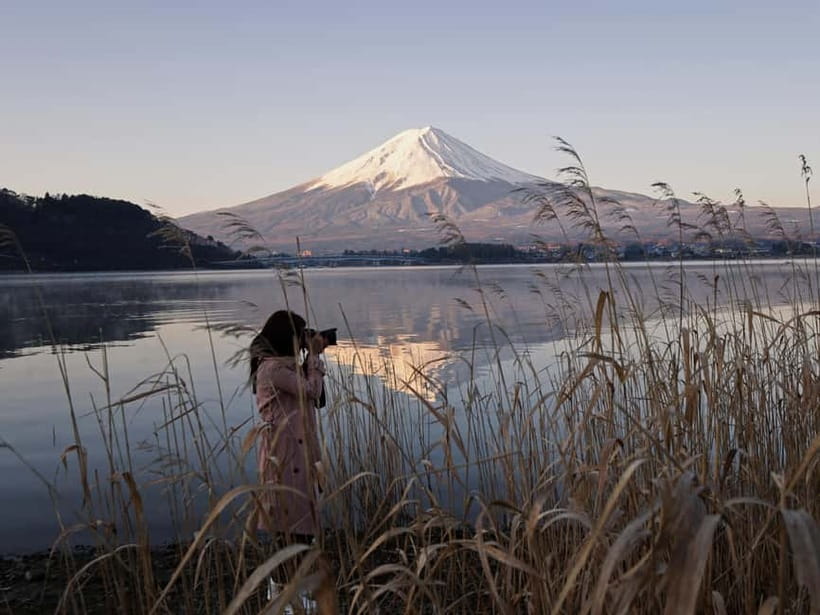
- Lake Kawaguchi: ropes, boats, and the Fuji reflection game
- Oishi Park: flowers for color with Fuji behind them
- Oshino Hakkai: traditional ponds fed by Mt. Fuji snowmelt
- Route B: Hakone serenity with Ropeway, Lake Ashi cruise, and Open Air Museum
- The Hakone Ropeway: get above the valleys
- Lake Ashi sightseeing cruise: the torii gate moment
- Hakone Open Air Museum: art placed outdoors
- What the 10-hour schedule means in practice
- Pickup and drop-off: the Tokyo comfort factor
- Costs and what you still need to pay in Japan
- Included in the price
- Not included (bring cash and expect add-ons)
- Mt. Fuji and Hakone photo tips that actually help
- Who this private day trip fits best (and who should think twice)
- Should you book this Tokyo to Mount Fuji and Hakone private day trip?
- FAQ
- How much does the private day trip cost?
- How long is the day trip?
- Where does pickup and drop-off happen?
- What languages does the driver speak?
- What’s included in the price?
- Are food and entrance fees included?
- What should I bring for the trip?
Key highlights to know before you go
- Private group up to 6 with an air-conditioned car and pickup/drop-off in Tokyo’s 23 wards
- Two route styles: Mt. Fuji sights and Fuji Five Lakes, or a Hakone day with ropeway, Lake Ashi cruise, and Open Air Museum
- More flexibility than typical tours with time for photos, shopping, and free wandering
- Skip-the-ticket-line support, but you still need cash for some entrances (notably Mt. Fuji 5th Station)
- Drivers matter: many famous for smooth timing and adapting to road conditions, such as Doshi, Omi, and Biky
Tokyo to Mt. Fuji or Hakone by private car: why this feels better than buses
If your goal is to see Mt. Fuji and Hakone without spending your day transferring trains, this kind of private day trip makes sense. You’re picked up from your Tokyo accommodation and brought to the sights in an air-conditioned vehicle, with an English-speaking driver handling routing, timing, and the practical stuff.
In real life, that difference shows up at the moments that usually derail day trips: lines, wrong turns, train platform confusion, and the awkward timing between places. With a private vehicle, you can also shape the day around what you care about—long photo stops, more walking, or staying put a bit longer when the weather improves.
Also worth noting: it’s a private group, not a big shared shuttle. That matters for comfort, especially on a 10-hour day that includes roads outside the city.
You can also read our reviews of more tours and experiences in Tokyo.


The $373 price: what you’re paying for (and what you still must budget)
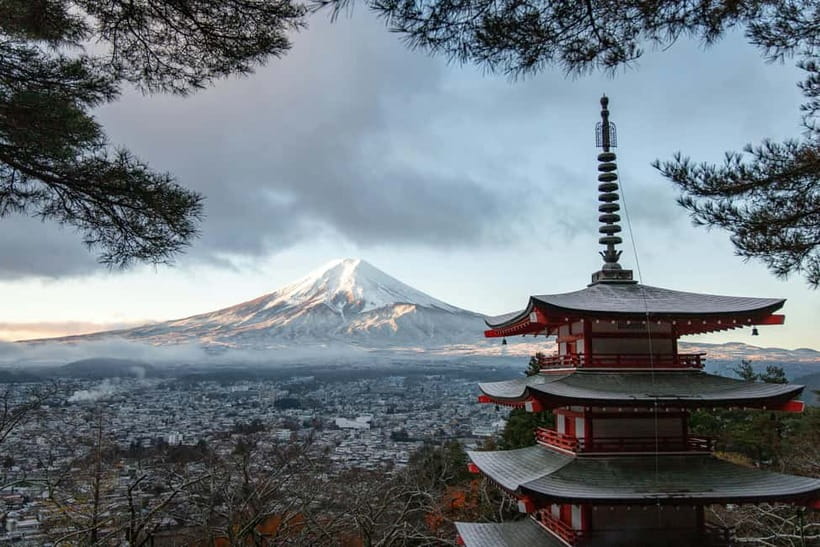
This costs $373 per group for up to 6 people. When you split it that way, the price starts to look less like a “luxury add-on” and more like paying for a practical problem-solver: door-to-door transport, tolls and fuel covered, and an English-speaking driver.
Two important money reality checks:
- Food and drinks are not included.
- Some entry fees are on you, especially the Mt. Fuji 5th Station entry fee (2100¥ for a group up to 9 people), plus any activity entrance fees.
Even if the day is “private,” you should still come prepared with cash. The tour notes that some shops and activities might not accept credit cards, and that you’ll want cash for what’s not included.
Route A: Mount Fuji and Fuji Five Lakes day (best for classic Fuji views)
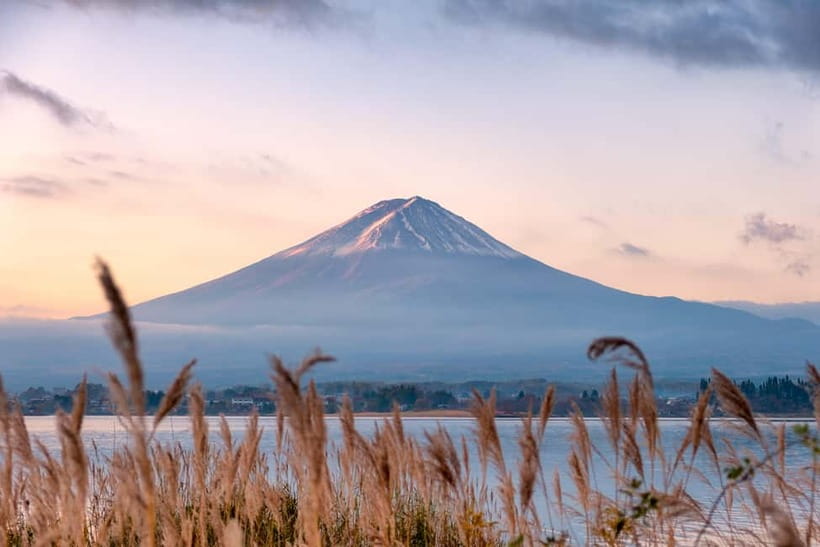
Route A is built around the strongest Fuji photo logic: viewpoints first, then sacred stops, then higher altitude views, and finally lakeside scenery and traditional village charm.
The flow also helps you pace your energy. You start with easy-to-moderate walking areas for photos, then reach Mt. Fuji’s 5th Station, then shift into the lower-altitude Fuji Five Lakes areas where you can browse, snack, and reset.
Arakurayama Sengen Park: start with the postcard angles
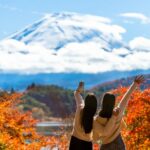
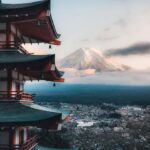
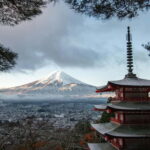
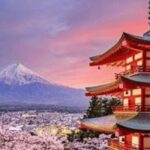
You kick off with Arakurayama Sengen Park. This is one of those places where the view does most of the talking: you get panoramic Mt. Fuji views from a popular viewpoint area, and it’s a great warm-up before the rest of the day.
Plan for walking here. If you’re traveling with people who dislike stairs, you’ll still likely find a good angle without going all the way up every path, but comfortable shoes help.
Kitaguchi Hongu Fuji Sengen Shrine: the spiritual pause before the climb
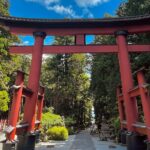
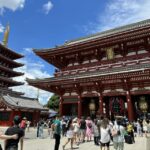
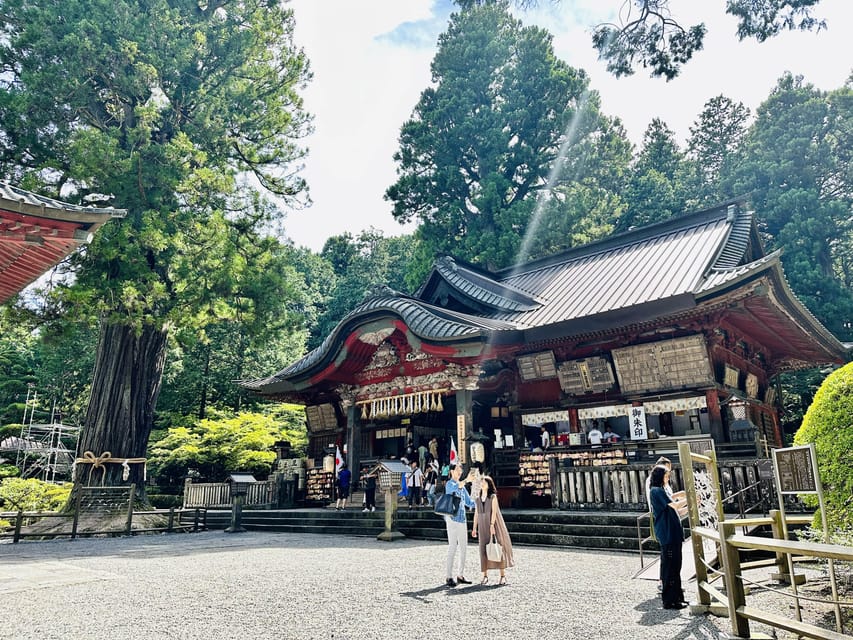
Next comes Kitaguchi Hongu Fuji Sengen Shrine, a pilgrimage site tied to blessings before ascending Mt. Fuji. Even if you’re not religious, this stop adds meaning and atmosphere to the day.
You’ll get a photo stop and visit time, with time to walk around and read the mood of the place. It’s also a nice break from pure scenery-hunting.
Mount Fuji 5th Station: when you want altitude and big views
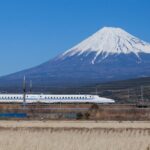
The Mt. Fuji 5th Station is the centerpiece stop, and it’s the reason many people book a Fuji day trip from Tokyo. You’re halfway up the mountain area for sweeping views of the surrounding region.
Two practical notes matter:
- The Mt. Fuji 5th Station entry fee is not included (2100¥ for a group up to 9 people).
- From July 5 to September 11, private vehicles can’t reach the 5th Station. You’ll use a shuttle bus from the parking lot, costing ¥1000.
If your trip falls in that window, don’t treat 5th Station access as guaranteed “same day, same way.” Build in flexibility and ask your driver how the shuttle plan will work for your group.
Lake Kawaguchi: ropes, boats, and the Fuji reflection game
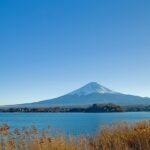
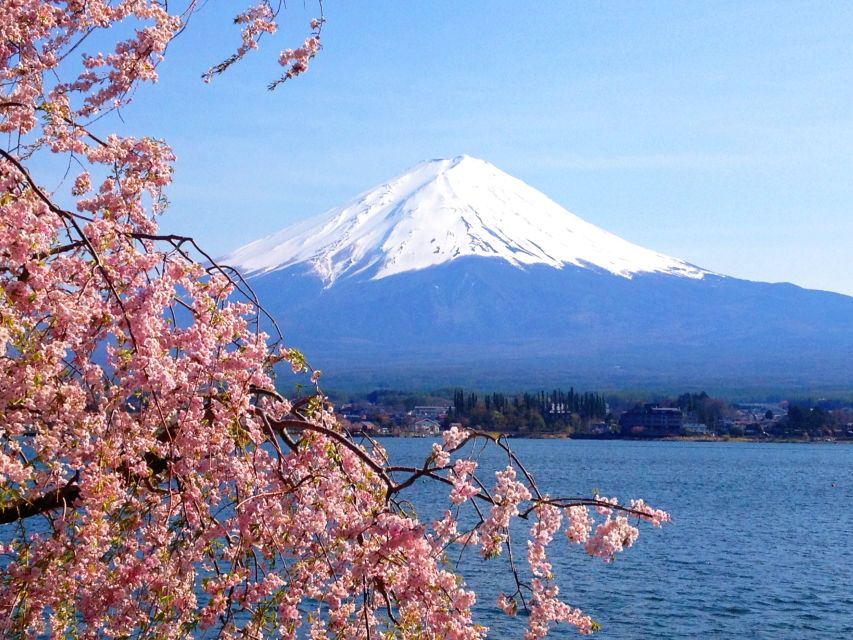
Lake Kawaguchi is where the day turns scenic and slow. You’ll get a break time and photo stop, plus time for lunch and shopping.
You also have time for a boat cruise on the lake and a Mount Tenjo ropeway ride up for elevated views. The ropeway and cruise combo is a smart pairing: you get wide angles from the cable/ropeway and a calmer, lower perspective from the water.
One practical tip: dress for temperature changes. Lake areas can feel cooler, and you’ll be outside for photos and walking between points.
Oishi Park: flowers for color with Fuji behind them
Oishi Park is known for its blooms and classic flower-and-mountain backgrounds. This stop is great if you want variety—less “climb” and more “wander and photograph.”
There’s shopping time too, so if you want Fuji-shaped snacks, local treats, or small souvenirs, this is a good place to browse.
Oshino Hakkai: traditional ponds fed by Mt. Fuji snowmelt
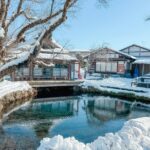
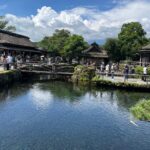
To close Route A, you visit Oshino Hakkai, a traditional village with crystal-clear ponds fed by Mount Fuji’s snowmelt. This is one of the best “take a breath” endings on a long day because the area feels more rural and calm than the viewpoint stops.
Expect walking and small-scale exploring. It’s also a strong finish if you like villages, not just big scenic lookouts.
Route B: Hakone serenity with Ropeway, Lake Ashi cruise, and Open Air Museum
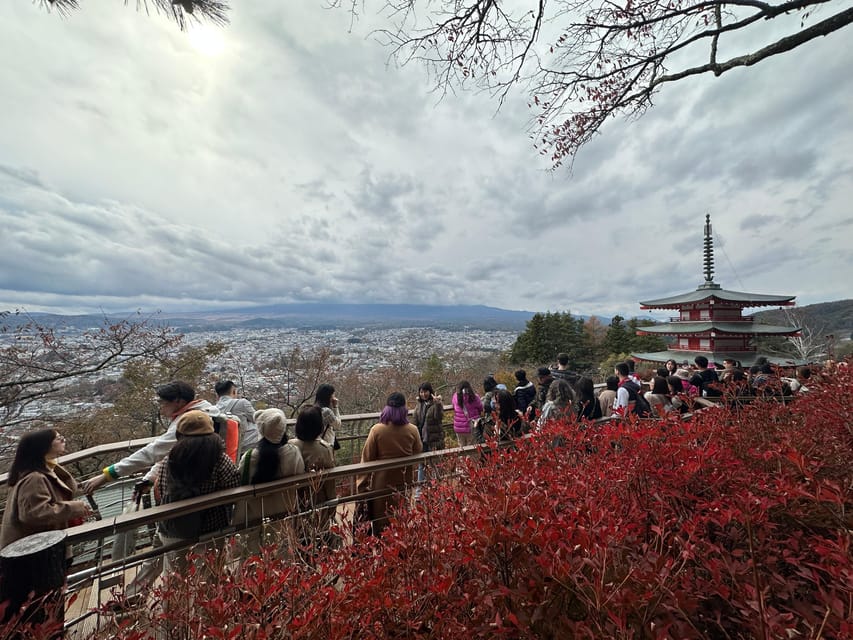
Route B aims for a different vibe: Hakone’s mix of viewpoints, art, and water. You’re still starting the day with Fuji-area scenic viewpoints (Arakurayama Sengen Park and Oishi Park) before heading into Hakone, so you still get that Mt. Fuji “maybe yes, maybe no” opening.
This route is ideal if you want a Hakone day that isn’t only about one highlight. You’ll have multiple ways to enjoy views: ropeway heights, boat-level water perspectives, and museum paths with sculptures.
The Hakone Ropeway: get above the valleys
You’ll ride the Hakone Ropeway, taking an aerial route with views of Mt. Fuji, valleys, and Lake Ashi. The ride rises to Mount Komagatake, giving you a wide horizon feel.
If you like photos, the ropeway is a win because it changes your perspective quickly without major walking on steep hills. Still, it’s best with comfy shoes for station-to-station movement.
Lake Ashi sightseeing cruise: the torii gate moment
Next is the Hakone Sightseeing Cruise on Lake Ashi. This is the calm, floaty part of the day where you can sit back and let the scenery come to you. The cruise includes iconic views such as the torii gate at Hakone Shrine area.
You’ll see the water-glow style that makes Lake Ashi special: wide angles, soft reflections when conditions are good, and a less crowded feel than some peak walking viewpoints.
Hakone Open Air Museum: art placed outdoors
Finally, you visit the Hakone Open Air Museum. It’s sculptures set against the Hakone backdrop, so it’s not just museum time. It’s a walk through art in a landscape that changes with weather and light.
Wear layers. You’ll be outside for most of this part, and weather can shift between morning and afternoon in the mountains.
What the 10-hour schedule means in practice
The day is listed as 10 hours, with starting times you’ll confirm when you check availability. That’s a long but workable frame for two-region sightseeing from Tokyo.
Here’s how to think about that 10 hours so you don’t feel rushed:
- Morning: scenic viewpoints and early “wow” moments
- Middle: higher-altitude or water/ropeway experiences
- Afternoon: lakeside strolling, shopping time, and a calmer end stop like Oshino Hakkai or the Open Air Museum
Also remember: pickup can come with highway traffic delays. The tour notes that the driver may be up to 30 minutes late due to traffic, and roads can slow down the return trip too.
If you’re the kind of traveler who needs a super tight schedule, this private format still includes real-world travel time. The driver can adjust the order, though, which helps.
Pickup and drop-off: the Tokyo comfort factor
This is a door-to-door setup. You’re picked up from your accommodation in Tokyo, with pickup possible across central Tokyo areas and Tokyo’s 23 wards (plus Saitama and Kanagawa options show up in the pickup/drop-off list).
Drop-off is also flexible within those central Tokyo areas. That matters because you avoid the “train plus bus plus walking” scramble at the end of a long day.
Two practical points:
- You should be ready for pickup to run late by up to 30 minutes due to traffic.
- If you’re staying outside Tokyo, you need to contact the provider first.
Costs and what you still need to pay in Japan
Let’s separate “what’s covered” from “what you’ll pay on the ground,” because this tour has a few key items that aren’t in the base price.
Included in the price
- Hotel pickup and drop-off
- Private transportation in an air-conditioned vehicle
- English-speaking driver
- Fuel and tolls
That’s a solid package for Japan day trips. Tolls and fuel alone add up when you’re going beyond Tokyo, and you don’t want to manage parking and routing yourself.
Not included (bring cash and expect add-ons)
- Food and drinks
- Mt. Fuji 5th Station entry fee: 2100¥ for group up to 9 people
- Activities entry fee (depends on which route and what you choose at each stop)
- Tour guide (the driver is not billed as a separate guide in the included list)
- Airport pickup and drop-off
Also: some shops and activities might not accept credit cards. Cash is your safety net.
Mt. Fuji and Hakone photo tips that actually help
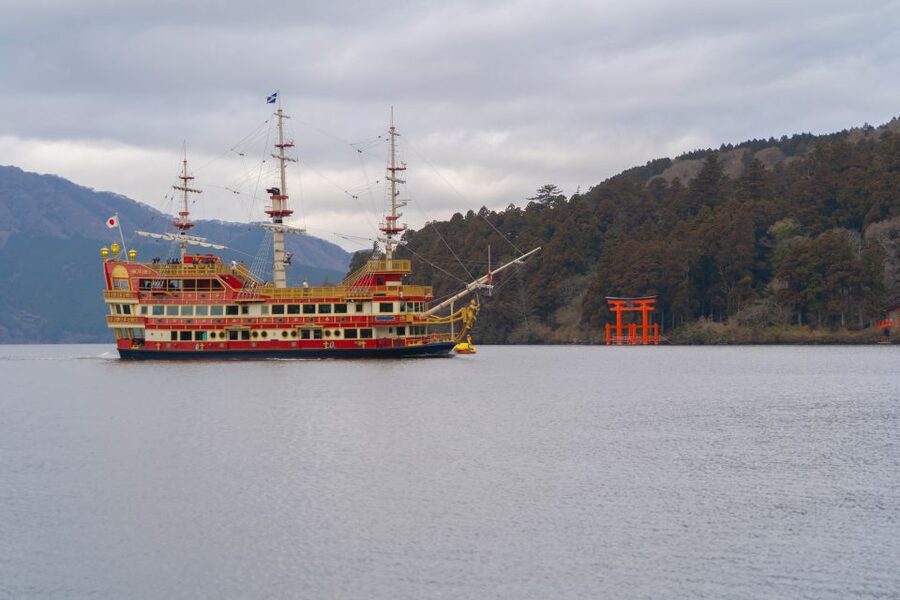
If your goal is photos, the stops are designed for sightlines: parks, ropeways, lakes, and specific viewing areas.
Here’s how I’d use the day to get better results:
- Plan your most important photo moments for stops with long photo opportunities, like the Arakurayama Sengen Park viewpoint and the Lake Kawaguchi water shots.
- Bring cash so you can grab small paid photo add-ons if they’re offered at a stop you love.
- Wear comfortable shoes even on “easy” days. You’re still walking between viewpoints, ropeway stations, cruise boarding, and museum paths.
In Hakone, the ropeway and the Lake Ashi cruise work as a photo double-feature because they give different heights and angles quickly. In Fuji area days, the combination of viewpoints plus lakeside stops (and then Oshino Hakkai for a rural ending) gives you varied backgrounds.
Who this private day trip fits best (and who should think twice)
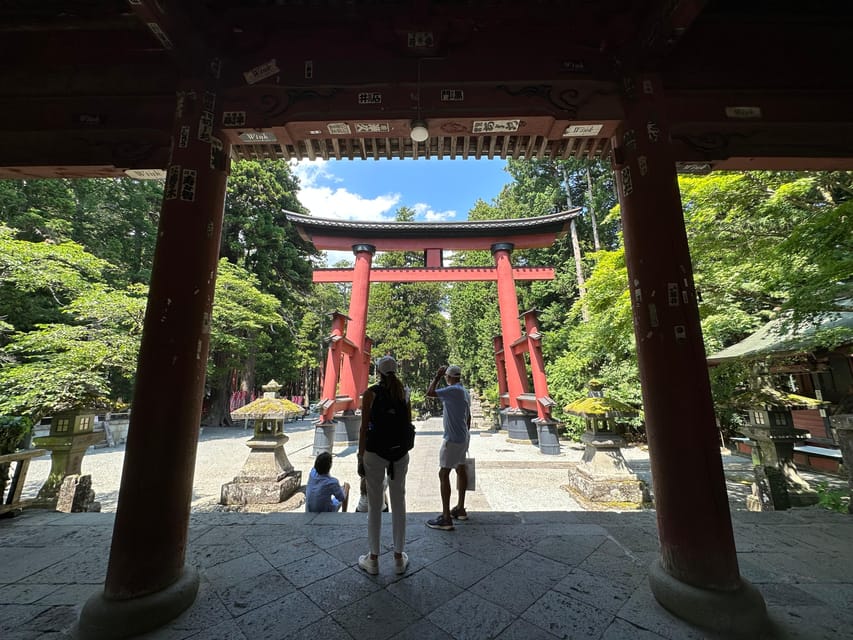
This private day trip works best if you want to maximize comfort and flexibility. A small group size helps you move smoothly and makes it easier for the driver to pace the day.
You’ll likely enjoy it most if you:
- Want a private car with door-to-door pickup
- Prefer English support from your driver
- Like choosing how long to stay at each stop instead of sprinting between fixed timings
- Want classic Mt. Fuji scenery or a Hakone mix of viewpoints, water, and art
You should think twice if:
- You’re pregnant (it’s listed as not suitable)
- You’re very elderly; the tour notes it’s not suitable for people over 95
- You’re sensitive to long road travel, since 10 hours includes highway time and delays
And if you’re traveling during the summer window from July 5 to September 11, remember that private vehicles can’t reach Mt. Fuji 5th Station. You’ll rely on the shuttle bus from the parking lot costing ¥1000.
Should you book this Tokyo to Mount Fuji and Hakone private day trip?
I’d book this if you value comfort, a small group, and an English-speaking driver who helps you handle roads and timing. The biggest practical win is door-to-door pickup plus the ability to linger at viewpoints like you want. The route options also make it easier to match your mood: Fuji Five Lakes style, or Hakone’s ropeway-water-art combo.
Don’t book if you’re determined to travel ultra-budget and only want a few paid extras, because food and some entrances still cost money. Also, if you’re booking specifically for Mt. Fuji 5th Station during July 5 to September 11, be ready for the shuttle change.
If you’re on the fence, do this: choose the route you’d still enjoy even if clouds happen. Then message your driver about what matters most to you—5th Station time, ropeway focus, or a calmer ending at Oshino Hakkai or the Open Air Museum.
FAQ
How much does the private day trip cost?
It’s $373 per group, for up to 6 people.
How long is the day trip?
The duration is listed as 10 hours. You’ll need to check availability to see starting times.
Where does pickup and drop-off happen?
You’ll be picked up from your accommodation in Tokyo. Pickup and drop-off are available across central Tokyo areas listed across Tokyo’s 23 wards. The driver may be up to 30 minutes late due to traffic. Airport pickup and drop-off aren’t available.
What languages does the driver speak?
The driver is listed as English, Hindi, and is described as English-speaking.
What’s included in the price?
Included are hotel pickup and drop-off, private transportation in an air-conditioned vehicle, an English-speaking driver, and fuel and tolls.
Are food and entrance fees included?
Food and drinks are not included. Mt. Fuji 5th Station entry fee (2100¥ for a group up to 9 people) and activities entry fees are also not included.
What should I bring for the trip?
Bring comfortable shoes and clothes, and cash. The tour notes that some shops and activities might not accept credit cards.