REVIEW · TOKYO
From Tokyo: Mount Fuji Sightseeing One Day Trip
Book on Viator →Operated by F Trip · Bookable on Viator
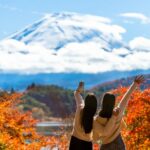
Fuji days can start with one gasp. This one-day trip is built to get you to the best viewpoints with round-trip transportation from Tokyo or Shinjuku and scheduled stops that make photo timing easier. I like that you’re not stuck planning trains or transfers, and I especially like that the day touches several classic Mount Fuji angles without feeling like you’re sprinting through a dozen bus routes. One consideration: Mt Fuji visibility is weather-dependent, so you may leave with great lake and village scenery even if the mountain is partly hidden.
You’ll ride in an air-conditioned vehicle for about 10 hours and hit a run of stops that are mostly free to enter. It’s a smart way to see Fuji Five Lakes country if you only have a day, but the pacing can feel tight if you want long meals, lots of browsing, or slow walking in each crowded viewpoint.
In This Review
- Key highlights you’ll actually feel during the day
- Price and logistics: what $58.90 buys you
- Entering the Fuji photo circuit: why this route works
- Chureito Pagoda and Arakura Shrine: the classic start (and the quick ritual)
- Lake Kawaguchiko and Oishi Park: where Fuji meets water
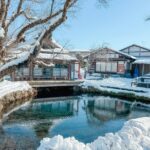
- Oshino Hakkai: eight spring ponds and a quieter pace
- Hikawa Clock Shop and the Lawson Fuji photo stop: town vibes with a Fuji view
- What the 10-hour day feels like: crowds, timing, and comfort
- Who this Mount Fuji day trip is best for
- Should you book this Mount Fuji one-day trip?
- FAQ
- How long is the Mount Fuji one-day trip from Tokyo?
- How much does the tour cost?
- What’s included in the price?
- Is there a mobile ticket?
- Where does the tour start?
- How much time do you get at each stop?
- Are there admission fees for the stops?
- Can I cancel if plans change?
- What if I’m traveling with stroller or large luggage?
Key highlights you’ll actually feel during the day
- Guide-led timing that helps you move fast between photo spots without guessing.
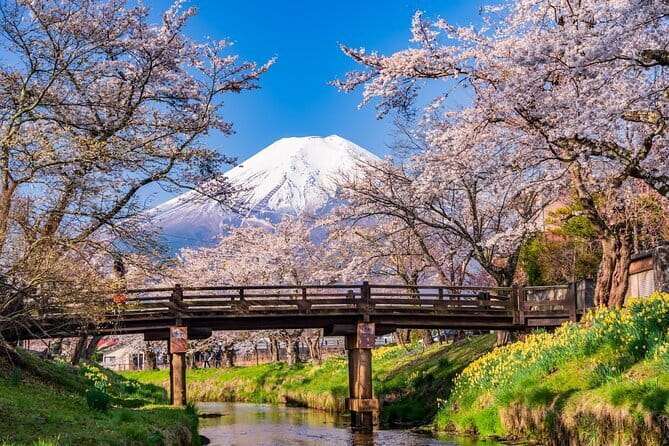
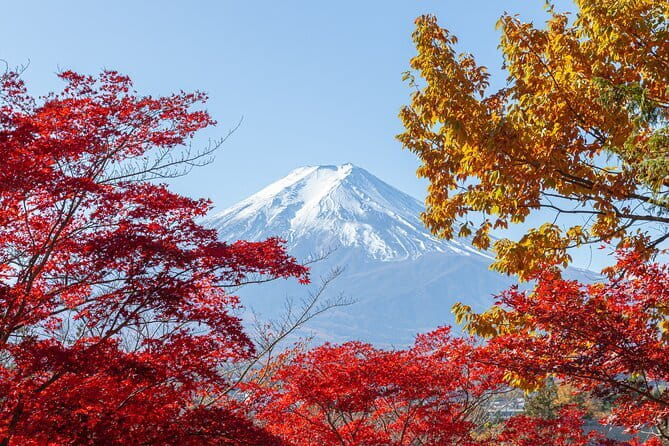
- Multiple Fuji angles across pagoda, shrine, lake, springs, and town-photo stops.
- Free-entry stops at each listed sightseeing location, so you can focus on photos.
- Air-conditioned comfort plus a planned bus route through the mountains.
- Photo-friendly stops designed for quick videos and family shots.
- Small-ish group size with a maximum of 45 people.
Price and logistics: what $58.90 buys you
At $58.90 per person, this Mount Fuji day trip is priced like a budget-friendly “get there, see it” option. The value comes from the basics that are hard to DIY when you’re new to Japan: you get round-trip transportation, an organized route, and entry covered for the sightseeing stops (the itinerary lists free admission at each stop, and the package includes all fees and taxes).
The schedule runs about 10 hours, which matters because Fuji-area transit can eat time. With this tour, you’re using that time for viewpoints and short walks rather than figuring out connections. You also get a mobile ticket, which is convenient when you’re bouncing between apps, trains, and meeting points.
Two practical logistics points:
- The tour is described as being near public transportation, which helps if you’re already in Tokyo and moving around day to day.
- You should plan to travel light. If you have a stroller or large luggage, you’re asked to indicate it at booking so you don’t end up in a cramped, annoying setup on the bus.
You can also read our reviews of more tours and experiences in Tokyo.
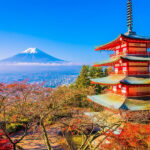


Entering the Fuji photo circuit: why this route works
What makes this tour work is that it’s built around a simple problem: Mount Fuji doesn’t always show itself. So instead of betting your whole day on one view, the itinerary spreads your chances across different spots.
Here’s the rhythm: you’ll start with a famous postcard scene, then move to a shrine area that’s tied to the mountain’s cultural presence, then shift to the lake for classic horizon shots. After that, you’ll go to spring ponds in a village setting, then end with small-town photo backdrops that put Fuji into a more everyday Japan frame.
This is also why the day feels “full.” You’re not just sightseeing—you’re collecting different kinds of Fuji:
- Fuji framed by architecture (pagoda, shrine)
- Fuji framed by water (Lake Kawaguchi and Oishi Park)
- Fuji framed by springs and walking paths (Oshino Hakkai)
- Fuji framed by street scenes (clock shop and the convenience-store viewpoint)
Chureito Pagoda and Arakura Shrine: the classic start (and the quick ritual)
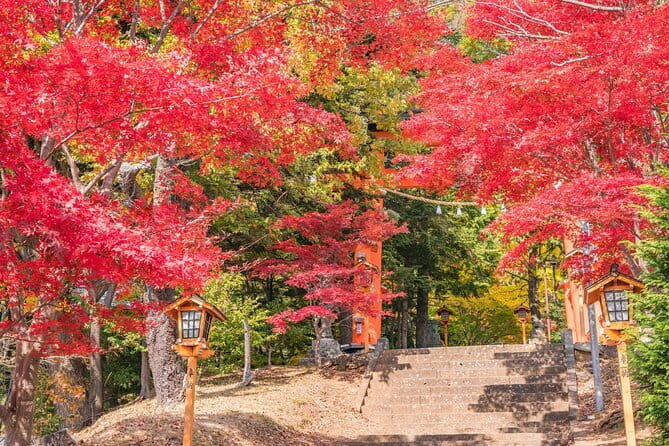
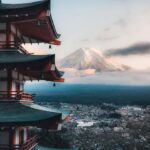
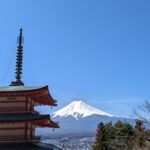
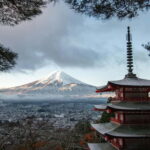
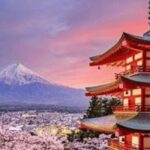
Your first stop is Chureito Pagoda in Arakurayama Sengen Park, with a 1-hour window. This is the scene people chase: a pagoda with Mount Fuji in the background, plus the viewpoint that looks out over Fujiyoshida City. The reason this stop is such a big deal is timing. Early in the day is often when the air is clearer, and it’s one of the best places to get that instantly recognizable “Fuji photo” with minimal effort.
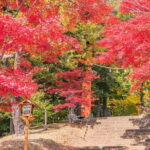
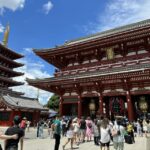
Right after that, you’ll visit Arakura Fuji Sengen Shrine for about 15 minutes. The shrine is described as dating back to 705 and serving as a guardian for Arakura Village for over 1,300 years. In practical terms, this stop works as a breather between picture spots: you get a quick cultural pause, and then you move on while the group still has energy.
Two considerations for these two stops:
- You’re going to see crowds here on many days, so treat browsing like a bonus, not a plan.
- Because you’re on a timetable, don’t assume you’ll have time to wander far away from the main viewpoint.
Lake Kawaguchiko and Oishi Park: where Fuji meets water
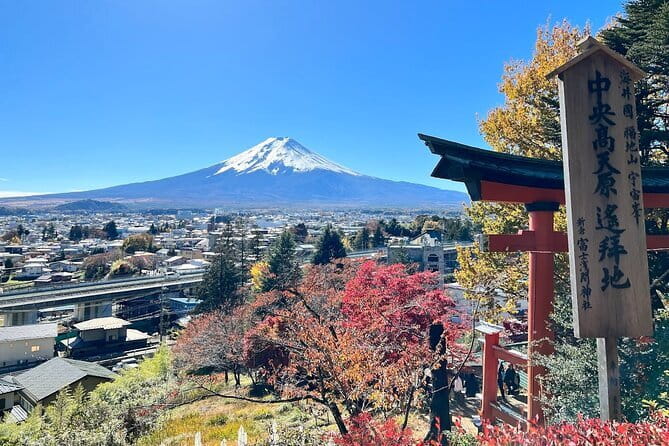
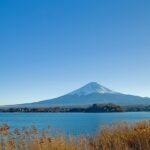
Next up is Lake Kawaguchiko, the most popular of the Fuji Five Lakes. You get around 20 minutes here, and the big idea is simple: the lakeside view can turn Fuji into a mirror-like horizon when the weather cooperates. The longer shoreline also means there are multiple angles available nearby, even if your time is limited.
Then comes Oishi Park for about 30 minutes. This stop is set up for variety in a way the pagoda stop can’t match. You’ll be looking at Lake Kawaguchi plus Mount Fuji together, and the lakeside promenade is described as having flowers that bloom according to the season. That matters because it changes the mood of your photos. The lake view alone can be gorgeous, but adding seasonal color gives you images that feel less repetitive.
Practical tips for the lake portion:
- Wear shoes you can walk in. Even “short” stops involve steps and moving with the flow of people.
- Have a flexible mindset about clouds. The tour’s structure gives you multiple shots across the day, but the lake is still one of the key moments when Fuji might be visible or might hide.
Oshino Hakkai: eight spring ponds and a quieter pace
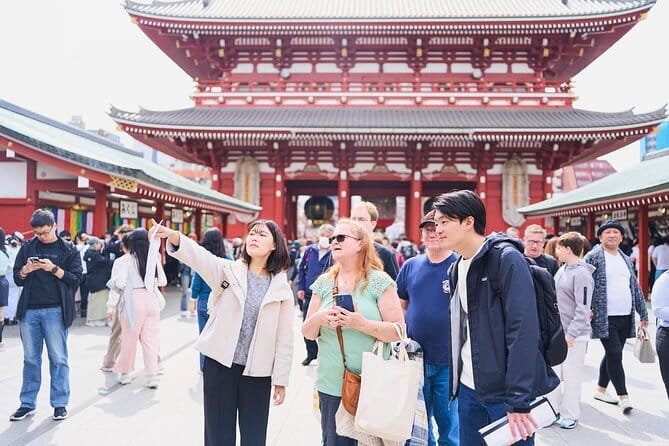
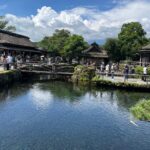
Oshino Hakkai is one of the best places in the Fuji area to slow down just a little. You’ll have about 1 hour, and the highlight is the village’s eight clear spring water ponds, described as being recognized among Japan’s Top 100 Famous Waters. It’s also noted as a Natural Monument and connected to the broader Mount Fuji World Heritage area.
Why I like this stop for a one-day itinerary: it’s not just “look at Fuji.” It’s “walk in a place shaped by Fuji’s water.” Those ponds create a different kind of atmosphere from the pagoda and lake views. Even if Fuji isn’t fully visible, the ponds can still deliver a satisfying visual payoff.
A possible drawback: this is a village. That means you’ll likely want to buy snacks or small souvenirs, but with a tour schedule, you may only get a quick pass through shops. If food is important, plan to grab it during the stop rather than assuming you’ll have extra time later.
Hikawa Clock Shop and the Lawson Fuji photo stop: town vibes with a Fuji view
After the natural stops, the tour shifts to “everyday Japan with Fuji in the background.”
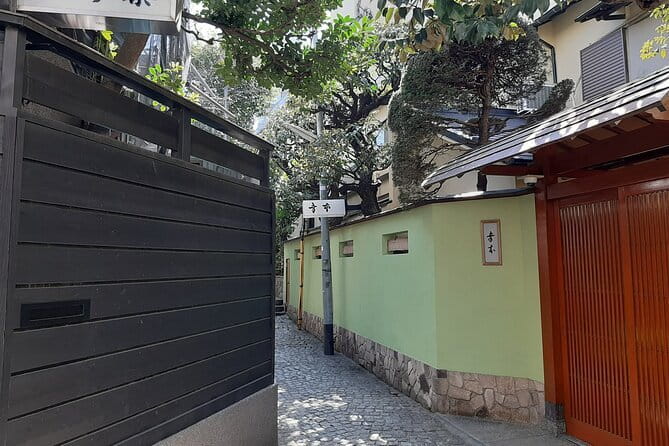
First is Hikawa Clock Shop, with about 20 minutes. There’s a described path that leads toward an iconic angle where you can capture Japanese street scenes with Mount Fuji in the background. This is a nice reset. Instead of a single grand viewpoint, you get a more human-scale Fuji frame.
Then there’s a short stop at Lawson Fujikawaguchiko Town Hall for around 15 minutes. The draw here is the Instagram-famous contrast: the modern blue facade of the convenience store with Mount Fuji behind it. It’s quick, and it’s popular—so think of it like a photo checkpoint, not a hangout.
Two tips to make these final stops work:
- Have your phone ready before you arrive. These are timed moments, and lines or crowd movement can slow you down.
- If Fuji is clouded at this point, don’t panic. The value is still in getting the Fuji-in-town contrast, and the earlier stops may already have delivered the bigger views.
What the 10-hour day feels like: crowds, timing, and comfort
This tour is built to cover a lot, so the feeling can be intense in a good way, or intense in a stressful way—depends on your expectations.
Here’s what you can usually count on:
- Punctual movement. Many departures are run tightly, and guides keep the group on schedule.
- Short windows at each stop. Even with enough time for photos, you won’t have hours to explore side streets or linger in cafés.
- Crowds at the big viewpoints. Some of the most popular Fuji angles can get busy fast.
Comfort note: the vehicle is air-conditioned, but at least one experience notes that the bus comfort and air conditioning setting might be less ideal than expected. Bring a light layer you can adjust, and keep a small umbrella handy. Fuji-area weather can shift quickly, and when rain hits, it tends to hit hard.
The elephant in the room is visibility. Clear Fuji can happen, but not on command. One important lesson from people who took this tour is that you should treat Mount Fuji visibility like a bonus, not a guarantee. Going to multiple viewpoints is the smart strategy, and it’s exactly why the itinerary includes so many different vantage styles.
Finally, timing for meals: lunch is not included. If you want a specific meal, don’t wait until the end of the day. Plan to eat during a stop when time allows, and remember that your window is limited.
Who this Mount Fuji day trip is best for
This is a great match if:
- You want a one-day plan and don’t want to fight public transit on your first trip to Japan.
- You care about getting photos from several Fuji viewpoints without needing to plan each one yourself.
- You like guided pacing that tells you where to stand and when to move.
It may be less perfect if:
- You want a slow, low-pressure day with lots of free exploration and long meals.
- You’re highly sensitive to English narration quality. Some guides are praised for clear, organized commentary, while a small number of experiences note that English understanding can vary.
If you’re traveling with kids, a stroller might still be possible, but you’ll want to flag it at booking. If you have mobility limits, the itinerary involves walking in several stops, so you’ll want to plan with your own comfort level in mind.
Should you book this Mount Fuji one-day trip?
I’d book it if you’re optimizing for convenience and maximizing your odds. The combination of round-trip transport from Tokyo/Shinjuku, an organized photo circuit, and free-entry stops makes it one of the easier ways to experience the Fuji Five Lakes area in a single day.
But I’d think twice if your whole trip hinges on seeing Mount Fuji perfectly from one magical viewpoint. Weather is the decider here. The tour helps by spreading views across the day, yet you still need to accept that clouds and fog can win.
A smart decision rule:
- If you want logistics taken off your plate, and you’re happy collecting multiple Fuji moments, book it.
- If you want a long, unhurried nature day with minimal crowds and lots of shopping time, consider a slower plan in the Fuji area instead.
FAQ
How long is the Mount Fuji one-day trip from Tokyo?
The tour runs for about 10 hours.
How much does the tour cost?
The price is $58.90 per person.
What’s included in the price?
Air-conditioned vehicle transportation and all fees and taxes are included. Lunch is not included.
Is there a mobile ticket?
Yes, the tour uses a mobile ticket.
Where does the tour start?
It’s offered from Tokyo or Shinjuku.
How much time do you get at each stop?
The itinerary lists time windows for each stop, including about 1 hour at Chureito Pagoda and Oshino Hakkai, 30 minutes at Oishi Park, and shorter photo stops of around 15–20 minutes at the shrine and town-photo locations.
Are there admission fees for the stops?
The itinerary lists admission as free for the stops mentioned.
Can I cancel if plans change?
Yes. You can cancel up to 24 hours in advance for a full refund.
What if I’m traveling with stroller or large luggage?
You should indicate it when booking so the tour can plan accordingly.