REVIEW · TOKYO
From Tokyo/Yokohama: Mount Fuji and Hakone Private Day Trip
Book on GetYourGuide →Operated by Japan-tours · Bookable on GetYourGuide
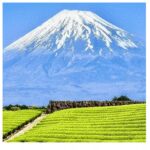
Fuji looks simple from Tokyo. It is not. This private Mount Fuji and Hakone day trip strings together crater viewpoints, snowmelt ponds, and Hakone’s volcanic scenery in one smooth day. I like that you get door-to-door pickup and a real driver/guide instead of a bus shuffle, and I also love how many “Fuji angles” you can chase across the day.
The main drawback to plan for is weather. If clouds roll in, you may not see a full-clear Fuji from every stop, and some viewpoints might turn into photo missions instead of miracle moments. That said, a good guide can still keep your day moving with the best alternates for what the sky gives you.
In This Review
- Key highlights you’ll actually feel in the day
- From pickup to timing: how this 10-hour private day really moves
- Fuji Five Lakes first: Oishi Park and the Arakurayama Sengen Park views
- Oshino Hakkai and Kitaguchi-hongu Fuji Sengen Shrine: snowmelt ponds and 1000-year cedar
- Subaru 5th Station at 2,300 meters: crater views and the Tenjosan Komitake Shrine connection
- The Hakone turn: volcanic scenery, Owakudani by cable car, and onsen-country vibes
- Lake Ashi sightseeing cruise and Hakone Open Air Museum: water views plus outdoor art
- Price and value: is $407 per group up to 6 a fair deal?
- How your guide can shape the day (and why that matters)
- What to bring and what to remember (so the day feels easy)
- Who should book this private Mount Fuji and Hakone day trip?
- Should you book it?
- FAQ
- How long is the Mount Fuji and Hakone private day trip?
- What is the price for this tour?
- Where do pickup and drop-off happen?
- What is included in the tour price?
- What is not included?
- Is the Lake Ashi boat cruise and Hakone cable car included?
- What languages are available for the live guide?
Key highlights you’ll actually feel in the day
- Private group flexibility lets you match pacing to your crew, not a crowd schedule
- Fuji viewpoints above 2,300 meters (Subaru 5th Station) for big, high-altitude views
- Oshino Hakkai’s eight ponds from Fuji snowmelt, plus a slow, pretty stroll
- Hakone ropeway and Lake Ashi cruise options for volcanic scenery and water views
- Hakone Open Air Museum time for art with outdoor views, not just photo ops
- Skip-the-ticket-line helps you spend time looking, not waiting
From pickup to timing: how this 10-hour private day really moves
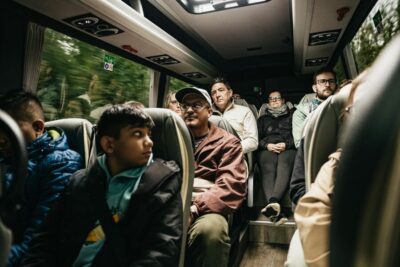
This is a 10-hour private day trip built around comfort and efficiency. You get hotel pickup and drop-off (from Tokyo, Yokohama, Hakone, or Kawaguchi), driven in an air-conditioned vehicle. That matters because the Fuji/Hakone area is far enough that travel time can eat your day if you’re piecing it together on your own.
A couple of practical notes shape your expectations:
- You’re operating within a fixed time window, so not every optional experience can become mandatory. The tour specifically flags that the listed places are a reference and might not all fit in 10 hours.
- Pickup/route flow matters: starting times vary by availability, and your guide can sometimes reorder stops to chase better viewing conditions when weather is unpredictable.
Even if you’re used to Japan’s trains, this kind of private routing is a good way to reduce stress. You can focus on walking where it counts and sit when you need to.
You can also read our reviews of more tours and experiences in Tokyo.


Fuji Five Lakes first: Oishi Park and the Arakurayama Sengen Park views
Your Fuji day starts with a scenic drive into the Fuji Five Lakes area. One early stop is Oishi Park, typically a photo-and-stroll kind of place with time to walk, enjoy views, and even do a bit of shopping. If you’re thinking, I want Fuji with a calmer vibe, that’s the role Oishi Park can play: less shrine-formality, more “look around and take it in.”
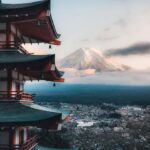
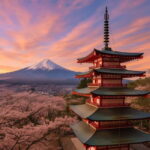
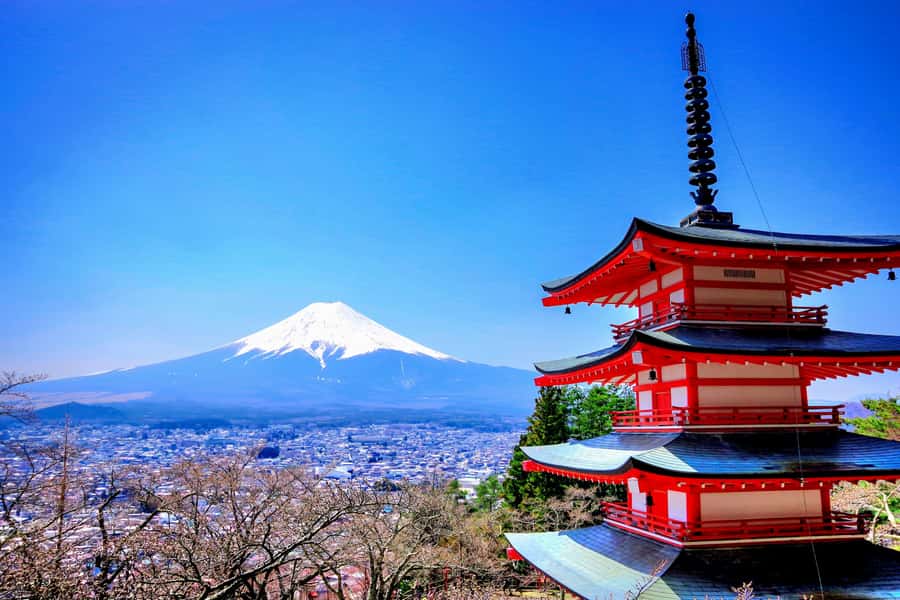
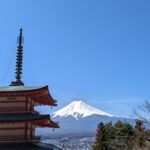
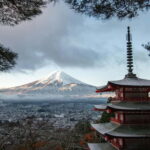
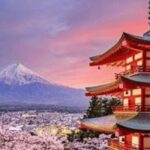
Next comes Arakurayama Sengen Park, where you’ll find the world-famous five-story Chureito Pagoda viewpoint. The key detail here is that it sits in a park setting tied to Arakurayama Sengen. On a clear day, that means you can catch Fuji framed in a very iconic way. If it’s hazy, you still get the shrine-park atmosphere and the sense of being in the Fuji foothills.
Drawback to keep in mind: this is popular scenery. Even on the best day, you’ll want to plan on short photo queues and some crowd flow. The private part helps because you can time your walk better than you could on a tight group bus schedule.
Oshino Hakkai and Kitaguchi-hongu Fuji Sengen Shrine: snowmelt ponds and 1000-year cedar
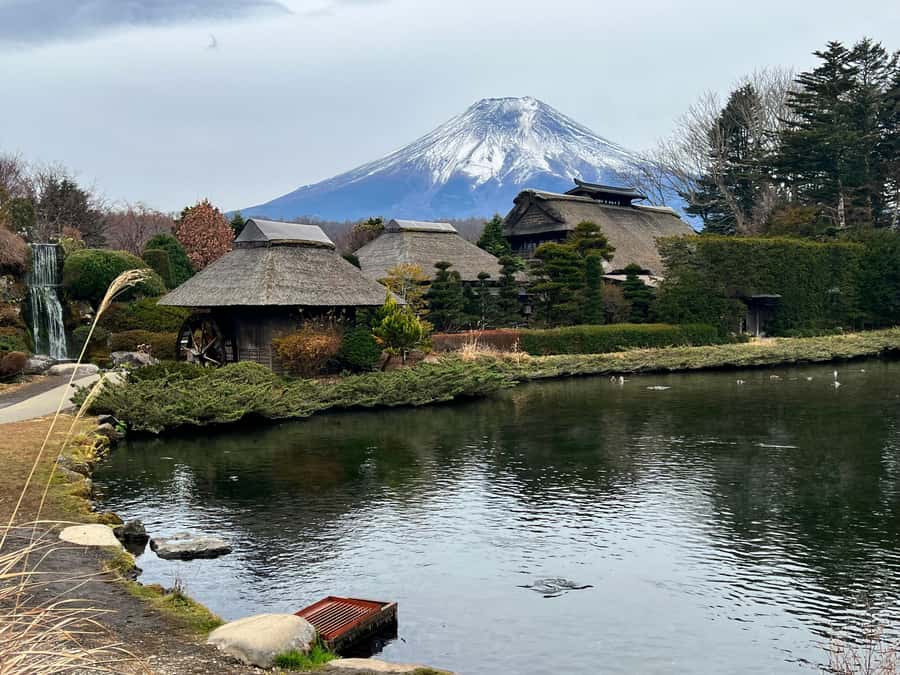
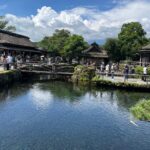
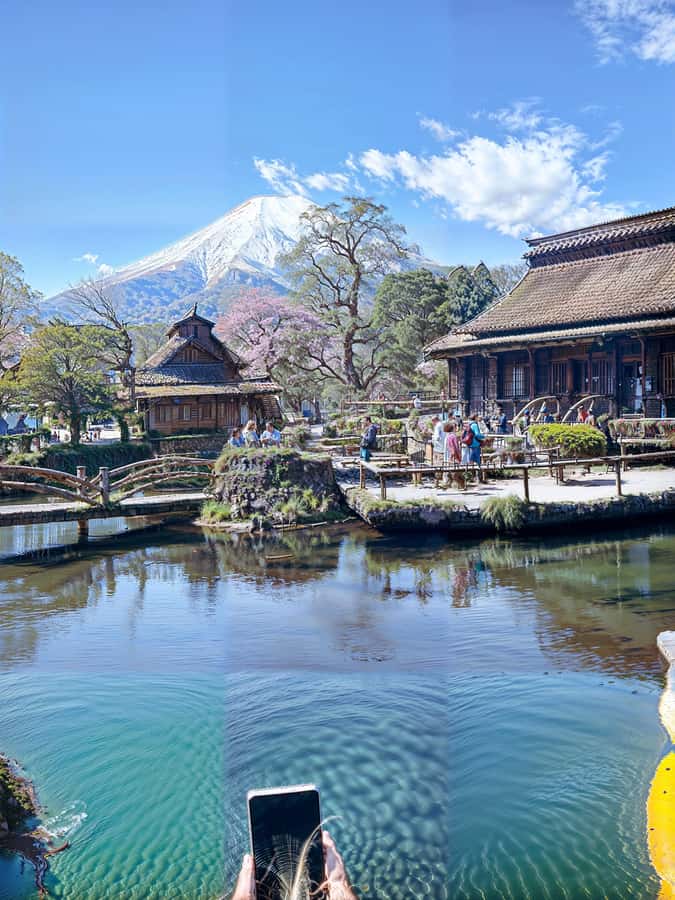
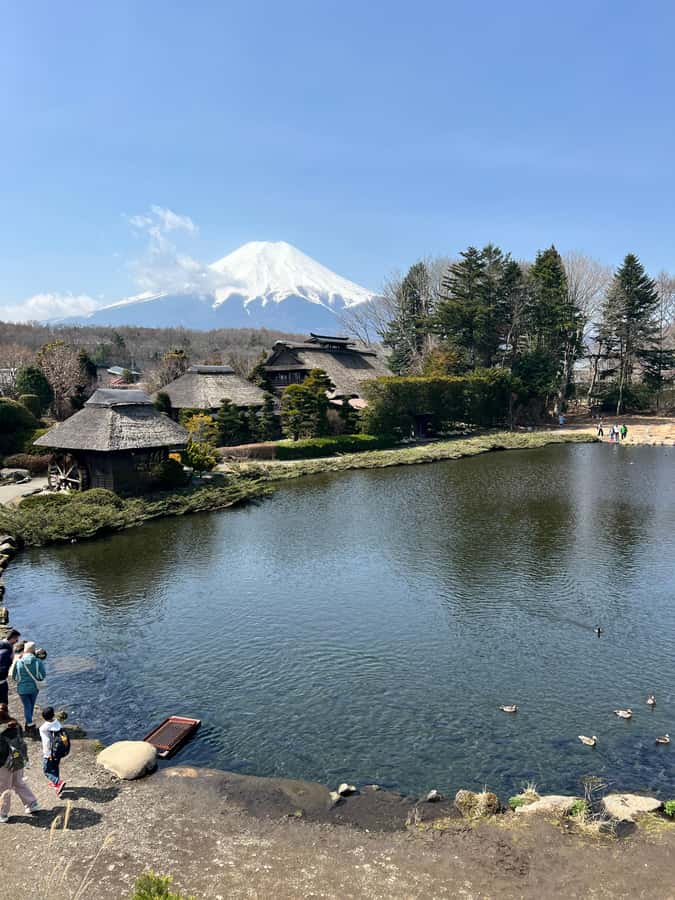
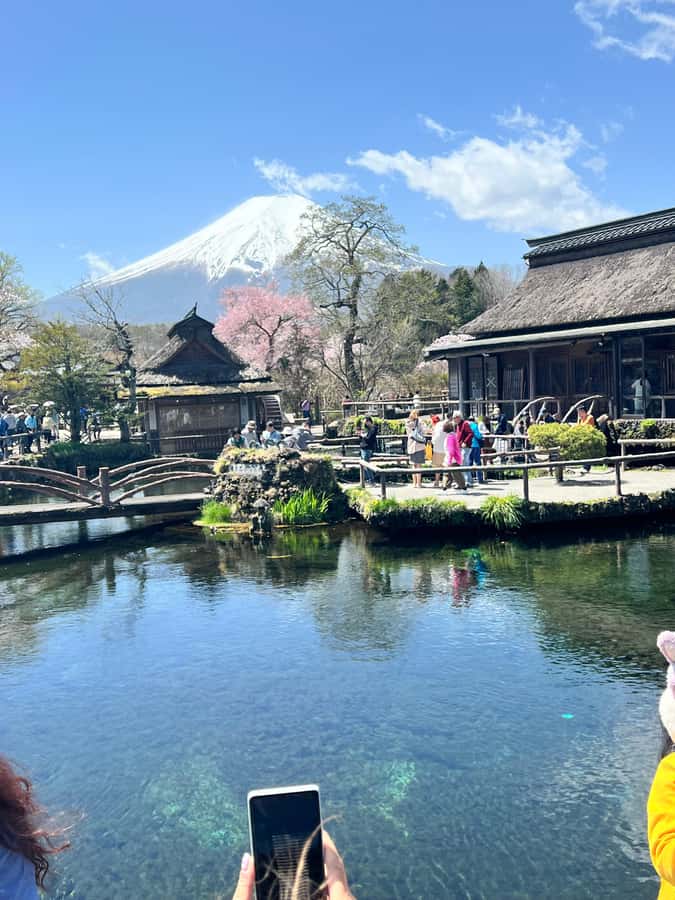
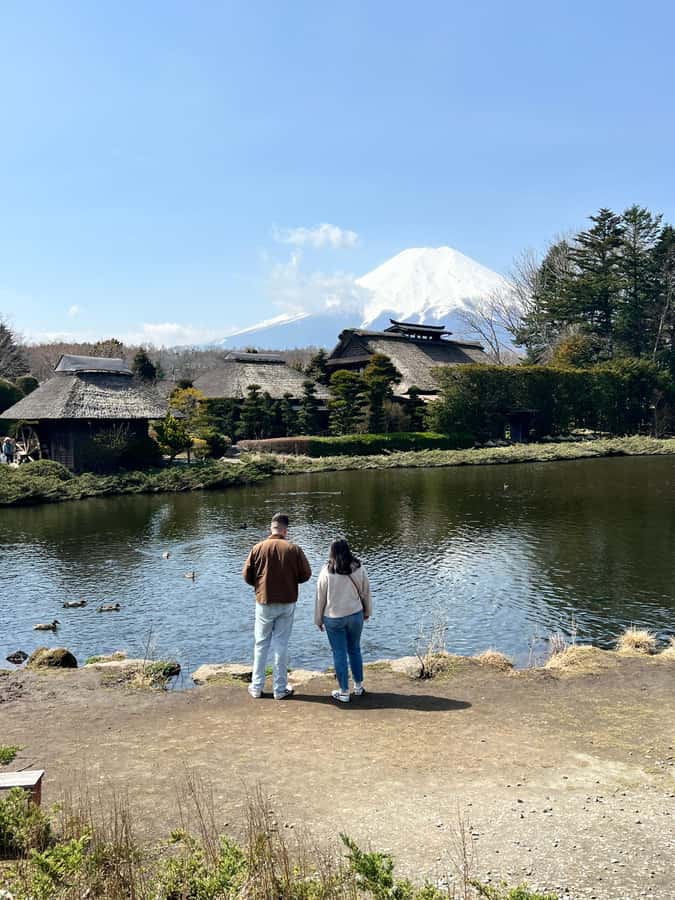
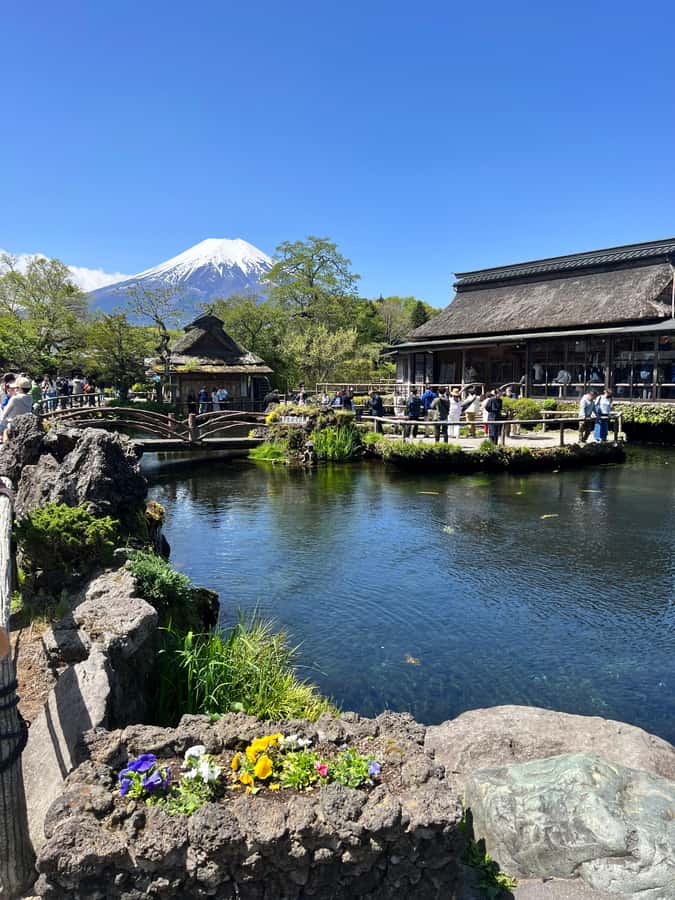
After you’ve gotten your Fuji-poster photos, you shift into something more grounded and local: Oshino Hakkai. This is a village built around eight ponds fed by snowmelt from Mount Fuji. The result is a calm, almost unreal-looking water set-up: you’re walking among ponds, traditional buildings, and that quiet “Fuji is nearby” feeling.
Why this works on a one-day trip:
- It’s not just a view. It’s a place with a story you can see with your own eyes.
- It’s walkable in small chunks, so you can pace yourself without feeling like you’re on a nonstop sprint.
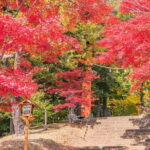
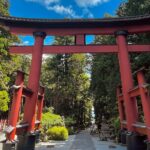
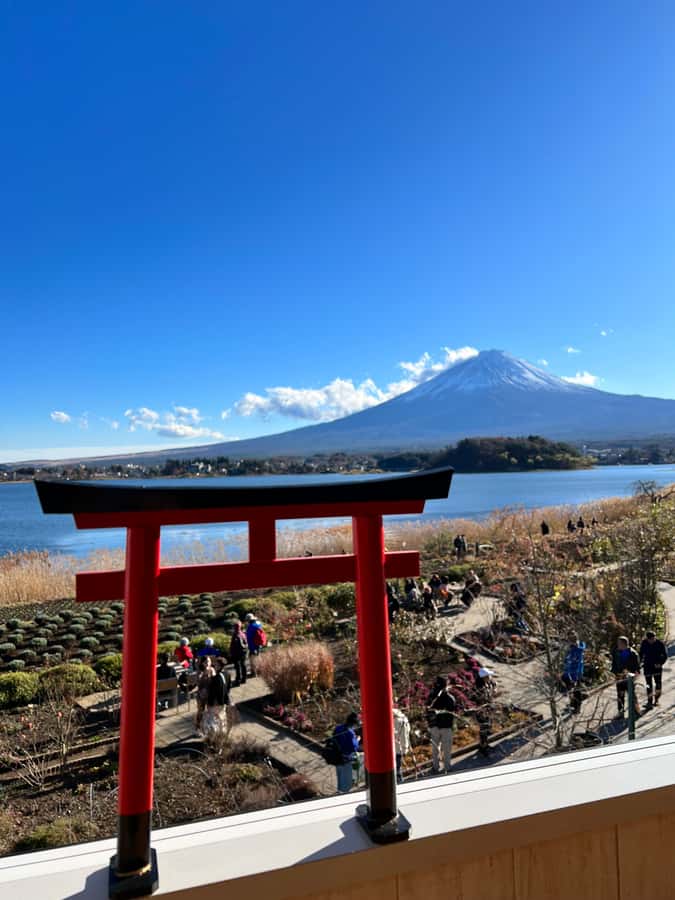
Then you move to Kitaguchi-hongu Fuji Sengen Shrine, a major Mount Fuji shrine known for its red torii gates and a peaceful atmosphere. This stop has a specific texture: there’s a shaded path under tall cedar trees that are listed as more than 1000 years old, plus stone lanterns lining parts of the route.
Consideration: this is a spiritual stop, not a food court. If you’re traveling with kids or you’re on a tight timing budget, it helps to treat it as a short wander with a photo goal, then move on.
Subaru 5th Station at 2,300 meters: crater views and the Tenjosan Komitake Shrine connection
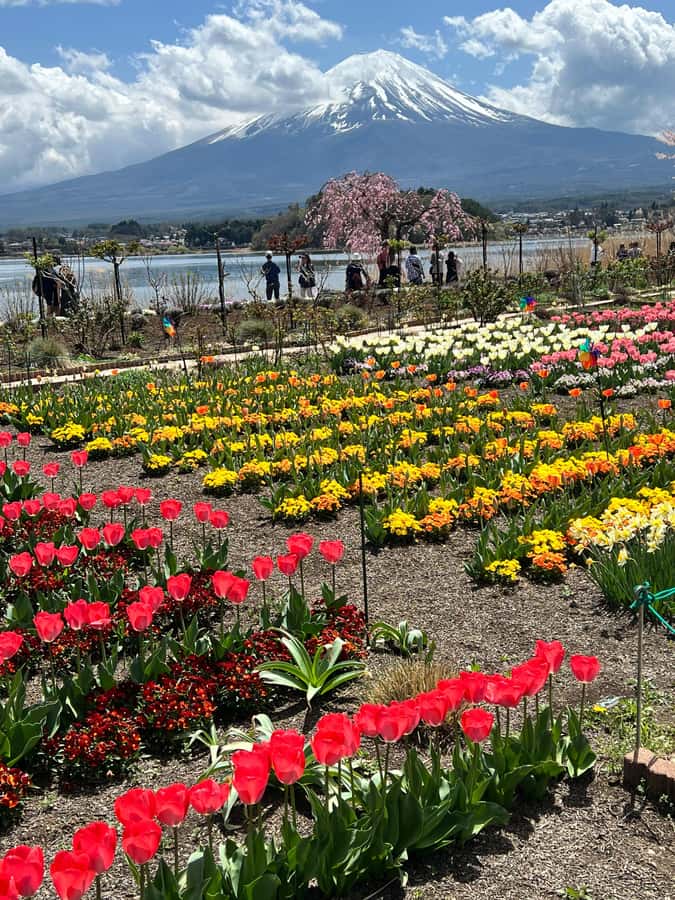
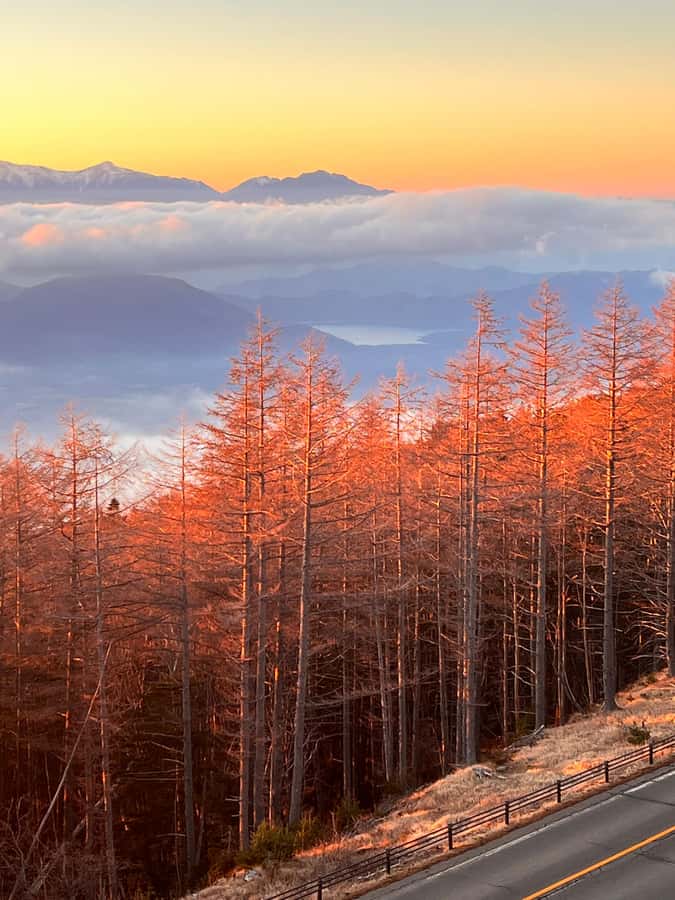
If you want a “wow, we really went up” moment, plan for Subaru 5th Station. It’s listed as sitting around 2,300 meters above sea level, which means thinner air, cooler temperatures, and big-open views of the crater area and surrounding mountains. At this altitude, you don’t just see Fuji—you feel the mountain’s scale.
Also at this point is Tenjosan Komitake Shrine, tied to Mount Fuji’s sacred geography. The practical value: it gives you an anchored stop at the high point, plus another chance to view Lake Yamanaka and Fujiyoshida City depending on weather.
Two tips for this part:
- Bring comfortable clothes layers even in warmer months. High altitude can surprise you.
- Don’t expect every day to look like a postcard. If visibility is reduced, you can still enjoy the altitude and the mountain zone experience.
And yes, there is an extra Mt Fuji entrance fee (2100¥ per group) not included in the tour price. You’ll want cash ready so your guide isn’t stuck negotiating at a counter.
The Hakone turn: volcanic scenery, Owakudani by cable car, and onsen-country vibes
Now you shift from the Fuji Five Lakes side to Hakone National Park, where the scenery changes character. Instead of only “Fuji and lakes,” you get volcanic valleys and the sense of heat coming from below. Hot springs are part of Hakone’s identity, even if you’re not booked into a long onsen session.
One of the core adds here is the cable car segment—the tour highlights it as Hakone Ropeway time (not included ticket-wise). The ropeway portion is aimed at Owakudani Valley area views, which is where volcanic landscapes become the star.
What you’ll likely feel in this section:
- More movement and transit in shorter spans (ropeway time compresses a lot of views).
- A stronger “climate” change if it’s windy or cool near the valley.
Watch-outs:
- If cloud cover is thick, Hakone’s volcanic area can still be atmospheric, but panoramic views may be reduced. This is why timing and re-ordering can matter.
Lake Ashi sightseeing cruise and Hakone Open Air Museum: water views plus outdoor art
Hakone isn’t only about heat and cable cars. You also get Lake Ashi, a key scenic waterway where Mount Fuji’s presence can feel closer, reflected, or framed depending on conditions.
Two optional components are specifically called out:
- Lake Ashi pirate cruise boat time (tickets not included)
- Hakone ropeway (tickets not included)
If you do the cruise, you’ll be looking at water with mountains and volcanic backdrops around it. Even if Fuji isn’t razor-clear, this is the kind of scenery that makes the day feel complete, because it changes the viewpoint from roadside and valley angles to something that feels more expansive.
Then there’s Hakone Open Air Museum time, also listed as a highlight but with entry ticket not included. The museum’s value on a day like this is simple: outdoor art with wide pacing. You get a break from constant scanning for views, and you can enjoy sculptures and artworks while walking gentler paths.
Practical consideration: both the cruise and the museum are ticketed extras. If you’re counting yen, build those into your budget early.
Price and value: is $407 per group up to 6 a fair deal?
This tour is listed at $407 per group (up to 6 people). The math gets good fast because you’re not just paying for “tickets to places.” You’re paying for:
- Hotel pickup and drop-off
- Private transportation in an air-conditioned vehicle
- A driver/guide
- Parking fees and a water bottle
Your extra costs to plan for:
- Mt Fuji entrance fee: 2100¥ per group (not included)
- Boat cruise, cable car, and museum entry tickets: not included
- Lunch: not included
- Possible 5000¥ pickup charge if pickup is outside Tokyo’s 23 wards (paid in cash on tour day)
So here’s the value call I’d make:
- If you can fill a few seats, the per-person cost drops sharply compared with paying for individual buses or taxis on a tight schedule.
- If you’re the only traveler in your party, it’s still a convenient way to compress a big day into one planned route, but your “bang for buck” depends on how many ticketed add-ons you actually want.
Also worth noting: the tour offers skip-the-ticket-line. On popular days, that can be the difference between enjoying a stop and feeling rushed.
How your guide can shape the day (and why that matters)
This isn’t a rigid script. Your guide is there to manage timing, crowd rhythms, and how much you move at each stop. In the reviews, names like Ali, Mukarram, Hadi, David, Zia, Khan, and Bajwa come up with a consistent theme: they adjust the day when weather changes, and they handle logistics so you can focus on seeing.
That matters because Mount Fuji days are weather-driven. Some days you get crisp views from multiple angles. Some days you don’t. When that happens, the best guides use the day to still deliver a full experience—by swapping viewpoint order or leaning into lakes, shrines, ponds, and volcanic scenery where visibility can be more forgiving.
If you’re the type who likes taking photos, guides can also help you time moments and pick workable vantage angles without turning your group into a human traffic jam.
What to bring and what to remember (so the day feels easy)
Bring:
- Comfortable shoes
- Camera
- Comfortable clothes
- Cash (for Fuji entrance fee, and possible pickup charge outside Tokyo’s 23 wards)
Remember:
- No smoking in the vehicle.
- Accessibility is supported: it’s listed as wheelchair accessible.
- The tour is labeled not suitable for people over 95, so check with your booking channel if you’re close to that range.
One more tip: Fuji and Hakone days mean you’ll likely move in and out of vehicles, stand for viewpoints, and walk uneven outdoor paths. Comfortable shoes are not optional on this kind of route.
Who should book this private Mount Fuji and Hakone day trip?
I’d point this tour at you if:
- You want a single-day “greatest hits” version of Fuji and Hakone without negotiating train lines and transfers.
- You’re traveling as a small group (up to 6) and want the convenience to pay off.
- You like mix-and-match pacing: short walks, scenic drives, shrine time, then a viewpoint reset.
You might consider skipping (or at least adjusting expectations) if:
- You’re chasing only one thing—like an uninterrupted Fuji-crater view—because this is a multi-stop day with weather variance.
- You want zero ticketed extras beyond the base price, since cruise/cable car/museum entry aren’t included.
Should you book it?
If you’re doing Tokyo or Yokohama and you want Mount Fuji plus Hakone in one day, I think this is a strong choice. The biggest reasons are practical: private pickup, guided stop management, and a route that covers iconic scenery plus cultural stops like Oshino Hakkai and Kitaguchi-hongu Fuji Sengen Shrine. Add in a potential Lake Ashi cruise and Hakone’s ropeway area, and the day feels like it has shape.
My call: book it if you’re okay planning for optional ticket costs and weather swings. With the right guide and a clear-enough day, you’ll leave with more than photos—you’ll feel like you actually toured the region, not just passed through it.
FAQ
How long is the Mount Fuji and Hakone private day trip?
The duration is 10 hours.
What is the price for this tour?
It’s listed at $407 per group, up to 6 people.
Where do pickup and drop-off happen?
Pickup and drop-off options include Yokohama, Tokyo, Hakone, and Kawaguchi.
What is included in the tour price?
Hotel pickup and drop-off, transportation by air-conditioned vehicle, a driver/guide, parking fees, and a water bottle.
What is not included?
Boat tour, cable car, and museum entry tickets, the Mount Fuji entrance fee (2100¥ per group), and lunch.
Is the Lake Ashi boat cruise and Hakone cable car included?
They are listed as optional, and the related ticket costs are not included in the base price.
What languages are available for the live guide?
The guide is available in English, Japanese, and Hindi.