REVIEW · TOKYO
Tokyo: Onsen, Arts, and Nature Day Trip to Fuji and Hakone
Book on GetYourGuide →Operated by ECexperience · Bookable on GetYourGuide
Fog changes the Hakone day plan. This full-day trip balances big scenery with a proper onsen break, plus less-frequented viewpoints where guides like Elie and Lenny can help you read what you’re seeing. I especially like the chance to slow down on Lake Ashi and then end in Tenzan Onsen with an unhurried soak and real Japanese meal. The one catch: visibility can swing fast—when Hakone fog rolls in, Mount Fuji might be limited, though the day still keeps moving.
You’ll also like that this is built for flexibility. You can choose private or small groups, and guides are known for adapting timing to your interests (and even comfort needs, like motion sickness). The downside to factor in is simple: it’s a long day with a lot of driving, so it’s best if you enjoy road time and don’t want a tight, back-to-back schedule.
In This Review
- Key highlights you’ll actually feel
- Getting out of Tokyo: pickup, drive time, and what to plan for
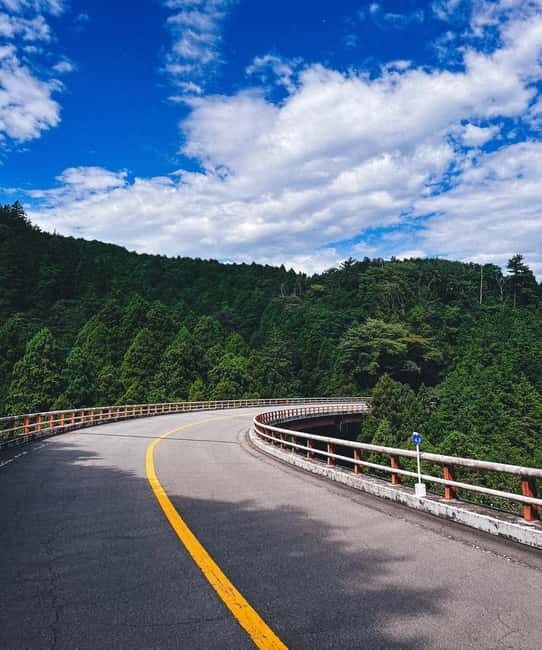
- Scenic road stops: panoramic Fuji, Hakone, and Sea of Japan views
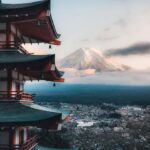
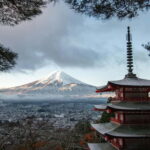
- The Mount Fuji moment: a quick 20-minute window
- Lake Ashi and Hakone Shrine: where the pace slows down
- Tenzan Onsen: lunch and the soak that resets everything
- Shakushi Pass and the Open-Air Museum: culture in good weather and rain
- Transportation, Wi‑Fi, and the practical stuff that makes or breaks the day
- The price: is $316 per person worth it?
- Who should book this Hakone and Fuji day trip?
- Should you book? My take
- FAQ
- How long is the day trip?
- Where does the tour start and end?
- Is hotel pickup available?
- Are food and drinks included?
- Are entry fees included?
- What languages are the guides?
- What should I bring for the onsen and walking parts?
Key highlights you’ll actually feel
- Private guide flexibility: You can tailor pacing and stops to what you care about most.
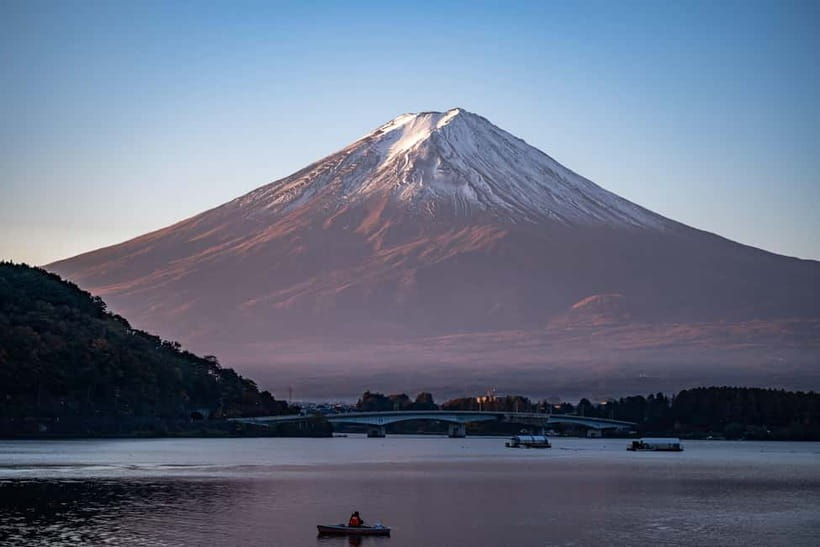
- Fuji and Sea-of-Japan viewpoints: Scenic road breaks aim at wide panoramic angles.
- Lake Ashi + Hakone Shrine timing: About an hour at each gives you breathing room, not a sprint.
- Tenzan Onsen with guidance: You’ll get help with onsen basics if it’s your first time.
- Open-Air Museum that matches the weather: Garden if it’s clear; architecture focus if it rains.
- Comfort-focused transport: Air-conditioned van, plus a Wi‑Fi hotspot when available.
Getting out of Tokyo: pickup, drive time, and what to plan for
This is one of those tours where the day starts before you even leave the city. You either meet at FamilyMart in advance, or you can request pickup from a hotel, Airbnb, or train station within Tokyo’s 23 wards. Either way, the goal is to make your morning feel easy instead of logistically stressful.
Once you’re in the air-conditioned vehicle, you’re rolling toward Hakone, with an early travel block that sets expectations: think of this as a full-day outing built around a scenic route, not a quick hit-and-run. The itinerary includes van time in both directions—so you’ll want comfortable clothes and shoes. If you’re prone to motion sickness, it helps to know that at least one guide (Elie) has accommodated a guest by keeping them seated up front and using straighter routes where possible. You can ask your guide if you have similar needs.
This isn’t a tour that forces you to constantly perform. The rhythm is more like: drive, pause, look around, then move again. And since the guide is live (English, French, or Japanese), you’re not stuck decoding everything on your own. There’s also a Wi‑Fi hotspot in the vehicle, but it depends on availability—so don’t treat it like a guarantee.
You can also read our reviews of more tours and experiences in Tokyo.
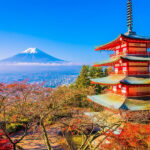


Scenic road stops: panoramic Fuji, Hakone, and Sea of Japan views
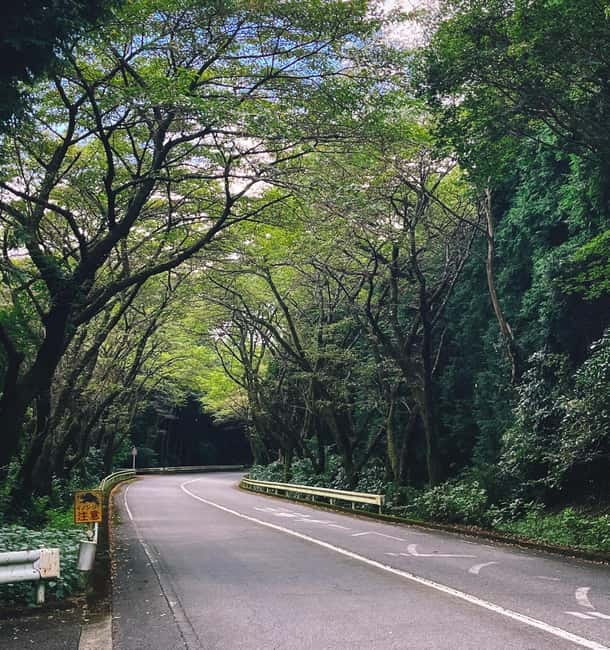
The heart of the sightseeing part is the driving with purpose. Before you reach the iconic spots, you’ll stop at viewpoints for about an hour. This is where the tour earns its money: not by cramming in more stops, but by using scenic breaks to maximize sightlines.
From these lookouts, you’re aiming for panoramic views of Mount Fuji, Hakone, and the Sea of Japan. Even when clouds take away Fuji’s full presence (fog and overcast are real here), you still get a layered feel—hills, water, and atmospheric depth. One of the best ways to enjoy Hakone is to treat “maybe” as part of the experience. If Fuji is visible, it’s a wow. If it isn’t, the region still reads beautifully.
The other practical win: your guide can help you choose where to stand and what to focus on while you’re there. In the experiences I’ve seen reflected in the guide style (Elie and Lenny are both cited for this), the storytelling makes the scenery feel less random and more meaningful—like you’re watching a place with a logic.
The Mount Fuji moment: a quick 20-minute window
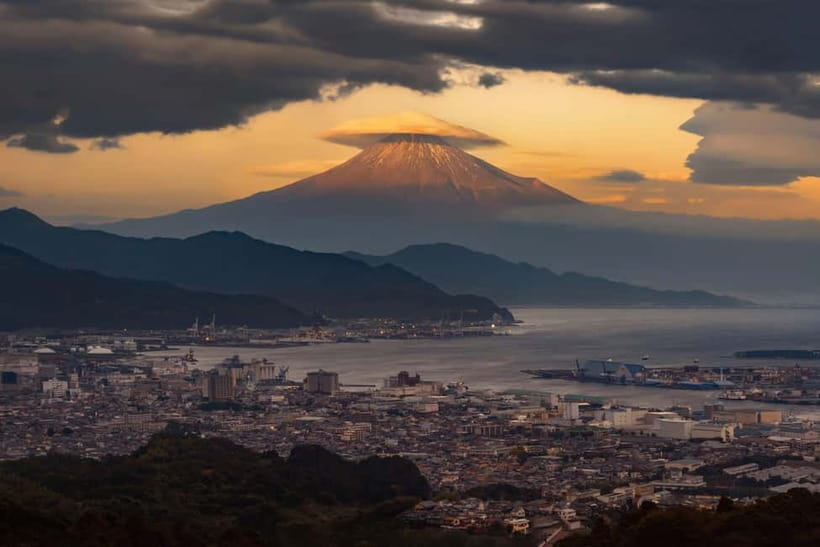
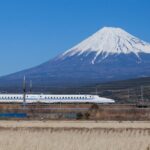
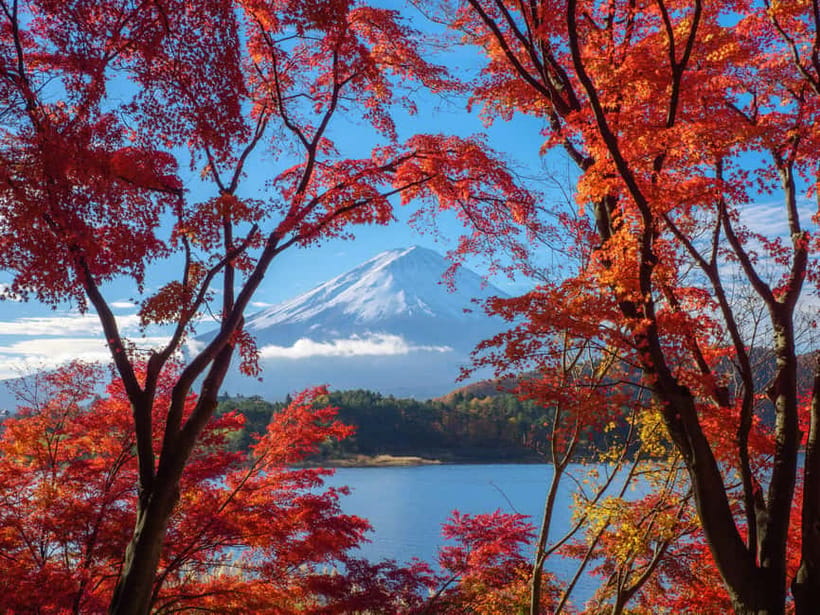
There’s a designated Mount Fuji stop of around 20 minutes, which sounds short until you remember how weather works here. Those minutes matter because they’re your chance to catch Fuji if the conditions cooperate.
Here’s how I’d frame it for you: you’re not going to get a full Fuji day with hikes and museums on this itinerary. Instead, you’re getting an intentional viewing pause—just enough time to see, photograph, and reorient before heading into Hakone’s calmer water-and-shrine mood.
If the sky is stubborn, don’t let that sour the day. In one account, fog meant Mount Fuji wasn’t visible, but it still made the nearby walking feel extra special—because the experience became about atmosphere and place rather than checking a box. You’ll still keep moving through Lake Ashi, the shrine, onsen time, and the museum.
Lake Ashi and Hakone Shrine: where the pace slows down
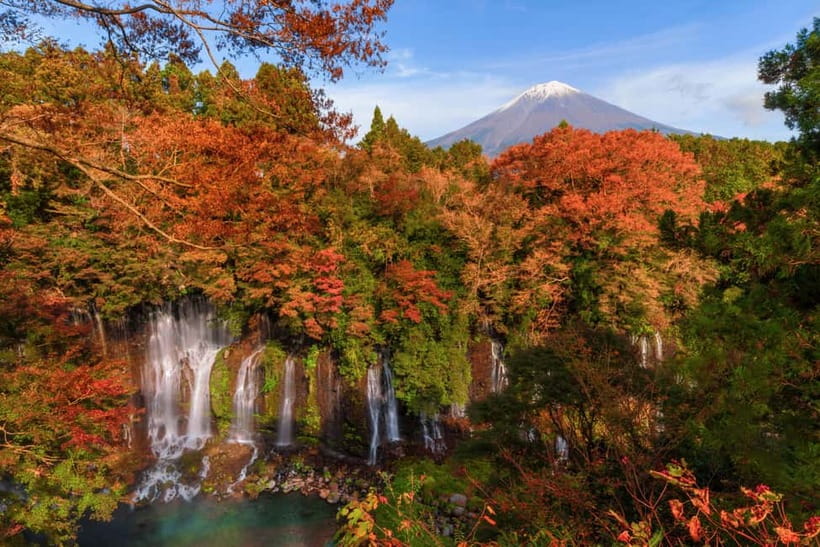
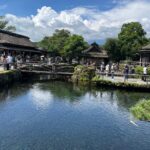
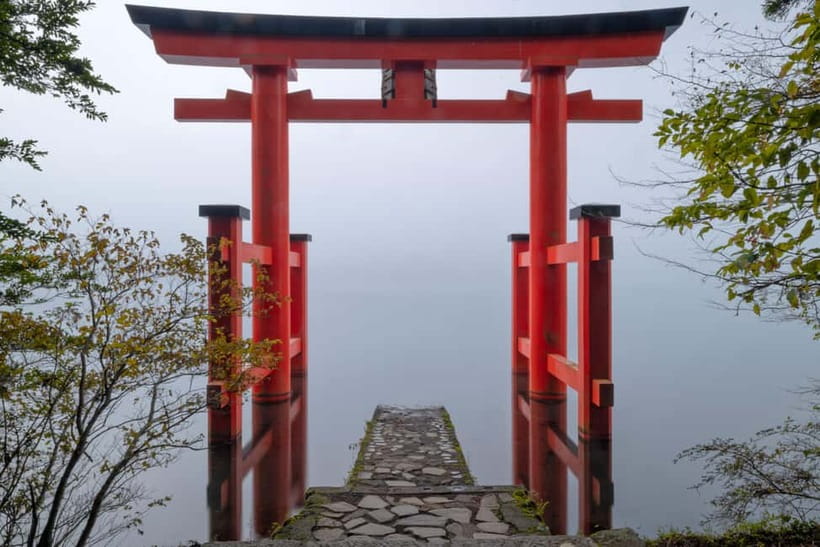
When the day shifts from viewpoint driving to water-and-spirit stops, you’ll feel it. Lake Ashi gets about an hour. This is long enough to breathe, walk a bit, and enjoy the stillness that makes Hakone so popular even outside peak times. The lake scene is where you start to feel the “well-being” angle of the trip—less hurry, more presence.
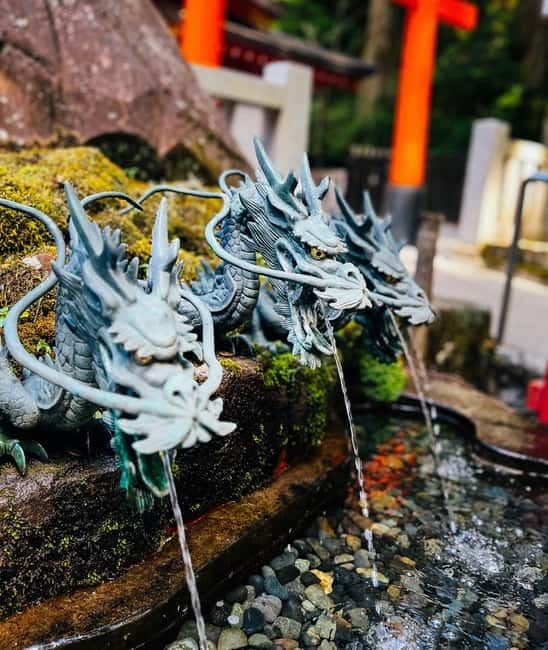
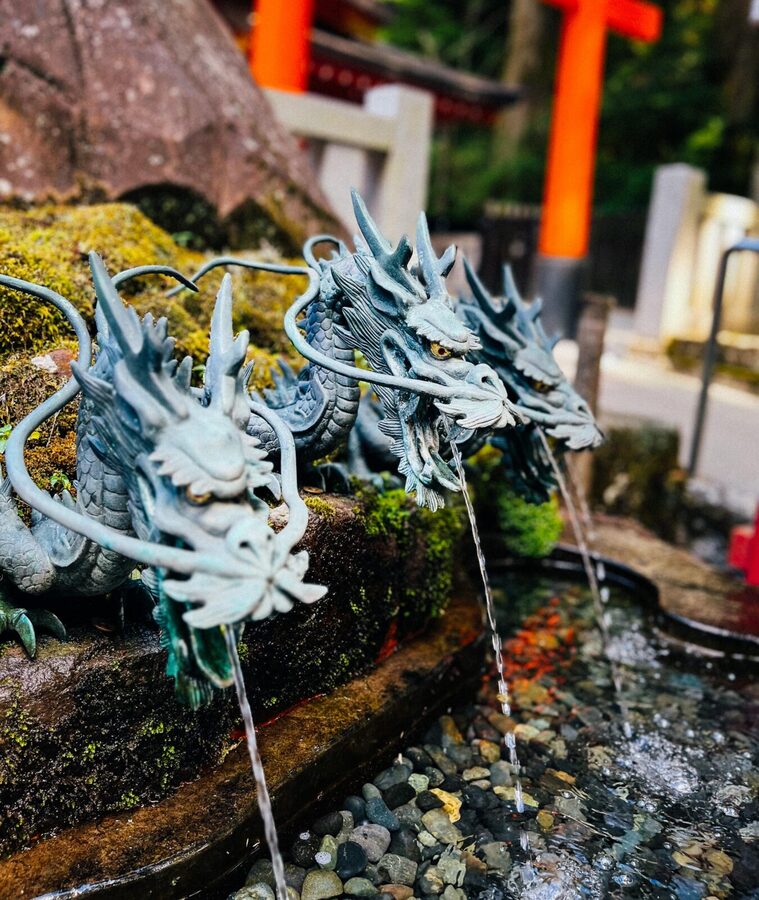
Then you head to Hakone Shrine for about another hour. This shrine area works well for a day trip because it gives you something that’s both scenic and culturally grounded. It’s not just a photo spot. You’ll have time to wander at a comfortable pace, and your guide can explain what you’re seeing in a way that helps it click.
In multiple accounts tied to guide style, the shrine walk is treated like a learning moment—not a performance. One guide even clarified shrine vs temple distinctions, which is the kind of small detail that makes your future sightseeing smoother. If you like history and small cultural markers, this portion is a strong reason to do a guided day instead of going DIY.
One practical note: if it’s foggy, this is the part of the day that still feels rewarding. Mist doesn’t erase the experience. It changes the look, and sometimes it makes the paths feel quieter and more intimate.
Tenzan Onsen: lunch and the soak that resets everything
Now for the part people remember: Tenzan Onsen.
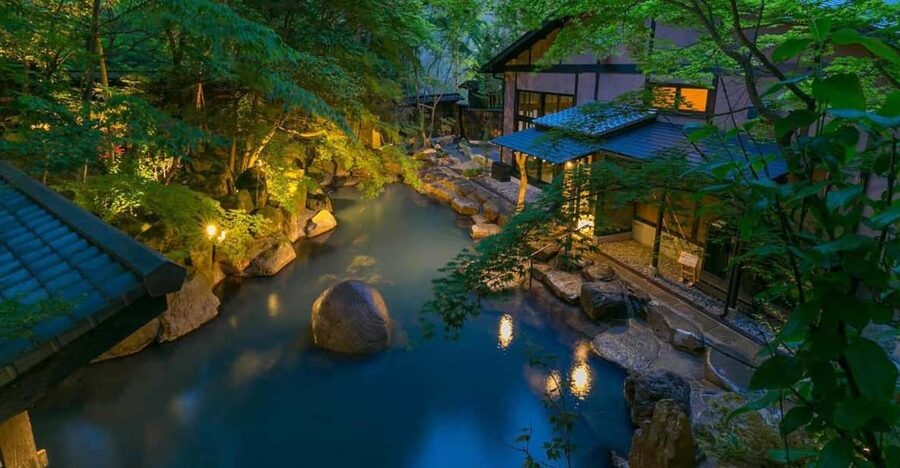
You’ll eat lunch there (about an hour), and then you get free time to visit and soak again (about 1.5 hours). That structure matters. It’s not a quick in-and-out. You’ll have time to settle, eat, and then switch your brain into relax mode.
The meal is described as authentic Japanese cuisine, with an important detail: it’s not a default “bento-on-a-plastic-table” situation (unless you opt for that style). That tells you the day is aiming for real local flavor rather than a tourist-standard lunch. Since food and drinks aren’t included in the tour price, you’ll want cash for anything extra you decide to add, and keep expectations flexible based on what’s offered on the day.
If you’ve never done an onsen before, you’ll appreciate that your guide helps you with onsen customs. The guide isn’t there to just translate words—they help you avoid awkward moments. This is especially valuable because onsen etiquette can feel confusing until someone shows you how things work in that specific place.
Also, the onsen setting is part of the appeal. In accounts tied to this stop, people describe it as peaceful—surrounded by greenery and a hillside feel. Even when the weather is ordinary, being in that kind of environment makes the soaking time feel like a real payoff, not just a scheduled activity.
Shakushi Pass and the Open-Air Museum: culture in good weather and rain
After your onsen reset, you’ll head to Shakushi Pass for about an hour. Pass stops can be either scenic filler or memorable because they’re easy to underuse. Here, the tour treats it like a proper sightseeing segment—time to look, walk a bit, and appreciate the views from the ridge.
Then comes Hakone Open-Air Museum, with about two hours on site. This is where the day balances nature with arts. It’s particularly smart as a pairing with onsen, because you get a different kind of calm: less hot spring breathing, more slow art wandering.
The best part for decision-making is the weather handling. The plan notes that if weather allows, you’ll enjoy the open-air experience with a garden focus. If rain shows up, you can shift your attention to architecture. That means you’re not stuck hoping for clear skies all day.
This museum stop is also a good fit for different travel styles. If you like art, you’ll have time to take in installations at your pace. If you’re more into nature, the museum area still offers a scenic, open-air feel and keeps the day from turning into only viewpoints and shrines.
Transportation, Wi‑Fi, and the practical stuff that makes or breaks the day
Here’s what’s included, and why it matters:
- Air-conditioned vehicle + driver: You’re spending a full day outside Tokyo, so comfort helps you enjoy the scenery instead of focusing on the ride.
- Fuel and tolls: That saves you from guessing at transport costs if you attempted a DIY day trip.
- Hotel pickup/drop-off (optional): This is a big quality-of-life feature. Getting picked up from a location inside Tokyo’s 23 wards removes the most annoying part of DIY travel.
- Wi‑Fi hotspot in the vehicle (subject to availability): Useful for quick lookups and maps, but don’t build your day around a guaranteed connection.
What’s not included:
- Food and drinks: Even though lunch is built into the onsen stop, extra drinks and any additional meals aren’t covered.
- Entry fees: Museum and some sites can require tickets. You’ll want to budget for that and bring cash.
- Baby seats: If you need one, you’ll need to confirm separately.
What to bring (simple, but important):
- Comfortable shoes
- Cash
- Weather-appropriate clothing
This tour covers a lot of walking across viewpoints and shrine grounds, even if the pacing is friendly. Shoes help you keep the day enjoyable, especially if paths are wet from fog or rain.
The price: is $316 per person worth it?
At $316 per person, this isn’t a budget day trip. But it also isn’t just “a ride to Hakone.” You’re paying for several high-value components:
- Private or small-group guidance
A live guide (English/French/Japanese) turns stops into a coherent story. This is the difference between seeing a shrine and understanding why it looks the way it does.
- Door-to-door pickup options
If you’re staying in Tokyo and don’t want to wrestle trains and transfers, the pickup can be worth a lot. The tour is set up to make that part smooth.
- Full-day transport + multiple timed segments
You’re getting dedicated time at Lake Ashi, Hakone Shrine, Tenzan Onsen lunch plus soak, Shakushi Pass, and the Open-Air Museum. Even with entry fees and food extras, the core day is planned tightly enough that you’re not stuck improvising.
- An onsen experience that’s easier for first-timers
The guide helps with onsen customs. That’s hard to replicate on your own without extra research and uncertainty—especially if you’re not used to the etiquette.
If you’re traveling with people who value comfort and time, this price starts to make sense quickly. If you’re a solo budget traveler who enjoys public transit DIY, you might find cheaper options—but you won’t get the same pacing control, weather flexibility, and hassle reduction.
Who should book this Hakone and Fuji day trip?
This tour fits best if you:
- Want one day that hits nature, culture, and a real hot spring experience
- Prefer a guide-led approach instead of figuring everything out at each stop
- Like flexibility, especially around timing and comfort needs (guides here are known to adapt)
- Enjoy art as well as scenic viewpoints (Hakone Open-Air Museum is a meaningful add-on)
It’s less ideal if you:
- Hate long driving days
- Need guaranteed Mount Fuji visibility (fog can change that fast)
- Want a minimalist day with very few stops
Should you book? My take
Yes, if you want Hakone to feel calm, guided, and well paced. The onsen structure (lunch plus soak time) is a real quality marker, and the combination of Lake Ashi + Hakone Shrine with an art-focused finish gives your day balance. Even when fog hides Fuji, the itinerary keeps rewarding you—through atmosphere, shrine walking, museum time, and that reset in the hot springs.
Before you book, do one quick reality check: plan your expectations around weather. If Mount Fuji is the only reason you’re going, you might leave disappointed. If you want a Hakone day that’s comfortable, culturally grounded, and genuinely restful, this trip is a strong choice.
FAQ
How long is the day trip?
The total duration is about 10 hours.
Where does the tour start and end?
You wait for your driver in front of FamilyMart. The trip ends back at the meeting point, with an option for drop-offs including FamilyMart and Shibuya 1-chome in Tokyo.
Is hotel pickup available?
Pickup is optional and available from any hotel, Airbnb, or train station within Tokyo’s 23 wards (include your pickup location when booking).
Are food and drinks included?
Food and drinks are not included. Lunch is scheduled at Tenzan Onsen, but you should still expect to pay for additional drinks or extras.
Are entry fees included?
Entry fees are not included.
What languages are the guides?
The live tour guide is available in English, French, and Japanese.
What should I bring for the onsen and walking parts?
Bring comfortable shoes, cash, and weather-appropriate clothing.