REVIEW · TOKYO
From Tokyo: Top 5 Scenic Spots of Mount Fuji Full-Day Tour
Book on Viator →Operated by Hotel Takitei · Bookable on Viator
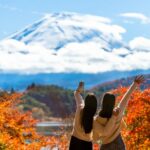
Mt. Fuji looks different from every corner. This full-day trip is built for clear, repeatable photo chances with planned stops around the mountain, plus round-trip transport so you can skip the stress of transfers. I especially love the way it strings together viewpoints across the day, and how the guide tips help you frame shots quickly; one thing to keep in mind is that weather can still hide Fuji, and some stops can feel a bit crowded and time-pressured in peak seasons.
You’ll meet in central Tokyo early, then head west with an air-conditioned bus and a multilingual guide (some guides also manage mixed language groups). The whole plan runs about 11 hours, and with up to 45 people, it’s large enough to run efficiently but small enough to still get personal photo guidance when visibility is good.
In This Review
- Key Highlights Worth Your Time
- A One-Day Mt. Fuji Plan That Cuts Out Tokyo Navigation Stress
- Morning Start: Tokyo Station Pickup and the Shinjuku Love Stop
- Arakurayama Sengen Park: Pagoda Views and That “Layered Fuji” Feeling
- Hikawa Clock Shop: Quick Street-Scene Angles With Fuji in the Background
- Oshino Hakkai Springs: Calm Water Views and a Complimentary Grass Cake
- Lake Kawaguchiko at Oshi Park: Where Seasonal Flowers Help When Fuji Plays Hide-and-Seek
- Lawson Fujikawaguchiko: A Short, Practical Fuji Photo Backdrop
- Guide Quality Matters: Photo Help, Pacing, and English Support
- Group Size, Crowd Pressure, and Why “Planned Time” Feels Short
- Food Rules: What’s Included, What’s Not, and How to Avoid Lunch Regret
- Price and Value: Is $56.14 a Good Deal?
- When You Should Expect Fuji (and When You Should Not)
- Should You Book This Full-Day Mt. Fuji Tour?
Key Highlights Worth Your Time
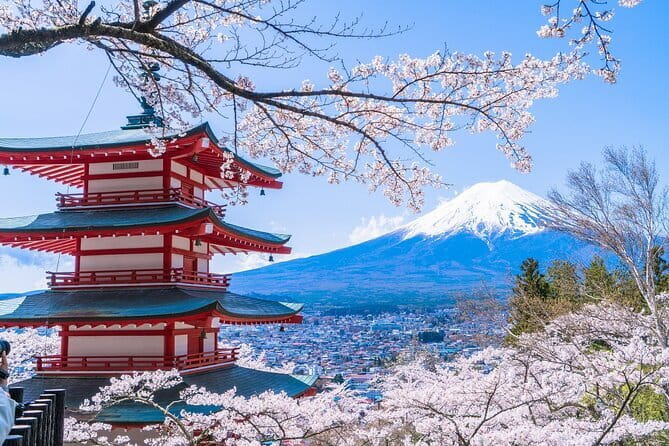
- Five viewpoint stops built around Fuji photos, not just one or two quick lookouts
- Arakurayama Sengen Park pagoda area for the classic layered view
- Oshino Hakkai springs for the calm feel and spring-water scenery, plus a complimentary grass cake
- Lake Kawaguchiko timing that matches the season (Oshi Park flowers when available)
- A short Lawson convenience-store stop designed for an easy Fuji backdrop shot
- Guides who help with photos and pacing, with group size capped at 45
A One-Day Mt. Fuji Plan That Cuts Out Tokyo Navigation Stress
If you’ve ever tried to get to Fuji on your own from Tokyo, you know the drill: trains, buses, schedules, and the constant question of whether you’ll miss the timing for the best light. This tour solves that by handling round-trip transport and using pickup and drop-off at two designated points.
What I like most is the structure: you don’t just chase one postcard view and hope it works. Instead, you get multiple chances to see Fuji from different angles and settings, which matters because the mountain can hide behind clouds without warning.
Also, you’re not stuck “doing logistics” all day. The guide covers cultural notes and practical photo timing, and they often help people line up quickly at the best spots.
You can also read our reviews of more tours and experiences in Tokyo.


Morning Start: Tokyo Station Pickup and the Shinjuku Love Stop
The day starts at Tokyo Station Marunouchi Front Square at 8:00, with the Shinjuku Love sculpture stop around 8:40. You’ll want to show up early—this tour asks you to arrive 15 minutes before—because the bus won’t wait for late arrivals.
That early timing is part of the value. You’re beating some of the commuter traffic while you move toward the Fuji area, and you’re also setting yourself up to reach the first viewpoint while crowds are still manageable.
Arakurayama Sengen Park: Pagoda Views and That “Layered Fuji” Feeling
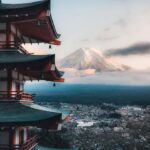
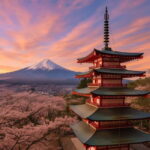
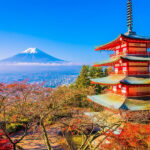
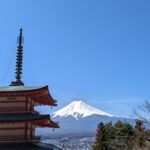
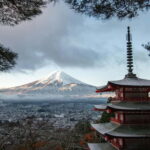
Your first real photo stop is Arakurayama Sengen Park, which is known for the pagoda viewpoint facing Mount Fuji. The experience here is all about layers: the park setting, the pagoda silhouette, and Fuji in the background when visibility cooperates.
I’d treat this stop like your “anchor” viewpoint. Even if Fuji is partially obscured at first, you can still use the time to check light direction, study the best shooting angles, and reset before the next stops.
The main drawback is crowd pressure. During busy periods, lines and foot traffic can slow things down, and you may not be able to go as far uphill as you want. If you’re set on the highest viewpoint, aim for quick movement once you arrive.
Hikawa Clock Shop: Quick Street-Scene Angles With Fuji in the Background
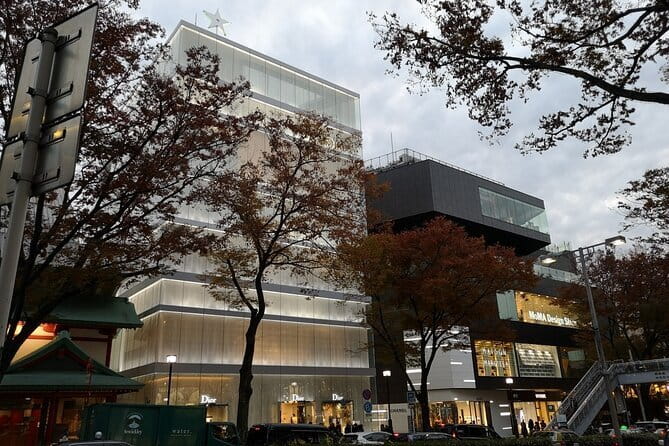
Next up is Nichikawa Clock Shop, a short stop that focuses on street-scene framing with Mount Fuji in the background. It’s not a long linger—think about 20 minutes—but that’s exactly why it works in a one-day plan.
This is where you can grab the “small Japan” photos: urban details, stairways, storefront rhythm, and Fuji sitting behind it. If you’re the kind of photographer who likes variety beyond one big landmark, this stop earns its spot.
The tradeoff is time. With only a short window, you need to move with purpose: pick your angles fast, shoot, and then hand the rest of your attention to the next location.
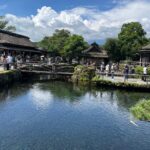
Oshino Hakkai Springs: Calm Water Views and a Complimentary Grass Cake
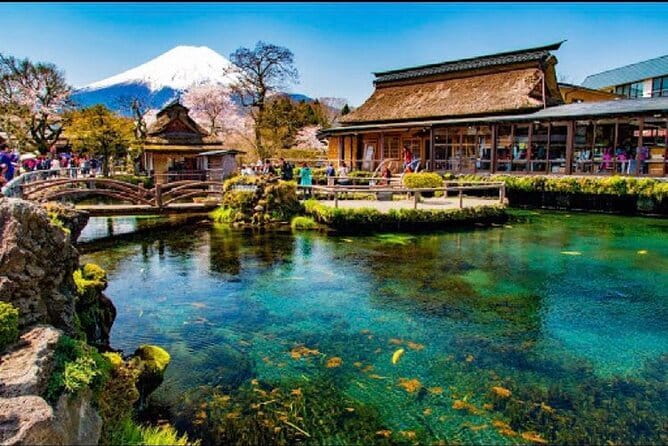
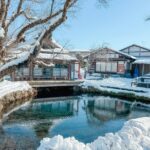
The tour then shifts into a quieter world at Oshino Hakkai, often described as Fuji’s spring-water area. You’ll have about 90 minutes here, which is enough time to enjoy the ponds calmly, wander at an easy pace, and take photos without feeling completely rushed.
A nice detail: you get one complimentary grass cake included during this stop. It’s small, but it breaks up the walking and adds a local-food moment to balance out the sightseeing.
Here’s how I’d plan your mindset. Don’t force every minute into photos. Use the time to slow down, because the value of Oshino Hakkai is the atmosphere—those calm spring-water views feel different from the busier viewpoints farther up.
Crowds can still happen, especially on peak dates, but the longer stop compared to other locations makes it easier to enjoy the area even when it’s busy.
Lake Kawaguchiko at Oshi Park: Where Seasonal Flowers Help When Fuji Plays Hide-and-Seek
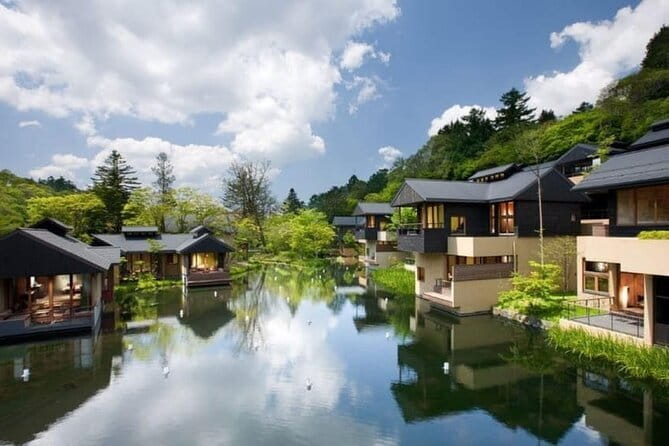
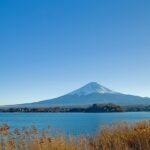
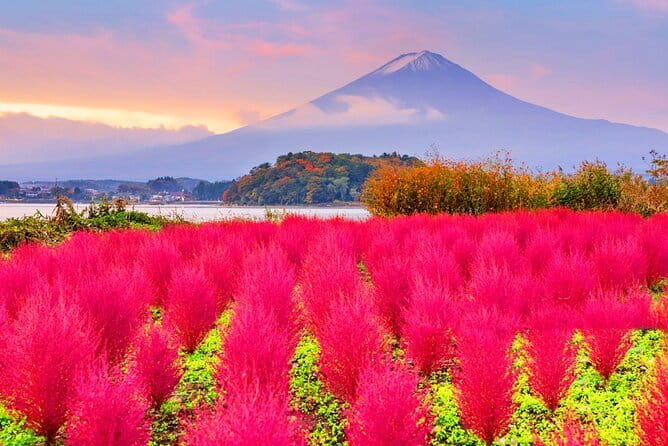
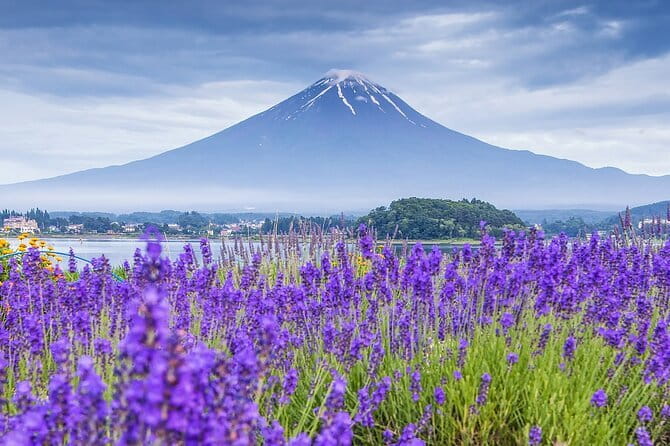
Around mid-afternoon, you’ll head to Lake Kawaguchiko with a visit to Oshi Park. The timing is about 50 minutes, and the tour notes that seasonal flower displays depend on the year, especially around certain festival periods.
This stop is designed for two possibilities:
- Fuji visible with classic lake-and-park composition
- Fuji partly hidden, but you still get scenery that holds its own through flowers and seasonal color
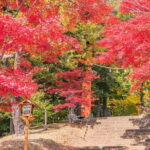
The tour specifically mentions flower variety such as lavender, broom grass, crabapple blossoms, and cosmos during the right times. If you’re traveling in a season when those bloom, you’ll have more to work with even on a cloudy day.
The practical drawback: it can be busy, and with only 50 minutes, you can’t “stay until the light is perfect.” You’ll get a good window, but you’ll need to commit to a shooting spot and work it.
Lawson Fujikawaguchiko: A Short, Practical Fuji Photo Backdrop
Later you’ll stop at a Lawson convenience store at Fujikawaguchiko town. This is one of those quick-photo moments where the location is famous specifically for getting Fuji in the frame with the everyday convenience-store vibe.
You’ll have about 20 minutes, which is just enough for most people to buy a drink or snack, step out for photos, and move on. If your goal is variety in your Fuji photo set, this stop helps a lot.
It’s also the stop to use for a reset. By this point, you’ll have walked enough earlier to want a break, and convenience-store stops are usually where you can quickly grab something small without waiting for a restaurant.
Guide Quality Matters: Photo Help, Pacing, and English Support
A big part of what makes this tour work is the guide. Across the guide names I saw (David, Seki, Luna, Christy, Anna, Hu Hai, Sawaki, James, Lyn, Laila), the common theme is clear: good guides help you get the right photo spot and keep the day moving.
On the best days, the guide helps with timing and positioning so you can shoot effectively at each stop. Some guides also add fun elements during the bus rides—like trivia games—and even small activities such as origami. When Fuji is hidden behind clouds, a strong guide still keeps the mood up and shows you where to aim.
Still, there’s a real-world consideration: English ability can vary by guide. Some reviews praised guides with strong English, while others flagged issues like unclear microphone use or weaker spoken explanations. That’s not something you can control, so I suggest you go in with realistic expectations: treat the guide as support for logistics and photo tips, not as your sole source of detailed history.
Group Size, Crowd Pressure, and Why “Planned Time” Feels Short
The tour caps at 45 travelers, which is big enough to feel like a group day, but small enough for a guided bus format. What you’ll notice is that crowd levels can change fast by stop, and some locations can become bottlenecked.
A repeated theme in feedback is that certain stops can feel rushed during busy periods. If you’re the kind of person who likes wandering slowly and reading every sign, you may feel time pressure.
One way to enjoy it anyway: treat each stop as a timed photo and walk session. Plan to shoot first, then stroll inside your time limit. For the most relaxed experience, this tour will likely feel best on weekdays or outside the busiest cherry blossom and festival peaks.
Food Rules: What’s Included, What’s Not, and How to Avoid Lunch Regret
Lunch is not included, and you’re welcome to bring your own food. You can also buy something along the way, and the guide may recommend places—but it’s optional and you decide.
That matters because some people felt a bus-offered buffet option wasn’t worth it, while others were happy with what they were served elsewhere. Since the tour doesn’t include a guaranteed meal, you’re safest planning for your own preferences.
My practical advice:
- Bring snacks or plan a small meal you can control.
- If you’re picky about dietary needs, don’t assume restaurant options will match you on a tight schedule.
- Keep cash handy—this tour recommends having it.
Price and Value: Is $56.14 a Good Deal?
At $56.14 per person, the price looks low for an 11-hour day that includes round-trip transport, air-conditioning, a multilingual guide, and a driver. When you break it down, the biggest value is the heavy lifting: getting out of Tokyo and back, plus paying for the guide time across multiple stops.
Admission tickets are listed as free for several key places, and Oshi Park’s admission is not included (and Lake Kawaguchiko cherry blossom festival tickets may add $9 per person if applicable). So your actual cost can shift slightly depending on season.
Do I think it’s a good deal? Yes—if your priority is Fuji views plus efficient sightseeing with minimal navigation work. If you’re expecting long, slow visits at each location or a guaranteed uncrowded experience, you might feel the value pressure of a fixed schedule.
When You Should Expect Fuji (and When You Should Not)
The tour is upfront that weather is unpredictable and Fuji visibility can’t be guaranteed. That’s not a failure of the plan—it’s the reality of the mountain.
Still, a smart traveler strategy helps:
- If you get partial views, take them. Clouds can clear later, and the tour’s multiple stops are there for exactly this reason.
- If it’s fully cloudy, you’ll still see the surrounding areas (especially Oshino Hakkai and Oshi Park) and can build a satisfying photo day even without the classic full mountain silhouette.
One useful attitude shift: don’t count the trip only as a Fuji sighting. Think of it as a Fuji-focused route with scenery, culture, and photo practice built in.
Should You Book This Full-Day Mt. Fuji Tour?
I’d recommend booking if:
- You want maximum Fuji chances in one day, not one single viewpoint
- You prefer a guided, transport-managed day from Tokyo
- You’re okay with timed stops and can move fairly quickly at each location
I’d think twice if:
- You need lots of quiet time at every stop
- You’re sensitive to crowds and lines
- You’re relying on the tour guide for detailed explanations in English, especially if English support is important to you
Overall, this is a strong value option for a first-time Fuji visit from Tokyo. The tour’s best moments happen when Fuji shows up, and the next best moments still come from getting multiple angles, spring-water calm, and seasonal park scenery in the same day.