REVIEW · HAKONE
Private Tour – Hakone Day Trip! A Tour to Explore All Must-Sees!
Book on Viator →Operated by OTOMO Travel Guide · Bookable on Viator
Hakone hits fast, and it stays memorable. This private day trip strings together the area’s top viewpoints, a volcanic steam-stop, and a classic Lake Ashi cruise, all with a guide who can adjust the route to your pace. I like the straight-to-the-good-stuff flow from Hakone-Yumoto Station, and I also like that you get real Mount Fuji and Lake Ashi viewing time built into the schedule.
What makes this worth it is the private guide layer. Guides like Tatsu and Nanako are specifically praised for planning a full day around what you care about, answering questions as you go, and keeping transportation moving so you spend less time figuring things out.
One consideration: views depend on weather. If the day is cold or hazy, you may get fewer Fuji moments, and the route can shift, with time at each stop shortened if crowds slow everything down.
In This Review
- Key Points to Know Before You Go
- Starting in Hakone-Yumoto: How the Day Stays Organized
- Ajisai Bridge by Hakone-Yumoto: The Quick Photo Stop That Sets the Tone
- Kuzuryu Shrine Torii on the Lake: 1,200 Years of Photo Drama
- Lake Ashi by Sightseeing Cruise: The Moment Hakone Feels Like Hakone
- Togendai View Restaurant: Food With the Lake in Your Line of Sight
- Hakone Ropeway Toward Owakudani: The Volcano Steam Shock
- cu-mo Hakone at 757 Meters: Foot Baths and a Short Scenic Reset
- Owakudani: The Smoking Valley You Came for
- Hakone Tozan Cable Car (Sounzan to Gora): Historic Rail With a View-Chase Pace
- How the Private Guide Changes the Whole Day
- Weather, Congestion, and Walking: Your Day’s Real Variables
- Price and Value: What You Pay and What You Still Need to Budget
- Should You Book This Hakone Private Day Trip?
- FAQ
- How long is the Hakone private day trip?
- Where does the tour start and end?
- Is this tour private or shared with strangers?
- What are the main stops during the day?
- Are admission fees and transportation included in the price?
- Can I see Mount Fuji during the tour?
- What should I bring?
Key Points to Know Before You Go
- Private for your group means less waiting and more flexibility than a large bus tour
- Lake Ashi by boat is a real highlight, not just a photo stop
- Ropeway + Owakudani gives you the volcano steam moment Hakone is famous for
- cu-mo Hakone at about 757 meters adds an easy break with foot baths (bring your own towel)
- Old-school Hakone Tozan Cable Car is a historic ride and a nice momentum shift after Owakudani
- Weather controls the Fuji factor, so plan for a Plan B view day
Starting in Hakone-Yumoto: How the Day Stays Organized
This tour starts and ends back at Hakone-Yumoto Station. That matters more than you’d think, because Hakone routes can get confusing once you’re juggling trains, cable cars, ropeways, and boats. Having one anchored meeting point makes the day feel controlled, even when you’re moving constantly.
You’re also walking a lot. Comfortable shoes are non-negotiable, especially on days when you’ll be doing stairs and platforms between the ropeway and cable car areas. I’d treat this as an active sightseeing day, not a sit-down-and-smile stroll.
The tour is private, and you’re with only your group. That’s the kind of setup where you can ask questions on the spot, ask for photo pacing, or slow down if someone needs an extra minute. It’s also why you’ll feel the value more if you’re traveling with kids, friends who move at different speeds, or anyone who just hates wasting time.
Ajisai Bridge by Hakone-Yumoto: The Quick Photo Stop That Sets the Tone
Your first stop is Ajisai Bridge, the vermilion bridge near Hakone-Yumoto Station. It’s known as a hydrangea-photo spot because hydrangeas bloom in June, and Hakone is strongly associated with that flower.
This is also a great “orientation” stop. From here, you get a feel for the color palette, the lake-adjacent vibes, and what Hakone looks like when you’re close to the water. The timing is short (about 10 minutes), so it doesn’t feel like the tour is padding time. It’s the kind of stop that gets you snapping photos while your guide lines up the next moves.
If you’re visiting outside peak hydrangea season, it still works as a classic Hakone angle. Think of it as a landmark and a warm-up, not a guaranteed flower festival.
Kuzuryu Shrine Torii on the Lake: 1,200 Years of Photo Drama
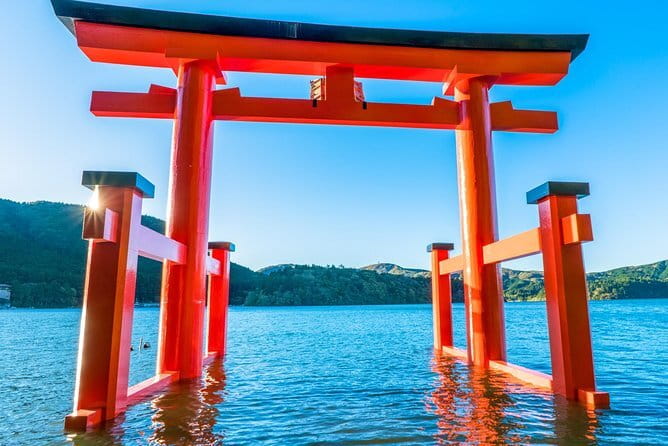
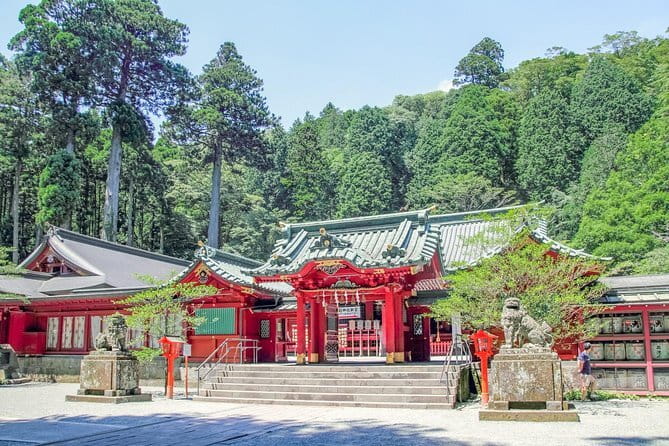
Next up is Hakone Shrine / Kuzuryu Shrine. The shrine history stretches 1,200 years or more, and you’ll focus on one of the most famous visuals: a torii gate standing over the lake.
This stop is about 45 minutes, which is enough time to look around without feeling rushed. You can also take photos from a few angles, and it’s become popular as a unique photo spot thanks to that torii-lake setup.
What I like about shrine stops on a guided day is the context. Even if you’re not a “temple deep-dive” person, a guide can help you notice what you’d otherwise skip: why that torii placement matters visually, how to approach the area respectfully, and what parts are most worth your camera time.
Lake Ashi by Sightseeing Cruise: The Moment Hakone Feels Like Hakone
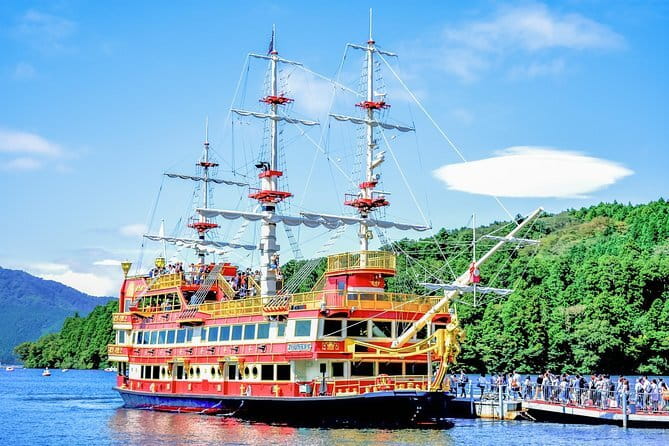
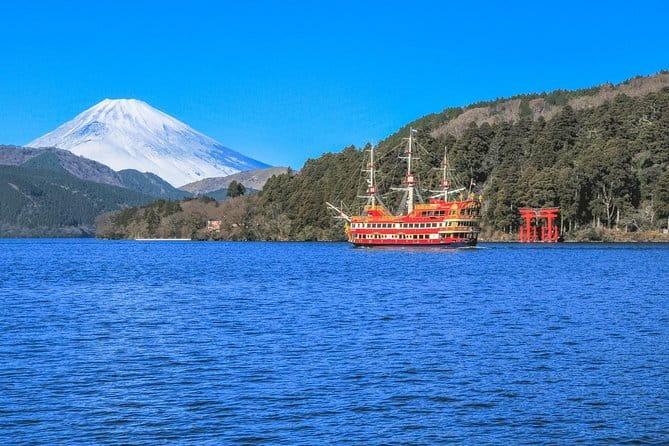
Then you switch to water with the Hakone sightseeing cruise from Motohakone-ko Pier. The boat is the Hakone Pirate Ship (Motohakone Port), and the cruise is about 50 minutes.
This is one of the best “value per minute” parts of the day. On a private schedule, you’re paying for transportation, guide routing, and entry where needed, but the cruise itself is where Hakone’s geography turns into a show. You’re looking out over Lake Ashi with Mount Fuji potentially in the background on clear days.
One small detail you can keep in mind: the onboard style uses ship-model decoration themes (French, British, and Swedish ship models). It’s not life-changing, but it does make the ride feel less like a ferry transfer and more like a planned sightseeing segment.
If weather is rough, the boat still runs as scheduled when possible, but your best views may depend on cloud cover. Either way, it’s a classic experience that breaks up the day’s land movement.
Togendai View Restaurant: Food With the Lake in Your Line of Sight
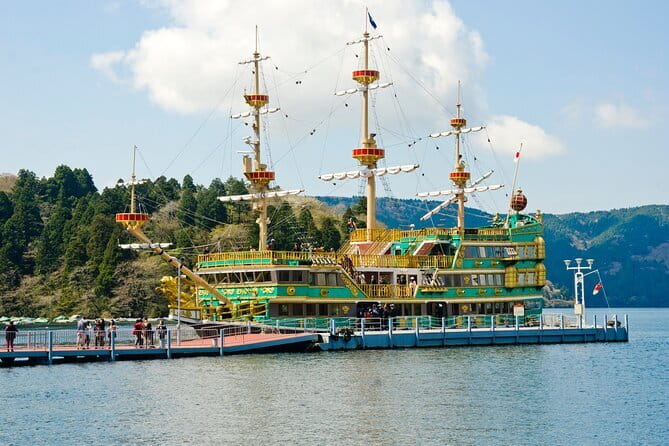
After the cruise, you head to Togendai View Restaurant inside Togendai Station. Your time here is about 50 minutes.
The big reason to include this meal window is simple: you’re eating while you look at the lake and the kind of pirate-ship scenery you just sailed through. That’s a win if you hate the “eat quickly then rush off” feeling.
The tour doesn’t include the meal cost, but it’s positioned as an easy lunch break with local ingredients and grilled options. If you’re deciding what to eat, I’d prioritize something that won’t slow you down, since this is still a moving day and you’ll want energy for ropeway and walking later.
Hakone Ropeway Toward Owakudani: The Volcano Steam Shock
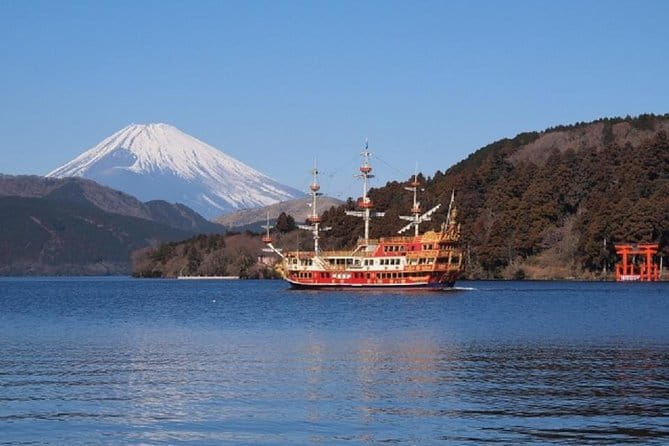
Now the tour shifts to the signature Hakone reality check: Hakone Ropeway. The ropeway ride is about 50 minutes and is one of the most memorable “sensory change” segments.
As you ride, you’re greeted by smoke from Owakudani right in your face area. That moment tends to stick because it’s instant. Hakone can feel like greenery and calm water nearby, and then you’re in a volcanic valley with exposed rock and a very different atmosphere.
Ropeway days are weather-sensitive for views, but even when visibility is limited, the thermal and steam environment still delivers. If it’s clear, this is also one of the points where you might catch Mount Fuji in the distance.
cu-mo Hakone at 757 Meters: Foot Baths and a Short Scenic Reset
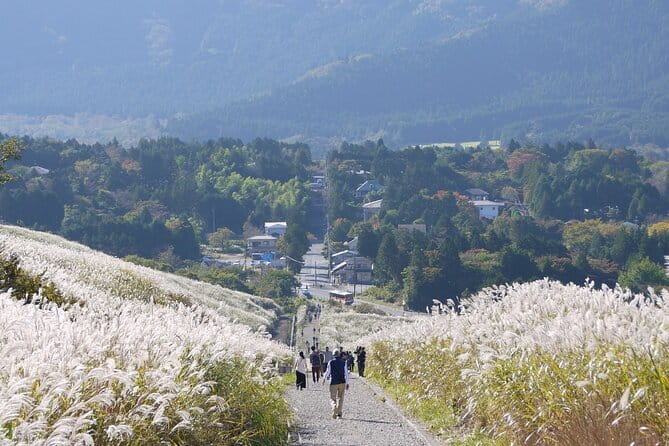
Next comes cu-mo Hakone, located at about 757 meters. You’ll have about 20 minutes here, and it’s described as a place with a stunning viewpoint plus an opportunity to enjoy foot baths.
This is a smart pacing stop. After ropeway and the volcanic zone mood, a smaller reset time helps you avoid turning the rest of the day into one long endurance event. The foot bath is optional, but it’s mentioned often enough that you should plan for it.
Practical tip: bring your own towel. The tour suggests you’ll find a place to try a foot bath, and having a towel is the difference between relaxing and improvising.
If it’s chilly out, this is where warmth and a view can make the day feel like a reward, not just a checklist.
Owakudani: The Smoking Valley You Came for
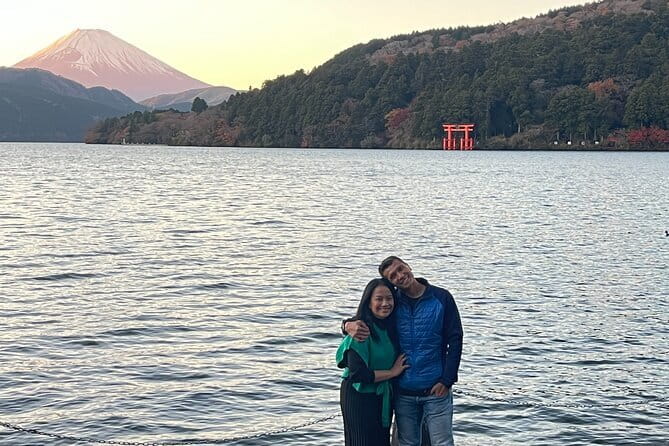
Your next main stop is Owakudani. This valley was formed by Hakone Volcano activity about 3,000 years ago, and even today it still emits white smoke from multiple points across the valley.
You’ll spend about 45 minutes here. This is the “Hakone in the real sense” stop. You’re seeing exposed ground and steam activity rather than the more postcard-smooth scenes around the lake and shrines.
What I like is that this is a high-impact stop without needing you to be a geology fan. A good guide can explain what you’re seeing and how to move through the viewing areas efficiently, so you don’t spend the whole time hunting for the best angle.
Also, if you’re thinking about photos: do them early in the visit if wind or steam patterns change your visibility. You’ll feel less rushed, and you can still come back for another look if conditions improve.
Hakone Tozan Cable Car (Sounzan to Gora): Historic Rail With a View-Chase Pace
After Owakudani, the itinerary includes the Hakone Tozan Cable Car between Sounzan and Gora. It runs about 25 minutes, and it opened in 1921, making it the oldest cable car in the Kanto region according to the tour description.
This ride is a nice transition. You’ve just done volcanic steam and ropeway movement, and now you’re going back into a rail-and-view rhythm. Cable cars move at a different tempo than boats and ropeways, so it can feel like a breather even though you’re still on the move.
If you care about transport history or you just enjoy riding something that feels older than your phone charger, this segment gives you a bit of extra satisfaction.
How the Private Guide Changes the Whole Day
The guide is included, along with the necessary guide expenses during the tour. In practice, that means you’re paying for someone else to handle the hardest part: timing.
You’ll see it in small ways. A strong guide helps you:
- keep track of where to go next so you don’t waste time retracing steps
- manage ticket purchases at each segment when needed
- answer your questions about what you’re seeing at shrines, on the cruise, and in the volcano zone
The reviews tied to this experience strongly emphasize flexibility. Guides such as Mr Koji, Hori, Akira, Mike, Tatsu, and Max are praised for tailoring the day and handling weather changes. That flexibility is exactly what you want in Hakone, because fog and clouds can erase Fuji views fast.
If you’re traveling with kids, it also helps that some guides are described as tolerant and good at pacing, which matters when you want photos but you also need sanity.
Weather, Congestion, and Walking: Your Day’s Real Variables
This experience requires good weather. The tour can be adjusted if weather is bad, including possible changes to transportation, destinations, or route.
Even when the tour runs, crowds can affect timing. During congestion and on weekends, waiting times for transportation can get quite long. When that happens, the tour may shorten stays at each spot or skip some stops to keep you on track.
So I’d plan mentally for two possible outcomes:
- a clear day with more Fuji sightings and smoother transit
- a cloudy or rainy day where you’ll still see the big highlights, but you might spend more time dealing with timing than chasing views
That’s also why this is such a good private format. You’re not stuck with one rigid pace. You can ask for what matters most to you, like more time at Owakudani versus extra photo stops at the lake torii area.
Price and Value: What You Pay and What You Still Need to Budget
The tour price is $181.64 per person. That covers the guide, the private setup for your group, and the necessary guide expenses. What it does not cover is your personal movement costs at the attractions.
You should budget an estimated 6,900 JPY per person for transportation and admissions plus meal costs (5,000 JPY for transportation/admission fees and 1,800 JPY for meal costs). There’s also mention of an optional experience cost around 100 JPY.
Here’s the practical way to think about value: you’re not only paying to enter places. You’re paying for someone to assemble the day so you hit the must-sees in one sweep, including the ropeway and volcano zone, the lake cruise, and multiple scenic points.
If you were trying to plan this yourself, you’d spend serious time figuring out timing between ropeway/cable car/boat segments and finding the right order for minimal backtracking. In Hakone, that planning headache is the cost you’re avoiding.
Is it expensive? It can be, especially if your group is small. But if you’re traveling with 3–6 people (where private splitting makes sense), it often turns into a smart way to buy back time and reduce stress.
Should You Book This Hakone Private Day Trip?
I’d book it if you want a single-day plan that covers the key Hakone experiences: Ajisai Bridge, Kuzuryu Shrine torii photos, a Lake Ashi cruise, the Ropeway into Owakudani, cu-mo Hakone foot-bath break, and the Tozan Cable Car ride. The private guide format is the main reason this feels smooth rather than chaotic.
I’d think twice if your trip depends on guaranteed Mount Fuji in the background. Views can fade with weather, and the day may adjust. Still, even on a low-visibility day, the volcanic steam and shrine-lake atmosphere are very real and very much worth seeing.
If your group includes kids, older travelers, or anyone who hates rushing, this is also a strong fit because flexibility is baked into the private setup.
FAQ
How long is the Hakone private day trip?
It runs for about 7 hours 30 minutes.
Where does the tour start and end?
The tour starts at Hakone-Yumoto Station and ends back at the same meeting point.
Is this tour private or shared with strangers?
It’s a private tour where only your group participates.
What are the main stops during the day?
You’ll visit spots including Ajisai Bridge, Hakone Shrine / Kuzuryu Shrine, a Lake Ashi sightseeing cruise from Motohakone-ko, Togendai View Restaurant, Hakone Ropeway and Owakudani, cu-mo Hakone, and a Hakone Tozan Cable Car ride. The tour also mentions Hakone Open-Air Museum as part of the day.
Are admission fees and transportation included in the price?
No. Entrance fees and transport for the stops are not included. The tour estimates about 6,900 JPY per person for transportation and admissions, plus about 1,800 JPY for meal costs.
Can I see Mount Fuji during the tour?
You can get excellent views of Mount Fuji and Lake Ashi, but the experience notes that it requires good weather, so visibility is not guaranteed. Weather may also change routes.
What should I bring?
Wear comfortable clothing because you’ll walk a lot, and if you plan to use the foot bath, bring your own towel.