REVIEW · TOKYO
Tokyo: Fuji 5th St & Hakone Day Trip with Cable Car & Cruise
Book on GetYourGuide →Operated by 株式会社PC-TAKU · Bookable on GetYourGuide
Mount Fuji plus Hakone in one day. This Tokyo-to-Fuji-and-back outing stacks the big-ticket sights: Mount Fuji Fifth Station for the high-altitude views (and “sea of clouds” moments when the sky cooperates) plus a classic Hakone combo of Hakone Ropeway into Ōwakudani and a pirate-ship cruise on Lake Ashi. I also like that it’s organized enough to feel effortless, with lunch handled and guided time built into each stop. One consideration: you’re moving on a fixed schedule, so fog or winter weather can shrink the time you get for photography and sightseeing.
What makes it work well is the pacing: a guided burst up at Fuji, a dedicated shopping/lunch break at Gotemba Premium Outlets, then a step-by-step descent into Hakone’s volcanic scenery and lake views. The guides can bring real personality too—names like Ayumi and Emico show up in past groups as fun and caring, and Hiyumi appears as a strong, clear guide in English support scenarios. Still, if you’re the type who wants lots of time at the Fuji viewpoint, plan for the fact that traffic and conditions can shorten parts of the itinerary.
If you love scenery that changes fast, this day is your kind of plan. Just bring a fully charged camera and dress for cold: you’ll be higher up than Tokyo, and Ōwakudani can feel chilly and dramatic even when the rest of the day is sunny.
In This Review
- Key things you will notice
- A Tokyo day trip that actually hits the highlights
- Shinjuku start and the rhythm of an 11-hour schedule
- Mount Fuji Fifth Station: clouds, cameras, and realistic time
- Gotemba Premium Outlets: lunch and a real break from sightseeing
- Hakone Ropeway into Ōwakudani: the volcanic valley effect
- Pirate ship on Lake Ashi: the calm after the volcano
- Season tips: snow sledding and how cold changes the day
- Price and value: what $102 gets you on a long day
- Guides, language support, and what that means for you
- Who this Tokyo–Fuji–Hakone day trip fits best
- Should you book this Tokyo Fuji & Hakone tour?
- FAQ
- What time do you meet and depart in Shinjuku?
- How long is the tour?
- Where do you go besides Mount Fuji?
- Is lunch included?
- What admissions are included?
- Do you include snow activities in winter?
- Will you always stop at Gotemba Premium Outlets?
- What languages are available during the tour?
- What should I bring?
- Is the tour wheelchair accessible?
Key things you will notice
- Mount Fuji Fifth Station time is short but scenic: guided, with walking and photo chances before you move on
- Sea-of-clouds potential: the timing is built for those fluffy view moments when visibility is good
- Gotemba Premium Outlets stop: structured lunch plus shopping time, with certain dates excluded
- Ōwakudani Volcanic Valley from the ropeway: hot-spring valley views from above
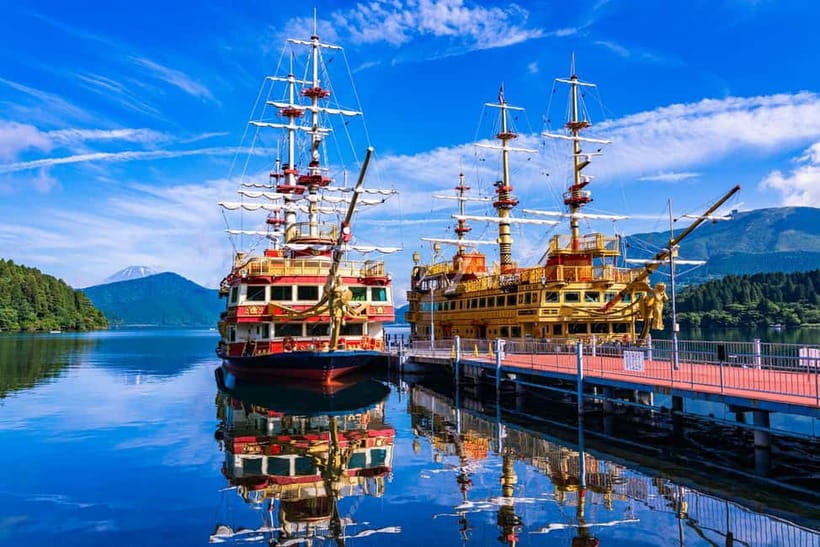
- Lake Ashi pirate ship cruise from Tōgendai: a relaxing capstone after busy sights
- Weather and traffic can change the flow: time and order can be adjusted, especially in winter
A Tokyo day trip that actually hits the highlights
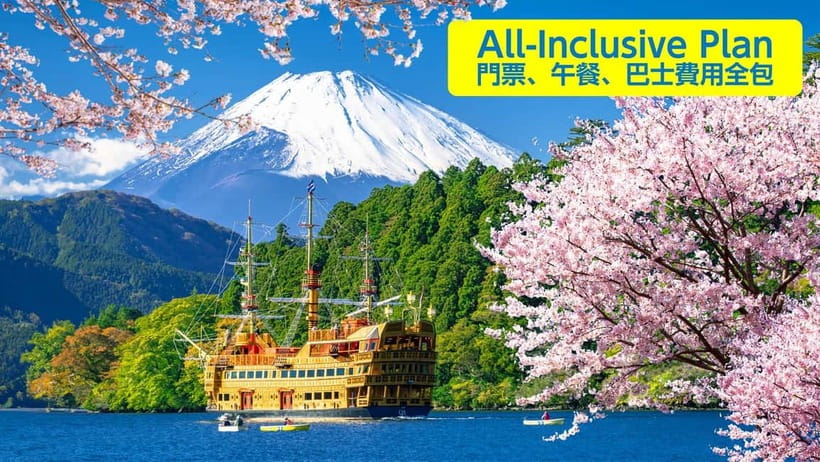
This is the kind of tour that makes sense when you’re short on time and want a “greatest hits” day without the stress of coordinating buses, rail, and tickets. You start in Shinjuku, then spend the day bouncing between Mt. Fuji’s Fifth Station area, shopping in Gotemba, and Hakone’s volcanic-and-lake scenery.
The value isn’t just that you’re seeing famous places—it’s that the day is built around transitions you’d otherwise have to plan yourself. Round-trip transfers are included, and key entrances are handled: Hakone Ropeway and the pirate-ship cruise. You’re also given lunch (Fuji Mountain Bento, vegetarian option available), which matters on a long day when you might otherwise lose time hunting for food.
And yes, it’s a long day—11 hours is the real story here—so it’s best if you’re comfortable with being on the move. You’re not checking into hotels, you’re collecting views.
You can also read our reviews of more tours and experiences in Tokyo.


Shinjuku start and the rhythm of an 11-hour schedule
The meeting point is right where you want it for a one-day plan: Shinjuku Center Building. You’ll meet at 7:15, with departure at 7:30. Plan to arrive early. Latecomers or no-shows can’t be refunded, and missing the start usually throws off the whole timing of the day.
Once you’re on the road, you’ll have a coach ride of about 2.5 hours before the Fuji portion. That isn’t unusual for a Tokyo-based tour, but it’s part of the “why this works” equation: the itinerary is tightly packed so you can actually reach Fuji and still do Hakone the same day.
When you return, you’ve got another 2.75-hour bus ride back to Shinjuku. This helps keep the tour simple, but it also means you’ll want to treat the day like an all-day outing: water, layers, and a camera you can access quickly.
Mount Fuji Fifth Station: clouds, cameras, and realistic time
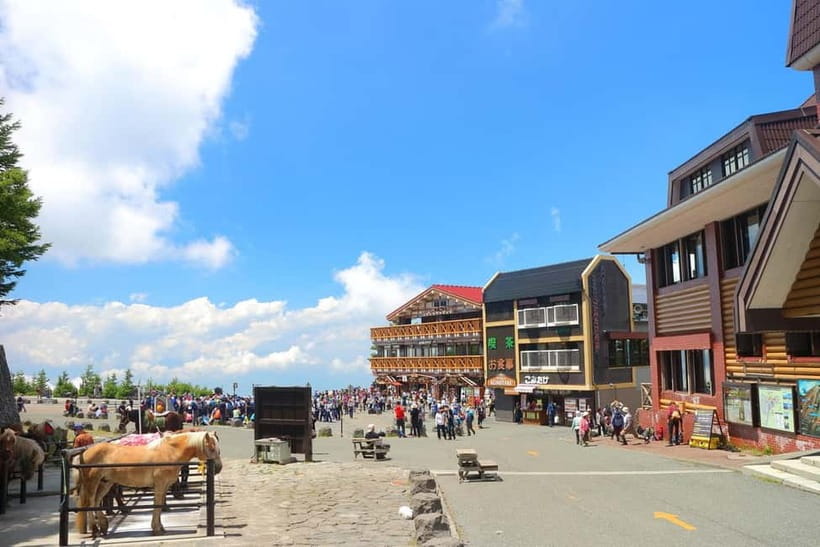
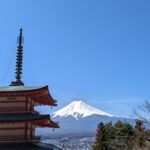
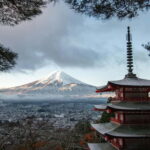
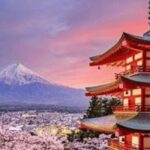
This is the reason most people book: a guided visit up to Mount Fuji Fifth Station. You get around 40 minutes here for guided touring, walking, sightseeing, and photo breaks on the way. That’s not a long time, but Fuji at elevation can be fast-moving—weather changes, crowds shift, and visibility can go from wow to meh in a hurry.
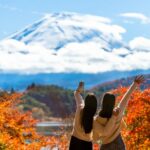
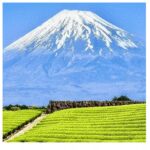
The tour is built for the “sea of clouds” look. You’ll be high enough that when the horizon opens, you can get those soft, fluffy layers that make Mt. Fuji feel bigger than a postcard. Bring a fully-charged camera and extra patience. If you’re wearing bulky outerwear, make sure your camera is easy to grab; you may want a quick shot at the first good window of visibility.
One practical note: there are conditions where the experience changes. If clouds sit over the peak, your view can turn into a gray day instead of a dramatic one. In past experiences shared by other guests, the Fuji portion sometimes felt short when the sky was cloudy—so if Fuji visibility is your top priority, you’ll want to go in knowing the mountain controls the final result.
Also, timing can shift seasonally. Depending on traffic and weather, the itinerary may be shortened or rearranged. The tour tries to keep the most important pieces in place, but flexibility is part of the deal.
Gotemba Premium Outlets: lunch and a real break from sightseeing
Between Fuji and Hakone, you stop at Gotemba Premium Outlets. This is the tour’s “reset button.” You’ll get lunch, then about 105 minutes for sightseeing and shopping.
The lunch is Fuji Mountain Bento, with a vegetarian option available. I like this because it’s not just a snack stop—it’s a full meal included in the price, so you don’t lose time figuring out food while your schedule is already tight.
Why the outlets matter even if you don’t shop: it’s not only about discounts. It’s a chance to sit down, warm up (especially in cold seasons), and use the time to buy simple travel supplies if you need them—snacks, gloves, or whatever your day-to-day comfort requires. This is also your buffer before the volcanic valley ride and lake cruise, which can involve a bit more standing around for views.
One caution: this stop isn’t guaranteed on every date. Gotemba Premium Outlets won’t be visited on February 15 (the facility is closed), and on several other specific dates (including July 19–20, August 9–10, and some October and November days), the itinerary skips the outlets. If you’re booking near those dates, double-check the date-specific routing.
Hakone Ropeway into Ōwakudani: the volcanic valley effect
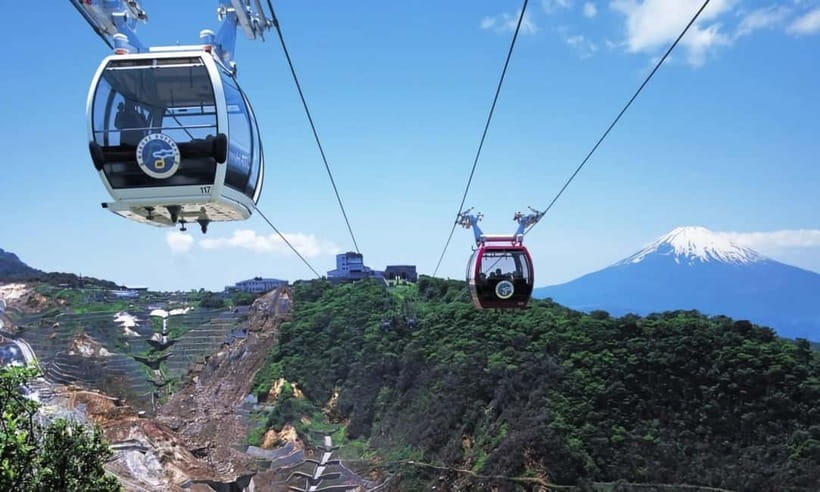
After Gotemba, you head into Hakone. First up is the Hakone Ropeway, with a short guided visit and scenery time. Then you reach Ōwakudani Valley, where you’ll spend about 20 minutes with sightseeing and some free time.
This part is where Hakone earns its reputation. You’re looking down at hot-spring areas and volcanic terrain from an elevated viewpoint. Even if you’re not obsessed with geology, you can feel the power of the place—steam, steep views, and that “this is real” volcanic atmosphere.
The ropeway portion is included, and the timing is short enough that you won’t feel stuck in transit all day. But it’s also short enough that you’ll want to move efficiently: if you want photos, pick your angle quickly, then return to the flow when the group is ready.
If weather is foggy, Ōwakudani can still be interesting, but your view range may be limited. In those moments, focus on the textures—steam and valley shapes can look dramatic even without a wide horizon.
Pirate ship on Lake Ashi: the calm after the volcano
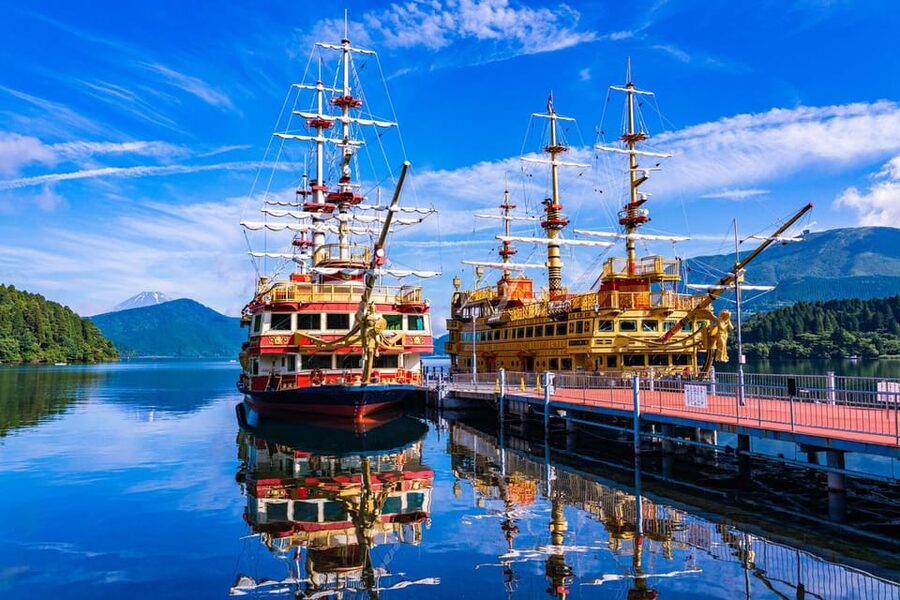
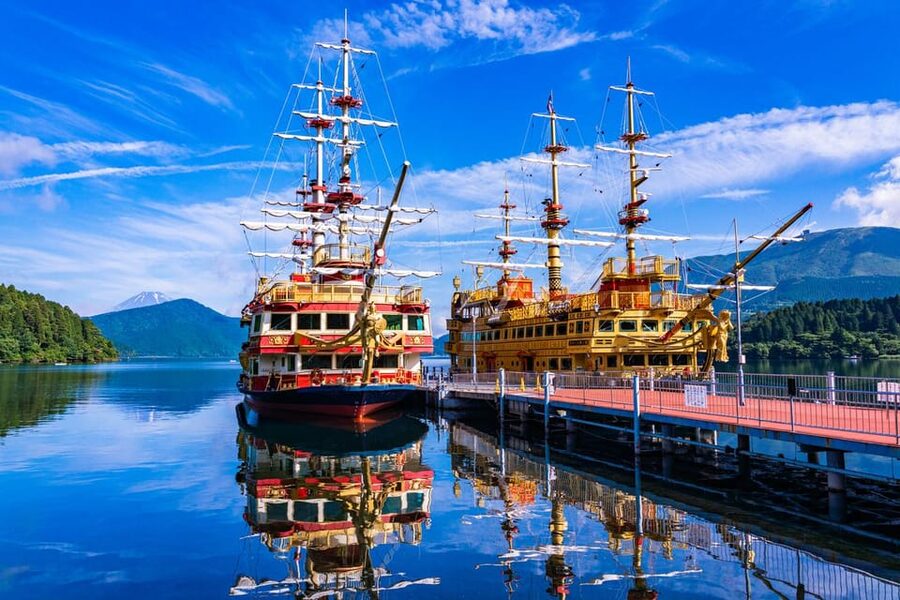
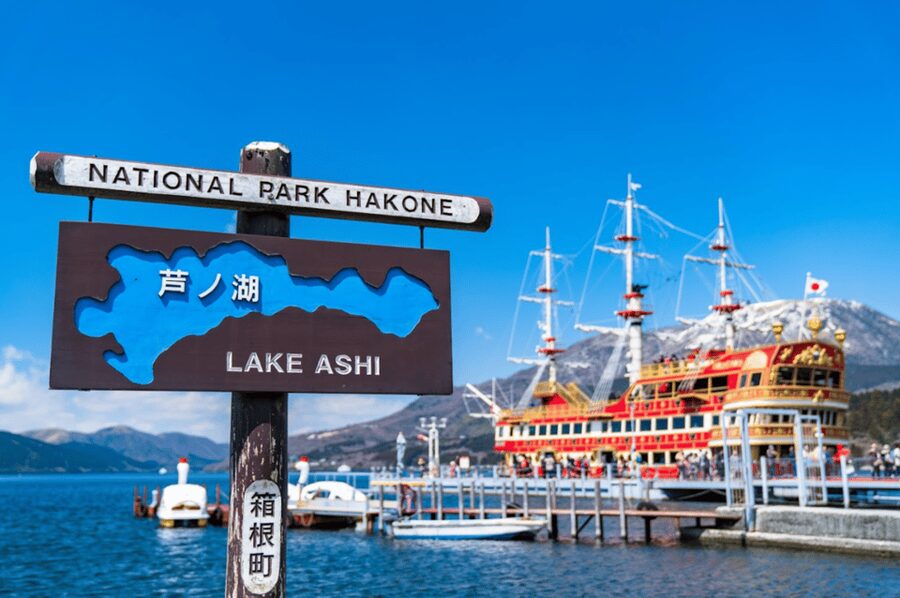
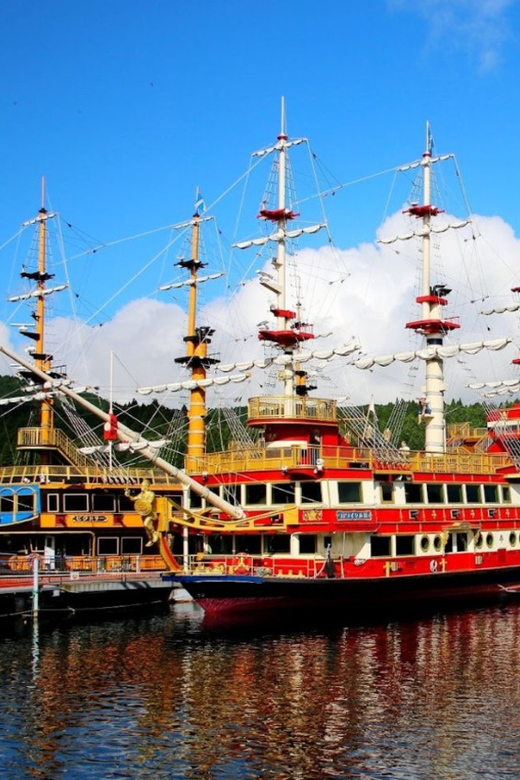
The day finishes with something surprisingly fun: a pirate ship cruise on Ashinoko Lake from Tōgendai Port. You’ll have about 30 minutes here for the cruise, plus time for the visit and some free wandering around the port area.
This is the payoff for staying on schedule. After the ropeway and volcanic valley, the lake cruise gives you a slower pace. It’s also a classic Hakone sight, and it tends to be an easier experience for many people than the more active viewing spots earlier in the day.
The cruise is included in the price, and it’s a good time to relax with fewer decisions. You’ll still want to watch the weather and dress for wind, especially on the water. But overall, it’s the most relaxing section of the itinerary.
Season tips: snow sledding and how cold changes the day
This tour has a strong seasonal component. From late-December to mid-March, the snow experience happens at the 2nd station of Mt. Fuji (weather-dependent). Snow resort admission is included when it’s offered, so you’re not paying extra for the winter highlight.
Winter also changes your day-to-day comfort. You’ll be outdoors at higher elevation, and the difference from Tokyo can feel bigger than you expect. For this reason, think in layers: warm base, insulating layer, and an outer shell you can manage quickly when you move between bus, ropeway, and viewpoints.
If you’re planning around winter views, keep your expectations realistic. The itinerary is designed to maximize your chances, but the mountain and sky can still change the outcome. A cloudy day can still be atmospheric—but if you’re chasing sharp, clear photos, pack for cold and be ready for the view to be hit-or-miss.
Price and value: what $102 gets you on a long day
At around $102 per person, this is priced like a well-packaged day tour—and that makes sense when you look at what’s included.
You get:
- Round-trip transfers from Shinjuku
- Lunch (Fuji Mountain Bento; vegetarian option available)
- Hakone Ropeway admission
- Pirate ship cruise admission
- Insurance
- Chinese/English video translation service
- Live guide service (English/Japanese) plus an audio guide (English/Japanese)
- Snow resort admission when it runs in winter
This is the kind of deal where the price feels reasonable if you’d otherwise pay for separate transit, individual tickets, and lunch. The outlets stop also adds value if you like shopping, but even if you don’t, it gives you a real break that keeps the rest of the day workable.
Could it be expensive if you care only about Fuji? Maybe. But most people book this because they want Fuji plus Hakone without doing any logistics. If that’s you, this package is a straightforward way to get both in one shot.
Guides, language support, and what that means for you
You’ll have a live tour guide in English and Japanese, along with an audio guide in English and Japanese. There’s also a Chinese/English video translation service.
One detail worth knowing: even if you select English for the guide, the guide may sometimes be in CN or JP, with information delivered through an interpreter device. That’s not a downside by itself—it just means you should expect mixed language support rather than purely one language from start to finish.
From the names and descriptions of guides shared by other groups, the strongest experiences tend to mention guides who are funny and caring (Ayumi and Emico show up in this context), and guides who communicate clearly and keep things moving (Hiyumi is another name that appears, often paired with a kind driver such as Nobu). If you’re lucky enough to get that style of guidance, the tour feels easier and more fun.
Who this Tokyo–Fuji–Hakone day trip fits best
This tour is a great fit if:
- You want Mount Fuji Fifth Station and Hakone highlights in one long day
- You don’t want to coordinate multiple tickets and transit steps yourself
- You like guided structure, with photo stops and sightseeing built in
- You enjoy a mix of views, plus a break at Gotemba Premium Outlets
It may not be ideal if:
- You need lots of time at Fuji for photography and you get upset when weather limits visibility
- You hate tight schedules and prefer slow travel
- You’re only interested in one side of the trip (Fuji only, or Hakone only)
Should you book this Tokyo Fuji & Hakone tour?
If you’re planning a first trip to Japan or you want a “most important sights” day without the logistics headache, I think you’ll like this. The included mix—Fuji Fifth Station, volcanic Ōwakudani, and the relaxed Lake Ashi pirate ship—is a smart use of your limited time.
Book it if you’re okay with reality: weather can change the Fuji view, and the itinerary may shorten depending on traffic and conditions. If clear skies are non-negotiable for you, consider booking with the mindset that you’re going for the experience and the chance, not a guaranteed perfect horizon.
FAQ
What time do you meet and depart in Shinjuku?
You meet at 7:15 and depart at 7:30. You’ll gather on the sidewalk in front of the main entrance of the Shinjuku Center Building and look for the GET YOUR GUIDE logo.
How long is the tour?
The total duration is listed as 11 hours, but exact timing can vary by availability and seasonal conditions.
Where do you go besides Mount Fuji?
You also visit Gotemba Premium Outlets, the Hakone Ropeway, Ōwakudani Valley, and take a cruise on Ashinoko Lake from Tōgendai Port.
Is lunch included?
Yes. Lunch is Fuji Mountain Bento, and a vegetarian option is available.
What admissions are included?
Hakone Ropeway admission and the Hakone Pirate Ship cruise admission are both included, along with round-trip transfers and insurance.
Do you include snow activities in winter?
In winter season (late-December to mid-March), snow sledding may take place at the 2nd station of Mt. Fuji, and snow resort admission is included when offered.
Will you always stop at Gotemba Premium Outlets?
No. Gotemba Premium Outlets is closed on February 15, and the itinerary skips the outlet on several other specific dates listed by the operator.
What languages are available during the tour?
The live tour guide and audio guide are listed for English and Japanese. There is also Chinese/English video translation, and if the guide is not in English, an interpreter device may provide English information.
What should I bring?
Bring a camera. The tour is designed for scenic viewing opportunities, including cloud views near Fuji.
Is the tour wheelchair accessible?
Yes, the activity is listed as wheelchair accessible.