REVIEW · ASAKUSA
From Tokyo: Mt Fuji and Hakone Private Day Trip
Book on Viator →Operated by Milkyway Tours · Bookable on Viator
Fuji and Hakone in one day sounds wild. This private trip turns Tokyo into a smooth, full-day route with pick-up, a driver who can adjust the pace, and a choice of two different itineraries. You’ll also get a mobile ticket, which helps keep the day feeling low-stress.
What I like most is the 10-hour timing that includes pick-up to drop-off. You get a set sequence of stops with about an hour at each place, so you can plan photos and breaks without guessing. I also like that you’re not on a bus cattle list; it’s private transportation with an English-speaking driver, so communication and small changes are simpler.
One thing to think about up front: some major sights cost extra once you’re there. Budget for entrance fees on top of the group price, and make sure you pick the route that matches your priorities.
In This Review
- Key things that make this day trip work
- Choosing Mt Fuji or Hakone: pick your mood, not your wish list
- How the 10 hours really works (and how not to lose it)
- Mt Fuji Area: Chureito Pagoda, Lake views, and an ice cave
- Chureito Pagoda: the Fuji picture you’ve probably seen before
- Iyashi no Sato: a thatched-roof village feel
- Lake Kawaguchiko: calm reflections and a breather
- Oishi Park: flowers plus Fuji backdrop
- Narusawa Ice Cave: the coolest ticket on the list
- Hakone Area: Sky Walk, torii at the lake, ropeway air views, then art
- Mishima Sky Walk: a long suspension-bridge stroll
- Hakone Shrine: classic lake shrine photo
- Hakone Ropeway: volcanic valley views from above
- Lake Ashi: the cruise moment
- The Hakone Open-Air Museum: sculpture in nature
- Private transport and an English-speaking driver: what you’ll feel day-of
- Price and value: the $462 group rate is only part of the story
- Timing risks: when the day doesn’t go as planned
- Who this tour suits best
- Should you book this Mt Fuji and Hakone private day trip?
- FAQ
- FAQ
- How long is the tour?
- Is this tour Mt Fuji or Hakone, or both?
- What’s the maximum group size?
- Does the tour include food?
- Are entrance fees included?
- Is pick-up from Tokyo included?
- What if we finish the itinerary early?
- What if we can’t visit all stops by 10 hours?
- Is there a cancellation option?
Key things that make this day trip work
- Two real options, not a mash-up: choose either Mt Fuji or Hakone for the full 10-hour flow.
- Entrance-fee math matters: some stops are free, others have extra per-person tickets.
- Private pace, fewer headaches: your driver can help you manage time and where to focus.
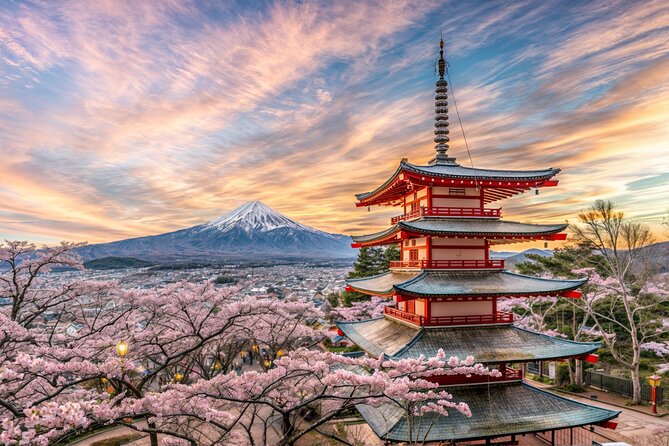
- Iconic photo framing: the Mt Fuji route centers on classic viewpoints; the Hakone route stacks in scenic ride moments.
- Weather and ride interruptions can happen: you’re still boxed into a 10-hour window, so reroutes and timing are key.
- It’s driver-led, not a fully guided tour: plan to use the driver for guidance, not museum-style narration.
Choosing Mt Fuji or Hakone: pick your mood, not your wish list
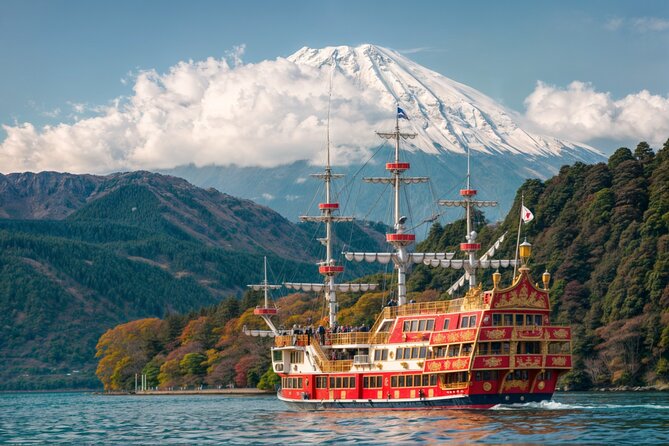
This experience is built around one big choice: Mt Fuji Area or Hakone Area. You do not do both. That’s actually a good thing. It stops the day from turning into a sprint through too many towns and gives each region enough time to feel like a proper visit.
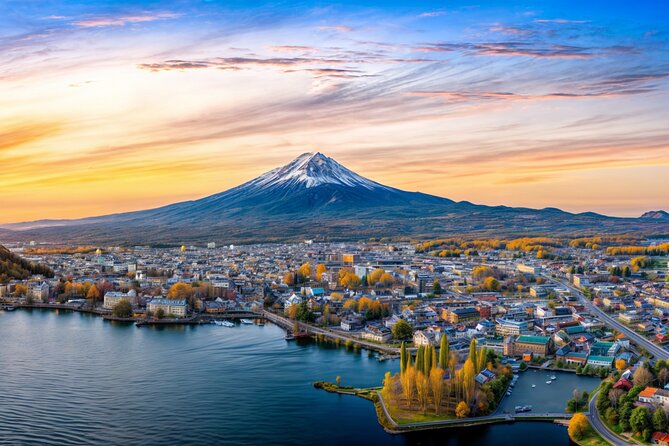
If you want a day centered on Mt Fuji views and quick stops with big payoff, go Mt Fuji. Expect classic panorama moments, a lakeside break, and a unique underground stop in a volcanic ice cave.
If you want a more varied day—bridge views, shrine photo scenes, a scenic aerial ride, then a lake cruise—Hakone is the better fit. It’s also the route where your ticket budget can jump, since more attractions have paid admission.
You can also read our reviews of more tours and experiences in Asakusa.
How the 10 hours really works (and how not to lose it)
The tour length is about 10 hours total, and that includes pick-up through drop-off. Each itinerary stop is listed as about an hour. Here’s the key rule: if the schedule is completed before the 10-hour mark, the tour is considered successfully fulfilled. If you hit 10 hours before every planned stop, the tour still ends as completed.
So your success depends on two things:
- how smoothly you move between stops
- whether paid attractions and queues are cooperative that day
This is why a private setup helps. Your driver can often manage timing better than group tours, especially for ticket counters and ride lines. It’s also why you should arrive with clear priorities. If a must-do stop is paid (or has a line), you’ll be glad you didn’t treat everything as optional.
Mt Fuji Area: Chureito Pagoda, Lake views, and an ice cave
This route is all about stacking Fujisan visuals with a simple, timed rhythm. You’ll get five stops, each designed to give you a distinct scene.
Chureito Pagoda: the Fuji picture you’ve probably seen before
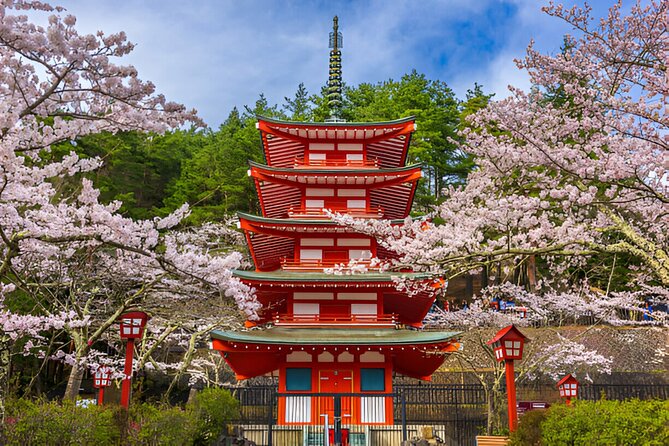
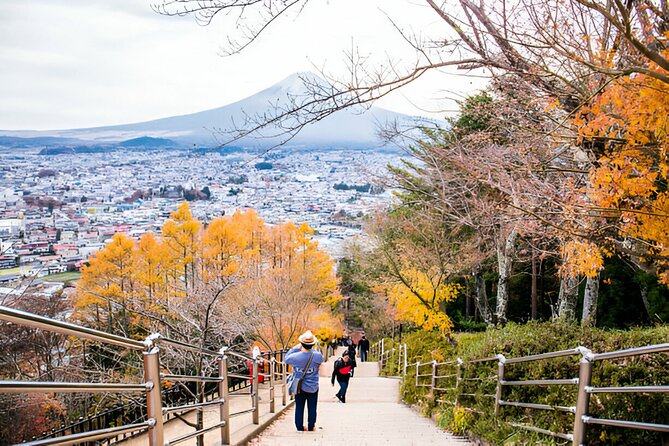
Chureito Pagoda is the opener, and it’s popular for a reason. You’re essentially setting up for one of the most recognizable Mt Fuji frames—Fuji framed by the five-storied pagoda. This stop is listed as free admission and about an hour, which is about right. You’ll usually spend that time finding a good viewing angle and letting the crowd flow.
Practical tip: come ready to take photos fast, then relax. The magic here is the viewpoint, not the length of the visit.
Iyashi no Sato: a thatched-roof village feel
Next is Iyashi no Sato (about an hour). Admission is listed as not included: ¥500 per person. This is less about a single view and more about atmosphere. Think living museum vibes with traditional thatched-roof houses and a slow, human-scale pace.
Why it works on a day like this: it gives you a break from constant walking and viewpoints, so you can reset before the lakeside portion.
Lake Kawaguchiko: calm reflections and a breather
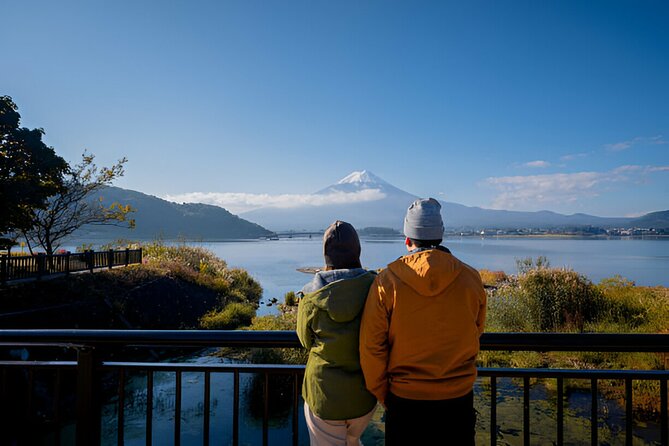
Lake Kawaguchiko is next, with free admission listed and about an hour. This is your classic lakeside pause where Mt Fuji can show up in reflection—especially when conditions cooperate.
Even if the mountain isn’t perfectly visible, you still get the experience of being at the lake. This stop is usually where you’ll want water, snacks, and a slightly longer exhale before heading to the next garden.
Oishi Park: flowers plus Fuji backdrop
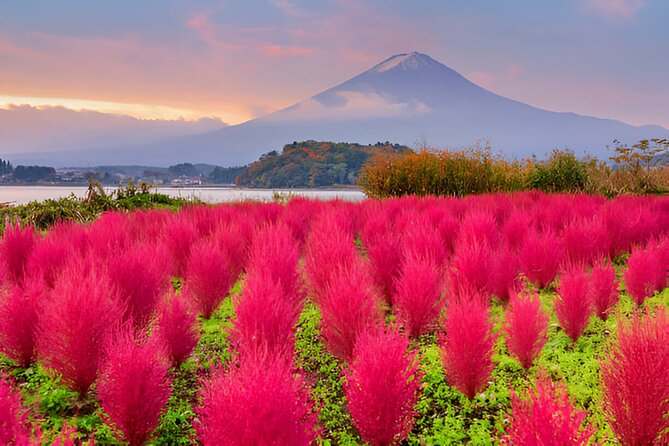
Oishi Park (free admission listed) is built for seasonal beauty and wide views. Expect a garden walk with Mt Fuji as the background if the sky allows. Since it’s about an hour, you can do it without feeling rushed.
If you’re traveling in flower season, this stop can become your “best walk” of the day. If not, the viewpoint still matters; the garden gives you something to do while you wait for the weather to behave.
Narusawa Ice Cave: the coolest ticket on the list
The final stop on the Mt Fuji route is Narusawa Ice Cave (not included; ¥1,100 per person). This is a volcanic cave with preserved ice, meaning it’s cooler inside than the surrounding area.
Why this ending works: it’s a totally different kind of attraction compared to pagodas, lakes, and parks. You’ll feel like you got more variety than just scenic photo stops.
Hakone Area: Sky Walk, torii at the lake, ropeway air views, then art
The Hakone itinerary is more “mix and match,” with paid attractions spread throughout. You’ll still get five stops with about an hour each.
Mishima Sky Walk: a long suspension-bridge stroll
The route starts with Mishima Sky Walk, a suspension bridge. Admission is listed as not included: ¥1,000 per person. It’s about the act of crossing and the view downward into the valley. Even if you’re not a “bridge person,” the length of the walk and the sky-between-the-view effect tends to make it memorable.
Bring a simple mindset: walk at your pace, take a few photos, then move. This is not a stop where you need to linger for hours.
Hakone Shrine: classic lake shrine photo
Next is Hakone Shrine, listed with free admission and about an hour. This is where the famous red torii gates emerge from the water—one of the easiest “wow” moments on the route.
This is also a nice pause for slower walking and a chance to grab a snack nearby if you want one before the bigger ride segments.
Hakone Ropeway: volcanic valley views from above
The Ropeway is where Hakone turns into something more like a scenic transport ride. Admission is not included: ¥2,000 per person for a one-way trip (as listed). Plan for this stop to feel like a ride segment, not just a viewpoint.
Good to know: because it’s aerial and tied to weather, Hakone can be sensitive to wind conditions. On difficult days, your timing can change fast.
Lake Ashi: the cruise moment
Lake Ashi is next, with free admission listed and about an hour. This is your cruise stop, a relaxing shift from bridge and aerial time. If you’ve had a lot of walking earlier, this is where your legs appreciate the break.
This is also a “window moment,” meaning you’re there for the lake view, then on you go.
The Hakone Open-Air Museum: sculpture in nature
The last stop is the Hakone Open-Air Museum (not included; ¥2,000 per person). This is the art-and-scenery ending. It’s designed for walking and taking your time, but you’re still limited by the tour’s hourly structure.
So be realistic: plan to enjoy highlights rather than try to see everything. If you love modern sculpture and outdoor museums, this can be a great closer.
Private transport and an English-speaking driver: what you’ll feel day-of
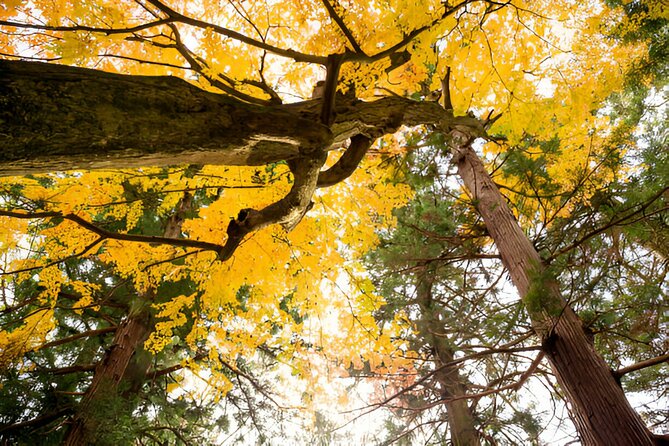
Most of the value here comes from how the day is delivered. You get private transportation and an English-speaking driver, plus fuel and tools, and you’re not sharing the ride with strangers.
What that changes:
- You can ask for adjustments without dealing with group consensus.
- Your driver can help with timing, ticket entry flow, and moving between areas.
- You’re less likely to end up “standing around” while everyone else catches up.
Several positive experiences also highlight drivers who stayed flexible and kept the day moving when conditions changed. One example from feedback: a wind day that paused Hakone activities led to a quicker shift toward the Mt Fuji side. That kind of adaptability can be the difference between a frustrating day and a satisfying one.
Price and value: the $462 group rate is only part of the story
The headline price is $462.48 per group, for up to 5 people. That’s how you keep this from becoming a luxury-only day. With four or five people, your per-person cost can drop a lot compared to booking separate transit and separate guided time.
But then the add-ons start. Entrance fees are partly included via the stop setup (some are listed as free; others are not), and food is not included.
Here’s what you should budget for per person based on the paid stops listed:
Mt Fuji route extra tickets
- Iyashi no Sato: ¥500
- Narusawa Ice Cave: ¥1,100
Total paid extras: ¥1,600 per person
Hakone route extra tickets
- Mishima Sky Walk: ¥1,000
- Hakone Ropeway one-way: ¥2,000
- Hakone Open-Air Museum: ¥2,000
Total paid extras: ¥5,000 per person
Food and drinks are not included on either route, so plan for lunch on your own. If you’re a family group, this tour can still be good value—but only if you accept the entrance-fee reality and don’t try to eat “budget” and “perfect timing” at the same time.
Timing risks: when the day doesn’t go as planned
Even with a private day, you’re still visiting popular places and operating in real-world conditions. Two practical things can mess with your schedule:
- weather (wind can affect rides, especially in Hakone)
- lines and timing at paid attractions
Your day is still anchored by that 10-hour limit. The tour is considered completed once you either finish the sequence before 10 hours or hit the 10-hour mark.
There’s also a small but important caveat from mixed feedback: a few people reported problems like a driver arriving late or not showing, and some reported language issues even when they expected English guidance. You can’t control everything, but you can reduce stress:
- confirm your exact pick-up time the day before
- share your hotel address clearly
- if you need specific support, communicate it early
Who this tour suits best
This is a strong fit if you:
- want private transport without the hassle of driving yourself
- care more about efficient visiting than slow wandering
- travel with a small group (up to 5) and want to spread the group cost
It’s also a good fit if you have flexibility built into your expectations. The Mt Fuji route is ideal for views and iconic stops. The Hakone route is better if you want a mix of rides, shrine visuals, and an outdoor art stop.
If you’re the type who must have a museum-level guide for every stop, this may not fully match your expectations, since the service is described as a driver-led private transfer.
Should you book this Mt Fuji and Hakone private day trip?
I’d book it if your priority is a smooth, private, 10-hour day with a real sequence of stops and you’re comfortable paying a few attraction fees once you arrive. The group price can be good value, especially when you’re traveling with friends or family, and the driver format helps you keep momentum.
I’d hesitate if you’re the kind of traveler who needs every stop done with zero flexibility, or if you’re very sensitive to language support and schedule certainty. In that case, plan extra buffer into your overall Tokyo schedule, confirm details tightly, and pick the route that matches what you truly want most.
FAQ
FAQ
How long is the tour?
It’s approximately 10 hours, including pick-up and drop-off.
Is this tour Mt Fuji or Hakone, or both?
You need to choose either the Mt Fuji itinerary or the Hakone itinerary for the tour.
What’s the maximum group size?
The price is per group up to 5 people.
Does the tour include food?
No. Food and drinks are not included.
Are entrance fees included?
Some stops are listed as free, while others are not included. Paid extras include Iyashi no Sato (¥500), Narusawa Ice Cave (¥1,100), Mishima Sky Walk (¥1,000), Hakone Ropeway one-way (¥2,000), and the Hakone Open-Air Museum (¥2,000) per person.
Is pick-up from Tokyo included?
Yes, pick-up is offered, and the 10-hour time includes travel from pick-up to drop-off.
What if we finish the itinerary early?
If the itinerary is completed before 10 hours, the tour is considered successfully fulfilled.
What if we can’t visit all stops by 10 hours?
If 10 hours is reached before visiting all stops, the tour is still considered complete.
Is there a cancellation option?
Yes. You can cancel up to 24 hours in advance for a full refund.