REVIEW · MARRAKECH
Atlas Mountains experience day trip
Book on Viator →Operated by 4X4 Camel - Private Day Tours · Bookable on Viator
Atlas Mountains, minus the tourist rush. I like that this is a true private day with your own schedule inside the plan, and I also love the three-course homemade lunch with a Berber family in the middle of the mountains.
One thing to plan around is timing and weather. The day is flexible, but it runs in good weather and the market stop depends on the day of the week, so your guide may swap in a heritage museum when the market is closed.
In This Review
- Key things to know before you go
- Why this Atlas Mountains day feels more like a local visit
- Getting from Marrakech: pickup, 4×4 comfort, and pacing
- Ourika farmers market: where weekly life happens
- What I like about this stop
- A realistic consideration
- Argan oil cooperative: Morocco’s gold, made by hand
- What to pay attention to
- A small practical note
- Asni valley road: scenic driving plus optional walking
- What I’d do if you bring supplies
- Lunch at a Berber family home: three courses, not a buffet
- What to expect from the meal experience
- One drawback to keep in mind
- Camel ride around the mountains: 30 minutes, guided, plus tea
- What I like about how it’s framed
- Consideration for comfort
- Price and value: is $95.38 a good deal?
- Who should book this Atlas Mountains experience?
- Should you book this Atlas Mountains day trip?
- FAQ
- How long is the Atlas Mountains day trip from Marrakech?
- Is pickup and drop-off included?
- Is the tour private?
- What food is included?
- Where do you stop first?
- What happens if the farmers market is not open?
- Does the tour include camel riding?
- What day does the farmers market operate?
- What is the cancellation policy?
Key things to know before you go
- Private 4×4 + pickup included: round-trip transfers from your hotel help you skip Marrakech traffic stress.
- Ourika farmers market (when it’s on): you’ll visit the weekly market area, then pivot to a heritage museum if needed.
- Argan oil cooperative focused on women: you’ll learn how the oil is made and how the cooperative supports education and income.
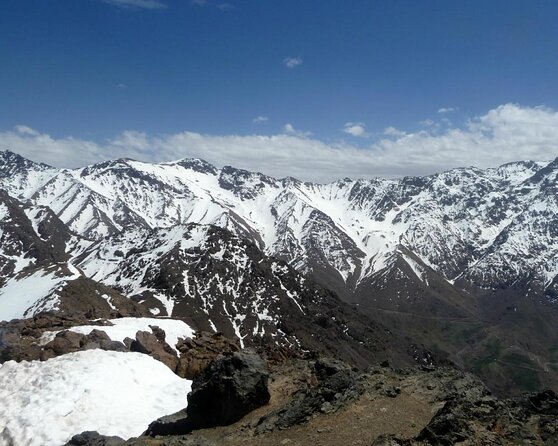
- Asni valley road with optional walking: you can stretch your legs on a light walk and stop for photos as you go.
- Camel ride with mint tea: a 30-minute camel ride plus tea under a traditional tent.
- A real family meal: expect a three-course lunch cooked by a local Berber family.
Why this Atlas Mountains day feels more like a local visit
Atlas trips can turn into a stampede of buses and shopping stops. This one has a different rhythm because it’s built around people and specific places. You’re not just driving for views. You’re meeting the systems that shape daily life in the Atlas foothills.
I also like the balance of structured moments and “your call” time. The guide leads, but you can usually ask for small adjustments—extra photo stops, a shorter walk, or spending a bit more time where the light is best. And since it’s private, you’re not negotiating space with strangers when you want to hear an explanation or take a breath.
The standout for many people is the guiding style. A name you’ll see come up a lot is Yahya, and the praise is consistent: he helps you connect what you’re seeing to Morocco beyond Marrakech, and he stays practical the whole day (not just at the “must-see” stops).
You can also read our reviews of more tours and experiences in Marrakech.

Getting from Marrakech: pickup, 4×4 comfort, and pacing
This is a 7 to 8 hour day, so the pacing matters. You’ll get round-trip hotel transfers, which is a big deal here. The Atlas drive can be long and bumpy in places, and arriving without having to coordinate taxis or buses keeps the day relaxed.
A 4×4 format helps in this kind of terrain. You can expect more “getting there as part of the experience” than “we suffer for the view.” Still, come ready for road time. You’ll be on the move between villages, markets, and viewpoints.
If you’re sensitive to travel time, treat this as a full-day outing, not a quick side quest. I recommend you plan a lighter morning in Marrakech so you don’t feel rushed before pickup. And if you’re traveling with older family members or a teen, you’ll appreciate that the plan includes stops you can look at, talk about, and move through without needing big hikes.
Ourika farmers market: where weekly life happens
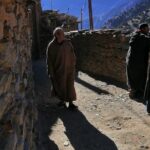
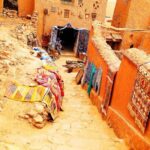
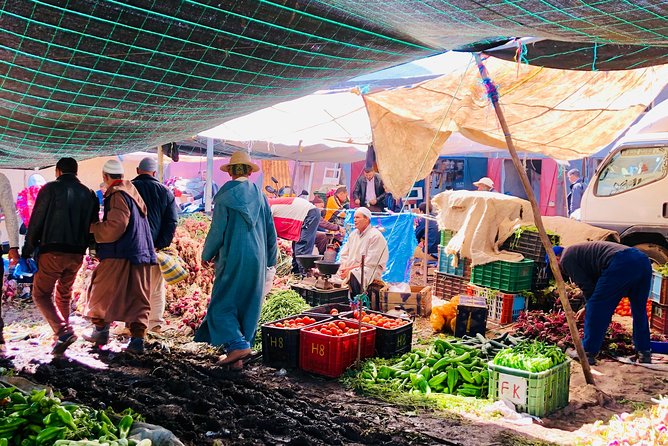
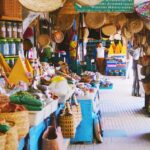
The day often starts in the Ourika area with a Berber village farmers market stop. This is the kind of place where locals gather for weekly shopping, and you get to see what people actually buy and trade as part of normal life—not a curated souvenir street.
The market timing depends on the day. It runs on Sundays, Mondays, Tuesdays, Thursdays, Fridays, and Saturday afternoon. If you’re visiting on a day when the market isn’t running, you won’t just “lose a stop.” Your guide can pivot to a local Berber heritage museum instead.
What I like about this stop
- You get a sense of the local rhythm: when people show up, how they move through the stalls, and what matters to them day to day.
- It’s a good orientation point. After seeing the market energy, the rest of the Atlas day makes more sense.
A realistic consideration
If you’re there on a market-off day, you should expect a different vibe. A museum is still worthwhile, but it’s quieter and more educational than “watching life happen.”

Argan oil cooperative: Morocco’s gold, made by hand
After Ourika, the tour visits an argan oil cooperative. This is one of the best stops if you care about how Morocco’s products connect to real work and real people.
Argan oil is described as locally produced and made by hand by women. The process is labor-intensive, and the cooperative framework gives income and also supports education. In other words, you’re not just buying something. You’re learning why this product is valued and how it creates stability.
I like that the cooperative visit explains the “why it matters” part. If you’ve ever bought argan oil back home, this is the stop that helps the purchase feel earned instead of random.
What to pay attention to
- The difference between watching production and simply seeing bottles.
- How the cooperative approach ties into education and income, not only the final product.
A small practical note
The visit includes admission-free access on the schedule provided, so you’ll spend money on souvenirs only if you want them. That makes the experience feel more value-forward.
Asni valley road: scenic driving plus optional walking
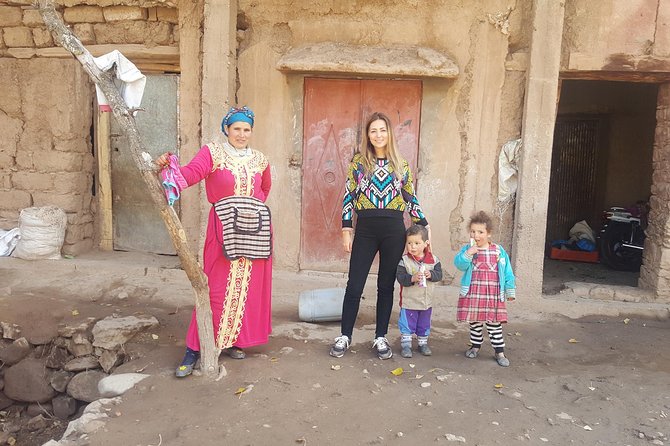
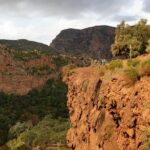
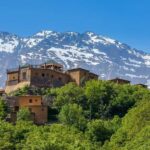
Next comes the road toward Asni, leaving the Ourika road and heading through the Atlas foothills. This is where the day shifts into “slow travel” mode: scenic driving, optional stops, and the chance to soak up wide views without rushing.
There’s an option for a light walk if you want it. The walk is framed as calm and scenery-focused, not a “train yourself for Everest” situation. If you’d rather keep it easy, you can still enjoy the day by using the time for photos and short pauses.
One of the more human touches here is the possibility to bring school stationery. If you want to, you can carry small items like pencils, erasers, notepads, or small clothing items (hats, gloves, socks). You’ll be able to distribute them, and it’s a small way to connect beyond the tourist lens.
What I’d do if you bring supplies
Keep them in a separate bag so they’re ready when the guide indicates. It’s also smart to bring only what you can comfortably hand out, so it doesn’t feel like a pile you can’t manage.
Lunch at a Berber family home: three courses, not a buffet
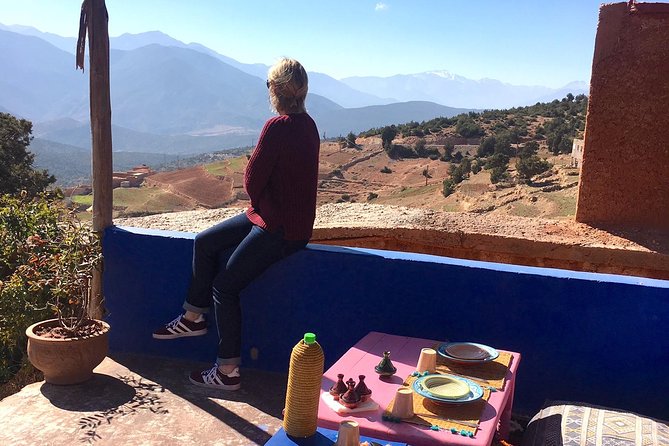
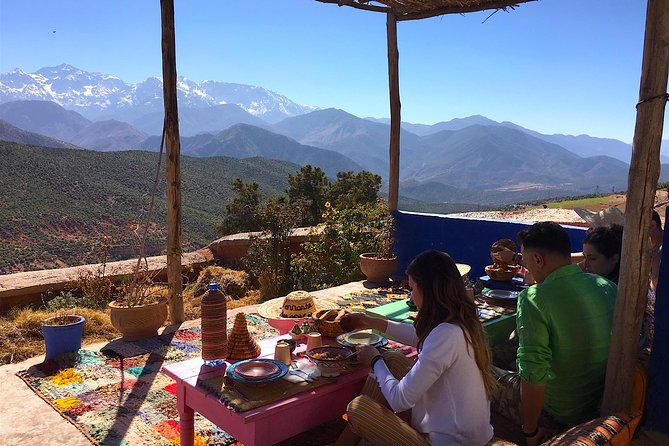
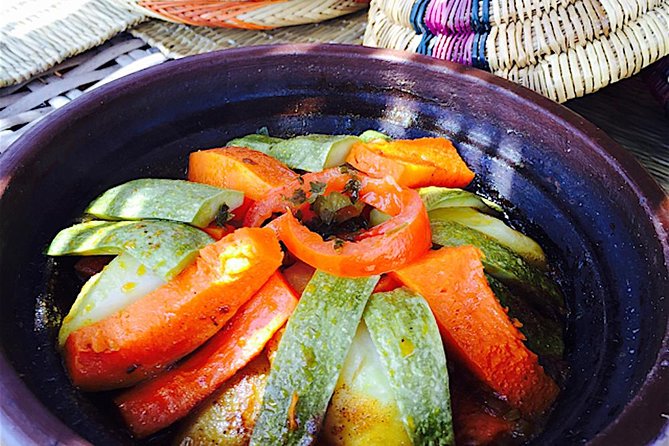
Lunch is set at a family Berber house, overlooking the area. The big point is that you’re eating with a family, and lunch is described as a three-course homemade meal cooked by local Berber family members.
This is exactly the kind of stop that makes a day trip feel real. Buffets can be efficient, but family cooking tells you something about routine: what’s prepared, how it’s served, and how hospitality works when it’s not staged for a crowd.
What to expect from the meal experience
- It’s structured as three courses, so plan for a real meal break, not a quick snack.
- You’ll likely get more context from conversation than from a formal lecture, because this is a home setting.
One drawback to keep in mind
If you’re very picky about food or have strong dietary restrictions, this kind of home meal may be harder to predict. Since specific menu details aren’t provided here, I’d speak with your guide at the start of the day and ask what’s typically served.
Camel ride around the mountains: 30 minutes, guided, plus tea
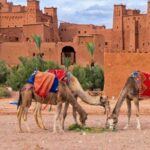
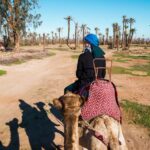
If you want a classic Atlas moment, this tour includes a camel ride around the mountains. The ride is 30 minutes, guided by a native Berber, and it’s followed by mint tea under a traditional tent.
This stop works well for a day trip because it gives you the experience without eating the whole day. You’ll get the “I did it” memory, then you’re back to the rest of the program while it’s still daylight and energy levels are decent.
What I like about how it’s framed
- You’re not left alone; it’s guided.
- The mint tea part is more than a photo op. It’s a chance to slow down and reset after the ride.
Consideration for comfort
Camel rides can feel a bit bumpy even when they’re short. If you’re worried about comfort, tell your guide early so they can help you choose the best setup and timing.
Price and value: is $95.38 a good deal?
At $95.38 per person, this tour isn’t the cheapest way to reach the Atlas—but it’s also not trying to be a luxury-only price. When you break it down, the value comes from what’s included:
- Private tour for your group
- Professional guide
- Round-trip hotel transfers
- Three-course homemade lunch
- Key activities like the camel ride and the cooperative visit on the schedule
For many people, the biggest hidden cost of DIY Atlas trips is logistics. If you hire a driver and pay for separate entry fees and a lunch arrangement, the total can climb quickly. This tour bundles a lot of that into one price, which makes it easier to plan and easier to relax.
Also, the private format matters. One extra hour of your time in Marrakech can be precious, and having pickup and a guide built in saves you decision fatigue.
Who should book this Atlas Mountains experience?
This tour is a strong fit if you want:
- A private day rather than a group scramble
- A mix of culture and hands-on stops (market, argan cooperative, family lunch)
- The classic Atlas experience (camel ride) without turning it into a one-note day
- Someone to manage timing so you don’t have to guess how market schedules work
It also works well for families and mixed ages, since the day includes options like a light walk and short scenic stops. That said, it’s still a full-day drive, so think about your comfort with road time and outdoor breaks.
If you like travel days with conversation—where the guide connects the dots between Marrakech and the Atlas—this is the kind of outing that pays off.
Should you book this Atlas Mountains day trip?
I’d book it if you want an Atlas day that feels human and organized: a market stop that shows weekly life, an argan cooperative that explains how the work supports women, a real family lunch, and a short camel ride with tea. The private format and included transfers are also a big quality-of-life boost.
Skip it (or at least ask more questions first) if you need highly predictable meals with specific dietary requirements, or if you hate the idea of the schedule shifting based on the market day and weather. This is a day-trip style outing, not a guaranteed “perfect itinerary no matter what” experience.
If you’re deciding, here’s the simplest way I’d choose: if you want Atlas Mountains time plus culture plus convenience, this one fits. If you only want scenery and nothing else, you might prefer a lighter, more flexible option.
FAQ
How long is the Atlas Mountains day trip from Marrakech?
The experience lasts about 7 to 8 hours.
Is pickup and drop-off included?
Yes. Round-trip hotel transfers are included.
Is the tour private?
Yes. It’s a private tour, meaning only your group participates.
What food is included?
You’ll have a three-course homemade lunch cooked by a local Berber family.
Where do you stop first?
The first stop is Ourika, including time at a Berber village farmers market (when it’s running).
What happens if the farmers market is not open?
If the market isn’t running on your visit day, you’ll have the option to visit a local Berber heritage museum instead.
Does the tour include camel riding?
Yes. There’s a 30-minute camel ride guided by a native Berber, followed by mint tea under a traditional tent.
What day does the farmers market operate?
The market is listed as running on Sundays, Mondays, Tuesdays, Thursdays, Fridays, and Saturday afternoon.
What is the cancellation policy?
You can cancel for a full refund up to 24 hours in advance. If the experience is canceled due to poor weather, you’ll be offered a different date or a full refund.