REVIEW · TOKYO
Tokyo: Mount Fuji and Hakone Private Sightseeing Day Tour
Book on GetYourGuide →Operated by TheTokyoTravel · Bookable on GetYourGuide
Fuji day can turn into magic fast. This private Mount Fuji and Hakone sightseeing day uses a comfortable car and smart timing to pack in Subaru 5th Station views and Hakone’s lake-and-ropes highlights in one full day. You’ll also stop at classic photo spots like Chureito Pagoda, with time built in to actually enjoy the views, not just glance and go.
I like two things a lot. First, the Hakone Ropeway plus Lake Ashi cruise combo gives you a real change of pace from the temple and shrine stops. Second, it’s a private group up to 6, which means you can move at a family-friendly rhythm and spend a little longer where the pictures (and views) are best.
One drawback to plan for: visibility is never guaranteed. If rain or cloud rolls in, Mount Fuji can disappear, and some ropeway/boat experiences may be limited depending on conditions.
In This Review
- Key Highlights Worth Your Day
- How This Private 10-Hour Day Trip Feels Easier Than Doing It Alone
- Subaru 5th Station at 2,300 Meters: Where Fuji Can Look Close Enough to Touch
- Kitaguchi-hongu Fuji Sengen Shrine: Red Torii, Cedar Shade, and Calm Photo Angles
- Oshino Hakkai Ponds: Snowmelt Water, Traditional Village Vibes, and Snacks
- Hakone Ropeway: The Volcanic Views You Can Get Without Hiking All Day
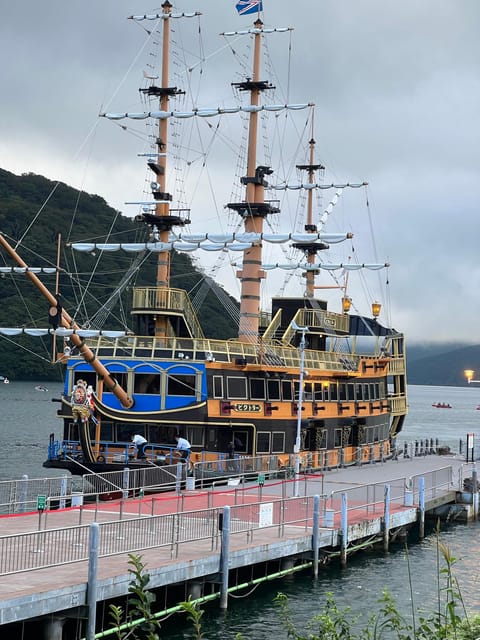
- Lake Ashi Cruise and the Pirate-Ship Style Ride: The Moment Hakone Clicks
- Chureito Pagoda in Arakurayama Sengen Park: Fuji’s Most Famous Photo Angle
- Price and Value: What $534 Covers for Up to 6 People
- Smart Tips to Get the Best Fuji and Hakone Day
- Should You Book This Mount Fuji and Hakone Private Day Tour?
- FAQ
- How long is the Mount Fuji and Hakone private tour?
- Is this a private group tour?
- Where do pickup and drop-off happen?
- What’s included in the price?
- What costs extra during the day?
- Do I need to bring cash?
- Are there vehicle rules I should know about?
- What languages are supported?
- What if Mount Fuji is cloudy or not visible?
Key Highlights Worth Your Day
- Unobstructed-style Mount Fuji timing: Subaru 5th Station sits at about 2,300 meters, where you can get wide views when the weather cooperates.
- Hakone’s biggest-picture rides: A cable car/ropeway ascent and a Lake Ashi boat cruise help you see more with less effort.
- Oshino Hakkai ponds for the easy wow-factor: Eight ponds fed by Mount Fuji snowmelt, plus snacks and a relaxing walk.
- Chureito Pagoda photo stop with breathing room: Expect about two hours here so you can find angles, not just rush.
- Private pacing with an English/Japanese-speaking driver: Reviews often praise guides like Khan, Moon, and Imran for adjusting the day around traffic and preferences.
How This Private 10-Hour Day Trip Feels Easier Than Doing It Alone
This is a private full-day tour from Tokyo, built around pickup and drop-off, not ticket-hunting. The day runs for 10 hours total, including hotel pickup and returning you back to Tokyo, so you’re not spending half the time on trains and transfers.
Pickup is included if you’re within Tokyo’s 23 wards. You just need to be in the hotel lobby about 5 minutes before your scheduled pickup time. Also, the tour is described as fully customizable, so your driver can add or remove places based on what you care about most.
Your ride includes helpful “small stuff” that really matters over a long day: an air-conditioned vehicle, WiFi on board, and bottled water. In past trips, people also mentioned extras like charging support and small snacks, depending on the driver.
You can also read our reviews of more tours and experiences in Tokyo.


Subaru 5th Station at 2,300 Meters: Where Fuji Can Look Close Enough to Touch
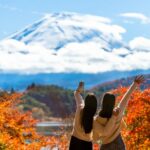
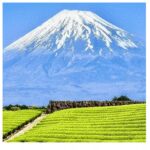
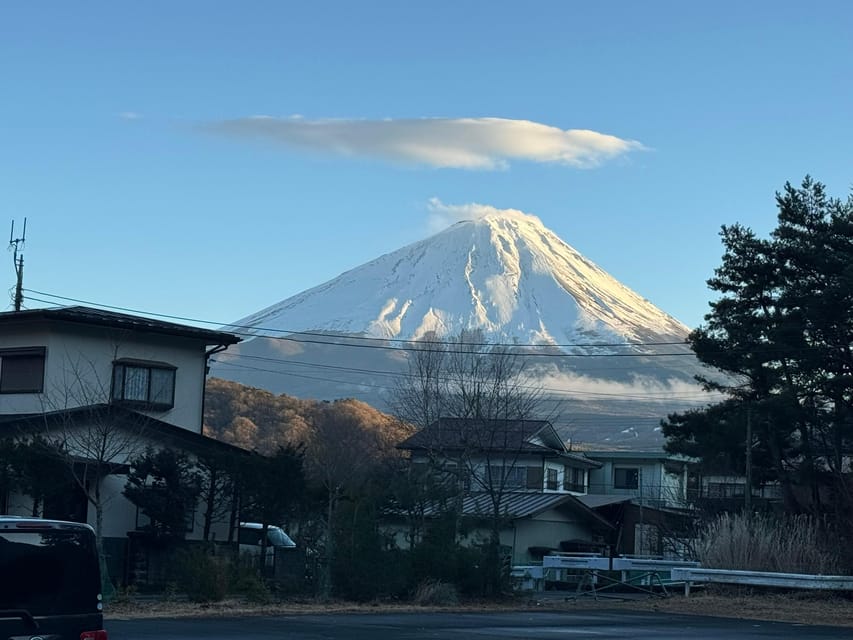
Most people come for Mount Fuji, and Subaru 5th Station is where the day can either sparkle or test your patience. It’s about 2,300 meters up, and that elevation is the whole point: when visibility is good, you get wide views over the area around the Fuji Five Lakes region.
You’ll have time for photos and walking, and there’s also a shrine stop at Tenjosan Komitake Shrine. That matters because shrine grounds tend to be more open and less “photo-jostle-y,” and you can often get a cleaner line of sight from there toward places like Lake Yamanaka and Fujiyoshida City.
Two practical notes:
- Entry fees aren’t included, so plan for separate costs at the station.
- Weather decides the mood. One review described a great driver pivot when Fuji wasn’t visible; another noted rain affected ropeway and cruise plans. In other words, you can do everything right and still get a different day.
Kitaguchi-hongu Fuji Sengen Shrine: Red Torii, Cedar Shade, and Calm Photo Angles
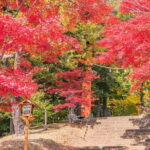
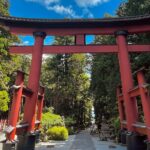
Right after Fuji station, you’ll head to Kitaguchi-hongu Fuji Sengen Shrine, another big Mount Fuji-related site. The big visual is the red torii gates, which pop in photos even when the sky is gray.
This stop is shorter (about 30 minutes), but it includes time to walk and photograph. You also get a peaceful stretch along a path shaded by very old cedar trees (over 1,000 years), with stone lanterns lining the way. That’s the kind of detail that’s hard to recreate on your own, especially if you’re rushing.
If you want a “break” day-feeling—fresh air, quiet spaces, and easy walking—this is a good pause before the more active Hakone section.
Oshino Hakkai Ponds: Snowmelt Water, Traditional Village Vibes, and Snacks
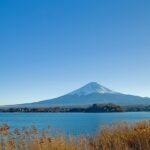
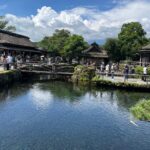
Next comes Oshino Hakkai, a village built around eight small ponds formed by Mount Fuji snowmelt. This is one of those places where you can wander slowly and still feel like you’re doing something worthwhile, even if you’re not a hardcore nature hiker.
You’ll get about an hour here, with time that can include tea and a relaxed lunch/snack flow. The tour notes mention street food and local snacks, and cash is required—so bring some bills and coins to avoid last-minute stress.
What I like about this stop is the texture. Fuji is dramatic. Shrines are spiritual. Oshino is calm and “human-scaled.” It’s also a great place for photos that don’t depend entirely on sky conditions.
Hakone Ropeway: The Volcanic Views You Can Get Without Hiking All Day
Hakone is where the day turns from classic Fuji sightseeing into “this place has its own rules” scenery. You’ll ride the Hakone Ropeway/cable car, described as one of the larger ropeway systems in Japan.
The goal here is views from above—especially toward Owakudani Valley—without doing the exhausting hiking that some people attempt. The itinerary includes about one hour for this stop, plus time for the ride and observation.
One review also mentioned the unique sulfur smell at Owakudani, which is exactly what makes this area feel authentic. You’re not just looking at pretty lakes. You’re seeing the volcanic engine behind Hakone.
Ticket note: the ropeway portion (and later the pirate-ship-style cruise ticket) is not included, so you’ll pay separately.
Lake Ashi Cruise and the Pirate-Ship Style Ride: The Moment Hakone Clicks
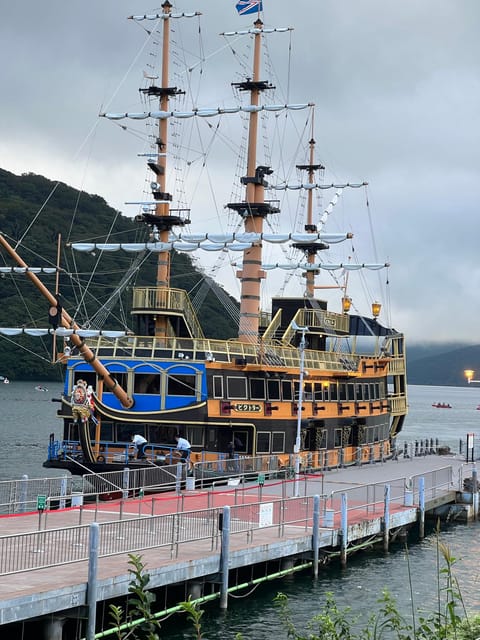
Lake Ashi is the big scenic reset. You’ll arrive for a boat cruise with photo time and sightseeing, and the tour highlights include both a classic cruise view and a pirate ship ride option.
This stop runs about one hour, giving you time to board, enjoy the water views, and take photos from the best angles you can find. The lake sits inside Hakone National Park, and the mountains around it are a natural frame for the day’s earlier Fuji shots.
Practical reality check: rain and low visibility can reduce what you can enjoy. One review said that due to rainy weather they couldn’t enjoy the ropeway or pirate ship, but the day still worked because the guide adjusted the plan. So think of this cruise as a “high chance of wow,” not a guaranteed script.
Chureito Pagoda in Arakurayama Sengen Park: Fuji’s Most Famous Photo Angle
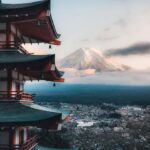
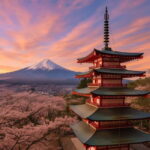
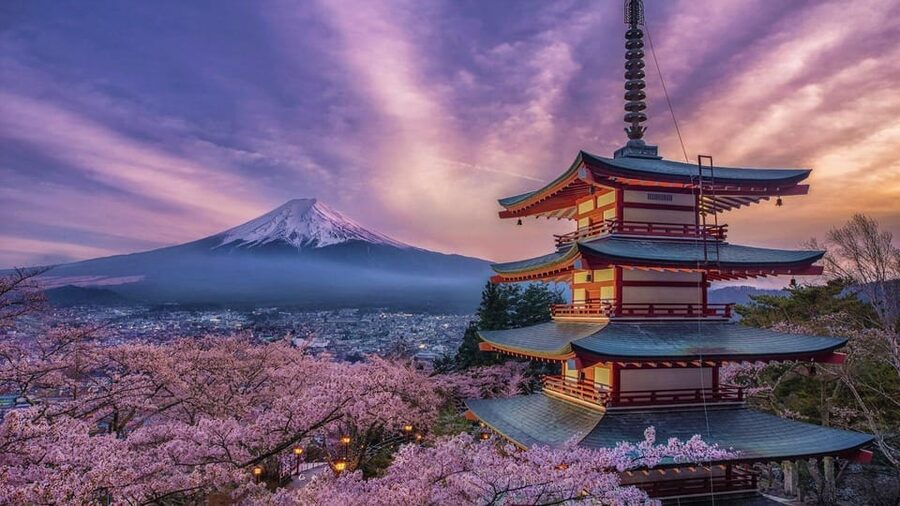
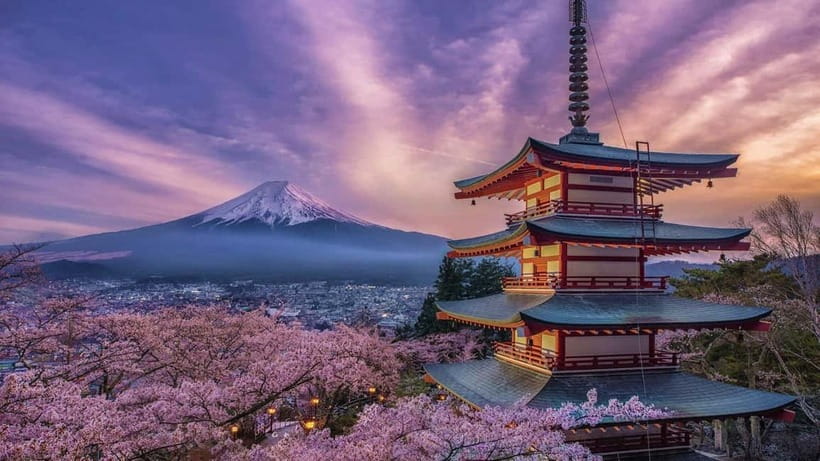
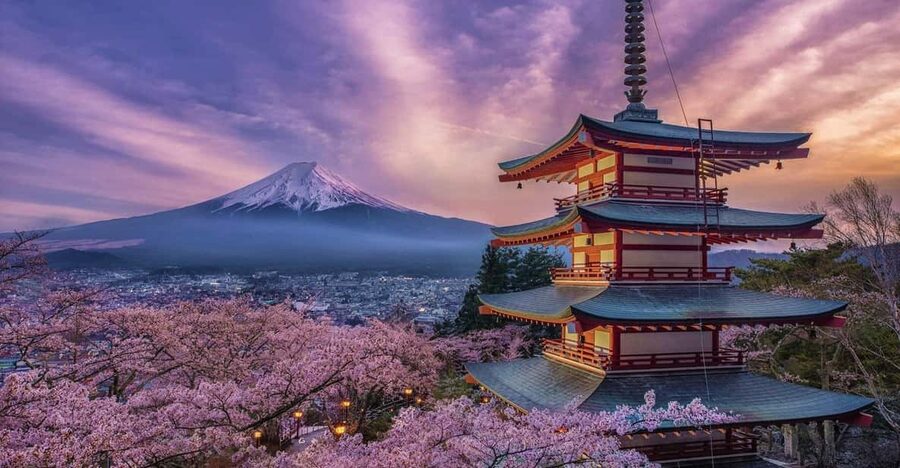
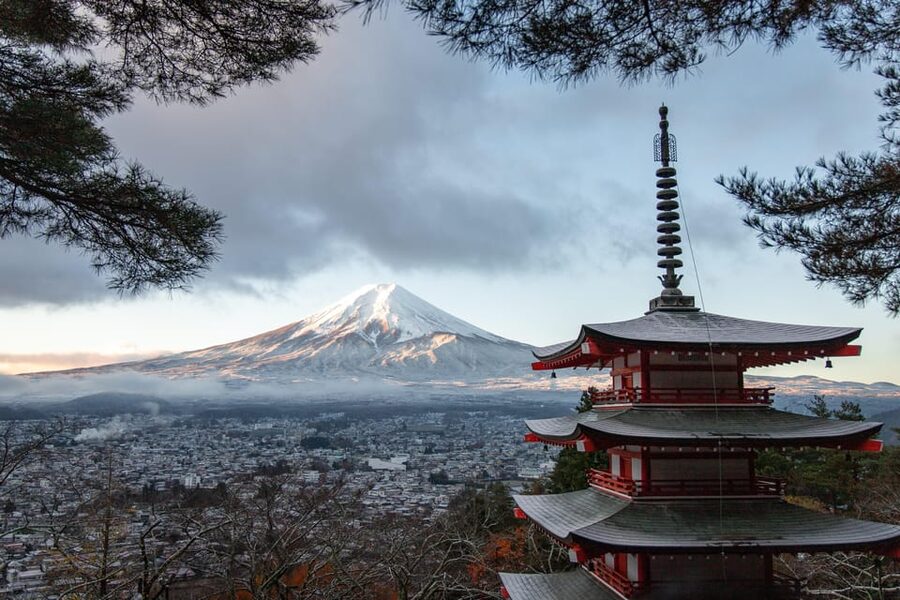
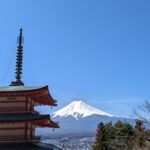
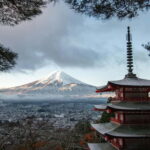
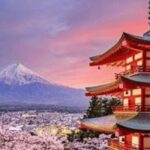
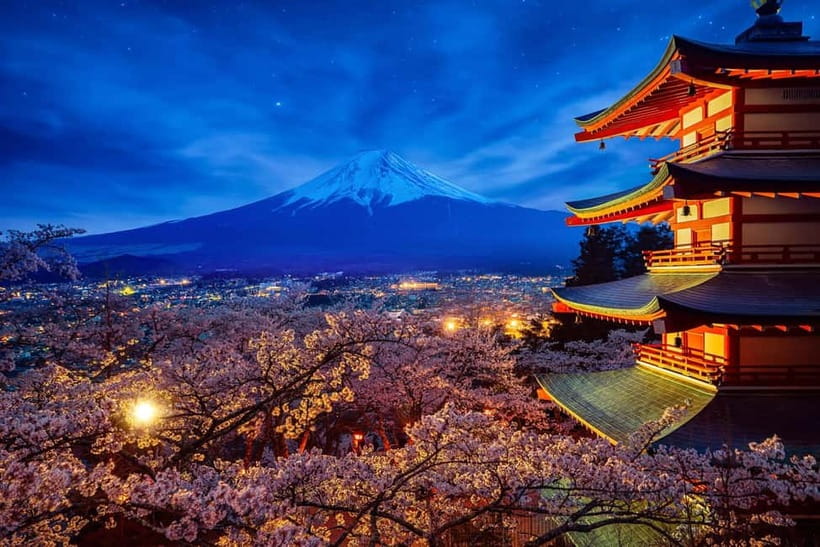
Then you get to the iconic one: Chureito Pagoda in Arakurayama Sengen Park. This five-story pagoda is famous for its Mount Fuji backdrop, and it’s often the stop people remember even if Fuji visibility changes earlier in the day.
You’ll have about two hours here, which is the right amount of time. Crowds can move fast, and the light changes. Two hours means you can wait for better angles, do the walk-ups, and still return to the main viewing spots before you’re exhausted.
This is also seasonal: the tour notes call out standout views during cherry blossom season and autumn foliage. Even outside those seasons, the pagoda has a strong “postcard layout,” and it’s one of the easiest places for great photos without complicated logistics.
Price and Value: What $534 Covers for Up to 6 People
At $534 per group (up to 6), you’re paying for convenience, private transport, and a whole-day plan that connects the big hitters. If you split it among a full group, it can work out to a pretty reasonable per-person day. If it’s just two travelers, it’s a more premium choice—but still often cheaper than stacking multiple private transfers and tickets.
Here’s what’s included:
- Hotel pickup and drop-off
- Air-conditioned vehicle
- Driver
- WiFi on board
- Bottled water
- Fuel surcharge, parking fees, highway tolls
Not included:
- Lunch
- Fuji Subaru Line 5th Station entry fees
- Ropeway and pirate ship cruise tickets
- Guide (the tour lists a driver as the main person on the trip)
One thing I find reassuring from the reviews: the driver role can go beyond driving. People credited guides like Khan and Moon (and others such as Imran, Zeshan, Ahamed, and Danish) for history explanations, pace control, and even helping with photography logistics. Still, don’t count on a separate guide unless you’ve confirmed that arrangement for your exact booking.
Value-wise, this tour is strongest if you:
- Want stress-free transfers from Tokyo
- Care about photogenic stops with minimal friction
- Prefer a private van over train hopping
- Travel with kids or anyone who benefits from slower pacing
Smart Tips to Get the Best Fuji and Hakone Day
This kind of trip runs on two things: timing and weather. You can’t control either, but you can prepare.
Pack for comfort, not just photos. Comfortable shoes are a must. It’s also smart to bring clothes you can adjust in layers since mountain and lake weather can feel different from Tokyo.
Have cash on hand. The tour specifically asks you to bring cash, which makes sense because key paid components are not included: station entry fees plus ropeway and cruise tickets, and likely snacks and small meals too.
If Fuji is hidden, don’t panic. Reviews include examples of drivers pivoting the day when Mount Fuji wasn’t visible. In a private setup, that flexibility tends to matter more than in a fixed bus tour, because your driver can reorder time and focus on what you can still enjoy.
Finally, use the private nature. One review described the guides as helpful with logistics and photography. That means you can ask for photo moments and quicker stops instead of being stuck with a rigid group schedule.
Should You Book This Mount Fuji and Hakone Private Day Tour?
Book it if you want a single, private day that hits the major Fuji/Hakone hits without the transfer grind. This is especially good for families, couples who want photography time without a crowd crush, and first-timers who want a well-connected route from Tokyo.
Skip (or think twice) if you’re ultra-budget focused or you don’t want to pay extra day-of costs for station entry and Hakone ropeway/cruise tickets. Also, if you’re going during periods with frequent rain or low visibility, treat Mount Fuji moments as a high-probability goal, not a guaranteed outcome.
FAQ
How long is the Mount Fuji and Hakone private tour?
The tour is 10 hours total, and that includes hotel pickup and drop-off in Tokyo.
Is this a private group tour?
Yes. It’s a private group experience for up to 6 people.
Where do pickup and drop-off happen?
Pickup and drop-off are included from any hotel or train station within Tokyo’s 23 wards.
What’s included in the price?
Hotel pickup and drop-off, transportation in an air-conditioned vehicle, WiFi on board, the driver, bottled water, fuel surcharge, parking fees, and highway tolls.
What costs extra during the day?
Lunch, entry fees for the Fuji Subaru Line 5th Station, and tickets for the ropeway and the pirate ship cruise are not included.
Do I need to bring cash?
Yes. The tour asks you to bring cash, since some paid items and snacks are not included.
Are there vehicle rules I should know about?
Smoking is not allowed in the vehicle, and alcohol and drugs are also not allowed.
What languages are supported?
The driver speaks English and Japanese.
What if Mount Fuji is cloudy or not visible?
Weather can affect what you see. Past experiences show guides may pivot to other enjoyable stops, and rainy conditions can limit ropeway or cruise options.