REVIEW · TOKYO
Tokyo: Mt. Fuji Cruise & Hakone Ropeway Day Trip by Bus
Book on Viator →Operated by Local Guide Stars · Bookable on Viator
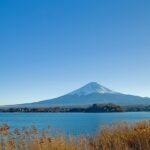
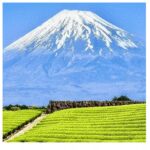
Mt. Fuji, seen from the lake, is magic. This one-day bus trip from Shinjuku strings together a pirate-style cruise on Lake Ashi and views that feel close enough to touch.
I love two things most. First, the ride is in comfortable premium seats, so the long day doesn’t feel as painful. Second, the route is built around the classic Mt. Fuji moments in a smart order, so you don’t waste your time.
The only real trade-off is the schedule. You’re out for about 10 hours, and if Tokyo traffic is rough, the timing can run a bit later, as it does on any day trip.
In This Review
- Key Highlights You’ll Feel Immediately
- Why This Mt. Fuji Day Trip Works From Shinjuku
- On the Bus: Premium Seats and a Smooth Start
- Lake Ashinoko at Moto-Hakone Port: Lunch With Real Scenery
- Togendai and the Pirate-Ship Cruise: Fun That Also Brings Photos
- Owakudani Volcanic Valley and the Ropeway Over Active Ground
- Hakone Jinja: Peace Torii Photos and Kuzuryu for Love and Relationships
- Fuji Shibasari Peace Park: The Quiet Viewpoint Locals Know
- How the Day Feels on the Ground (And When You’ll Want Patience)
- Price and Value: What You’re Really Paying For
- Who This Tour Fits Best (And Who Might Prefer Something Else)
- Simple Booking Takeaways Before You Go
- Should You Book This Tokyo to Mt. Fuji Day Trip?
- FAQ
- What is the duration of the Tokyo: Mt. Fuji Cruise & Hakone Ropeway Day Trip?
- How much does the tour cost?
- What time does the tour start and where do I meet?
- Where does the tour end?
- Is a mobile ticket used?
- Are any admissions included in the price?
- Do you visit Owakudani Valley and do the ropeway?
- What kinds of sights are included for photos?
- How many people are on the tour?
- Is free cancellation available?
Key Highlights You’ll Feel Immediately
- Premium-seat comfort from Shinjuku: less fatigue before you even reach the sights
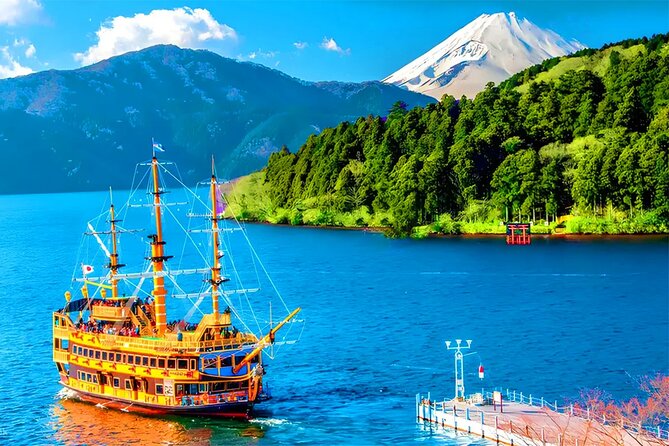
- Pirate-ship cruise on Lake Ashi: a fun way to spot Mt. Fuji reflections
- Owakudani volcanic valley plus ropeway: steam, sulfur air, and dramatic views
- Hakone Jinja with the Peace Torii: iconic torii-on-the-lake photos
- Fuji Shibasari Peace Park: a quieter viewpoint for Mt. Fuji views
- Small group, up to 49 people, with multilingual guides such as Ayaka and Mia
Why This Mt. Fuji Day Trip Works From Shinjuku
If you want Mt. Fuji in one day without doing complicated train transfers, this type of bus tour is a strong option. You leave the center of Tokyo early, then spend your time where the views actually are: Lake Ashi, Hakone, and the volcanic valley.
What I like about the design is the mix. You get a water-based photo moment (the lake and the floating torii), then a volcanic stop where the air really changes, and then a viewpoint that tends to feel more peaceful than the most famous photo spots.
The day also has a nice pacing feel: short, focused stops, and enough time to actually look around instead of treating each place like a 10-minute checklist.
You can also read our reviews of more tours and experiences in Tokyo.


On the Bus: Premium Seats and a Smooth Start
You meet at Keio Plaza Hotel in Shinjuku (1 Chome-24 Nishishinjuku). The departure is at 8:00 am, so treat this as a day that starts early on purpose.
The bus seats are described as comfortable premium, which matters more than it sounds. A round trip from Tokyo to the Hakone/Mt. Fuji area takes time, and you’ll be grateful for decent cushioning before you stand outdoors for photos.
Also, the group size is capped at 49 travelers. That’s large enough to feel like a real tour day, but small enough that you’re not fighting crowds when the bus parks and everyone spills out. You’ll likely move as one group, but the stops are built around you having a window to explore.
One practical tip: plan for weather. Mt. Fuji visibility can change fast with cloud cover and wind. If you’re dressed in layers, you’ll be able to switch from “photo-ready” to “comfortable enough to wait” without ruining your mood.
Lake Ashinoko at Moto-Hakone Port: Lunch With Real Scenery
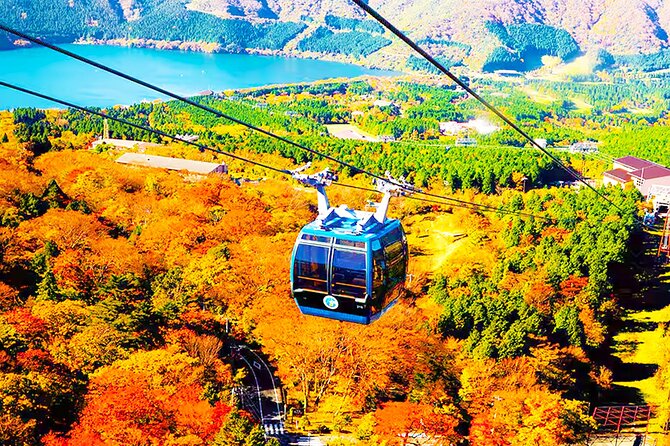
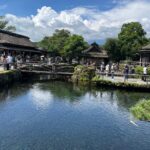
The first big chunk of the day centers on Lake Ashinoko. After your cruise portion, you’ll have lunch at Moto-Hakone Port. The stop is about 1 hour 20 minutes, and admission here is free.
Why this lunch stop is useful: it’s not just a rushed meal. Moto-Hakone Port sits right along the lakeshore vibe, so you can eat while taking in the water views and keep your energy for the next stops. You’ll find a mix of options, from traditional Japanese food to Western-style dishes and cafés.
Drawback to consider: because this is a planned stop, your lunch timing is attached to the schedule. If you’re the type who hates waiting for a table, you might want to choose a place fast once you arrive and then settle in. In a tight day like this, speed helps.
Togendai and the Pirate-Ship Cruise: Fun That Also Brings Photos
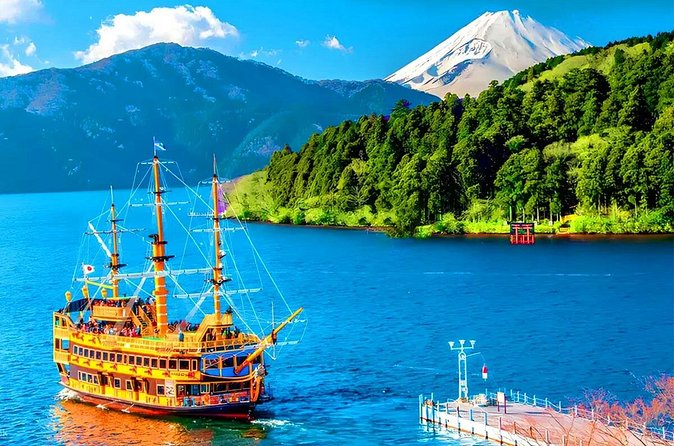
Next comes Togendai Station General Information Center, followed by a cruise segment. The cruise lasts about 1 hour, and the admission is included.
This boat is described as a charming pirate ship, which is more than gimmick. On a lake day, the boat turns into your moving viewpoint. Instead of squinting from shore, you get a more “composed” view angle, and that helps when you’re trying to line up Mt. Fuji (or at least the dramatic Mt. Fuji-weather mood).
Here’s what you should watch for during the cruise:
- The water color shifts as light and weather change.
- Mt. Fuji views can be clearer from certain angles, even if you can’t get a perfect sightline the whole time.
- If the lake is calm, reflections can make the photos look extra dramatic.
This is also where the tour’s structure starts making sense. You’re on the water early, then later you’ll hit the shrine photo spots that match the lake’s iconic look.
Owakudani Volcanic Valley and the Ropeway Over Active Ground
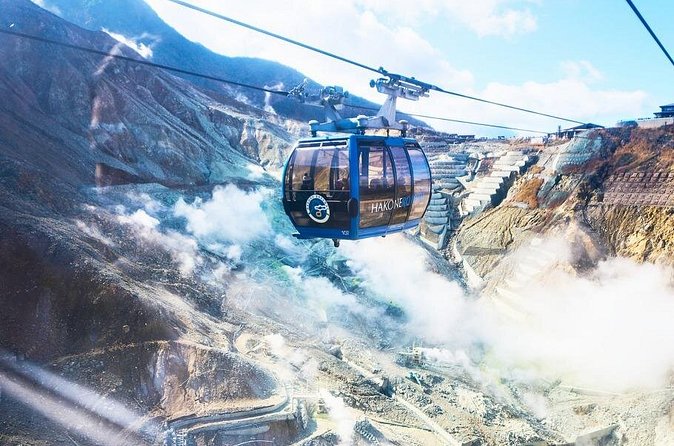
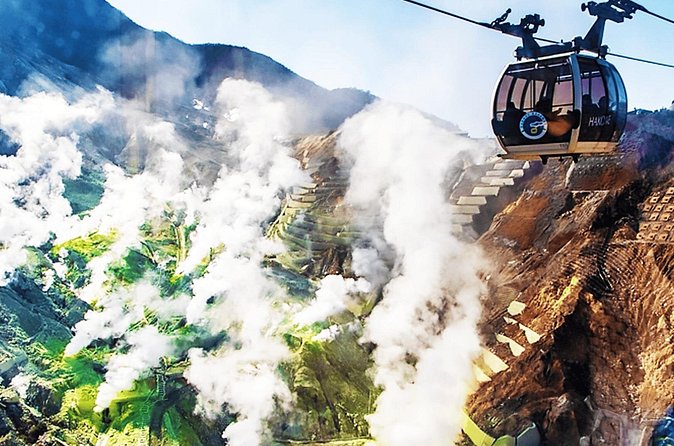
Then you head to Owakudani Valley, the volcanic area that’s still active. You’ll have about 50 minutes here, and admission is free for this portion.
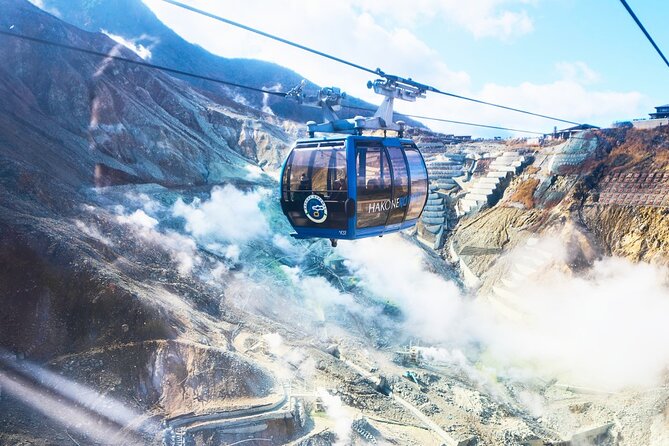
This stop is all about sensory contrast. The descriptions you’ll hear mention sulfur smell and white steam rising from rugged ground. Even if you’ve seen volcanic areas before, Owakudani tends to feel more immediate because the area doesn’t look like it’s finished doing its job.
The tour also includes the ropeway over the volcanic valley (listed as a feature). The practical value of the ropeway in this setting is simple: it gets you elevated views without forcing you to do a lot of walking on rough ground. It also adds variety to what would otherwise be a single viewpoint stop.
What to consider:
- It can be a strong-smelling place. If you’re sensitive to odors, you’ll want to keep moving and take breaks when you need them.
- Visibility can be affected by steam. Some viewpoints may look less dramatic on misty days, so keep your expectations flexible.
Hakone Jinja: Peace Torii Photos and Kuzuryu for Love and Relationships
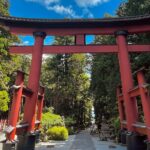
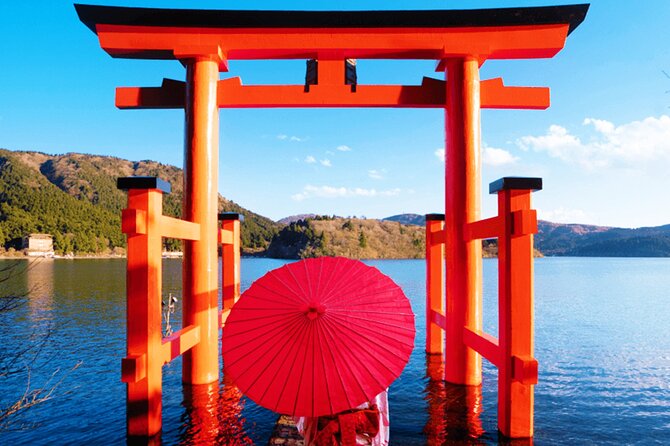
At Hakone Jinja, you get the shrine experience plus the “torii in the water” photo moment. This stop runs about 50 minutes, and admission is free.
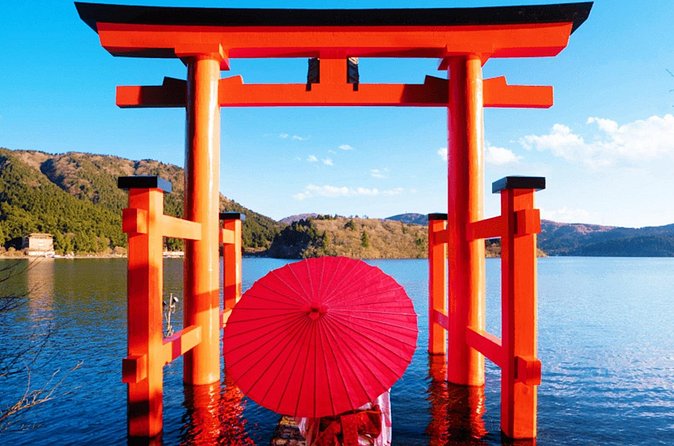
The headline is the Peace Torii, described as floating on Lake Ashi. Even if you’ve seen images online, standing near it in person can still surprise you because the scene depends on weather and water level. When conditions cooperate, you get an iconic Mt. Fuji-to-lake-to-torii composition.
There’s more here than a single photo:
- You can pray for good fortune and success.
- You can visit Kuzuryu Shrine, which is known for themes of love and good relationships.
This is also a good place in the day to slow down. After volcanic intensity, a shrine stop gives you a calmer rhythm. You’re still outdoors, but the pace is more human: looking, taking in views, and then stepping back from the crowd when you need a breather.
Fuji Shibasari Peace Park: The Quiet Viewpoint Locals Know
The last major viewpoint stop is Fuji Shibasari Peace Park, about 30 minutes, with admission free.
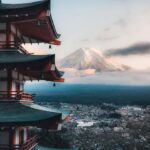
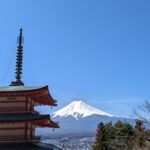
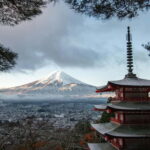
This place earns its reputation through perspective. The park is described as a viewpoint that many locals know for clear, beautiful Mt. Fuji views without the heaviest crowds. It’s set on a hilltop, and the design includes a white stupa, which gives you a different kind of “Mt. Fuji photo frame” than the lake and shrine areas.
Why it works as a final stop:
- You’ve already done the big set pieces (cruise, volcano, torii).
- Now you shift into “watch the mountain” mode.
- Even when Mt. Fuji isn’t perfectly crisp, higher viewpoints can still give you dramatic layers and skies.
Practical note: this is outdoors and brief. If the weather is good, you’ll want to move quickly to your preferred angle and then wait a minute or two for the light to settle. If it’s cloudy, don’t panic. Clouds can thin out.
How the Day Feels on the Ground (And When You’ll Want Patience)
This is a 10-hour day, starting at 8:00 am. That’s long enough to need mental breaks, but structured enough that you’re not wandering around hungry and lost.
Here’s the rhythm you should expect:
- A bus ride that sets you up for success (comfortable seats help).
- A water-based cruise where photos and views happen without exhausting you.
- A volcanic stop that adds real intensity.
- A shrine stop for iconic torii views and cultural context.
- A final hilltop viewpoint to close strong.
In the reviews that matter most for your planning, one theme shows up: the guides and bus driver make a big difference. If you get assigned to guides like Ayaka or Mia, you’ll likely find the day runs smoothly with clear explanations and multilingual support. That makes the difference between just seeing places and actually understanding what you’re looking at.
One more honest factor: traffic. Tokyo roads can slow down the day, and that’s outside anyone’s control. If you’re counting on a very specific return time for dinner reservations later that evening, keep your plans flexible.
Price and Value: What You’re Really Paying For
The price is $92.50 per person. For a one-day Mt. Fuji trip, you’re mainly paying for three things:
- Transportation out of Tokyo and back in a way that doesn’t require you to coordinate multiple segments.
- Key included experiences, like the Lake Ashi cruise (admission included) and the ropeway element tied to the volcanic area.
- Guiding and time management, so you’re not spending your morning figuring out logistics.
To judge value, don’t look only at the ticket price. Look at how much of the day is built from included activities plus scenic stops. Most of the “hard work” is done for you: where to go, when to go, and how the route flows.
If you’re the type who can handle DIY travel well, you might be able to save money on paper. But you’ll spend more time planning, more time navigating connections, and more time risking delays on your own schedule. For many people, especially first-timers, buying the day as a package is the smarter trade.
Who This Tour Fits Best (And Who Might Prefer Something Else)
This day trip is a good match if you:
- Want Mt. Fuji and Hakone highlights in one day.
- Prefer guided structure over self-planning.
- Like scenic photography where the views are built around specific spots: lake, shrine, volcano, hilltop.
- Appreciate a multilingual guide who helps you move through each location with less confusion.
It’s also a good fit for couples, small families, and solo travelers who want an organized route without giving up time to look around.
You might want a different approach if you:
- Hate early starts and long days.
- Are very detail-focused about deep independent exploration in each area.
- Need a flexible schedule for that evening, because traffic can shift timing.
Simple Booking Takeaways Before You Go
A few details from the tour format that help you feel prepared:
- You’ll use a mobile ticket, so you don’t need to print anything.
- The meeting point is near public transportation (Keio Plaza Hotel in Shinjuku), which makes arrival easier.
- The tour includes multiple stops with free admission listed for several parts of the day, which helps you avoid surprise entry fees once you’re out there.
Also, pack like it’s outdoors time. Comfortable shoes help because you’ll be moving between viewpoints and walking around ports, stations, and shrine grounds.
Should You Book This Tokyo to Mt. Fuji Day Trip?
Yes, I’d book it if your goal is classic Mt. Fuji and Hakone sights done in one organized day. The big strengths are the premium-seat bus comfort, the pirate-ship Lake Ashi cruise, the dramatic Owakudani volcanic experience with ropeway, and the photo payoff at Hakone Jinja’s Peace Torii plus the calmer finale at Fuji Shibasari Peace Park.
If you’re sensitive to long schedules, plan around the early start and possible traffic delays. And if Mt. Fuji visibility is your only obsession, remember weather controls the outcome more than any tour does.
My final take: this is a smart-value day tour for people who want the highlights without the stress. And if you end up with a multilingual guide like Ayaka or Mia, you’ll likely get more meaning from each stop than you would on your own.
FAQ
What is the duration of the Tokyo: Mt. Fuji Cruise & Hakone Ropeway Day Trip?
It runs for about 10 hours.
How much does the tour cost?
The price is $92.50 per person.
What time does the tour start and where do I meet?
The start time is 8:00 am, and the meeting point is Keio Plaza Hotel, 1 Chome-24 Nishishinjuku, Shinjuku City, Tokyo.
Where does the tour end?
The activity ends back at the meeting area, and it’s described as concluding in the evening at MODE Gakuen in Shinjuku.
Is a mobile ticket used?
Yes, the tour uses a mobile ticket.
Are any admissions included in the price?
Yes. The cruise on the lake (from the Togendai area) has admission included, and several other stops list admission as free.
Do you visit Owakudani Valley and do the ropeway?
Yes. You go to Owakudani Valley, and the tour includes the ropeway over the volcanic valley as part of the experience.
What kinds of sights are included for photos?
You’ll see views around Lake Ashi, the floating Peace Torii at Hakone Jinja, and the Mt. Fuji viewpoint at Fuji Shibasari Peace Park.
How many people are on the tour?
The maximum group size is 49 travelers.
Is free cancellation available?
Yes. You can cancel for free up to 24 hours before the experience starts for a full refund.