REVIEW · TOKYO
Mt. Fuji and Lake Kawaguchi Day Trip with Private Car
Book on Viator →Operated by Tour Japan · Bookable on Viator
A Fuji day, minus the train maze. This private Mt. Fuji and Lake Kawaguchi trip is built around great viewpoints and smart routing, with hotel pickup/drop-off and a driver who can pull over for photo stops when the mountain shows itself. I also love the mix of famous spots and weirder, more memorable stops like the lava caves and Oshino Hakkai’s spring-water ponds. One catch: it’s a long day and a 10-hour window means you may need to choose if traffic or weather affects opening times.
Your experience hinges on one thing more than people expect: timing. With a private car, you avoid station signage stress and don’t have to sync your day to train/bus schedules. Still, Mt. Fuji visibility and attraction hours are weather-dependent, so you’ll get the best value when you’re flexible and ready to swap priorities on the fly.
In This Review
- Key things to know before you go
- Price and logistics: why a private car can be worth it
- Your Fuji day route: stop by stop
- Chureito Pagoda: Fuji framed by cherry blossoms energy
- Arakura Fuji Sengen Shrine: another gateway to climbing culture
- Oshino Hakkai: spring-water ponds you can actually see and touch
- Saiko Iyashi no Sato Nenba: a reconstructed village with style choices
- Narusawa Ice Cave: short, cool, and oddly fun
- Fugaku Wind Cave: the bigger lava-tube cousin
- Fujikawaguchiko-machi and Lake Kawaguchi Ko views: the main Fuji showcase
- Mt. Fuji Panoramic Ropeway: worth it, but check wait times
- Mt. Fuji 5th Station: optional, and it costs extra
- What makes this tour work well: the real value
- The guide and driver factor: quality can swing the experience
- Weather and Mt. Fuji visibility: plan with the sky in mind
- What to pack and how to keep the day comfortable
- Should you book this Mt. Fuji and Lake Kawaguchi private car day trip?
- FAQ
- How long is the Mt. Fuji and Lake Kawaguchi private car tour?
- What is the group size for this private tour?
- Does the tour include hotel pickup and drop-off?
- Are admission tickets included for the stops?
- Is Mt. Fuji 5th Station included?
- Is the Mt. Fuji Panoramic Ropeway included?
- Is bottled water included?
- Do I get a mobile ticket?
- What happens if the weather is bad?
Key things to know before you go
- Private round-trip transfers keep you from wrestling with Japanese train signage and multiple changes
- Multiple Fuji viewpoints in one day, from Chureito Pagoda to the Kawaguchi area
- Lava caves and ice cave stops give you variety beyond the usual photo spots
- Several admissions are free on the plan, but extras like the ropeway and 5th Station cost extra
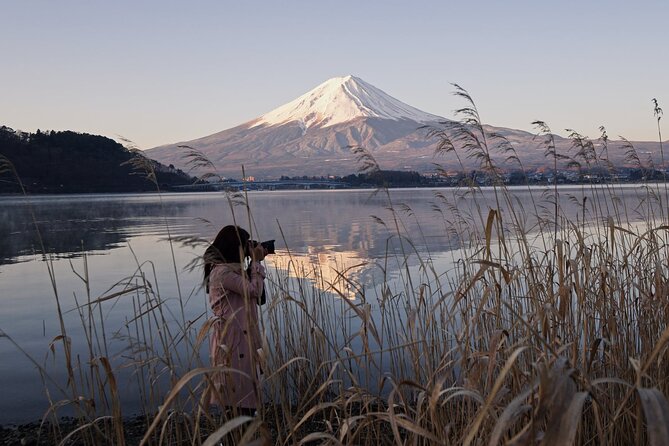
- You can request photo stops, and your driver may help you reorder based on conditions
- It’s a tight schedule, so not every option always fits if delays stack up
Price and logistics: why a private car can be worth it
At $528.41 per group (up to 4), this isn’t the budget route, but it often works out well when you compare it to adding up taxis, paying for multiple train tickets, and spending hours transferring. The big value is time. You’re paying to turn Tokyo-to-Fuji travel into something that feels like part of the day, not a stressful project.
You also get air-conditioned private transportation, plus bottled water is listed as included. One small reality check: that bottle may not magically appear at your feet. If it matters to you, ask early in the day and carry a little cash for snacks and any extras you decide to add.
For the route itself, you’ll typically start in Tokyo with pickup, then spend your day hitting the Fuji area highlights and Five Lakes viewpoints. The tour includes a mobile ticket, which is handy when you’re bouncing between parking lots and sights.
You can also read our reviews of more tours and experiences in Tokyo.


Your Fuji day route: stop by stop
This is a full-day plan (around 10 hours). Some stops are quick, some are scenic, and a few are time-limited if crowds and queues get spicy. Here’s what you can expect from each stop and why it’s worth the time.
Chureito Pagoda: Fuji framed by cherry blossoms energy
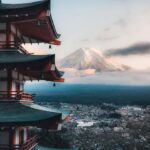
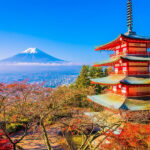
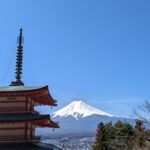
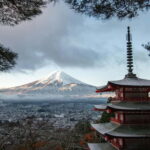
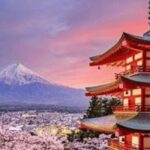
Your first major photo stop is the Chureito Pagoda, a five-tiered pagoda with an observation deck and panoramic views of Mount Fuji. It’s a classic for a reason: the composition is simple, the view is dramatic, and it’s easy to understand even if you can’t read a single sign.
Plan for a short visit (about 30 minutes). That’s enough time to get a couple angles, walk the stairways area, and check for the best light. If the mountain is visible, this is one of those moments you’ll want to linger for.
Consideration: stairways can be tiring, and Chureito can be crowded in peak seasons. If you’re not chasing photos, you may want to treat it as a quick stop and keep momentum.
Arakura Fuji Sengen Shrine: another gateway to climbing culture
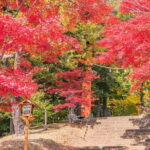
Next up is Arakura Fuji Sengen Shrine (often associated with Fujiyoshida’s Fuji worship and the start-point spirit for climbers). The shrine sits in a dense, forested setting and the steps toward the shrine feel like a mini journey before you even reach the viewpoint.
Time on this stop is about 20 minutes, so think: walk, look, take your shot, keep moving.
What I like about this stop: it adds context beyond scenery. You’re seeing how people connect with Fuji as a place of faith and tradition, not just a peak for photos.
Consideration: if you’re short on stamina, stick to the path to the main views and don’t feel obligated to wander every side path.
Oshino Hakkai: spring-water ponds you can actually see and touch
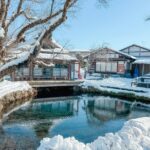
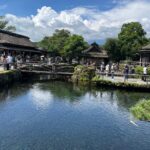
Then you’ll head to Oshino Hakkai, known for its spring water that flows from Mount Fuji. This is where the day gets calmer. The scenery is still Fuji-adjacent, but the focus shifts to those clear spring-water pools and the village feel.
Expect around 30 minutes. The time is enough to walk the pond area, see the different water features, and grab a snack if something looks good.
Why this stop matters: it’s one of the more tangible “how Fuji affects daily life” moments. It’s not just views; it’s water.
Saiko Iyashi no Sato Nenba: a reconstructed village with style choices
Next is Saiko Iyashi no Sato Nenba, a reconstructed Japanese village where you can explore buildings and shops. You can also rent traditional clothing here (rental is not included).
Time is about 30 minutes. In that window, you can do two things well: see the layout, and browse for small crafts and souvenirs without turning it into a half-day hobby.
Consideration: because it’s reconstructed, you might get more out of it if you like architecture details and people-watching than if you’re only chasing the mountain photo.
Narusawa Ice Cave: short, cool, and oddly fun
The plan includes Narusawa Ice Cave, a lava tube in the Aokigahara forest area (listed at about 15 minutes). This is a quick burst of something different: geology instead of just views.
You’ll spend enough time to get oriented, see the cave interior, and get a few photos without feeling rushed.
Consideration: it’s a short stop. If you expect a museum-style experience, adjust your expectations.
Fugaku Wind Cave: the bigger lava-tube cousin
Then it’s Fugaku Wind Cave, another lava tube in the Aokigahara forest area, listed as about 15 minutes. This cave is described as the largest among several lava tubes in that region, so you’re not just repeating the idea—you’re seeing a different scale.
What you’ll feel here: a break from the crowds and a different kind of interest. If you’re traveling with kids or you just like unusual places, these caves can be the highlight of the day.
Fujikawaguchiko-machi and Lake Kawaguchi Ko views: the main Fuji showcase
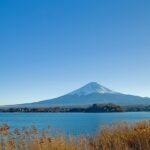
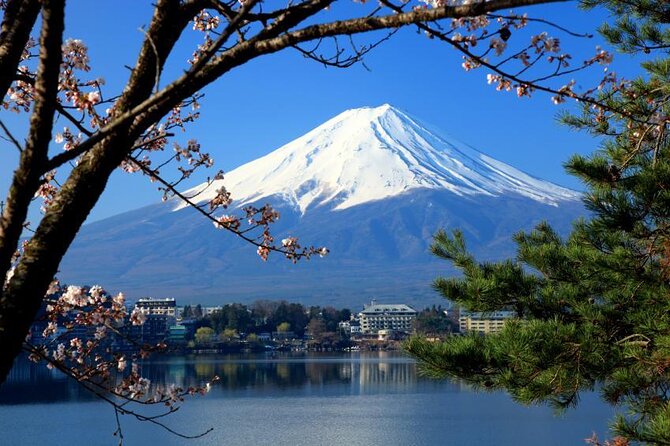
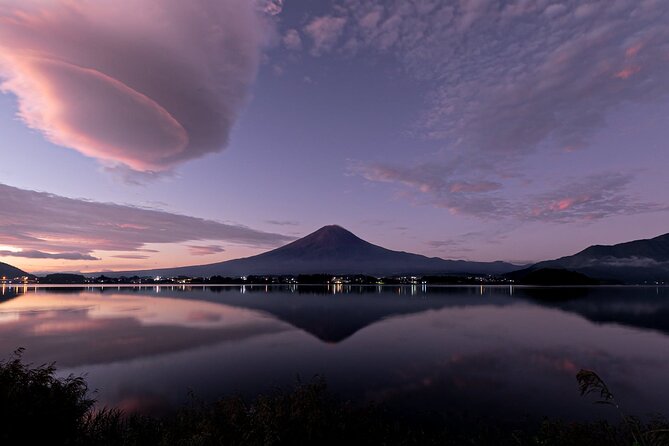
After the caves, you’ll reach Fujikawaguchiko-machi and spend time around Lake Kawaguchi. This is the core of the Five Lakes area, and the plan includes the idea that you’ll get view angles toward Fuji through lakes in the region (the five-lake grouping is mentioned).
The time is about 1 hour with admission listed as free for this portion. In that hour, you can usually walk scenic stretches, enjoy the shoreline viewpoints, and decide whether you want to invest time in the ropeway or other lake activities.
Consideration: one hour is not a lot if you end up in slow-moving crowds or if your Fuji views keep switching with clouds.
Mt. Fuji Panoramic Ropeway: worth it, but check wait times
Next is Mt. Fuji Panoramic Ropeway, placed near the Kawaguchi lake area. Admission for the ropeway is not included, and time on it varies by the day.
This stop is where past guests’ advice can help: one person noted a long wait (around an hour) and recommended looking for a swing attraction near the ropeway area. They said the swing ticket is sold in the nearby gift shop and runs about 500 yen per adult, with little signage about needing that ticket.
My practical take: if you can see Fuji clearly from the ground, you might still want the ropeway for a higher angle. But if the queue is huge and the mountain is already visible, weigh the time cost. Your driver can help you decide quickly.
Consideration: if you skip ropeway time, use that time to enjoy the lake viewpoints and avoid the feeling of spending the day trapped in line.
Mt. Fuji 5th Station: optional, and it costs extra
The plan lists Mt. Fuji 5th Station as optional, around 30 minutes, and the 5th Station fee (JPY 2,100) is excluded. This is the step toward the higher elevations and Yoshida Trail start-point atmosphere.
Best use of 5th Station time: when the weather is clear. If you’re going to climb the meaning of Mt. Fuji, this is a big step.
Consideration: 5th Station can be a tricky fit with traffic and earlier delays. People often end up choosing between 5th Station and other activities like ropeway/lake time because the day’s not infinite.
What makes this tour work well: the real value
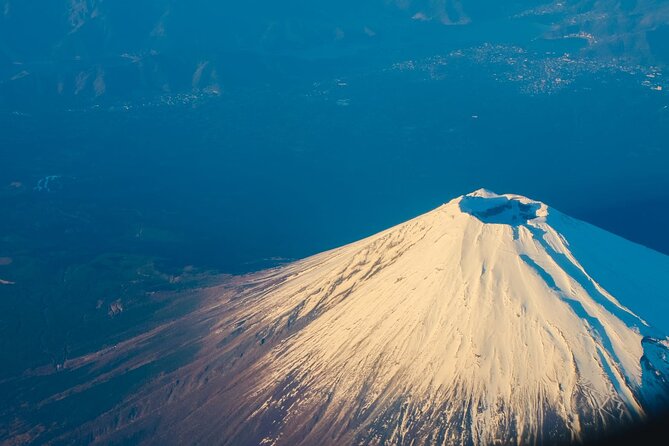
This trip shines when you care about three things: time, transport ease, and variety of viewpoints.
First, the private car removes the most stressful part of getting out of Tokyo: transfers, platform hunting, and reading your way through station signs. You spend the morning traveling with fewer friction points and more time actually looking out the window.
Second, the itinerary includes a spread of experiences that don’t feel copied from each other. You get:
- shrine-and-pagoda Fuji framing (Chureito, Arakura)
- a spring-water village (Oshino Hakkai)
- traditional village atmosphere (Saiko Iyashi no Sato Nenba)
- unusual geology stops (ice cave and wind cave)
- a strong core visit to the Kawaguchi area
Third, the tour is designed so you can request photo stops during the drive. That sounds small, but it matters when Fuji appears for a few minutes and then hides again.
The guide and driver factor: quality can swing the experience
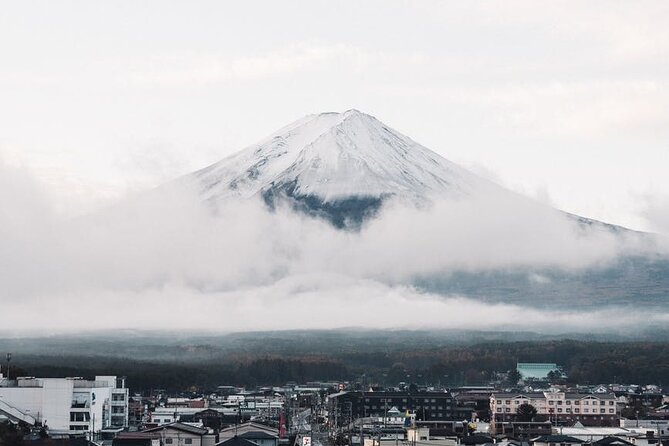
Because it’s private, your guide/driver matters a lot. Names you may see include Muneeb, Salman, Abdul, Maz, Waheed, Newton, Zee, Hassan, Alil, and others. Across the positive experiences, the common thread is simple: guides who explain what you’re seeing and help you time the day so you don’t feel rushed.
When it goes well, you’ll get:
- patient pacing (enough time to actually see)
- practical advice (like where to catch the best Fuji angles)
- flexibility (skipping a stop that doesn’t interest you and adjusting the order)
When it doesn’t, the most common issue is time pressure. A few accounts describe arriving late, missing ropeway or cave options due to closing hours, or feeling that stops got rushed. Sometimes the mountain is simply hidden, and sometimes traffic happens. Either way, that’s why it helps to go in with a mindset of priorities, not a checklist.
Weather and Mt. Fuji visibility: plan with the sky in mind
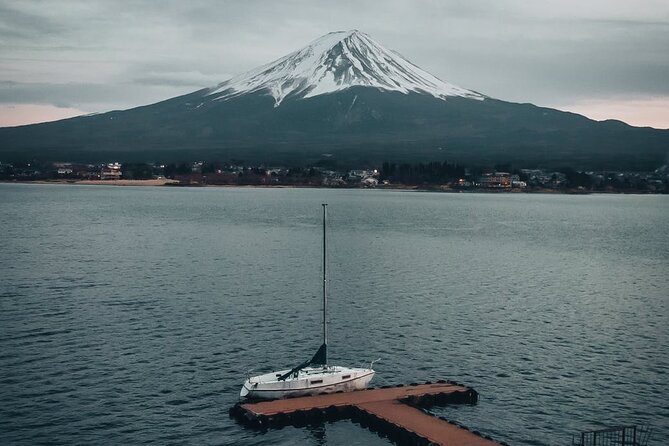
This experience explicitly requires good weather. That’s not marketing talk; it’s the whole point. Mt. Fuji can be gorgeous and clear, or it can be cloud-wrapped and cranky.
If the sky cooperates, you’ll likely feel like you hit a greatest-hits day: pagoda views, shrine viewpoints, and multiple chances around Lake Kawaguchi. If the sky doesn’t cooperate, you’ll still get a nice day of shrines, caves, and the lake area—but the emotional payoff will depend on whether Fuji is visible.
Practical approach for you: treat every viewpoint as a chance, not a guarantee. If Fuji appears, take it seriously. If it disappears, enjoy the rest without spending the whole day tense.
What to pack and how to keep the day comfortable
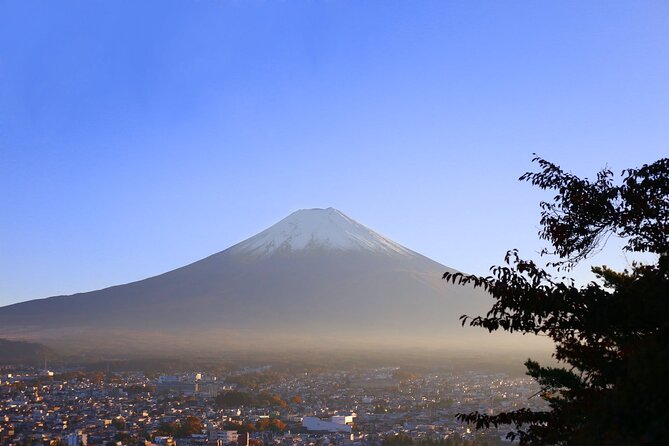
You don’t need fancy gear, but a few basics make the day easier:
- comfortable walking shoes for stairways and shrine paths
- a light layer for changing temperatures around the Fuji area
- a small bag for snacks and water, even if bottled water is included
- camera/phone battery charged, because you’ll be stopping a lot
Also, if you’re sensitive to timing, it helps to decide early what your must-do items are. Is your priority 5th Station? The ropeway? The caves? If your day is tight, your driver will likely help you choose based on what fits.
Should you book this Mt. Fuji and Lake Kawaguchi private car day trip?
Book it if:
- you’re traveling as a group of up to four and want maximum convenience
- you’d rather spend your day sightseeing than navigating trains
- you want more than just one Fuji photo spot, including lakeside views plus caves and village stops
- you value the idea that your driver can help you adjust priorities in real time
Skip it or reconsider if:
- you need a super relaxed pace with lots of long stops
- you only want one or two specific attractions and hate queue time (the ropeway can involve waiting)
- you’re expecting everything on the plan to always fit exactly, no matter what weather and traffic do
If you go with clear priorities and a flexible mindset, this is a strong way to see Fuji without turning your day into logistics.
FAQ
How long is the Mt. Fuji and Lake Kawaguchi private car tour?
It runs for about 10 hours.
What is the group size for this private tour?
It’s priced per group for up to 4 people.
Does the tour include hotel pickup and drop-off?
Yes, pickup and drop-off are part of the experience, so you don’t need to find a meeting point.
Are admission tickets included for the stops?
No. Admission fees are listed as excluded. Some stops are marked as free on the plan, but paid attractions on the route are not included.
Is Mt. Fuji 5th Station included?
Mt. Fuji 5th Station is optional. The 5th Station fee of JPY 2,100 is excluded.
Is the Mt. Fuji Panoramic Ropeway included?
No, the ropeway admission is not included.
Is bottled water included?
Yes, bottled water is included.
Do I get a mobile ticket?
Yes, a mobile ticket is listed as part of the experience.
What happens if the weather is bad?
This experience requires good weather. If it’s canceled due to poor weather, you’ll be offered a different date or a full refund.
If you tell me your travel month and your top 2 must-do stops (ropeway, caves, 5th Station, or lake time), I’ll help you build a realistic priority plan for the 10-hour window.