REVIEW · TEL AVIV
Golan Heights Day Trip from Tel Aviv
Book on Viator →Operated by Bein Harim Ltd · Bookable on Viator
Golan Heights in one long day. This day trip from Tel Aviv pairs big border-country views with history in places like Katzrin and a 6th-century synagogue. You also get a smart mix of drive-time scenery and short, guided stops instead of sitting in one big lecture.
Two things I really like: the way the itinerary builds context as you go—ruins, then the synagogue, then the museum—and the fact that the stops are practical for photos and walking. One drawback to keep in mind: it’s a long day (about 12 hours), and weather can affect what you can actually see at the viewpoints or whether you get the hot-spring moment.
In This Review
- Key Things To Know Before You Go
- A 7:15 a.m. Start That Pays Off: How the Day Feels
- From Galilee to Jordan Valley: Use the Drive-Time Stops
- Yarendit and the Jordan River Baptism Site: A Spiritual Stop With Time to Breathe
- Hot Springs at Hammat Gader: Views at the Edge of Borders
- Katzrin Village and the 6th-Century Synagogue: The Emotional Core of the Day
- Golan Antiquities Museum: Why Context Matters Before Mount Bental
- Mount Bental and the Quneitra Valley: Dormant Volcano, Active Meaning
- Lunch on Your Own: Plan for Energy Without Losing Time
- Price and Logistics: What $128 Gets You
- Who This Golan Heights Trip Fits Best
- What to Bring (So the Day Stays Comfortable)
- Should You Book This Golan Heights Day Trip?
- FAQ
- How long is the Golan Heights day trip from Tel Aviv?
- What time does the tour start?
- Is hotel pickup included?
- What’s included in the price?
- Are meals included?
- Will I be able to visit Katzrin and the synagogue?
- Is there time at hot springs in Hammat Gader?
- What should I bring?
- Is the tour suitable for children?
- What’s the group size like?
Key Things To Know Before You Go
- Early start from Tel Aviv (start time 7:15 am) so you’re not rushed on the big stops
- Katzrin village + original synagogue inscriptions for a very specific, hands-on history visit
- Golan Antiquities Museum that gives you context before you look out over the region
- Hammat Gader hot springs near the Jordan–Syria border area
- Mount Bental summit and Syrian bunkers with wide views over the Quneitra Valley
- Group size up to 40 with a chance of a smaller, more personal day when demand is low
A 7:15 a.m. Start That Pays Off: How the Day Feels
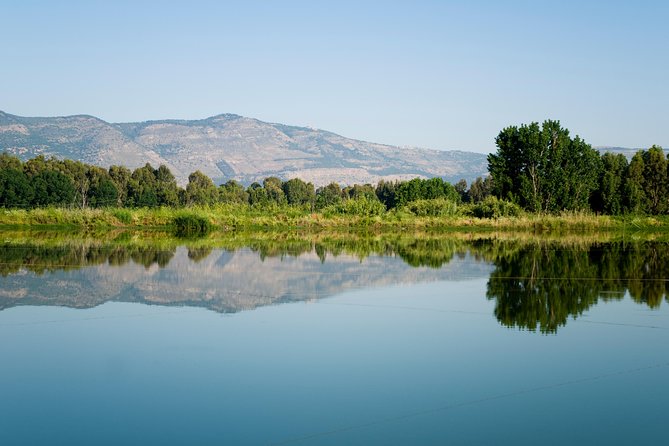
This is one of those trips where the schedule is doing something good for you. Leaving at 7:15 am gives you daylight for the viewpoints and enough time to fit several different kinds of stops: ancient sites, a museum, a hot-spring area, and a volcano summit.
You’ll start with hotel pickup in Tel Aviv and head north by air-conditioned vehicle. The road time matters here. You’re not just commuting—you’re getting scenic photo breaks as you move through the Galilee and toward the Golan.
One practical note: this is not built for slow mornings. Bring water, wear comfortable shoes, and plan for warm sun—especially if you travel in the hotter months. The trip guidance specifically asks for a hat and sun protection, and I think that advice is spot-on.
You can also read our reviews of more tours and experiences in Tel Aviv.
From Galilee to Jordan Valley: Use the Drive-Time Stops
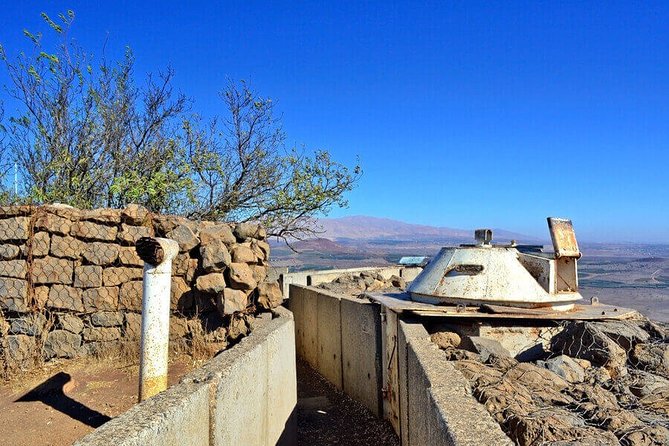
The day begins with travel through the Galilee region and onward toward the Jordan Valley, with breaks to pass major sights and route highlights. You’ll also pass by the Sea of Galilee, which helps you understand where you are before you start focusing on the border country.
Why this matters: the Golan Heights is not just one destination. It’s a whole region, shaped by geography—ridges, valleys, and lines of sight. The more you get your bearings early, the more meaningful the later viewpoints feel.
Photo stops along the way are short, which is a plus if you hate long transfers with no stops. But it also means you’ll want to keep your hands free for cameras and your bag ready for quick exits. If you’re the type who likes to read every sign slowly, you might feel a little rushed during the driving segments—still, it’s a reasonable trade for a one-day overview.
Yarendit and the Jordan River Baptism Site: A Spiritual Stop With Time to Breathe
One of the scheduled moments is a stroll around Yarendit, described as a sacred baptismal site on the Jordan River. It’s a pause in the day that’s different from ruins and museums. Instead of learning about centuries-old structures, you’re stepping into a place associated with religious tradition.
In a long trip like this, I like having at least one stop where the pace feels a bit more human. You can walk, look around, and take a calm moment before you shift back to the heavier history in Katzrin and beyond.
Practical tip: if you’re bringing a swimsuit hoping to make a full day of water time, keep your expectations flexible. The hot-spring stop comes later, and weather or route conditions can change how long you actually spend.
Hot Springs at Hammat Gader: Views at the Edge of Borders
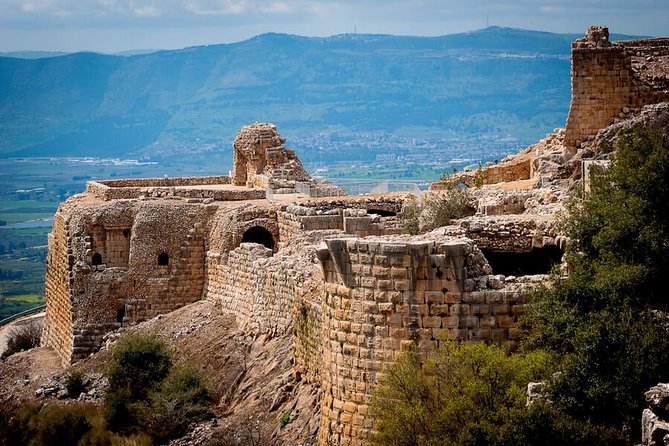
After the earlier history and travel segments, you’ll head to Hammat Gader, near the edge of the Jordanian and Syrian border area. The plan includes time where you can visit the hot springs.
This is one of those stops that can feel both relaxing and oddly intense at the same time. You’re sitting in a natural hot-spring setting, but the region’s political geography is never far from your mind. The tour description even calls out admiring views over neighboring borders, so you’re going to be looking out as much as you’re soaking in.
A small caution based on real-world experiences: if conditions are poor (rain, fog), visibility and timing can change. The itinerary includes this hot-spring opportunity, but you may not get the experience you imagined if the weather doesn’t cooperate.
If you want the hot-spring part to be enjoyable, plan for basics:
- water-resistant footwear or easy-to-slip-on shoes
- a towel plan (at least a small one)
- sunglasses and sun protection if skies clear later
Katzrin Village and the 6th-Century Synagogue: The Emotional Core of the Day
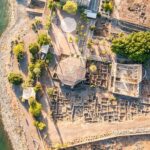
The heart of the day is Katzrin, including a walking visit to the village and the synagogue from the 6th century. The tour specifically highlights the synagogue having original Hebrew inscriptions, which is what turns this from a generic ruins stop into something you can actually read and picture in your mind.
You also get to walk through the older village setting itself, so you’re not only seeing a structure behind a fence. You’re moving through the place in a way that helps the history feel grounded.
How the stop usually lands for most people: it’s where the trip stops being just “sights” and starts to feel personal. Katzrin is a location tied to Jewish life and continuity, and the synagogue details are the kind that make you look longer than you planned.
One more thing I’d emphasize: this is a guided walking component, so pay attention to what your guide connects between the inscriptions, the ruins, and the later viewpoints. Guides with names like Yoav, Shmil, Avishay (including Levy Avishay), Eliezer, Isaac, Amir, and Itamar are mentioned across the available information, and the best days are the ones where the commentary connects the physical place to the bigger story.
If you’re traveling with someone who loves history, this synagogue stop is likely to be a highlight. If you’re not a history person, I’d still give it a fair shot—because the physical details do a lot of the convincing for you.





Golan Antiquities Museum: Why Context Matters Before Mount Bental
Between Katzrin and the big volcano summit, there’s time at the Museum of Antiquities in the Golan. The stop is about 30 minutes and includes admission.
In a perfect day, this museum stop helps you reframe what you’re about to see. Mount Bental isn’t just a view point—it’s tied to the region’s strategic past. Without context, bunkers can look like random leftover structures. With context, you understand why people built and used them where they did.
Think of the museum as your mental setup. It’s short enough that it won’t swallow your day, but it’s long enough to help you notice details later when you reach the higher ground.
Practical advice: if you’re trying to keep the day comfortable, use this museum stop as a chance to cool down briefly (indoors) and sit for a moment. Short breaks matter on a 12-hour schedule.
Mount Bental and the Quneitra Valley: Dormant Volcano, Active Meaning
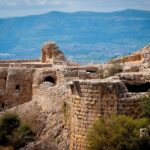
The final major site is Mount Bental, described as one of Israel’s most famous dormant volcanoes. You’ll spend about 40 minutes here, plus a chance to explore remaining Syrian bunkers.
Then comes the payoff: views over the Quneitra Valley. This is where the whole day clicks into place. You’ve driven through valleys, paused at border-adjacent stops, walked Katzrin’s ruins, and now you’re looking out over a region that’s shaped by height and line of sight.
This is also the stage where you may hear about why the region remains sensitive and how geography affects modern reality. Your guide will likely connect the volcano, the bunkers, and the wider border lines into one clear narrative.
A note from real-world experiences: on some days, people have had the chance to talk with UN peacekeepers positioned at a border lookout nearby. That’s not guaranteed as a formal promise, but it’s the kind of moment that makes a big viewpoint feel more human.
If you want great photos, bring your phone/camera power bank. The stop is outdoors and sunny much of the time. Also, be ready for wind. Higher ground gets windy.
Lunch on Your Own: Plan for Energy Without Losing Time
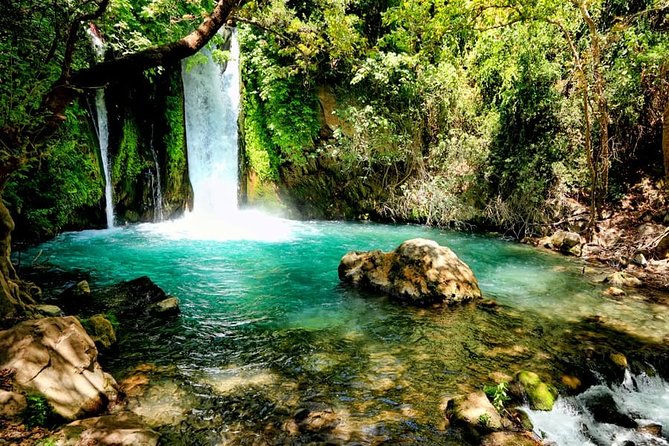
Lunch is not included. You’ll have lunch on your own expense, after the main village and museum time.
This is normal for day trips, but it affects your planning. If you have dietary needs, it’s smart to have a simple plan before you go: know what you’ll do for a late lunch and what “quick” means for you.
In practice, the lunch decision can shape your afternoon mood. If you want to feel good for Mount Bental, keep lunch simple and don’t overdo it with a long sit-down meal you can’t finish.
Price and Logistics: What $128 Gets You
At $128 per person, you’re paying for a lot of moving parts: hotel pickup and drop-off, an air-conditioned vehicle, a professional guide, and entrance fees.
Is it expensive? It’s not cheap, but it also isn’t just paying for scenery. You’re paying for:
- a full-day northward route (roughly 112 miles from Tel Aviv)
- guided time at the Katzrin synagogue and walking village experience
- admission-included stops like the antiquities museum
- a major viewpoint experience at Mount Bental with additional bunker area time
Value depends on you. If you hate driving long distances and you want history told while you’re actually looking at the place, the price can feel fair. If you prefer total freedom and don’t mind arranging transport yourself, you might weigh other options.
Two logistics notes that matter:
1) The tour can operate with a minimum number of participants, and group size can be small when demand is lower. That can be great for questions and pacing.
2) The day is long—about 12 hours—so schedule your night after this trip carefully.
Who This Golan Heights Trip Fits Best
This day trip suits you if you want a structured overview of the region without building your own route. It’s especially good for:
- people who like guided storytelling tied to specific places
- history lovers who want something more focused than just scenery
- photographers who will appreciate frequent short stops rather than one or two long ones
- travelers who want to see multiple types of stops in a single day: sacred site, hot-spring area, ruins, museum, and a volcano lookout
It may not suit you as well if:
- you dislike long days with lots of road time
- you’re traveling with very young kids (the plan says it’s not suitable for children under 4)
- you need guaranteed hot-spring and perfect visibility (weather can reduce what you can see and do)
What to Bring (So the Day Stays Comfortable)
The guidance is clear: bring water, comfortable shoes, a hat, and sun protection. For this trip, I’d add a couple of “small but smart” items based on how the day works:
- a light layer for windier high-ground stops
- a phone power bank for photos
- a small towel and a change of clothes if you plan to use the hot-spring time
And one more thing: wear shoes you can walk in during village and synagogue stops without thinking about it. That walking component is part of what makes the day feel real.
Should You Book This Golan Heights Day Trip?
If you want one day that covers a lot of the Golan story, this trip is a strong pick. I like the way it balances geography (valleys, borders, volcano heights) with anchored history (Katzrin and its 6th-century synagogue details, plus museum context).
I’d book it if:
- you want hotel pickup and you don’t want to rent a car for a long drive
- you’re okay with an early start and a full, packed schedule
- you value guided commentary tied to what you’re seeing
I might think twice if:
- bad weather would ruin your day emotionally or practically, especially for the border-area viewpoints and hot-spring time
- you can’t handle long road segments without frequent breaks
- you’re especially sensitive to service hiccups like rare vehicle problems (this kind of thing can happen on any long day trip)
FAQ
How long is the Golan Heights day trip from Tel Aviv?
The tour runs for about 12 hours.
What time does the tour start?
The start time is 7:15 am.
Is hotel pickup included?
Yes. Hotel pickup and drop-off are included.
What’s included in the price?
The tour includes a professional guide, air-conditioned vehicle, and entrance fees.
Are meals included?
No. Food and drinks are not included, and lunch is on your own expense.
Will I be able to visit Katzrin and the synagogue?
Yes. You’ll visit Katzrin village and the synagogue area as part of the day.
Is there time at hot springs in Hammat Gader?
The plan includes a stop at Hammat Gader with hot springs.
What should I bring?
Bring water, comfortable shoes, a hat, and sun protection.
Is the tour suitable for children?
It is not suitable for children under age 4.
What’s the group size like?
The tour has a maximum of 40 travelers, and it can operate with a minimum number of participants.