REVIEW · BRUSSELS
From Brussels: Bruges Full-Day Trip by Train
Book on GetYourGuide →Operated by Bravo Discovery · Bookable on GetYourGuide
Bruges in one well-paced day is a treat. This full-day train trip packs the medieval heart of Bruges into an 8-hour format, with a 2.5-hour walking tour that takes you to the big-name sights and the quieter corners too.
I especially like the way the tour balances “wow” landmarks with everyday life: Market Square and the Begijnhof sit right next to practical moments like the Vis Markt fish market and time for lace shopping. One thing to consider: you’ll do a lot of walking, and the exact rhythm can feel brisk if it’s cold, rainy, or you’re not used to city strolling—so good shoes matter.
If you care about story-driven sightseeing, you’re in good hands. Many guides in this program—people like Louise, Louisa, Heloise, Julian, and David—get praised for making Bruges feel human, not just historical.
In This Review
- Key highlights worth your attention
- Brussels to Bruges by train: easy start, smarter timing
- The 2.5-hour walking tour: how Bruges gets its stories
- Begijnhof: the quiet reset you didn’t know you needed
- Market Square and the Gothic skyline: the part you’ll recognize
- St. John’s Hospital and Hans Memling: art inside a real old institution
- De Halve Maan and the idea of a working city
- Church of Our Lady and Michelangelo’s Madonna with Child
- Vis Markt and Tanners’ Square: where Bruges feels like a town
- Groeningemuseum and art-architecture connections
- Your 3 hours of free time: choose your Bruges
- Optional canal cruise: seeing Bruges from the water
- Price and value: what you’re really paying for
- Who this day trip is perfect for (and who should plan differently)
- Should you book this Bruges day trip from Brussels?
- FAQ
- Where is the meeting point in Brussels?
- What time does the train depart from Brussels?
- Which days does this trip run?
- How long is the full experience?
- Is there a guided portion when you arrive in Bruges?
- Do I get free time in Bruges?
- What optional activity is available?
- What language options are offered for the guide?
- What should I wear for the day?
- How do I get back to Brussels?
Key highlights worth your attention
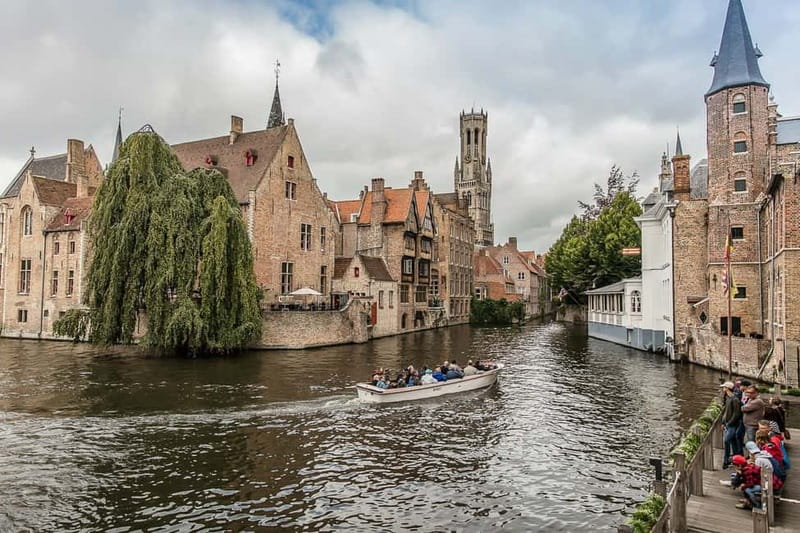
- A 2.5-hour guided walk that hits the core sights without turning the day into a nonstop sprint
- Begijnhof (Beguinage) calm: a rare pause in a medieval city full of noise and pictures
- De Halve Maan, Bruges’ working brewery—great if you like the idea of beer that’s still being made
- Church of Our Lady and Michelangelo’s Madonna with Child in the transept
- 3 hours of free time for chocolate, moules frites, lace browsing, and picking your own lunch spot
- Optional canal cruise for that classic “Bruges from the water” perspective
Brussels to Bruges by train: easy start, smarter timing
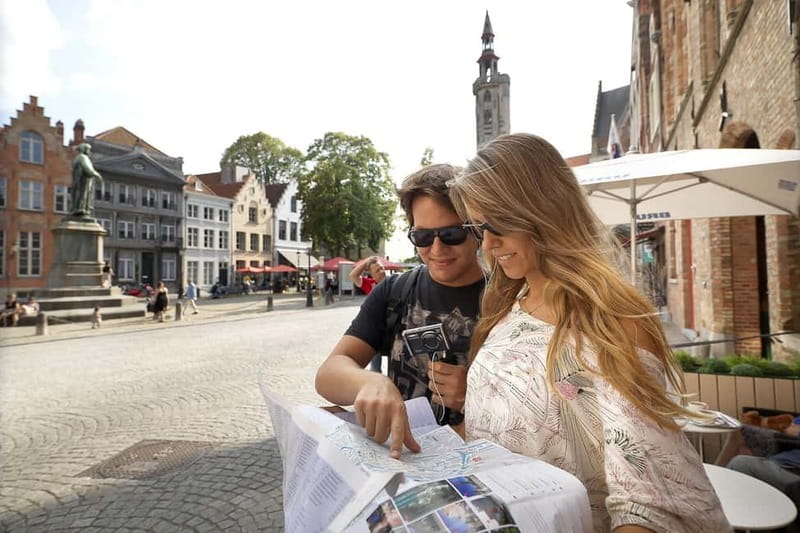
This is one of the simplest ways to do Bruges without turning your day into a logistics puzzle. You meet at 8h30 in front of the Tourist Information Office on Grand Place in Brussels, looking for the white umbrella. Trains leave Brussels at 9:30 AM on Friday, Saturday, and Sunday, so you get a clear, weekend-friendly rhythm.
I like that the itinerary is built around trains and a walking core. You don’t waste hours on transfers, and the day stays structured enough that you can relax during the guided portion. It’s also why this works well if you’re visiting Belgium for a short trip and want one “signature city” day.
One small practical point: check the weather. Even with a tour plan, you’ll still be outside for a lot of the day.
You can also read our reviews of more tours and experiences in Brussels.
The 2.5-hour walking tour: how Bruges gets its stories
After arrival, you start with a 2.5-hour English-speaking walking tour. This is the part that makes Bruges more than postcards, because you’re not just ticking off buildings—you’re learning what they meant and how the city worked.
The route generally focuses on the medieval geography that shaped daily life:
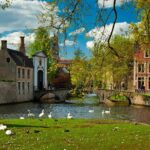
- Minnewater (the “Lake of Love,” though locals probably use that more as a nickname than a fact you need to recite) connects to the canal system and helps you understand why Bruges could become wealthy and water-powered.
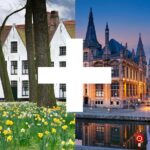
- The Begijnhof (Beguinage) shows a different side of medieval Europe—specifically a women-only religious community. It’s one of those places where the city suddenly feels quieter and more intimate.
This is also where your guide’s personality matters. In the feedback I’m using as reference for what tends to work best here, guides like Heloise and Louise often get called out for pointing to details most people walk right past. That’s the real value of a guided day: you notice what to notice.
Begijnhof: the quiet reset you didn’t know you needed
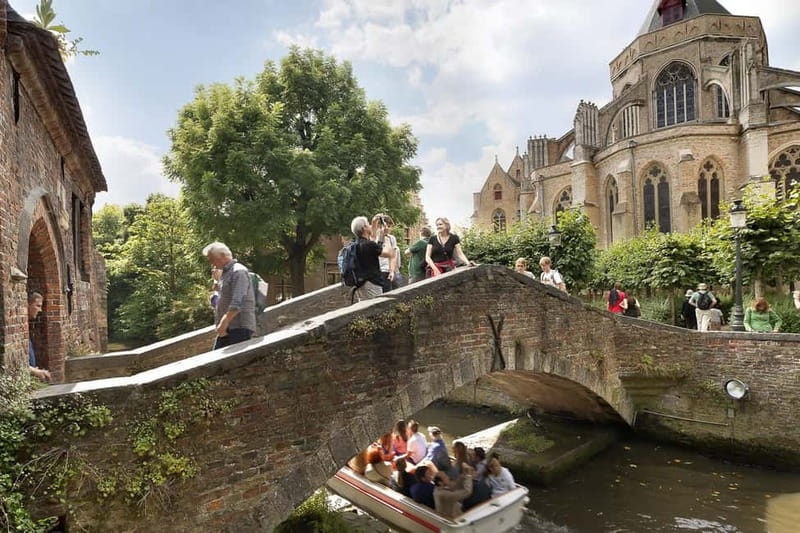
The Begijnhof is often the emotional payoff of a Bruges day. In the middle of a city that can feel like a movie set, this convent space adds scale and stillness. You’re not just seeing a “beautiful courtyard”—you’re visiting a historically women-only community, with the everyday rhythm of a lived-in religious refuge.
I like how this moment changes the pace. After the busier sights, you get a calm reset. If you’re the type who gets tired of constant scanning for photo angles, this stop gives your eyes a break and helps the day feel more human.
Just plan for walking here too, and keep your voice low if the space feels reverent. Even if you’re not religious, it’s the kind of place where people tend to act a little differently.
Market Square and the Gothic skyline: the part you’ll recognize
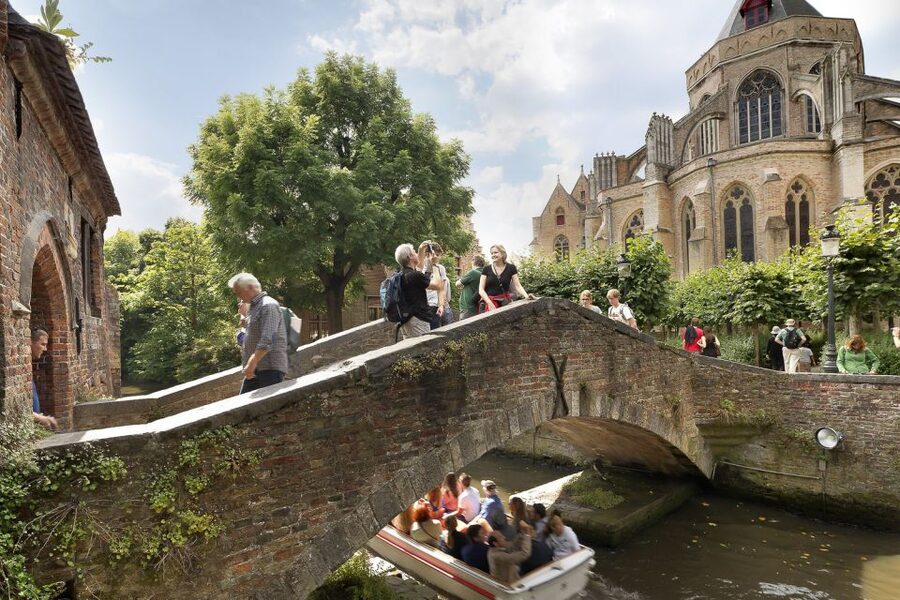
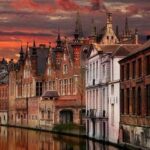
At some point during the day you’ll be in Market Square (Markt), and it’s hard not to feel a spark of recognition even if you’ve never been to Bruges. This is where the city’s power shows—especially through the tall brickwork tower that people often associate with Bruges’ landmark skyline.
You’ll also look at the beautiful guildhalls around the square—buildings that remind you this wasn’t just a romantic medieval town. It was a working city with organized trade, wealth, and a strong civic identity.
If you like architecture, this is a good “anchor” stop. You can come back to the idea of Bruges later when you’re eating, shopping, and wandering, because the skyline gives you context.
St. John’s Hospital and Hans Memling: art inside a real old institution
One of the more interesting stops is the chance to look inside the Hans Memling museum housed in the 12th-century Hospital of St. John. This matters because it’s art with a setting that feels rooted in how people lived. You’re not looking at masterpieces detached from time—you’re viewing them inside a historic place that once had a real social purpose.
Even if you’re not an art devotee, this is worth your attention for two reasons:
1) The building itself has presence.
2) You get a break from the open-air streets while still staying in the Bruges story.
If you’re traveling with family or friends who want “the highlights,” this can help you keep everyone satisfied without dragging the day into museum-only time.
De Halve Maan and the idea of a working city
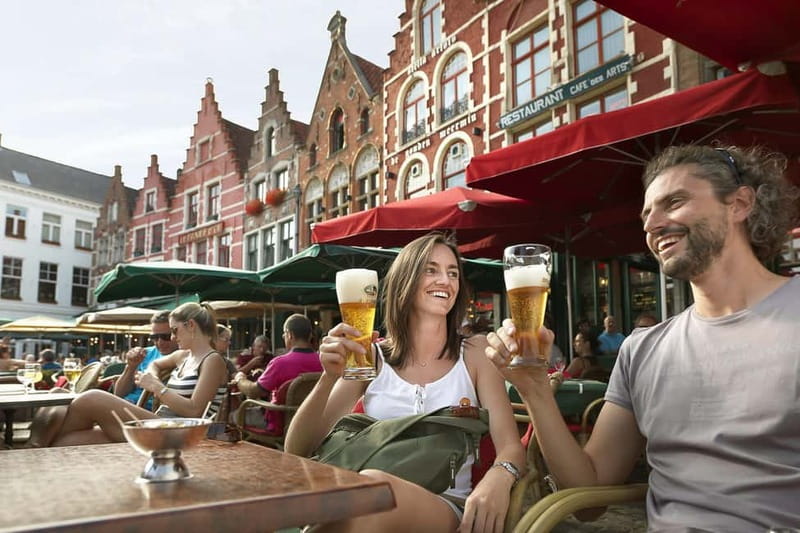
Bruges has plenty of historic places, but De Halve Maan adds a different flavor: it’s described as the city’s only working brewery. That’s a meaningful detail. You’re not just touring a preserved “theme” of beer—you’re learning about production in a city where so much else is about preservation.
For me, this stop hits the sweet spot between history and something you can connect to instantly. If you like Belgian beer, you’ll probably enjoy the sense that the tradition continues.
And yes, it pairs nicely with the food choices later—because when you do eat something like moules frites (mussels with fries) you’ll feel like you’re part of the culture, not just observing it.
Church of Our Lady and Michelangelo’s Madonna with Child
Another major wow moment is the Church of Our Lady, known for having one of the tallest brickwork towers in the world. You’ll also see Michelangelo’s statue of the Madonna with Child in the transept.
This stop is a useful reminder: Bruges isn’t only medieval-by-default. Big-name art shows up here too, and the church helps explain why.
Practical tip: if you’re sensitive to crowds, go in with a calm mindset. A church this famous can feel busy during peak moments. Still, it’s usually worth it for the combination of architecture and the specific statue.
Vis Markt and Tanners’ Square: where Bruges feels like a town
Not every stop is about monuments. The tour also gives you a look at Vis Markt (Fish Market) for a feel of what everyday life looked like. Even if you’re just passing through, it’s the kind of location that helps you understand how the city’s medieval economy worked.
Then you’re looking at Tanners’ Square, which brings back the idea of guilds and skilled trades. Bruges’ medieval prosperity depended on the working classes and their organization. These stops help connect the “pretty buildings” to the people who made the economy run.
If you love street-level realism—markets, trade, the city’s practical bones—this portion will earn its place.
Groeningemuseum and art-architecture connections
You also get time to see the Groeningemuseum area. Whether you go in or just view it from outside depends on how the tour day flows, but in general it adds another layer to the idea that Bruges built its identity through art, not only through architecture.
If you’re the type who likes to understand why cities look the way they do, this museum connection helps. It’s another sign that Bruges didn’t just preserve old stone—it invested in culture.
Your 3 hours of free time: choose your Bruges
The tour sets you up with about 3 hours of free time to explore on your own. This is important because Bruges rewards wandering, and you need time to do it without feeling rushed.
Use this block for what you care about most:
- Chocolate: Bruges is famous for it, and you’ll find plenty of shops where you can sample and pick something to bring home.
- Lunch: You’ll have options like moules frites alongside Belgian beer culture. Choose what matches your energy level.
- Lace shopping: This is one of the best places in Belgium to hunt for lace. Even if you don’t buy, it’s fun to look.
- Extra wandering: If you want to linger near the canals or do a slower walk back through Market Square, this is your window.
I appreciate that the free time is built in rather than “go on your own at the start and figure it out.” It keeps the day flexible while still giving you structure.
Optional canal cruise: seeing Bruges from the water
There’s an optional canal cruise (not included in the base price). This can be one of the best ways to appreciate Bruges because the city’s canal system is part of what shaped it—especially since you also learn about the water connections earlier around Minnewater.
If the weather’s decent, I’d consider adding it. It turns your view from street-level to “vertical city lines,” and it makes the medieval layout feel more intuitive.
If weather is miserable, you might skip it and spend that time warming up and eating well instead. Either choice still keeps your day full.
Price and value: what you’re really paying for
At about $70 per person for an 8-hour day, the value comes from three things working together:
1) Round-trip train transport between Brussels and Bruges
2) Local guiding for the key walking portion
3) A tight route that covers major landmarks plus calmer, more meaningful stops
You’re not just buying entrance tickets and a map. You’re buying the shortcut of having someone help you notice what matters, especially around places like the Begijnhof and the specific church/art moments.
Yes, the optional canal cruise costs extra. And food and chocolate are extra, depending on what you choose. But you’re given enough free time to match your spending to your own style.
One reviewer detail that lines up with my take: the tour can feel worth it even compared with other options because the guides (often named Louise, Louisa, Heloise, Julian, or David) tend to make the walk feel personal and easy to follow, not like a rushed classroom.
Who this day trip is perfect for (and who should plan differently)
This trip is a great fit if you:
- want a classic Bruges from Brussels by train experience without staying overnight
- like guided context for historic cities, not just wandering
- care about both major sights and quieter moments like the Begijnhof
- want a mix of structured sightseeing and personal choice during free time
It’s less ideal if you:
- hate walking long distances (you’ll be on your feet through the guided portion plus your free time)
- prefer total freedom with no set route (you do get 3 hours to roam, but the day still has an organized spine)
If you’re visiting in winter, the advice to bring warm layers is especially important. Bruges can feel sharp in cold rain, and you’ll feel it once you’re outside for hours.
Should you book this Bruges day trip from Brussels?
I’d book it if you want a dependable, well-rounded Bruges day with clear structure, smart pacing, and a guide-led experience that makes the city’s details click. It’s also a good choice when you’re short on time but still want the full “medieval core” feeling, plus practical stops like markets, brewery culture, and a real free-time window for lunch and shopping.
If you’re on the fence, here’s my decision rule: choose this tour when you want help connecting the dots. Pass (or consider a different style of Bruges visit) if your goal is pure self-guided wandering from the first minute to the last.
FAQ
Where is the meeting point in Brussels?
Meet in front of the Tourist Information Office on Grand Place at 8h30. Look for the white umbrella.
What time does the train depart from Brussels?
Departures are at 9:30 AM.
Which days does this trip run?
It runs on every Friday, Saturday, and Sunday.
How long is the full experience?
The duration is 8 hours.
Is there a guided portion when you arrive in Bruges?
Yes. You take a 2.5-hour walking tour with a local English-speaking guide.
Do I get free time in Bruges?
Yes. You get about 3 hours of free time to explore on your own.
What optional activity is available?
An optional canal cruise is available, and it is not included in the base price.
What language options are offered for the guide?
The live tour guide is available in Spanish, English, and French.
What should I wear for the day?
Wear good walking shoes. In winter, bring warm clothes because you’ll be outside for much of the day.
How do I get back to Brussels?
You take the return train back to Brussels after your Bruges time. The tour includes round-trip train transportation (Brussels–Bruges–Brussels).