REVIEW · BRUSSELS
From Brussels: Day Trip to Ghent with Atomium in English
Book on GetYourGuide →Operated by buendía · Bookable on GetYourGuide
Ghent in one day beats the short trip blues. This English-guided outing hits the must-sees fast, with an early stop at the Atomium so you’re already traveling in style before you even reach town. I like the clear structure here: a guided walk to get your bearings, then real time to wander Ghent’s medieval streets at your own pace.
The two big reasons I’d pick this tour are the strong, story-driven guided segment and the 4 hours of free time to have lunch where you want (many people head to the river promenade) and roam without feeling rushed. One thing to plan around: the coach ride may not have onboard toilet facilities, so build in a little buffer for breaks.
In This Review
- Key highlights worth getting excited about
- From Brussels Central Station to the Atomium quick stop
- Atomium: More than a roadside photo
- A guided English walk that gets you oriented fast
- Castle of Gerald the Devil and St. Bavo’s Cathedral
- Belfry of Ghent and Town Hall: why locals are noose-bearers
- St. Nicholas’ Church, Masons’ Guild Hall, and the Graslei quays
- Gravensteen castle and Patershol: medieval streets you can actually feel
- Trading history stops: Great Butchers’ Hall and the old markets
- Four hours of free time: lunch by the river and smart wandering
- Timing and walking reality check for this 9-hour day
- Price and value: is $50 a fair deal from Brussels?
- Who this Ghent and Atomium day trip fits best
- Should you book? My straight answer
- FAQ
- Where do I meet in Brussels for the Ghent day trip?
- How long is the day trip to Ghent with the Atomium stop?
- Is the tour guided in English?
- Do I have free time in Ghent, or is it all scheduled?
- What’s included in the price?
- Is lunch included?
- Is this tour suitable for people with mobility impairments?
Key highlights worth getting excited about
English language guide in Ghent so you can actually follow the stories, not just admire the stones.
Atomium stop en route with time to spot the nine-province spheres.
A medieval best-of walk including Gravensteen, St. Bavo’s Cathedral, and the Graslei quays.
Belfry + Town Hall legends including why locals are called noose-bearers.
4 hours of freedom in Ghent for lunch, photos, and optional add-ons like a short river boat ride.
From Brussels Central Station to the Atomium quick stop
This trip starts at Brussels Central Station area, meeting in front of the Hilton Grand Place Hotel. You’ll board a coach at the scheduled time, then settle in for the ride toward Flanders. The whole day is built around one simple idea: get the travel time handled first, so you can spend your energy on Ghent.
Right after leaving Brussels behind, you make a stop at the Atomium. It’s over 100 meters tall, with spheres about 18 meters wide, representing Belgium’s nine provinces. Even if you’re not the type to get emotional about architecture, it’s a great visual reset after a morning of train timetables and backpack juggling.
You can also read our reviews of more tours and experiences in Brussels.


Atomium: More than a roadside photo
The Atomium is one of those structures you recognize instantly, even if you don’t know its details. The stop gives you a chance to see the monument up close and make your own call on it: “cool science sculpture” or “seriously, why does this exist?” Either way, it’s an easy win.
Also, the timing matters. By doing the Atomium early, you avoid losing daylight later in Ghent. That’s smart for a day trip, because Ghent’s key sights cluster in a walkable center once you arrive.
A guided English walk that gets you oriented fast
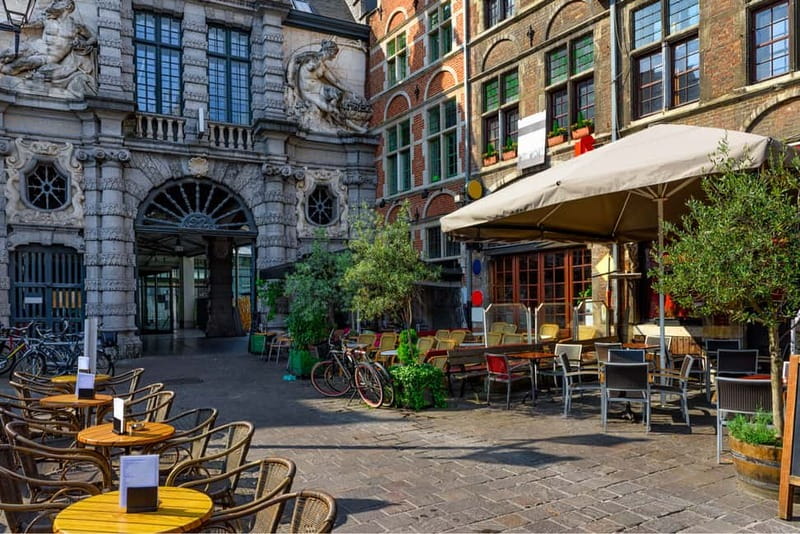
In Ghent, the first priority is orientation. You get a guided tour in English that focuses on major sites and the connections between them. Think of it as a tour guide giving you a map made of stories: where power sat, how wealth moved, and why certain landmarks matter beyond their photos.
From what I’d watch for, guide quality is a real differentiator on this type of day. Several named guides come up in the experience—Diego, Paula, Julian, Hugo, Eros, Vita, and Antonio—and the common thread is clear explanations and good recommendations for what to do during the free time. That matters because Ghent rewards curiosity, and the right guide helps you know what to notice.
Castle of Gerald the Devil and St. Bavo’s Cathedral
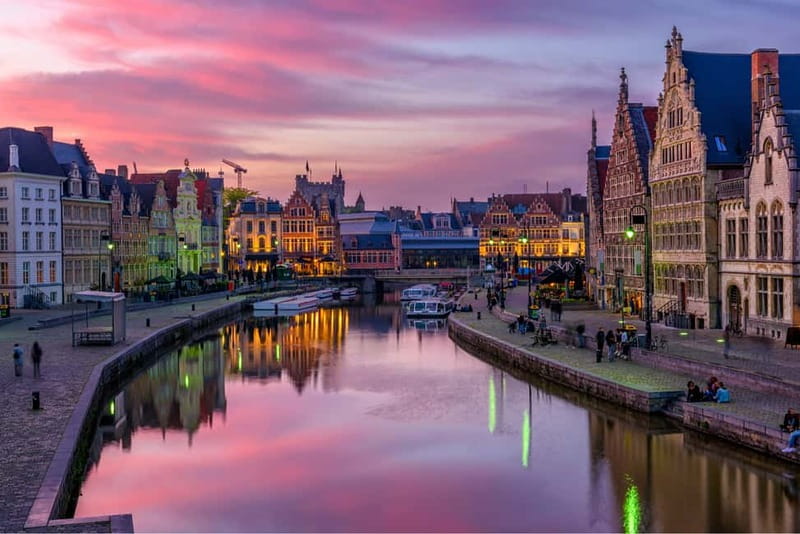
The morning walk includes the Castle of Gerald the Devil, a medieval stop that sets the tone for Ghent’s older identity. Even if you don’t remember every name the guide mentions, you’ll feel the city shifting gears from everyday Belgium to the medieval power scene.
Next is St. Bavo’s Cathedral, where you’ll hear about The Adoration of the Mystic Lamb by the Van Eyck brothers. This is the kind of landmark where context changes the experience. Without it, you might just see a grand church. With it, you understand why Ghent became a destination for art and attention in Europe.
Practical note: churches can mean cooler interiors and limited patience for slow groups. Wear layers if you run hot, and keep your phone battery topped up—you’ll want it later.
Belfry of Ghent and Town Hall: why locals are noose-bearers
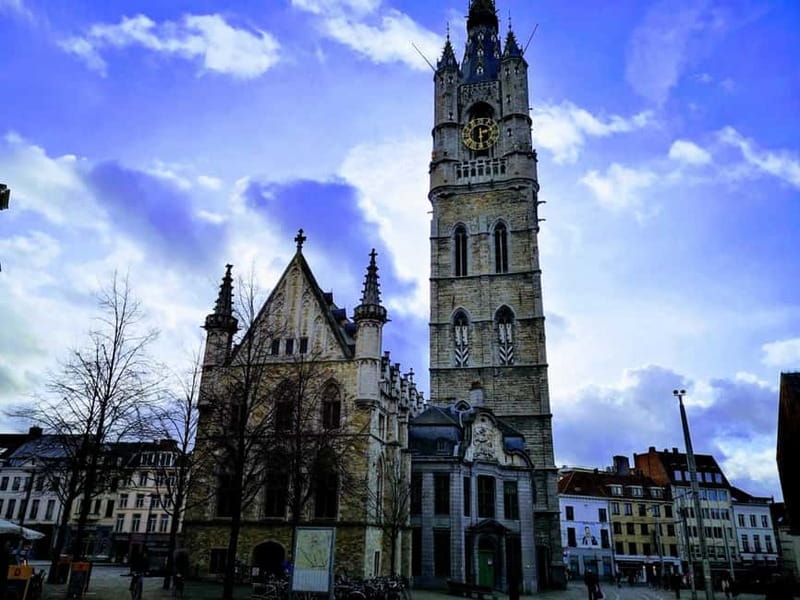
One of the more memorable parts is the stop at the Belfry of Ghent and the Town Hall, where you hear why Ghent’s inhabitants are known as noose-bearers. The fun here is that it’s not just a random nickname; the guide ties it to the civic identity of the city.
This is also a good example of what a guided stop does for you. A belfry is a belfry until someone explains the role it played and the social meaning behind the structure. Then it becomes a clue in a bigger story.


St. Nicholas’ Church, Masons’ Guild Hall, and the Graslei quays
After the civic landmarks, you move toward the city’s religious and guild-side heritage.
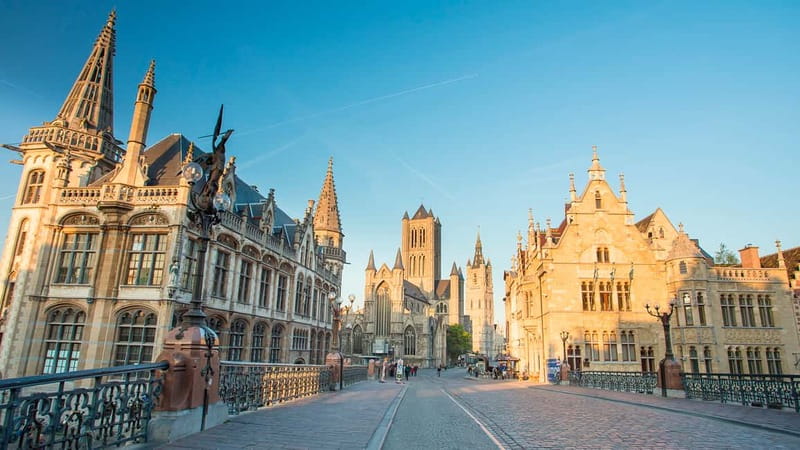
You’ll visit St. Nicholas’ Church, then the Masons’ Guild Hall, both of which help you understand how Ghent worked as a community, not just as a collection of sights. These buildings show different faces of local power—faith on one side, organized craft and trade on the other.
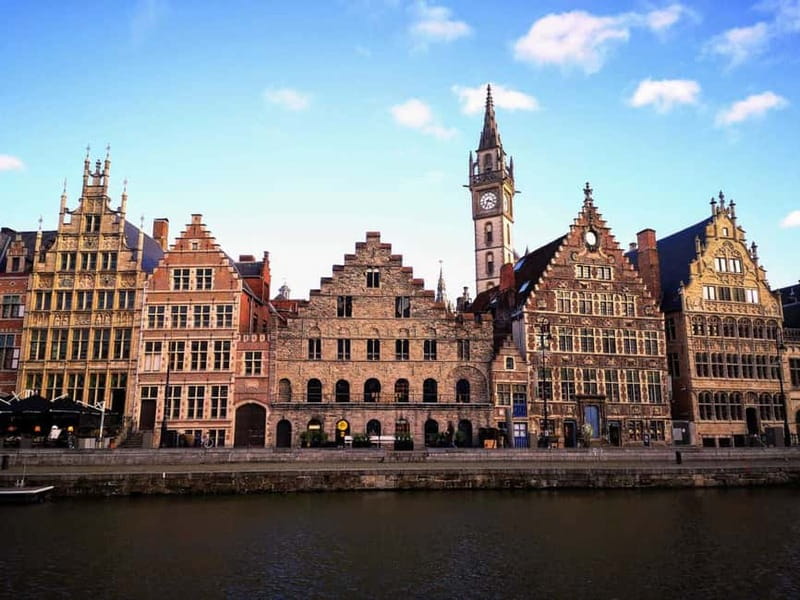
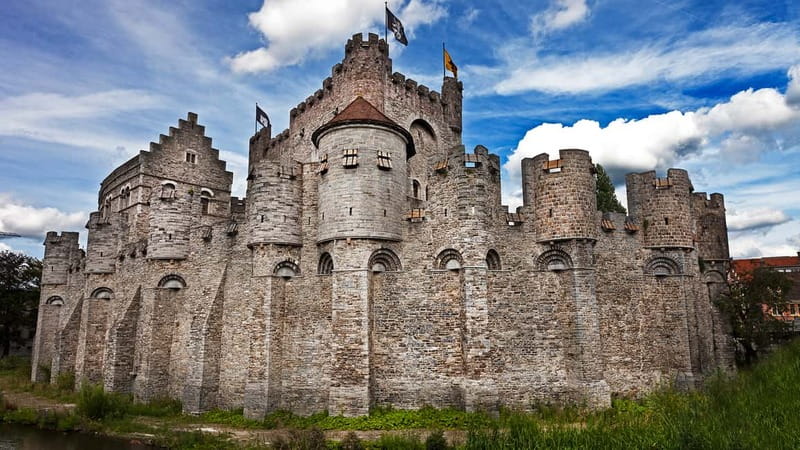
Then comes the Graslei area, famous for its quay-side buildings along the river. This is where Ghent’s “day-trip postcard” look is earned, not forced. The riverfront frames your photos, and it’s also a natural place to slow down even during the guided portion—because you’ll want a sense of scale and angles.
Gravensteen castle and Patershol: medieval streets you can actually feel
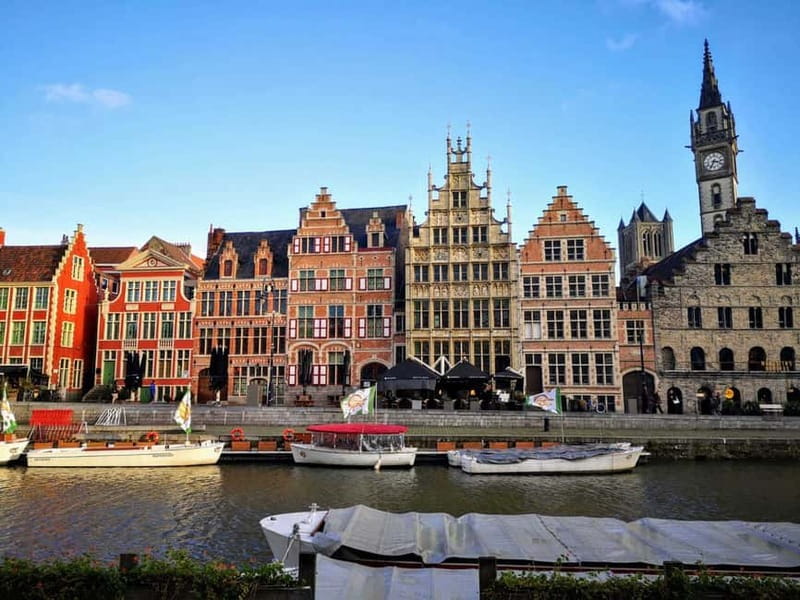
No Ghent day trip feels complete without Gravensteen castle. This stop gives you a “city walls” perspective on what medieval defense and status meant. You don’t just pass by it—you get time in the medieval zone, where the streets and buildings work like a time machine.
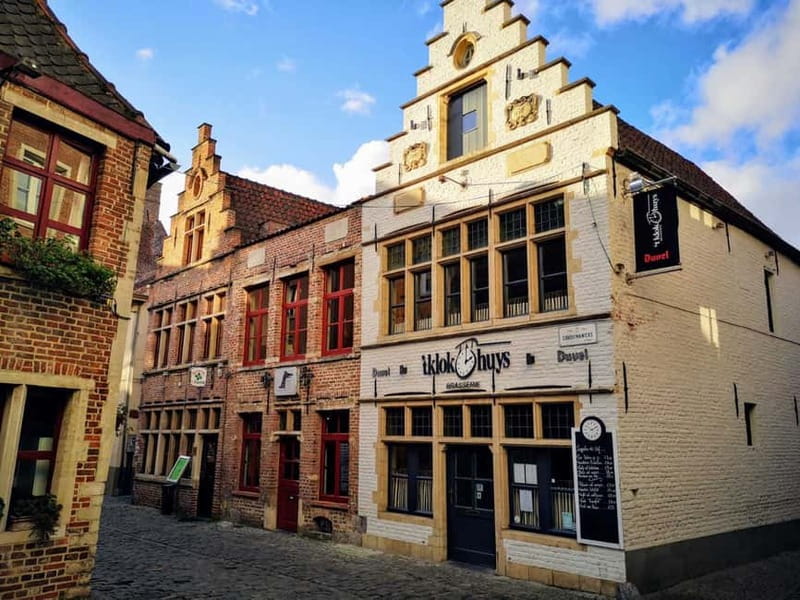
Then you head into Patershol, described as a pretty neighborhood. This is the kind of area where you stop without meaning to—small lanes, old-world charm, and that gentle feeling that you’re walking somewhere people still take pride in.
If you like exploring on foot, Patershol is where your free-time plans can start shaping themselves.
Trading history stops: Great Butchers’ Hall and the old markets
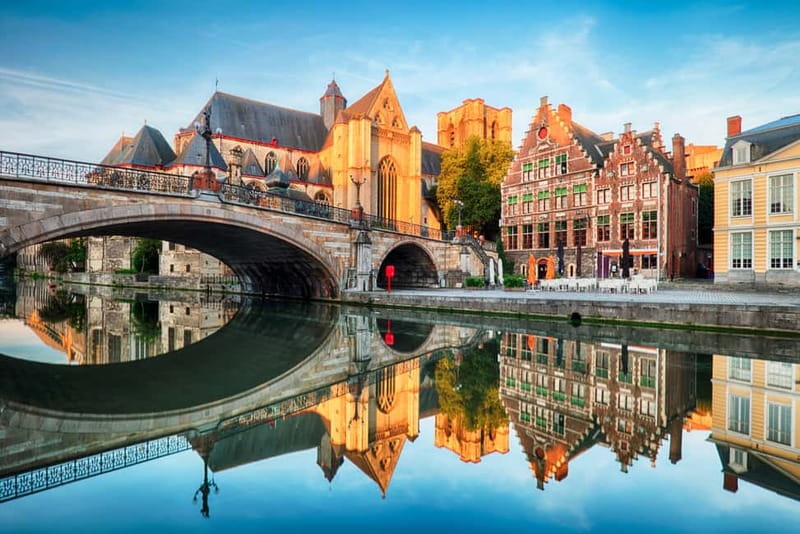
Ghent isn’t only churches and castles. The tour also guides you through its trading history, with stops like the Great Butchers’ Hall, Old Fish Market, and the Friday Market.
This is valuable because it explains the city’s wealth in a way that’s easy to picture. Medieval trade wasn’t abstract. It was people meeting, buying, selling, bargaining, and showing off civic pride. Markets are physical proof of that system—where commerce happened, how it shaped neighborhoods, and why certain landmarks were worth building and maintaining.
If you’re the sort of traveler who likes to connect architecture to everyday life, these stops deliver. If you only want the biggest tourist highlights, you’ll still appreciate them once you see the logic behind the layout.
Four hours of free time: lunch by the river and smart wandering
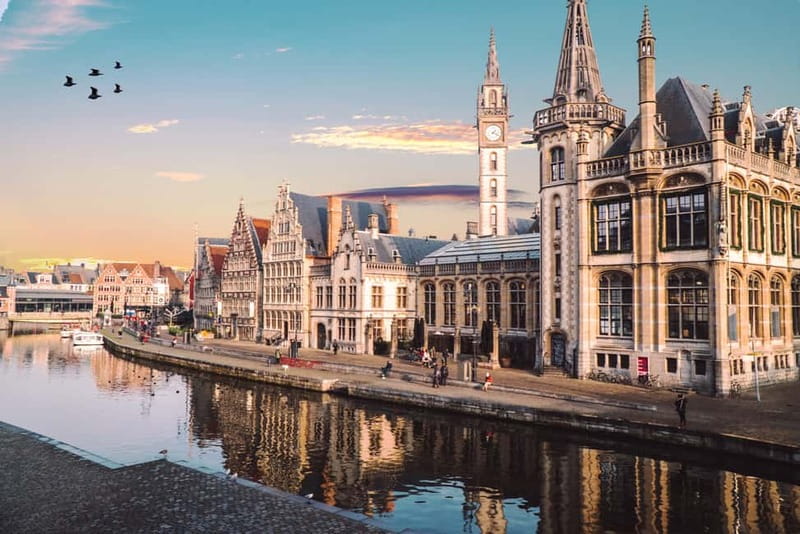
After the guided portion, you get 4 hours of free time. That’s a serious chunk of the day, and it’s what makes this tour feel less like a checklist and more like a real visit.
Use it for lunch and walking. One common approach is grabbing food near the river promenade, where the scene is scenic and the pace is easy. If you want an extra activity, a short river boat option is often mentioned as a fun add-on during that time, with one visitor noting a cost around $10 per person for the cruise.
A good way to spend free time:
- Start with photos near the Graslei/river areas while light is good.
- Move toward Patershol if you want charming streets and slower wandering.
- Pop into a market stop area if you’re in “watch me think” mode—markets show how the city still lives.
Also keep an eye out for crowds. One review notes that a music festival made parts of the center busy. So if you want quiet corners, time your walking slightly off-peak during your free time.
Timing and walking reality check for this 9-hour day
This is a 9-hour day that includes:
- Bus transfer time of about 1.5 hours each way
- A 2-hour guided tour in Ghent
- 4 hours free time once you arrive
That pace is why this tour works as a day trip. You get a guided backbone, then you can slow down. It’s also why you should treat it like a full day out, not an afternoon stroll.
What to wear: comfortable shoes. Ghent’s medieval sites tend to reward foot travel, and you’ll be moving between areas. If you’re prone to sore feet, plan to give yourself a little recovery time during free time.
One more practical point: one visitor flagged that the coach may not have a toilet aboard. Even if there are breaks, don’t assume you can wait until you’re desperate. If you’re sensitive to motion or timing, plan ahead.
Price and value: is $50 a fair deal from Brussels?
At around $50 per person, this isn’t a splurge tour, but it also isn’t a barebones “bus only” deal. Your value comes from three things you’re getting together:
- Bus transfer from Brussels
- English-speaking guide and a structured Ghent walk
- Access to major landmarks without having to plan route order
The Atomium stop adds another visual highlight early on, so you’re not only spending your day in Ghent. For a day trip, saving the mental effort of logistics is worth money. You also avoid a lot of decision fatigue: the tour hands you a best-of sequence, then you choose what to linger on.
What’s not included is lunch and drinks. That’s normal for tours, but you should still budget for it. If you plan to add a short river cruise during your free time, that’s another cost to consider.
Overall: $50 feels fair if you want a guided introduction to Ghent plus flexibility afterward.
Who this Ghent and Atomium day trip fits best
This tour fits well if you’re:
- Visiting Brussels and want a high-impact day trip without heavy planning
- The type who likes a guide to explain what you’re seeing, especially at St. Bavo’s Cathedral and the civic sites
- Interested in medieval city life—guild halls, markets, castles, and neighborhoods—not just a few “top landmarks”
It may not fit if you:
- Have mobility impairments, since the tour is listed as not suitable for that
- Need a lot of rest breaks during walking-heavy segments
If you love structure but also want freedom, this is a strong match.
Should you book? My straight answer
I’d book this tour if you want an efficient, English-guided introduction to Ghent with a real chunk of free time to explore afterward. The combination of a 2-hour guided walk plus 4 hours on your own is the sweet spot for day trippers who don’t want to feel trapped in a schedule.
Pass or look for another option if you’re very sensitive to coach comfort and toilet access, or if you prefer slower pacing with fewer stops. Also, if you already know you want to spend most of your day in one single neighborhood, you might prefer a more flexible half-day format.
If you’re deciding between doing Ghent once or splitting your days, think about how much you want to see. A separate full-day plan for Ghent is ideal if Ghent is your main target. For a Brussels-based trip where you want big returns, this one makes a lot of sense.
FAQ
Where do I meet in Brussels for the Ghent day trip?
You meet in front of the Hilton Grand Place Hotel at Brussels Central Station. The guide will be wearing ID of Buendia Tours.
How long is the day trip to Ghent with the Atomium stop?
The full experience runs for about 9 hours, including bus transfers and time in Ghent.
Is the tour guided in English?
Yes. The tour includes an English-speaking guide and the Ghent portion is guided in English.
Do I have free time in Ghent, or is it all scheduled?
You get 4 hours of free time in Ghent after the guided portion, so you can lunch and stroll at your own pace.
What’s included in the price?
The tour includes the English-speaking guide, the guided tour in Ghent, and bus transfer from Brussels.
Is lunch included?
No. Lunch and drinks are not included.
Is this tour suitable for people with mobility impairments?
No. The experience is not listed as suitable for people with mobility impairments.