REVIEW · JERUSALEM
Caesarea, Haifa & Akko Day Trip from Jerusalem
Book on GetYourGuide →Operated by Bein Harim Israel Tours · Bookable on GetYourGuide
Coastal archaeology starts with an early pickup. This day trip strings together Caesarea’s Roman ruins, Haifa’s Baha’i Gardens, the sea-and-rock spectacle at Rosh Hanikra, and the layered streets of Akko (Acre). I especially like how the stops feel connected by theme: empires and faiths meeting the same Mediterranean horizon.
Two of my favorite parts are the walk through Caesarea’s excavations (including the Roman theatre setting) and the view-out moments from Haifa, where the Baha’i Gardens give you a real sense of where people built their lives along the bay. One thing to plan for is timing: the day can run tight if the early transfer is delayed and your group needs extra time to regroup.
In This Review
- Key things to know before you go
- The real appeal: one long coastal story from Jerusalem
- Price and what you actually pay: $105 plus entrances
- The early start: 5:50 departure and joining in Tel Aviv
- Caesarea’s Roman ruins: theatre, aqueduct, and Herod’s port legacy
- Haifa’s Baha’i Gardens: UNESCO terraces and a Mediterranean photo moment
- Rosh Hanikra: limestone grottoes and the Lebanon border view
- Akko (Acre) Old City: crusader underground, Jezzar Pasha Mosque, and market streets
- Comfort and transport along the Mediterranean highway
- Group dynamics: when timing can squeeze the meal break
- Guides who make the history feel clear
- Who should book this day trip, and who might want a different plan
- The bottom line: should you book?
- FAQ
- What is the duration of the Caesarea, Haifa & Akko day trip?
- What time does the tour leave Jerusalem?
- Where are pick-up and drop-off offered?
- What does the tour price include?
- Are entrance fees included?
- Is food and drinks included?
- What languages is the live guide available in?
- Is the tour suitable for children?
- Is the tour wheelchair accessible?
- Is there a cancellation option?
Key things to know before you go
- Caesarea’s Roman theatre and aqueduct area make the ruins feel big, not just old-stone pretty.
- Baha’i Gardens in Haifa are worth it for the UNESCO-level viewpoint and the way the site is designed.
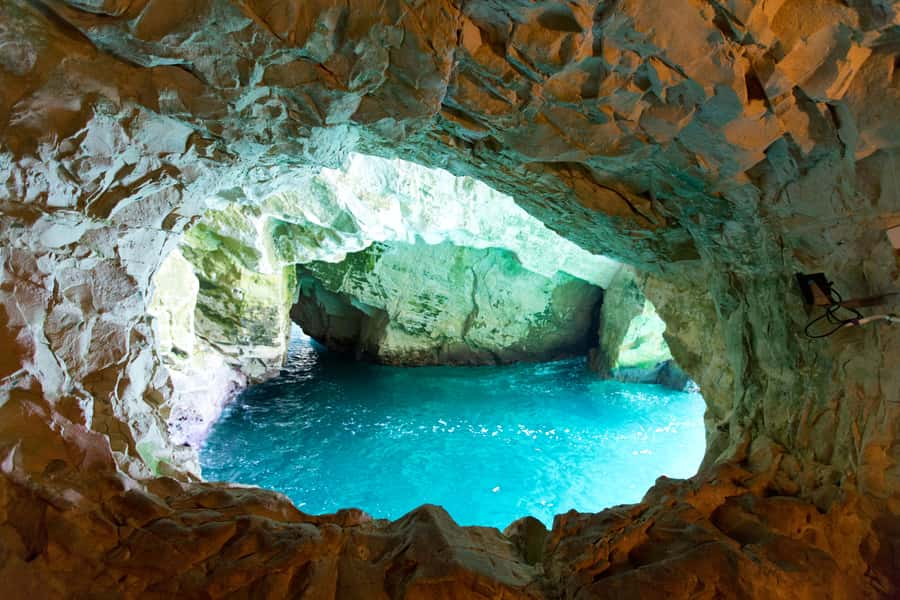
- Rosh Hanikra’s limestone grottoes are a quick nature hit with dramatic white cliffs and sea views.
- Acre’s Old City layers span Greeks, Byzantines, Crusaders, Ottomans, and the British era, all in walkable pieces.
- Jezzar Pasha Mosque inside the Old City is a specific landmark you’ll want to time well for your photo/quiet moments.
- A guide-led day is the main value since entrance fees and on-your-feet time add up fast if you’re solo.
The real appeal: one long coastal story from Jerusalem
This is a classic Mediterranean-coast “big sweep” day: you start in Jerusalem darkness, head north along the coast, and spend the day moving through key sites that explain how this region keeps getting rebuilt. It’s not just sightseeing. It’s a guided lesson in geography—how a port city, a hillside shrine, a border grotto, and an old trading hub all sit on the same stretch of coastline.
I like that the itinerary is paced to match the terrain. You get a Roman-scale site at Caesarea, then a viewpoint-heavy stop in Haifa, then sea-level limestone grotto scenery at Rosh Hanikra, and finally a walkable medieval city experience in Akko. If you’re trying to cover maximum variety without planning separate transport, this route makes a lot of sense.
You can also read our reviews of more tours and experiences in Jerusalem.


Price and what you actually pay: $105 plus entrances
The listed price is $105 per person, and it includes air-conditioned coach transportation, a professional guide, and hotel pick-up and drop-off. That’s meaningful value here because the driving is long and the route stitches together four different areas that can be annoying to line up on your own.
Entrance fees are not included, and they’re listed at about $34 per person paid on-site. Since those fees can change slightly, I’d budget a bit over that. Food and drinks also aren’t included, so plan on buying something during the day or bringing snacks to avoid getting hangry while you’re waiting for the group.
If you want a simple rule: the tour price covers the hard part (transport + guiding), and the extra cost mainly covers site access plus what you eat.
The early start: 5:50 departure and joining in Tel Aviv

The day runs on a tight schedule. You depart Jerusalem at 5:50 to join the tour in Tel Aviv. That means you should treat this like a full-day commitment, not a relaxed “let’s see what happens” day.
A practical heads-up: on at least one departure, the Jerusalem-to-Tel Aviv transfer started about 20 minutes later than expected, and keeping a group of roughly thirty people together required extra time. The guide still got everyone through the planned stops, but the meal pause came in a bit shorter than ideal. The lesson for you is simple: if you’re someone who needs a long lunch, pack flexibility and maybe a small snack buffer.
Also, wear comfortable shoes. The stops are the kind of places where you’ll walk more than you think, especially once you’re inside Old City lanes and archaeological areas.
Caesarea’s Roman ruins: theatre, aqueduct, and Herod’s port legacy
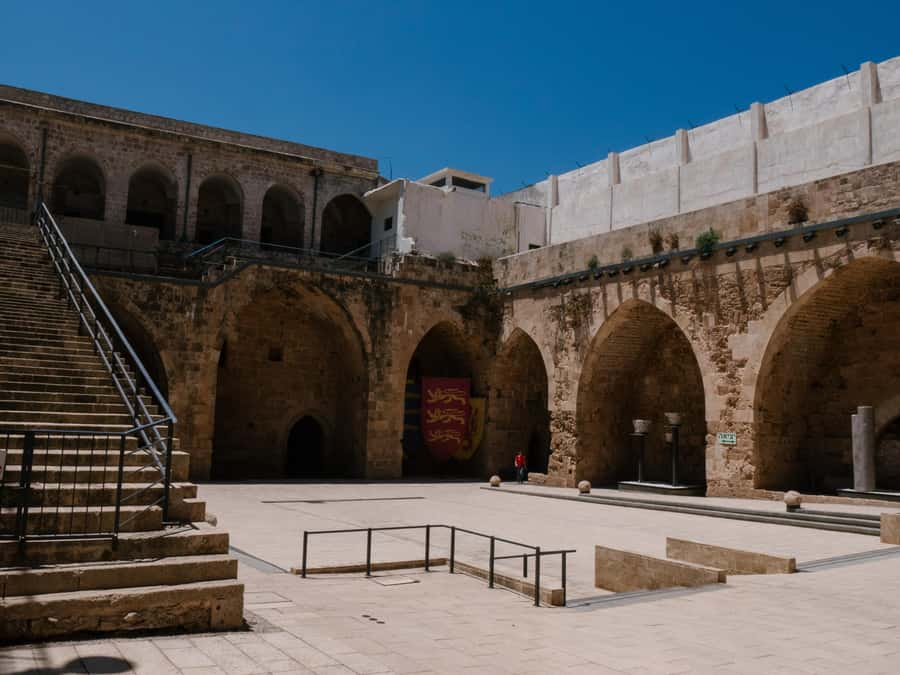
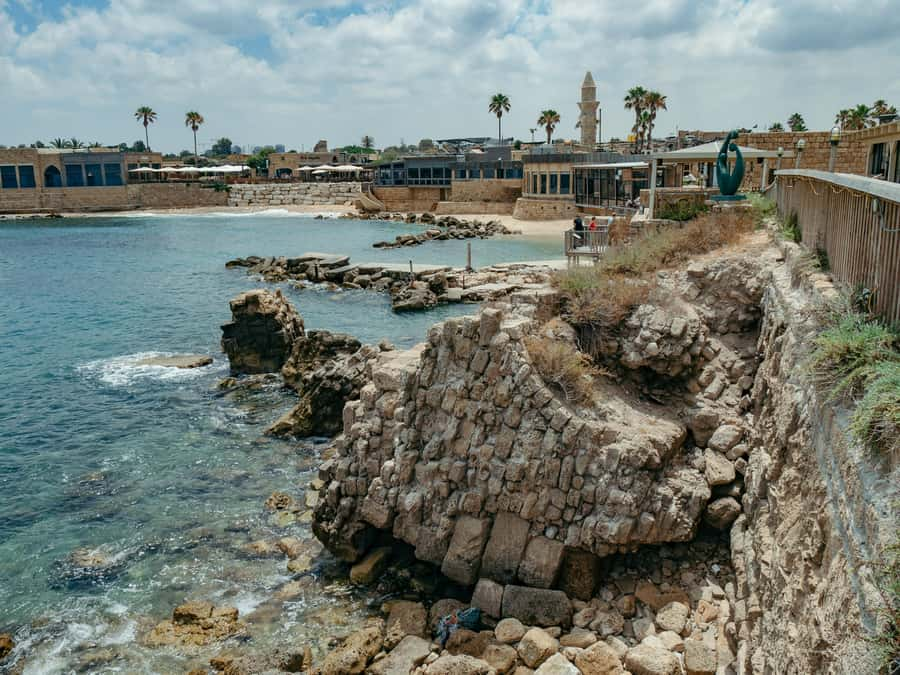
Caesarea is where the day clicks into “wow, this is big.” You’ll head to the ancient Roman capital area, tied to King Herod’s transformation of a smaller Phoenician port into one of the grand cities of Palestine. The history is also a reminder that these places don’t just fade—they get broken, rebuilt, and reused until the shoreline itself becomes a timeline.
What you’ll see and why it matters:
- The archaeological excavations are laid out so you can connect parts of the city rather than just stare at scattered stones.
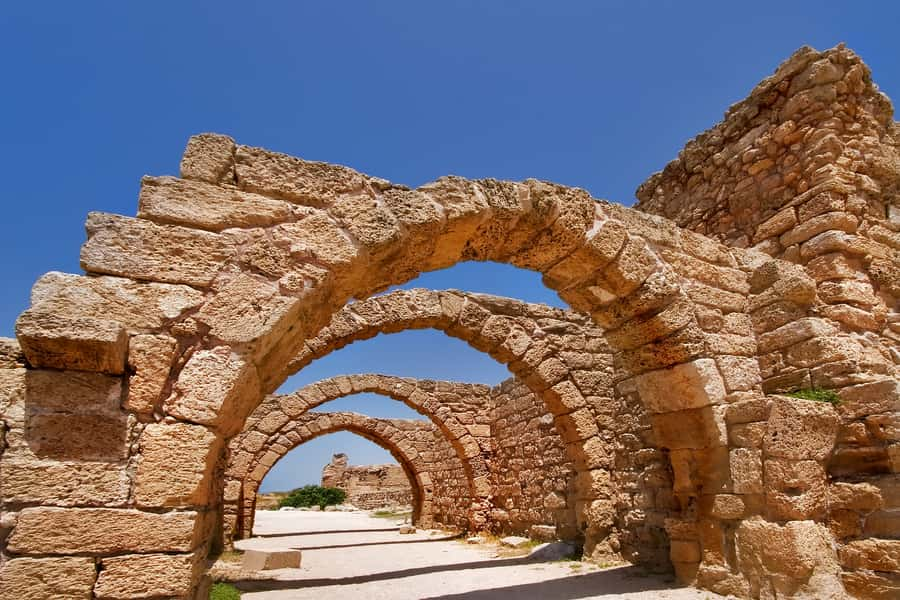
- A mighty aqueduct area is a standout because it helps you visualize how water infrastructure made grand urban life possible.
- The Roman theatre setting gives you a sense of scale that’s hard to get from a museum alone.
One cool part of Caesarea is the “survival story.” The ruins survived until the 13th century, when Baybars of Egypt destroyed the city. That layer of loss and continuity makes the site feel less like a postcard and more like a real place that went through dramatic changes.
Drawback to consider: Caesarea is archaeological, so it’s not always flat and easy-surface perfect. You’ll want shoes with grip and an okay level of walking comfort.
Haifa’s Baha’i Gardens: UNESCO terraces and a Mediterranean photo moment
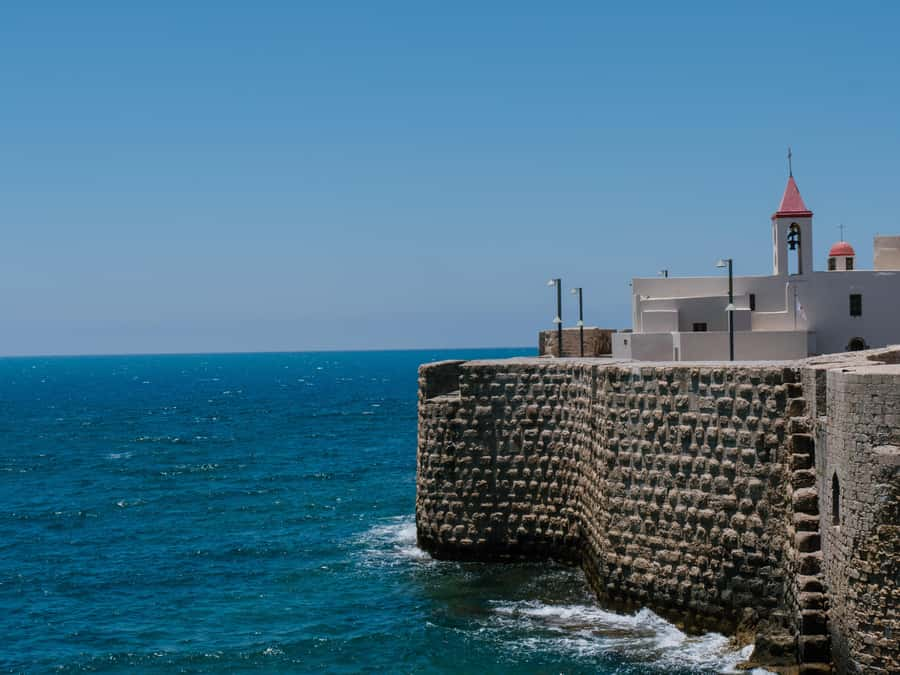
From Caesarea you continue up the coast to Haifa, where the big visual payoff is the Baha’i Gardens at the Baha’i World Center. This is a UNESCO World Heritage Site, and the day’s timing includes a photo opportunity plus time to take in the panoramic view.
I like Haifa here because it’s not just a stop. It’s a change in how you experience the coast. Caesarea gives you ruins. Haifa gives you perspective—terraces, sightlines, and the sense of a city laid out around hills and sea.
What to watch for in your visit:
- You’ll likely want to spend a little time at viewpoints so you can understand how Haifa Bay opens up below.
- The gardens are known for how they frame the horizon, which means photos are easier than they are in many dense city areas.
If you’re traveling in hotter months, consider bringing a hat. The day includes outdoor time and you’ll appreciate shade where you can get it.
Rosh Hanikra: limestone grottoes and the Lebanon border view
Next comes Rosh Hanikra, a border-area destination with a dramatic geology story. You explore limestone grottoes where the sea meets white chalk cliffs. It’s one of those places where the scenery does some of the storytelling for you.
Here’s why this stop works for a day trip:
- It breaks the pattern of cities and history by adding a nature-and-coast experience.
- The setting is visual and immediate, which is great if you’ve been walking all morning.
- You also get a view toward the Lebanon border, adding geographic meaning to what you’re seeing.
Practical note: grotto areas can involve steps and cool damp air. If you’re the kind of person who gets cold easily, bring a light layer even if Jerusalem is warm when you leave.
Akko (Acre) Old City: crusader underground, Jezzar Pasha Mosque, and market streets
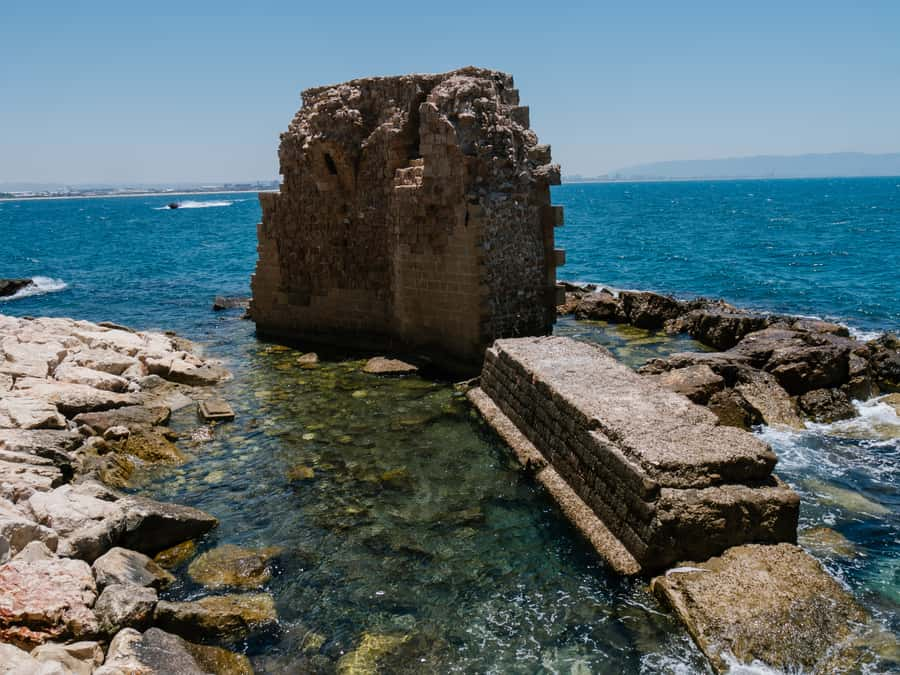
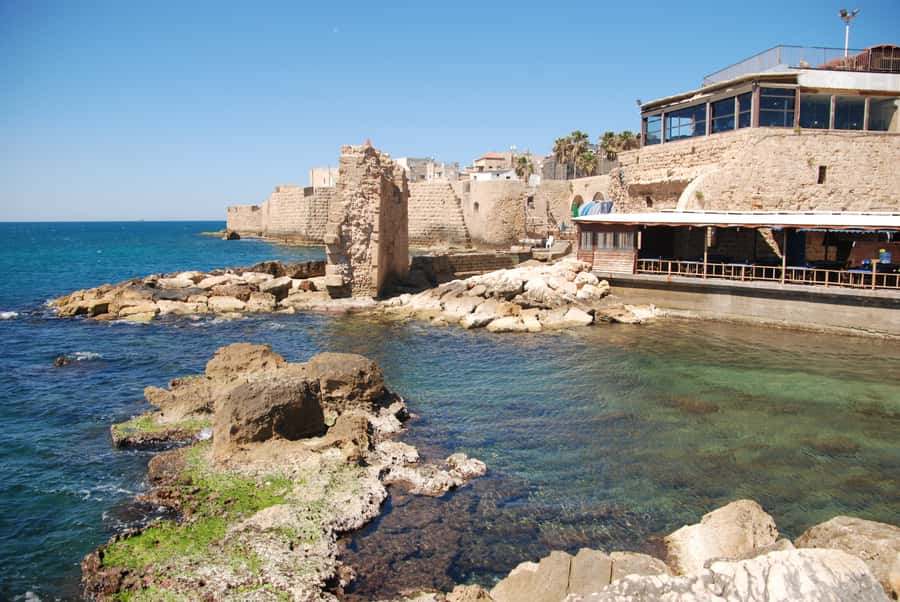
Akko is the day’s “last big story,” and it’s a strong finish. The Old City is a UNESCO World Heritage Site and has massive city walls, a historic port feel, and an Old City market area that brings the place back to life.
You’ll also see landmarks that make this city feel like a timeline in stone:
- Streets and sites that reference long layers of occupation, including Greek, Byzantine, Crusader, Ottoman, and British eras.
- The Crusader underground city and crypt, which adds an unusual, below-ground dimension to the visit.
- The Jezzar Pasha Mosque, where a single hair from the prophet Mohammed’s beard is kept, according to the site descriptions you’ll hear on the tour.
That underground stop is often what people remember later, because it’s not the typical “walk and look” experience. It’s more like walking into a different kind of history—cooler, darker, and physically separated from the bright street level.
The practical downside: Akko’s Old City experience involves uneven walking and lots of lane time. If you’re sensitive to crowds or narrow paths, keep your pace slow and expect to stop for photos and explanations.
Comfort and transport along the Mediterranean highway
Between stops you’re on an air-conditioned coach along Israel’s coastal Highway. That matters because the route isn’t “close by.” You’re moving from Jerusalem to Tel Aviv first, then working your way north along the coast and back again.
I like this style of day trip when I want efficiency. It lets you focus on the stops instead of spending your mental energy on navigation, parking, and finding the right timing between separate tickets and local transit.
Group dynamics: when timing can squeeze the meal break
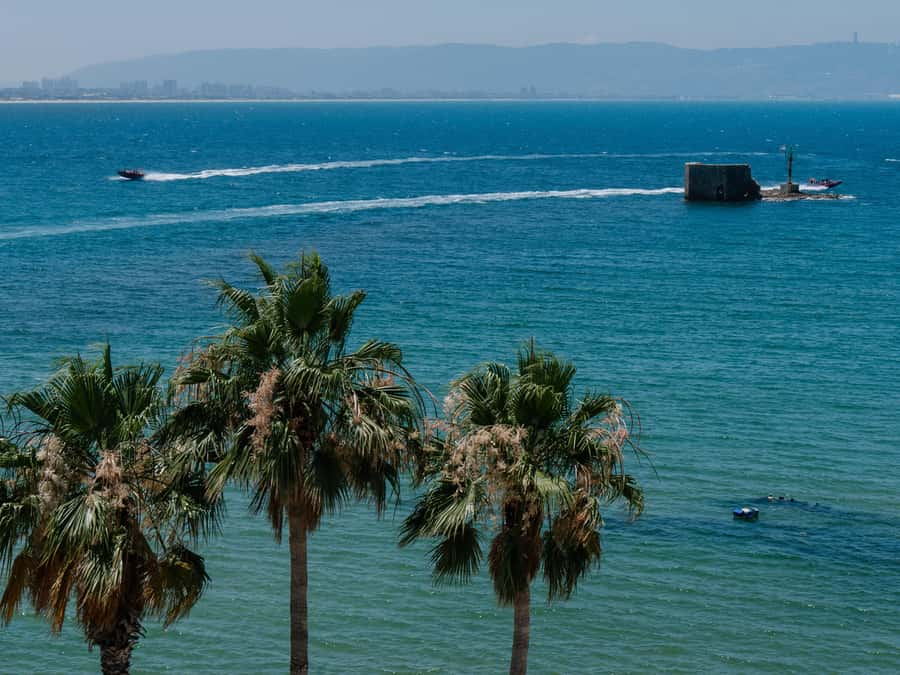
A day like this depends on regrouping fast. If your pickup or transfer is delayed, or if your group needs extra time to assemble, the rest of the schedule can tighten.
One reported situation included a late transfer from Jerusalem and difficulty keeping a large group together, yet the guide still managed to cover all the targets. The trade-off was that the food break was shorter than ideal. So here’s what I suggest: don’t count on a perfect lunch window. If you have dietary needs, plan ahead with a snack and water so you’re not forced to eat whatever is quickest.
Guides who make the history feel clear
The biggest “quality factor” on this tour is the guide. The tour’s professional guides (including individuals such as Dorit, praised for patient explanations, and Abraham, praised for experience leading a group) are a real reason this works as a day trip. When the guide is on their game, each site stops being a separate stop and becomes part of one coherent story.
Even if you only catch parts of the explanations, the structure helps. You learn what to look for in Caesarea’s ruins, how to interpret the viewpoint at Haifa, what makes Rosh Hanikra’s rock formations special, and how Akko’s underground and mosque landmarks fit into the longer story of this region.
Who should book this day trip, and who might want a different plan
This trip is best if you want:
- A guided, coast-focused route with minimal planning.
- A balance of ruins, viewpoint time, and a city that feels alive on foot.
- To see more than one major UNESCO-listed site in a single day.
Consider a different plan if:
- You get easily frustrated by tight schedules and crowded lanes.
- You need a long lunch break or lots of free time.
- You’re relying on wheelchair access, since the tour isn’t suitable for wheelchair users.
- You’re traveling with very young children; it’s not suitable for children under 4.
Also, for comfort: bring a hat and wear comfortable shoes. The day is built for walking and outdoor viewing.
The bottom line: should you book?
If you’re visiting northern and coastal highlights and you only have one day to spare, I think this tour is a strong value. The $105 price covers transport, a guide, and hotel pick-up/drop-off, and the itinerary is efficient enough to hit the big-name stops without you stitching together logistics.
Book it if you like history plus scenery, and you’re okay with a schedule that moves. I’d skip it if you’re the type who wants slow pacing or barrier-free walking.
If you do book, come prepared for an early start, pack a small snack buffer, and let the guide do the heavy lifting on context. Then you’ll get the real payoff: a Mediterranean coastline that tells its story in layers.
FAQ
What is the duration of the Caesarea, Haifa & Akko day trip?
The tour runs 10 to 12 hours.
What time does the tour leave Jerusalem?
You depart Jerusalem at 5:50 to join the tour in Tel Aviv.
Where are pick-up and drop-off offered?
The tour includes hotel pick-up and drop-off. If you need pick-up from elsewhere like an airbnb, the operator provides the closest pick-up point.
What does the tour price include?
It includes air-conditioned coach transportation, a professional guide, and hotel pick-up and drop-off.
Are entrance fees included?
No. Entrance fees are not included and are paid on-site (listed at about $34 per person).
Is food and drinks included?
No. Food and drinks are not included.
What languages is the live guide available in?
The live tour guide is available in French, English, German, and Spanish.
Is the tour suitable for children?
The tour is not suitable for children under age 4.
Is the tour wheelchair accessible?
No. The tour is not suitable for wheelchair users.
Is there a cancellation option?
Yes. You can cancel up to 24 hours in advance for a full refund.