REVIEW · JERUSALEM
Jerusalem and Bethlehem Day Tour from Jerusalem
Book on Viator →Operated by Bein Harim Ltd · Bookable on Viator
Old Jerusalem hits fast, even on a schedule. This day tour strings together major holy landmarks like the Dome of the Rock and the Church of the Nativity, plus the Western Wall and the Via Dolorosa without making you figure logistics alone. I especially liked the hotel pickup and drop-off (less hassle, more time) and the way you get a guided pass through the Old City streets and then into Bethlehem. One thing to consider: you’re doing a lot of walking in real crowds, and in warm months it can feel like a test of patience.
Guides can make or break a day like this. Names that come up with strong praise include Itamar, Avishy/Abishai, Yuval Bigio, Norbert, and Amir, and the better ones keep the story moving with humor and clear context. Just note you’ll need a passport for Bethlehem, and the entry dress code is strict: cover knees and shoulders, or you may get turned away.
In This Review
- Key things that make this tour worth your time
- Mount Scopus to the Old City: getting your bearings fast
- Dome of the Rock viewpoints, Gethsemane area, and Temple Mount context
- Western Wall to Via Dolorosa to Holy Sepulchre: the walking day that matters
- Cardo to Bethlehem: coach time that resets your energy
- Manger Square and the Church of the Nativity: what you should plan for
- Pace, crowds, and why Sundays can feel different
- Price and value: is $106 a fair deal?
- Who should book this, and who might prefer something else
- Should you book this Jerusalem and Bethlehem day tour?
- FAQ
- How long is the Jerusalem and Bethlehem day tour?
- Does the tour include hotel pickup and drop-off?
- Do I need a passport for Bethlehem?
- What’s included in the price?
- Is food included?
- Is there a dress code?
Key things that make this tour worth your time
- Mount Scopus first: you get an easy big-picture view before stepping into tight Old City streets
- Icon stops in Jerusalem: Dome of the Rock area, Western Wall, Via Dolorosa, and the Church of the Holy Sepulchre
- Bethlehem is not just a drive-by: you spend time around Manger Square and the Church of the Nativity
- Nativity cave access is not guaranteed: visitor overload can mean you don’t go down to the under-church area
- Time can feel tight: the day is structured, so you’ll trade free roaming for seeing more sites
- Group size is limited: the max is 40, but crowds still make the experience feel large and busy
Mount Scopus to the Old City: getting your bearings fast
Your day starts with pickup from your Jerusalem hotel and an air-conditioned coach. That matters here, because Jerusalem’s holy sites aren’t in a neat line on a map; you’re constantly switching from open views to narrow streets.
The first big moment is Mount Scopus, where you look over Jerusalem from a ridge east of the Old City. I like this approach because it helps your brain “place” everything you’ll see later. You’ll also hear the religious context tied to this area, including the idea of Jesus’ ascension mentioned in Christian sources, and the long history of worship on the Mount.
Then you roll toward the Temple Mount Esplanade area for a view of the Dome of the Rock, one of Jerusalem’s most recognizable landmarks. Even from a distance, it gives you a sense of why this city matters to multiple religions at once. After that, the route threads past sites connected to Jesus’ final hours, then heads toward the Old City walls—so you’re not just looking at buildings, you’re moving through the “map in your mind.”
You can also read our reviews of more tours and experiences in Jerusalem.

Dome of the Rock viewpoints, Gethsemane area, and Temple Mount context
This isn’t a “buildings only” tour. The guide’s job is to connect what you’re seeing with the stories people attach to these places. That’s especially important around the Temple Mount area, where the visual drama is obvious but the history is layered.
As you pass through the zones near the Garden of Gethsemane and along viewpoints toward the Old City, you get a guided rhythm: quick orientation, then a shift into walking. The practical win is that you’re not trying to read signage and history while also squeezing through crowds. You’re hearing the story as your eyes are still soaking in the skyline.
There’s also a realistic side to this day: security checks, pedestrian flows, and crowding can slow things down. You can reduce stress by arriving ready—water bottle, hat if you’ll be outside, and modest clothing on day one. When you do that, the religious and cultural contrasts of the city land better, instead of turning into a rushed scramble.
Western Wall to Via Dolorosa to Holy Sepulchre: the walking day that matters
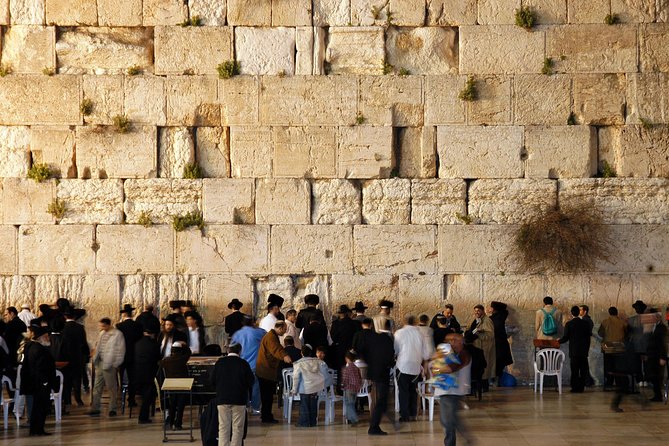
The heart of Jerusalem is the Old City, and this tour spends real time there. You get a guided walk through the Jewish Quarter and past the Byzantine Cardo stretch—think of it as an ancient “main road” feel inside the maze. Then you reach the Western Wall, one of the holiest Jewish sites and a place that can feel quietly powerful even when crowds are loud.
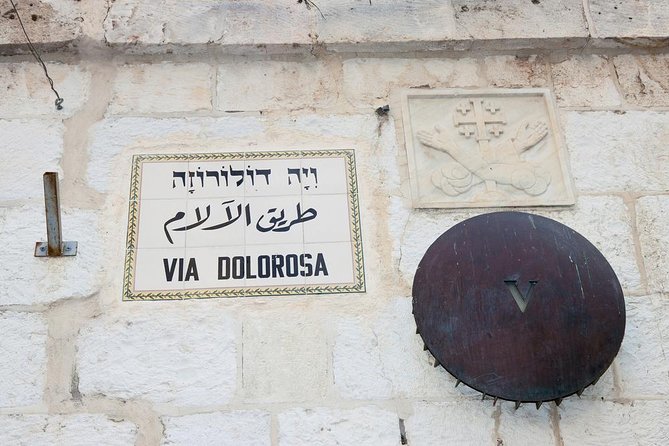
Next comes the Christian Quarter and the Via Dolorosa route—where you’re essentially walking a set of events people reenact through the Stations of the Cross. The most helpful part is that you don’t just point and move on; you look for key stations along the way and learn how this street became a pilgrimage corridor.
From there you head to the Church of the Holy Sepulchre. This church is famous for being built over multiple sacred sites, and that can make it feel both awe-inspiring and a little chaotic. Your guide’s pacing matters a lot here. If your group moves smoothly, you’ll get a sense of the space and the reasons it’s central to Christian tradition.
Practical tip: inside holy churches, sound can be tricky. Some groups report that hearing your guide can be difficult in crowded moments if headsets aren’t part of the setup. If you’re sensitive to noise and big spaces, bring a little extra patience—and keep your questions short and direct.
Cardo to Bethlehem: coach time that resets your energy
After Jerusalem’s Old City, the day pivots to the drive toward Bethlehem. The coach ride is your breathing space, and it’s not filler. It gives you time to regroup and mentally switch from one dense story world to another.
One practical benefit: the transportation is handled, and you’re not stuck negotiating local routes while half your group is trying to find a restroom or a shaded spot. That turns what could be a stressful day into something that actually works as a day plan.
This section also matters because Bethlehem is a different kind of visit. Jerusalem is compact and vertical. Bethlehem spreads out a bit more, and the crowds around key sites can affect how long you can spend in certain areas. So the coach reset helps you handle the “crowd reality” better when you arrive.
Manger Square and the Church of the Nativity: what you should plan for
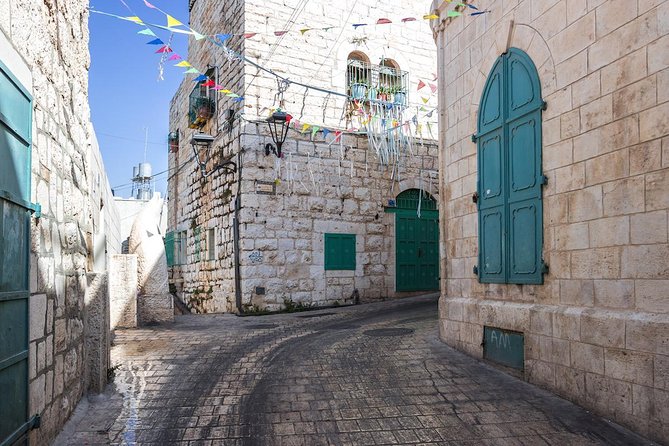
In Bethlehem, the tour centers on the area around the Church of the Nativity and Manger Square. You’ll see the church complex tied to the birth story, and you’ll also get stops connected to the surrounding religious landscape, including nearby churches and the Mosque of Omar mentioned for its presence in the old city.
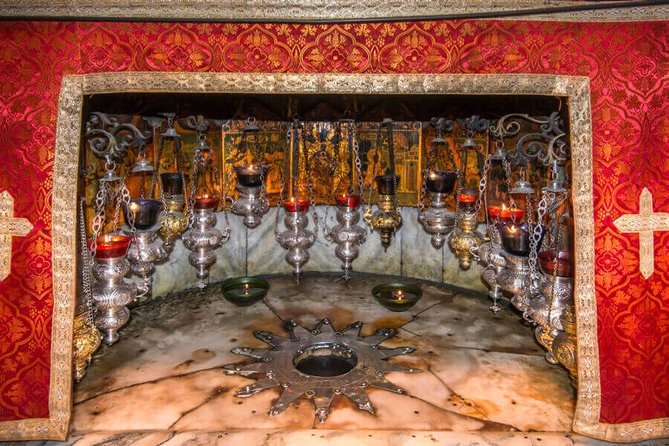
This is where the tour earns its keep: you’re not only seeing an external landmark. You’re walking with guidance through the living space around the church where the birthplace narrative is commemorated. And when access allows, you’ll also learn about the under-church area and the tradition of the nativity cave.
Here’s the key consideration, straight up: visiting down to the Nativity cave isn’t always possible due to visitor overload. That means your experience could be “surface level” inside the complex on one day and deeper on another. If that cave visit is a must-have for you, consider building flexibility into your expectations, and don’t treat it like a guaranteed add-on.
Dress code is again your friend here. Even if you’re willing to push through heat and crowds, you won’t be able to push through a clothing refusal. Keep shoulders and knees covered, and you’ll avoid losing time to entrance issues.
Pace, crowds, and why Sundays can feel different
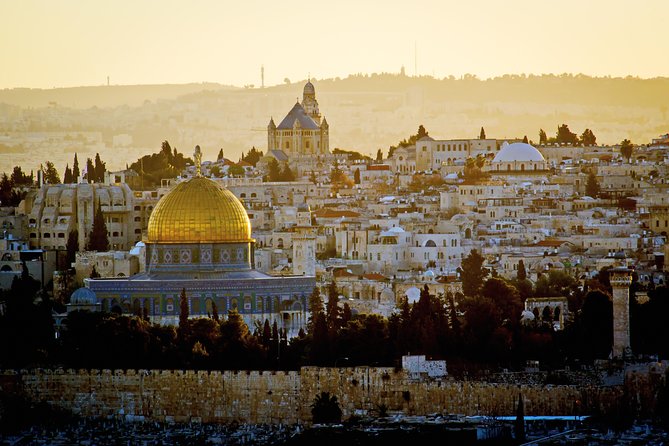
This is a 9-hour guided day with a mix of viewpoints and guided walking. That’s a lot for one day, but it’s the only way to cover Jerusalem and Bethlehem in a single trip without missing the big hitters.
The upside is that you see the major sites that typically take multiple days on your own. The tradeoff is speed. Several people noted the tour can feel rushed, and in the Old City that can mean you don’t get to linger the way you might want.
Crowds are the other wildcard. The Old City can be packed, and church interiors can slow down movement. Some groups also reported problems like extended time at shops, difficulty hearing the guide in busy areas, or confusion from van logistics—especially when the schedule got split for part of the day. None of that should stop you from booking, but it does argue for two strategies: go in expecting a guided flow, and don’t plan on turning this into a free-roam day.
If you’re choosing your travel day, keep an eye on how heavy crowds might be. Bethlehem’s church can get extremely busy, and if deeper access is limited, you’ll want to be okay with seeing the main complex rather than banking on every possible under-area.
Price and value: is $106 a fair deal?
At $106 per person, this tour can be good value if you care about coverage plus low stress. For that price, you’re getting hotel pickup and drop-off, a professional guide, an air-conditioned coach, and entrance fees.
The “what you’re really buying” is time and coordination. Without a guided day like this, you’d have to line up transportation, entrance logistics, and a route that doesn’t waste hours bouncing between neighborhoods. With a structured coach day, you spend your effort on seeing and understanding instead of figuring.
The one clear extra cost is simple: food and drinks aren’t included. So budget for lunch or bring snacks and water. If you’re prone to getting grumpy when you’re hungry, treat eating as a priority so the rest of the day stays enjoyable.
Also, check the kind of travel style you prefer. If you want lots of shopping stops or long “sit and watch” time, a day focused on major holy sites may not match your pace. If you want to hit the icons and learn while doing it, this price point often makes sense.
Who should book this, and who might prefer something else
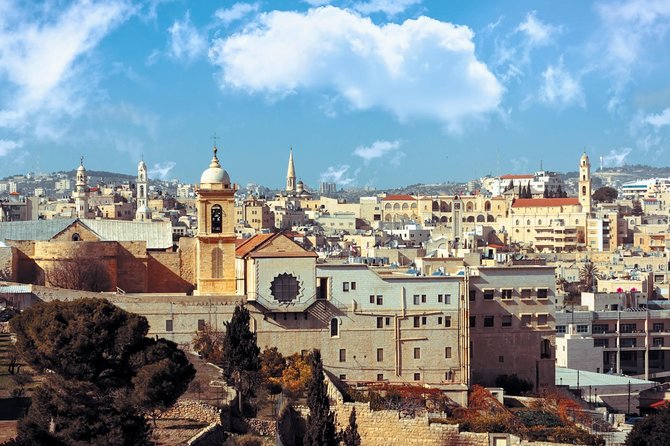
This tour fits best if you’re new to the region and want a guided “greatest hits” version of Jerusalem and Bethlehem. It’s also a solid choice if you appreciate context and story—especially if you’re seeing these sites from a Christian perspective (while still taking in Jewish and Islamic landmarks).
It’s less ideal if you need maximum quiet or unhurried wandering. The day includes a reasonable amount of walking, and crowded sites can limit how slowly you can move. Also, it’s not suitable for children under 4, and anyone with mobility concerns might find the walking load tough.
If you’ve got the time and budget for a private tour, that’s worth considering too. A few people reported group logistics issues like late pickup or rushed timing, which a private guide usually handles more smoothly because you’re not fighting a group schedule.
Should you book this Jerusalem and Bethlehem day tour?
I’d book it if your goal is to see the main Jerusalem and Bethlehem landmarks in one day with guided context, and you’re okay trading free time for coverage. The Mount Scopus orientation, the Western Wall and Via Dolorosa walk, and the Church of the Nativity area are the kind of stops that make you feel like you understand the city better, not just that you visited it.
I wouldn’t book it if Nativity cave access is a must with no flexibility. Since going down isn’t always possible, you could end up disappointed if that’s the specific reason you’re paying. I also wouldn’t book it if you hate group pacing or if you know you struggle in crowded church interiors.
If you do book, go prepared: modest clothing, comfortable shoes, water, and a mindset that this day is intense but meaningful. And if your guide is one of the praised names like Itamar, Yuval Bigio, Norbert, or Amir, you’ll likely get a smoother, more memorable story as you walk.
FAQ
How long is the Jerusalem and Bethlehem day tour?
It runs for about 9 hours.
Does the tour include hotel pickup and drop-off?
Yes. Jerusalem hotel pickup and drop-off are included.
Do I need a passport for Bethlehem?
Yes. A current valid passport is required to visit Bethlehem.
What’s included in the price?
Hotel pickup/drop-off, a professional guide, an air-conditioned vehicle, and entrance fees.
Is food included?
No. Food and drinks are not included.
Is there a dress code?
Yes. You need a moderate dress code for places of worship, with knees and shoulders covered. Shorts are not recommended, and you may be refused entry if you don’t meet the requirements.