REVIEW · JERUSALEM
Jerusalem and Bethlehem Full-Day Tour from Jerusalem
Book on GetYourGuide →Operated by Bein Harim Israel Tours · Bookable on GetYourGuide
One day, two holy sites, and a lot of walking. This full-day route strings together Jerusalem’s Old City highlights and Bethlehem’s Nativity area, with an air-conditioned coach plus professional guides. I especially love the panoramic stops like Mount of Olives, where the city suddenly makes sense from above.
My other favorite part is the Bethlehem segment—seeing the Church of Nativity area and walking Manger Square with a guide who keeps the story grounded and practical. The one real catch to plan around: the Grotto of Nativity might not be possible due to time and visitor overload.
In This Review
- Key points before you go
- A full-day Jerusalem-and-Bethlehem plan that fits first-timers
- Jerusalem start: Mount Scopus, Temple Mount views, Kidron Valley, and Gethsemane
- The Old City on foot: Armenian Quarter to Wailing Wall Square
- Christian Quarter highlights: Stations of the Cross and the Church of the Holy Sepulchre
- The Byzantine Cardo and the Jewish Quarter: a 1700-year street moment
- Bethlehem transfer: passport checks, a border handoff, and bus changes
- Nativity Circle, Church of Nativity, the believed birthplace cave, and Manger Square
- When crowds affect the Grotto of Nativity visit
- The view on the way back: Shepherd’s Fields panoramas
- Price and value: about $106 for a guided, cross-border day
- Who should book this tour (and who should skip it)
- Small practical tips that make a difference
- Should you book the Jerusalem and Bethlehem Full-Day Tour?
- FAQ
- How long is the tour?
- How much does the tour cost?
- Is food included?
- What languages are the live guides available in?
- Do I need a passport?
- Is modest dress required?
- What happens at the border crossing to Bethlehem?
- Is the tour suitable for children or wheelchair users?
- Can you always visit the Grotto of Nativity?
Key points before you go
- Mount of Olives viewpoints that give you quick context before the walking gets dense.
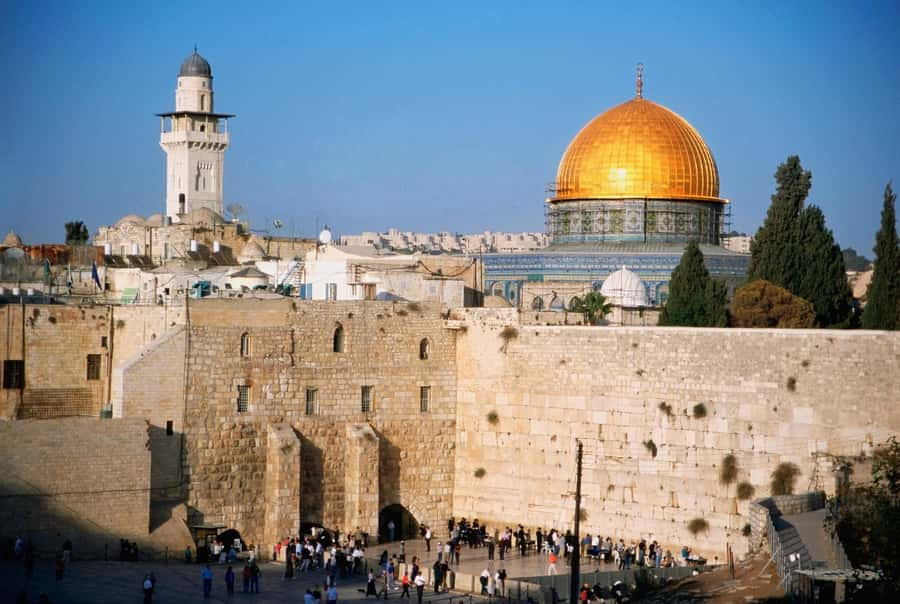
- Old City quarter routing that links the Wailing Wall area, the Christian Quarter, and the Jewish Quarter by way of the Byzantine Cardo.
- Bethlehem is not just a photo stop; you get a guided visit to the Nativity sites.
- A border post handoff to a Palestinian guide, sometimes with a bus change.
- Time management is real; crowded schedules can affect whether you go down to the Grotto of Nativity.
A full-day Jerusalem-and-Bethlehem plan that fits first-timers
This is a 10-hour tour that starts in Jerusalem and ends back in Jerusalem, with Bethlehem in the middle. The flow is designed to reduce guesswork: you hop on a coach, park, walk the Old City sections with a guide, then switch to a Palestinian guide for Bethlehem.
You’re not stuck building your own itinerary from scratch. You also get the value of having entry fees covered and a professional guide doing the heavy lifting on timing and explanations, while you focus on the experience. It’s also good to know this is a no-food-included day, so you’ll want to handle snacks and water on your own.
Free cancellation up to 24 hours before departure is offered, which is handy if your trip schedule is fluid.
You can also read our reviews of more tours and experiences in Jerusalem.


Jerusalem start: Mount Scopus, Temple Mount views, Kidron Valley, and Gethsemane
The day kicks off with Mount Scopus for views over Jerusalem. From there you’ll look toward the Temple Mount area, which helps you understand why the Old City is so tightly packed with religious sites.
Next comes the Kidron Valley route. You’ll pass old city walls and get in the kind of views that make religious geography feel physical, not abstract. Then you’ll see the Garden of Gethsemane area from the outside, which is often the best way to take it in without turning the day into a traffic jam.
This early sequence is smart for two reasons. First, you get orientation before you enter the Old City. Second, you enjoy scenic moments that aren’t just lines at entrances.
The Old City on foot: Armenian Quarter to Wailing Wall Square

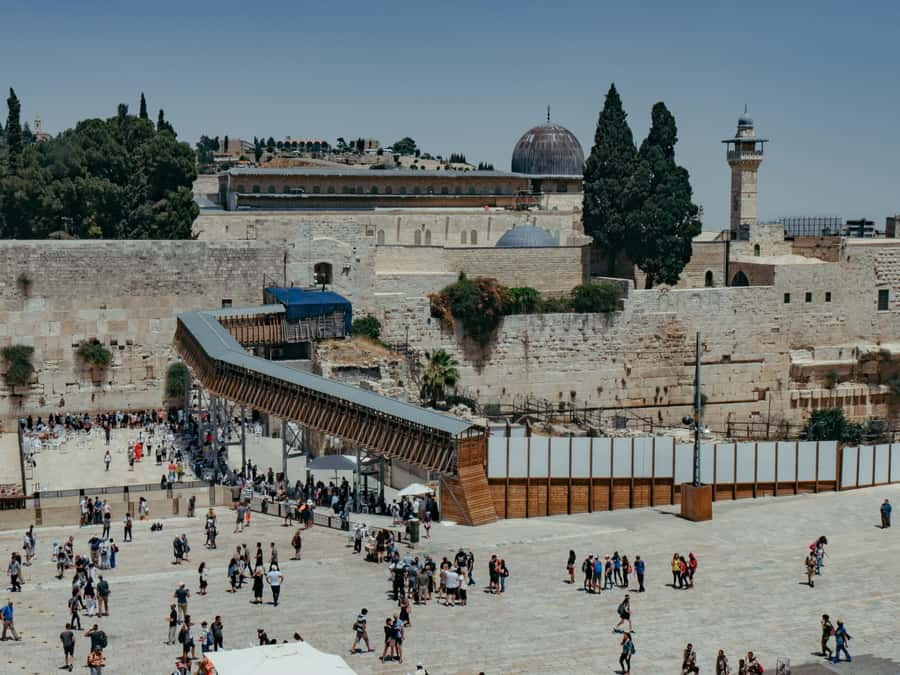
Once you’re in Jerusalem’s Old City, the tour keeps you moving through specific religious neighborhoods rather than randomly bouncing around. In the Armenian Quarter, you’ll explore the bazaar leading toward Wailing Wall Square.
That bazaar section matters. It’s not just a hallway to the Wall; it’s part of how Jerusalem feels—shops, textures, and the lived-in vibe of a trading city that happens to be surrounded by sacred places.
Your guide will tie the site to the wider story of Judaism and modern Jewish practice. Even if you know the basics, it helps to have someone connecting the dots between streets, entrances, and what you’re seeing.
Christian Quarter highlights: Stations of the Cross and the Church of the Holy Sepulchre
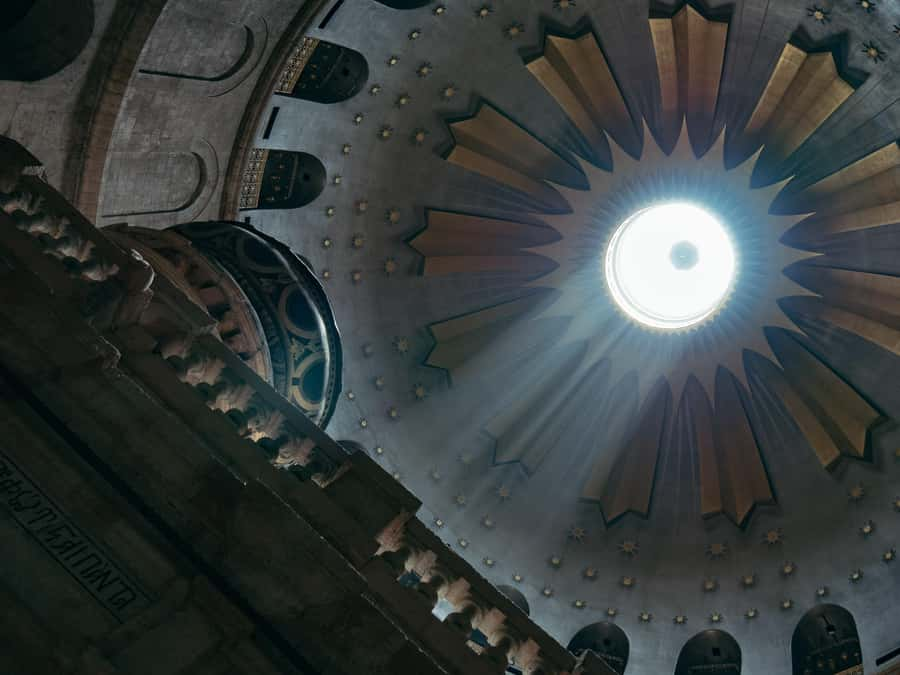
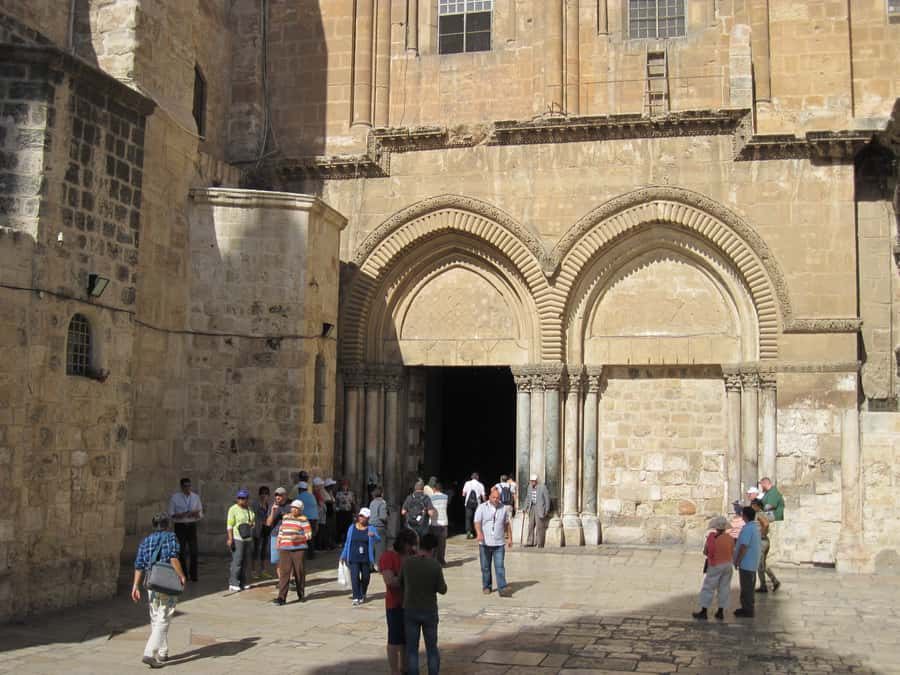
In the Christian Quarter, you’ll see the Stations of the Cross and visit Church of the Holy Sepulchre. This church is traditionally associated with the crucifixion and nearby events, so it can feel emotionally intense even for people who came mostly for the facts.
The way the tour is handled makes a difference here. With a professional guide, you’re not just looking at architecture—you’re getting the sequence and the meaning behind it, which can turn a chaotic indoor site into something you actually understand.
One small practical note: these areas can be crowded and the walking is close-quarter. A good guide is the difference between feeling rushed and feeling informed. In past tours, guides like Eyal, Jorge, and Ayal have been praised for explaining history clearly and waiting patiently if someone falls behind.
The Byzantine Cardo and the Jewish Quarter: a 1700-year street moment
A highlight that often surprises people is the Byzantine Cardo, a street dating back about 1700 years. It’s one of those details that makes you realize Jerusalem isn’t a single-era museum.
You’ll walk along toward the restored Jewish Quarter. Again, the value here is guidance: you’ll connect the street to layers of Jerusalem’s past rather than treating it like a scenic shortcut.
If you like walking through cities with historical continuity, this segment can be a real win. If you’re expecting big, open spaces, it’s the opposite. It’s narrow and old-school, which is exactly why it feels authentic.



Bethlehem transfer: passport checks, a border handoff, and bus changes
To reach Bethlehem, the route goes through a Palestinian border-crossing. Your guide will coordinate the process, but you still need to be ready: bring your passport.
A Palestinian guide meets your group at a border post. Also, a change of vehicle may be required to enter Palestinian territory, so expect some movement logistics mid-day. That’s not a flaw—it’s part of how the region works.
Keep your day flexible in your head. Even when the tour runs smoothly, border timing isn’t something anyone can fully control. If you hate uncertainty, plan for it by staying calm and keeping your documents easy to access.
Nativity Circle, Church of Nativity, the believed birthplace cave, and Manger Square
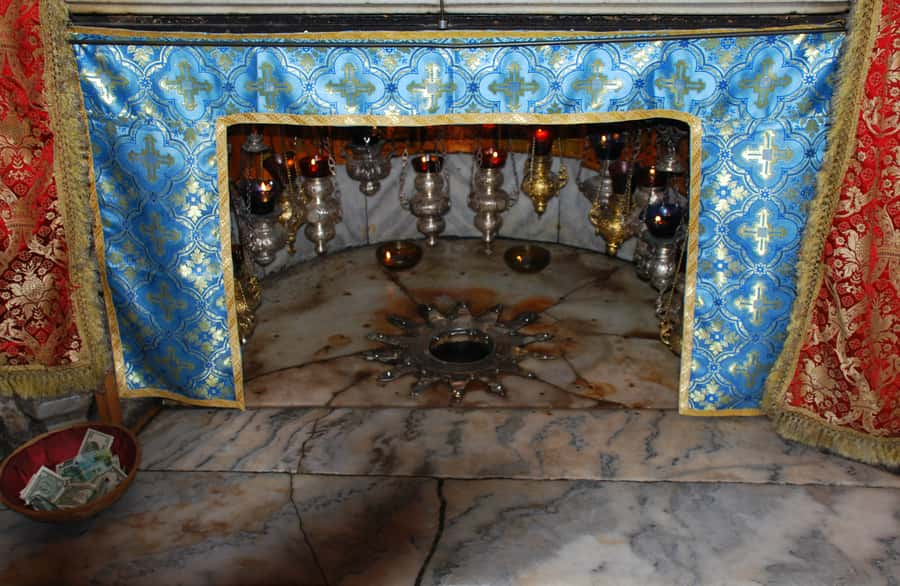
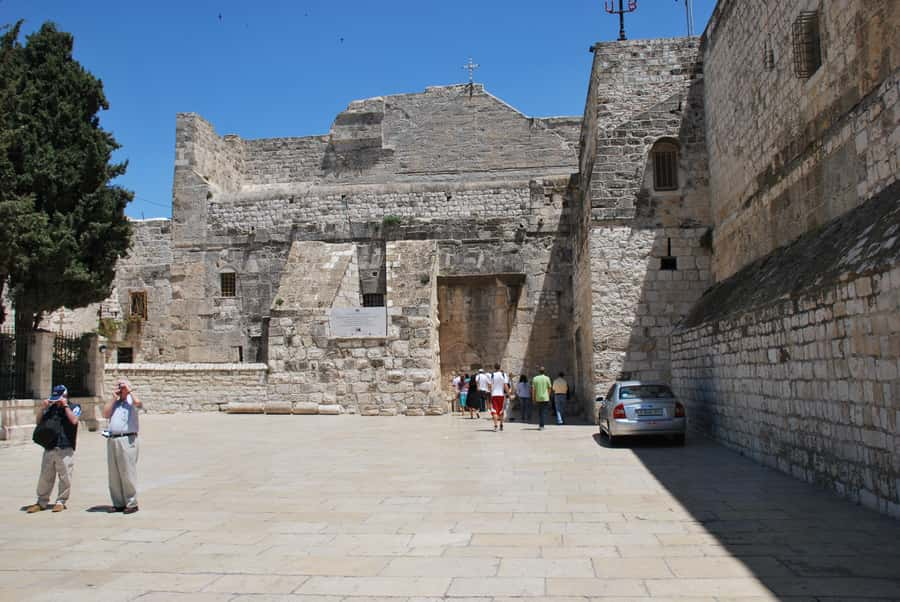
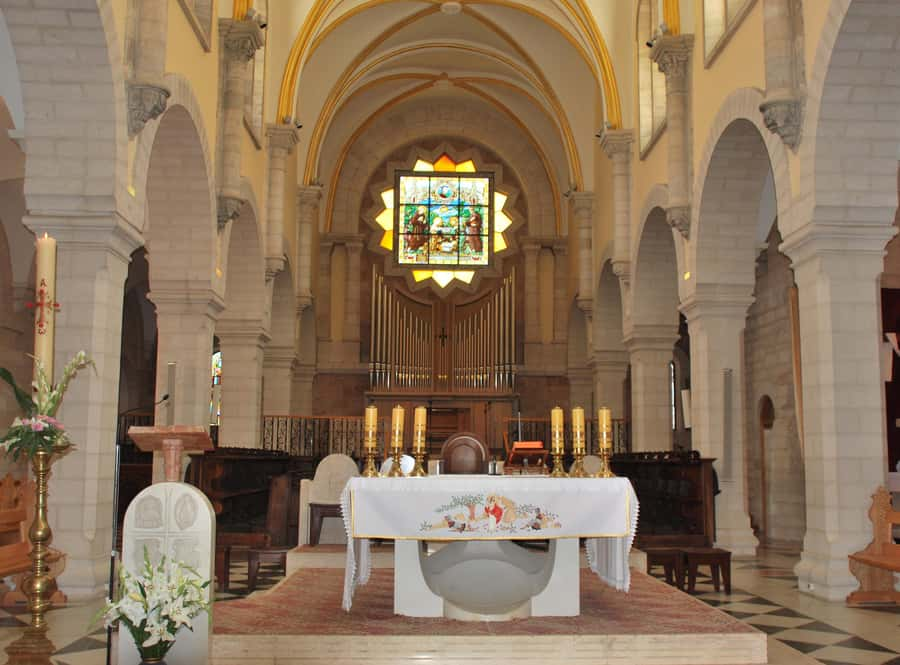
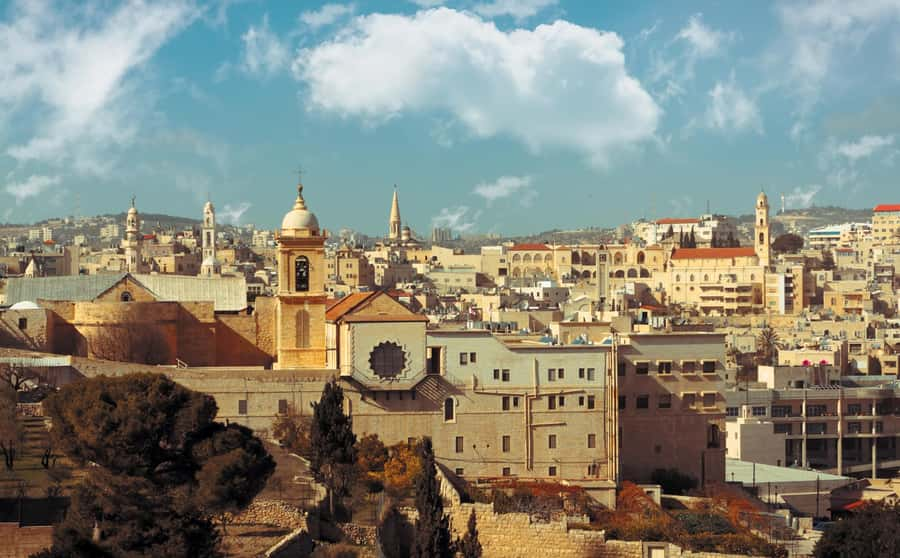
In Bethlehem, the heart of the tour is the Nativity visit. You’ll see the Nativity Circle, then the Church of Nativity. From there, you’ll view the cave area believed to be where Jesus was born, and you’ll walk to Manger Square, where Jesus was placed after his birth according to Christian tradition.
This is one of the best segments to slow down a bit mentally. The tour gives you structure—where to stand, what the place represents, and how it connects to the broader Christian story—but you still get a chance to absorb the atmosphere.
The best approach is to go with curiosity, not a checklist. Think of it like stepping into a living tradition that has been shaped by centuries of visitors, local life, and faith.
When crowds affect the Grotto of Nativity visit
One important scheduling reality: due to visitor overload, a visit down to the Grotto of Nativity might not be possible because of the time schedule. That means you should treat the main Church of Nativity and Manger Square as the reliable core.
If the grotto is a must for you, it’s worth mentally preparing for the possibility you’ll only be able to see it from the upper area. The tour still aims to give you the core Nativity sites even when the grotto becomes a casualty of crowding.
The view on the way back: Shepherd’s Fields panoramas
On the way back to Jerusalem, you’ll enjoy sweeping views of the Shepherd’s Fields. This is a nice counterbalance to the density of the Old City and Bethlehem’s indoor sacred spaces.
It also gives your brain a breather. After hours of close-up walking and tight spaces, a wider view helps everything feel connected again instead of fragmented into separate stops.
Price and value: about $106 for a guided, cross-border day
At $106 per person for a 10-hour tour, the value depends on what you’d otherwise spend to do it yourself. Here, your money covers entry fees, a professional guide, transportation in an air-conditioned coach bus, plus hotel pickup and drop-off.
The day’s biggest practical cost savings are the guide and the logistics. In one trip you’re getting Old City routing, guided interpretation, and the handoff to a Palestinian guide. That’s harder to manage alone—especially the part that involves a border post.
What’s not included is food and drinks. So your true day budget is the tour price plus lunch/snacks. If you’re the type who likes a sit-down meal, factor in time and cost. If you’re quick and practical, you can make it work with a snack plan.
Who should book this tour (and who should skip it)
This tour is a strong fit if you want a guided “greatest hits” day without spending hours planning. It’s also good for people who like explanations tied directly to what they see—especially at Church of the Holy Sepulchre and in Bethlehem.
It’s not a fit for children under 4. It’s also not suitable for wheelchair users. And because modest dress is required, people who dislike dressing more conservatively should reconsider or plan their outfit carefully.
If you’re traveling with limited patience for tight spaces and crowds, note that the Old City walking is close and active. In that case, pick comfortable shoes and plan to follow the guide’s pace rather than trying to set your own.
Small practical tips that make a difference
- Bring your passport and keep it handy so the border part feels boring instead of stressful.
- Wear modest clothing so you’re not worrying about it every time you enter a holy site.
- Comfortable shoes matter because you’ll do lots of walking in busy areas.
- Since food isn’t included, treat snacks like part of the plan, not an afterthought.
- If you’re easily delayed by crowds, be flexible about time—especially regarding the Grotto of Nativity.
Should you book the Jerusalem and Bethlehem Full-Day Tour?
I think this is a good booking if you want one guided day that connects Jerusalem’s Old City to Bethlehem’s Nativity sites without turning your trip into a logistics project. The Mount of Olives orientation, the structured Old City route through key quarters, and the Bethlehem guided Nativity visit are the core strengths.
I’d skip it if you can’t handle border-crossing timing uncertainty, you need wheelchair access, or you absolutely must guarantee the Grotto of Nativity visit. Otherwise, it’s the kind of tour that makes a first-time Holy Land trip feel organized and meaningful.
If you go in with modest expectations about crowd timing—and solid expectations about guided interpretation—you’ll likely feel you got your money’s worth.
FAQ
How long is the tour?
The duration is 10 hours.
How much does the tour cost?
The price is listed at $106 per person.
Is food included?
No. Food and drinks are not included.
What languages are the live guides available in?
Live tour guide languages include Spanish, French, German, and English.
Do I need a passport?
Yes. A valid passport is required on the day of your tour.
Is modest dress required?
Yes. Modest dress is required.
What happens at the border crossing to Bethlehem?
You pass through a Palestinian border-crossing, and a Palestinian guide meets your group at a border post. A change of vehicle may be required to enter Palestinian territory, and you switch buses to continue the tour.
Is the tour suitable for children or wheelchair users?
It is not suitable for children under 4. It is also not suitable for wheelchair users.
Can you always visit the Grotto of Nativity?
A visit down to the Grotto of Nativity might not be possible due to visitor overload and the tour time schedule.