REVIEW · TBILISI
From Tbilisi: Borjomi, Rabath and Vardzia Day Trip
Book on GetYourGuide →Operated by Day Travel To Georgia · Bookable on GetYourGuide
Rabath, Borjomi, and Vardzia in one shot is a rare Georgia triple play, packed into a 14-hour day. I especially like the contrast between the spa-town mineral water at Borjomi and the medieval cliff city of Vardzia, which feels like stepping into a movie set. One thing to plan for: it’s a long ride, and Vardzia involves steep, uneven steps that can feel slippery if you’re not used to climbing.
The fortress at Rabath (in Akhaltsikhe) is another highlight for me. You get the whole religious “snapshot” in one place—mosque, synagogue, and church inside the fortress complex—plus a museum that helps tie it together. The possible drawback: Rabath has sections that are heavily restored, so if you’re chasing raw ruin, your expectations may need adjusting.
If you want a full day of major sights—and you’re comfortable with walking—this tour is strong value. If you’re sensitive to heights, tight cave spaces, or uneven ground, you’ll want to think twice before choosing it.
In This Review
- Key things you’ll notice on this tour
- A long day with three very different styles of Georgia
- Borjomi-Kharagauli country: what to do with your one-hour break
- Rabati Castle in Akhaltsikhe: the fortress complex with three faiths
- Vardzia cave city: stairs, viewpoints, and the Queen Tamar era
- What to watch for (so you enjoy it instead of bracing)
- Photos and viewpoints
- Aspindza lunch break: a pause that keeps the day realistic
- Transport and timing: what a 14-hour route feels like in real life
- Price and value: what $33 covers plus the entry fees
- Guides, group vibe, and how to get the most out of the commentary
- Who this tour is perfect for (and who should skip it)
- Should you book the Borjomi, Rabath and Vardzia day trip?
- FAQ
- How long is the Borjomi, Rabath and Vardzia day trip?
- Where do I meet the tour?
- What languages are available for the live guide?
- Are entrance fees included in the tour price?
- Is food or lunch included?
- What should I bring for Vardzia and the walking?
- Is the tour suitable for wheelchair users or people with mobility impairments?
Key things you’ll notice on this tour
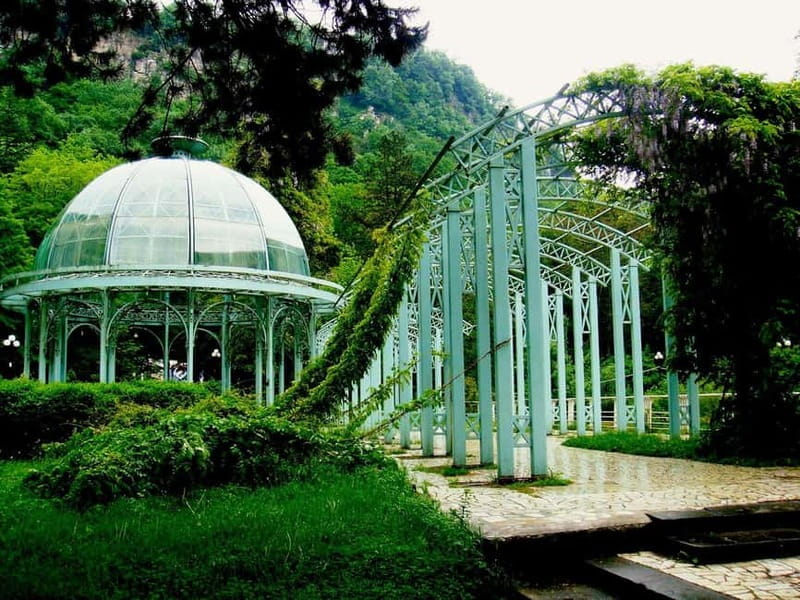
- Mineral water stop at Borjomi: taste the famous water and learn how it’s produced at the plant option
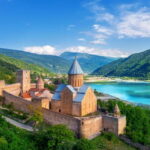
- Rabati Fortress in Akhaltsikhe: a 12th-century stronghold with mosque, synagogue, and church
- Vardzia is a cliffside maze: interconnected caves, churches, and living quarters stretching along the cliff
- Queen Tamar era architecture: Vardzia was built in the 12th century during her reign
- Time balance across stops: Rabati gets about 75 minutes, Vardzia about 2 hours, with a 1-hour lunch break in Aspindza
- Fitness matters for Vardzia: uneven, steep steps can be challenging, especially in slippery conditions
A long day with three very different styles of Georgia
This is the kind of tour that makes sense if your priority is to see the highlights rather than stay in one area. You leave Tbilisi in the morning and get a full slate: Borjomi, then the fortified complex at Rabath (Rabati Castle) in Akhaltsikhe, and finally Vardzia, the medieval cave city. It’s not short, but it’s structured so you don’t just get “a quick look.”
Two things tend to make the day feel worth it. First, the route gives you real contrast: spa-town springs and park scenery at Borjomi, fortress history at Rabath, then the dramatic cliff architecture of Vardzia. Second, you have a live guide in English or Russian, and the group dynamic is often handled well—guides are typically careful about keeping people together and explaining what you’re seeing.
One practical consideration: it’s a late return day. On at least one recent outing, a planned early start stretched later because some guests arrived late, and the return to Tbilisi was around 10 pm. So treat this like a full commitment day, not something you tack onto your evening plans.
You can also read our reviews of more tours and experiences in Tbilisi.
Borjomi-Kharagauli country: what to do with your one-hour break
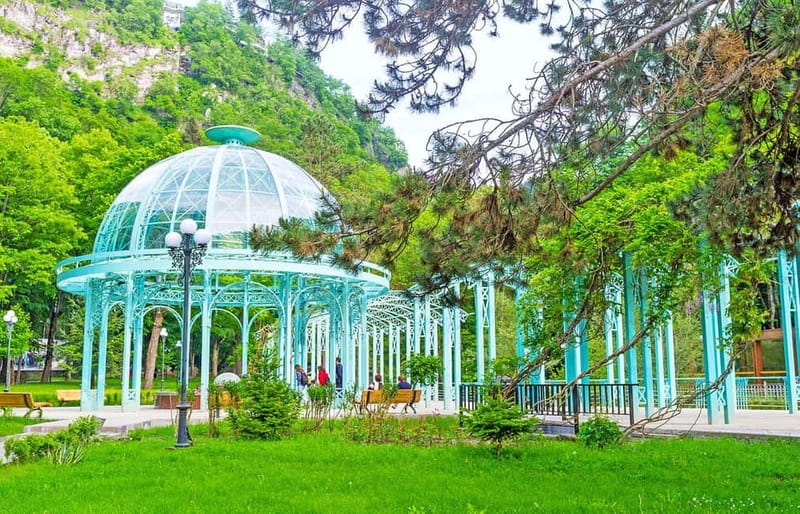
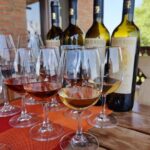
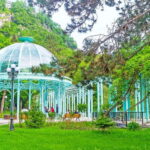
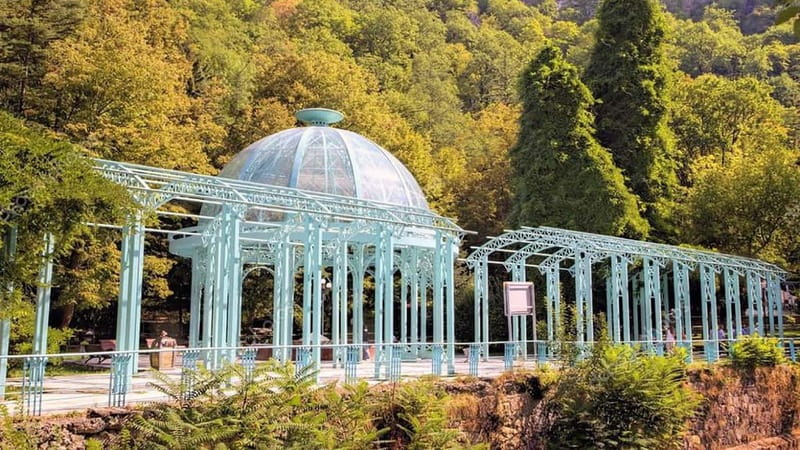
Borjomi is famous for a reason. It’s a spa town surrounded by greenery, and the star of the stop is the mineral water. On this tour, you get time to taste it directly from public springs, and you may also have the option to tour the Borjomi Mineral Water Plant to understand how the water is produced.
You’ll have about an hour here, which is just enough to do the essentials without feeling rushed. Here’s how I’d use that time if I were pacing it:
- Start with the tastings right away, before you start drifting into photos and coffee.
- If the plant tour is available in your group’s schedule, do it early so you’re not competing with the rest of the timeline.
- Keep the focus simple: taste the water, look around the spa-town streets, and then move on.
Borjomi is also tied to Borjomi-Kharagauli National Park, so even if you don’t spend hours hiking, the vibe is outdoorsy and fresh. In winter or rainy weather, it can feel colder than Tbilisi, so bring weather-appropriate layers.
The main “watch out” in Borjomi is that one hour can feel like a quick stop. If you want long walks, museums, or a second round of tastings, you won’t get that here. This day trip is designed to funnel your time into three headline stops—Borjomi is the warm-up.
Rabati Castle in Akhaltsikhe: the fortress complex with three faiths
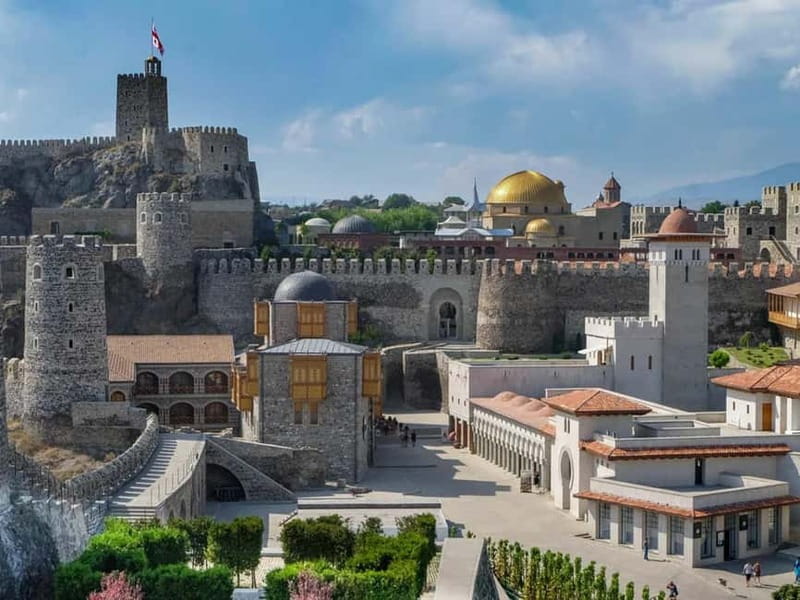
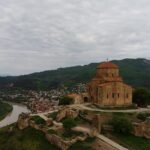
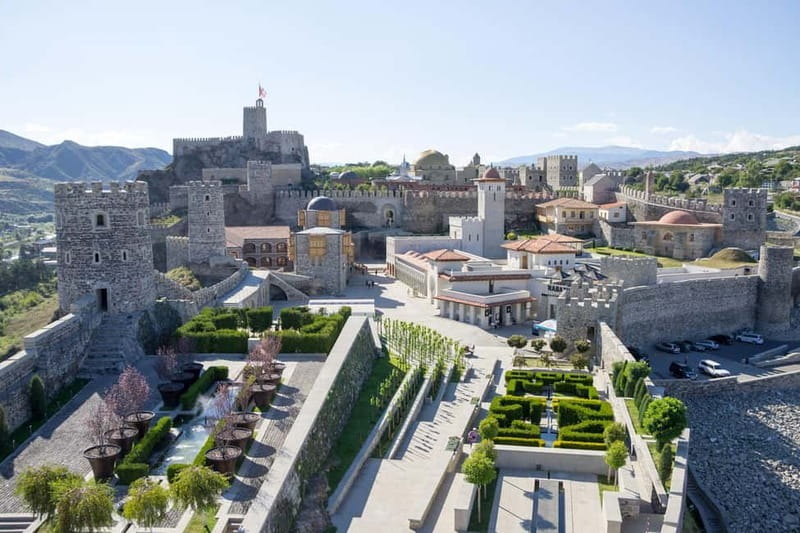
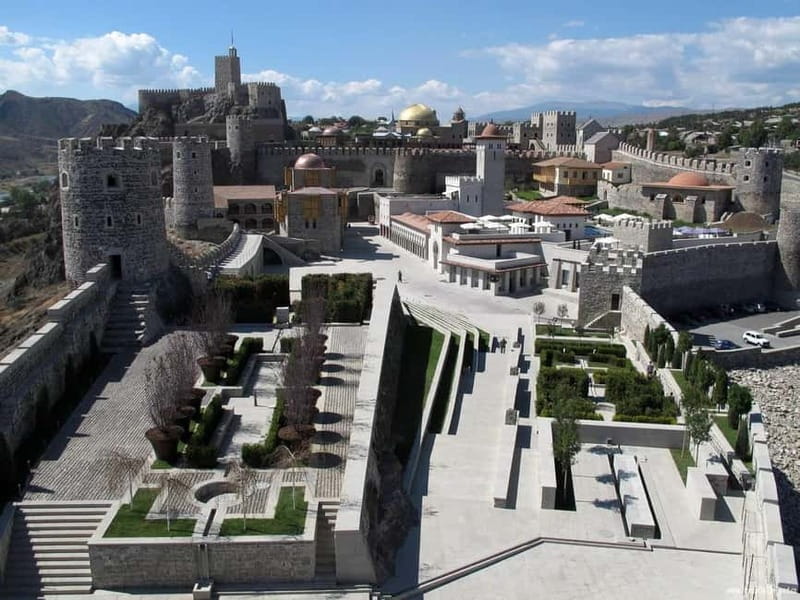
Rabath (Rabati Castle) is where the day turns into history you can see with your feet. The fortress complex sits in Akhaltsikhe and dates back to the 12th century. What makes it particularly compelling is the religious mix packed into the same walls: there’s a mosque, a synagogue, and a church, plus a museum showing archaeological finds and artifacts related to the civilizations that occupied the region.
You get about 75 minutes here, including guided time plus photo stops and free time. That’s a fair amount for a fortress visit because the complex is meant to be explored. If you like connecting architecture to stories, the museum portion matters—without it, the religious buildings can feel like separate stops. With it, you start to see the bigger picture of how this area changed over time.
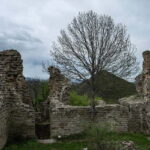
Now, the balancing note: Rabath has been heavily reconstructed. That means parts can feel polished, even if you’re used to the rough texture of untouched ruins. It’s not a deal-breaker, but it’s good to know your expectations. I’d frame it like this: Rabath gives you clarity and a guided sense of place, even if it’s not the most raw-feeling ruin site.
Akhaltsikhe also gives you a small-town break between big sights. You’ll pass cobblestone streets and have a chance to slow down in the area around the fortress—just remember this is still a timed tour day, so don’t lose track of the next pickup moment.
Vardzia cave city: stairs, viewpoints, and the Queen Tamar era
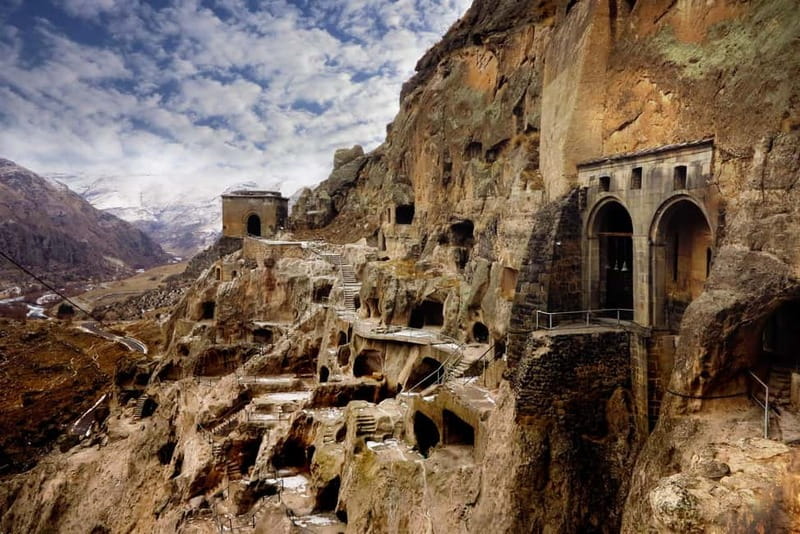
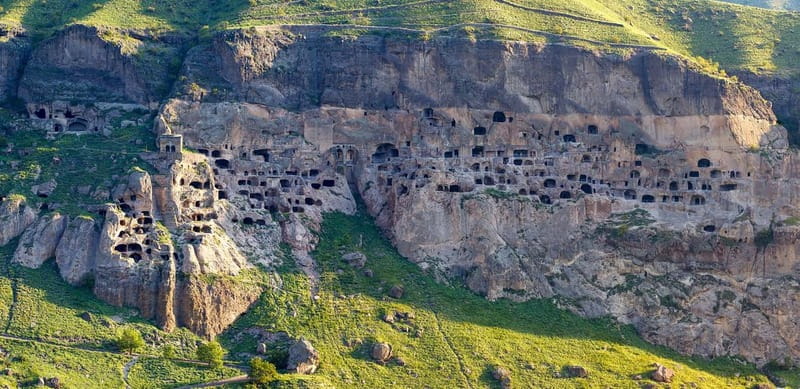
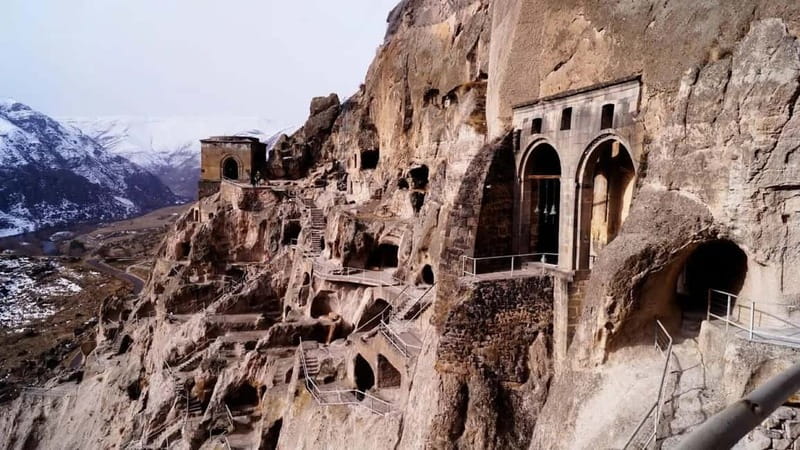
If Vardzia is on your list, you’re not going to forget it. This cave city was built in the 12th century during the reign of Queen Tamar, and it stretches along a cliffside for over half a kilometer. The complex includes interconnected caves, tunnels, churches, and living quarters carved into the mountain.
You’ll spend around 2 hours at Vardzia, which is enough to see the main sections and get the viewpoints if you’re moving steadily. The big church is dedicated to the Assumption of the Virgin Mary, and it still has frescoes and medieval religious iconography. Even if you don’t read every placard, the scale hits you fast. The cave design was meant to function like a whole community, not just a set of rooms.
What to watch for (so you enjoy it instead of bracing)
This is the part that can make or break the experience. Vardzia involves steep, uneven, and sometimes slippery steps. It’s also not ideal if you’re uncomfortable with tight cave passages or if you have vertigo. One helpful reality: the guide often keeps a brisk pace, so you may feel like you’re “hiking” even though you’re inside a complex.
So do this before you go into the cave sections:
- Wear comfortable shoes with grip.
- Stay hydrated—there’s no time to be casual about it on a long day.
- If you feel even slightly unsure about footing, pace yourself early rather than waiting until later when everyone gets spread out.
Photos and viewpoints
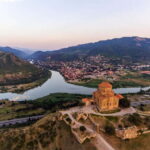
Vardzia rewards effort with views. You’ll have the chance to ascend to watchtowers for panoramic scenes of the valley. Even if you’re tired by that point, try to make it to the higher viewing areas. That’s where the cave city stops being “rooms” and becomes “an entire cliffside plan.”
Aspindza lunch break: a pause that keeps the day realistic
Between Vardzia and Borjomi, you’ll have a 1-hour lunch break in Aspindza. Food and drink are not included, so think of this as your scheduled window to refuel.
I like lunch breaks like this on packed day tours because they prevent the classic problem: rushing through a site, then feeling drained at the next stop. With only one hour, you don’t need a “big meal.” You need something that steadies your energy and keeps your stomach calm for more walking.
If you get to lunch early, use the extra minutes to rest your legs a bit. It also helps you regroup with your guide and find the meeting point quickly after you eat.
Transport and timing: what a 14-hour route feels like in real life
This trip runs for about 14 hours, using an air-conditioned vehicle with a professional driver. The timing matters because it affects how you experience the sites. When you’re starting early and returning late, you’ll want to show up with good energy and plan around crowds and walking pace.
A few practical notes from how these days usually operate:
- Expect a long sit between stops. Bring water so you’re not stuck buying it right away.
- If your guide is juggling English and Russian, speak up early about what language you want most of the time. Some groups end up with more Russian speakers, and you may notice the mix shifting.
- The tour is managed by a live guide in English and Russian, and many guides are good at checking on everyone and keeping the group moving safely.
Comfort tip that actually helps: wear the same shoes you’d use for a hilly neighborhood walk, not sandals or flimsy sneakers. Vardzia in particular punishes slippery footwear.
Price and value: what $33 covers plus the entry fees
The headline price is $33 per person, and it includes transportation by air-conditioned vehicle, plus a professional driver and professional guide. That’s a useful baseline because the destinations are far enough from Tbilisi that you’re paying for a full-day logistics package, not just “a ride.”
But you also need to budget for entrance fees, because they are not included. The tour lists:
- Borjomi: 5 lari per person
- Rabath: 20 lari per person
- Vardzia: 17 lari per person
Food and drink are also not included. So when you do the value math, think of the tour price as your transportation + guiding cost, and the lari fees as your site-access cost.
Is it worth it? For most people, yes, because you’re seeing three of the most famous regional sites in one day. If you’re the type who likes to linger, though, you’ll feel the time squeeze at Borjomi and the shorter visit windows overall. For “highlights in limited time,” this price is working.
Guides, group vibe, and how to get the most out of the commentary
A strong guide can turn these stops into more than photos. You might get guides with names like Niko, George, Konstantin, Mamuka, Boris, Robert, David, or Tomeki—and the key point is that many are experienced at explaining history in a clear way.
You’ll also notice a common pattern: guides try to keep everyone comfortable and informed, and many are attentive about timing and group needs. If you’re traveling with mixed language preferences, pay attention to how the guide splits time. If you want balanced English, set that expectation early.
The one caution: Rabath’s reconstruction can make the place feel more curated than natural ruin, so a good guide helps you see the point anyway. The guide can frame it as a historical complex rather than “authentic collapsed stones.”
Who this tour is perfect for (and who should skip it)
This tour is a great fit if you want:
- A one-day route covering Borjomi, Rabath, and Vardzia
- Live commentary in English or Russian
- A history-and-architecture day with plenty of photo moments
- A mix of cultural sites and outdoor scenery, without planning separate transport
You might want to skip or choose a gentler option if:
- You have mobility impairments or use a wheelchair (the tour is not suitable for these)
- You have vertigo or get uneasy with uneven footing
- You don’t handle steep stairs well, especially at Vardzia
In short: Vardzia is the big test. If you’re confident on stairs and uneven surfaces, you’ll enjoy it. If not, it’ll feel like work, not wonder.
Should you book the Borjomi, Rabath and Vardzia day trip?
Book it if you’re on a tight schedule and you want the major hits of southern Georgia in one day. The combination of mineral water at Borjomi, the religious-history fortress complex at Rabath, and the cliffside Vardzia cave city is a powerful trio, especially if you’re comfortable walking.
Think twice before booking if you’re not steady on your feet. Vardzia’s uneven, sometimes slippery steps are a real factor, and the cave layout can be challenging if you’re sensitive to tight spaces or heights.
If you do book, do two things that pay off immediately: bring grippy shoes and plan to enjoy this as a “big sights, guided day,” not a relaxed slow wander. When you treat it that way, you’ll come away with three strong Georgia memories instead of one rushed blur.
FAQ
How long is the Borjomi, Rabath and Vardzia day trip?
It runs for about 14 hours from Tbilisi to the return trip.
Where do I meet the tour?
Meet at the Central Square of Tbilisi called Meidan, in front of the restaurant Machakhela.
What languages are available for the live guide?
The live tour guide speaks English and Russian.
Are entrance fees included in the tour price?
No. Entrance fees are listed separately: Borjomi (5 lari), Rabath (20 lari), and Vardzia (17 lari), per person.
Is food or lunch included?
No food or drink is included. The schedule includes a lunch break in Aspindza, but you’ll need to cover your own meal.
What should I bring for Vardzia and the walking?
Wear comfortable shoes, and bring a camera and water. Weather-appropriate clothing also helps.
Is the tour suitable for wheelchair users or people with mobility impairments?
No. The tour is not suitable for people with mobility impairments or wheelchair users.