REVIEW · PARIS
From Paris: Guided Day Trip to Monet’s Garden in Giverny
Book on GetYourGuide →Operated by Blue Fox Travel · Bookable on GetYourGuide
Giverny feels like stepping into a painting. This guided trip mixes Monet’s house with garden time designed for the best light and smaller crowds, plus a visit to his water lilies and tomb. I love the way the schedule balances indoor and outdoor sights, and I like that the guide helps you move through the highlights without feeling lost. One thing to weigh: the day is short and the house visit can still involve waiting and slow walking inside.
From Paris, you ride by minibus (about an hour each way), then you get to focus on the part that matters: Claude Monet’s final home and the gardens he kept changing for decades. He moved to Giverny in 1883, and he spent about the last 40 years of his life there, turning a real place into a lifetime of art.
You’ll tour rain or shine, so bring a compact rain layer even if the forecast looks friendly. If the sky is dramatic, at least you’re walking paths, not sprinting between distant monuments.
In This Review
- Key things you’ll notice on this Giverny tour
- Paris to Giverny by minibus: how the ride sets you up
- Meeting outside La Flamme Café: the first small win
- Monet’s house: why timing and order matter inside
- Flower Garden: the planting you can actually see in front of you
- Japanese Garden and the water lilies pond: the 250-painting connection
- Fondation Monet stop: why a short break can still matter
- Claude Monet’s tomb: small, quiet, and easy to miss if you rush
- Pacing and group size: what 5 hours feels like in real life
- Price and value: what you’re really paying for
- Rain or shine: how to dress so the day stays pleasant
- Who this tour fits best
- Should you book this Monet in Giverny day trip?
- FAQ
- How long is the day trip from Paris?
- How much does the tour cost?
- Where do I meet in Paris?
- Is hotel pickup and drop-off included?
- What’s included in the ticket price?
- Do I skip the line?
- What places will I visit in Giverny?
- Does the tour run rain or shine?
- What language is the guide?
- Is there free cancellation?
Key things you’ll notice on this Giverny tour
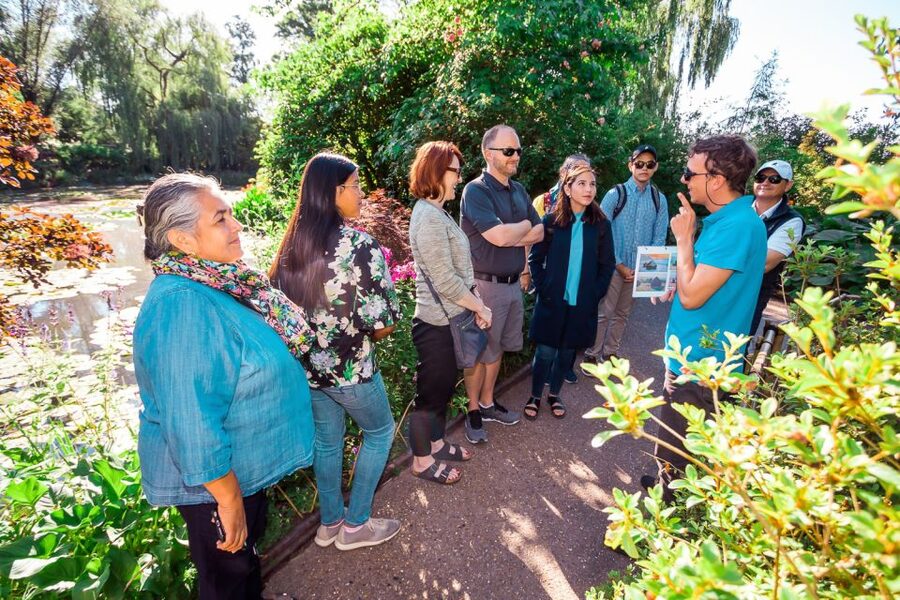
- Early, crowd-smart timing: the guides aim to get you there before the peak crush, so you get calmer garden moments.
- Monet’s house with a real sense of place: you see the rooms where he lived and worked, then you walk out into his subject matter.
- Flower Garden detail: you’ll have time to enjoy more than 100 types of flowers and the layered planting Monet shaped.
- Japanese Garden water lilies: you’ll stand by the pond that inspired over 250 paintings and connect the artwork to what you see.
- A quick Fondation Monet stop: a short visit helps break up the day and adds context between garden zones.
- Monet’s modest tomb: it’s brief, but it lands well after seeing the gardens and house.
Paris to Giverny by minibus: how the ride sets you up
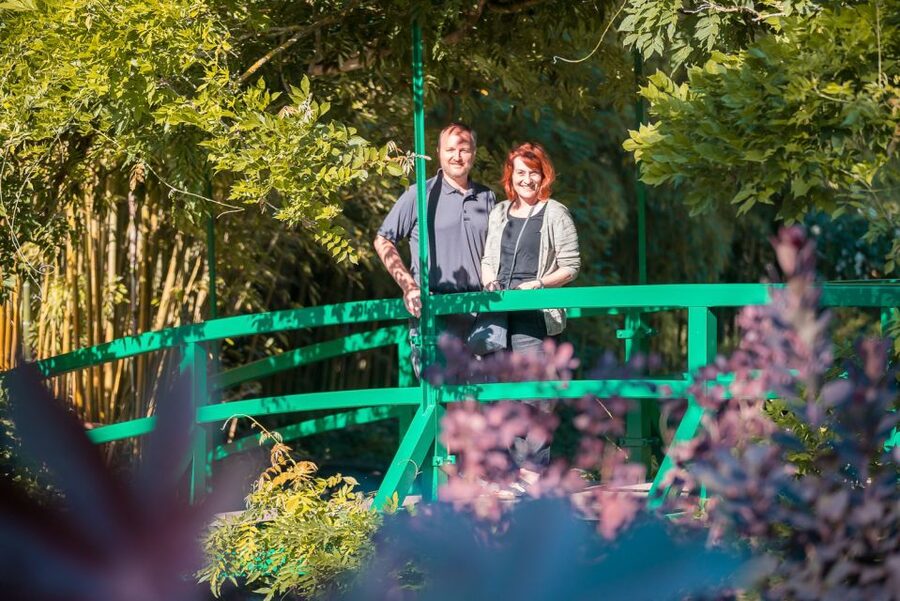
This is a classic Normandy day trip style: you leave Paris by minibus, get out to Giverny without the stress of transfers, and then return the same way. The drive time is about an hour each direction, which means you’re not spending your whole day planning logistics. It’s also a plus if you’re traveling solo or don’t want to deal with schedules and ticket lines on your own.
I like that the tour uses a small-group format. In the real world, that usually means less shoving at entrances and more chance to hear your guide instead of competing with other voices. Several guides also use the ride for setup—turning the travel time into a mini introduction so the gardens feel meaningful the moment you arrive.
One small practical note: the stop durations are tight, so if you’re the type who likes to linger for an hour per photo spot, you’ll need to choose your moments.
You can also read our reviews of more tours and experiences in Paris.



Meeting outside La Flamme Café: the first small win
Your meeting point is outside La Flamme café, with a black front. This matters more than it sounds. In Paris, it can be easy to wander the wrong side of a busy street and lose time before the tour even starts.
Once you’re with the group, you’re set for the day’s rhythm: a smooth transfer, then a structured run through Monet’s key places. A few guides have been praised for being good drivers and keeping the van ride calm and efficient, which helps you arrive in a better mood for walking.
Monet’s house: why timing and order matter inside
Monet’s house is the kind of place where your feet start moving, but your eyes keep circling back. You’re looking at the rooms where he lived with his family and worked, in a valley setting along the Seine. That “real-life version” is what makes the gardens feel more than pretty scenery.
The big practical point: the house is typically busy, and routes can move slowly once you’re inside. That’s why the guides put real thought into where you go first. Many guests found that starting with the house helped, since it gets crowded and the line feel can build quickly.
What I’d do with this info: be ready to treat the house as your anchor stop. Don’t plan your photo strategy around the house being calm. Go in, follow your guide’s pace, and then let the gardens become the relaxed part.
Flower Garden: the planting you can actually see in front of you

After the house, you move into Monet’s Flower Garden. This is not just a stroll through pretty borders. The gardens are where you see how he designed for repeat viewing: seasons, textures, and overlapping colors that feel intentional from path level.
You’ll have time to enjoy more than 100 types of flowers, plus intertwined foliage. That detail matters because it explains why people call Giverny “Impressionism you can walk through.” In paintings, you feel the movement and color. In the garden, you see the structure underneath it.
This is also where you can slow down safely. Reviews often highlight the tranquility when they arrive early, and October is frequently mentioned as a great month because there are still flowers and the crowds ease.
Japanese Garden and the water lilies pond: the 250-painting connection
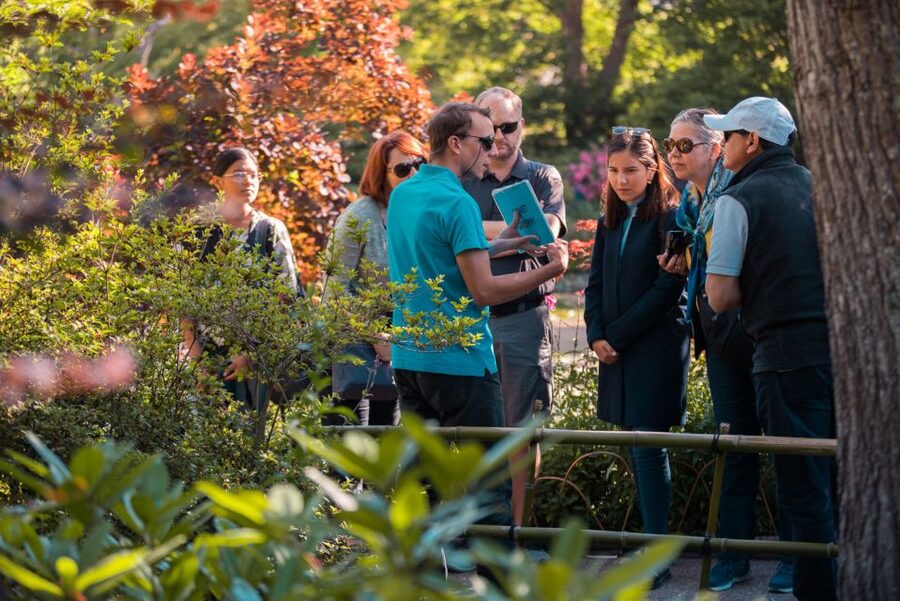
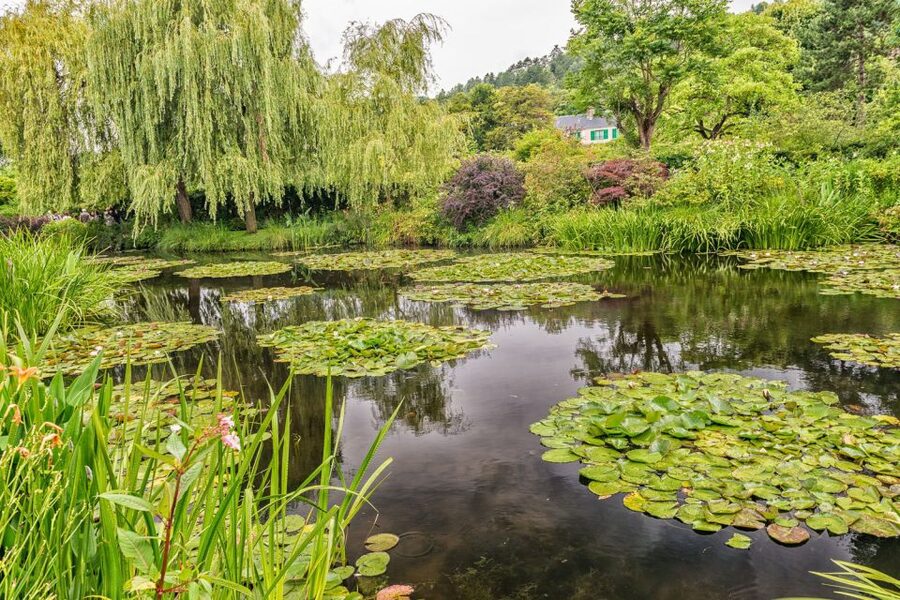
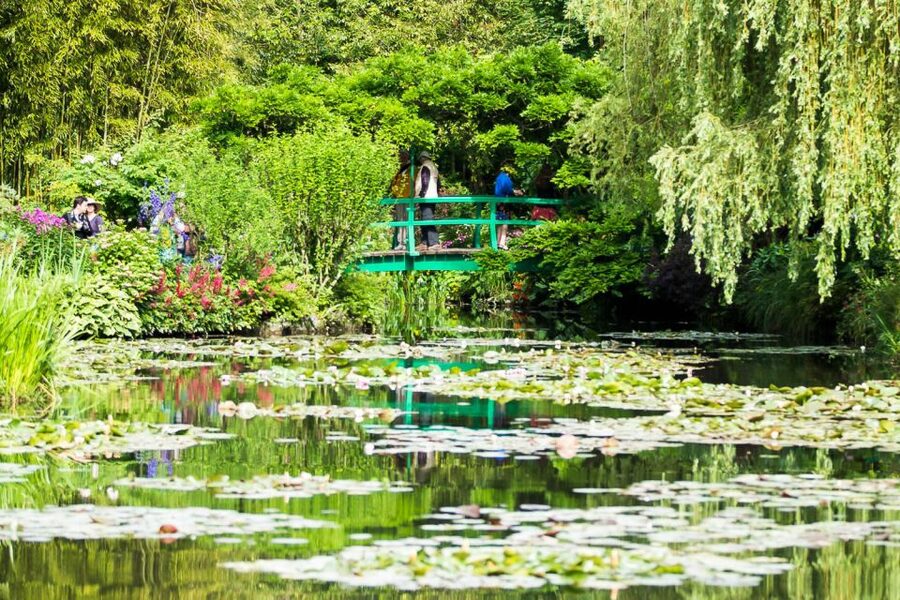
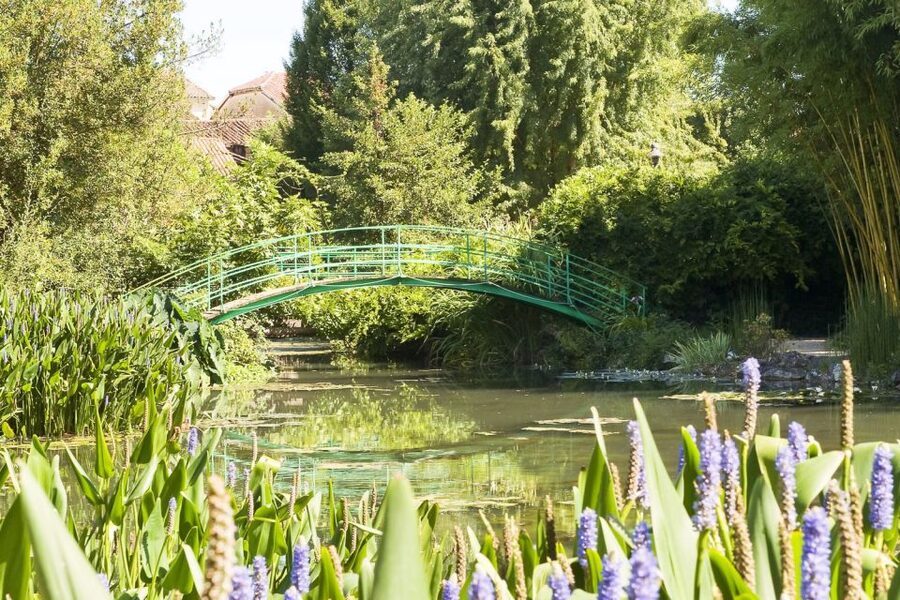
If you remember one image from Monet, it’s probably tied to the water lily pond. On this tour, you’ll spend time in the Japanese Garden and get to see the lake full of water lilies up close.
The key context you’ll get from your guide: Monet used this garden as inspiration for over 250 paintings. Standing by the pond gives you a different kind of understanding. It’s not just the flowers. It’s the angle of the water, the way reflections shift, and the sense that the scene changes depending on where you stand.
Practical tip: bring your patience for photos. The pond is popular, so you’ll want to rotate positions, not camp in one spot. If you go when the timing is crowd-smart, you’ll get moments where you can actually think.






Fondation Monet stop: why a short break can still matter
You’ll also visit Fondation Monet for about 20 minutes. Even though it’s brief, it’s useful as a transition. After spending time in house rooms and garden paths, this stop helps you step back and connect the place to the larger story of Monet’s legacy.
I treat short museum-style stops like palate cleansers. They’re best when you keep them short and focused, and let them help you frame what you just saw.
Claude Monet’s tomb: small, quiet, and easy to miss if you rush
The tomb is a short stop (around 15 minutes), but it’s one of those moments that lands more than you expect. It’s the modest grave where Monet is buried, and it brings the day into focus.
What makes it work is placement. After you’ve seen the gardens and the house, the tomb feels like a closing note—less postcard, more human scale. If you like reflective travel moments, don’t treat this as a checkbox. Even ten slow minutes here can change how the rest of the day sticks in your memory.
Pacing and group size: what 5 hours feels like in real life
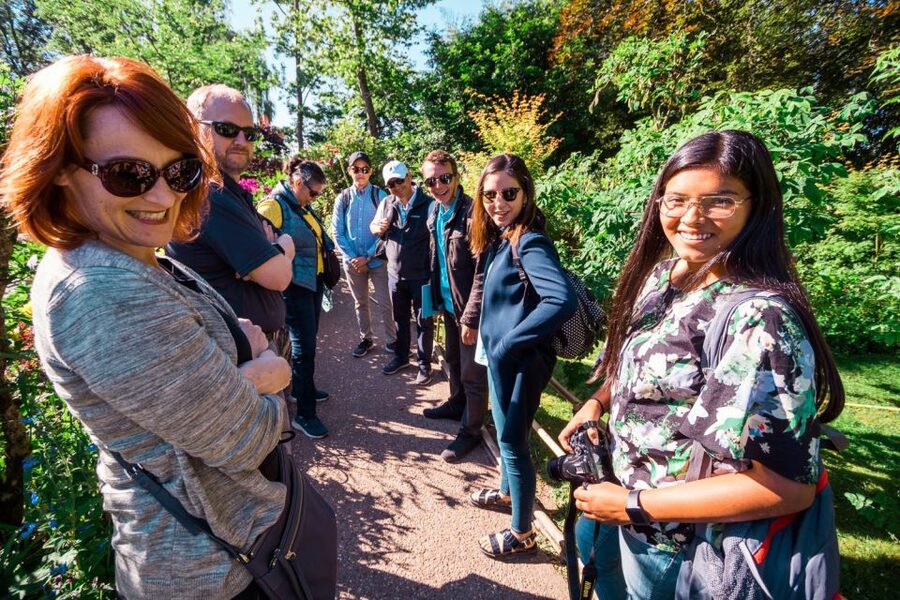
The whole tour is about 5 hours. That means every stop has to earn its time.
Most guests appreciate that the schedule is long enough to cover the major hits without turning into an exhausting marathon. Also, small-group dynamics show up in practical ways: you’re more likely to get route guidance, and your guide can steer you away from the thickest crowd zones.
Still, there’s a tradeoff. A packed schedule means you won’t have endless free roaming time. If your ideal travel day is calm and unhurried, you’ll need to pick what you want most: the house rooms, the flower borders, or lingering by the water lilies.
Price and value: what you’re really paying for

At $153 per person for a 5-hour tour, you’re paying for three main things:
- Transportation by minibus from Paris and back (about two hours of the day is travel).
- Guided entry that includes gardens and Monet’s house access, plus small-group entry.
- An English live tour guide who helps you prioritize and avoid the worst congestion.
You’re also not paying for the hassle of planning routes and ticket timing on your own. In a place like Giverny—where the main sites can get busy—skipping the scramble can be worth real money.
What’s not included: hotel pickup and drop-off. So if you’re staying outside central Paris, you’ll want to factor in your own transit to the meeting point.
Rain or shine: how to dress so the day stays pleasant
Tours run rain or shine. That means you should plan like you’re walking paths, not hopping between indoor comfort stations.
Bring:
- Comfortable shoes with traction
- A light rain jacket or poncho
- A small umbrella if you like it (it can be awkward in crowded paths)
The good news: you’re sightseeing outdoors and indoors in the same day, so weather doesn’t ruin everything. It just changes how you experience the gardens.
Who this tour fits best
I think this tour is best for:
- First-time Monet fans who want the house plus both signature gardens in one shot
- People who value an English guide to explain what you’re seeing (house rooms, garden design, and why the pond mattered)
- Travelers who want less stress than DIY logistics from Paris
- Anyone who wants to see Monet’s tomb without adding a separate trip
If you’re the type who hates any structured group timing, you might prefer independent travel. But if you like direction—especially for avoiding the toughest crowd windows—this is a strong match.
Should you book this Monet in Giverny day trip?
Yes, if your goal is to see the essentials well, in a short window, with guide help that improves your experience. This tour’s value comes from the combination of small-group pacing, included entry, and a plan that tends to reduce time wasted in the busiest moments.
I’d skip it only if you want a slow, flexible all-day wandering experience with no guide timing at all. Otherwise, the mix of house, Flower Garden, Japanese Garden water lilies, Fondation Monet, and Monet’s tomb makes a compact day feel complete.
If you book, go in with one simple mindset: prioritize where you want your best attention—house rooms or the pond—and let the guide handle the rest.
FAQ
How long is the day trip from Paris?
The tour lasts 5 hours.
How much does the tour cost?
It costs $153 per person.
Where do I meet in Paris?
Meet outside La Flamme café, with a black front.
Is hotel pickup and drop-off included?
No, hotel pickup and drop-off are not included.
What’s included in the ticket price?
Entry to the gardens (small group entrance) and entry to Monet’s House, plus transportation by minibus, and a live English tour guide.
Do I skip the line?
You enter through a separate entrance.
What places will I visit in Giverny?
You’ll see Monet’s house and gardens, including the Flower Garden and the Japanese Garden with the water lilies pond, plus a stop at Fondation Monet and Monet’s tomb.
Does the tour run rain or shine?
Yes, the tour runs rain or shine.
What language is the guide?
The live guide is in English.
Is there free cancellation?
Yes. Free cancellation is available up to 24 hours in advance for a full refund.