REVIEW · PARIS
Normandy D-Day Beaches and American Cemetery Day Trip from Paris
Book on Viator →Operated by Paris CityVision · Bookable on Viator
Normandy D-Day sites hit different in person. This 13-hour day trip strings together the big WWII landmarks from Omaha Beach to Juno Beach, with a licensed D-Day guide and round-trip coach transport. I like that you get both the battlefield setting and the memorial context, not just photos of the coast.
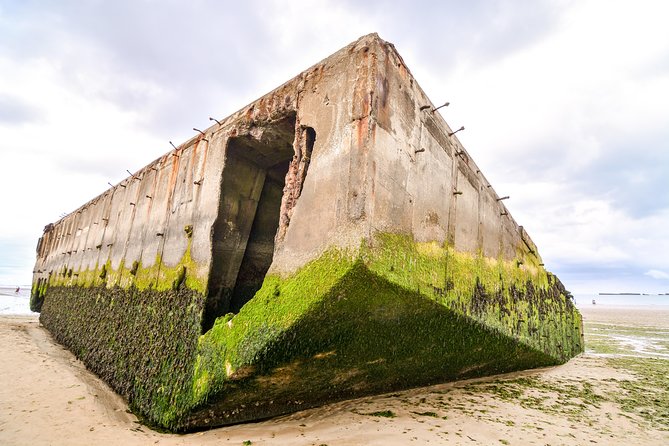
Two standouts for me are the American Cemetery at Colleville-sur-Mer (a quiet, moving stop that actually lets you slow down) and the way the route includes Arromanches’ artificial harbor remains, which helps explain how the Allies kept landing troops and supplies. One thing to plan for: it’s a fast day with a long Paris-to-Normandy drive, so you’ll want stamina and good shoes, especially with wind and cold from the sea.
Key points to know before you go
- One-day “greatest hits”: Pointe du Hoc, Omaha Beach, American Cemetery, Arromanches, and Juno Beach
- A real guide on the ground: WWII context and what to look for at each stop
- Time to reflect: about 1 hour at the American Cemetery, plus free time on the coast
- Lunch options at Arromanches: lunch included on some small-group departures, otherwise you eat on your own
- Restrooms where it matters: available at the American Cemetery and Juno Beach Center (plus a comfort stop)
- Bring the right gear: flat walking shoes and a warm coat or raincoat depending on season
In This Review
- Normandy in One Long Day: What This Route Delivers
- Price and Logistics: Is It Good Value for a 13-Hour Day?
- From Paris to Normandy: The 10:00 AM Start That Shapes Your Whole Day
- Pointe du Hoc: When the Story Starts on the Cliffs
- Omaha Beach: The Beach That Teaches Scale
- The American Cemetery at Colleville-sur-Mer: Where You Slow Down
- Arromanches and the Artificial Harbor: Lunch With a Purpose
- Juno Beach Center and the Canadian Memorial: The Story Widens
- Getting Back to Paris by 8:00 PM: Timing, Comfort, and Common Friction Points
- Who Should Book This D-Day Day Trip (and Who Might Prefer More Time)?
- Should You Book It? My Practical Verdict
- FAQ
- How long is the Normandy D-Day day trip from Paris?
- What stops are included on this tour?
- Is the American Cemetery admission included?
- Is lunch included?
- How much walking should I expect?
- Are restrooms available during the day?
- Where does the tour start and end?
Normandy in One Long Day: What This Route Delivers
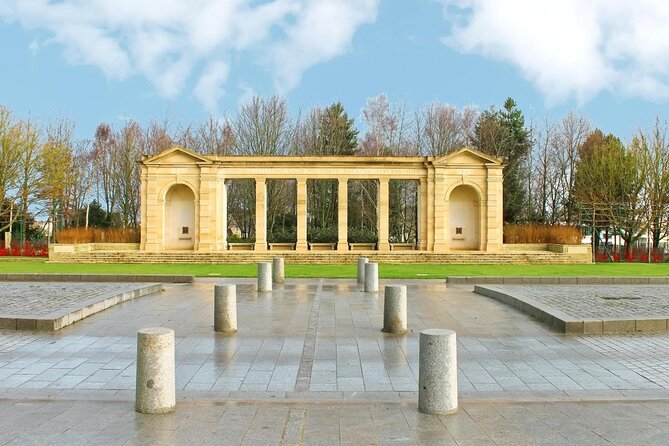
If you want Normandy’s D-Day story without spending a night in a hotel, this is built for you. The trip is designed to move in a clear sequence along the coast so the history connects: cliff defenses → beach landings → where the dead were laid to rest → how the Allies sustained the invasion → the Canadian front at Juno.
The practical win is that you’re not wrestling with trains, transfers, and rental cars. You board in central Paris (22 Rue Jean Rey) and ride out in an air-conditioned coach or minivan. That matters because the drive alone is about 3–4 hours each way, and you’ll only have about 5 hours on the Normandy side.
It’s also a good match if you like structure. The guide keeps the story moving and gives you what you need to read each site fast—then you get your own moments for ocean views and memorial time.
Price and Logistics: Is It Good Value for a 13-Hour Day?
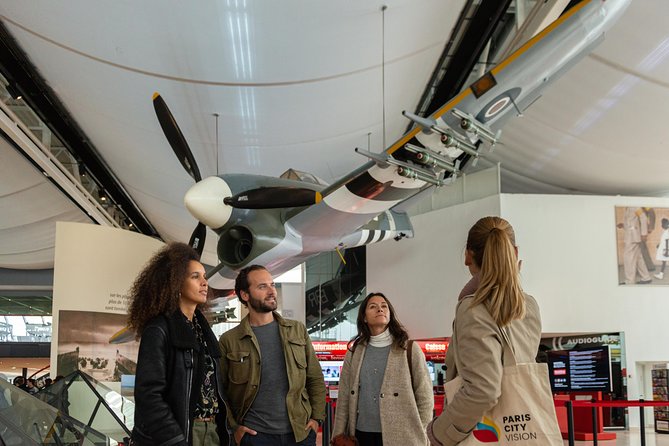
At about $207.27 per person, the value comes from what you’re not paying separately. You’re buying transportation, a guide, and timed stops at major sites. The American Cemetery visit is included, and the tour includes round-trip coach/minivan transport, so your cost is wrapped into a one-ticket day rather than a DIY mess.
Where the math gets personal is lunch. Some options include a 2-course lunch with a drink at Arromanches if you choose the small-group lunch arrangement; otherwise lunch is free time for you to handle. If you prefer to control your food and don’t mind buying it yourself, that flexibility can be fine. If you want fewer decisions, pick the departure that includes lunch.
One logistics consideration you should take seriously: the tour warns that it doesn’t accept big luggage on the coach. If you’re traveling with rolling suitcases, plan to keep things small and manageable.
Finally, remember that this is one day. Even though the sites are meaningful, the schedule is tight enough that you’ll be standing, walking, and moving between stops. If that pace sounds stressful, you’ll want to prepare your expectations (and pack comfortable footwear).
You can also read our reviews of more tours and experiences in Paris.


From Paris to Normandy: The 10:00 AM Start That Shapes Your Whole Day
Your day begins with a morning drive out of Paris. It’s typically about a 3–4-hour journey, and you reach your first stop around 10:00 AM. The early timing helps because you’re fighting two clocks: the daylight you’ll want for photos and the limited time each site gives you.
On the vehicle, you should expect a long ride. Reviews point out that comfort can vary by vehicle type. Some departures run on a larger, more comfortable bus; others may use a smaller minivan, which can feel cramped for a long trip. If legroom matters to you, it’s worth choosing the small-group option only if you know you’ll be comfortable in tight quarters. If you’re bringing a lot of stuff, also remember the “no big luggage” note.
One more practical detail: the tour runs in English, but the day depends on clear guide audio. Reviews show that audio quality and guide pace can make or break the experience. If you’re sensitive to hearing or you like to catch every word of the narration, consider earphones if allowed where you’re seated (the tour specifically mentions no onboard Wi-Fi, not audio gear).
Pointe du Hoc: When the Story Starts on the Cliffs
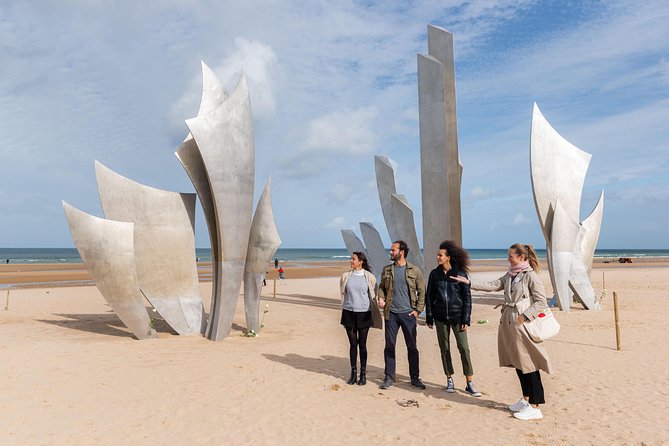
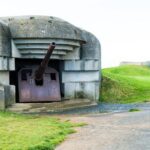
Pointe du Hoc is the first real gut-check stop. It’s a cliff-top site tied to the D-Day landings in WWII, where U.S. Army Rangers scaled the cliffs under heavy fire to destroy German fortifications overlooking the beaches.
You get about 25 minutes here, and that’s enough time to do three useful things: orient yourself to the topography, spot the kinds of fortification craters and bunkers you’re seeing, and let the scale sink in. The site is still scarred, and that physical damage is part of the memorial effect. It’s not a museum moment; it’s a “this is where it happened” moment.
The short duration is a double-edged sword. You’ll learn the essentials, but you won’t have a long linger to read every interpretive panel. If you love to study details for a long time, you might want to arrive ready with a basic timeline in your head. The guide’s commentary will help you connect what you see to what mattered.
Omaha Beach: The Beach That Teaches Scale
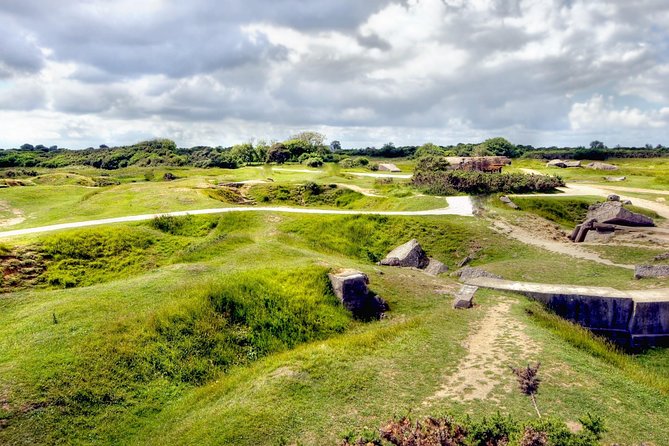
Omaha Beach is next, with about 20 minutes at the site. The focus here is the American assault during the early hours of June 6, 1944—one of the toughest landings of the entire operation.
This stop is set up as a practical viewing moment. You’ll get time on the coast, and you’ll likely use your eyes and the guide’s pointers to understand how the terrain shaped what happened. You’ll also get the ocean perspective, which is powerful but also a little tricky. From the shore, the battlefield can look simple and calm—your guide’s job is to put the chaos back into your mental picture.
Here’s the thing I appreciate about including Omaha in this exact day route: it anchors the emotional story with geography. Once you’ve walked (even briefly) along Omaha, the later memorial visits don’t feel like separate attractions. They feel like the continuation of a single story.
The American Cemetery at Colleville-sur-Mer: Where You Slow Down
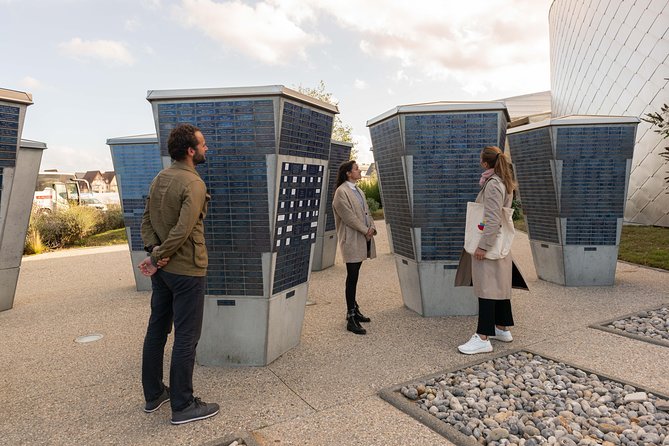
If Pointe du Hoc hits hard and Omaha makes the story feel immediate, the American Cemetery at Colleville-sur-Mer is where the day turns reflective.
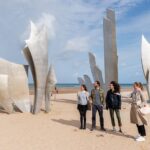
You get about 1 hour at the cemetery, and that time is included. The setting is calm, and the memorial scale is humbling: nearly 10,000 U.S. service members are laid to rest here.
I like that the itinerary doesn’t rush you through. One hour gives you a chance to walk the grounds at your own rhythm and to choose what you want to do with the space—stand quietly, read names, watch the light on the stone, then breathe before the next stop.
This stop can feel emotionally intense, and that’s normal. If you’re the type who likes to take control of your pacing, use this as your “slow down checkpoint.” It’s also the best place for photos if you’re careful and respectful about timing and framing.




Arromanches and the Artificial Harbor: Lunch With a Purpose
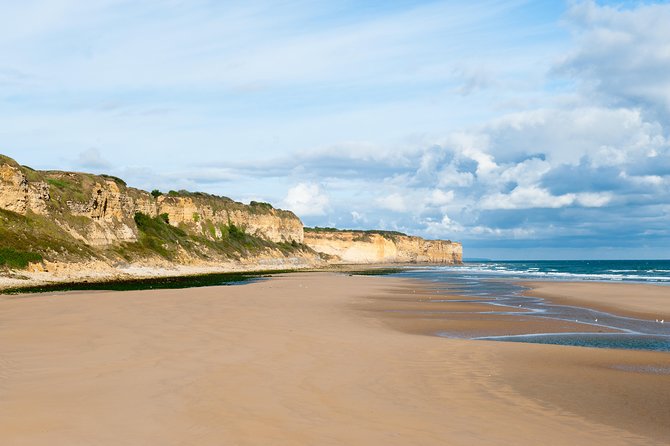
After the cemetery, the tour moves to Arromanches, specifically Les Falaises d’Arromanches. You’ll have about 1 hour 30 minutes of free time.
This part of the day is where the route starts to teach you something different than “who landed where.” It’s about how the Allies kept the landing going. Arromanches is tied to the remains of the artificial harbor built by allied forces. That detail matters because D-Day wasn’t only about getting troops onto land. It was about keeping supplies moving even while the fight continued.
The time here also includes a real-world break: you’re in a coastal town with lunch options. If you chose the small-group lunch arrangement, you may get a 2-course lunch with a drink. If not, you’ll use the free time to eat on your own.
Practical tip: this is a good spot to reset your energy because the final leg to Juno Beach still matters. Also, sea air can make you feel colder than you expect, even in mild weather—bring layers.
Juno Beach Center and the Canadian Memorial: The Story Widens
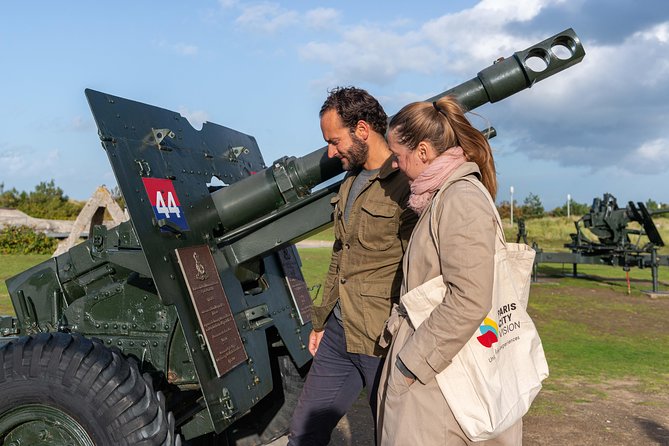
The last major stop is Juno Beach, with a visit to the Juno Beach Center and time at the Canadian Memorial. This is where the tour widens the viewpoint. D-Day can get framed as a single national story, but Juno makes it clear it was a multinational effort.
You’re given time to return back to Paris, and the schedule implies this final stop depends on timing on the day. The tour notes that it may be possible to stop at Juno, depending on how the timeline works. That means you should treat it as a “must-see, if timing allows” moment.
At Juno, you’ll be viewing the Canadian soldiers’ struggle to end Nazi tyranny. Even if you don’t consider yourself a WWII buff, this stop is valuable because it adds texture. It’s not just about beaches and cemeteries; it’s about different sectors and different units carrying the same weight.
Getting Back to Paris by 8:00 PM: Timing, Comfort, and Common Friction Points
Your tour ends back at the departure point, with a drop-off by about 8:00 PM (and in some cases slightly earlier if the day runs ahead). The total trip is long, so the return ride is when you’ll feel it in your legs and attention.
Comfort can vary by vehicle size. Based on real experiences, a larger coach can feel much better for a long drive than a cramped minivan. The good news is that the tour uses air-conditioned transport, and some departures are described as having extra convenience like phone charging.
Where people tend to get frustrated is when the day is compressed and the guide’s audio is hard to hear. One key takeaway: if you struggle with hearing in a noisy van or you need clear narration to enjoy the history, this is the moment to plan for it. Even a great route can feel wasted if the guide isn’t coming through clearly.
Also, accept that the itinerary is subject to change due to traffic and site scheduling. If you’re aiming for a specific photo at a specific minute, build in flexibility. The tour is built around seeing the major sites, not hitting perfect photo timing.
Who Should Book This D-Day Day Trip (and Who Might Prefer More Time)?
This tour fits best if you:
- Want major D-Day sites in one day without logistics headaches
- Like guided historical context with brief time for personal reflection
- Are okay with a fast-paced schedule and lots of standing and walking
- Want to cover Omaha, the American Cemetery, and Juno in a single run from Paris
You might think twice if you:
- Need long, unhurried time at each site (this is not a slow travel pace)
- Are sensitive to vehicle comfort on long drives
- Have trouble keeping up when groups are moving between stops quickly
- Are traveling with lots of luggage that won’t fit under coach restrictions
It also helps to match your expectations to the season. Sea air can be cold and wind can cut through. Pack a warm coat in winter and a raincoat in summer, and wear flat, comfortable shoes. The itinerary specifically flags winter warmth and summer rain prep for a reason.
Should You Book It? My Practical Verdict
If you want an efficient, meaningful D-Day overview from Paris, I’d book it—especially for first-time Normandy visitors. The route has a strong emotional arc: fortified cliffs at Pointe du Hoc, the brutal reality of Omaha, the quiet weight of the American Cemetery, then the operational story of Arromanches’ artificial harbor, ending with Juno and the Canadian Memorial.
The main reason to hesitate is not the sites. It’s the pace and the “how” (vehicle comfort and how clearly the guide comes through on your specific departure). If you’re okay with a long day and can handle a schedule that moves, this tour is a solid way to get the essentials without wasting time figuring out transport.
My rule of thumb: if you only have one day available and you want maximum impact for the effort, this delivers.
FAQ
How long is the Normandy D-Day day trip from Paris?
The tour runs about 13 hours total, including the drive. You’ll spend around 5 hours in Normandy, with stops along the coast and time for lunch at Arromanches (depending on the option you choose).
What stops are included on this tour?
You’ll visit Pointe du Hoc, Omaha Beach, the American Cemetery at Colleville-sur-Mer, Arromanches (Les Falaises d’Arromanches), and Juno Beach (including the Juno Beach Center and Canadian Memorial), then return to Paris.
Is the American Cemetery admission included?
Yes. Admission to the American Cemetery and Memorial is included in the tour.
Is lunch included?
Lunch depends on the option selected. You can have free time for lunch at Arromanches, or choose a small-group option that includes a 2-course lunch with a drink.
How much walking should I expect?
You should have a moderate physical fitness level. There are multiple stops with walking around memorial grounds and along coastal areas, so comfortable flat shoes help.
Are restrooms available during the day?
Toilets are available at the American Cemetery and at the Juno Beach Center, plus there is a comfort stop during the day. There is no restroom onboard the vehicle.
Where does the tour start and end?
The tour starts at 22 Rue Jean Rey, 75015 Paris, and ends back at the same meeting point.