REVIEW · PARIS
From Paris: Giverny and Monet’s Home Day Trip
Book on GetYourGuide →Operated by Paris' TRIP · Bookable on GetYourGuide
Giverny turns Monet’s paintings into real scenery. This half-day ride from Paris into Normandy is all about Monet’s home and the lily ponds that inspired his best-known water garden views. You’ll also get the little extras that make it feel like art you can walk through: the Japanese bridge, flowering borders, and the Clos Normand archways.
My favorite part is how the timing and transportation keep it simple: you handle the art, and the driver handles the roads. One thing to plan for: this is not a guided stroll inside the site, so once you’re dropped off you’ll need to steer your own visit through the crowds.
In This Review
- Key points to know before you go
- Paris to Giverny: the practical way to do it
- Meeting point in Paris and getting to your start line
- The drive through Normandy: where the day starts to feel different
- Arriving at Monet’s house and gardens: plan for self-guided freedom
- Inside Monet’s world: house atmosphere and Japanese engravings
- The lily ponds and Nympheas views: why people come
- The Japanese bridge, wisteria, azaleas, and the garden’s color logic
- Clos Normand archways: the garden’s color palette in motion
- The village of Giverny and its artist colony connection
- Nympheas studio and the Foundation shop: souvenirs that fit the theme
- Price and value: is $152 a good deal for a half-day?
- Crowds are real: how to enjoy Monet’s home without losing your mind
- Rain or shine and what to bring
- Who this trip fits best
- Should you book the Paris to Giverny day trip?
- FAQ
- How long is the day trip from Paris to Giverny?
- What is included in the price?
- Is a guided tour included inside Monet’s house and gardens?
- Is the driver an English speaker?
- Where do I meet in Paris?
- Does the tour run in bad weather?
- Is the tour suitable for wheelchair users?
- What can I see at Monet’s place during this trip?
- Is cancellation free?
- Can I reserve and pay later?
Key points to know before you go
- Comfortable deluxe minibus with an English-speaking driver, plus a scenic drive out of Paris
- Prepaid admission to Monet’s house and gardens included in the price
- Art-first garden design: weeping willows, lily ponds, wisteria, azaleas, and the Japanese bridge
- Clos Normand archways with climbing plants that create a strong color palette through much of the year
- Self-guided time on-site after you arrive, so your photo and route strategy matters
Paris to Giverny: the practical way to do it
If you want Monet without the hassle of trains and transfers, this kind of day trip makes sense. You meet in central Paris, then head west into Normandy in a deluxe minibus with an English-speaking driver. The whole trip runs about 270 minutes, which is short enough to fit easily into a busy Paris schedule.
What I like is the balance: you get real travel time out of the city, but you’re not away all day. Giverny rewards a focused visit. Monet’s gardens work best when your eyes can keep up with the views—bridge, pond, borders, house—without you rushing through hours of extra stops.
Do note the vibe on arrival. Monet’s house and gardens are famous for a reason, and you’re there on a timed, popular afternoon-style outing. Even with the ticket handled for you, you should expect lines and a lot of people searching for the same photo angles.
You can also read our reviews of more tours and experiences in Paris.



Meeting point in Paris and getting to your start line
The meeting spot is at 41 Avenue De La Bourdonnais, 75007 Paris. If you’re using the Metro, the nearest options listed are Ecole Militaire (Line 8), Trocadero (Lines 6 or 9), or Pont de l’alma (RER C).
This matters because a trip like this lives or dies by your arrival timing. The site visit is part art history, part logistical reality: you’ll want your head clear before you step into the garden crowds. Build in extra minutes so you’re not jogging with a backpack full of water bottles and regret.
Tip: wear shoes you can stand in. You’re not doing a long hike, but you will be on your feet for the ponds, paths, and the areas around the house.
The drive through Normandy: where the day starts to feel different
Leaving Paris, you get that quick shift from city pace to countryside rhythm. The drive is part of the charm here. One highlight from past guide experiences: you may pass through small villages and see unusual roadside culture, even a church in a cave referenced by guides on the return drive.
The driver is there for more than driving. You’ll get background that helps you look better once you arrive—how Monet worked, why he built the garden the way he did, and how the place shaped the paintings people recognize instantly.
This is a subtle value piece. If you show up with zero context, it’s still beautiful. But if you know what you’re looking for—water reflections, seasonal color, the garden’s layout—your visit turns into a real connection instead of just a sightseeing checklist.
Arriving at Monet’s house and gardens: plan for self-guided freedom
Here’s the key point: the ticket is prepaid for Monet’s house and gardens, but the tour does not include a guided walkthrough. That means you’ll arrive, be oriented, and then you’re on your own to manage your time inside the grounds.
That can be a great thing. A guided tour can be helpful, but it also locks you into a pace. With self-guided time, you can slow down where the garden demands it—pond edges for reflections, the Japanese-bridge view, the house interior areas—and move quickly when a line forms.
It can also be a challenge. With lots of other people there, you’ll want a simple route plan:
- Start where you want the best photos first
- Give yourself room to get pulled into flower details
- Decide in advance if you care more about the house interior or the garden views
Even if you’re not an art expert, Monet’s home has a way of making everything feel personal. Seeing the setting is like stepping into the world behind the paintings.
Inside Monet’s world: house atmosphere and Japanese engravings
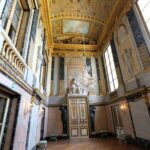
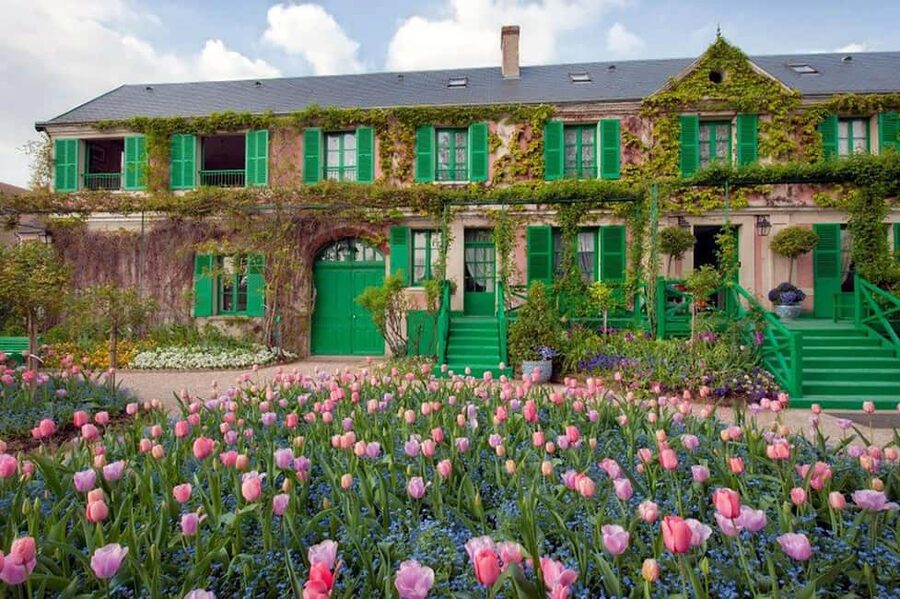
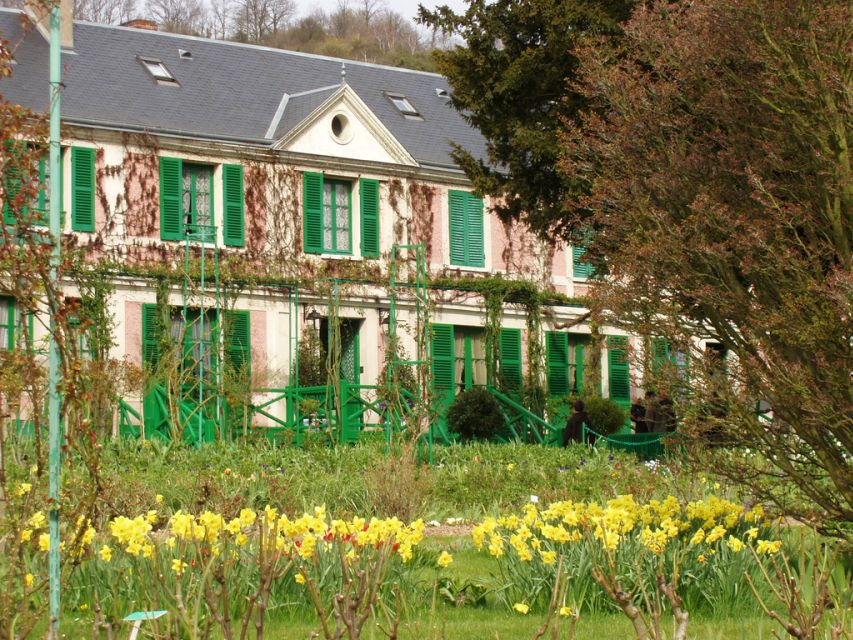
Monet’s home isn’t just a pretty backdrop. It’s an anchor for the whole experience. In the house, you can see a collection of Japanese engravings—something Monet admired and collected. That detail matters because it explains why parts of the garden have that distinct, curated calm.
If you love Impressionism, you’ll likely enjoy how the house and garden link ideas together. The paintings aren’t separate from the man. The garden is part of his thinking, and the home gives that thinking a physical presence.
One practical note: the house is a popular stop. In peak times you may feel pushed along by crowd flow, so keep your expectations flexible. You’ll get the highlights; you just won’t get a private tour.






The lily ponds and Nympheas views: why people come
The water garden is the star. You’ll see the lily ponds that inspired Monet’s best-known paintings, with the viewing angles shaped for the way his eye worked. Weeping willows add shade and that soft, watery feeling you only get when you’re standing right beside the water.
This area also changes as the light hits the pond. Even on the same day, the reflections can look different from one minute to the next. That’s part of Monet’s genius: he wasn’t chasing a single look. He was chasing change—color, movement, and atmosphere.
Expect a lot of photography. If you’re trying to get a clean shot without the crowd in the frame, treat photos like a strategy, not a wish. Stand a bit off to the side, wait for moments when the pond edge clears, and take your time. You’ll get better results than you think, even when everyone else is rushing.
The Japanese bridge, wisteria, azaleas, and the garden’s color logic
One of the most charming design elements is the Japanese bridge. It’s a focal line through the scene, and it connects the garden to what you see in Monet’s compositions. It’s also just fun to walk up to—small, neat, and built for a particular view.
From there, focus on the plant palette. You’ll pass through areas with wisterias and azaleas, along with other flowering spots that bring structure to the watery garden world. The point isn’t only that flowers are pretty. It’s that the garden is planned like a painting with layers—foreground plants, midground bridge views, and pond reflections.
A smart expectation: the experience can feel different depending on season and what’s blooming. The gardens are designed to keep changing from spring to autumn, so if you’re visiting during a peak flowering window, you’ll notice more pop. Either way, you’ll still recognize the core Monet look: water, bridge, and the illusion of depth.
Clos Normand archways: the garden’s color palette in motion
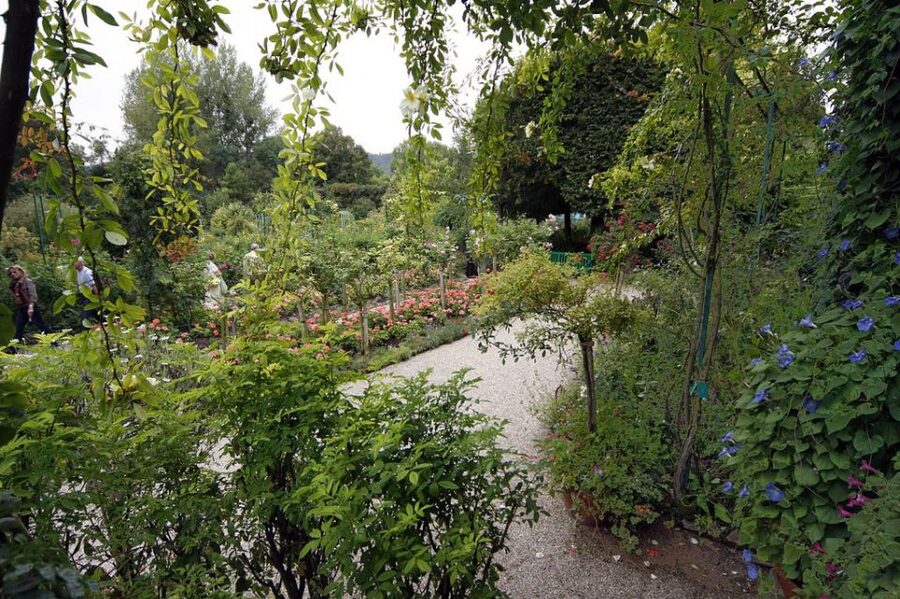
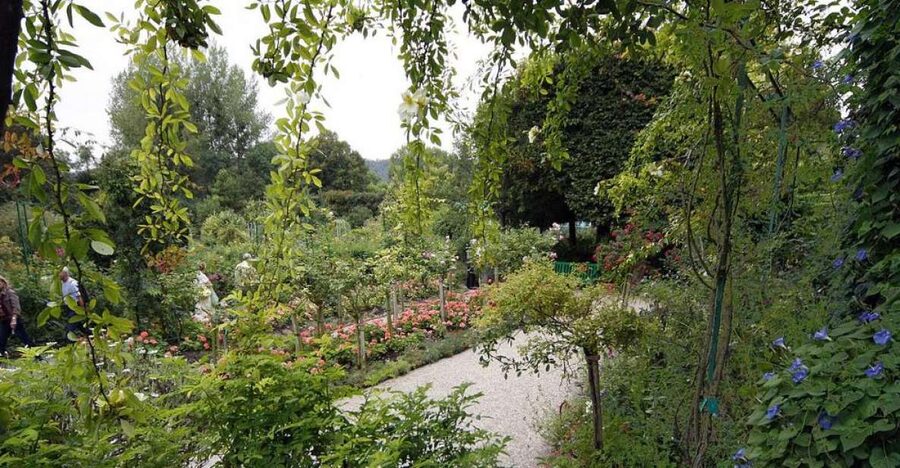
Another standout is Clos Normand, where you’ll see archways of climbing plants tangled over paths and garden edges. It’s described as the place that offers painters a perfect palette, and you feel that in how color and texture are framed.
The archways create a tunnel effect. That matters because it turns your walk into a series of little scenes, like moving between sections of a painting. Around those arches you’ll see brilliantly colored shrubs—again, the visual theme of color control.
If you like gardens beyond flowers—if you like structure, framing, and how paths guide your eye—this area is worth slowing down for. It’s not just a pretty corner. It’s the garden showing you how it was meant to be seen.
The village of Giverny and its artist colony connection
You’ll also have time in the broader Giverny area. The village pulled in a wave of American artists between 1883 and 1920, forming an artist colony that helped put the place on the cultural map.
This detail adds weight to what you’re doing. Monet didn’t create the garden in a vacuum. Giverny became a magnet for creativity, and that makes the village feel like part of the art story rather than just a backdrop for sightseeing.
If you have a little extra minutes, take a short wander in the village. Even if you keep it simple, you’ll get that sense of a real place living alongside the famous name.
Nympheas studio and the Foundation shop: souvenirs that fit the theme
In addition to the main Monet areas, you may stop at the Nympheas studio, connected to the Foundation’s shop. This is where you can pick up a souvenir tied to the theme, which feels more satisfying than generic tourist knickknacks.
This stop is also useful because it gives you a break from the garden crowds. Think of it as your reset point: grab a small item, check what’s available, and come back to the garden with fresh energy.
Price and value: is $152 a good deal for a half-day?
At $152 per person, this isn’t the cheapest way to do Giverny. So let’s talk value in a way that actually helps you decide.
You’re paying for:
- Comfortable transport by deluxe minibus
- An English driver
- A prepaid ticket to Monet’s house and gardens
The biggest value question is the trade-off: the trip includes transport and entry, but not a guided tour. That means you don’t get a structured, slow museum-style interpretation inside the site. Instead, you get context from the drive and a self-guided experience once you arrive.
So the price makes sense if you:
- Want to skip transit planning and get door-to-meeting-point simplicity
- Prefer exploring at your own pace inside the gardens
- Think you’ll benefit from the scenic drive and quick art setup before you step in
The price may feel heavy if you:
- Believe you’ll need a lot of on-site explanation to enjoy it
- Want extra time to sit, eat lunch, and linger (this is a half-day style visit)
In short: for Monet lovers who want convenience, it’s a fair trade. For budget travelers who can handle trains easily, you might compare alternatives and decide if the minibus comfort is worth the markup.
Crowds are real: how to enjoy Monet’s home without losing your mind
One theme you’ll feel instantly is crowd density. Monet’s house and gardens are constantly “in demand.” Lines form. People gather at pond edges. Photo space becomes a negotiation.
My advice is simple:
- Go with patience. Expect to wait sometimes.
- Be polite and keep your camera low while you reposition.
- Take your photos early in each zone, before you’ve walked the whole garden.
Timing helps, too. Some people found that going earlier in the day reduced crowd stress. Even if you’re on an afternoon departure, you can still manage the day by moving efficiently and focusing on your top three photo moments: Japanese bridge view, lily ponds edge, and the Clos Normand archways.
Rain or shine and what to bring
This tour runs rain or shine, so pack for weather that changes fast. Even if it’s sunny at the meeting point, Normandy can surprise you.
Bring:
- A small rain layer you can actually wear while walking
- A bottle of water for comfort
- A bag you can manage in lines
- Shoes with good traction for garden paths
Also, plan for time spent outdoors. Even with the house visit included, the gardens are the main draw, and they don’t stop for drizzle.
Who this trip fits best
This day trip is a strong match if you:
- Love Monet’s paintings and want to connect them to the real garden setting
- Want an easy Paris escape without figuring out train schedules
- Prefer self-paced walking rather than a rigid guide-led group flow
- Like gardens with structure, water views, and framed perspectives
It’s not a great fit if:
- You need wheelchair access. This tour is listed as not suitable for wheelchair users.
- You want a slow, fully guided tour with lots of explanation on-site.
If you fall somewhere in the middle, do it anyway. Monet’s garden is one of those experiences that can still feel magical even when you’re shoulder-to-shoulder with other people.
Should you book the Paris to Giverny day trip?
Book it if you want a low-stress, high-impact Monet fix. The ticket to Monet’s house and gardens is included, the minibus ride is comfortable, and the drive sets you up with enough context to appreciate what you’re seeing.
Skip it if you’re the type who needs a long on-site guide and lots of time for lingering meals. Also consider passing if you’re trying to minimize cost above all, since $152 is steep for a half-day without a guided walkthrough inside the gardens.
If Monet is a must for your trip to Paris, this is an efficient way to make it happen without draining your whole day.
FAQ
How long is the day trip from Paris to Giverny?
The duration listed is 270 minutes total.
What is included in the price?
Transportation by deluxe minibus and an English driver are included, along with a prepaid ticket for Monet’s house and gardens.
Is a guided tour included inside Monet’s house and gardens?
No. A guided tour is listed as not included.
Is the driver an English speaker?
Yes, the driver is listed as English.
Where do I meet in Paris?
Meet at 41 Avenue De La Bourdonnais, 75007 Paris. Nearby Metro/RER options listed are Ecole Militaire (Line 8), Trocadero (Lines 6 or 9), and Pont de l’alma (RER C).
Does the tour run in bad weather?
Yes. This tour runs rain or shine.
Is the tour suitable for wheelchair users?
No. It is not suitable for wheelchair users.
What can I see at Monet’s place during this trip?
You’ll visit Monet’s home and gardens, including the lily ponds, the Japanese bridge, and the Clos Normand archways. You’ll also see areas with wisterias and azaleas, and you can stop at the Nympheas studio/Foundation shop.
Is cancellation free?
Free cancellation is listed up to 24 hours in advance for a full refund.
Can I reserve and pay later?
Yes. Reserve now & pay later is listed as an option.