REVIEW · MARRAKECH
Zagora Desert: 2-Day Trip from Marrakesh
Book on Viator →Operated by Maroc Expedition Travel · Bookable on Viator
Camel sunset and kasbah walls in two days. This Zagora trip trades Marrakech bustle for a High Atlas drive over Tizi N’Tichka pass, a stop at UNESCO-listed Ait Ben Haddou, then a southbound ride through the Anti Atlas and Draa valley to camel-back your way into the desert at sunset.
I especially like the pace. You get built-in breaks on the long drive, plus a real visit time at Ait Ben Haddou, not just a photo stop. I also like that your desert night is set up for you: dinner, breakfast, and a chance for a drum party around the fire if conditions allow.
One thing to plan around is what can cost extra or depend on timing: lunches and admission tickets aren’t included, and local guides at Kasbah sites cost extra. Also, if you’re the type who has a strict wish list of side stops, confirm those details ahead of time, since schedules can be flexible.
In This Review
- Key highlights worth getting excited about
- Why Zagora makes sense as a 2-day desert getaway
- Marrakech start: the value of a clear 7:30am departure
- Crossing the High Atlas via Tizi N’Tichka: when the drive becomes the show
- Ait Ben Haddou: UNESCO kasbah time without rushing past it
- Down toward Zagora: Anti Atlas and Draa valley on the way to camel sunset
- Camel ride into the desert: what to expect in the last hour of light
- Desert camp night: dinner, stars, and drums if weather cooperates
- Taourirt Kasbah and the return to Marrakech by way of Ouarzazate
- Price and value: what about $98.87 covers (and what it doesn’t)
- Group size, comfort, and the one thing to confirm before you go
- Who should book this Zagora 2-day trip
- Should you book this tour?
- FAQ
- What’s the meeting point in Marrakech?
- How long is the Zagora Desert trip?
- What’s included for meals?
- Do I pay for admission at Ait Ben Haddou and Taourirt Kasbah?
- Is camel riding included, and how long is it?
- What languages does the driver speak?
- What time do I return to Marrakech on Day 2?
- What if weather is bad?
Key highlights worth getting excited about
- UNESCO Ait Ben Haddou: fortified ksar visit and lunch stop on Day 1
- Tizi N’Tichka pass views: a slow, scenic crossing with picture breaks during the drive
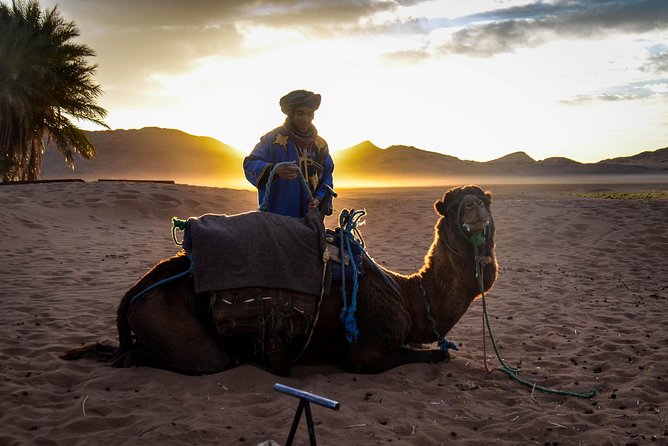
- 1-hour camel ride from Zagora: adults ride their own camel; children can share with parents
- Desert camp with dinner and breakfast: plus a campfire drum session when weather permits
- Taourirt Kasbah stop on the way back: a second kasbah moment before Marrakech
- Small group up to 17 + multilingual driver: easier questions in English/French/Spanish, and yes, you can ask for Youssef
Why Zagora makes sense as a 2-day desert getaway
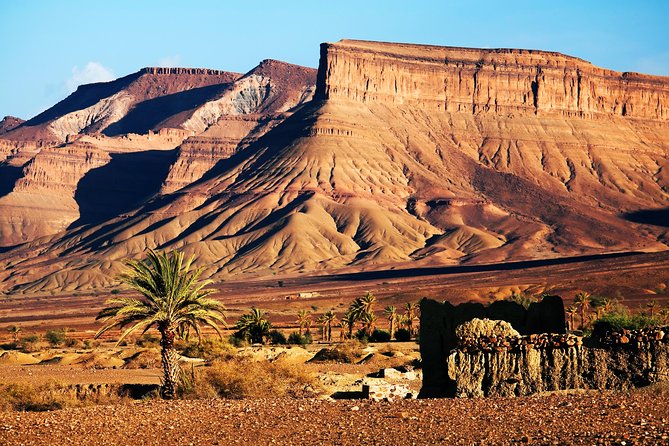
Zagora is the kind of desert trip that fits real-life schedules. You don’t need a week to get that big-sky, out-in-the-open feeling. In two days, you’ll go from Marrakech city streets to a UNESCO World Heritage site, then out to Zagora for a sunset camel ride and one night in a desert camp.
The best part is the contrast. The High Atlas gives you dramatic mountain scenery and Berber villages along the way, then the desert shifts everything to quiet: stars, camp life, and that slow walk back into Morocco’s older rhythms.
You also get a small-group setup, capped at 17 travelers. That matters. With fewer people, you’re more likely to get a clear answer from your driver and better attention when timing gets tight.
You can also read our reviews of more tours and experiences in Marrakech.

Marrakech start: the value of a clear 7:30am departure
The day begins early: you meet at Café de France on Rue des Banques in Marrakech at the start time (around 7:30am). That early start isn’t a gimmick. It buys you more daylight for the High Atlas crossing and more time for the important stops later.
You travel in an air-conditioned vehicle, and you get a driver who speaks English, French, and Spanish. That multilingual angle is genuinely useful in Morocco, where details get lost if you only get a few words at each stop.
If you’re staying outside the Medina, you’ll likely be able to arrange a hand pick-up and drop-off. That one detail can make the whole start less stressful, especially when you’re trying to find the meeting point on day one.
Crossing the High Atlas via Tizi N’Tichka: when the drive becomes the show
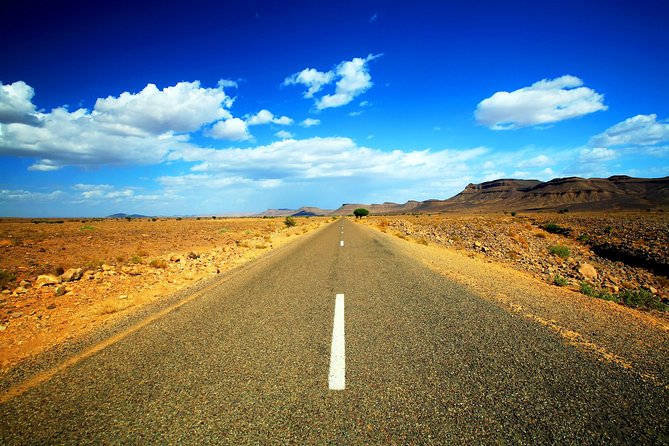
The drive from Marrakech to Ait Ben Haddou takes about 4 hours, but it doesn’t feel like one long stretch. You’ll have several short stops for breaks and photos, which keeps you from arriving tired and cranky before the UNESCO stop.
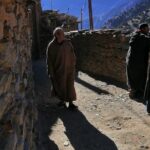
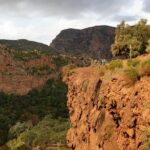
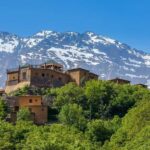
The route uses the Tizi N’Tichka pass, and that’s where you’ll see the big change from city life to mountain life. You’ll also pass Berber villages as you travel. The value here isn’t just scenery; it’s the sense of how people live across different elevations, climates, and landscapes.
A practical note: if you hate being stuck in a vehicle, this is still a road trip. But the pacing breaks up the time, and the scenery is the reward.
Ait Ben Haddou: UNESCO kasbah time without rushing past it
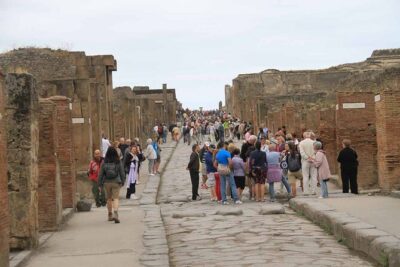
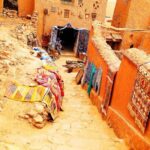
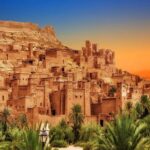
Ait Ben Haddou is a UNESCO World Heritage site and a fortified village (kasbah/ksar) that’s been listed since 1989. This is one of Morocco’s most recognizable heritage locations, and it’s included on purpose: it’s the classic “wow” stop between Marrakech and the desert.
You’ll get a kasbah visit and then a lunch stop before continuing south toward Zagora. That matters because it turns Ait Ben Haddou into an experience, not just a quick roadside look.
Two things to keep in mind:
- Admission and any local guide support at Ait Ben Haddou cost extra. The local guide is listed at about 2€ (and admission tickets are not included).
- If you want more context about Berber life and desert traditions, hiring a local guide can help you connect what you’re seeing to how people lived here.
The surrounding stonework and layout feel built for defense and community. Even if you’re not a “history person,” it’s easy to understand why this place became so important.
Down toward Zagora: Anti Atlas and Draa valley on the way to camel sunset
After Ait Ben Haddou, you head through the Anti Atlas mountains and along the Draa valley. The big shift happens gradually. Roads widen, the terrain changes, and the air starts to feel different as you move toward the desert region.
You’ll continue until you reach Zagora around 17:00. Getting there before the full night sets in is key, because your camel ride happens after arrival.
This is also where your “learning about Berbers and their desert lifestyle” theme becomes practical. Even without a lecture, you’re passing communities and getting time to notice how everyday life differs between mountain villages and desert-edge towns.
Camel ride into the desert: what to expect in the last hour of light
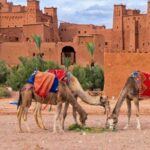
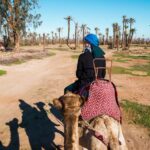
Once you arrive in Zagora, you’ll take a camel ride for about 1 hour into the desert. This is the most iconic moment in the whole trip: the colors shift, and you get that slow, rhythmic feeling that no city tour can replicate.
The tour notes that adults ride their own camel, while children share the ride with a parent. If you’re traveling with kids, that sharing format is worth knowing ahead of time so everyone has realistic expectations.
Also, remember this isn’t a long trek. It’s a highlight ride designed to fit a 2-day schedule. So if your ideal desert experience is hours-long, you might find this format short. But if you want the desert taste plus a camp night, it hits the right balance.
Desert camp night: dinner, stars, and drums if weather cooperates
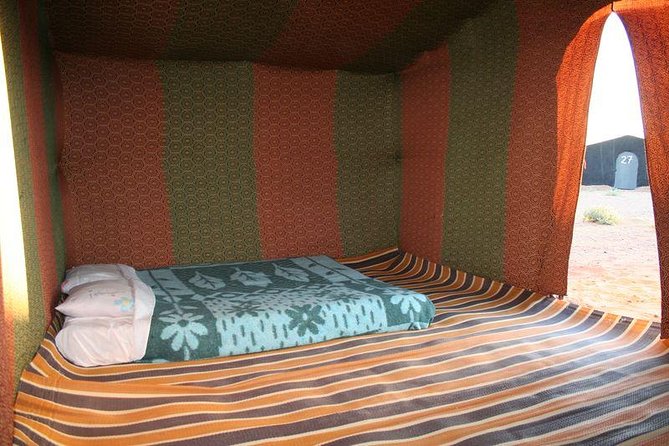
You arrive at the camp late enough to enjoy a real evening changeover. After the camel ride, you’ll settle in for a night under a sky that tends to feel much bigger than city stars.
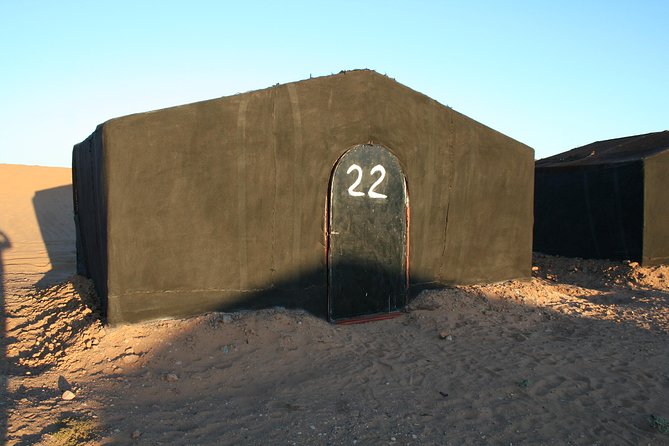
Dinner is included, and you’ll also have breakfast the next morning. That “half board” setup matters because lunches aren’t included, and you don’t want to scramble for food at the camp.
Then there’s the campfire entertainment. After dinner, you can enjoy a drums party around the campfire if the weather allows it. If it doesn’t happen, it’s not a failure of the trip; it’s a weather-dependent cultural moment. The good news is you’re still getting the camp experience and the night sky regardless.
The small-group size helps here too. Fewer people means the camp vibe stays more relaxed, and you spend more time watching, listening, and taking in the night instead of waiting for crowd flow.
Taourirt Kasbah and the return to Marrakech by way of Ouarzazate
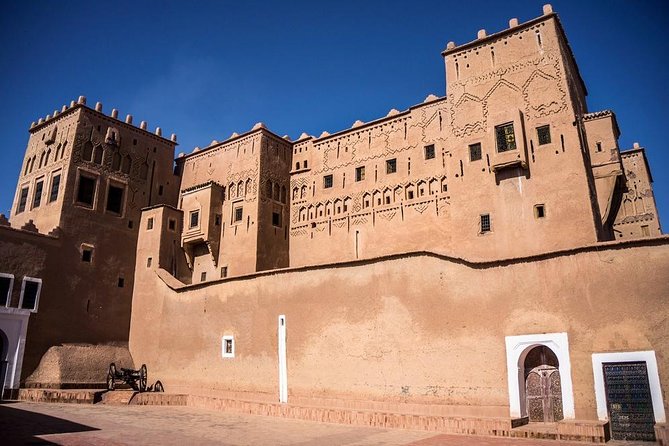
Breakfast comes first on Day 2, then you head back toward Marrakech. Before the final drive home, you make a stop at the Taourirt Kasbah in Ouarzazate.
Taourirt Kasbah is described as one of Morocco’s most spectacular sites and a “historical legacy,” and that’s the point of the stop: it continues the kasbah theme from Ait Ben Haddou. You’ll see how different fortress styles can reflect different periods and local priorities.
From there, it’s road time through the Atlas Mountains, with opportunities to pass Berber villages again. You’ll have a lunch option either in Ouarzazate or in the village of Agouim, depending on preferences.
You’re expected to arrive back in Marrakech at about 6:00pm. For a 2-day trip, that’s a workable return time that still lets you make it to dinner plans without feeling like you got stranded.
Price and value: what about $98.87 covers (and what it doesn’t)
At about $98.87 per person, this tour looks budget-friendly for what you get, mainly because the big-ticket parts are bundled:
- Air-conditioned transport in a group setting
- One desert night at a camp with dinner and breakfast included
- Camel ride (about 1 hour)
- Fuel, tolls, and associated expenses
- Pickup/drop-off help if your hotel is outside the Medina
- A driver who speaks English/French/Spanish
What’s not included is also clearly spelled out: lunches and drinks, plus admission tickets and local guide fees at the sites (local guide around 2€ each is listed).
So the value calculation depends on your habits. If you usually like organized transport and don’t want to sort out desert lodging, the included camp night and camel ride do a lot of the heavy lifting. If you prefer to travel independently and already know how you’ll handle food and admissions, you may feel the add-ons more.
For me, the biggest “value signal” is that the schedule covers both kasbah stops and still includes a desert camp night. You’re not paying extra for extra nights or separate transfers in a short time frame.
Group size, comfort, and the one thing to confirm before you go
This is a small group, with a maximum of 17 travelers. That’s the difference between feeling herded and feeling guided. Your driver can slow down to answer questions, and the tour tends to work better when someone needs a bathroom break or a quick clarification.
One more practical tip: the experience can include or skip certain optional stops depending on timing, and that can matter if you care about a specific side visit. If you have a must-do item beyond the core stops, ask the operator to confirm before you pay.
Also, take a look at the inclusions list before you arrive. You’ll have dinner and breakfast at the camp, but lunch is not included. Plan for that so you don’t feel annoyed at meal timing.
If you want the trip to feel lighter and more fun, ask who drives your group. One driver, Youssef, stands out for being funny and engaging, and that can turn the travel hours into part of the entertainment.
Who should book this Zagora 2-day trip
Book it if you want:
- a short desert taste with a real night in a desert camp
- the UNESCO highlight of Ait Ben Haddou without arranging separate transport
- a camel sunset moment plus a second kasbah stop on the return
- a small group with an easy-to-understand driver in English/French/Spanish
You might skip it (or ask more questions first) if:
- you’re the type who needs a fully rigid itinerary with zero flexibility
- you hate paying extra for site admissions and optional local guiding
- you want more time in the desert than a 2-day structure allows
Should you book this tour?
If your main goal is a classic Morocco arc—mountains to kasbahs to desert camp—this is a strong match. You’re getting the core ingredients in two days: UNESCO Ait Ben Haddou, a 1-hour camel ride, an overnight camp with dinner and breakfast, and the Taourirt Kasbah stop on the way back.
My advice: book if you’re excited by the big moments and you’re okay with a few add-ons like lunches and site admissions. Book if you want the small-group feel and an enthusiastic driver—ideally Youssef, if the operator can accommodate that request.
FAQ
FAQ
What’s the meeting point in Marrakech?
The tour starts at Café de France, 72 Rue des Banques, Marrakech 40000, Morocco.
How long is the Zagora Desert trip?
It runs for about 2 days.
What’s included for meals?
Breakfast is included, and dinner is included as part of your overnight stay in the desert camp. Lunches and drinks are not included.
Do I pay for admission at Ait Ben Haddou and Taourirt Kasbah?
Admission tickets are not included for the site visits listed. Local guide support at Ait Ben Haddou and Taourirt Kasbah is about 2€ each.
Is camel riding included, and how long is it?
Yes. Camel riding is included, and the ride is about 1 hour. Adults ride their own camel; children share with their parents.
What languages does the driver speak?
The driver speaks English, French, or Spanish.
What time do I return to Marrakech on Day 2?
You’re expected to arrive back in Marrakech at approximately 6:00 PM.
What if weather is bad?
The experience requires good weather. If it’s canceled due to poor weather, you’ll be offered a different date or a full refund.