REVIEW · MARRAKECH
3 Day Tour from Marrakech to Merzouga with Camel Ride Included
Book on Viator →Operated by Sahara Desert Trip · Bookable on Viator
The desert starts before you even reach sand. This 3-day Marrakech-to-Merzouga loop is built for momentum, so you see major Moroccan stops without having to sort transport or timing yourself. I like how the day-by-day plan stays organized, and you get handled by a driver and local guides while you focus on photos, viewpoints, and the desert rhythm.
Two big reasons this trip works so well are the sunrise and sunset camel rides at Erg Chebbi and the chance to sleep in both a hotel and a shared desert camp. One heads-up: it’s not a slow, lazy itinerary. The driving days are long, and the minibus comfort can feel basic once you’re on the road for hours.
In This Review
- Key Points You’ll Care About
- Day 1: Tizi n Tichka and Ait Ben Haddou’s Kasbah Face-Off
- Boumalne Dades Hotel Night: The Rest Stop That Makes the Desert Better
- Day 2: Tinghir Oasis and Todra Gorge With a Local Guide
- Erg Chebbi Sunset: Dinner Under Stars (Not Just a Photo Stop)
- Day 3: Sunrise Camel Ride and Breakfast at the Ouberge
- El Kelaa M’gouna Stop: A Short Kasbah Break on the Way Back
- Price and Value: What You’re Really Paying For
- Minibus Comfort and Long-Drive Reality: Manage Your Expectations
- The Guide Factor: When Local Knowledge Lands the Best Photos
- Who This Desert Tour Fits Best
- Should You Book This Marrakech to Merzouga Camel Ride Tour?
- FAQ
- What time does the tour start?
- How long is the Marrakech to Merzouga tour?
- What’s included in lodging?
- Are camel rides included, and when do they happen?
- Does the tour include meals?
- Are there any guided parts besides the desert?
- Is Ait Ben Haddou visit included?
- Is Ouarzazate included?
- What’s not included?
- How big is the group?
Key Points You’ll Care About
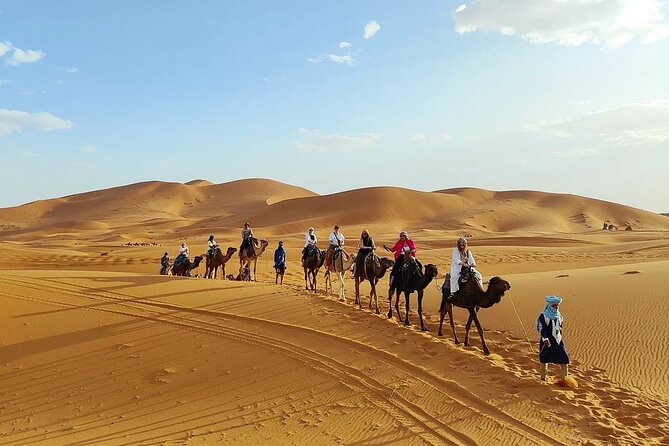
- Camel rides at two iconic moments: sunset on Day 2 and sunrise on Day 3 in Erg Chebbi, with camel time built into the schedule.
- Ait Ben Haddou kasbah time (with an optional extra): you’ll visit the kasbah and get the chance to hire a guide on-site if you want deeper context (3 EUR per person).
- Guided Tinghir oasis and Todra Gorge: a local guide leads the oasis visit and Todra Gorge stop, including the well-known rock formations people call monkey fingers.
- Two different overnights: hotel in Boumalne Dades, then a shared camp in Merzouga. It’s a real change of pace, not just a long drive with one night.
- Small enough to feel group-organized: maximum of 17 travelers on a minibus (8 or 17 seats), with pick-up and drop-off from your residence location.
Day 1: Tizi n Tichka and Ait Ben Haddou’s Kasbah Face-Off
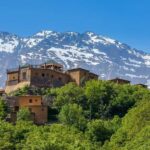
Morning starts early at 7:00 am, and that’s a good thing. You’re on the road before the crowds and before the day gets heavy. The first real payoff is the climb toward Tizi n Tichka, where you stop briefly to watch the views and snap pictures. It’s one of those places where a 10-minute stop feels too short—because the Atlas scenery keeps rolling even after you’ve stopped.
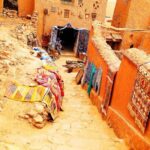
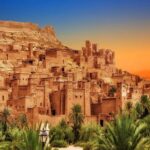
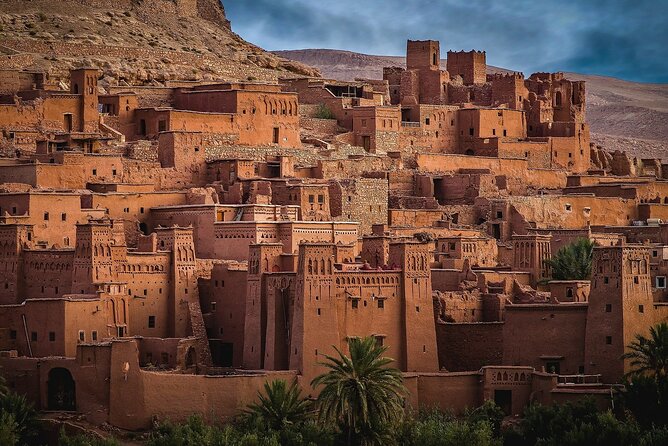
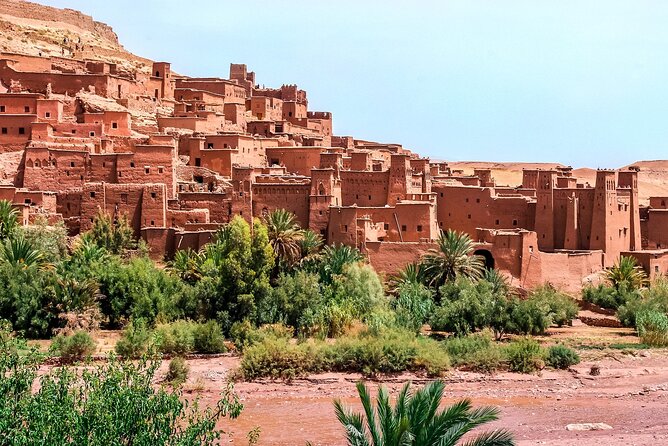
Then you roll into Ait Ben Haddou, a kasbah that’s famous for a reason. You’ll spend about 2 hours visiting the site, with admission covered. I love this stop because it’s not just a “look and leave” quick photo moment; it gives you enough time to walk around and notice how the buildings work with the terrain. If you want more story than your own reading provides, you can hire a guide locally for 3 EUR per person—totally optional, but useful if you’re the kind of person who likes knowing what you’re looking at.
After that, there’s a 45-minute optional stop in Ouarzazate, including a possible visit to the Kasbah of Taourirt. Even if you skip it, you still get something practical: a chance to stop in a supermarket. That matters on long desert routes, because you can grab what you’ll want for the next day’s rides and camp night—especially if you’re the type who likes having your own water and snacks sorted.
Finally, you end the day in Boumalne Dades with a hotel night. This isn’t the desert night yet, but it’s a smart halfway reset. You sleep somewhere with proper walls, which helps you feel human before the Erg Chebbi stretch.
You can also read our reviews of more tours and experiences in Marrakech.
Boumalne Dades Hotel Night: The Rest Stop That Makes the Desert Better
The hotel in Boumalne Dades is there for a reason: Day 2 is where the itinerary turns from “road trip” into “desert experience.” A hotel night also gives you a better chance to wash up properly and get some downtime before the camel rides start.
I like how this structure works for first-timers. You’re not forced to go straight from Marrakech to the desert camp without a real breather. Instead, you get a night in the Dades area, which helps you handle the long, busy hours of the route without feeling like you’re running on fumes.
Day 2: Tinghir Oasis and Todra Gorge With a Local Guide
Day 2 begins by shifting you from mountains and kasbahs into green-and-rock contrast. You’ll visit Tinghir oasis with a local guide for about 1 hour. This is a nice change from the dramatic desert vibe. Even if you only have an hour, the guide time matters here—because you’ll understand what you’re seeing and how the oasis fits into the local landscape.
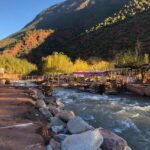
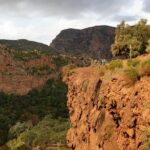
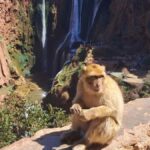
Next comes Gargantas del Todra (Todra Gorge) with another guided stop (about 30 minutes). Todra is one of those places where the scale hits you quickly. The gorge walls rise steeply, and you get the kind of photo angles you can’t fake from imagination. The stop is short, so it’s not about long hiking trails; it’s more about getting in, seeing the key views, and moving on to Erg Chebbi in time for sunset camel riding.
And yes, the Todra area is known for rock formations people call monkey fingers. The timing here matters: you’ll be glad you’re going with a guide because you’ll know where to look and what’s worth your camera time.
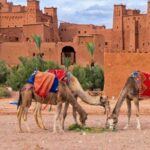
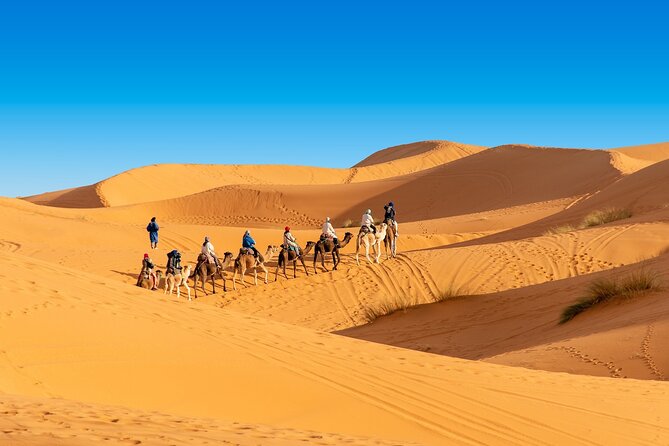
Then the big pivot: Erg Chebbi. This is where the tour turns into the desert itself, with a camel ride at sunset, followed by dinner and an overnight stay in a shared camp in Merzouga.
That sunset camel ride is the moment most people come for. Camel rides at the right light don’t just look good; they make the whole desert feel calmer. You also get the payoff of changing temperatures—sunset brings a noticeable shift from what you felt earlier in the day.
Erg Chebbi Sunset: Dinner Under Stars (Not Just a Photo Stop)
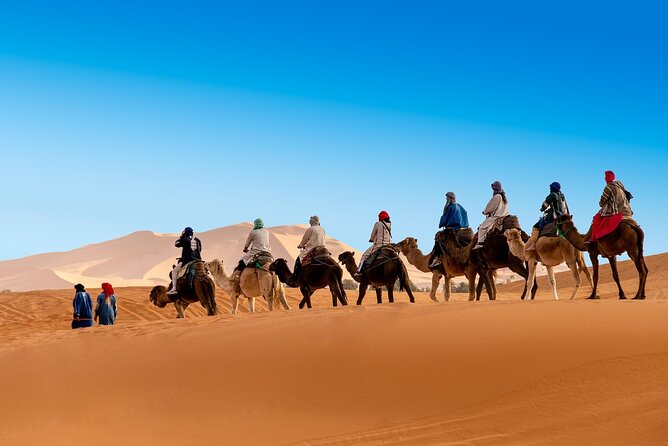
After the camel ride, you’ll have dinner and spend the night in a shared desert camp. The listing calls it a camp, and that’s the correct expectation. This is not a hotel experience, but it’s the kind that’s memorable precisely because it’s different.
I recommend treating the camp night as part of the experience plan, not a pause between activities. Desert nights can feel cool, and you’ll likely be moving between open air and sheltered spaces. Bring layers you can handle easily, and consider a small headlamp or flashlight if you like navigating in the dark.
This camp component is one of the strongest value points of the tour: the schedule includes the ride timing, the evening meal, and the camp night without you needing to coordinate anything on your own.
Day 3: Sunrise Camel Ride and Breakfast at the Ouberge
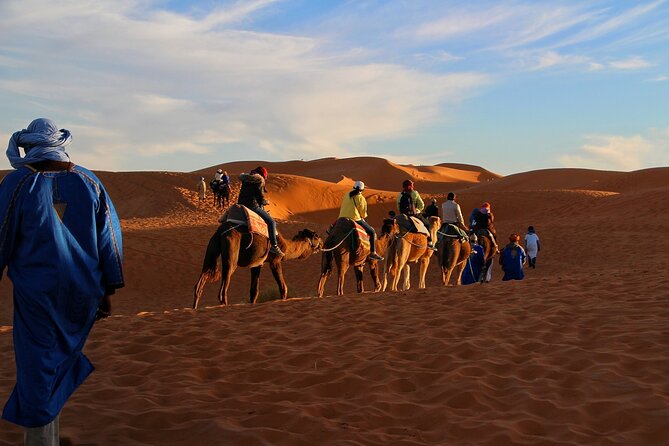
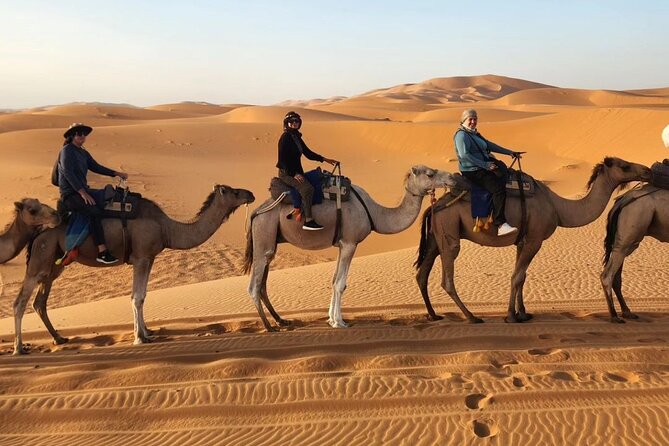
If you’re even mildly interested in photography or mood, Day 3 morning is hard to beat. You get another Erg Chebbi camel ride at sunrise, followed by breakfast at the ouberge.
The camel portion is scheduled for about 2 hours, which is a solid amount of time to feel like you’re inside the desert. Sunrise makes the sand color shift quickly, and the light stays flattering longer than midday harsh glare. You’ll also get that quieter atmosphere that comes before day traffic and heat set in.
After that, breakfast at the ouberge keeps the morning structured. It’s a practical break so you’re not just finishing the camel ride and then immediately facing a full day of travel without fuel.
El Kelaa M’gouna Stop: A Short Kasbah Break on the Way Back
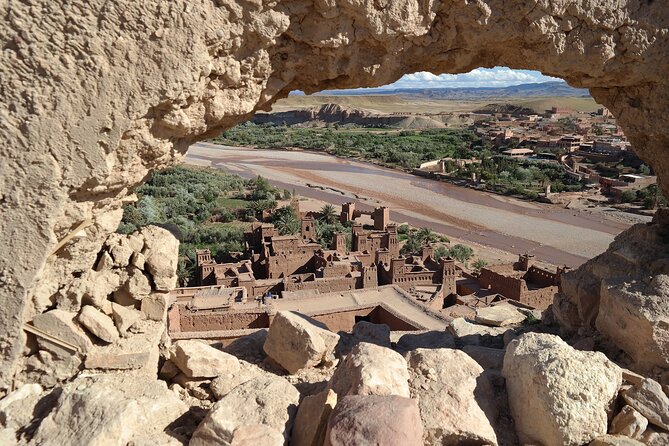
On the route back, the tour includes a stop in El Kelaa M’gouna with a visit to Kasbat M’gouna for about 1 hour. This isn’t the main desert event, so don’t expect the same scale as Ait Ben Haddou. Instead, think of it as a chance to stretch your legs, see another kasbah-related stop, and break up the travel energy before you end back at the meeting point.
This is also a good moment for a final round of photos if you still want them—especially if your earlier stops were strong but you couldn’t slow down.
Price and Value: What You’re Really Paying For
At $93.05 per person for a ~3-day tour, the value is all about what’s included versus what you handle yourself. You’re paying for:
- Round-trip transportation from your residence location (pick-up and drop-off)
- Two nights of lodging style changes: hotel in Boumalne Dades and a shared camp in Merzouga
- Camel rides at sunset and sunrise
- Meals included: breakfast (2) and dinner (2)
- Guides for the Tinghir oasis and Todra Gorge
- A minibus transfer (group size capped at 17)
What you don’t get built in:
- Lunch during the trip
- Drinks like water and soft drinks
- The optional extra guide at Ait Ben Haddou (3 EUR per person if you want it)
I think this pricing makes sense if you value convenience. You’re not just buying sights—you’re buying the day structure, the timing of the camel rides, and the lodging transitions. If you had to arrange the same pieces yourself, you’d spend a lot more time coordinating—and time is usually the one budget you can’t refill.
Minibus Comfort and Long-Drive Reality: Manage Your Expectations
This is a packed route. Even with smart stops, you’re spending serious hours in transit. The transport uses a minibus with 8 or 17 seats, depending on the vehicle. The group size limit (up to 17) helps it feel more manageable than the huge-tour scene.
One real consideration is comfort. Some past feedback has pointed out that the minivan can feel tight or have limited airflow, plus some noise on the road. That doesn’t mean it’s miserable, but it does mean you’ll benefit from practical prep:
- Dress in layers so you can handle temperature swings.
- Bring a small neck pillow or something for your head/neck if you’re sensitive.
- Use the brief stops early to refill water if you like having your own.
Also, note that the tour runs from 7:00 am, so you’ll want to avoid late nights the day before.
The Guide Factor: When Local Knowledge Lands the Best Photos
A big part of the tour’s quality is not just what you see, but how you see it. The Tinghir oasis and Todra Gorge segments include a local guide, and that changes the experience even if the walking time is short. You’ll know what to look for, and you won’t waste your limited minutes guessing at viewpoints.
For drivers, names like Mohammed and Houssein come up in prior feedback as strong examples of how the day can run smoothly. You can’t control who you get, but you can take comfort in the fact that the tour style is built around a driver handling the route so you’re not stuck managing logistics.
And at Ait Ben Haddou, you can go solo with the admission provided, or you can add a local guide for the optional context layer.
Who This Desert Tour Fits Best
This trip is a great fit if:
- You want a 3-day desert overview without building your own plan.
- You care about the Erg Chebbi sunrise/sunset experience and want it scheduled for you.
- You like seeing varied Morocco terrain fast: Atlas views, kasbahs, gorges, oasis, then desert.
It may not be the best fit if you:
- Prefer slow travel with lots of free time in each location.
- Hate long car days and tight schedules.
- Want lunch and drinks fully included.
Think of it like a well-run sampler course. You’ll get the core hits, and you’ll come away with enough moments to justify a future trip if you want deeper exploration.
Should You Book This Marrakech to Merzouga Camel Ride Tour?
I’d book it if you’re trying to do the desert right in limited time. The combination of camel rides timed to sunrise and sunset, real guided segments in Tinghir and Todra, and the two-night rhythm (hotel, then camp) is strong value for the money.
I’d think twice if you’re extremely comfort-sensitive on long drives or you want an unhurried pace. In that case, you might prefer a slower private option, where the schedule bends around you.
If you do book, plan smart: eat lightly before long transit legs, bring layers for desert nights and early mornings, and budget a little extra for lunch and drinks, since those aren’t included.
FAQ
What time does the tour start?
The tour start time is 7:00 am.
How long is the Marrakech to Merzouga tour?
The duration is 3 days (approx.).
What’s included in lodging?
You get one hotel night in Boumalne Dades and one shared camp night in Merzouga.
Are camel rides included, and when do they happen?
Yes. You’ll ride camels at sunset on Day 2 and at sunrise on Day 3 in Erg Chebbi.
Does the tour include meals?
Yes. Breakfast is included 2 times and dinner is included 2 times.
Are there any guided parts besides the desert?
Yes. There’s a local guide for Tinghir oasis and Todra gorges.
Is Ait Ben Haddou visit included?
Yes. You’ll visit Ait Ben Haddou for about 2 hours, and admission is included. A separate guide is optional at an additional 3 EUR per person.
Is Ouarzazate included?
Ouarzazate is an optional stop, around 45 minutes, including an optional visit to the Kasbah of Taourirt.
What’s not included?
Lunch during the trip and drinks (water, soft drinks) are not included.
How big is the group?
The tour has a maximum of 17 travelers. Transportation is by a minibus (8 or 17 seats).