REVIEW · MARRAKECH
3-Day Tour from Marrakech to Merzouga Luxury Camp with Camel
Book on Viator →Operated by Marrakech Tour Trip · Bookable on Viator
Sunrise over the Sahara is the payoff. This 3-day ride from Marrakech to Merzouga strings together mountain passes, the famous kasbah of Ait Ben Haddou, canyon drives, and a night in a luxury tent with dinner and breakfast. You get a camel safari (or 4×4 option) plus sandboarding included, so you’re not paying extra for the big moment.
I like that the pace is built around major stops that actually make sense for first-time Morocco: the UNESCO kasbah, Rose Valley, and the Todra/Dades gorge area. I also like the camp setup in the luxury option, especially the private bathroom and shower inside the tent, which makes the desert feel more comfortable.
One thing to consider: this is a long day of driving both ways, and the experience can vary based on language match and the specific hotel night early in the trip. In other words, it’s great for the desert, but it’s not a low-stress city break.
In This Review
- Key things to know before you go
- Marrakech to Merzouga: the road trip starts strong in the Atlas
- Crossing into movie-famous Morocco at Ait Ben Haddou
- Valley of Roses and the Dades Gorge: the scenery shifts hard
- Merzouga arrival: welcome tea, then your luxury tent
- Camel caravan over the dunes, plus sandboarding
- Day 3: sunrise on the dunes, then the long return to Marrakech
- Price and value: what $173.79 really buys you
- Guide quality varies, so use the “signals” you get
- Who should book this tour, and who might feel annoyed
- Should you book: my honest take
- FAQ
- How long is the Marrakech to Merzouga tour?
- What time does the tour start in Marrakech?
- Is pickup included?
- Is a camel ride included, or is it only 4×4?
- Do I get sandboarding?
- What meals are included?
- What is included with the desert camp stay?
- What’s the maximum group size?
- Can I cancel for free?
Key things to know before you go
- 7:30am start in Marrakech: long road days, so plan for early wake-ups and snacks.
- UNESCO Ait Ben Haddou: a must-see stop tied to Morocco’s cinematic history.
- Desert safari includes fun: camel ride or 4×4, plus sandboarding at no extra charge.
- Luxury camp comfort details: private toilet and shower inside the tent (for the luxury option).
- Lunch isn’t included: you’ll pay out of pocket at the stops along the route.
- Group size stays small: maximum 18 travelers, which helps the vibe.
Marrakech to Merzouga: the road trip starts strong in the Atlas
The tour begins early from central Marrakech (7:30am). The pickup point is listed near Jemaa el-Fnaa, and some departures also offer hotel pickup from select places. Expect a packed mini bus for the first stretch. It’s not a gentle start, but the trade-off is that you get out of the city while the morning is still cool and clear.
Right away, you head toward the Atlas Mountains and cross the Tizi-n-Tichka port. This is one of those drives where the views come in layers: steep switchbacks, distant ridgelines, and regular photo stops that don’t feel random. If you’re the type who likes to keep a camera ready, this day rewards that habit.
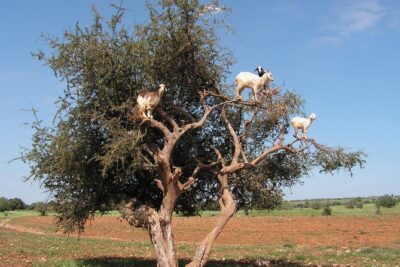
A stop that often gets overlooked is argan oil production. You’ll see how the oil is extracted and how it’s used locally. It’s not just a quick showroom stop. The point here is context: Morocco’s desert economy and craft culture aren’t separate from the mountains and valleys you’re driving through. Even if you don’t buy anything, you’ll understand why argan oil shows up everywhere from skincare to household use.
Practical tip: bring a light scarf and something for the road. Dust on Moroccan highways is real, and having a layer helps when you step in and out of the bus.
You can also read our reviews of more tours and experiences in Marrakech.
Crossing into movie-famous Morocco at Ait Ben Haddou
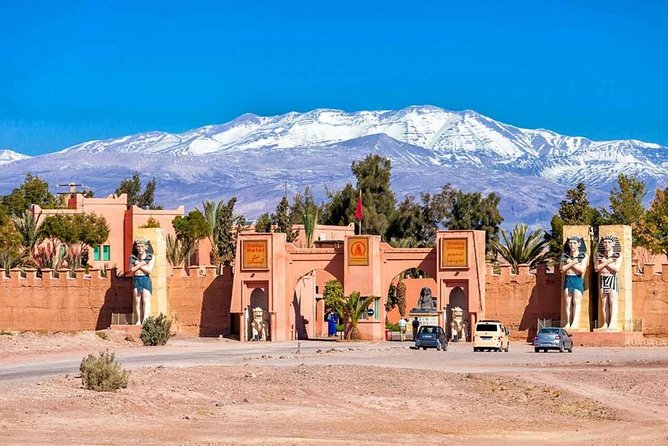
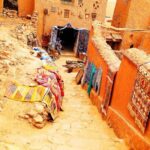
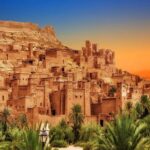
Ait Ben Haddou is the name you remember, even if you don’t know it yet. This fortified kasbah, recognized as a UNESCO World Heritage site, is the kind of place that looks like it’s been waiting for visitors for centuries. The walls, the tight layout, and the way it rises from the valley make it feel instantly “big screen.”
The tour includes time to visit the kasbah and understand why it’s so famous, including the fact that it has been used as a filming location. In other words, you’re not just walking around a pretty structure. You’re seeing a living example of how Moroccan architecture adapted to defense, climate, and daily life.
This is also where group tours can feel either great or rushed. Here, the main thing you can control is your mindset. If you treat Ait Ben Haddou like a quick photo stop, you’ll feel shortchanged. If you treat it like a slow walk with breaks for photos, you’ll get more from it. The drivers and guides on this tour vary, but the better guides tend to explain what you’re looking at, not just where to stand.
Practical tip: wear shoes with grip. The kasbah paths can be uneven, and you’ll likely move more than you expect for “just a visit.”
Valley of Roses and the Dades Gorge: the scenery shifts hard
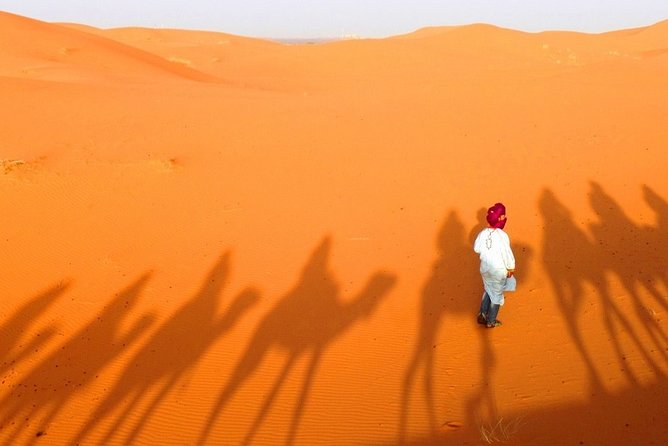
After Ouarzazate (often called the desert door), you’ll head toward the Valley of Roses area. This is a useful break in tone after the big UNESCO stop. It’s where the route feels less like a straight line toward the Sahara and more like Morocco in motion—changing climate, changing vegetation, and changing light.
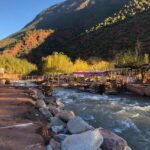
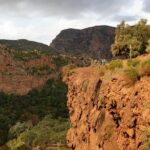
Then comes the canyon country: Dades Gorges. The gorges give you a different kind of drama than the kasbah. Instead of human-built walls and fortified shapes, you get stone cuts, curves, and viewpoints that make you understand why this region became a crossroads for caravans and travelers.
One downside of this whole experience is that the drive time can stack up. You’ll spend hours in transit between stops, and it’s easy to feel like you’re “only seeing windows.” That’s why the best way to enjoy this day is to lean into the stops. Use them. Stretch your legs. Take the photos when the group pauses. If you skip that, the day can start to feel like transportation with occasional highlights.
Practical tip: pack water and a snack for the road. Lunch is not included, and the stop restaurants may not be the best value.
Merzouga arrival: welcome tea, then your luxury tent
By the time you reach Merzouga, you’re not just arriving at a place. You’re arriving at a different rhythm. The tour builds a transition moment: you’ll check out the dunes area, get a welcome tea, and feel the shift from highway Morocco into desert Morocco.
One of the tour’s strongest selling points is the overnight camp setup. In the luxury option, your tent includes a private toilet and shower inside the tent. That matters more than it sounds. The Sahara is beautiful, but staying comfortable is what keeps the experience from turning into “survive the night.” This is exactly the kind of included detail that lets you enjoy dinner and music without rushing to find basic comforts.
At camp, you’ll have traditional Berber music at night, and there are also mentions of celebrations such as birthdays. Some camps also offer little extras like dress-up and photo moments, and you may see henna as part of the vibe. Camps vary, but the “evening at the desert camp” concept is consistent: food, music, and a feeling that you’re part of the group.
Some reviews mention WiFi at times, but don’t count on it as a plan. Think of the desert as an unplug moment, and you’ll be happier either way.
Camel caravan over the dunes, plus sandboarding
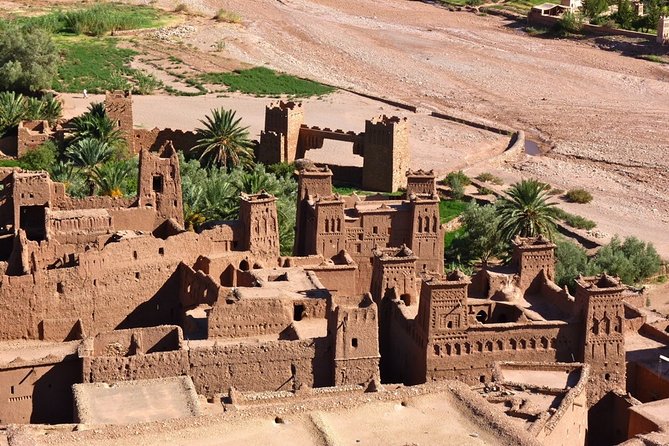
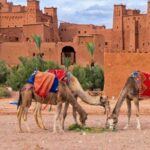
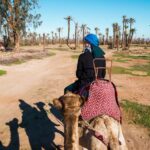
The desert portion is the heart of this tour. You’ll leave for the camp by dromedaries (camel caravan) for about an hour, after storing your bags at the alberg since you won’t need them for the night. Camel time tends to be slow, sensory, and social. It’s a good fit if you want the classic desert feel without rushing.
If you choose the alternative option, a 4×4 safari can replace the camel portion. Both options aim at the same payoff: time on the dunes and the camp arrival.
Before you settle in, there’s usually a sunset stop. Some guides time this well, and some timing issues show up in negative feedback, so treat the sunset like a priority. If you care about catching it, be ready to follow your guide’s instructions on when to be back at the right point.
Then there’s sandboarding, included at no extra charge. This is one of those activities that sounds touristy until you do it. Sand gives you a weird kind of friction, and the thrill is real even if you’re not an athlete. If you want a low-cost way to make the desert feel active instead of only scenic, this is it.
Practical tip: bring something that can handle sand. Sunglasses, lip balm, and closed shoes make life easier. Sand in your water bottle is not a fun surprise.
Day 3: sunrise on the dunes, then the long return to Marrakech
The return day starts early. You’ll wake up to watch sunrise and have breakfast back at the camp, again with the luxury convenience of showers noted in the camp style. Sunrise in the Sahara isn’t just pretty—it’s a reminder of scale. The light changes fast, and the dunes look different in minutes.
After breakfast, you head back toward Marrakech. The route includes desert-adjacent stopping points, and you’ll pass through areas such as Gargantas do Todra and around Erfoud/Rissani as you work your way back.
Lunch is included only in the sense that there’s a stop provided; the meal itself is not listed as included. Expect to pay at the restaurants you’re directed to. Some people felt those lunch spots were overpriced compared with nearby options, so I recommend keeping flexibility. If there’s a short window to choose where you eat, use it. Otherwise, budget for one or two paid lunches and a few drinks.
The tour also includes a stop around El Kalaa M’Gouna for lunch on the way back. Then you cross back through arid areas toward the Atlas region and reach Marrakech late afternoon into early evening (around 19:30 is mentioned, depending on the route flow).
This is the part of the trip where fatigue can hit. If you’re sensitive to long car rides, plan an easy next day in Marrakech. Don’t book something intense right after you return.
Price and value: what $173.79 really buys you
At about $173.79 per person, the pricing is positioned as a value play for a multi-day desert package. The reason it can feel worth it is simple: you’re paying for transport, guided stops, an included desert safari, an included sandboarding activity, and a full night in a camp with breakfast and dinner.
Here’s what you should watch closely: lunches and drinks are not included. That means the real “all-in” cost is higher than the headline price. Some travelers reported paying around 120 dirhams per lunch at the tour’s chosen stops. That doesn’t mean you’ll have the same experience, but it does mean you should carry cash and not assume every meal will be cheap.
Also note that this is a group tour with a maximum of 18. That’s a middle ground: small enough to feel personal, large enough that the schedule has to work for everyone. That’s where you’ll notice differences between guides. A strong guide keeps the day moving with clear instructions. A weaker one can create waiting around stops and less explanation at UNESCO sites.
Practical tip: if you want better value, bring snacks for the road and treat lunch like a budget decision, not a surprise.
Guide quality varies, so use the “signals” you get
One of the most consistent themes in the positive feedback is guide effort. Names that came up include Hasan and Youssef, plus Aziz, Mohammed, Chaima, Yusuf, Ahmed, Ibrahim, Karin, Saka, Chin-Chin, and Omar. Different names, same idea: the best guides make the long drive feel lighter with stories, timing, and group care.
You can’t predict every detail. But you can watch for signals early:
- Do you get a clear plan for each stop?
- Does the guide explain what you’re seeing, not just where to take pictures?
- Do they handle the desert timing well so sunset and sunrise don’t slip?
In negative feedback, a few issues show up: language mismatch when the group is mixed, limited explanations at some stops, rushed moments after waiting around, late dinners, and camp comfort problems like water/electricity concerns. That doesn’t mean it’s common, but it is enough to treat your expectations as “good possibility,” not “guaranteed perfection.”
If you’re picky about hotel quality on the first night, ask questions before you go. Some trips have a better first hotel than others, and the desert camp matters most—but the pre-desert night sets your energy level.
Who should book this tour, and who might feel annoyed
This tour is a strong match if you want a guided, one-shot route from Marrakech to the Sahara. If you’re short on time and don’t want to coordinate multiple transfers, the group format saves stress.
It also fits well if you want the classic Morocco hits in one go:
- UNESCO kasbah time at Ait Ben Haddou
- gorge scenery in the Dades/Todra region
- desert sunset vibe
- camel experience or 4×4 option
- sandboarding included
- luxury camp comfort with a shower and private toilet (in the luxury setup)
You might want a different option if you need highly reliable English-language commentary all day, or if you hate long driving days. Also, if you’re the type who gets irritated by shopping stops, this route may feel tiring. Some feedback points out extra time for planned stops that can be pricey, so bring a strategy: browse quickly, bargain if you buy, and don’t feel pressured.
Should you book: my honest take
Book it if you want the best “first desert trip” odds from Marrakech without building the logistics yourself. The included desert safari plus sandboarding, combined with a luxury camp setup, is the core value. This tour also layers in Morocco’s standout culture stops like Ait Ben Haddou, and that makes it more than just a dune overnight.
Don’t book it if you’re expecting a perfectly smooth, tightly explained, low-driving experience in every detail. The road time is real, and some parts of the day can feel more like a group schedule than a flexible journey. If your top priority is comfort and calm all the way through, compare options with a smaller transfer day or better-defined hotel standards.
If you do book, I’d go in prepared: snacks for the drive, cash for lunches, a willingness to follow the guide’s timing at sunrise/sunset, and the mindset that some “waiting” is part of multi-stop touring.
FAQ
How long is the Marrakech to Merzouga tour?
It runs for about 3 days.
What time does the tour start in Marrakech?
The start time is 7:30am.
Is pickup included?
Pickup is offered from select hotels, and the tour also lists a meeting point near Jemaa el-Fnaa in Marrakech.
Is a camel ride included, or is it only 4×4?
A desert safari by camel or 4×4 is included.
Do I get sandboarding?
Yes, sandboarding in the desert is included with no extra charge.
What meals are included?
Breakfast and dinner are included for two days. Lunches and drinks are not included.
What is included with the desert camp stay?
The stay includes 1 night in a luxury camp in the Sahara desert, with private toilet and shower inside the tent.
What’s the maximum group size?
The tour has a maximum of 18 travelers.
Can I cancel for free?
You can cancel for a full refund up to 24 hours before the experience’s start time.