REVIEW · AGADIR
From Agadir: Sahara Desert Day Trip and Camel Ride
Book on GetYourGuide →Operated by Okeytours agadir · Bookable on GetYourGuide
One day, three worlds: mountains, medina, and desert. This Agadir trip uses a modern 4×4 to connect Berber villages, cave fishing at Sidi R’bat, and golden dunes for a 5-minute camel photo moment. What I like most is the mix: off-road village stops plus a proper mint tea lunch. The main catch is that the camel ride is short, so it’s for the fun and the photos, not a long trek.
I also appreciate how much you fit in without feeling rushed between stops, especially when guides like Lahcen or Hicham keep the day rolling with stories in English, French, or German. One more thing to plan for: there’s walking on uneven medina streets and sand, so comfortable shoes matter.
In This Review
- Key Things I’d Watch For on This Day Trip
- Leaving Agadir by 4×4: The Anti-Atlas Route That Actually Feels Like an Adventure
- Sidi R’bat Beach and the Cliff Caves: Real Fishing Life, Not a Set
- Tiznit: The Silver Capital Walk, Ramparts, and Craft Shopping Time
- Argan, Pottery, and Workshop Stops: Why Cooperative Craft Stops Are More Than Shopping
- Mint Tea + Homemade Berber Lunch: The Best Kind of Cultural Stop
- Mini Sahara Dunes and Camels: Calm Golden Sands With a Short Ride
- Pace, Comfort, and What to Pack for Sand, Streets, and Sun
- Price and Value: Is $56 Fair for a Full Day Out of Agadir?
- Should You Book This Agadir Sahara Desert Day Trip?
- FAQ
- How long is the Agadir Sahara Desert day trip?
- What does the price include?
- Where does pickup and drop-off happen?
- What languages are the guides?
- Is there a vegetarian lunch option?
- How long is the camel ride?
- What should I bring, and what’s not allowed?
- Is it refundable if my plans change?
Key Things I’d Watch For on This Day Trip
- Sidi R’bat fishing caves: fishermen still work in cave-like spaces carved into the cliffs.
- Tiznit silver focus: ramparts, a lively old medina, and craft stops for jewelry shopping.
- Argan and pottery workshops: you’ll see how cooperatives and traditional makers work in real life.
- Homemade Berber lunch: typically tagine or couscous, plus a mint tea ceremony.
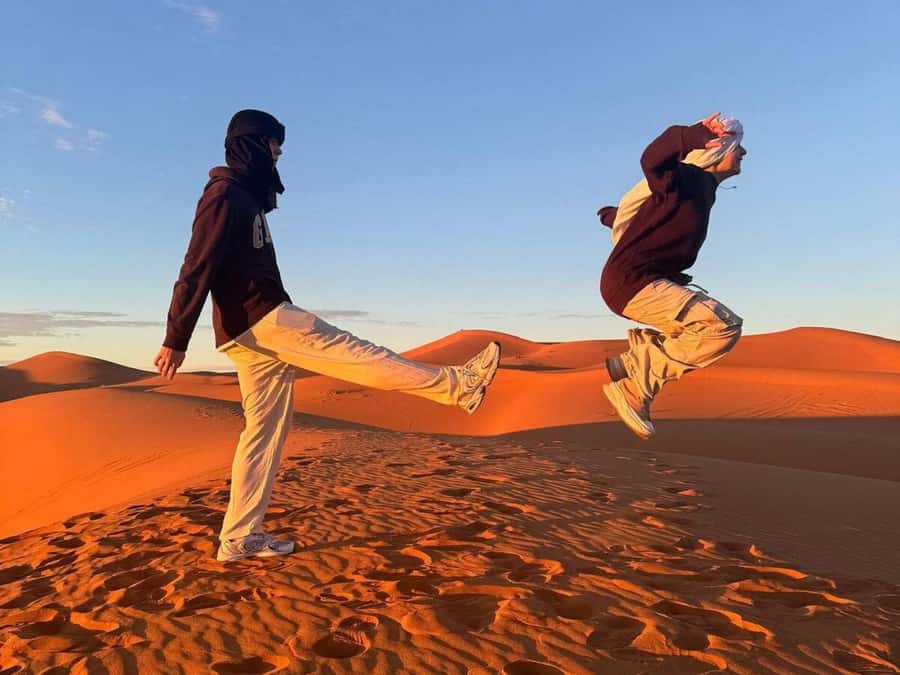
- Mini Sahara dunes + short camel ride: enough time for photos and calm, not a multi-hour trek.
- Cramped spots in the vehicle: if you’re in the back seats of the 4×4, expect it to feel tight.
Leaving Agadir by 4×4: The Anti-Atlas Route That Actually Feels Like an Adventure
The day starts with pickup options around Agadir, Taghazout, Tamraght, and Awrir, or you can meet your guide outside the main entrance to the port. Once you’re loaded into the AC 4×4, the change is immediate: city noise fades and you start climbing into the Anti-Atlas foothills.
What makes this part worthwhile is the driving itself. You’re not just rolling down one straight road. You’ll take scenic stretches and hit off-road style segments through Berber villages where daily life feels close-up. Along the way there are also the softer, greener moments: the Massa Valley area is known for fertile fields and banana plantations, so the scenery shifts as the day goes on.
Timing helps too. After a quick jump into the countryside, you’ll hit early stops like a photo break at Sidi-Bibi and then a guided look around Agadir before heading south again. This keeps the morning from feeling like pure transit.
Just keep in mind the “one-day, many stops” pace. It’s not a slow countryside picnic. It’s a full day built for variety—so bring water, wear grippy shoes, and be ready for some walking.
You can also read our reviews of more tours and experiences in Agadir.


Sidi R’bat Beach and the Cliff Caves: Real Fishing Life, Not a Set
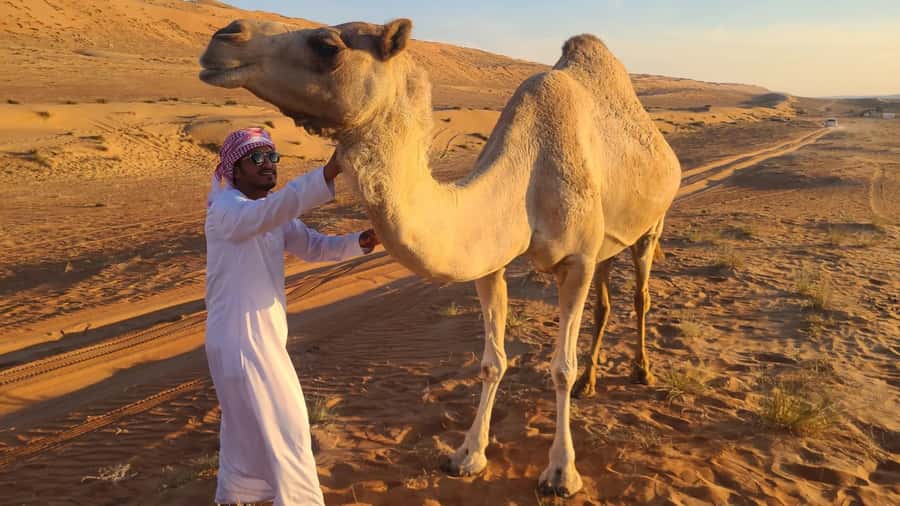
One of the most memorable breaks is at Sidi Rbat Beach, where you get a real look at how fishermen work. The big detail here is the caves carved into the cliffs. Instead of imagining a fishing village, you see the structure and the rhythm of life around it.
You’ll have time for photos, a walk, and sightseeing. That matters because this isn’t only about seeing from a bus window. It’s about getting your bearings on foot—looking at how the cliffs shape the village and how people use the coast.
There’s also an added layer that I like: this is the kind of stop where you can ask questions and get straight answers from the people around you. Your guide is there to translate what you’re seeing into context, whether you’re more interested in daily work or in how the coastline is used.
The tradeoff is that it can involve uneven ground near the cliffs and shoreline. If sand and rock textures make you slow down, plan that into your pace. Also, if it’s sunny (it often is along the coast), sunglasses and sunscreen aren’t optional.
Tiznit: The Silver Capital Walk, Ramparts, and Craft Shopping Time
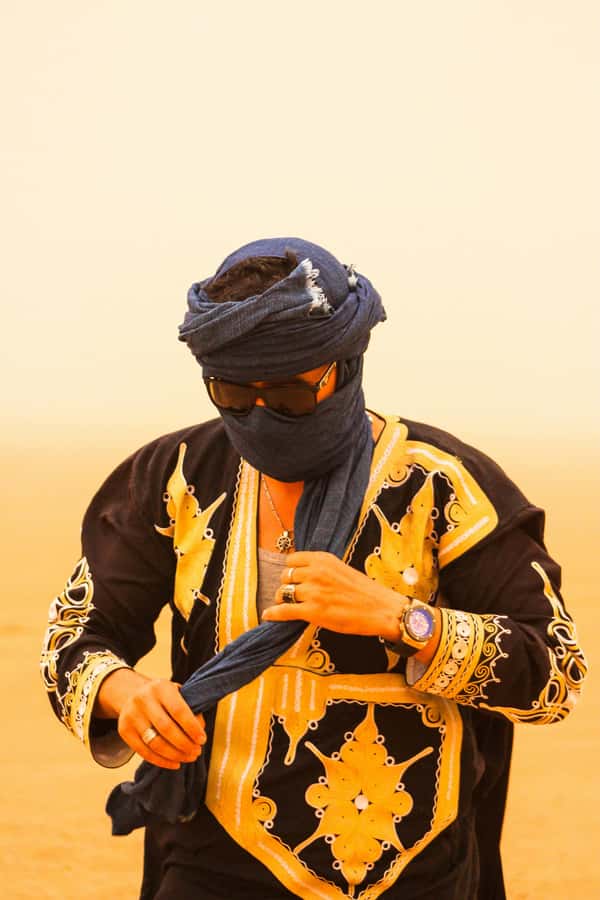
After the coastal break, the day turns toward Tiznit, known for its silver and for the old medina feel. This is where you can slow down a bit and browse at a more human pace. You’ll spend time strolling the ramparts area and moving through jewelry shops.
What I’d focus on here is the craft side. This tour doesn’t treat silver like a random shopping stop. You’ll also get cultural stops tied to working traditions on the way, including silver-related workshops. That means when you’re looking at jewelry later, you’re not just shopping—you’re seeing the world that makes the products.
The good part for practical travelers: Tiznit is easy to enjoy even if you don’t speak much Arabic or French. You can wander at your own speed, pop into a shop when you’re curious, and use your guide to explain materials and processes.
A consideration: any medina shopping time can feel sales-heavy if you’re trying to avoid spending. I like it best when I treat it as window shopping with a clear budget. If you want to buy something, use the guide’s help to understand what you’re looking at before committing.
Argan, Pottery, and Workshop Stops: Why Cooperative Craft Stops Are More Than Shopping
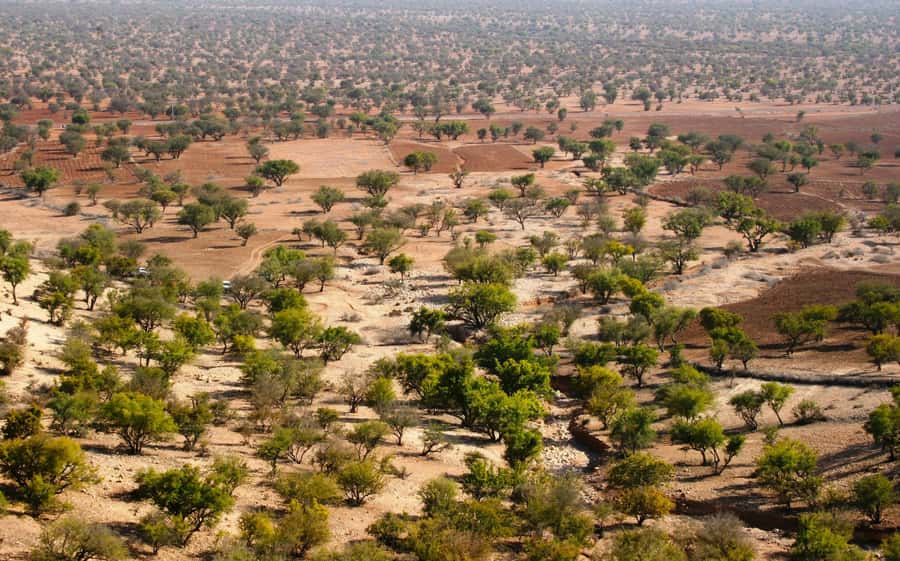
Between the mountains and the dunes, you’ll hit craft and cultural stops: argan, pottery, and silver workshops, plus opportunities to see cooperatives in action. This is one of the best ways to understand how local products move from hands to market.
Argan is a standout because it’s tied to a specific regional resource and long-standing local know-how. Pottery adds the human scale—tools, techniques, and the patience behind everyday items. These aren’t museum demonstrations. You’re seeing active production styles where you can ask questions and watch how people work.
What I like about this setup is the balance. You’re not stuck only on sales counters. You’re getting context for the objects you might buy later. And even if you don’t purchase, you’ll come away with a clearer sense of why these crafts matter here.
That said, these stops do include shopping time. If you don’t like the shopping rhythm, you can still enjoy them by focusing on observation: watch the process, ask how it works, and decide at the end of the day if you want to buy.
Mint Tea + Homemade Berber Lunch: The Best Kind of Cultural Stop
The lunch is a highlight and it’s a big reason this tour feels like more than a drive-by. You’ll enjoy a homemade Berber lunch in a family setting, often with dishes like tagine or couscous made from fresh local ingredients. The meal is also paired with a tea ceremony, so you’re not just eating—you’re getting the small ritual that slows the day down.
This is the best time to reset your feet. After walking in medina streets and along coast areas, lunch gives you a real breather. It also adds a human touch: you’ll likely hear stories that connect food, local farming, and daily life.
If you’re vegetarian, a vegetarian meal option is available—just request it in advance so the kitchen can plan.
One practical note: since this is a full-day outing with many stops, the lunch is usually your best chance for a proper meal. Pack snacks if you’re the type who gets hungry fast, but don’t assume you’ll be able to buy extras on the road. Extra drinks and personal expenses aren’t included.



Mini Sahara Dunes and Camels: Calm Golden Sands With a Short Ride

In the afternoon, you reach the Mini Sahara dunes. This is the moment most people remember even when they forget the exact order of every stop. The air feels different out there, and the open sand gives you room to breathe.
Here’s the key detail: the camel ride is short, about 5 minutes. Don’t expect a long trek. It’s designed as a fun, photo-friendly experience, so you’ll want to treat it like that—quick mounting, quick ride, and then time to enjoy the dunes on foot.
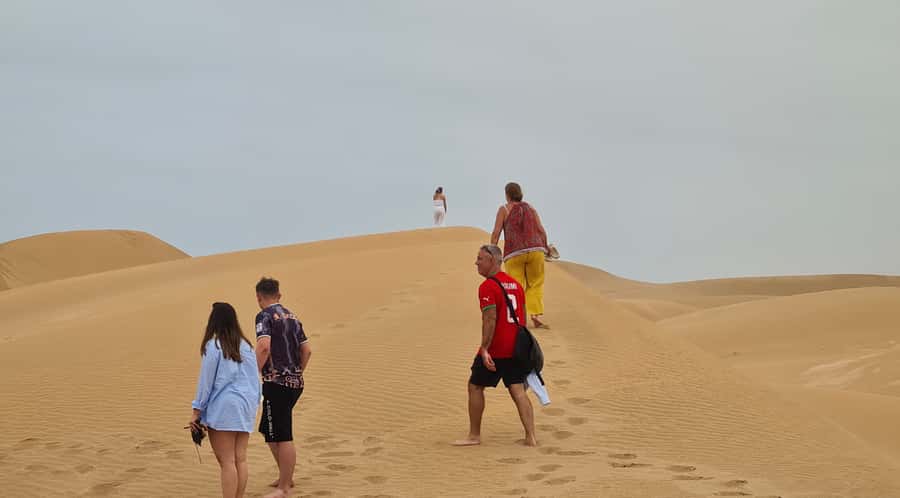
That walking time is where the value often lands. You can relax in the golden sands, take photos, and just sit and watch the light change. If you’re traveling with kids, this part is also manageable because it isn’t a long camel journey.
What to bring: comfortable clothing for sand walking and shoes you don’t mind getting dusty. And bring a sun hat even if it’s cooler out, because the open dunes don’t forgive sun.
Also, the day plan can shift slightly based on weather and local conditions. If you arrive and the dunes feel too windy or cold for your comfort, your guide may adjust the timing, so be flexible.
Pace, Comfort, and What to Pack for Sand, Streets, and Sun
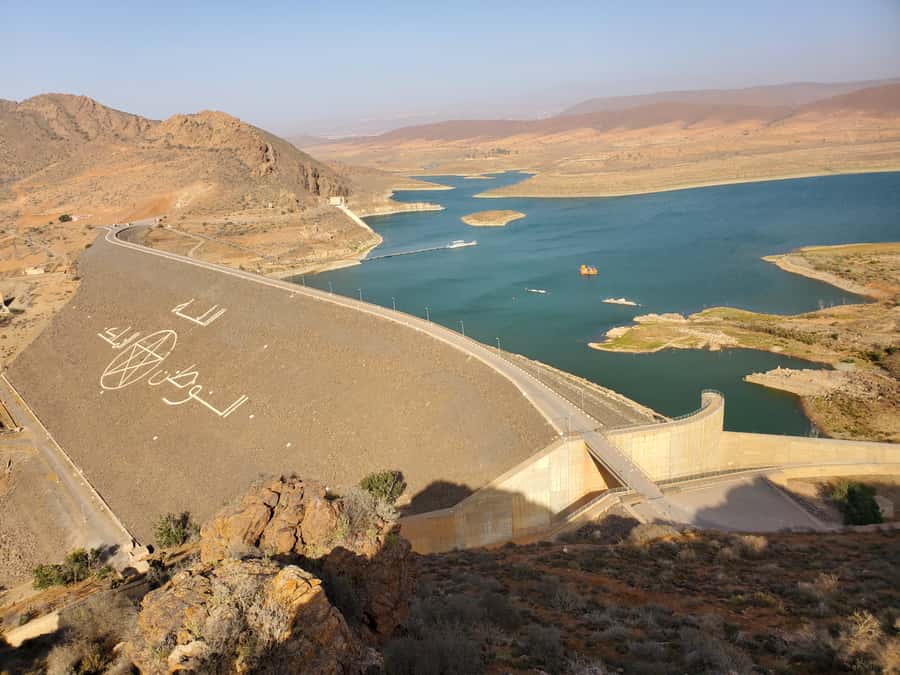
This tour is built for variety, which means you’ll do some walking on uneven ground—medina streets, workshop areas, and the dunes. It’s not a “sit back the whole day” kind of outing.
So I’d pack like this:
- Comfortable shoes with traction for sand and old streets
- Sunglasses and sunscreen (sun can be strong even in winter)
- A sun hat
- A light jacket in November–March for mornings and evenings
Vehicle comfort is mostly good because you’re in an AC 4×4, but one caution is real: if you’re in the back seats, the vehicle can feel cramped. It’s still manageable for a day trip, but it’s not luxury long-distance seating.
Other useful bits:
- Avoid bringing luggage or large bags since those aren’t allowed.
- Pets aren’t allowed.
- Kids are welcome, as long as they’re with an adult.
- If you have mobility issues or use a wheelchair, this isn’t suitable due to walking and uneven terrain.
Price and Value: Is $56 Fair for a Full Day Out of Agadir?
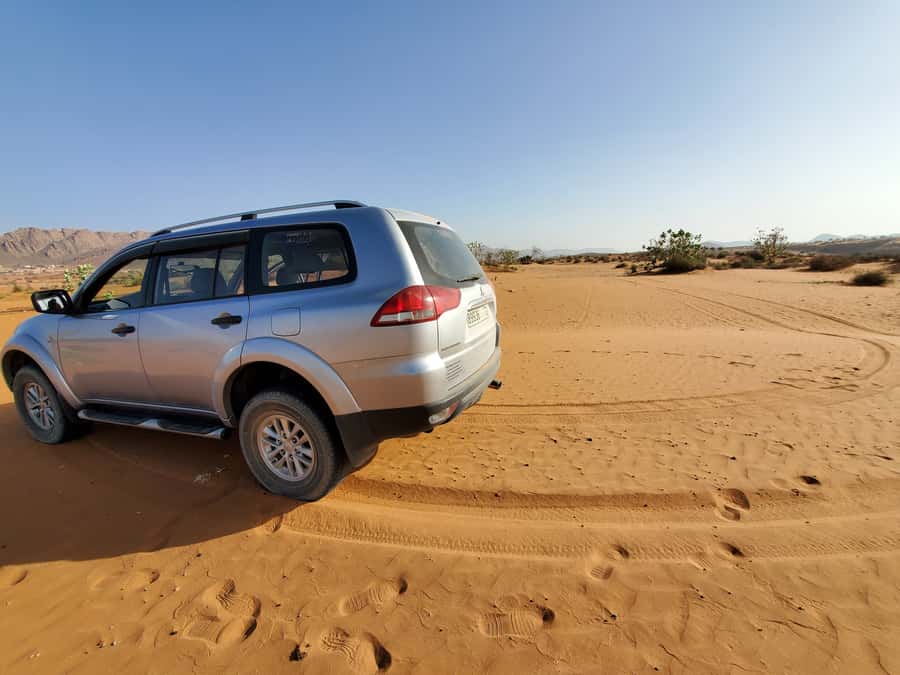
At $56 per person for about 9 hours, the value is tied to what’s included. You’re getting hotel or port pickup and drop-off, a modern AC 4×4, a driver and guide, homemade lunch, site visits, and a short camel ride.
For many visitors, the big cost-saver is the all-in transport. You’re not trying to hire separate rides to chase multiple places like Tiznit, Sidi R’bat, workshop stops, and the Mini Sahara. The day also includes a meal, which keeps it from becoming a constant add-on budget day.
The main value question is personal priorities:
- If you want variety—coast + medina + craft stops + dunes—this is a strong deal.
- If you’re only interested in the camel ride or only want one area, the full schedule might feel like too much.
A final value tip: decide early if you plan to shop for silver or craft items. If you do, set a spending ceiling before you reach the workshops and jewelry stalls. It keeps the day fun instead of stressful.
Should You Book This Agadir Sahara Desert Day Trip?
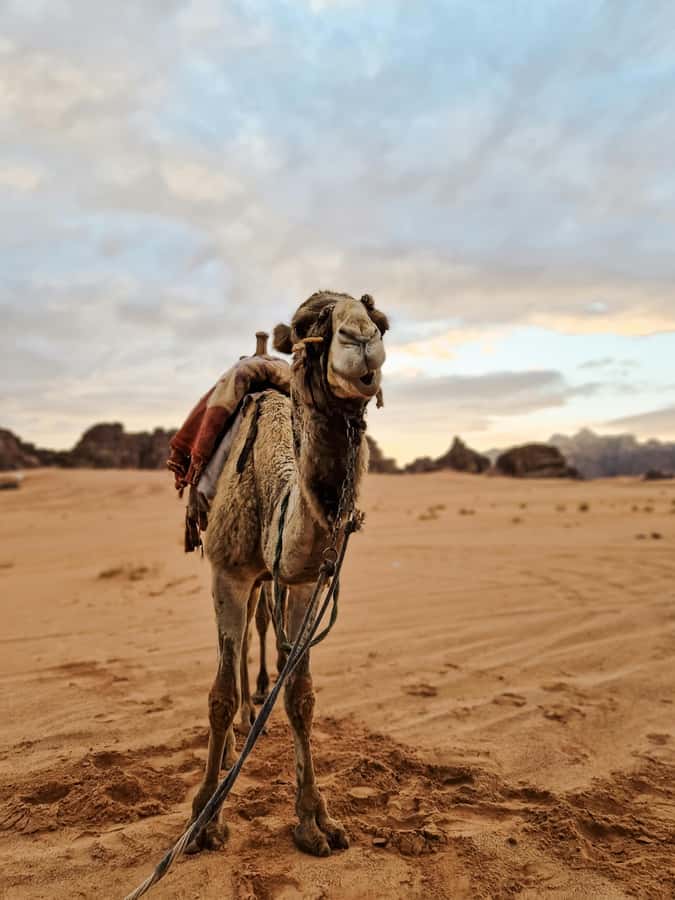
Book it if you want a high-contrast day: coastal caves at Sidi R’bat, Tiznit’s silver medina vibe, real craft workshops tied to argan and pottery, and dunes at the end of the day. I also think it’s a great choice if you like guides who connect what you’re seeing to everyday culture—names like Lahcen, Hicham, Omar, and Mohammed show up often as the kind of people you’d want behind the wheel and explaining the stops.
Skip or rethink it if you’re mobility-limited, wheelchair users, or you hate walking on uneven ground. Also, if you’re expecting a long camel adventure, adjust your mindset: you’re here for the dunes and the quick ride.
If you’re aiming for one memorable day outside Agadir with transport and lunch handled, this tour is a sensible bet.
FAQ
How long is the Agadir Sahara Desert day trip?
It runs for about 9 hours in total, from pickup to drop-off.
What does the price include?
You get hotel or cruise port pickup and drop-off, homemade lunch, a modern AC 4×4 vehicle, site visits as per the day’s plan, a driver and guide, and a short camel ride (about 5 minutes).
Where does pickup and drop-off happen?
Pickup is optional from your hotel or residence (including Taghazout, Tamraght, and Awrir options), depending on the selected option. Drop-off includes Port de Commerce, Taghazout, and Agadir.
What languages are the guides?
The live tour guide is available in English, French, and German.
Is there a vegetarian lunch option?
Yes. A vegetarian meal option is available if you request it in advance.
How long is the camel ride?
The camel ride is short, about 5 minutes, mainly as a fun photo opportunity.
What should I bring, and what’s not allowed?
Bring comfortable shoes, sunglasses, a sun hat, and sunscreen. Luggage or large bags and pets are not allowed.
Is it refundable if my plans change?
Yes. You can cancel up to 24 hours in advance for a full refund.