REVIEW · PARIS
Versailles Timed Entrance Ticket and Giverny Small Group Day Trip from Paris
Book on Viator →Operated by Blue Fox Travel - Blue Bike Tours - Paris · Bookable on Viator
Two icons of French taste, one long day. This small-group trip (max 8) strings together Monet’s Giverny gardens and guaranteed timed entry to Versailles, with a real guide so you’re not just wandering. The catch: the schedule is full, and you’ll be walking for much of the day.
I like that the transport is handled for you with an air-conditioned minivan from central Paris. You also get a guide-led rhythm that gets you to the big-picture moments fast, then leaves room to look around—especially inside the palace. And yes, I’m talking about the hall you’ve seen in photos, plus the garden details that made Monet famous.
From Giverny to Versailles in one day is ambitious. Still, if you want two bucket-list stops without the stress of planning ticket timing, this tour is built for exactly that.
In This Review
- Key things I’d plan around
- Central Paris pickup, air-conditioned van, and a tight 9-hour flow
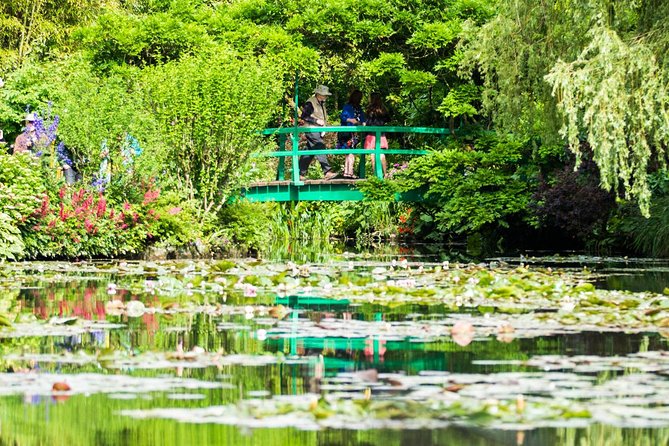
- Giverny first: Clos Normand, the footbridge, and Monet’s design choices
- Monet’s grave and the Sainte-Radegonde cemetery stop
- Versailles timed entry: Hall of Mirrors, palace highlights, and that one important hour
- The gardens and Marie-Antoinette’s village: the side of Versailles you actually feel
- How much time you truly get (and how to make it feel like more)
- Price and value: why $302.46 can still feel fair
- Guide style makes the difference: small group attention, stories, and pace control
- Who this day trip is for (and who should skip it)
- Should you book this Giverny and Versailles day trip?
- FAQ
- Is the Versailles entrance timed?
- How long is the tour and when does it start?
- How many people are in the small group?
- Do I need to buy tickets for Monet’s gardens and Versailles?
- Is food included?
- What walking level does the tour require?
- What is the minimum age?
- Can I cancel for a full refund?
Key things I’d plan around
- A max of 8 people means you’re not stuck in a crowd shuffle.
- Guaranteed timed entry to Versailles helps you avoid losing half your day to lines.
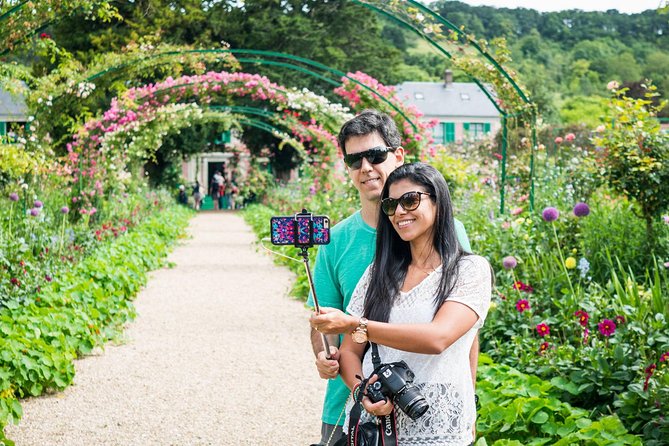
- Monet’s garden access is included, so you start with the pond and colors that inspired the paintings.
- A guide who points out what matters so you spend time on highlights, not random rooms.
- The day stays structured, with short, focused stops and one longer free window at Versailles.
Central Paris pickup, air-conditioned van, and a tight 9-hour flow
This starts in the morning in central Paris, with pickup at Dada12 on Avenue des Ternes (17th arrondissement). The tour runs about 9 hours and returns you to the same meeting point, which is a big deal if you’re trying to keep your travel day stress low.
You’ll ride in an air-conditioned minivan—practical in summer heat and a relief if you’re traveling with jet lag. The small-group size matters here too. With only up to 8 people, your guide can keep the group together, slow down when needed, and still move efficiently between sites.
One more thing I’d take seriously: the tour requires steady walking. The day is designed for people who can handle steps and outdoor walking even on hot days. If you get faint in the sun or have trouble keeping up, this likely won’t feel good.
You can also read our reviews of more tours and experiences in Paris.



Giverny first: Clos Normand, the footbridge, and Monet’s design choices
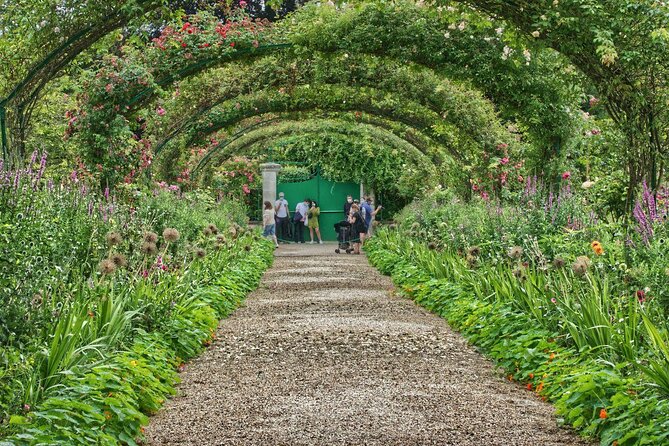
The day kicks off at Claude Monet’s world in Giverny, starting with the Clos Normand foundation—part garden inspiration, part living workspace. The time is focused (about 30 minutes per major garden segment), so your visit doesn’t drift. You’ll move through the flower areas that fed Monet’s eye, and you’ll learn how he used planting, color, and sightlines to create compositions you can still feel today.
Then you’ll reach the famous footbridge—the one that shows up again and again in Monet’s images. Expect time at the water lilies and the pond views, not just a quick photo stop. Standing there with the green bridge behind you, it’s easier to understand why Monet kept returning to the same motif. Your guide’s job is to help you see what you’d otherwise miss: how light shifts, how the water surface changes the look, and why the scene isn’t static.
After the pond and bridge comes the home life side of Monet. More than once, guides on this route emphasize how personal the place was—Monet didn’t just live there, he shaped it. The stop includes time in and around his spaces (around 30 minutes), where you get a better sense of his tastes and working world. In some departures, guides use visual aids to connect what you’re seeing to the art, which helps you translate the scenery into brushwork.
A practical tip: wear shoes you trust. Giverny’s grounds are pretty, but they’re also a lot of walking. If you’re prone to blisters, bring something you can treat on the spot.
Monet’s grave and the Sainte-Radegonde cemetery stop
After the garden experience, the tour shifts to something quieter and more reflective: the cemetery area linked to the church Sainte-Radegonde de Giverny. You’ll spend about 15 minutes here, guided to Claude Monet’s grave and the burial site of close family members.
This is brief by design, but it hits a meaningful note. It turns the gardens from a visual experience into a personal story—why these places mattered beyond aesthetics. If you’re the kind of person who likes context layered on top of artwork, you’ll probably appreciate this stop.
Versailles timed entry: Hall of Mirrors, palace highlights, and that one important hour
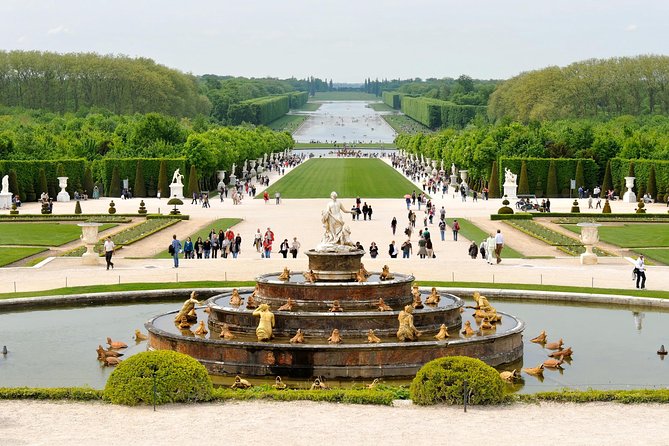
Versailles can overwhelm you fast. The palace is huge, the rooms multiply, and the crowds can make even a motivated visitor feel like they’re just getting pushed from one doorway to the next.
That’s where the timed entrance matters. You’re given a scheduled entry into the palace, which helps you start in a better state of mind. Instead of spending your arrival time stuck waiting, you get into the flow of the building while you still feel fresh.
Your guided time begins with the palace itself, including an overview that connects the site to France’s last queen and the political tension that fed the French Revolution. That context helps when you’re looking at portraits, ceremonies, and the grand symbolism of power. A common pattern with strong guides—like ones named in past groups including Lucy and Matthieu—is that they don’t just list facts. They point out what to notice so you can read the palace like a story.
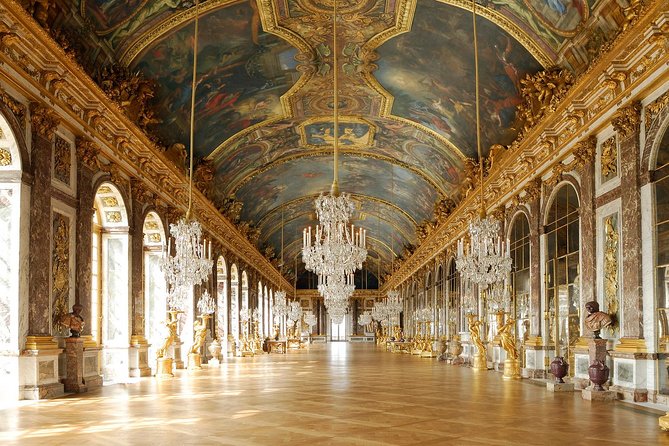
From there, you’ll see the Jardins du Chateau de Versailles area as part of the overall route, but you’ll also get your palace must-see: the Hall of Mirrors. The hall is handled with a short guided walk (about 15 minutes), long enough to take it in and learn why it became such a symbol of Louis XIV’s image of the state.
Then comes the part I consider the biggest value of this day: about one hour of free time inside the palace. You can use it your way. If you want photos, take them. If you want to slow down and stare at details, you can. If you want to re-hit a room you didn’t fully process during the first pass, this is the window to do it.
My suggestion for using that hour: pick 2–3 targets beforehand. Versailles rooms multiply quickly, and an unplanned hour can turn into aimless wandering. If you already know which rooms you care about most, the free hour becomes pure payoff.
The gardens and Marie-Antoinette’s village: the side of Versailles you actually feel
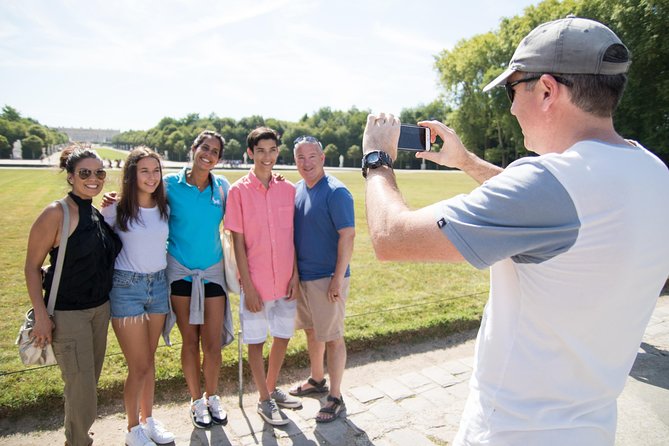
After the palace focus, you get time for the gardens around Versailles. This portion is about 30 minutes, which is just enough to see the French garden plan and the way it’s built to work as a perspective machine. In other words: it’s designed to look good from specific vantage points, and once you understand that, the symmetry starts to make sense rather than just look decorative.
Later, the tour includes Le Hameau de la Reine—the private village associated with Marie-Antoinette. You’ll have around 40 minutes here. This is the part of Versailles that surprises people who only expect royal seriousness. The village feels like a curated retreat: a fantasy of country life created for a queen. Even if you’re not deep into court history, it’s a refreshing change of pace from palace grandeur.
If you’ve ever wondered what Marie-Antoinette might have found relaxing in a world built on ceremony, this village stop gives you a tangible answer. And for many visitors, it’s the most peaceful-feeling part of the day, even though you’re still moving on a schedule.






How much time you truly get (and how to make it feel like more)
This itinerary is designed for momentum. Most major sight stops are around 15–30 minutes, then you get that longer timed window inside Versailles for your own pace. The overall duration is about 9 hours, and that includes transportation and transitions.
Here’s the trade-off: you get a satisfying highlight reel of Monet and Versailles, but you won’t have the kind of slow, room-by-room day that a dedicated two-visit plan offers. The upside is that you leave with clear impressions of the places you came for, not just photos and exhaustion.
So how do you make it work?
- Choose what you want most before you go: Monet gardens, Hall of Mirrors, the gardens, or the Queen’s village.
- Listen during the guided portions even if you’re tempted to speed ahead. A good guide helps you look smarter, not just faster.
- Use your free palace hour for confirmation, not discovery. Revisit what you loved most during the guided segments.
Guides like Marie (a name tied to excellent Monet-to-Versailles explanations on past departures) often shape this timing well—guiding you to what’s meaningful first, then freeing you to spend the rest of the time where you personally want to linger.
Price and value: why $302.46 can still feel fair
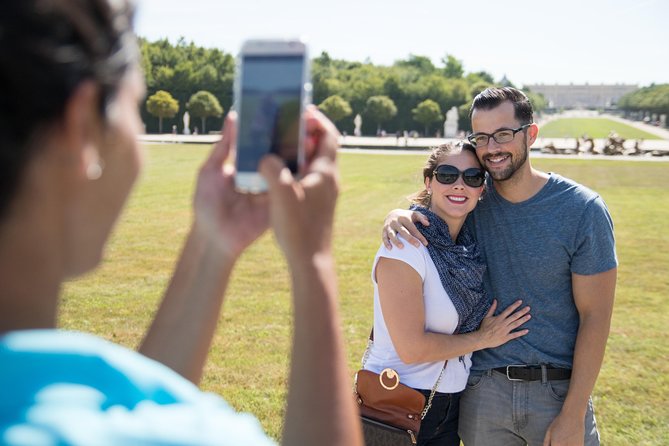
At $302.46 per person for a day trip, this isn’t a budget activity. But it bundles several expensive headaches together:
- Transport from central Paris and back in an air-conditioned vehicle
- A small group experience (max 8)
- Admission included for Monet’s garden area
- Guaranteed timed entry into Versailles
- Additional Versailles admissions tied to what you’ll visit during the day, including the palace ticket components that cover the gardens and Marie-Antoinette hamlet area
If you tried to replicate this yourself—buying tickets, arranging timed entry, figuring out the best order, and dealing with transit between places—the planning effort alone is often what makes people pay for a guided day.
One thing that’s not included is food. That matters for day-planning. You’ll want to budget for lunch on your own. On some departures, guides have helped set up meals in the area, but the day itself doesn’t include it.
My take: the price feels more reasonable if you value time savings and a guided explanation. If you love total independence and don’t care about losing time to lines, you might find cheaper ways to do it. But if you want the “both bucket-list stops in one day” payoff with lower stress, this is priced in the right zone.
Guide style makes the difference: small group attention, stories, and pace control
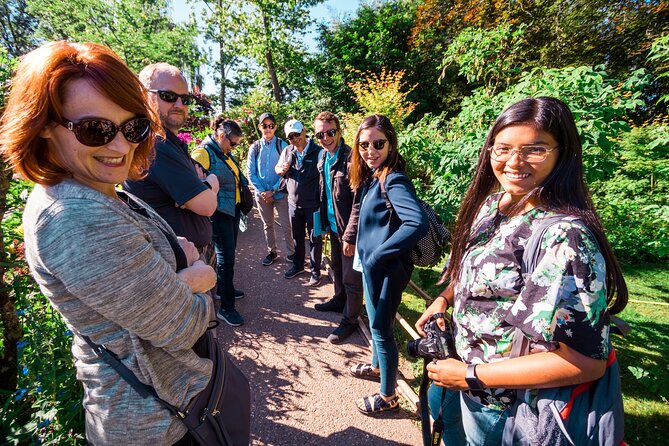
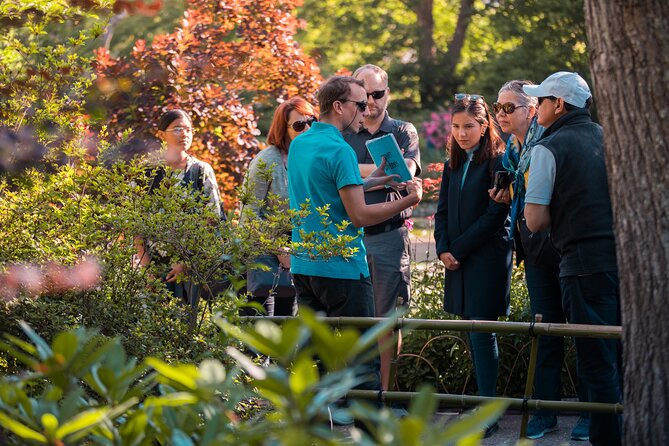
The quality factor here is the guide. With only 8 people, the guide can actually interact, answer questions, and adjust pace. In past departures, guides have been praised for being friendly, funny, and considerate—especially for people who move slower than the rest of the group.
Some guides on this route have used visuals to connect what you see at Monet’s garden to the paintings you recognize. Others have focused on linking Versailles rooms to the political and personal drama behind the scenes, including the scandals tied to the end of the monarchy. That matters because Versailles can become a blur of decoration if no one helps you interpret what you’re looking at.
There’s also logistics polish. Reviews mention guides managing logistics smoothly so the group got to the right places without chaos, and even handling rain with umbrellas on rainy days. The tour itself runs in all weather conditions, so being prepared with layers helps, but the overall plan doesn’t fall apart when the weather turns.
Who this day trip is for (and who should skip it)
This tour is a good match if you:
- Want Monet’s Giverny and Versailles in one day without spending your vacation on ticket logistics
- Like guided context for art and history, but still want time to wander
- Prefer small groups where the guide can keep an eye on the whole pace
It might not be a good match if you:
- Struggle with walking for long stretches or find heat makes you faint
- Want a leisurely, in-depth exploration of Versailles without strict time windows
Minimum age is 7, so it can work for families who can handle the walking and attention span of a full day.
Should you book this Giverny and Versailles day trip?
If you’re short on time in Paris and you want the two most famous “day trip” experiences to land cleanly, I’d book it. The combination is smart: Monet’s garden inspires your eye, then Versailles gives you scale and power, and the guide’s explanations help you connect both to the larger story of France.
I’d especially recommend it if:
- You don’t want to fight crowd timing at Versailles
- You’d rather pay for transport and admissions than piece it together yourself
- You like your history with practical pointers about what to actually notice
But go in with the right expectations. This is a full day with lots of walking and short guided segments. If you need slow and flexible, consider a two-day plan instead. If you want momentum and clear highlights, this one-day version does the job.
FAQ
Is the Versailles entrance timed?
Yes. You get a guaranteed timed entrance to the Palace of Versailles, which helps you avoid losing time at the gates.
How long is the tour and when does it start?
It starts at 8:00 am and runs for about 9 hours.
How many people are in the small group?
The group size is capped at 8 people.
Do I need to buy tickets for Monet’s gardens and Versailles?
No. Tickets for Monet’s garden and admission fees for Versailles (including the parts listed for the day) are included.
Is food included?
No. Food is not included.
What walking level does the tour require?
The tour requires that you can walk well, including on hot summer days. It is also described as operating in all weather conditions, so you’ll be outdoors.
What is the minimum age?
The minimum age is 7 years.
Can I cancel for a full refund?
Yes. There is free cancellation up to 24 hours in advance for a full refund.