REVIEW · BAYEUX
Normandy D-Day Tour From Paris
Book on Viator →Operated by LinkParis.com · Bookable on Viator
D-Day hits different when the day is paced by a real plan. This small-group Normandy tour runs from Paris to Bayeux by train and then strings together the major June 6 and post-landing sites in a way you can actually follow. You’ll get guide stories tied to the ground you’re standing on, and the set of guides behind this tour gets high marks for tightening the details into something you can remember.
I especially like two things: the cap of eight people, which keeps you close enough to ask questions at Omaha Beach and Pointe du Hoc; and the choice of standard or first-class rail when you book, so you can match comfort level to your budget. Guides like Julie, Lucas, Alex, and Sophie show up in feedback as standouts, with the kind of crisp explanation (and occasional good humor) that makes WWII feel less like a textbook.
One consideration: it’s a long day. You’re looking at an approximately 13-hour total stretch with early departures, a substantial walk at the coast, and time on the move between sites—so plan for comfort and expect some transit lulls.
In This Review
- What Makes This D-Day Tour Worth Your Time
- Paris to Bayeux by Train: Why It Feels Less Like a Chore
- Eight People Means You Can Actually Talk to Your Guide
- Plages du Débarquement: The Walk That Grounds the Whole Story
- Sainte-Mère-Église: A Village Turned into a Timeline
- Utah Beach: The First Landing and the Logic Behind the Beachhead
- Omaha Beach: Bloody Omaha and the Cost of Timing
- Pointe du Hoc: Where Rangers Climbed Straight into the Problem
- Arromanches-les-Bains and the Mulberry Supply Line
- Colleville-sur-Mer and the American Cemetery: The Moment That Sticks
- Price and Value: What $480 Buys You (and What It Doesn’t)
- When This Tour Fits Best (and When It Might Not)
- Booking Verdict: Should You Book This Paris to Normandy D-Day Tour?
- FAQ
- What is the tour duration?
- Where does the tour start and end?
- What time does the tour start?
- Is the tour in English?
- Is lunch included?
- How big is the group?
What Makes This D-Day Tour Worth Your Time
- Small-group focus (max eight): easier questions, better pacing, and more map talk right where you need it
- Paris-to-Normandy by rail: you skip the messy logistics of renting and driving yourself
- Major sites in one day: Utah Beach, Omaha Beach, Pointe du Hoc, and more in a logical route
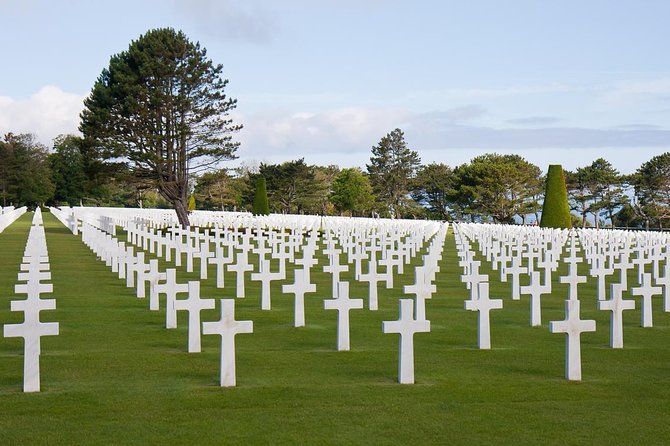
- A respectful finish at the American Cemetery: timing often works out for the taps ceremony and flag moment
- You’ll walk and listen: not just driving past memorials, but getting historical context at each key stop
- Good variety for WWII buffs and first-timers: from the beachhead story to what happened after
Paris to Bayeux by Train: Why It Feels Less Like a Chore
The day starts early, with a 6:30 am departure from Bayeux (and the tour’s core promise is that you travel between Paris and Bayeux by train). For me, the value here is simple: rail takes away the stress of navigating French roads at dawn, and it gets you oriented fast once you’re in Normandy.
You’ll also have a clear choice on the rail side: standard or first-class fare. If you’re someone who likes to arrive less wrung out, first-class can make the long day feel easier. If you just want the best deal, standard gets you to the same places. Either way, you receive mobile ticket access via email rail delivery, which tends to reduce day-of confusion.
The tour includes pickup and drop-off in Bayeux, but it does not include local transfers from your hotel in Paris. So if you’re staying in central Paris, factor in your own way to the train station early in the morning. It’s also a good idea to arrive with a little buffer, since missing a meeting point is the easiest way to lose the rhythm of a tight schedule.
You can also read our reviews of more tours and experiences in Bayeux.


Eight People Means You Can Actually Talk to Your Guide
Normandy tours come in two styles: watch from a distance, or ask questions and keep up with the story. This one is built for the second style. With the tour capped at eight travelers, you’re not shouting to be heard, and you can triangulate what you’re seeing with what your guide is saying.
This matters most on the “story heavy” stops, like Pointe du Hoc and the Omaha and Utah beaches. The guide’s job isn’t only facts—it’s translating the operation into something you can visualize: timing, terrain, and why a particular action mattered. In feedback, guides such as Julie and Lucas are praised for answering questions and adding both personal touches and regional context. Alex and Sophie are also singled out for strong English and a passion that helps the day land emotionally, not just intellectually.
Even on a full schedule, the small group setup makes it easier to ask, What would this look like from the other side? or, How did they think the landing would go? If you’re the type who likes to understand cause-and-effect, this format supports that.
Plages du Débarquement: The Walk That Grounds the Whole Story
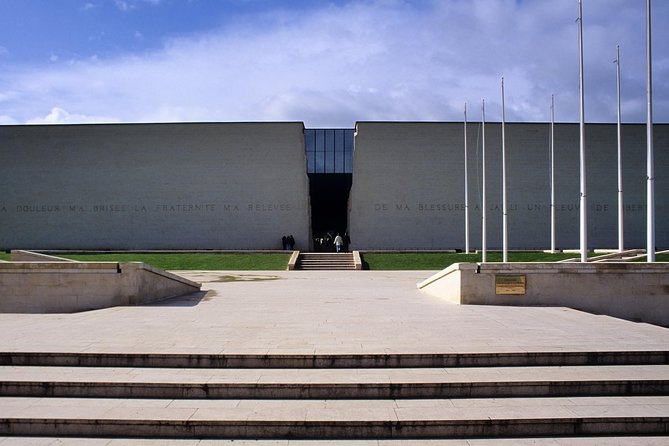
Your first stop is the D-Day coastline area (Plages du Débarquement de la Bataille de Normandie). Expect a substantial walk and historical talk along the way, not a quick drive-by. That walk is where the day turns from “I know the history” into “I get why this was so brutal.”
The point of the coastal portion is to help you map what you’re seeing to the invasion plan—how the coastline shaped movement, why certain positions mattered, and how the Allied strategy depended on seizing and holding ground quickly.
You also get a respectful visit connected to American remembrance and a visitor center stop here in the coastal segment. Later, the tour repeats the American Cemetery focus in more detail at Colleville-sur-Mer, so if you’re sensitive to repetition, don’t worry. The later cemetery visit is where you’ll get the full, specific layout and the most moving moments.
Practical tip: wear shoes you can trust on uneven paths. Even if you’re not doing a long hike, memorial terrain isn’t designed for flip-flops and optimism.
Sainte-Mère-Église: A Village Turned into a Timeline
At Sainte-Mère-Église, the story switches from beaches to air landings and the chaos before dawn. The big hook here is what happened to parachutists on the Cherbourg peninsula, including the famous incident where one airman ended up in the village square—left hanging from the church steeple.
This stop is short—about 30 minutes—but it’s high impact because it shows how D-Day wasn’t only a sea battle. It was a multi-pronged operation where small accidents and split-second choices changed local stories for the rest of the war.
What I like about doing this stop early in the day is that it sets expectations for the rest. When you later stand at Utah Beach and Omaha Beach, you already understand the “before and during” timeline: airborne drops, beachhead goals, and the urgent need to keep momentum.
Utah Beach: The First Landing and the Logic Behind the Beachhead
Utah Beach is where the tour explains the meaning of the landing site in a practical way: it was the first beach where Allies landed on the morning of June 6, and it mattered because it helped secure the Cotentin region and set up the deeper push toward Cherbourg and its deep-water port.
The stop is scheduled for about 30 minutes, with time to take in the scale and hear how soldiers faced the reality of days—not minutes. The figure used is striking: around 23,000 American soldiers at Utah over many days. That number shifts your view from D-Day as a single morning photo to D-Day as a long, grinding fight to stay alive and keep the supply line moving.
A key value here: Utah gives you a quieter baseline before the tour hits Omaha and the more famous “Bloody Omaha” narrative. If you need a moment to adjust emotionally, Utah is often that breather.


Omaha Beach: Bloody Omaha and the Cost of Timing
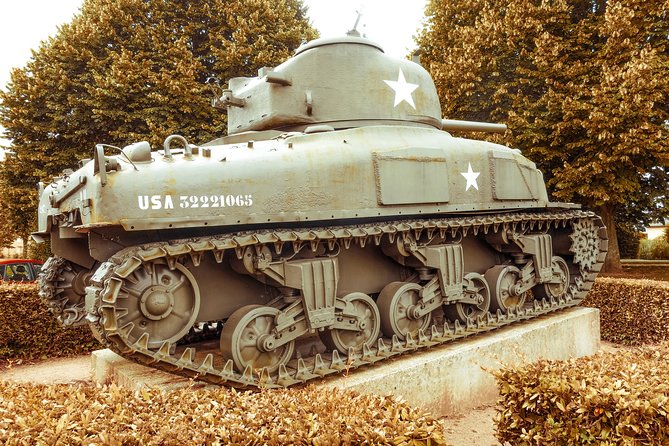
Omaha Beach is the stop people talk about for a reason. The story centers on how crucial it was as the link between Utah Beach and the British invasion sector, and how issues—mis-timed landings, foundered tanks, and a lack of focused artillery support—delayed the seizure of the important stretch of ground.
The tour frames why that delay mattered: the plan depended on progress by 7 a.m., but the reality ran far into the evening. That gap is what turns Omaha from a battlefield into a lesson about systems under stress—communication, coordination, and readiness all failing when the unexpected arrives.
You’ll spend about 30 minutes here, which can feel fast if you’re a slow reader. The upside of the small group is that you can ask for clarity without feeling lost. If you keep hearing the same words—beachhead, artillery, timing—ask your guide to connect them directly to what you’re seeing in front of you. It helps everything click.
Pointe du Hoc: Where Rangers Climbed Straight into the Problem
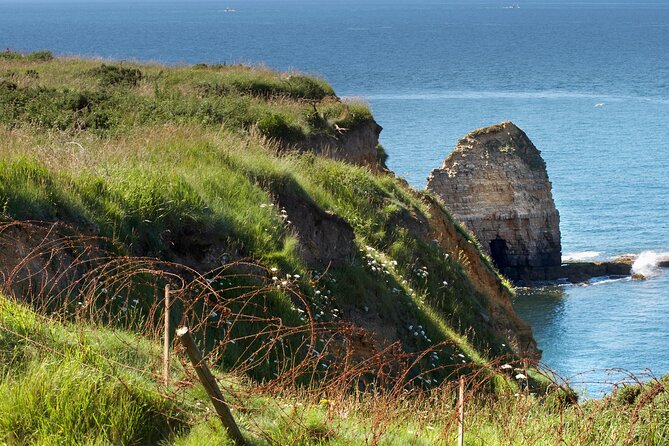
Pointe du Hoc is one of the stops that tends to feel almost cinematic. The setting is dramatic, with cliff terrain that forces you to think about vertical movement under fire. The tour explains the role of the Army Rangers and why this climb was “spell-binding” in the literal sense of capturing your attention.
The emotional core is the mismatch: the Rangers climbed upward into German gunfire, but they did not know the guns had been moved and concentrated in the same sector. It’s a brutal reminder that intelligence can be wrong on the worst possible day.
This is scheduled for about 30 minutes. Because the terrain is so specific, you’ll likely spend part of that time just looking out over the views and thinking about what the assault must have looked like from the enemy positions. Don’t rush the viewing point. This is one of those places where standing still helps the story land.
Arromanches-les-Bains and the Mulberry Supply Line
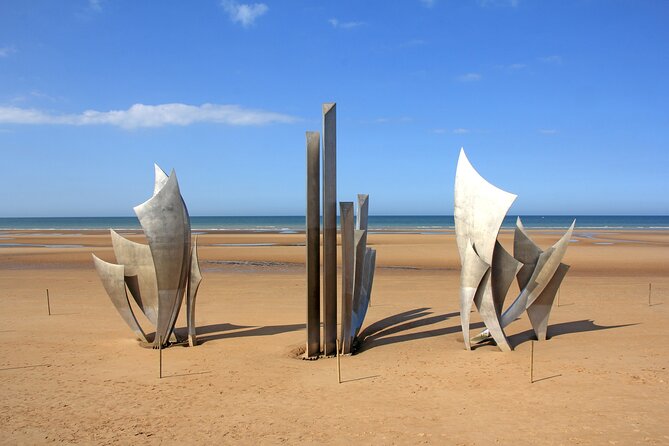
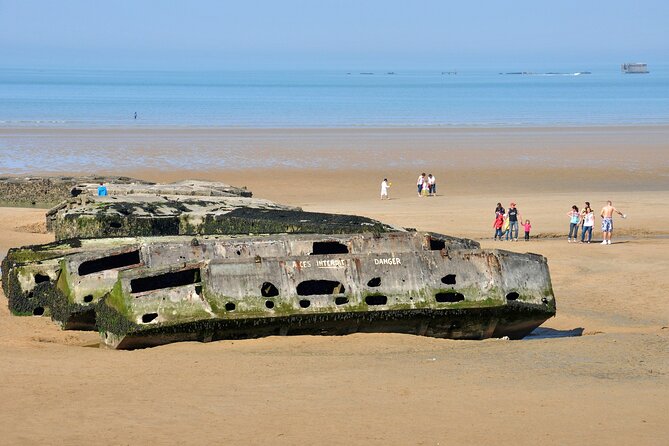
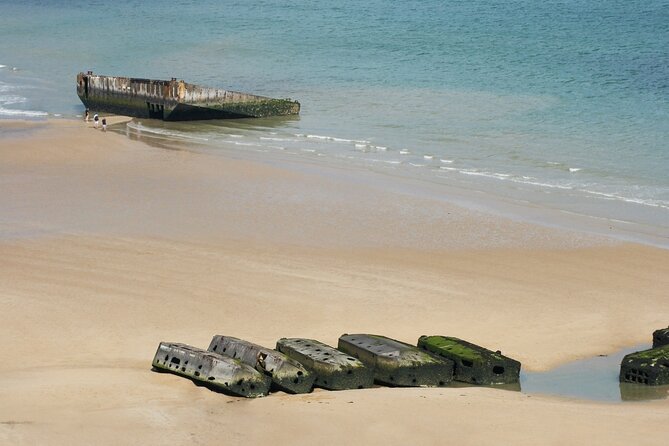
At Arromanches-les-Bains, the tour shifts to the engineering and logistics that made D-Day last past the first day. This modest town was a key foothold on June 6, and the tour talks about the Mulberrys—temporary harbor structures—and their remnants offshore.
The big idea is that rough seas had to be tamed enough for ships to anchor and keep the supply chain alive. You don’t need to be an engineering fan to appreciate this stop. It changes the day from only tactics and heroism to the quieter, essential truth: without supplies arriving, victories don’t hold.
Time here is around 30 minutes, so you’ll get context and time for a stroll, but not an all-day museum session. If you’re the type who wants to linger, consider leaving a small window for photos and then letting your guide finish the key explanation so you don’t feel like you missed the point.
Colleville-sur-Mer and the American Cemetery: The Moment That Sticks
Finally, the tour reaches Colleville-sur-Mer and the American Cemetery and visitor center. This is the stop with the strongest emotional weight, partly because it’s designed for remembrance and partly because the tour takes you to the layout you won’t see anywhere else.
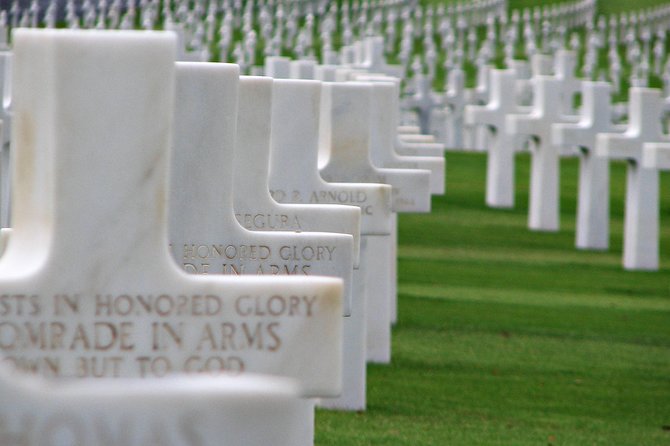
You’ll hear about the scale: the cemetery is 172 acres, run by the American Battlefield Monument Commission. You’ll also get specific mention of the Wall of the Missing, which is the kind of detail that makes your brain stop treating the war as a timeline and start treating it as individual losses.
Several guides have been praised for timing—one highlight from feedback is arriving for the taps ceremony and a flag-lowering moment. Even if you don’t catch every ceremonial element, the core value remains: this is where the day stops being a tour and becomes a tribute.
Schedule note: your day is built to get you back to your Paris rail connection, so this is not where you should plan a long, slow drift. If you have a strong reaction here, it’s okay. Just keep an eye on the group timing.
Price and Value: What $480 Buys You (and What It Doesn’t)
At $480 per person, this tour is not a cheap “drive-by” version of Normandy. The best way to judge value is to compare what’s included versus what it saves you.
Included highlights:
- Round-trip rail between Paris and Bayeux
- Pickup and drop-off in Bayeux
- Entry tickets listed as free for the stops
- A guided day with multiple major sites, paced for context
- Small group size (max eight), which is a real quality lever
Not included:
- Lunch
- Local transfers in Paris from your hotel
- Local transfers in general, since your rail takes care of the intercity piece
For the money, you’re paying for time and focus: getting from place to place by rail without wasting daylight on driving, plus having someone connect each location to the bigger operation.
If you’re the kind of traveler who wants more narration during the drive between sites, you should know the pacing can feel brief at some stops. One criticism was that some segments felt light on explanation and relied on self-exploration. The upside of small-group structure is that you can ask your guide to slow down or repeat key details—but you’ll want to speak up.
Lunch is the other variable. Because it’s not included, you’ll likely either pay for a stop meal you find on the day or bring your own plan before the tour starts. If you’re picky about food quality, treat lunch as a budget line item, not a reason to stop trusting your instincts.
When This Tour Fits Best (and When It Might Not)
This is a strong match if:
- You want the big D-Day landmarks in one day without driving yourself
- You prefer small-group attention rather than being a face in a crowd
- You’re a WWII fan who cares about how the plan broke down in specific places
- You like guides who use maps and photos to explain what you’re seeing
It might feel less ideal if:
- You want a long, museum-level experience at fewer sites
- You dislike days that run long with early wake-ups
- You expect constant narration in every transit moment (some parts can be more walk-and-see than talk-and-explain)
Good news: most feedback points to strong guide performance, with people praising both facts and human tone. Names that popped up for standout service include Julie, Lucas, Alex, Sophie, Mary Ellen, Eric, Brad, Victoria, and Elisa, with consistent mentions of English clarity and the ability to answer questions.
Booking Verdict: Should You Book This Paris to Normandy D-Day Tour?
Yes—if your goal is a focused, guided D-Day day that covers the essentials and ends with a proper remembrance moment. The rail-based structure, the max-eight group size, and the way the itinerary links beachlines, airborne stories, and the American cemetery make it feel like a complete circuit rather than a checklist.
I’d book it if you’re okay with:
- a long day starting early
- some walking on memorial terrain
- bringing your own lunch strategy since lunch isn’t included
I’d think twice if you’re a “need more guided talk at all times” type, or if you’re sensitive to long transfers between stops. In that case, consider a tour format that spends more time on fewer locations.
If you can go early, bring good shoes, and go in ready to listen (and ask questions), this is the kind of Normandy day that sticks in your memory for the right reasons.
FAQ
What is the tour duration?
The tour runs for approximately 13 hours.
Where does the tour start and end?
It starts at Bayeux (14400 Bayeux, France) and ends back at the same meeting point.
What time does the tour start?
The start time is 6:30 am.
Is the tour in English?
Yes, the tour is offered in English.
Is lunch included?
No, lunch is not included.
How big is the group?
The group is capped at a maximum of eight travelers.