REVIEW · PARIS
From Paris: Small-Group Champagne Day Trip with Six Tastings
Book on GetYourGuide →Operated by Blue Fox Travel · Bookable on GetYourGuide
Six pours in one day? Yes.
This Champagne day trip is interesting because it pairs Reims Cathedral and the Dom Pérignon story with two very different Champagne producers—so you see the region’s history and how the bubbles get made. I like the small-group feel (max 8) because it keeps the guide’s attention on you, and the tastings land with real context instead of feeling rushed.
I especially like the contrast: a family-run winery in the morning, then Nicolas Feuillatte later, where you get a sense of small craft vs. large-scale production. One drawback to plan for is the early start and long day—7 AM pickup means you’ll want a solid breakfast and you’ll need to handle lunch on your own.
In This Review
- Key things that make this trip worth your time
- 7 AM pickup from Paris in a small minibus
- Reims Cathedral: the crown city stop that makes Champagne feel connected
- Hautvillers Abbey and Dom Pérignon’s grave: the Champagne origin story in one place
- Épernay lunch time: a break in the schedule and a chance to buy supplies
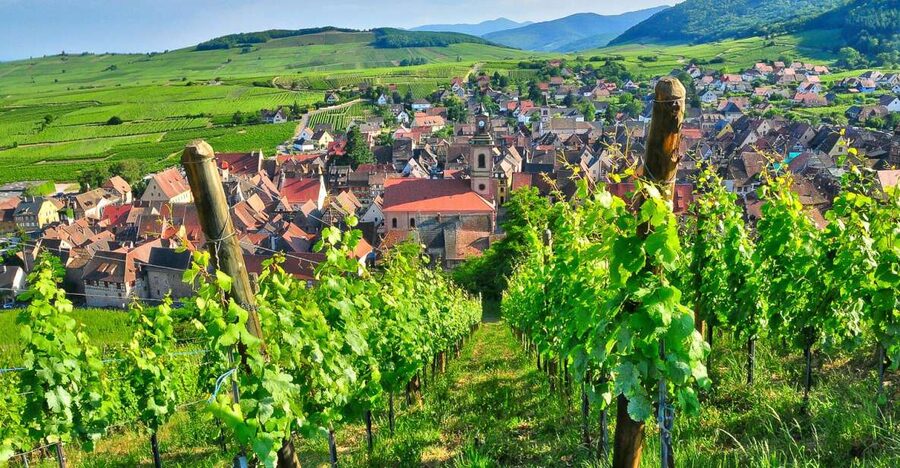
- Family-run winery: where you learn how Champagne grapes grow and get harvested
- Nicolas Feuillatte Champagne House tour: the scale, the systems, and the shine of modern production
- Six tastings you can actually use: what to pay attention to in your glass
- Guides, timing, and comfort: what matters on an 11-hour day
- Price and value: does $271 feel fair for Champagne plus Reims?
- Who should book this trip, and who might want to choose differently
- Should you book From Paris: Small-Group Champagne Day Trip with Six Tastings?
- FAQ
- What time does the tour depart from Paris?
- How long is the Champagne day trip?
- What is the maximum group size?
- Where is the pickup meeting point in Paris?
- How many tastings are included?
- Are food and lunch included?
- Is there a skip-the-line benefit?
- Is the guide available in English?
- Can I cancel for a refund, and is pay-later available?
Key things that make this trip worth your time
- Max group size of 8 keeps the day from turning into a bus tour
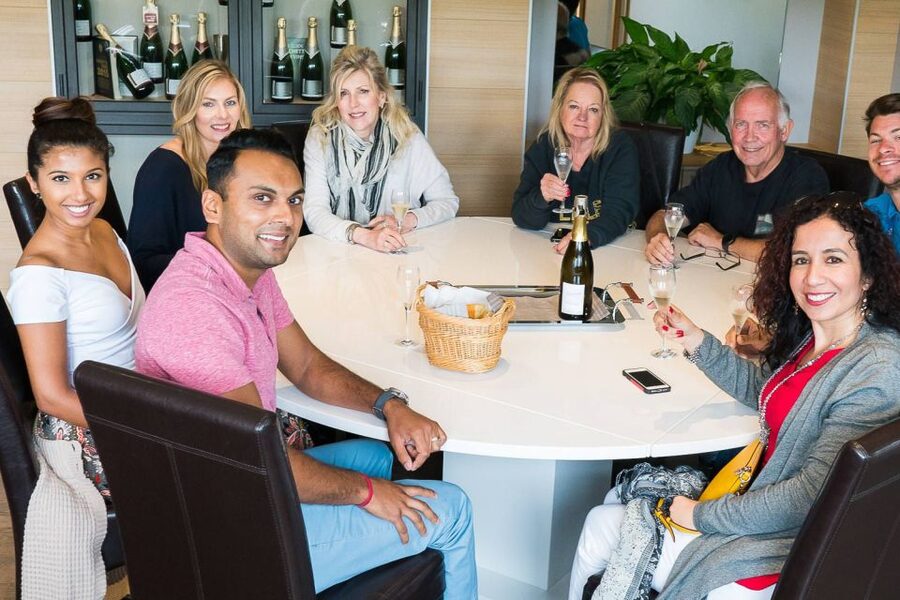
- Six Champagne tastings (three at each producer) teach you what changes in the glass
- Reims Cathedral stop adds the crown-city context behind Champagne’s fame
- Hautvillers Abbey + Dom Pérignon gives you the origin story in person
- Two producer types: a family-run operation plus Nicolas Feuillatte, the world’s largest Champagne producer
- English live guide with a history-and-process focus, including grape growing and harvesting
7 AM pickup from Paris in a small minibus
This is not a “sleep in and drift” day. The trip runs all year round and departs daily at 7 AM, so you’re leaving Paris early for the Champagne region. You’ll meet at Café Dada Ternes, and the driver-guide shows up with a grey minibus about 10 minutes before departure. Plan to arrive 15 minutes early so you’re not scrambling.
The payoff of the early start is that the schedule has room for actual stops, not just photo peeks. With a maximum of eight people, you don’t waste time herding around or waiting while everyone figures out where to stand. And since this is a guided day, you’re not left translating your way through tastings and architecture.
Practical tip: bring layers. Even in warmer months, the morning drive can feel cool, and you’ll be standing outside at a couple of key sights.
You can also read our reviews of more tours and experiences in Paris.

Reims Cathedral: the crown city stop that makes Champagne feel connected
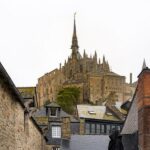
Reims Cathedral of Notre Dame is one of the defining examples of Gothic art, and it’s a striking first real-world landmark for the day. You’ll have about 30 minutes at the cathedral, plus additional free time to explore the area tied to royal ceremonies—25 French kings were crowned here.
What I like about adding Reims early is that it gives Champagne a “why it mattered” backdrop. Champagne didn’t become famous by accident. It became tied to ceremony, power, and prestige—exactly the kind of context you can feel in a place built for crowning moments. Even if you’re not a cathedral person, the scale and details hit fast.
Time reality check: you won’t do every chapel and every corner. But you’ll get enough time to enjoy the main interior impact and orient yourself around the space.
Hautvillers Abbey and Dom Pérignon’s grave: the Champagne origin story in one place
After the big Champagne house portion of the day, you’ll head to Abbaye Saint-Pierre d’Hautvillers. This stop is short—about 15 minutes—but it carries weight.
You’ll visit the chapel of the Abbey at Hautvillers, and this is also the gravesite of Dom Pérignon, often called the father of Champagne. Your guide will connect the man to the broader Champagne story, so you’re not just seeing a memorial—you’re learning how people in this region shaped what ended up in your glass.
I like this stop because it slows the day down for a moment of meaning. After tastings, it’s easy to treat Champagne like a product. Hautvillers brings you back to the human work behind it: grape growing, winemaking decisions, and the long timeline behind every bottle.
Épernay lunch time: a break in the schedule and a chance to buy supplies
You’ll get about an hour in Épernay for lunch. Food isn’t included, but this is a good window to eat something simple and keep energy up for the afternoon tastings. Past groups often use this time to grab something quick and then walk off the meal a bit.
Since you’ll likely want to return to shopping with a clear head, I recommend keeping lunch straightforward: a sandwich, a salad, or anything that won’t leave you heavy when you’re tasting later. You’ll also have a chance to wander around the Champagne center area, where the streets are basically built for people who love the stuff.
Practical tip: if you plan to buy bottles, keep your lunch stop in “light mode.” You don’t want to be carrying a heavy bag right after buying.
Family-run winery: where you learn how Champagne grapes grow and get harvested
One of the best ways to understand Champagne is to see it made at two different scales. The morning typically focuses on a local, family-run producer, where the vibe is personal and the pacing feels more human.
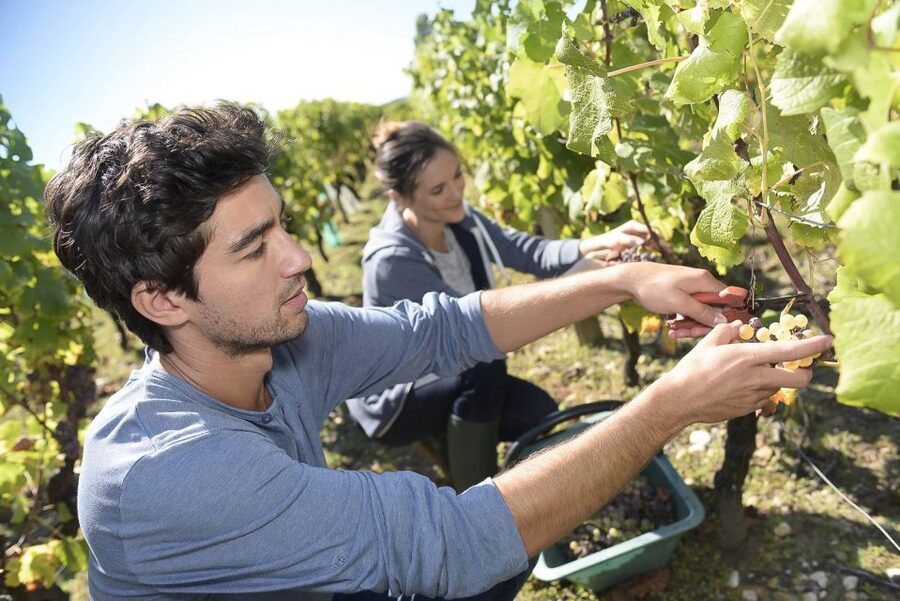
Here, you get a fully guided tour of the wine-growing process and how grapes are handled before they ever reach a tank. You’ll also learn different techniques for growing and harvesting Champagne grapes, which is key because Champagne isn’t just about bubbles. It’s about decisions made long before fermentation.
Then comes the tasting: you’ll enjoy three glasses of Champagne at this producer. Even if you’re not a “wine expert,” this part works because your guide can connect each pour back to what you just saw in the vineyard and cellar. And from what’s been shared about this kind of visit, you may even hear from the producer directly at smaller places—one owner named Élodie stood out for the way she explained things and for the fact that some bottles are not exported widely.
Value note: these tastings are not a single-note “cheers” moment. They’re structured enough that you can actually start spotting what changes between styles.
Nicolas Feuillatte Champagne House tour: the scale, the systems, and the shine of modern production
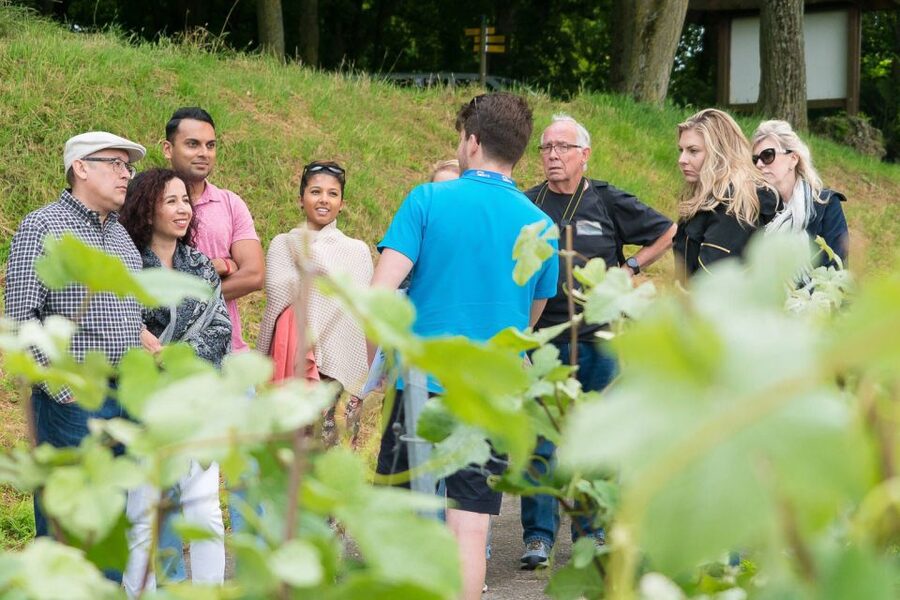
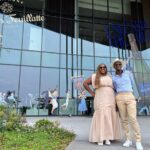
Later in the day, you shift to Nicolas Feuillatte, known as the world’s largest Champagne producer. That scale changes the feel immediately. The tour moves through how the operation works—from the behind-the-scenes process to how a modern Champagne house handles volume while trying to keep quality consistent.
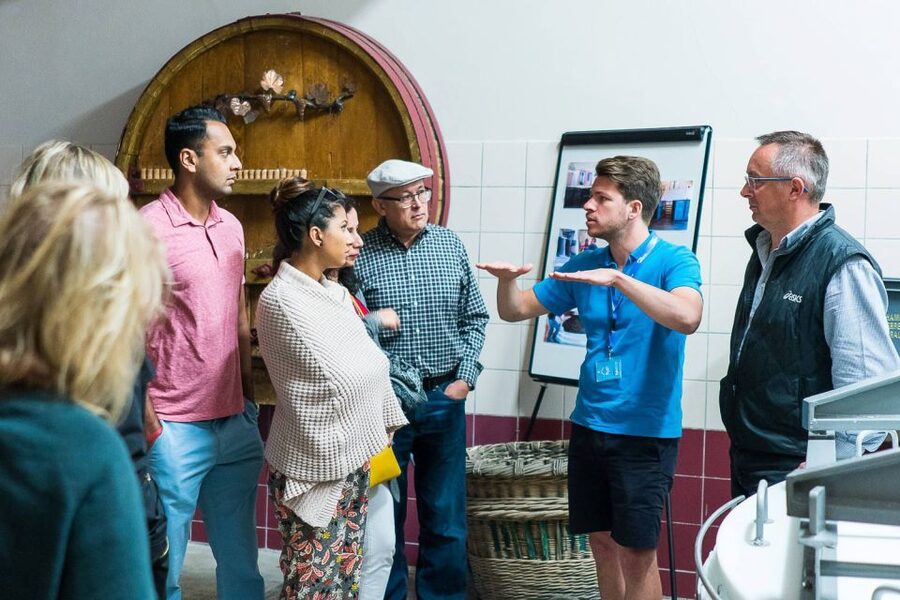
You’ll get a guided tour here, and it typically takes about 80 minutes. This is long enough to ask questions without feeling like you’re getting pushed through a checklist. In past groups, guides have brought the experience to life with history and with explanations of how Champagne gets from grape to bottle.
Then you taste again: three glasses of Champagne at Nicolas Feuillatte. This is where you can compare what you learned earlier. If the family-run winery is about hands-on decisions and local nuance, the big-house tasting is about consistency, blending approaches, and how large operations still aim for a signature style.
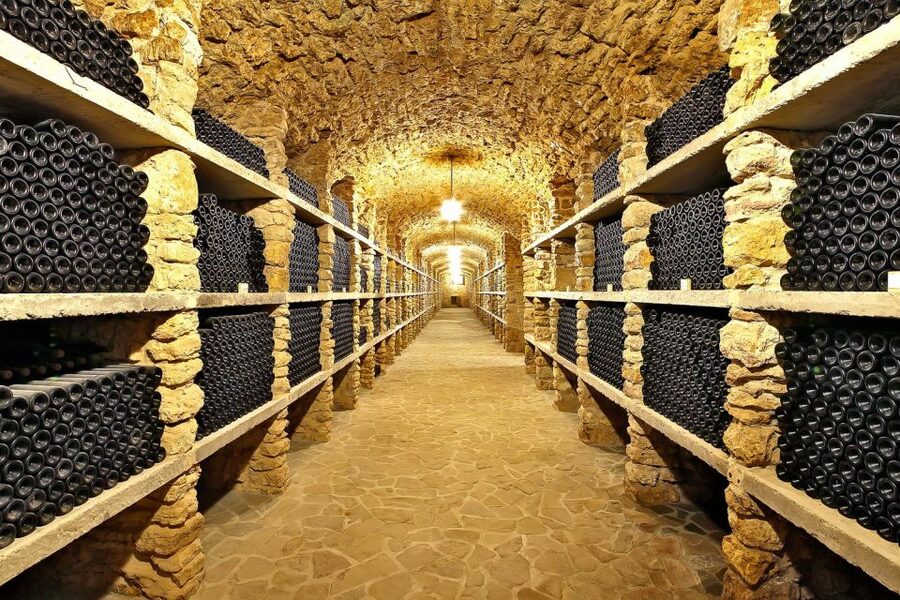
One more thing I like: you’re not just wandering through storage. You’re shown how the place functions, which makes the tasting feel earned rather than random.
Six tastings you can actually use: what to pay attention to in your glass
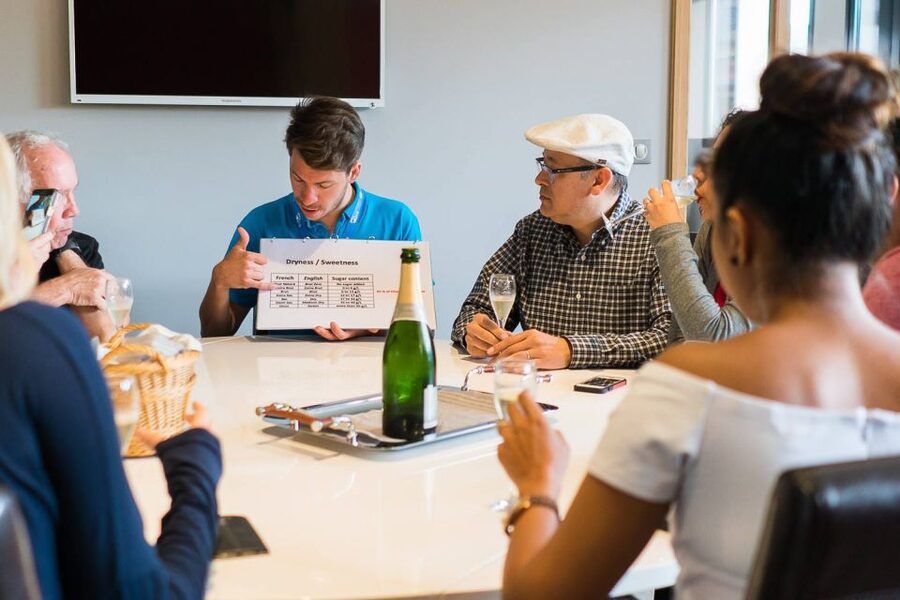
By the time you finish both producers, you’ll have had at least three different types of Champagne across the day, plus you’ll experience six pours total. That gives you enough repetition to notice patterns.
Here’s what I suggest you watch for, tasting-by-tasting:
- Style vs. process: if your guide talks about growth and harvesting, see whether the wine tastes leaner or richer
- Bigger house vs. smaller producer: don’t just judge “better.” Judge how the style shifts
- Balance: sparkling can hide sweetness or sharpness—try to note what feels dominant (citrus, toast, fruit, or minerality)
- Aroma first: take a slow sniff before you sip. It makes the comparisons easier
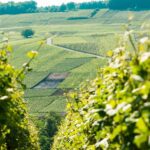
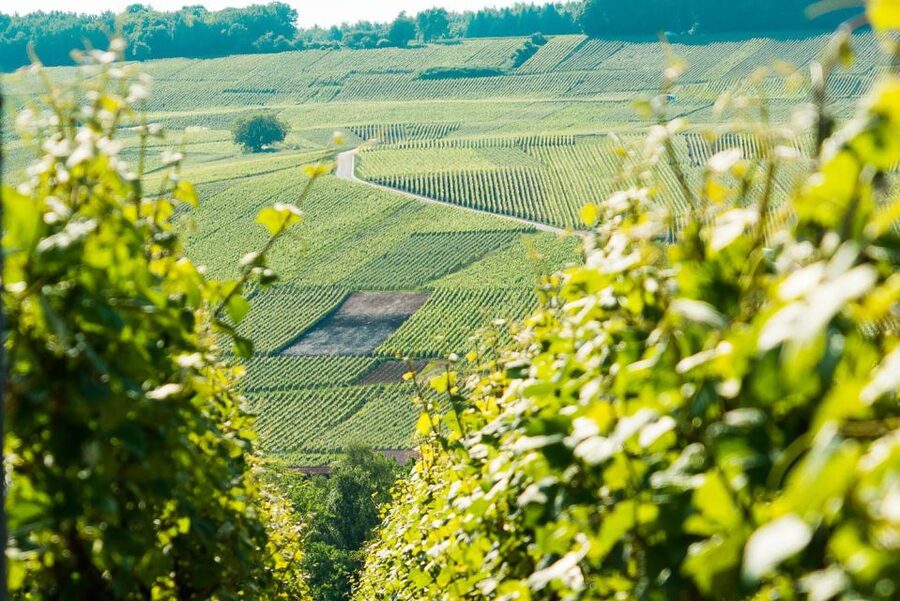
In one memorable kind of day, the guide also adds vineyard-side moments—like walking vineyard slopes and getting views across the Marne Valley area—so you connect the landscape to what you’re tasting. Even when you don’t get that exact bonus moment, you still end up with a clearer palate because you taste twice, at two producers, with real explanations.
Practical tip: you’ll be tasting multiple times, so keep your water up and pace your sips. If you buy bottles, save some space and plan how you’ll carry them back.
Guides, timing, and comfort: what matters on an 11-hour day
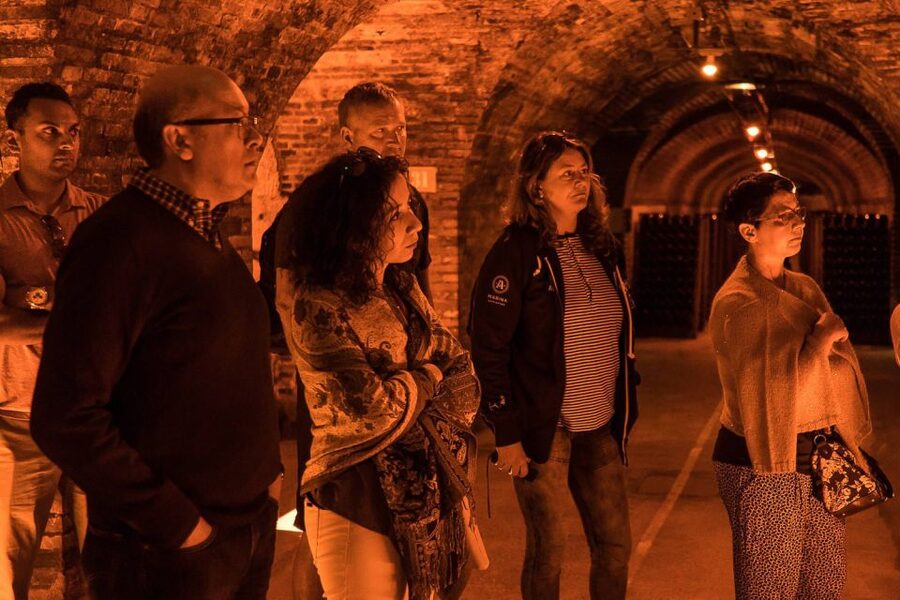
This trip lasts about 11 hours, and the schedule is tight enough that you feel it in your feet and patience. That’s normal. What helps is that the day is built around a small group, a live English guide, and pre-arranged stops.
Transport runs by minibus, and the comfort score is high—many people rate the ride as a strong point. Your driver-guide also handles navigation through the Champagne region, which matters because roads and timing can get tricky in a day packed with visits.
On the guide side, names come up often in the praise: Mathieu, Jean, Frankie, Thomas, Will, and Gabe are examples of guides who were singled out for history, friendliness, and keeping the day moving. There’s also a common theme of energy—like the way some guides manage to weave church architecture, Dom Pérignon context, and winemaking explanations into one smooth narrative.
Still, a word on timing: it’s an all-day outing. Don’t plan something important the same evening in Paris. Even if you return on schedule, you’ll be tired.
Price and value: does $271 feel fair for Champagne plus Reims?
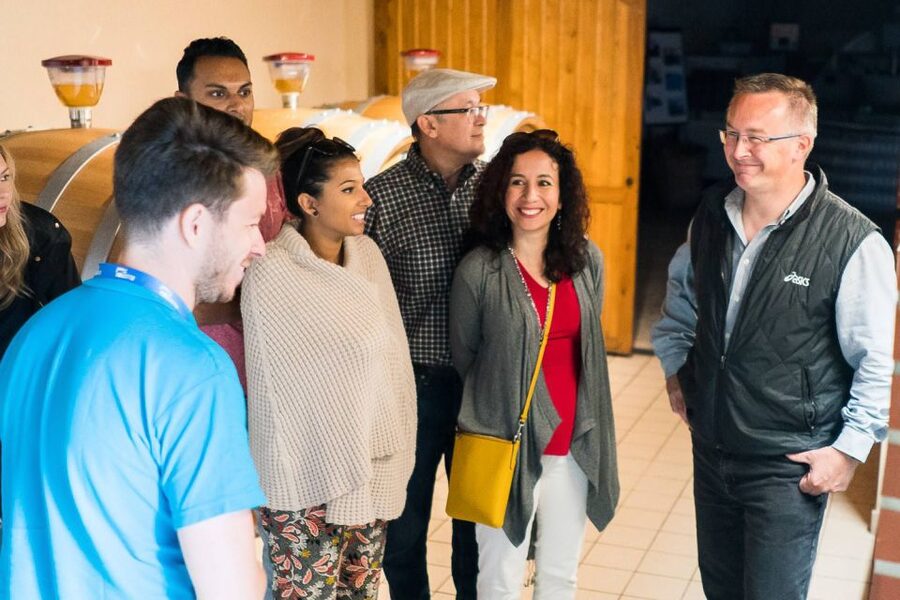
At $271 per person, you’re paying for a lot of built-in value: transportation from Paris, a guide, entrance to Champagne houses, two guided producer tours, and six glasses of Champagne (three at each location). You also get the Reims Cathedral visit and the Hautvillers Abbey stop with Dom Pérignon context.
Lunch isn’t included, so you should budget for your own meal in Épernay. That’s the one “extra” you’ll want to plan for.
Is it good value? For most people, yes—because you’re bundling:
- two distinct Champagne producers (family-run and Nicolas Feuillatte),
- multiple tastings with guided explanations,
- plus major sight time in Reims and Hautvillers,
all in a small group without having to figure out trains, shuttles, and timings on your own.
If you were to recreate this independently—driver, entrance fees, and tours—the cost usually climbs quickly, especially in a small-group setup.
Who should book this trip, and who might want to choose differently
This is a great fit if:
- you want a Champagne experience with real education, not just a tasting room
- you enjoy comparisons—small producer style versus a major house style
- you like history and want Reims Cathedral tied into the story
It might be less ideal if:
- you hate early starts and long days
- you want free time to wander without structure
- you’re very food-motivated and don’t want to pay for lunch out of pocket
If you’re a solo traveler, couples, or a small group of friends who want a guided Champagne day without planning stress, this format makes a lot of sense.
Should you book From Paris: Small-Group Champagne Day Trip with Six Tastings?
If you want a one-day Champagne hit that covers Reims + Hautvillers + two producers + six tastings, book it. The small-group size and the way the tastings are paired with process and history are what make it feel worth the money.
My call: do it if you can handle a long day and you’re okay paying for lunch. If you’re craving variety—both in sightseeing and in what’s in your glass—this trip gives you that in one clean package.
FAQ
What time does the tour depart from Paris?
The tour departs daily at 7 AM.
How long is the Champagne day trip?
The duration is 11 hours.
What is the maximum group size?
The tour has a maximum group size of 8 people.
Where is the pickup meeting point in Paris?
You meet at Café Dada Ternes.
How many tastings are included?
You’ll taste Champagne at both locations: three glasses at a family-run winery and three glasses at Nicolas Feuillatte (six glasses total).
Are food and lunch included?
No. Food is not included. There is a lunch stop in Épernay where you handle your own meal.
Is there a skip-the-line benefit?
Yes, there is skip-the-line access via a separate entrance.
Is the guide available in English?
Yes, the live tour guide is English-speaking.
Can I cancel for a refund, and is pay-later available?
You can cancel up to 24 hours in advance for a full refund, and there’s also an option to reserve now and pay later.