REVIEW · PARIS
Champagne Region Private Day Trip from Paris
Book on Viator →Operated by Best of France Tours · Bookable on Viator
Champagne tastes better with a real plan. This private day trip is built around the two major Champagne hubs—Reims and Épernay—so you get a guided crash course in how Champagne is made, plus tastings in famous cellars. You’ll also get that key comfort piece: round-trip private transportation from your Paris hotel or apartment.
I especially like the mix of visits: a major Champagne producer one morning, then another house in Épernay, plus a smaller grower stop that lets you compare styles. And I like how the guide sets everything up for you so you’re not juggling timing, tickets, or directions between cellar doors.
One consideration: the price is steep at $1,689.51 per person, and the tasting/entrance fees and lunch are extra. Also, the cellars run cold and damp with lots of stairs, so this is not the easiest day for kids or anyone with mobility limits.
In This Review
- Key points to know before you go
- Why Reims and Épernay are the smartest one-day pairing
- Private transport from Paris: comfort and time control
- Reims cellar time: seeing Champagne at the source
- Épernay and the house lineup: big names and arranged comparisons
- The Champagne-making story: what you’ll learn without wine-speak
- Lunch in the Champagne region: plan for own-expense meals
- Stairs, cold cellars, and who this day trip fits
- Price and value: is $1,689.51 per person worth it?
- How to get the day you want (customizable houses and tasting choices)
- Should you book it? My take
- FAQ
- What time does the Champagne day trip start?
- Where do they pick you up in Paris?
- How long is the tour?
- Are Champagne tastings included in the tour price?
- Which Champagne houses will I visit?
- Can I arrange a visit related to Dom Pérignon?
- What’s the lunch situation?
- Is the tour suitable for children?
- What’s the minimum drinking age?
Key points to know before you go
- Private door-to-door pickup in Paris means you start and end without transit stress
- Big house + smaller grower comparison helps you understand what changes in the glass
- Cellar tours use local cellar staff while your driver-guide gives commentary outside and coordinates inside
- Cold, damp chalk cellars mean pack warm layers (cellars can feel around 50°F/10°C)
- Optional extra moments can include Reims cathedral stops and Hautvillers/Dom Pérignon-related sites if time allows
- Tastings are not included, so budget for pours at each stop
Why Reims and Épernay are the smartest one-day pairing
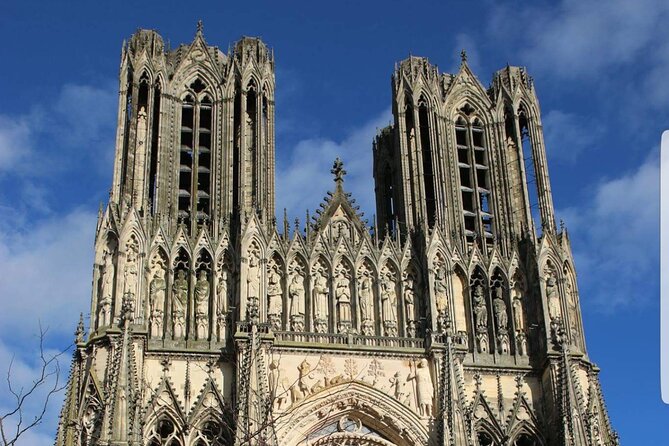
Reims and Épernay are close enough for a day trip, but different enough to keep the day from feeling repetitive. Reims is where Champagne history feels very tied to the region’s identity—especially when you add time for the cathedral and the broader story of the area. Épernay, meanwhile, is all about the iconic Champagne houses lined up along the Marne, with the famous underground chalk cellars doing their job of aging and storing.
In practice, doing both in one 10-hour day makes sense because Champagne isn’t just a product—it’s a system. Different houses, different vineyards, different blends, and different aging choices all show up quickly once you’re tasting in the right place, in the right temperature-controlled caves.
The day is also structured so you’re not wandering. Your guide helps you connect what you’re seeing (cellar process) with what you’re tasting (style and quality signals). If you want Champagne explained in plain language instead of wine-brochure language, this kind of itinerary is a strong fit.
You can also read our reviews of more tours and experiences in Paris.



Private transport from Paris: comfort and time control
This tour starts with pickup at your hotel or apartment in Paris (Airbnb-style places included). The start time is 8:00 am, and you’ll return to your accommodation after the day trip—so you don’t lose half a vacation day to trains, shuttles, and route confusion.
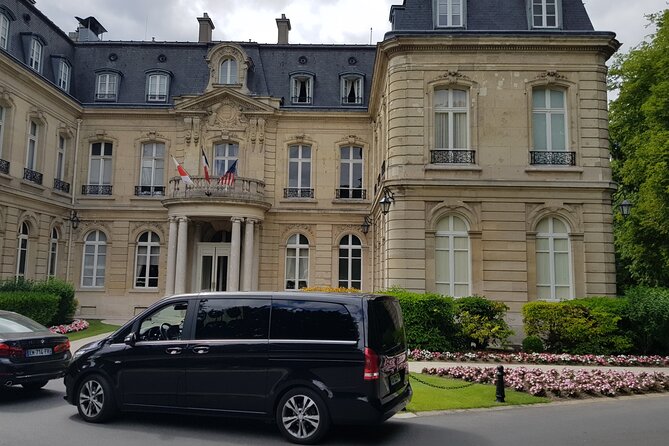
A private, air-conditioned minivan matters here because the schedule is cellar-heavy. You’re lining up appointments in multiple places, and timing is everything when you’re trying to get tours plus tastings done without rushing people through. The guide also rides with you and provides driving + commentary, which helps you use travel time for context rather than silence.
One small practical note: depending on your chosen houses and any optional stops, you may feel the day has a steady pace. If you want extra photo stops in the countryside, bring that up early with your guide, because the schedule is built around booked cellar time.
Reims cellar time: seeing Champagne at the source
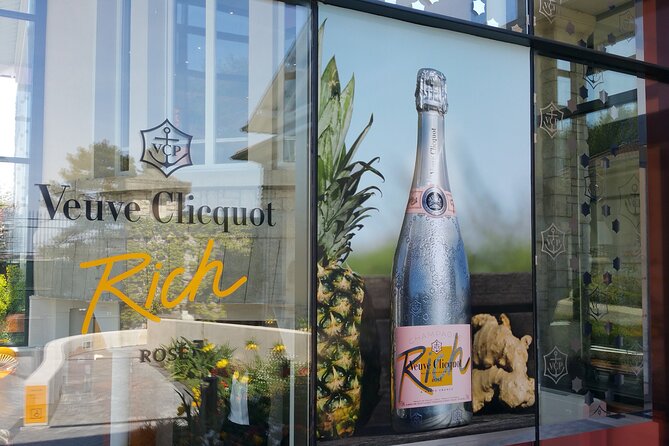
Reims is your morning anchor, typically with a visit to a large Champagne producer such as Veuve Clicquot, Pommery, or Ruinart (exact house depends on availability). In some cases, the day may swap which big house you get, and you may also see options for standard vs. high-end tastings.
Here’s what I think you’ll appreciate about Reims on this kind of tour: it’s a place where the brand story and the production story overlap. You don’t just hear marketing language—you get shown how the cellar environment supports aging, and you learn how Champagne-making steps connect to the final taste.
Two practical realities to plan for:
- Cellars are cold and damp. Expect layers to matter, even if the day outside is warm.
- There are lots of stairs inside the cellars, so comfortable footwear helps and you’ll want to pace yourself.
Tasting fees are not included. So even though the tour includes admission ticket-free entries in the schedule, you should still budget for tasting costs at each stop. If you want control over what you pay, ask your guide ahead of time what tasting options look like at the houses you’re visiting.
Épernay and the house lineup: big names and arranged comparisons
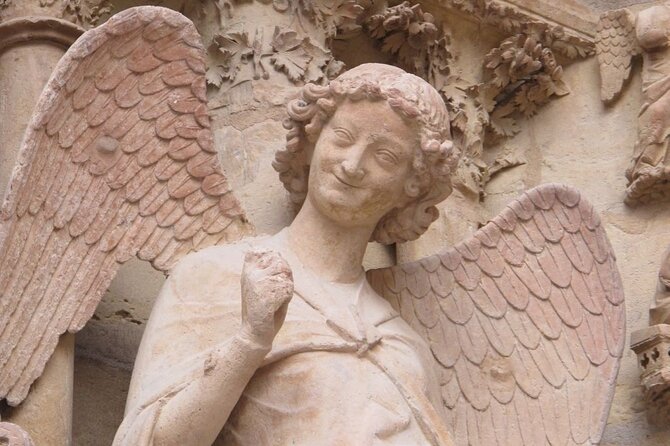
After lunch, you shift to Épernay for another cellar visit and another tasting—often including a well-known house such as Moët & Chandon (again, availability drives the exact choice). The goal is not just to drink more. It’s to give you enough contrast to start noticing patterns.
The tour is also designed to include a second type of Champagne maker: a smaller, less-known house. This is one of the most consistently praised parts of the experience, because it changes the feeling of the day. Big houses can feel polished and grand. Smaller producers can feel more personal and grounded in family or local vineyard habits.
That comparison is where a lot of value lives. You’ll see that Champagne can look similar in a tasting glass but be built from different priorities—how a house blends, how it ages, and what kind of style it aims for. It’s the fastest way to turn Champagne from a fancy label into something you can actually describe.
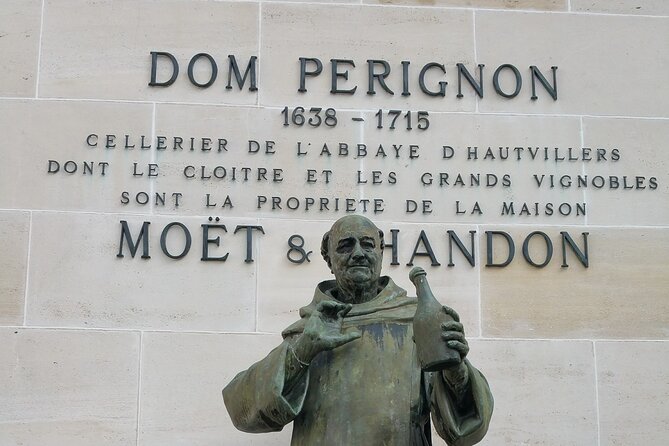
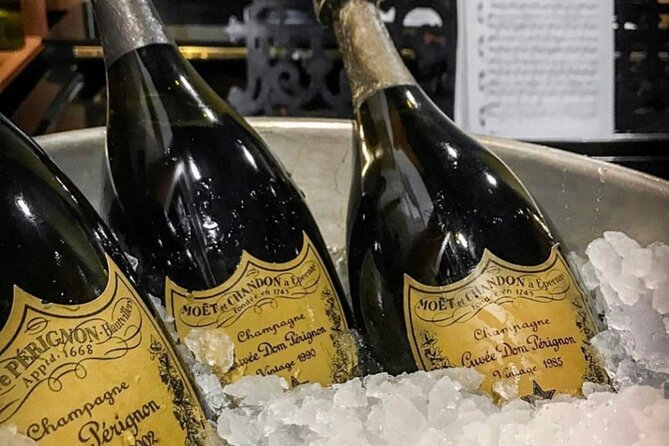
If you’re a total Dom Pérignon fan, private tours can be arranged, but that depends on planning and availability. It’s worth asking early if this is on your must-see list.
The Champagne-making story: what you’ll learn without wine-speak
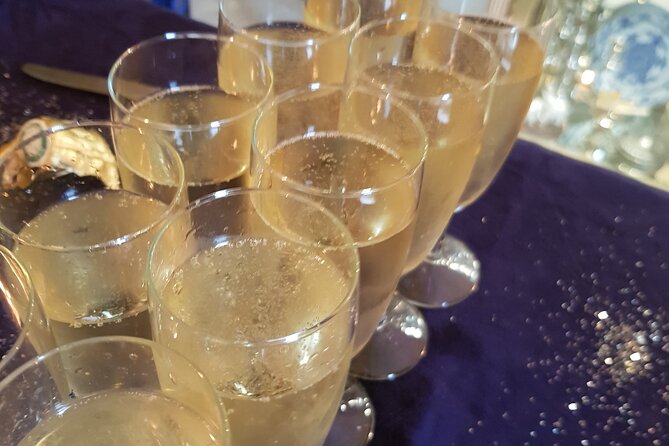
What makes this day work is the pairing of two layers:
1) your guide’s commentary during the day, and
2) the shared cellar tours and tastings at the houses.
Your driver-guide coordinates everything and stays with you for the overall flow. Then local cellar staff handle the inside tours. That split is helpful because local experts tend to focus on the practical production details while your guide keeps the day connected and understandable.
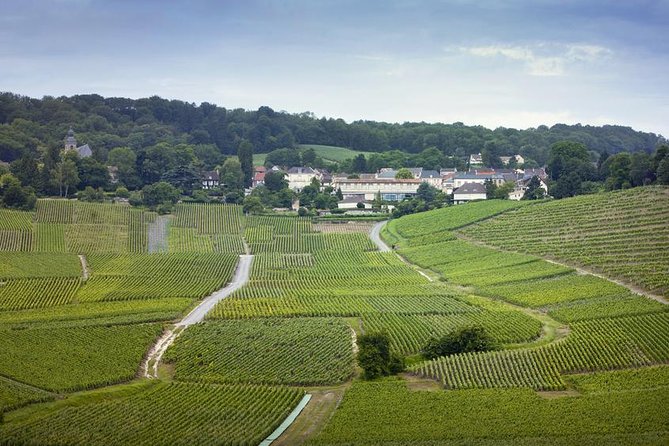
You’ll learn how Champagne gets from grapes to bottled bubbles—plus how the cellars support aging. The tours also give you a sense of why Champagne houses rely so much on chalk-cellar conditions (temperature stability, humidity, and quiet storage). You’ll likely hear how different cuvées, blend choices, and aging decisions lead to different tastes.
If you want an extra culture layer, the day can include bonus stops. With time permitting, you may stop at:
- Reims cathedral, tied to the coronation history of French kings
- Hautvillers, where Dom Pérignon is buried
Some days also include smaller church stops related to Dom Pérignon sites, depending on your timing.




Lunch in the Champagne region: plan for own-expense meals
Lunch is your own expense. The tour can handle a reservation at either a typical French bistro or a higher-end regional restaurant, and the guide usually picks based on the day’s schedule.
This is a practical area to manage expectations. Lunch is not included in the tour price, and dietary requests may require extra coordination with the restaurant staff. If food restrictions are a must, message your guide clearly before the day and confirm what can actually be prepared.
Also: since you start early (8:00 am pickup), it can help to be realistic about breakfast. On some days, the guide may stop for a quick breakfast before the first tasting if you haven’t eaten. Don’t assume it’s guaranteed, but it’s a smart heads-up to bring up during your planning.
Stairs, cold cellars, and who this day trip fits
This tour is not a good fit for children, and it isn’t ideal for anyone who struggles with stairs. The cellars are generally cold and damp around 50°F/10°C, and the walking/steps inside can be substantial.
If you’re going, here’s how to set yourself up:
- wear warm layers you can keep under a jacket
- use shoes you trust on steps and uneven floors
- pace yourself at the start, not halfway through
If you’re in good mobility shape and you’re excited by the idea of tasting Champagne in the real aging environment, you’ll probably love it. If you’re coming with mobility concerns, ask about alternatives before you commit.
Minimum drinking age is 18, so it’s also adult-focused by design.
Price and value: is $1,689.51 per person worth it?
At $1,689.51 per person for a private day trip, this isn’t a budget option. The value comes from what you’re buying: time saved, door-to-door pickup, and a day built around booked cellar experiences rather than self-driving and improvising.
Here’s what the price covers:
- pickup and drop-off from your Paris accommodation
- a private licensed guide (including driving + commentary)
- private transportation in an air-conditioned minivan
Here’s what usually costs extra:
- tastings/entrance fees at each Champagne house
- food and drinks (including lunch)
- gratuities
So the “worth it” question depends on your priorities. If you want:
- a private guide to handle the house lineup
- the big-house vs grower comparison
- comfortable logistics and minimal stress
…then the price starts to make sense. If you’re more price-sensitive and happy to DIY, you’ll likely find cheaper ways to visit Champagne. But you’ll spend more energy coordinating, and you may not get the same smooth timing between tastings.
The most convincing value signal in the day’s structure is that smaller producer stop. People often remember that comparison as the moment the tour stopped being just a brand tour and became a real understanding of style.
How to get the day you want (customizable houses and tasting choices)
This is a private tour and fully customizable. If there are specific houses you care about, tell your guide before the day so they can build the best lineup around availability.
A smart planning approach:
- Decide whether you want standard or high-end tastings at the first house
- Choose how much you want to spend on tastings so you’re not surprised when fees are added
- Ask for the balance you want: big house first for polish, smaller grower for the personal feel
Photo stops are the other thing to manage. The day is scheduled around cellar appointments, so you may not have unlimited time for roadside photos. If a vineyard view is important to you, ask early for a couple of realistic opportunities.
Finally, keep communication clear about drinking and food needs. Minimum drinking age is 18, and lunch/diet handling depends on the restaurant’s ability to adapt that day.
Should you book it? My take
Book this Champagne private day trip if you want an adult-only, structured day that explains Champagne while giving you real contrast: one or more famous houses plus a smaller producer. The best part is the mix—big brand depth in the morning and a more intimate comparison stop later—wrapped in private transport and a guide who can adapt to what you care about.
Skip it or reconsider if:
- you can’t handle lots of stairs or the cold, damp cellar environment
- you want everything priced in (tastings and lunch are extra)
- you’re looking for a laid-back, stop-when-you-feel-like-it style day rather than an appointment-driven plan
If you fall in the first group, this is the kind of Champagne day that turns the bottles you buy after into something you actually understand.
FAQ
What time does the Champagne day trip start?
It starts at 8:00 am, with pickup from your hotel or apartment in Paris.
Where do they pick you up in Paris?
Pickup is from your accommodation in Paris only (hotel or apartment, including Airbnb). They don’t pick up outside Paris.
How long is the tour?
It’s about 10 hours.
Are Champagne tastings included in the tour price?
No. Entrance/tasting fees are not included. You’ll pay for tastings at the Champagne houses.
Which Champagne houses will I visit?
You may visit major houses depending on availability, such as Mumm, Pommery, Taittinger, Ruinart, Moët & Chandon, or Veuve Clicquot. The tour also includes a visit to a smaller, less-known house of Champagne.
Can I arrange a visit related to Dom Pérignon?
A private tour of Dom Perignon can be arranged, depending on availability and timing.
What’s the lunch situation?
Lunch is not included. Your guide can arrange lunch at either a French bistro or a fine restaurant, and it’s own expense.
Is the tour suitable for children?
It’s not recommended for children, and the tour is also not suitable for those who have difficulty navigating stairs due to lots of stairs inside the cellars.
What’s the minimum drinking age?
The minimum drinking age is 18.