REVIEW · PARIS
Champagne Day Trip from Paris with 8 Tastings & Lunch
Book on Viator →Operated by My Winedays - Wine Passport · Bookable on Viator
Champagne in a single day is a cheat code. This small-group trip pairs 8 tastings with a family-run lunch and real how-it’s-made lessons, plus it actually gets you out into the vineyards east of Paris. The trade-off: it is a long day, and you’ll spend a chunk of time riding in the van.
I especially like the small group size (max 8 travelers). It makes the guide interactions feel more personal, and it also means you can ask actual questions about things like Blanc de Blancs vs Blanc de Noirs and where rosé fits into the Champagne story. One drawback to plan for: the tour can run late in the evening, so don’t schedule anything important right after you get back to Paris.
If you want your Champagne day trip to feel hands-on—not just sip-and-sit—this is built for that. You’ll visit big-name-style houses when availability allows, plus a cooperative or family estate, and you’ll leave with a lot more language and structure for tasting.
In This Review
- Key things I’d circle before you book
- Champagne Day Trip From Paris: What You Actually Get for the Day
- Small-Group Logistics: Hotel Pickup, Van Time, and When Your Day Ends
- Starting Off Right: Croissants, Quick Paris Sights, and a Real-World Schedule
- Reims and Notre-Dame de Reims: A Short Stop That Makes the Whole Region Click
- First Tasting Stop: Big Champagne Houses and the Cellar Tour Experience
- The Vineyard Drive Between Reims, Ay, and Épernay
- Family-Run Lunch Paired With Champagne: Where You Learn to Taste Like a Pro
- Cooperative or Smaller Estate Visit: The Other Side of Champagne
- Your 8 Tastings: What You’ll Be Able to Explain After the Last Glass
- What to Wear, What to Bring, and How to Keep the Day Comfortable
- Value for $353.72: Why This Can Be Worth It (Even If You Could DIY)
- Who This Tour Fits Best
- Should You Book This Champagne Day Trip From Paris?
- FAQ
- How long is the Champagne day trip from Paris?
- How many people are in the group?
- Is hotel pickup included?
- Where do you get dropped off at the end of the tour?
- How many Champagne tastings and tastings styles are included?
- Is lunch included, and is it paired with Champagne?
- What language is the tour offered in?
- What should I bring for cellar visits?
- What’s the minimum legal drinking age?
Key things I’d circle before you book
- Two styles of Champagne producers: a major house visit plus a co-op or family-run estate stop
- At least 8 different tastings with guided explanations of how to tell styles apart
- Traditional lunch paired with Champagne in a family-run setting
- Vineyard drive through key areas like Montagne de Reims, Côte des Blancs, and Vallée de la Marne
- Cold cellar reality check: caves are usually around 10°C, so bring a layer
Champagne Day Trip From Paris: What You Actually Get for the Day
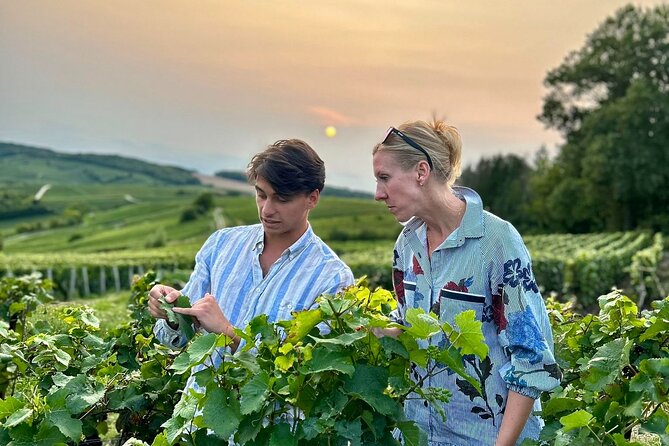
A lot of Champagne tours promise education and deliver mostly chatter. This one is different because it’s structured around the real steps: the vineyards, the grape types, and the méthode champenoise logic you can connect to what’s in your glass.
You’ll start with a short ride from central Paris with quick context on Champagne heritage and the region. Then you’ll move between tasting rooms, cellars, and estate settings where people explain what makes their bottles different. And yes, you also get the feel of the region: not just a single cellar visit, but a drive through the Champagne belt between Reims, Ay, and Épernay.
The big value is that you don’t leave guessing. By the end, the tour is specifically built so you can answer practical wine questions, like what Blanc de Blancs and Blanc de Noirs mean, how rosé is made, whether Grand Cru and Premier Cru exist in Champagne, and what the idea of terroir means here.
You can also read our reviews of more tours and experiences in Paris.


Small-Group Logistics: Hotel Pickup, Van Time, and When Your Day Ends
This is a max 8 people tour, and you can feel the difference right away. Instead of merging into a crowd, you move through the region with a driver-guide who can actually keep track of questions, timing, and what you’ve already learned.
Pickup is offered in central Paris and at your hotel or apartment address within Paris. You get an exact pickup time sent about 24 hours before, and you’ll travel by air-conditioned minivan—a genuine comfort win if you’re going in hot weather or chilly spring/fall.
Do plan for van time. The region is not next door to Paris, and the tour is about 11 hours total. One review note that matches the reality: it’s easy to go from early morning pickup to a central Paris drop-off around early evening, so you’ll want dinner plans that flex.
Also keep expectations clean: the exact schedule and which houses you visit can shift with season and supplier availability. In other words, don’t assume you’ll get the exact same lineup every day.
Starting Off Right: Croissants, Quick Paris Sights, and a Real-World Schedule
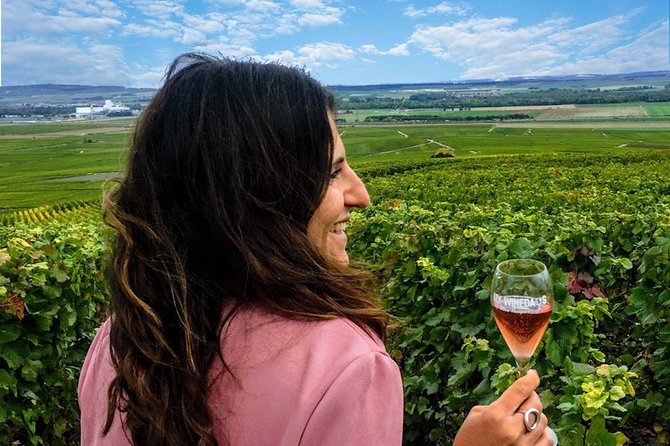
The morning start matters more than people think. The tour includes small breakfast-style attention during pickup/drive, like a flaky croissant handed out for the road in at least some runs. It’s not a full breakfast replacement, though—you’ll still feel better if you eat something beforehand, especially since lunch isn’t instant.
On the way out of Paris, you’ll travel along major historical monuments in the city before heading east. That gives you a quick sense of how far you’re going without turning the trip into a long lecture.
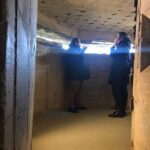
One practical tip you’ll thank yourself for later: cellars are cold. Bring a warm layer even in mild weather. One note is very direct—cellars and wine caves are typically around 10°C (45°F) and damp.
Reims and Notre-Dame de Reims: A Short Stop That Makes the Whole Region Click
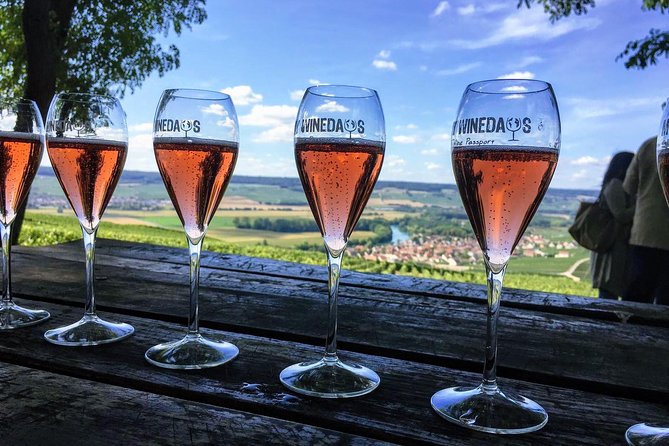
Reims isn’t just a name on a bottle label. It’s one of the cultural centers of Champagne, and it helps connect what you’re learning to what you see.
You may stop in Reims for about an hour, with admission listed as free for that city stop. Depending on itinerary and weather, there can also be a quick visit at Cathédrale Notre-Dame de Reims for around 15 minutes, again listed as free.
This is the kind of stop that works even if you’re not a huge cathedral person. It’s quick, it gives context, and it makes your later tasting feel less abstract. You’ll also have a chance to orient yourself geographically: Reims is the hub area you’ll keep hearing about once the drive starts through the Champagne hills.
First Tasting Stop: Big Champagne Houses and the Cellar Tour Experience
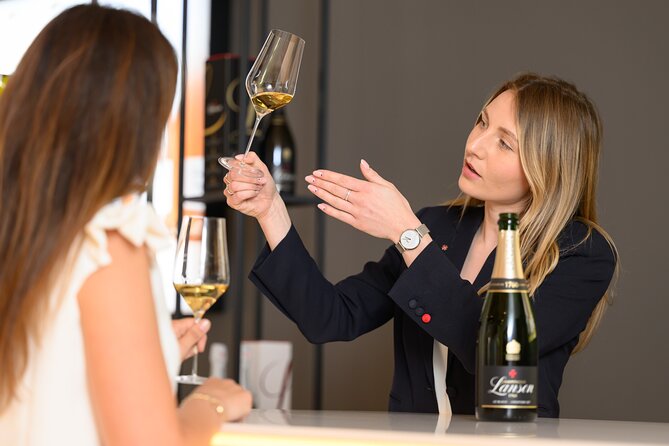
Your first major producer visit is where the day often feels most cinematic. Depending on availability, you might visit a well-known Champagne house such as Moët & Chandon, Veuve Clicquot, Mumm, Lanson, or Nicolas Feuillatte.
What I like here is the combination of access and education. You step inside cellars and guided tours take you through galleries where the storage and aging logic makes sense. Then you reach the tasting portion at the end of the visit, with your guide tying the flavors back to production.
A real-world detail from guides: you’ll get “how Champagne is made” explanations that connect with actual terms you’ll hear throughout the day—grape roles, the method, and what you’re tasting. Some guides also add extra touches in the van, like bottled water for the group, and reviews mention croissants as part of the morning feel.
If you care about the prestige side of Champagne—big cellars, polished presentations, the historical brand story—this stop is the bridge between Champagne-as-luxury and Champagne-as-craft.

The Vineyard Drive Between Reims, Ay, and Épernay
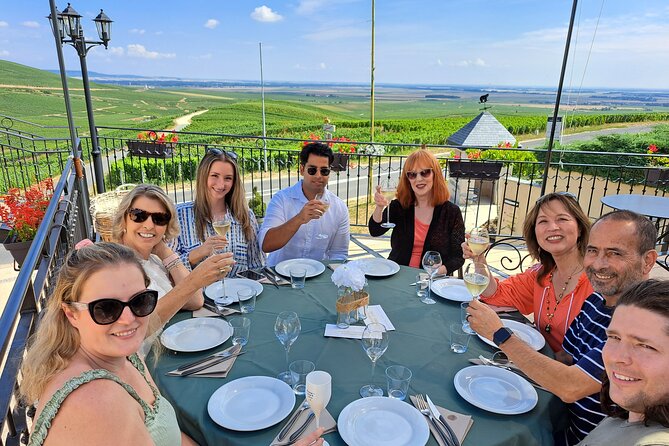
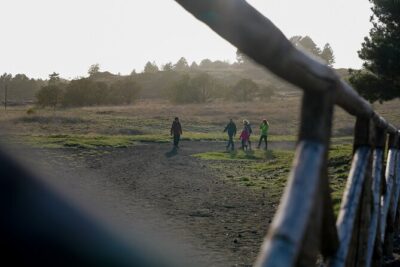
After tastings, you head back into motion and the region opens up. You’ll pass through major Champagne zones: Montagne de Reims, Côte des Blancs, and Vallée de la Marne, between Reims, Ay, and Épernay.
This is not just a scenic bus ride. It’s where the guide helps you connect grape varieties to place and style. You’ll learn to distinguish the three classic Champagne grapes:
- Chardonnay
- Pinot Noir
- Pinot Meunier
The practical payoff is that you stop tasting randomly. Instead, you start tasting with a hypothesis: which grape might be driving the structure, which might be adding fruit, and how that changes across Blanc de Blancs vs Blanc de Noirs.
If you like photos, there are also scenic pauses. One review mentions a lookout stop and even a bonus bottle moment—so yes, sometimes there are little surprise moments when the group is in the right spot at the right time.
Family-Run Lunch Paired With Champagne: Where You Learn to Taste Like a Pro
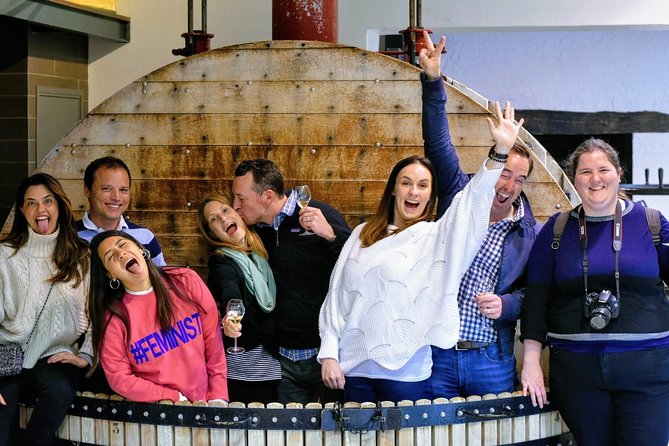
Lunch is a major part of why this tour works. You’ll eat traditional food paired with Champagne at a family-run estate (listed as upon availability). The idea is to slow down after the cellars so you taste with context instead of rushing through flavors.
This is one of the stops where reviews consistently get excited. People describe lunch as first-rate, and the pairing as on point. A couple of specific examples show up in real tour outcomes, like Le Clos Corbier and other small estates, but the key is the format: you’re eating and tasting together, with the pairing explained.
For you, that matters because Champagne is high-acid and highly expressive. Food pairing forces you to notice texture and balance, not just bubbles and sweetness levels.
Also note how timing works. There’s typically no food stop before lunch, so eating breakfast beforehand can make the day feel smoother. Once lunch hits, the rest of the day is easier to enjoy.
Cooperative or Smaller Estate Visit: The Other Side of Champagne
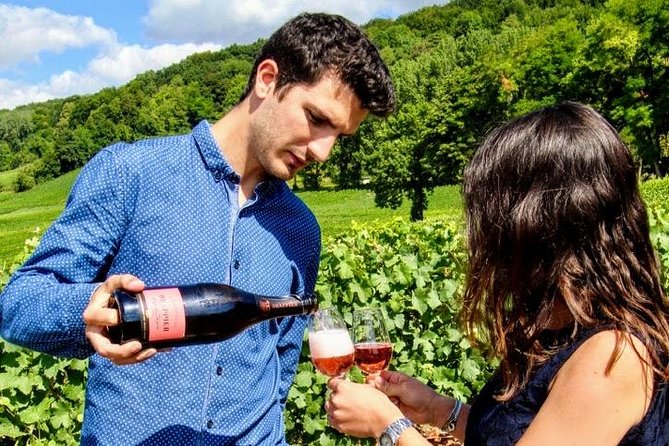
Most people think of Champagne as either big-brand glamour or random tastings. This tour gives you the in-between. After the lunch portion, you may visit a family-run vineyard or a cooperative for about 1 hour 15 minutes.
Why this matters: a cooperative can show how grapes from many growers shape consistency. A family-run estate often highlights a narrower approach and a particular interpretation of style. Together, they teach you how Champagne can be both standardized enough to be reliable and varied enough to stay interesting.
You might also encounter different cellar vibes here—less polished, more hands-on. Some experiences in reviews mention a cooperative stop such as Nicolas Feuillatte (again, availability-driven), and other runs include visits associated with different cellar styles.
If your goal is to understand what you’re really paying for in Champagne—brand name vs production choices vs grape sourcing—this “other side” stop is the education payoff.
Your 8 Tastings: What You’ll Be Able to Explain After the Last Glass
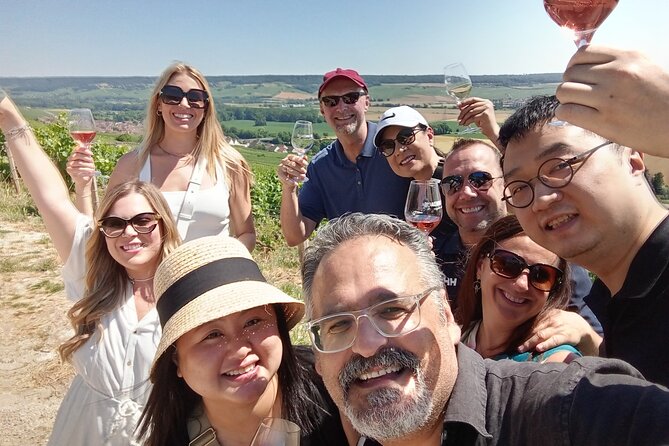
You’ll taste at least 8 different Champagnes, and the tasting is meant to be structured. The guide’s job isn’t just pouring bubbles—it’s helping you build a mental map so you can speak about what you’re tasting.
By the end, the tour is specifically positioned so you can answer:
- What is Blanc de Blancs and Blanc de Noirs
- How rosé Champagne is made
- Whether Grands Crus and Premiers Crus exist in Champagne
- Whether there’s a specific Champagne terroir
- How the région’s identity connects to the bottles
You don’t need to memorize a wine glossary. What you need is enough framework to decode what you like. And that’s what this format tends to do well, especially with guides who keep the conversation moving.
A few guide highlights from real tour experiences: names like Huw, Hugh, Cedric, Joël, Chloé, Aurelien, Aurélien, Joel, Artem, and Nicolas show up as standout hosts. The common thread across those comments is that the guides make the day understandable, fun, and not stuck in jargon.
If you’re the kind of person who wants to order Champagne confidently in a bar later, this is the day to build that skill.
What to Wear, What to Bring, and How to Keep the Day Comfortable
Plan for cold cellars and a full day outside your comfort zone. Caves are listed as around 10°C / 45°F, and they’re damp, so:
- bring a warm layer
- wear comfortable shoes for cellar floors
- consider a small bag so you can keep your layer handy between stops
Food-wise, the day is structured: breakfast-like croissant attention can happen early, but you’re typically relying on the included lunch as your main meal. Eating beforehand helps your energy level and makes tastings feel more enjoyable.
Drink-wise, the legal drinking age is 18+, so bring ID if you’re close to the cutoff.
Value for $353.72: Why This Can Be Worth It (Even If You Could DIY)
At $353.72 per person, the price isn’t “cheap.” But for a one-day Champagne trip from Paris, it’s in the range where the math starts to make sense if you care about quality and time.
Here’s what you’re buying:
- Small-group service (max 8)
- Hotel pickup and air-conditioned transport
- Guided visits at major producer style stops
- At least 8 tastings
- A traditional lunch paired with Champagne
- A structured education format so you don’t leave with random sips
You could DIY parts of Champagne. But you’d still face two big issues: timing and tasting quality. Without a guide, it’s hard to piece together visits that match your interests and that flow well in one day. With this kind of setup, you get a planned sequence and a driver who handles moving you between regions.
The long-day van time is the “cost” you pay for convenience. If you’re okay with that trade, the value tends to land well.
Who This Tour Fits Best
This is a strong match if you:
- want a guided Champagne education with real explanations
- like a mix of major-house style experience plus a cooperative/family-run viewpoint
- prefer a smaller group over big bus crowds
- want lunch included (and actually paired, not just food on the side)
It may feel less ideal if you:
- want only one specific famous house every time
- have a very tight schedule for the evening (because drop-off is in central Paris, later)
- are sensitive to rushed timing during the road portions (the driving time is real)
In one experience reported, the lineup included a cooperative and not a particular top-tier named house the guest expected. The tour can adjust to requests, but you should set expectations early if you have a must-visit brand.
Should You Book This Champagne Day Trip From Paris?
Book it if you want a Champagne day that actually teaches you something and still feels like a treat. The combo of 8 tastings, a lunch pairing, and the drive through key zones gives you a fuller picture than a simple cellar tour.
Skip it—or at least message ahead—if you’re fixated on one exact producer name. Availability and season influence which houses you visit, and the experience is designed to show variety, not only one brand.
If you’re celebrating, learning, or just tired of drink tastings where no one explains the why, this is a solid choice. Bring a warm layer, eat breakfast, and let the guide do the heavy lifting on turning bubbles into understanding.
FAQ
How long is the Champagne day trip from Paris?
It runs for about 11 hours (approx.), from early hotel pickup to drop-off back in central Paris in the evening.
How many people are in the group?
The tour is limited to a maximum of 8 travelers.
Is hotel pickup included?
Yes, pickup is offered from your hotel or apartment anywhere inside Paris, with the exact pickup time sent about 24 hours before departure.
Where do you get dropped off at the end of the tour?
You’re dropped off in central Paris in the evening.
How many Champagne tastings and tastings styles are included?
You’ll taste at least 8 different Champagnes, with guided visits and tastings at major producer-style stops and a cooperative/family estate.
Is lunch included, and is it paired with Champagne?
Yes. You’ll have a traditional lunch paired with Champagne at a family-run estate (availability-dependent).
What language is the tour offered in?
The tour is offered in English. Spanish and French are subject to availability, depending on the winery and the guide.
What should I bring for cellar visits?
Cellars are usually cold and damp (around 10°C / 45°F), so bring warm clothes or a layer.
What’s the minimum legal drinking age?
The minimum legal drinking age is 18 years old.