REVIEW · ROME
Assisi & Orvieto Day Trip from Rome
Book on GetYourGuide →Operated by Green Line Tours · Bookable on GetYourGuide
Orvieto and Assisi in a single long day. This trip trades Rome rush for Umbria’s hill towns, a first-stop look at Orvieto’s dramatic Gothic cathedral, then a guided walk into Franciscan heartland in Assisi. You also get scenic driving through the Tiber Valley and on toward Lake Trasimeno, with plenty of stops that keep the day from feeling like one endless bus ride.
What I like most is the chance to see Orvieto Cathedral up close—this 14th-century masterpiece sits like a jewel on top of a cliff, and the guide helps you spot why it’s famous. I also love how the Assisi portion centers on the real Francis story, including a visit to St Francis’ Basilica with frescoes painted between the 12th and 14th centuries.
One heads-up: the schedule is full. It’s built for maximum highlights, so you should expect a fast pace and limited free time, especially in Orvieto.
In This Review
- Key highlights to know before you go
- Why this Rome day trip feels different from a basic tour
- Orvieto first: a cliff town where the cathedral steals the show
- The Orvieto Cathedral: what to look for (and one practical catch)
- Lunch in Umbria: good food, real timing, and no-drinks planning
- Quick strategy so lunch doesn’t swallow your time
- Assisi by foot: the Franciscan sites you actually came for
- St Francis’ Basilica: why the frescoes matter
- St. Claire and the Townhall Square: history with real atmosphere
- The driving reality: it’s a 12-hour highlight machine
- How to make peace with the pace
- Price and value: what you’re really paying for at $174.46
- What to bring (so the dress code doesn’t ruin your day)
- Who this day trip is best for (and who should skip it)
- Should you book this Assisi and Orvieto day trip?
- FAQ
- How long is the Assisi and Orvieto day trip from Rome?
- What is included in the price?
- Are drinks included with lunch?
- Where do I meet the group in Rome?
- Do I need special clothing for churches and museums?
- Is the tour suitable for people with mobility impairments?
- Is St Francis Basilica entry or photography restricted?
Key highlights to know before you go
- Orvieto’s 14th-century Gothic Duomo: dramatic exterior views and a big cultural payoff for a short stop
- St Francis’ Basilica frescoes (12th–14th c.): the kind of art that makes you slow down even on a timetable
- Scenic driving route: Tiber Valley to Tuscan-style hills, then onward by Lake Trasimeno toward Assisi
- Included lunch with traditional dishes: a real break from the bus, typically with local farm-style food
- Strict dress code for worship sites: plan covered knees/shoulders or you risk being turned away
Why this Rome day trip feels different from a basic tour
This is a classic Rome escape: you leave the city, ride into Italy’s quieter interior, and come back with a couple of places that feel like you stepped into a different century. Orvieto and Assisi are both “medieval on purpose” towns, not just picturesque backdrops. What makes this day work is the mix: cathedral architecture in Orvieto, then a guided walking focus on Francis and Clare in Assisi.
The driving route is part of the experience. You go north out of Rome along the Tiber Valley, then through green rolling hills covered in olive groves and vineyards. Even if you’re mostly there for the sights, the views help you understand why this area produces wines with D.O.C. names like Orvieto, Chianti, and Brunello di Montalcino—the landscape and agriculture go hand in hand here.
You can also read our reviews of more tours and experiences in Rome.
Orvieto first: a cliff town where the cathedral steals the show
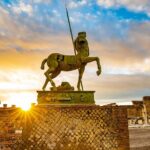
Orvieto is the kind of place where you feel the town before you even get inside. It has Etruscan roots, but the star attraction is the massive cathedral, built in the 14th century in a clear Gothic style. On this trip, Orvieto is your first major stop, and that timing matters: you get your best “wow” early, before fatigue sets in.
You’ll also notice how Orvieto is shaped for dramatic sightlines. The town clings to its height, with streets and walkways built around the geography. In practice, that means comfortable shoes are not optional. There’s walking involved, and the day moves quickly.
The Orvieto Cathedral: what to look for (and one practical catch)
The cathedral is the reason you’re here. Plan to spend your attention on:
- the way the Gothic forms frame the sky from different angles
- the overall scale—this isn’t a small-town church, it’s a landmark
- the details your guide points out that make the architecture click
One important detail: entry into the cathedral may require an extra ticket purchase on site. The trip price covers the guided experience, transportation, and lunch, but the cathedral admission isn’t guaranteed as included. Budget a small amount for this so you aren’t stuck deciding on the spot.
Some days include an added convenience for getting up into town (cable-car style access has shown up on this route in at least some departures). You’ll still need to walk around the historical area once you’re there, so don’t count on zero effort.
Lunch in Umbria: good food, real timing, and no-drinks planning
Lunch is included, and I’m glad it’s built into the day. After time in Orvieto and before the drive onward to Assisi, having a proper break helps reset your energy. You’ll eat traditional local dishes, and it’s often served in a farm-style setting (you may hear it described as an agriturismo). That’s not just scenery—it’s part of why this day feels like Umbria rather than a theme-park Italy stop.
Now the practical note: drinks aren’t included. That means you should expect to pay for bottled water, coffee, or anything alcoholic with your meal. If you’re sensitive to timing and hunger, it’s smart to hydrate before lunch, especially because you’ll be traveling again afterward.
Quick strategy so lunch doesn’t swallow your time
Because the overall day is tightly scheduled, treat lunch like your fuel stop, not a long sit-down. Eat steadily, then keep an eye on the group’s reassembly time so you don’t feel rushed when you’re trying to enjoy the food.
If you’re the type who wants to explore small shops around the lunch spot, keep that instinct for Assisi—Orvieto tends to move faster, and you’ll likely want to save your energy.



Assisi by foot: the Franciscan sites you actually came for
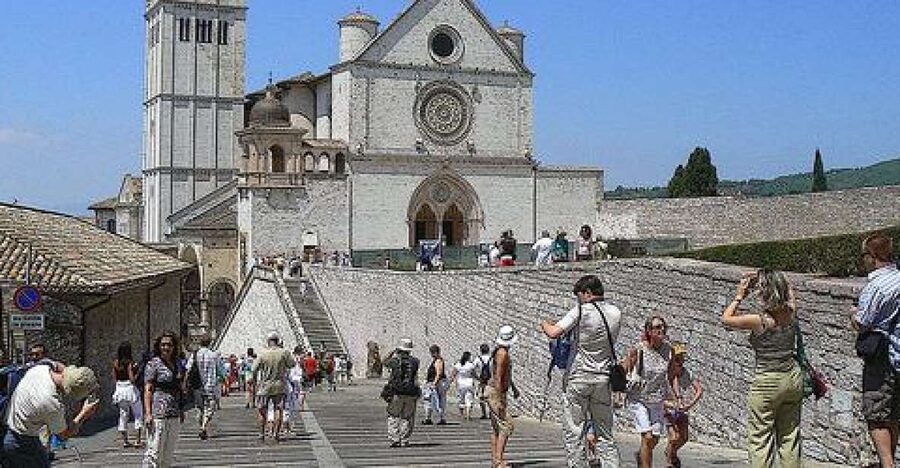
Assisi is where the day becomes spiritual and visual in a very direct way. The town sits at the foot of Mount Subasio, and its streets feel like they’re designed for walking—steep, winding, and full of small squares where the pace slows naturally.
On this trip, you’ll see major Franciscan landmarks. That includes the Church of St. Claire, the area tied to St. Francis’ birthplace and childhood home, and key viewpoints around the Townhall Square. You’ll also pass by the People’s Palace and a Roman temple dedicated to Minerva. Even if you only understand bits of the story, having those landmarks in a guided walk format helps you connect what you’re seeing to the bigger timeline of the town.
St Francis’ Basilica: why the frescoes matter
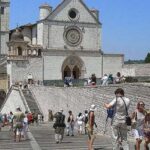
St Francis’ Basilica is the highlight that most people remember, and for good reason. The frescoes were painted between the 12th and 14th centuries, so you’re not just seeing famous names—you’re seeing the layers of art and devotion that shaped Assisi’s identity.
One practical tip: photography rules inside the basilica can be strict. If you plan to document your visit, assume you may be restricted from taking photos inside and save your camera time for the exterior and open-air viewpoints.
Also, dress matters here. You’ll be entering places of worship and selected museums, and the dress code is taken seriously:
- No sleeveless tops
- No shorts
- Knees and shoulders must be covered for both men and women
This isn’t the kind of rule you want to gamble on at the door. If your day travel outfit is borderline, bring a lightweight layer that you can quickly throw on.
St. Claire and the Townhall Square: history with real atmosphere
St. Claire’s church and the surrounding square areas add variety to the Francis story. You’re not stuck only inside one building. In Assisi, the streets and squares do a lot of the talking, especially around the Townhall Square where you’ll also see the People’s Palace and the temple dedicated to Minerva.
That matters because Assisi isn’t only about one saint. It’s about how different eras occupied the same hillside world—Roman, medieval, and Franciscan all sharing the same narrow streets.
The driving reality: it’s a 12-hour highlight machine
This trip runs about 12 hours, and you’re back in Rome around 7:30 to 8:00 pm. That means it’s not a “half-day” sightseeing plan you can casually tack onto your calendar. You’re gone long enough that your stamina matters, even if the bus ride is comfortable.
A lot of people describe the bus as comfortable (air-conditioned has been noted), and that helps. But comfort doesn’t change the fact that you’re covering several sites in one day. In the best-case scenario, you’ll feel like the schedule keeps you energized by moving you between very different stops.
In the less-perfect scenario, it can feel rushed—especially if you’d rather linger in Orvieto. Some people wish they had more time to stroll, catch extra views, or slow down in the cathedral area.
How to make peace with the pace
- Commit to what matters most: Orvieto Cathedral plus St Francis’ Basilica
- Treat everything else as “bonus context,” not your full museum day
- Plan for short walking segments rather than long wandering
If you’re hoping for lots of independent shopping time in both towns, this might feel tight. If you want guided highlights with a classic Umbria-to-Faith storyline, it’s a strong match.
Price and value: what you’re really paying for at $174.46
At $174.46 per person, you’re paying for a bundle: transportation out of Rome, guided interpretation, and a included lunch. For a day trip that hits two major hill towns, that price often lands in the “fair and sensible” zone—especially compared with the hassle of arranging your own day without a driver.
Here’s where the value comes from:
- You don’t have to figure out getting between towns on your own
- You get local guides who explain what you’re seeing instead of guessing
- Lunch breaks up the long day and is part of the plan
The places where you can lose value if you aren’t prepared:
- Drinks aren’t included, so you may pay extra for water or coffee
- Some cathedral entry costs may not be included, depending on how the day is handled
Still, for many people this is a “best use of one day in Rome” type purchase. You’re not trying to replace a multi-day stay in Umbria; you’re doing a high-quality sampler, with the important stops covered.
What to bring (so the dress code doesn’t ruin your day)
Pack for walking and for worship-site rules. The tour asks for:
- Comfortable shoes
- Long pants
And because entry into places of worship and selected museums requires it, assume you’ll need:
- knees covered
- shoulders covered
If you tend to travel light with shorts or sleeveless tops, plan to swap them. A thin scarf or wrap can help if you’re stuck mid-trip, but it’s better to dress correctly from the start. Dress code enforcement is reported as strict, and that can mean denied entry if you don’t comply.
Also keep a small note for expectations: pets are not allowed (assistance dogs are allowed), and alcohol or drugs are not allowed, including alcoholic drinks in the vehicle.
Who this day trip is best for (and who should skip it)
This works especially well if you:
- want Assisi without adding a car rental
- care about seeing the big Franciscan sites with a guide
- like a structured day that still gives some time on the ground
- value included lunch and local explanation
It may not be ideal if you:
- get frustrated by tight schedules
- want lots of independent wandering time in both towns
- have mobility limitations (this tour is not suitable for people with mobility impairments)
If you’re traveling with older family members, plan for slower movement. Assisi’s streets can feel challenging even for fit walkers, so pace planning matters.
Should you book this Assisi and Orvieto day trip?
I’d book it if your “must-see” list from Rome includes Orvieto’s cathedral and Assisi’s Franciscan core. The day is long, but it’s built around the right anchors: Orvieto Cathedral for architecture lovers, St Francis’ Basilica for art and devotion, plus a guided walk that helps you understand what you’re seeing instead of just passing through.
Book it if you’re okay with a highlight-style pace. Don’t book it if you want to relax for half the day or if walking steep medieval streets is a hard no.
If you decide to go, do two things and you’ll enjoy it more: dress properly before you leave Rome, and treat lunch as your reset button so the afternoon doesn’t feel like a marathon in the wrong direction.
FAQ
How long is the Assisi and Orvieto day trip from Rome?
The trip lasts about 12 hours, and it returns to the meeting point in Rome around 7:30 to 8:00 pm.
What is included in the price?
Transportation is included, along with a guided local experience and lunch.
Are drinks included with lunch?
No. Drinks are not included.
Where do I meet the group in Rome?
Meet at 32 Via Giovanni Amendola (GLT terminal). Arrive 10 minutes before departure.
Do I need special clothing for churches and museums?
Yes. A dress code is required: no shorts or sleeveless tops, and knees and shoulders must be covered. Entry is strictly enforced.
Is the tour suitable for people with mobility impairments?
No. It is not suitable for people with mobility impairments.
Is St Francis Basilica entry or photography restricted?
The tour includes a visit to St Francis’ Basilica, and photography restrictions inside the basilica have been reported as in place. Cathedral entry costs may also require an on-site ticket purchase.
If you want, tell me your travel dates and whether you prefer more time to stroll or more time learning, and I’ll help you decide if this pace fits your style.