REVIEW · SEVILLE
From Seville: Doñana National Park Day Trip
Book on GetYourGuide →Operated by Naturanda Turismo Ambiental · Bookable on GetYourGuide
Doñana turns your Seville day into real nature. You’ll move through marsh, forest, and dunes in one long loop, with stops built around birds like Spanish imperial eagles and the chance to spot big mammals like lynx. Two things I especially like: the guiding is set up to help you actually see wildlife, and the route strings together the park’s main habitats north to south instead of doing just one area.
You’ll also get a taste of local culture at El Rocío, plus a real beach break in Matalascanas (and a summer dip if conditions are right). The only drawback to keep in mind is time: even with a full day, some stops are photo-stop length, so you won’t feel like you’re living inside any one habitat for long.
If you want a fast, wildlife-focused Doñana overview with expert eyes, this trip fits. If you want long hikes and lots of beach/dune time, you may feel a little rushed.
In This Review
- Key highlights at a glance
- Entering Doñana from Seville: what the day really feels like
- Dehesa de Abajo visitor area: the birding engine room
- Rice fields and storks: small details that add up
- El Rocío: chapel-and-observatory culture in the middle of wild country
- La Rocina trail walk: when the park gets up close
- After lunch: dunes and Matalascanas beach break
- Asperillo pine forest sunset: the quiet payoff at the end
- Lynx, deer, wild boar: how to think about big mammals here
- Guides and group style: why names keep coming up
- Price and value: does $105 feel fair?
- Practical tips that will save your day
- Best time to go: when wildlife moments are more likely
- Should you book this Doñana day trip?
- FAQ
- What does the $105 price include?
- How long is the tour, and where do you start?
- Which languages are available for the live guide?
- Is there time for the beach and swimming?
- Are meals provided during the day?
- Can I bring pets?
Key highlights at a glance
- A wildlife-first route through multiple Doñana habitats, not just one quick look
- Dehesa de Abajo bird grounds, where guides hunt for species fast
- El Rocío village stop with a chapel and observatory worth a breather
- La Rocina walk near the stream for a more grounded, on-the-ground feel
- Dunes after lunch plus a beach break in Matalascanas for a change of pace
- Lynx is possible but never guaranteed, so you go for the process, not the promise
Entering Doñana from Seville: what the day really feels like
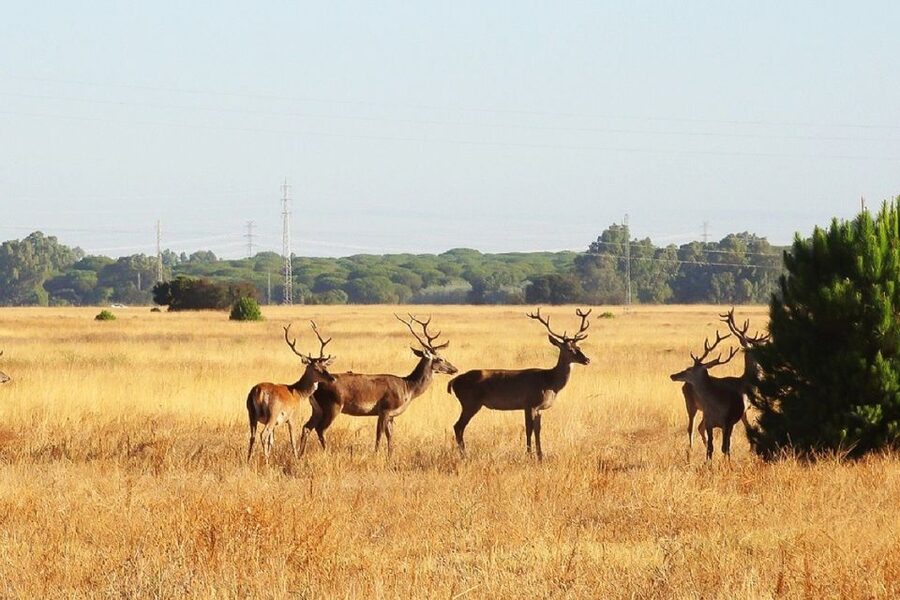
Leaving Seville in the morning, you’re trading Andalusian city life for a long, nature-heavy drive. The early transition takes you past Coria del Rio on the Guadalquivir River, which is a good mental warm-up: you’re heading into wetlands-country, not mountains.
Once you’re in the park zone, the day has a clear rhythm. You’ll do guided moments, photo stops, and a couple of longer viewing windows where your guide can reposition the van and help you scan efficiently. That matters, because in Doñana the difference between seeing something and missing it can be just a few minutes of correct direction and timing.
You can also read our reviews of more tours and experiences in Seville.
Dehesa de Abajo visitor area: the birding engine room
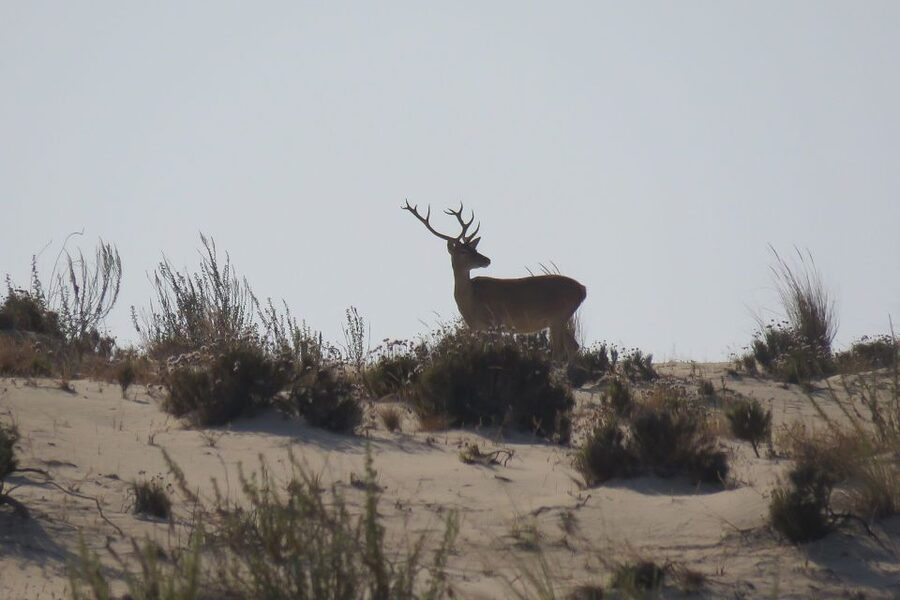
Your first big park stop is the visitor area at Dehesa de Abajo in the northern marshes. This is where the tour makes its core promise: birds. You’ll pass through pine forests and pastures, and the numbers shared here are huge—around 200,000 residents (across the park’s ecosystems) and 300 bird species.
One of the best practical reasons this stop works is simple: early in the day, the light and the birds’ activity often line up better. Guides like Jose and Sergio have been praised for spotting birds quickly and then adjusting positions so everyone has a shot at clear views. That’s the difference between a drive-by and a real wildlife day.
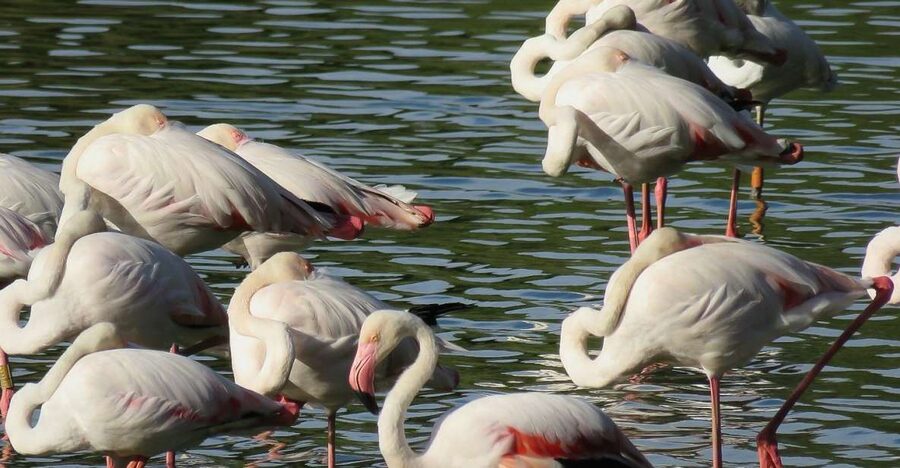
You’re also in a place where big “wow” moments can happen without a lot of hiking. The tour keeps you comfortable, but still gets you into the right viewing areas—especially for species such as flamingos and Spanish imperial eagles.
Rice fields and storks: small details that add up
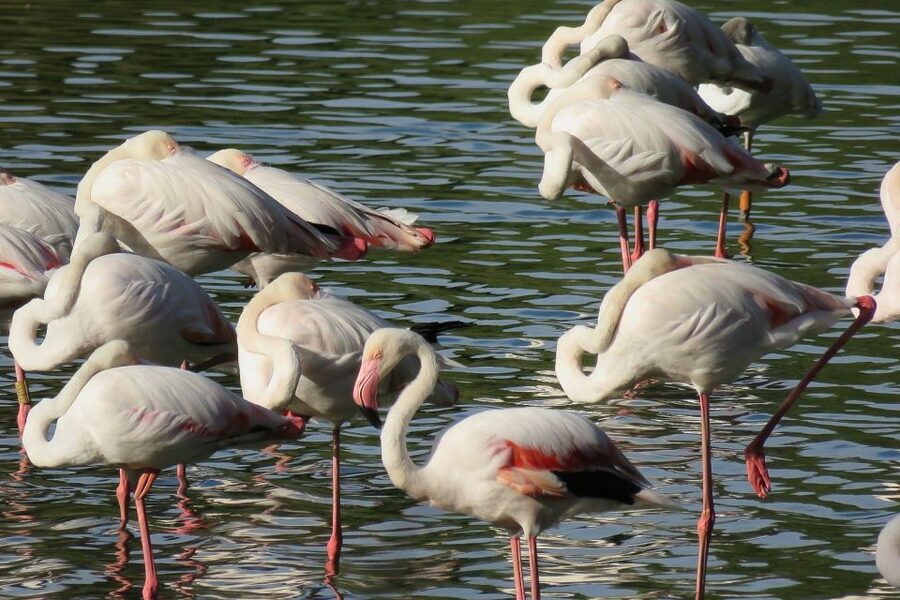
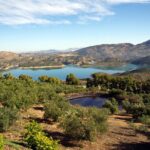
After the initial birding zone, the route continues through the northern natural space. A standout stop is a rice field area, known for Europe’s largest colony of storks.
This is one of those “not glamorous on paper” stops that makes a day like this feel worth it. Storks, herons, egrets, and related species tend to show up as you move across habitat edges. The guide’s job is to read those edges and point out what you’d miss if you were just looking out the window.
If you’re a bird watcher, this is also where the provided prismatics come in handy. Some guides help with telescope/binocular positioning so you can see feather patterns or shapes rather than just distant silhouettes.
El Rocío: chapel-and-observatory culture in the middle of wild country
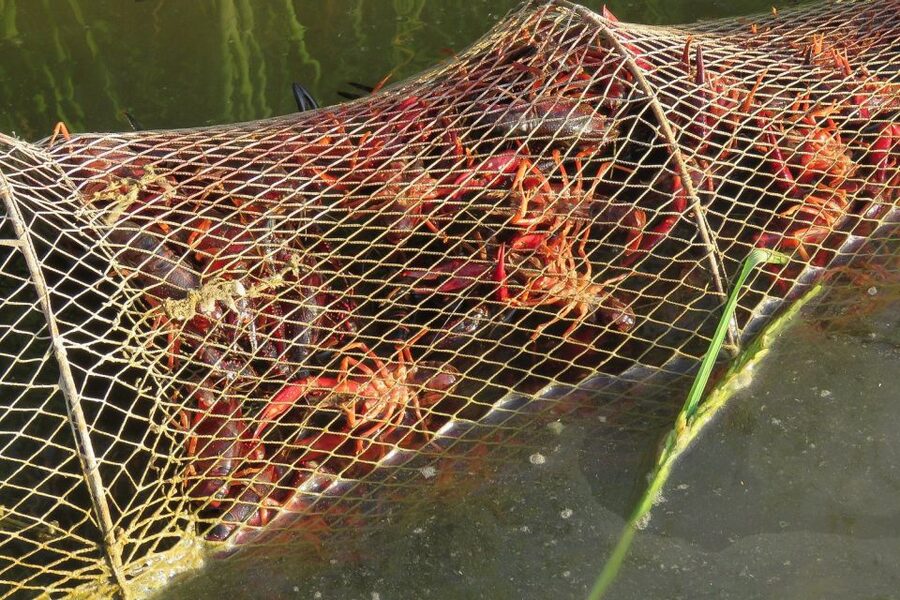
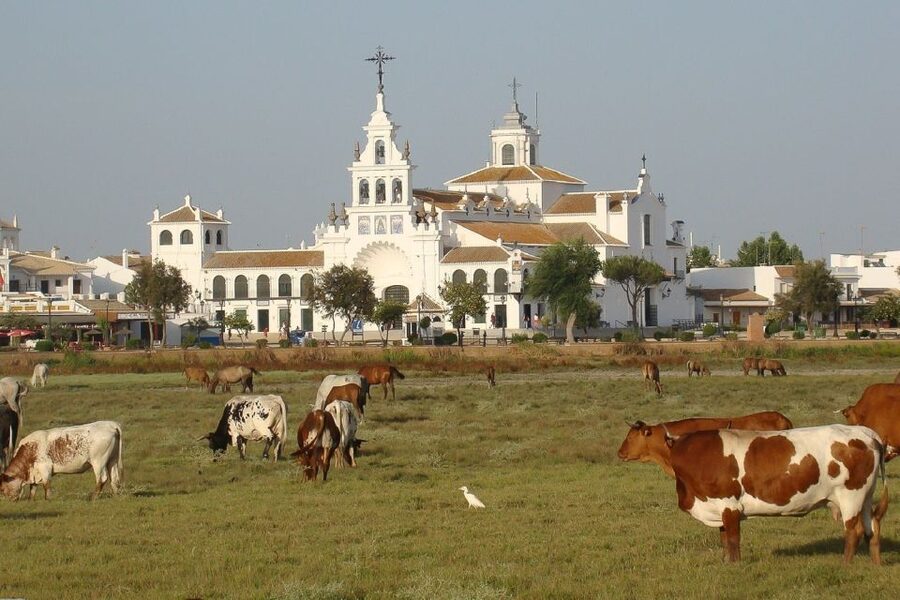
El Rocío is the cultural pause on an otherwise nature-only schedule. The village is known for its chapel and observatory, and the stop is guided with time to walk around and take photos.
Here’s the balance to plan for: it’s not a full “wander until you’re ready to eat” town visit. Some people felt they wanted more time on the village side, while others were happy it kept the day moving. Either way, El Rocío works well because it grounds the whole trip. Doñana isn’t just animals; it’s also the way people live with marshland rhythms.
If you want to make this stop count, focus on the observatory angle—step away from the main flow, and give yourself a moment to look toward the open spaces where you might spot movement. Even when you’re not seeing birds immediately, you’ll start to understand why this place matters in the first place.
La Rocina trail walk: when the park gets up close
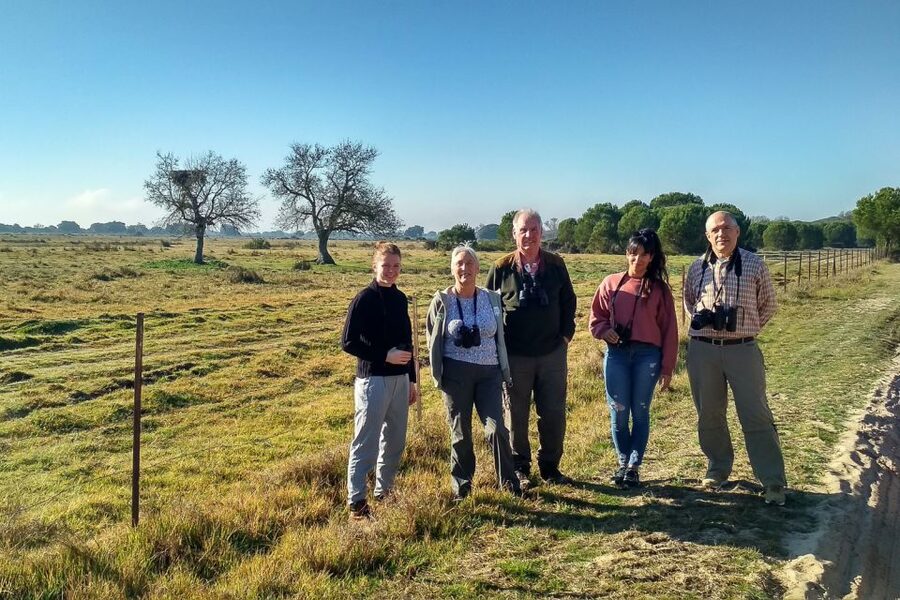
After El Rocío, you head back into habitat for a guided walk near the stream of La Rocina. This is where you trade speed for texture: footpath, shoreline edges, and the kind of close-up scenery that you can’t recreate from a van seat.
This walk also helps you “reset” your eyes. Birds in Doñana can be tricky because they’re small and movement is easy to miss. Walking near water edges improves your odds because it’s where food and cover come together.
Expect a moderate pace rather than an all-day trek. The value here is not distance; it’s getting your bearings inside the park’s living system.



After lunch: dunes and Matalascanas beach break
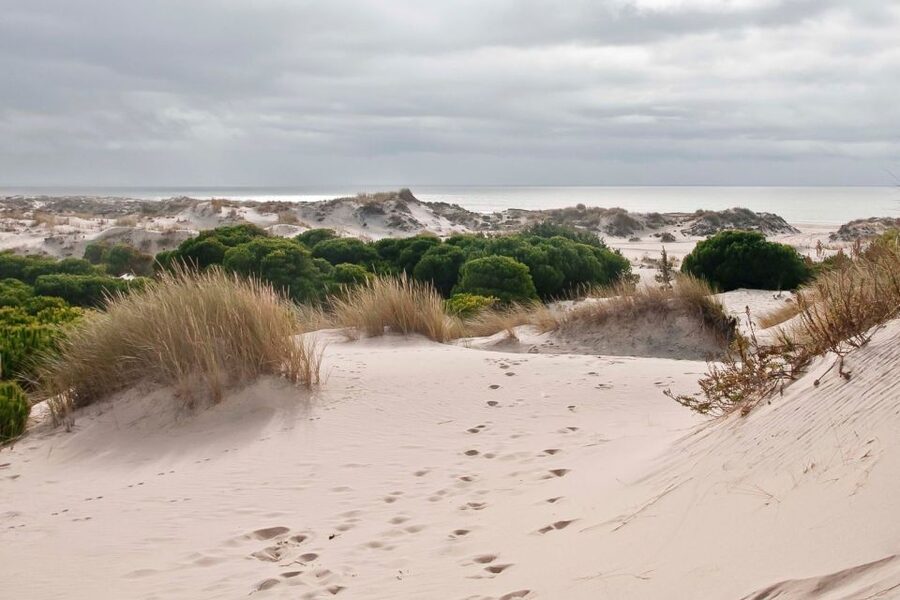
Post-lunch, the tour heads toward Spain’s largest dune system. Dunes change the day’s feel fast. One moment you’re scanning marsh birds, and the next you’re looking at wind-shaped ridges and open sand horizons.
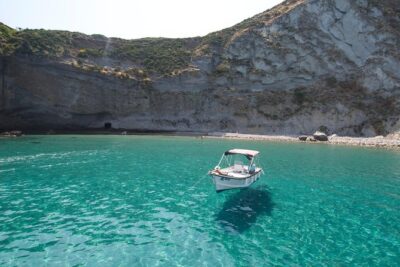
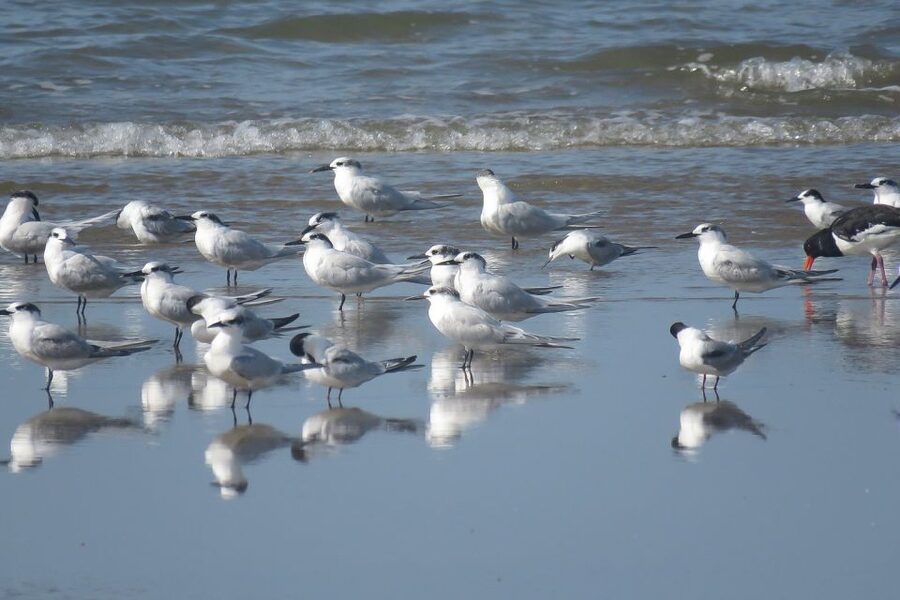
Then comes Matalascanas, with time for a photo stop and a longer guided stretch (about 2.5 hours). In summer, this is when you might hop into the Atlantic for a real break. In other seasons, you’ll still get the sea air and wide views, even if swimming isn’t the main plan.
A fair consideration: the beach and dune time is valuable, but you’re on a packed schedule. Some people wanted more time in Matalascanas or felt the stop was short compared to what they hoped. If beach time is a top priority for you, think of this as a taste, not a beach vacation.
Asperillo pine forest sunset: the quiet payoff at the end
On the return toward Seville, the route passes through the Asperillo area for sunset through pine forest. This is a smart ending. You’ve already done the wildlife-heavy parts, and sunset light makes every last scan feel more hopeful.
It’s also a good reminder that Doñana rewards patience. Even when you don’t see the “headline” animal, you might get deer moving at the edge of vegetation, or a bird landing where it suddenly becomes visible.
Lynx, deer, wild boar: how to think about big mammals here
Doñana’s big mammals are a major selling point, including the famous lynx. The honest truth is also part of the charm: lynx sightings are rare and not something you can schedule.
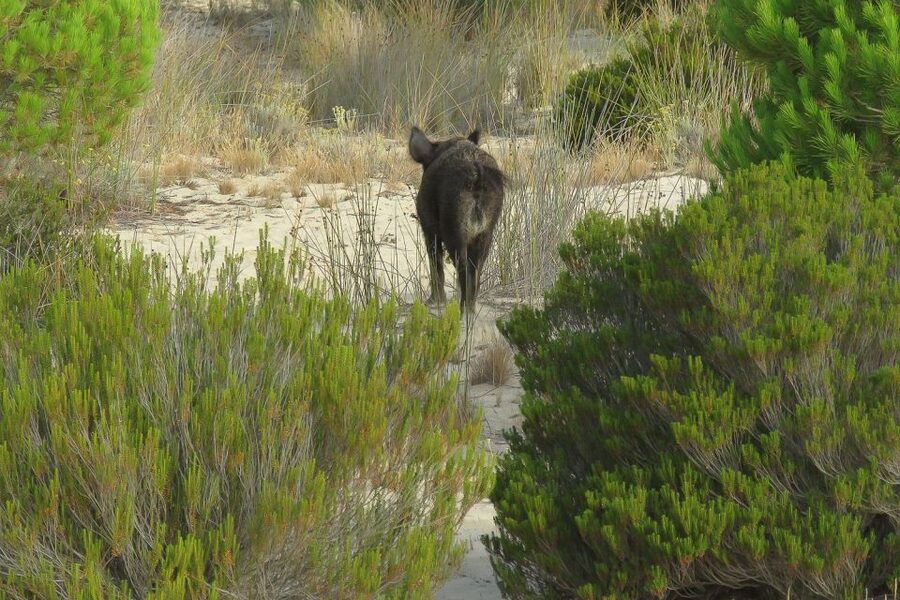
What you can do is increase your chances by paying attention when the guide slows down. People have reported seeing mammals like deer and wild boar on the day, and even when lynx isn’t spotted, you may find evidence such as pawprints. That’s still part of the experience here—tracking an ecosystem that’s built on survival, not guaranteed sightings.
Guides are key. When the guide is good at reading terrain and timing stops, you spend more time looking at likely areas and less time waiting in hope.
Guides and group style: why names keep coming up
This tour works because the guide is doing active wildlife management. Names that show up often for high praise include Juanka (or a similar spelling), José, Sergio, Diego, Patricia, Luis Miguel, and Ramon, plus others like Miguel, Javier, Abraham, Luisimi, and Nachos/Luismei.
Across these reports, the common theme is guide energy: spotting wildlife early, explaining what you’re seeing, and making detours (carefully) when an animal moment appears. Several guides were described as repositioning so more people got better views, which is exactly what you want from a wildlife-focused van day.
Group size matters too. You can choose shared or private/small group. If you’re picky about having room to move, private can help. If you like meeting other people and trading spotting notes, shared is fine.
Price and value: does $105 feel fair?
At $105 per person for a 10-hour day with hotel pickup/drop-off, transportation, a guide, and prismatics, the price is competitive for what you’re getting: full-day access plus expert navigation of one of Spain’s best-known natural areas.
What’s not included is important: meals and drinks. That means you should plan to budget for lunch on your own. Some days include a lunch break and you might find a spot to eat and relax, but you’ll still want snacks and water ready so you’re not hungry during the prime viewing stretches.
Value also depends on your mindset. If you want a guaranteed checklist of animals, no day trip can promise that. If you want a well-run nature day with the best odds for birds and mammals, this price starts to make sense quickly.
Practical tips that will save your day
A day like this is all about comfort and focus. Bring comfortable shoes, sunglasses, sun hat, and sunscreen. The tour is outdoors more than you might expect, and you’ll be standing around for wildlife views.
Binoculars: prismatics are included, and some people still recommend bringing your own binoculars for the best comfort and familiarity. Either way, pack something you’ll actually use.
If you’re sensitive to long drives, know that some roads and movements can feel bumpy. A wildlife van day includes slowing down, stopping, and scanning. It’s not a city bus ride.
Finally, plan around the pickup rhythm. Pickup is optional, and you should be ready in your hotel lobby about 10 minutes before scheduled pickup.
Best time to go: when wildlife moments are more likely
Timing can change the feel of Doñana. One practical note from experience reports: winter can be strong for bird activity, especially around lakes. Another note: spring is often better for seeing more nature, because the landscape is more alive.
For flamingos and imperial eagles, the tour is designed to chase them, but you still need luck and the right day conditions. The good news is that even when flamingos aren’t perfect, you’ll still see lots of birds and varied habitats as the route moves north to south.
Should you book this Doñana day trip?
Book it if you want a full-day nature sampler that hits marsh birds, forest edges, a village stop at El Rocío, dunes, and a beach break—all with a guide who actively scans for wildlife. It’s also a great fit if you’re staying in Seville and don’t want to wrestle with logistics on your own.
Skip or reconsider if you want a slow travel pace with long time on trails and beaches. This trip is intentionally packed, and a couple of people wished for more time at certain stops.
One last thought: if seeing lynx is your main goal, go in with flexible expectations. When you treat the day like wildlife fieldwork—pause, scan, learn, repeat—you’ll usually end up loving it even when the lynx stays out of sight.
FAQ
What does the $105 price include?
The price includes hotel pickup and drop-off, transportation, a guide, and prismatics. Meals and drinks are not included, so plan to cover your own lunch/snacks.
How long is the tour, and where do you start?
The tour runs for 10 hours and departs from Seville, with pickup at your hotel (if you choose pickup).
Which languages are available for the live guide?
You can get a live guide in English, French, Italian, or Spanish. The tour notes that a minimum number of people speaking the same language may be required for that language, with an alternative language/date or refund possible if not met.
Is there time for the beach and swimming?
Yes. The itinerary includes time at Matalascanas with a beach/photo stop, and the tour description notes that in summer you can hop into the Atlantic and take a dip.
Are meals provided during the day?
No. Meals and drinks are not included, so bring snacks or budget for lunch during the stop(s).
Can I bring pets?
No. Pets are not allowed on this activity.