REVIEW · SEVILLE
White Villages and Ronda Day Trip from Seville
Book on Viator →Operated by GRANAVISION - Movviendo Tourism Group · Bookable on Viator
Ronda hits you with instant canyon views. This 11-hour trip from Seville strings together Ronda’s dramatic gorge and bridges with Pueblos Blancos around Zahara de la Sierra and Grazalema, then adds a nature stop in Sierra de Grazalema for scenery and possible wildlife spotting. You’ll also get time in Ronda to wander on your own.
I especially like how the day is built around viewpoint time, not just passing through. The walk in Alameda del Tajo and the big payoff at Puente Nuevo make Ronda feel immediate, even if you only have a few hours there. I also like the variety: city sights, white villages, and a mountain park in one day.
One thing to consider: it’s a long day with a structured schedule, so if you want maximum time in Ronda’s old streets, plan for a faster pace than you’d get on your own. Comfortable shoes matter, because you’ll be walking and climbing in and around viewpoints.
In This Review
- Key highlights at a glance
- Entering the day: Seville to Ronda with big-window scenery
- Ronda’s canyon edge: Puente Nuevo, Alameda del Tajo, and the bridge views
- Stop at El Tajo de Ronda
- Puente Nuevo viewpoint: the gorge moment
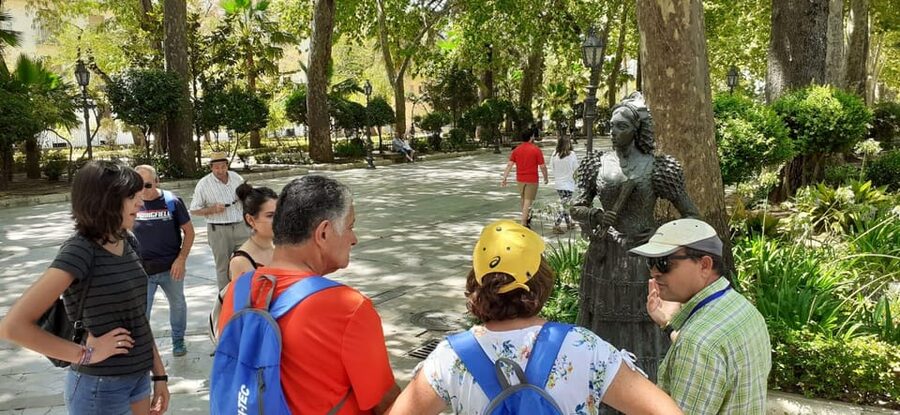
- Alameda del Tajo gardens: when photos turn into a stroll
- New Bridge area and bullring from the outside
- San Juan Bosco House: architecture stop on your walk
- A note on free time in Ronda
- Sierra de Grazalema: a nature stop that can surprise you
- What you’re looking at
- Timing: about an hour
- Zahara de la Sierra and Grazalema: White Villages that work as more than postcards
- Zahara de la Sierra: a top-tier White Village stop
- Grazalema de la Sierra: a second village with its own feel
- The driver and guide factor: why this trip lives or dies on pace
- Walking, timing, and what to pack for an 11-hour route
- Price and value: is $103.33 worth it from Seville?
- So, should you book this White Villages and Ronda day trip?
- FAQ
- What time does the tour start?
- How long is the day trip?
- Is food included in the price?
- Do I need to buy tickets for the stops?
- Will I be able to explore Ronda on my own?
- What languages is the tour offered in?
- How big are the groups?
- What happens if the weather is bad?
Key highlights at a glance
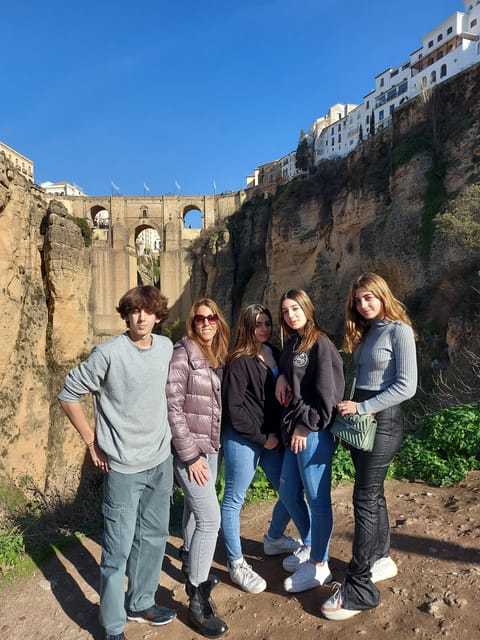
- Puente Nuevo viewpoint time in Ronda, with gorge views that are the main event
- Alameda del Tajo gardens right by the action, ideal for a breather and photos
- Sierra de Grazalema Natural Park stop for high-country scenery and nature spotting
- Zahara de la Sierra and Grazalema visits in the White Villages region
- Small-group feel up to 30 travelers with an air-conditioned coach
Entering the day: Seville to Ronda with big-window scenery
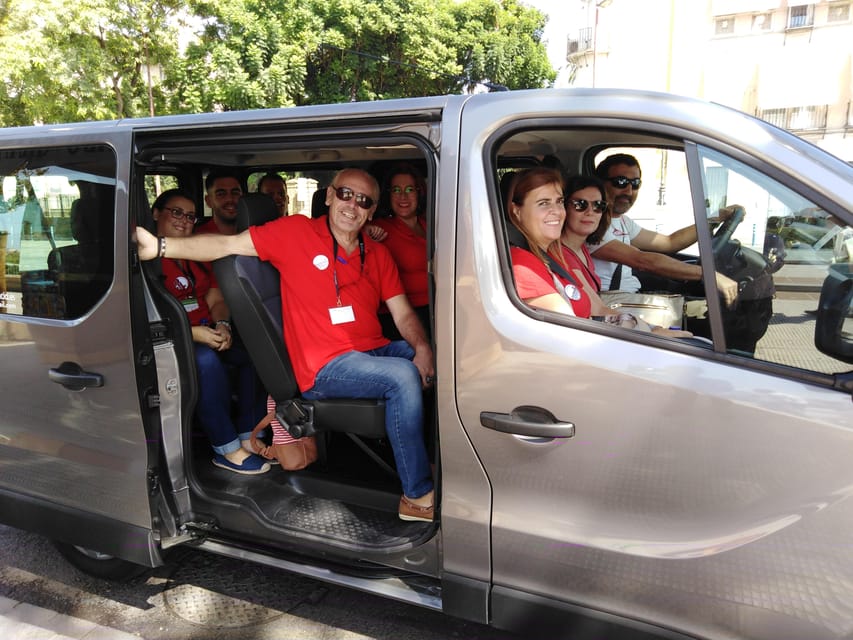
You start from central Seville with pickup and drop-off, then climb onto a comfortable, air-conditioned bus. The drive is part of the experience because the route takes you from city life into countryside, with rolling hills that change character as you go.
This tour also tends to keep things moving in a sensible way: you’re not stuck on the bus the entire time. You get breaks where you can stretch, take photos, and reset your brain before the next stop.
One extra detail to know: it’s offered in English, and occasionally two languages run at the same time. If you’re the type who likes to hear every word clearly, arriving ready for that split audio is smart.
You can also read our reviews of more tours and experiences in Seville.
Ronda’s canyon edge: Puente Nuevo, Alameda del Tajo, and the bridge views
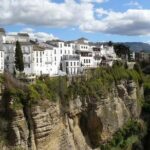
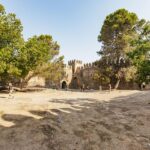
Ronda is old, perched, and dramatic—set above the El Tajo River gorge. You don’t just see it from a distance. The plan lines you up with the areas that make Ronda famous.
Stop at El Tajo de Ronda
You start with a quick stop at El Tajo de Ronda for around 20 minutes. Admission isn’t required for this stop, so you’re mainly here for quick orientation: views, getting your bearings, and soaking up the gorge setting before you go deeper into town.
Puente Nuevo viewpoint: the gorge moment
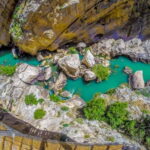
Next comes the main visual payoff: Puente Nuevo. You’re set up to see the gorge from a vertigo-friendly vantage point—exactly the kind of view that makes Ronda feel like a different planet compared with flat Seville.
If you’ve ever wanted that perfect bridge photo, this is the heart of the trip. The angle matters, and the canyon depth is the whole reason people come.
Alameda del Tajo gardens: when photos turn into a stroll
After the big bridge views, you walk through the Alameda del Tajo gardens. This is one of the best parts for a simple reason: it turns the experience from lookout-point photos into an actual pause. It’s a good place to slow down, take a breath, and enjoy the scenery without rushing every second.
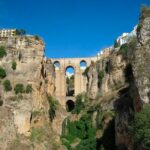
New Bridge area and bullring from the outside
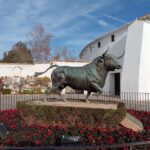
Ronda also includes the bullring area from the outside, plus the new bridge sights. You’re not touring the arena itself based on the tour description, but you do get the look and the context around why Ronda’s bullfighting culture is so tied to the town’s identity.
If you’re hoping for a full stadium visit, double-check details before you go. What you get here is primarily “see it, understand it, photograph it,” not a long interior visit.
San Juan Bosco House: architecture stop on your walk
You also stroll to the architecturally diverse San Juan Bosco House. This type of stop is valuable because it breaks up the day’s repetition of “look—photo—move on.” It adds variety and gives your eyes something different to focus on, especially if you’re photographing nonstop.
A note on free time in Ronda
You’ll get free time in Ronda to explore on your own. Many people focus on the bridge views, but free time is what lets you wander the old-town streets at your own pace, pop into a café, and do a second pass on what you liked most.
Also worth knowing: Ronda’s streets can involve slopes and steps, including down-and-back walking routes around the bridge viewpoints. If you’re even slightly unsure about your footing, bring shoes with grip and expect some climb-back after the best photos.
Sierra de Grazalema: a nature stop that can surprise you
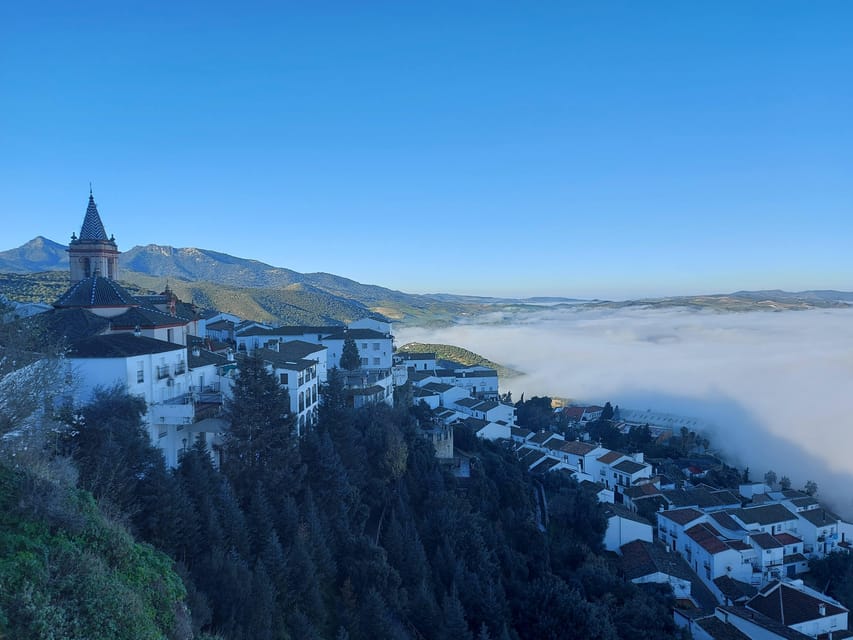
After Ronda, you shift gears from town to mountain. The stop at Sierra de Grazalema Natural Park is a key part of why this day feels more balanced than a straight “cities-only” excursion.
What you’re looking at
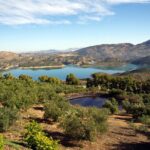
The park stop highlights the Pinsapar (tall fir forest) and the idea of varied flora and fauna. You won’t turn into a professional birdwatcher in an hour, but the setting makes it easier to actually notice things: the texture of the forest, the change in light, and the way the terrain holds rugged limestone cliffs.
Timing: about an hour
You get about an hour here. That’s enough for photos, short wandering, and a bit of bird-spotting if conditions cooperate. It’s not enough to do big hikes, so think of it as a scenic nature window rather than a full trail day.
If you’re planning ahead, this is the moment to slow down and look out beyond the lens. Sierra de Grazalema is the kind of place where you can appreciate the surroundings without needing to cover miles.
Zahara de la Sierra and Grazalema: White Villages that work as more than postcards
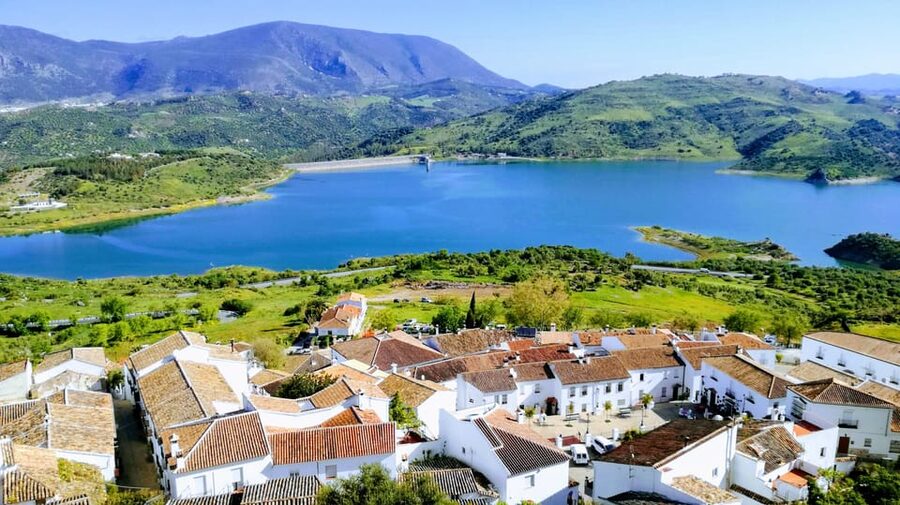
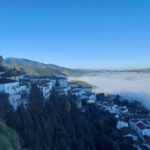
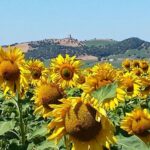
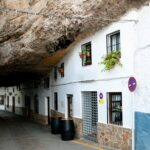
The tour then goes into the Pueblos Blancos region—whitewashed houses spread over undulating green hills. Even if you’ve seen photos before, the real payoff is how the villages sit in the terrain. The white walls make the shadows look sharper. The hills make everything feel more three-dimensional.
Zahara de la Sierra: a top-tier White Village stop
Zahara de la Sierra is considered one of the standout white villages in the area, and your schedule gives you about an hour. That hour is typically what you need for:
- walking a few lanes at a relaxed pace
- finding viewpoints for photos
- grabbing a coffee or snack if it fits your timing
It also works as a palate cleanser after Ronda’s gorge intensity.
Grazalema de la Sierra: a second village with its own feel
You also visit Grazalema de la Sierra. Like Zahara, it’s a small-village style stop where the charm comes from the streetscape and the mountain setting. You get time to look around, not just a quick photo pull-over.
One practical tip: even though these villages look easy from pictures, they can involve uneven sidewalks and gentle climbs. If your Ronda walk already tired your legs, take it slow here.
The driver and guide factor: why this trip lives or dies on pace
On this kind of day trip, the route only works if timing and logistics are handled well. That’s where the bus driver and guide really matter—dropping you close to sights, keeping transitions smooth, and making sure you don’t miss the best viewpoint windows.
You’ll likely get history and practical context while you’re on the move, plus in-town guidance when you’re walking. Several guide names have shown up across experiences, including Antonio, Maria, Patricia, Loren, Jesus, Guido, Catherine, Alberto, Nieves, Jose, and Inés. Regardless of the specific guide, the goal is the same: turn “we passed by that” into “now I understand why it matters.”
If there’s one recurring theme from good days, it’s clear communication. Many groups rely on day-before reminders (often via WhatsApp), and having that info helps you avoid the classic day-trip scramble.
Walking, timing, and what to pack for an 11-hour route
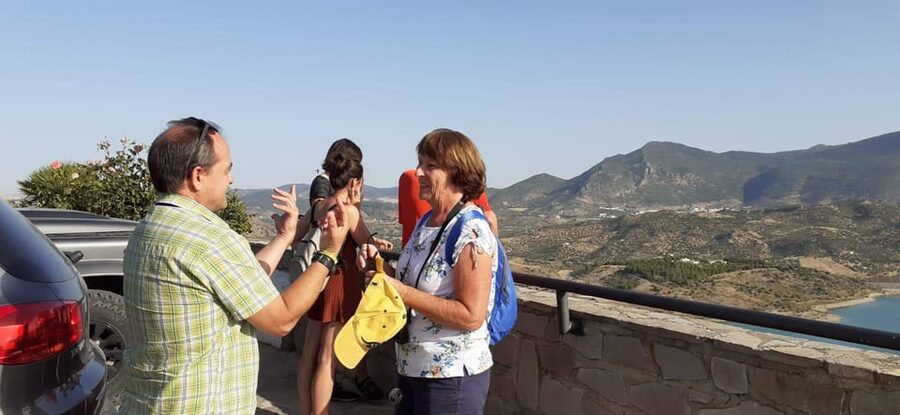
This is a full day. Even with multiple stops, you’re moving from place to place, then walking in each. The good news: the tour is set up with pauses—Alameda del Tajo gardens, a nature park hour, and village time in Zahara and Grazalema.
Here’s what I’d pack mentally and physically:
- Good walking shoes for slopes and steps in Ronda
- A layer for the mountains and gorge air (weather can shift fast)
- Sun protection, even if clouds roll in
- A small snack or money for a drink, because food and drinks aren’t included
Also, the tour description calls for moderate physical fitness. That means you’re not doing a strenuous hike, but you are walking and climbing enough that comfort matters.
Finally, if you care about bridge photos, think strategically. You may get the best shots near the main viewpoint areas, and then you’ll still need time for exploring and lunch options elsewhere.
Price and value: is $103.33 worth it from Seville?
At about $103.33 per person for roughly 11 hours, this isn’t a bargain trip. But it can be solid value if you want convenience plus expert help for the key sights.
Here’s how I judge value on this route:
- You’re getting round-trip pickup/drop-off from central Seville, which saves time and hassle
- You’re paying for a certified guide, so you’re not navigating explanations on your own
- Several stops show free admission in the plan, so you’re not hit with nonstop ticket costs
- You’re compressing multiple regions into one day: Ronda, plus the White Villages area, plus Sierra de Grazalema
Where the price can feel less fair is if you’re hoping for extended time in only one place. This is built for variety. If your #1 priority is spending hours inside Ronda exploring at your own pace, you might wish you had more time there.
So, should you book this White Villages and Ronda day trip?
I think you should book this tour if you:
- want to see Ronda’s gorge viewpoints without planning transport and logistics
- like the idea of mixing town drama (Ronda) with mountain scenery (Sierra de Grazalema)
- enjoy a guided day where the route hits the major sights and then hands you some room to wander
I’d skip or rethink it if you:
- hate structured schedules and want long, slow time in one single town
- need a low-walking day (Ronda’s steps and viewpoints mean you’ll be on your feet)
- expect every bullfighting-related stop to be an interior visit (this tour description emphasizes outside viewing)
FAQ
What time does the tour start?
It starts at 9:00 am.
How long is the day trip?
It’s listed as about 11 hours.
Is food included in the price?
No. Food and drinks aren’t included unless specified.
Do I need to buy tickets for the stops?
Some stops note free admission in the plan, including El Tajo de Ronda and Sierra de Grazalema.
Will I be able to explore Ronda on my own?
Yes, you get free time in Ronda to explore independently.
What languages is the tour offered in?
English is offered, and occasionally two languages may operate at the same time.
How big are the groups?
The maximum group size is 30 travelers.
What happens if the weather is bad?
This experience requires good weather. If it’s canceled due to poor weather, you’ll be offered a different date or a full refund. Free cancellation is available up to 24 hours before the experience starts.