REVIEW · ROME
Pompeii, Amalfi Coast and Positano Day Trip from Rome
Book on Viator →Operated by City Wonders Ltd · Bookable on Viator
One day, two icons of southern Italy. I love the skip-the-line access to Pompeii paired with a real guide (Flavio and Francesca-style energy shows up a lot), and I also love that you get free time in Positano instead of just a quick photo stop. The tradeoff: it’s a long day with real walking, plus a bus ride that can feel tight if you’re tall.
You’ll start at Piazza del Popolo, then board an air-conditioned coach with high-speed Wi‑Fi for the southbound run. Pompeii comes first, where you meet your guide at the entrance and head straight into the ruins with priority entry so you’re not wasting time stuck in lines.
This tour is best when you plan for the pace. Bring comfortable shoes, keep expectations realistic about time for lunch, and remember luggage isn’t allowed on the coach (no storage).
Day trips are only half a Rome plan, of course. For the in-city half, the Colosseum slots, the Vatican timings, the food evenings, TheRomeTraveler.com applies the same review-first treatment to everything bookable inside the walls, worth a look before you spend your city days queueing.
In This Review
- Key things to know before you go
- Rome to Pompeii and Positano: the smart way to stack a big day
- Piazza del Popolo start: your meeting point and first-run expectations
- Skip-the-line Pompeii: why priority entry matters here
- The emotional payoff
- The physical reality check
- The Amalfi Coast drive: the scenery break between ruins and sea
- Positano free time: shopping, viewpoints, and the steep stair factor
- Off-season reality
- Food on the tour: plan for lunch and snack gaps
- Bus comfort, group size, and what you’ll want to bring
- Seating can be the weak spot
- Noise and attention
- Don’t bring luggage
- ID for younger travelers
- Guides and drivers: what makes the day feel smooth
- Value check: does $101.58 make sense for this route?
- Should you book the Pompeii and Positano day trip from Rome?
Key things to know before you go
- Skip-the-line Pompeii entry with a guided highlights tour, so you spend time seeing rather than waiting
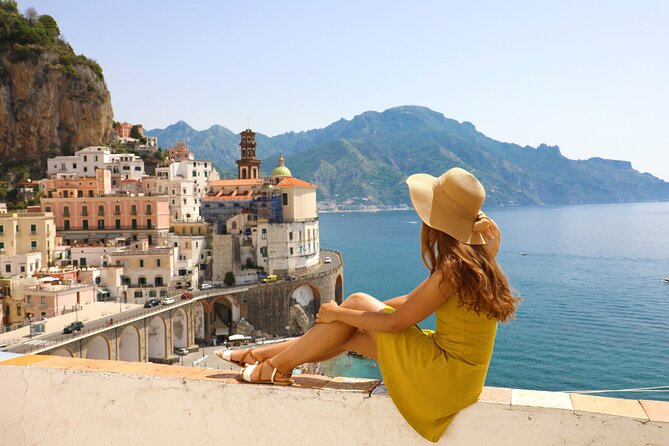
- Amalfi Coast drive views on the way south, with mountains dropping into the sea
- Two hours in Positano for wandering shops and viewpoints on your own
- Small-group feel (up to 50) even though it runs as a big-day coach outing
- Air-conditioned coach + high-speed Wi‑Fi, which helps on a long ride
- Lots of uneven ground in Pompeii and steep walking in Positano, so moderate fitness matters
Rome to Pompeii and Positano: the smart way to stack a big day
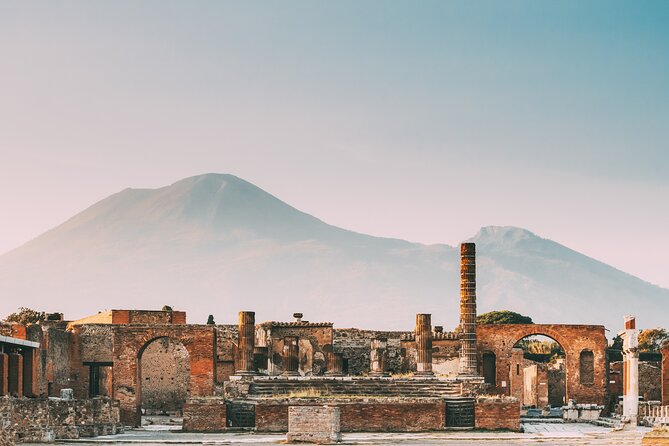
This is built for travelers who want a lot of southern Italy in limited time. You’re leaving central Rome, doing the main historical draw (Pompeii) with skip-the-line entry, then adding the Amalfi Coast and finishing with Positano free time.
That “stacking” is the appeal. If you’re only in Rome for a few days, doing Pompeii plus the coast on your own can turn into a complicated puzzle of trains, buses, schedules, and ticket lines. This tour trades flexibility for simplicity—and most people find that a good deal when time is your limiting factor.
The tour runs about 13 hours. You’ll likely feel the length, especially if you’re starting early and ending back in Rome after dark in parts of the year. On the bright side: the coach is air-conditioned and equipped with high-speed Wi‑Fi, so you can use the ride to catch up on maps, messages, or offline notes about what you’ll see next.
You can also read our reviews of more tours and experiences in Rome.



Piazza del Popolo start: your meeting point and first-run expectations
Your day begins at Piazza del Popolo (00187 Roma), and the tour ends back at the meeting point. That central location is helpful because you’re not adding another transfer just to start.
From there, the coach journey begins. The day is designed to keep you moving, but you should still plan for the reality of a multi-stop itinerary: groups show up at different times, and buses need to load. In past experiences with this style of outing, the feeling can be more “organized” than “instant”—so I’d rather you arrive with cushion in your schedule than try to be perfect down to the minute.
Also note the practical limits:
- Luggage isn’t permitted on the coach, and there’s no luggage storage available.
- If you’re traveling with a stroller, extra bags, or large carry-ons, this is the kind of detail that can derail your day fast.
Skip-the-line Pompeii: why priority entry matters here
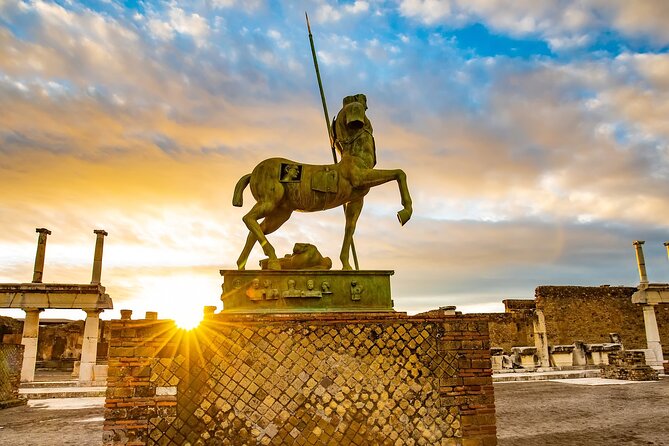
Pompeii is famous for two things: its significance and its lines. The skip-the-line access and reservation fee included with your entry is a big value point. It’s not just convenience—it’s time you can spend inside the ruins instead of waiting outside with everyone else.
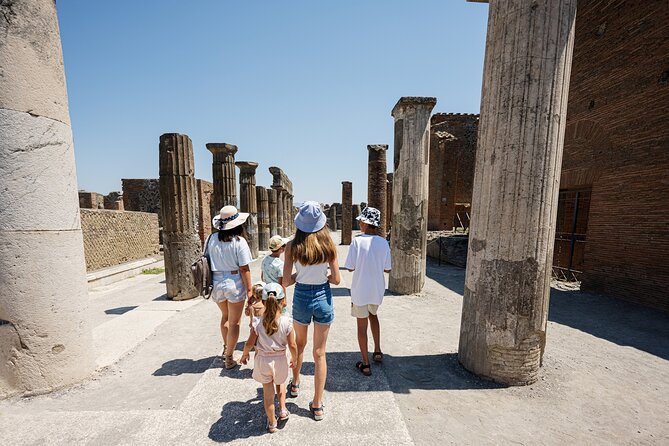
Once you arrive, you meet your local, English-speaking guide at the entrance and start with a guided tour of Pompeii’s highlights. Plan for around two hours on-site for the guided experience, with Pompeii’s uneven terrain and steps part of the package.
This is the core of the tour. Expect preserved villas, public baths, restaurants, theatres, and other structures that make the city feel like a living set from another time. Several guides are praised for story-telling style and humor (Enrico and Enzo-style commentary pops up in examples), and you may hear guides use attention-getting calls—one example was wakey wakey—to gather the group quickly as you move between areas.
The emotional payoff
Pompeii hits hard, in a good way. In the examples I’ve seen, people remember the plaster casts of victims and the stark sense of what changed in a single moment. You’re not just looking at ruins; you’re looking at a snapshot of daily life frozen in time.
The physical reality check
The ruins are uneven. There are stairs, slopes, and ground that isn’t friendly for mobility issues. The tour instructions call for moderate physical fitness, and the guidance can’t recommend it for people with mobility impairments. If you’re on the fence, think about how you handle stairs at home, not how you feel in the moment.






The Amalfi Coast drive: the scenery break between ruins and sea
After Pompeii, you get free time for lunch (at your own expense). Then the tour continues along the coastline by coach, with views that are part of the “why” of this trip.
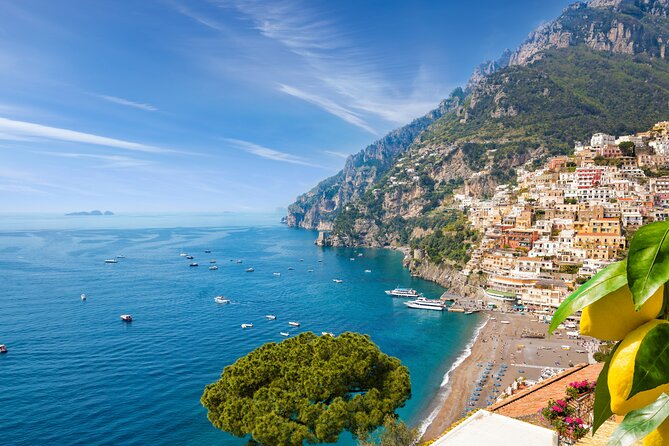
This stretch is about the dramatic geography: mountains tumbling down to the sea, and small villages stacked along slopes like they grew there. The tour time for this section is listed at about 1.5 hours, so you’re not stuck on the bus for the entire experience—but you are still riding.
Why it’s worth it: doing this coastal drive by public transport can mean extra planning, and it doesn’t always deliver the same easy “look out the window” flow. Here, you get that visual connection between Pompeii’s inland world and the coast’s cliffside life.
If you want photos, this is when you’ll want to be positioned for windows and quick stops. The road is scenic, so treat the ride like a moving viewpoint, not dead time.
Positano free time: shopping, viewpoints, and the steep stair factor
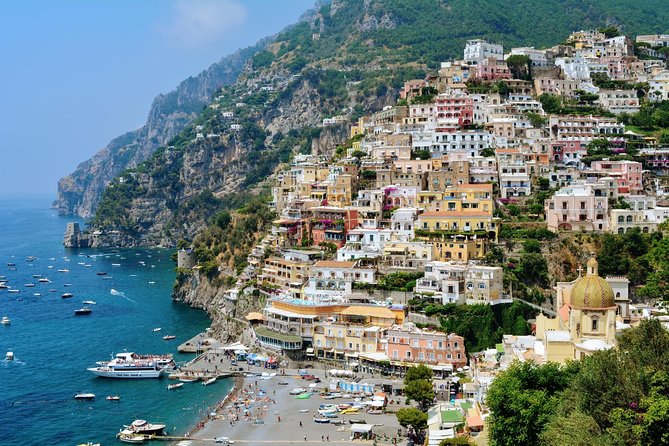
Positano is the grand finale in terms of feel-good scenery. Your stop here is about two hours of free time to explore at your own pace.
This is when people tend to enjoy:
- strolling meandering streets lined with artisanal shops
- pausing at viewpoints for photos
- tasting local favorites like limoncello
But there’s also a key practical detail: Positano sits on a steep hillside. When you’re there, the “how far is that?” question becomes very real very fast. One common experience in guides of this kind is that you may need to walk downhill to the water area and then climb back up—so plan your energy like you would for a short hike.
Off-season reality
If you go in winter months or on days when many shops close, you might find fewer stores open than you hoped. One example noted that Positano had limited openings in January. That doesn’t make the village less beautiful, but it changes the experience from shopping-focused to sightseeing-focused.
So if shopping is a must, time your visit carefully—or be ready to spend more time looking, snacking, and relaxing at viewpoints rather than browsing late into the day.
Food on the tour: plan for lunch and snack gaps
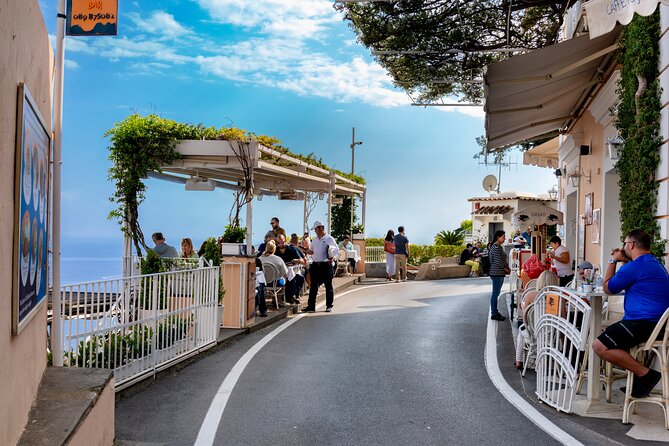
This day is built around a lot of movement, and the itinerary includes lunch time as free time at your own expense. That’s normal for Italy, but on a 13-hour run, you’ll want to think like a marathoner, not a museum-goer.
Here’s the practical takeaway I’d follow:
- Don’t assume there will be a perfect sit-down meal available exactly when you’re hungry.
- If you’re sensitive to long gaps, pack a snack you can tolerate (and keep it simple).
- Bring water if you can.
In real-world examples with this kind of outing, people have reported feeling rushed at meal points and ending up with limited options. One person even described having only a small pizza option before the return drive. The safe strategy is to avoid making lunch your only fuel plan.
If you’re picky about pizza, coffee, or water availability, treat the included/free-time meal periods as convenient stops—not as a guarantee of your best meal of the trip.
Bus comfort, group size, and what you’ll want to bring
The tour holds a maximum of 50 travelers, but you’re still on a coach. That means you get a big-day environment even when the guides break the group into smaller clusters at Pompeii.
Seating can be the weak spot
Several comments point to tight seating and limited legroom. If you’re tall or broad-shouldered, the bus can become uncomfortable after a while. This isn’t a “stay comfortable no matter what” tour—so pack accordingly (light layer, neck support if you use one, and an attitude of “it’s fine, I’m here for Pompeii”).
Noise and attention
In one example, a loud work group affected how much people heard from their bus guide. The general point for you: if you want to really hear the commentary, choose seats where you can focus, and be patient with how group dynamics can vary.
Don’t bring luggage
One of the clearest rules here: luggage isn’t permitted on the coach, and there’s no luggage storage. If you have a carry-on, make it light and manageable. If you need to travel with lots of stuff, look for a version of the tour that includes pickup/drop-off options that match your setup, or reduce what you bring.
ID for younger travelers
Children under 18 might need to show their ID at the entrance of the site, so bring it if that applies.
Guides and drivers: what makes the day feel smooth

The most repeated praise is about guides who keep energy high and help you understand what you’re seeing. Names that showed up in examples include:
- Flavio (bus guide praised for keeping things lively)
- Francesca (bus guide described as patient and kind)
- Laura (bus guide praised for helpful information on the way)
- Natascia and Natasha (guides praised for personality and knowledge)
- Pompeii local guides such as Enrico, Enzo, and Giorgio, often described as funny and strong at explaining details
What you can expect in practice is a highlights approach: you’ll move through the ruins with a guide who calls out what matters and helps you connect the dots. That’s exactly why skip-the-line plus a guide is better value than a self-guided wander—Pompeii is vast, and without context it’s easy to miss the “aha” parts.
Drivers matter too for a day like this. Several examples praised drivers for safe, confident driving on curvy roads. That matters on the Amalfi Coast stretch, where roads can feel tight and intense.
Value check: does $101.58 make sense for this route?
At $101.58 per person, the value comes from what’s bundled—not from doing one thing well.
You’re getting:
- Skip-the-line access to Pompeii (including a reservation fee)
- A guided Pompeii tour
- Round-trip transport from Rome by air-conditioned coach
- High-speed Wi‑Fi on board
- Free time in Positano
If you attempted this yourself, the costs would quickly add up: getting to Pompeii, booking timed entry, hiring a local guide (or spending hours reading and still missing context), then figuring out the Amalfi/Positano logistics.
Where value can feel less perfect is time. Pompeii is huge, and the “highlights” nature means you may want more free roaming than the scheduled tour allows. If you’re the type who wants to linger for long stretches, you might feel the pinch.
Still, for most first-timers with one day to spare, this is a strong deal: you’re buying the convenience of an organized route and the saving of time at the hardest-to-time stop.
Should you book the Pompeii and Positano day trip from Rome?
Book it if:
- you want Pompeii plus Amalfi Coast plus Positano in a single day
- you value skip-the-line entry and guided context
- you’re okay with a long coach ride and moderate walking
- you want a simple plan that doesn’t require ticket-and-transport juggling
Skip it or choose a different plan if:
- you need lots of quiet time to roam Pompeii slowly
- you struggle with stairs, uneven ground, or steep hills
- bus seating comfort is a deal-breaker for you
- you’re traveling in a period where Positano shopping hours may be limited and you’re expecting lots of storefront time
If you decide to go, I’d take one extra step to make it enjoyable: plan to carry your own snack and water, wear shoes you trust on uneven stone, and mentally frame this as a “see the big things” day—not a leisurely sit-down vacation.
If your schedule is tight, this tour is one of the most efficient ways to get the history and the coast without turning your Rome trip into a logistics project.