REVIEW · ISTANBUL
Turkey Highlights 4 Day Tour from Istanbul Hassle-Free Package
Book on Viator →Operated by Travel Store Turkey · Bookable on Viator
Turkey in four days actually works. You get a tight circuit of Cappadocia, Ephesus, and Pamukkale with flights, hotels, and entrances handled. It’s the kind of trip where you trade planning headaches for well-paced sightseeing and a guide who keeps things moving.
I especially like two things: the small-group feel (up to 15 in the plan) and the way the tour pairs major landmarks with the smaller, character-filled stops like Kızılcukur’s churches and Kaymakli’s carved shelter rooms. The guides I’ve learned to value here—like Mert in the Ephesus–Pamukkale stretch and Gulshen in Cappadocia—are the difference between seeing ruins and actually understanding what you’re looking at.
One drawback to keep in mind: this trip is logistics-heavy. Flights, airport transfers, and hotel changes mean delays or last-minute tweaks can happen, and on a couple of days the on-the-ground flow may not match what you hoped for down to the exact order.
In This Review
- Key Things You’ll Notice on This Tour
- Four Days of Turkey’s Biggest Hits, Without the Headache
- Price and Value: What $1,689.12 Covers (and Why That Matters)
- Pickup, Timing, and the Reality of Moving Between Regions
- Hotels and Meals: The Parts You’ll Feel After a Long Day
- Day 1 in Cappadocia: Kızılcukur, Cavusin, Love Valley, Kaymakli Underground
- Day 2 in Northern Cappadocia: Göreme Panorama, Avanos Pottery, Devrent, Pasabag
- Day 3 Near Ephesus: Ancient City, Virgin Mary’s House, Artemis, Isa Bey Mosque
- Day 4 Pamukkale and Hierapolis: Travertines, Antique Pool, and Cleopatra’s Columns
- Guides, Group Size, and Why English Skills Really Matter
- Shopping Stops: Useful Context, Real-World Sales Pressure
- Should You Book This Tour? Who It Fits Best
- FAQ
- How long is the Turkey Highlights 4 Day Tour from Istanbul?
- Is the tour guided and in English?
- What time does the tour pickup start in Istanbul?
- Where can you be picked up in Istanbul?
- What’s included in the price besides sightseeing?
- Are dinners included?
- Is the hot air balloon ride included?
- How large is the group?
Key Things You’ll Notice on This Tour
- Cappadocia’s Christian sites plus underground history: valleys, cave villages, and Kaymakli Underground City
- Fairy chimney variety: from Devrent Valley shapes to Pasabag’s multi-stem chimneys
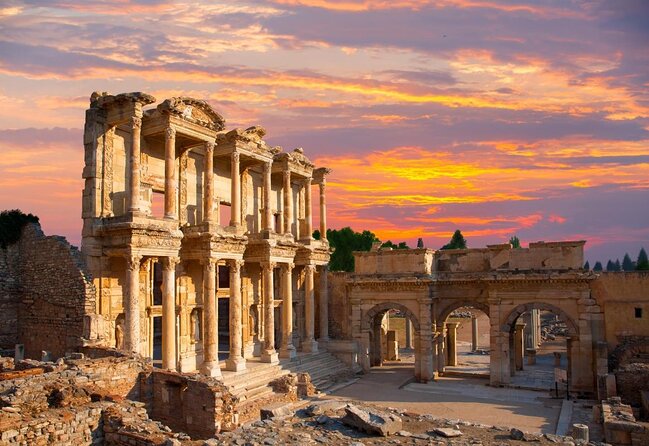
- Ephesus in one strong hit: Library of Celsus, Great Theater, plus Mary’s House
- Pamukkale as both nature and ruins: travertines, Hierapolis amphitheater, and the Antique Pool
- Guides matter here: standouts like Mert and Gulshen tend to make the whole trip click
- A short list of inclusions: the essentials are covered, while drinks and optional extras stay on you
Four Days of Turkey’s Biggest Hits, Without the Headache
If you want Turkey’s top sights but don’t want to stitch together flights, bus routes, and ticket lines, this format is built for you. The tour strings together three regions that are far apart—Cappadocia, Ephesus (Selçuk), and Pamukkale (Hierapolis)—and it keeps the days structured so you spend your energy walking, not researching.
The plan is also designed around the rhythm of each place. Cappadocia rewards early mornings and slow wandering among the rock formations. Ephesus rewards patience and context, because the city reads like a puzzle of eras. Pamukkale and Hierapolis are the opposite: you’ll want time both for the travertines’ photo spots and for the Roman/Greek ruins nearby.
That “small-group + guided” combination is the real value. It’s not just about ticking off famous names; it’s about having someone translate scale, purpose, and history into what you can actually see in an hour or two.
You can also read our reviews of more tours and experiences in Istanbul.


Price and Value: What $1,689.12 Covers (and Why That Matters)
At $1,689.12 per person, this isn’t a budget day-trip deal. But look at what’s included: 3 domestic flights, 3 nights of accommodation, airport transfers, a guide, transportation, entrance fees, and select meals (lunches and breakfasts).
For many travelers, the cost trap in Turkey is “stuff you forget to price.” Flights between regions, entrance tickets, and the transfers that connect everything can add up quickly when you DIY. Here, you’re paying for convenience plus a guided flow that’s meant to reduce wasted time.
Also, luggage is planned in: you get 15 kg checked plus 8 kg handbag allowance included with the flight segments listed. That can matter if you pack heavier for layering—Turkey swings from warm days to cooler evenings, especially in Cappadocia.
If you’re the type who hates surprises, this package format is attractive. If you enjoy full freedom to linger, you’ll want to accept that your schedule is the schedule.
Pickup, Timing, and the Reality of Moving Between Regions
Pickup in Istanbul is flexible: the start time is 4:00 pm, and you can be picked up from any address or hotel in Istanbul (for the tour setup described). After the Istanbul-to-Cappadocia flight early in Day 1, you’ll settle into the rhythm of regional driving and guided stops.
One practical note: in the real world, transfers can be time-sensitive. You’ll want a travel mindset that’s okay with waiting at airports or switching plans with minimal drama. Even when everything runs “smooth,” there’s simply no way around airport timing.
On top of that, the tour’s stated cap is maximum 15 travelers, which is ideal for conversation and easier movement. Still, you should be prepared for vehicles to vary by day or by traffic, since group logistics sometimes split along the way. If you’re trying to meet up with friends or coordinate your own side plans, plan those buffers ahead of time.
Hotels and Meals: The Parts You’ll Feel After a Long Day
You get 3 nights of lodging, and the itinerary calls out a 4-star cave suite hotel in Göreme for the first night. For the rest, you’ll spend the next night(s) in Kuşadası at 4-star seafront-style accommodations.
Meals included: lunch on 4 days and breakfast on 2 mornings. Dinner isn’t part of the package, and drinks aren’t included. That’s normal for guided multi-region tours, but it’s worth planning for—especially on days when you arrive back tired and hungry.
What’s good here is that the tour doesn’t pretend sightseeing equals rest. The pacing allows you to see a lot without turning every day into a sprint. If you’re the kind of traveler who likes a shower and a calm hour before dinner, this structure helps.
Day 1 in Cappadocia: Kızılcukur, Cavusin, Love Valley, Kaymakli Underground
Day 1 is about variety. You start with rock valleys and Christian-era cave life, then shift underground—literally—to the defensive world of Kaymakli.
Kızılcukur (Rose Valley)
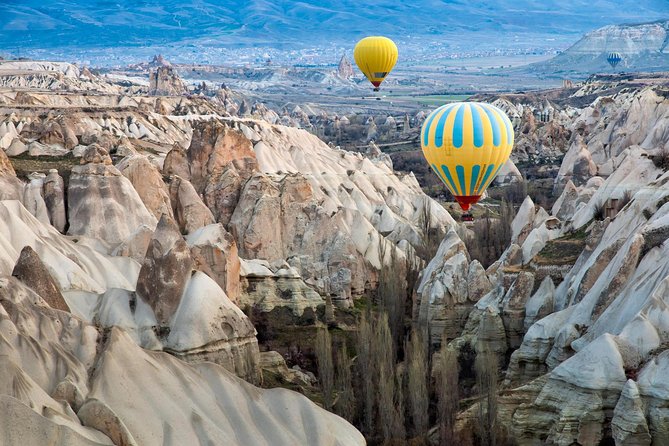
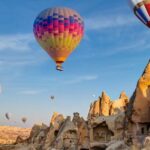
This valley earns its reputation with red rock colors that change in daylight. It’s also framed as one of the best hiking-friendly spots in the area (an easy 4 km style walk is referenced). You’ll also see cave dwellings and early churches—good to know if your idea of Cappadocia is mainly balloons and fairy chimneys. The light is a big deal here, especially near sunset.
Cavusin
Cavusin adds texture: a cave village tied to early Christian settlement. The highlight is an ancient church site dating back to the 3rd century, and you’ll also see how cave houses collapsed after a landslide in 1960. Even if you’re not into geology, you’ll still feel the scale when you see how these spaces were carved for daily living.
Love Valley
Short stop, easy wow factor. The canyon’s whimsical “fairy chimney” shapes are the point, and the walk is quick enough to keep the day’s energy up.
Kaymakli Underground City
This is the big shift underground. The tour frames Kaymakli as the standout among 36 other underground cities, with layers of use—from Hittite origins to Christians later using it as a shelter during Roman persecution. You’ll explore rooms connected by tunnels, with areas for storage and communal life, plus defense systems that show how people prepared for invasion.
Pigeon Valley and Uchisar Castle
These are classic Cappadocia finishing points: viewpoints, panoramas, and landscape details you’ll remember when you look at photos later. Uchisar is the highest point in the region, so it’s a natural way to cap a first-day orientation loop.
By the end of Day 1, you’re not just “seeing Cappadocia.” You’re understanding how people lived there—above and below ground.

Day 2 in Northern Cappadocia: Göreme Panorama, Avanos Pottery, Devrent, Pasabag
Day 2 leans into iconic scenery and craftsmanship. It’s the day where the landscape becomes the main character.
Göreme Panorama
This quick viewpoint helps you place Göreme in your mind: cave houses, rock formations, and the overall layout of the town. It’s the kind of stop that makes the rest of the day easier to appreciate.
Göreme Open Air Museum (Göreme National Park)
The tour includes time for churches and chapels carved into the fairy chimneys, with frescoes painted across centuries (noted from the 10th to 13th centuries). You’ll also get context through the story of major church figures associated with the area.
Avanos pottery
Avanos is about craft: pottery tied back to Hittite-era traditions. The included background—red clay from the Kızılırmak River residue—adds real meaning to what otherwise can feel like “another shop stop.” If you like seeing how materials shape the final product, you’ll appreciate this.
Devrent Valley
Here, you’ll walk through rock formations eroded over time into “fairy chimney” shapes. It’s a stop designed for visual interpretation. If your camera roll always ends up with strange rock silhouettes, this is your day.
Pasabag (Monks Valley)
Pasabag is where the fairy chimneys get extra dramatic: multiple stems and caps, plus a chapel and hermit shelter built into one chimney. It’s short but memorable, and it’s a big reason many people come to Northern Cappadocia in the first place.
Uçhisar/Urgu p area viewpoints (Three Beauties)
The tour includes a viewpoint over Urgup’s vineyards and wine-making areas. Even if you don’t plan to buy anything, the views help you see that the region isn’t only rock formations—it’s farmland, too.
Day 2 is a strong balance of scenery, cultural context, and a little craft education.
Day 3 Near Ephesus: Ancient City, Virgin Mary’s House, Artemis, Isa Bey Mosque
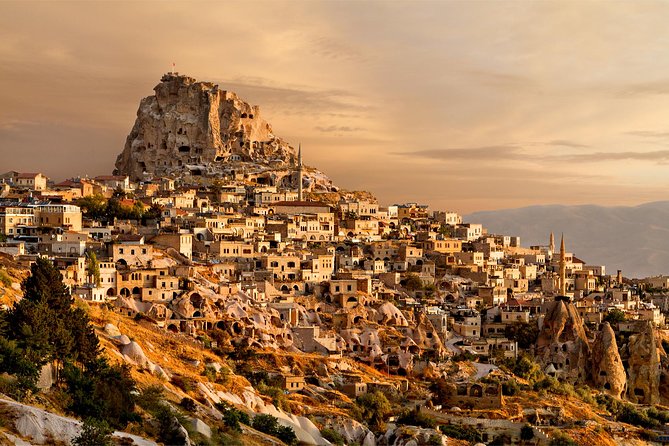
Day 3 is a “big ancient site day.” Ephesus alone could take two days, so the guide’s ability to manage pace is key. What makes this stop valuable is the mix: Roman grandeur, early Christianity, and a surviving Ottoman-era mosque.
Ancient City of Ephesus
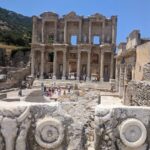
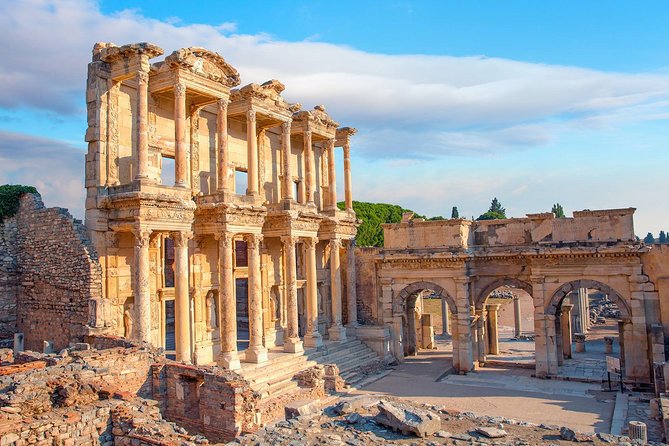
You’ll cover major hits: Library of Celsus, the Great Theater, and discussion around the Temple of Artemis. The tour describes the city as a major trade center and a hub for early Christianity, with famous ties to figures like the Apostle Paul. On-site, you’ll notice how the marble-paved streets and architecture are built for scale and movement—so the guided framing helps.
House of the Virgin Mary (Meryemana)
This is a spiritual stop near Ephesus. The story is that it’s believed to be Mary’s final residence, with the site linked to accounts from a German nun’s visions. The building is described as modest stone within greenery, and the area includes a spring noted as holy water. You don’t have to be religious to appreciate the atmosphere—it’s quiet and human-scaled compared with the huge ruins.
Temple of Artemis
Even though only remnants survive today (a single column and scattered fragments), this is still an anchor stop because Artemis was one of the Seven Wonders. Seeing what’s left helps you understand the difference between legend and physical survival.
İsa Bey Mosque
This is an architectural curveball in the best way. The mosque near Selçuk is described as a 14th-century example with marble columns and a dome, blending Seljuk and Islamic styles. It’s also still in use, so you get a sense of living culture, not only museums.
If you care about history, Day 3 is likely your favorite—or at least the one that gives you the most “wait, that’s the whole story?” moments.
Day 4 Pamukkale and Hierapolis: Travertines, Antique Pool, and Cleopatra’s Columns
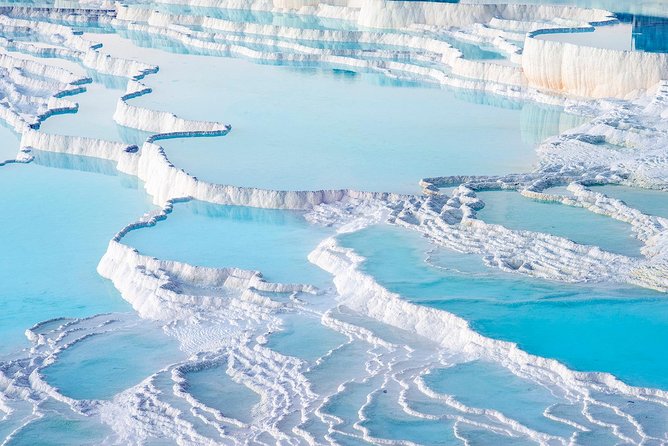
Day 4 is where nature becomes surreal. Pamukkale’s travertine terraces look unreal—like someone spilled chalk down a mountainside. The tour includes time both for the white travertines and for the ruins of Hierapolis.
Pamukkale Thermal Pools
The tour frames Pamukkale as calcium-rich thermal waters forming white travertine terraces. You’ll also get a clear link between the natural spa phenomenon and the ancient city right above it. Expect a walking environment where your comfort matters.
Hierapolis ruins
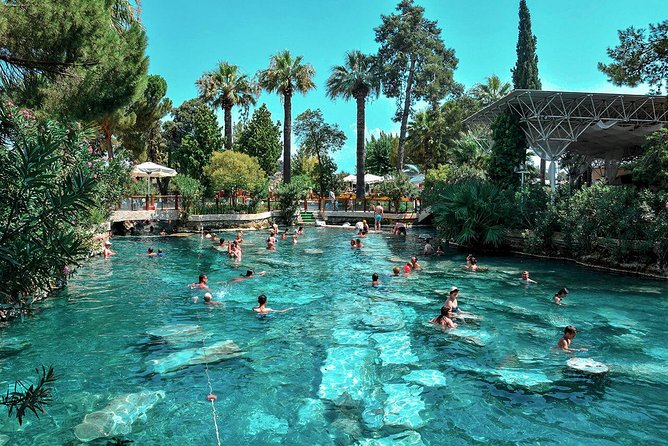
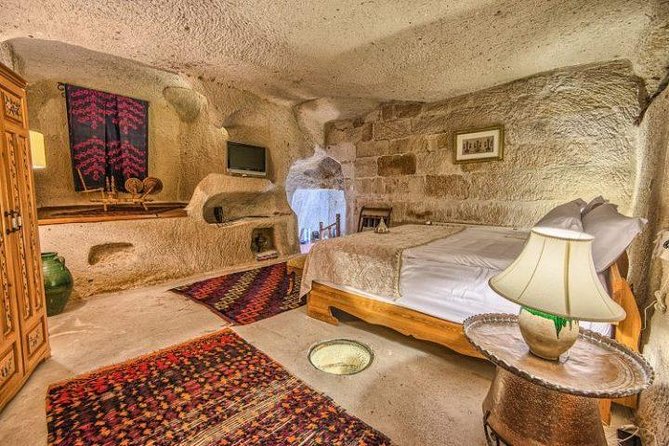
You’ll explore major landmarks, including the ancient theater, Roman bath areas, and the necropolis. The standout is the Antique Pool, also called Cleopatra’s Pool, where you can swim among submerged Roman columns. The guide time is short, so moving efficiently matters.
Pamukkale Theater and Byzantine Church (as listed stops)
These add variety beyond the water scene. The theater is noted as capable of holding up to 15,000, with what remains showing passages and aisles leading to the stage. The Byzantine church/gymnasium stop (as described) connects Roman-era spaces to later religious use.
Cleopatra Pools time
The tour includes time specifically for the Cleopatra Antique Pool, described as a mineral-rich thermal pool maintained around 36°C / 96°F and associated with legend about submerged columns.
One practical point: footwear rules can be strict around the limestone pool areas. Plan for uncomfortable walking if you’re trying to get photos at pool edges, and consider bringing or buying approved foot protection on site if available.
Guides, Group Size, and Why English Skills Really Matter
On tours like this, the guide isn’t a nice-to-have. It changes the whole experience.
This tour’s standout feedback points toward excellent English and strong pacing. Guides specifically mentioned include Mert for the Ephesus and Pamukkale days and Gulshen in Cappadocia. When the guide breaks big sites into bite-sized pieces, you stop feeling lost among stones.
You’ll also notice that the tour spends time at many places that could otherwise become “quick photo stops.” If your guide explains what you’re seeing—how underground spaces worked, why fresco dates matter, or what an Ottoman mosque design is telling you—you get more from the same time.
Shopping Stops: Useful Context, Real-World Sales Pressure
This itinerary includes hands-on craft and workshop-style stops—most notably Avanos pottery and also scenic/value-focused places that can turn into shopping moments. Some days focus on demonstrations and local materials, and that can be genuinely interesting.
Still, understand how this works on the ground: you’re likely to pass carpet and leather sales areas in major tourist zones. If you’re not into shopping, you’ll want a light touch. Look, ask the basic questions if you want (materials, origin, craft time), and don’t let it swallow your attention at the expense of the sites.
A good strategy is simple: treat the shopping like a 20-minute culture pause, not an event. You’ll enjoy the rest more.
Should You Book This Tour? Who It Fits Best
Book it if you want:
- A structured circuit of Cappadocia + Ephesus + Pamukkale with flights and entrances taken care of
- Guided pacing that helps you make sense of big ancient sites
- A trip designed to minimize logistics planning, not maximize free time
Skip it (or at least shop carefully for alternatives) if:
- You hate any schedule pressure and want to linger on your own timeline
- Your comfort depends on very specific hotel styles—like a guaranteed cave-suite feel—without any variation
- You’re sensitive to last-minute logistical changes that can affect flight timing or exact stop order
My honest take: for most first-timers who want the highlights without becoming a travel manager, this package is strong value. Just go in with a flexible mindset and focus on experiences, not tiny details.
FAQ
How long is the Turkey Highlights 4 Day Tour from Istanbul?
It’s listed as a 4-day tour (approx.).
Is the tour guided and in English?
Yes. The tour includes a guide, and it’s offered in English.
What time does the tour pickup start in Istanbul?
The start time is listed as 4:00 pm.
Where can you be picked up in Istanbul?
Pickup is described as any address or hotel in Istanbul.
What’s included in the price besides sightseeing?
The package includes hotel pickup and drop-off (selected hotels), 3 domestic flights (with 15kg + 8kg handbag), 3 nights accommodation, airport transfers, transport, guide, lunches and breakfasts as stated, and all entrance fees.
Are dinners included?
No. Dinner is not included.
Is the hot air balloon ride included?
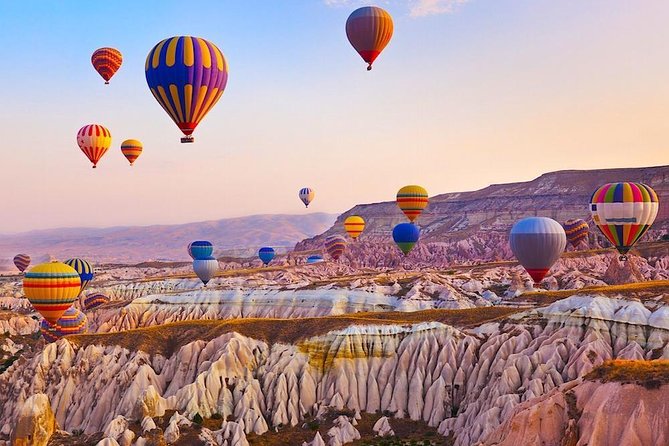
No. The hot air balloon ride is optional. If you want it, it’s described as being paid in Cappadocia.
How large is the group?
It’s listed as a maximum of 15 travelers.
If you want, tell me your travel month and whether you care more about ruins or scenery, and I’ll suggest what to prioritize day by day (and how to pack for travertines and caves).